



Selecting the Right Brand: 2500 kW Motor for OEM Suppliers
When OEM providers look at their choices for high-power industrial motors, picking the right 2500 kW motor name is a smart choice that affects the reliability of operations, the total cost of ownership, and the relationships with suppliers. In the industrial, energy creation, and process industries, this power class is used for difficult tasks that can't be compromised on performance. Our detailed guide helps engineers and procurement managers understand technical specs, customization options, and support issues so they can make smart purchasing choices that meet long-term business goals and budget limits.
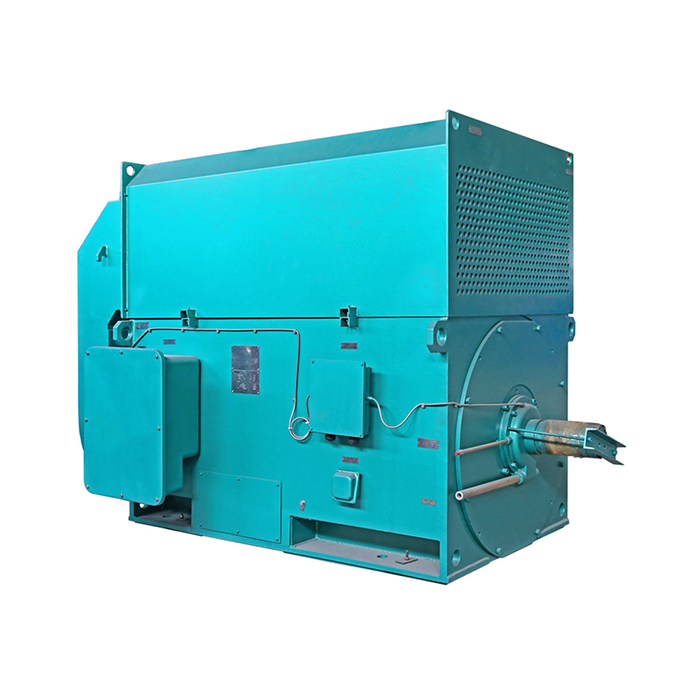
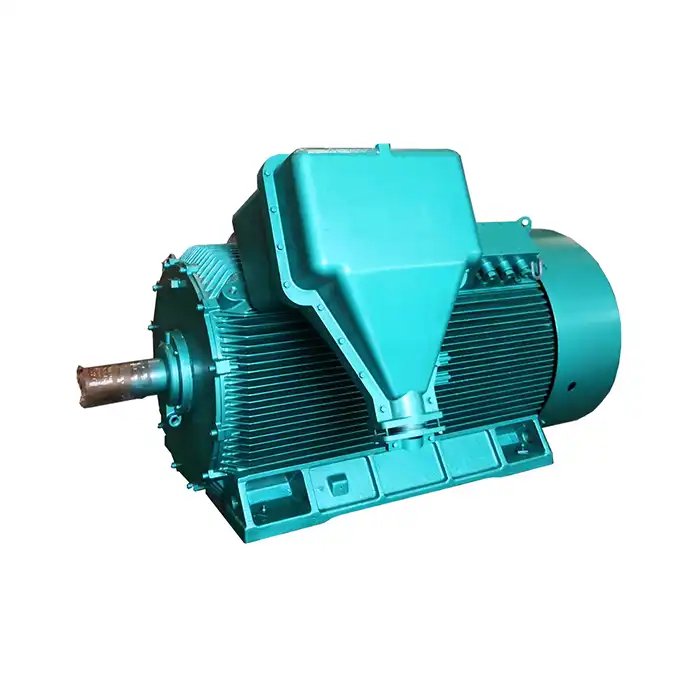
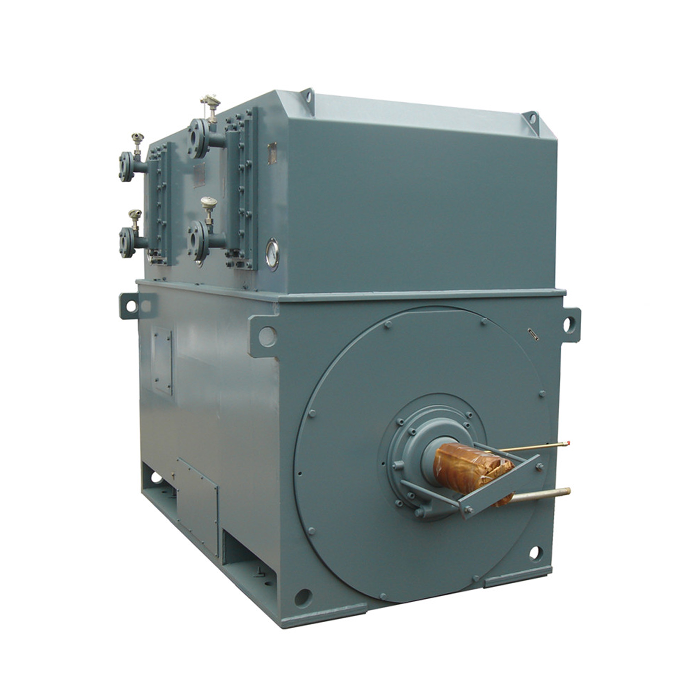
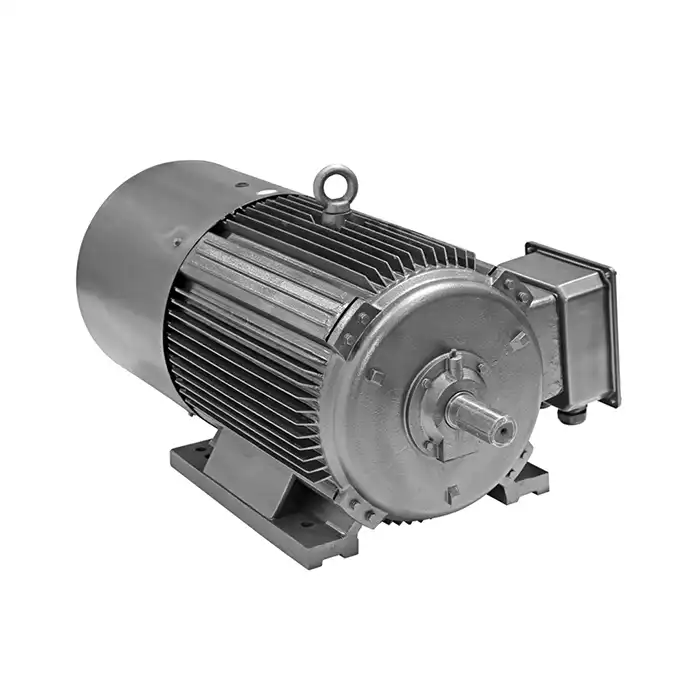
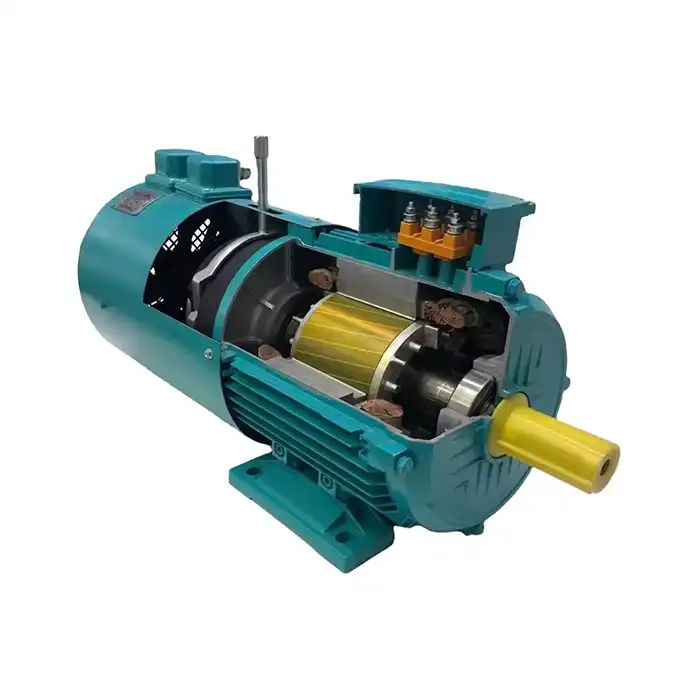
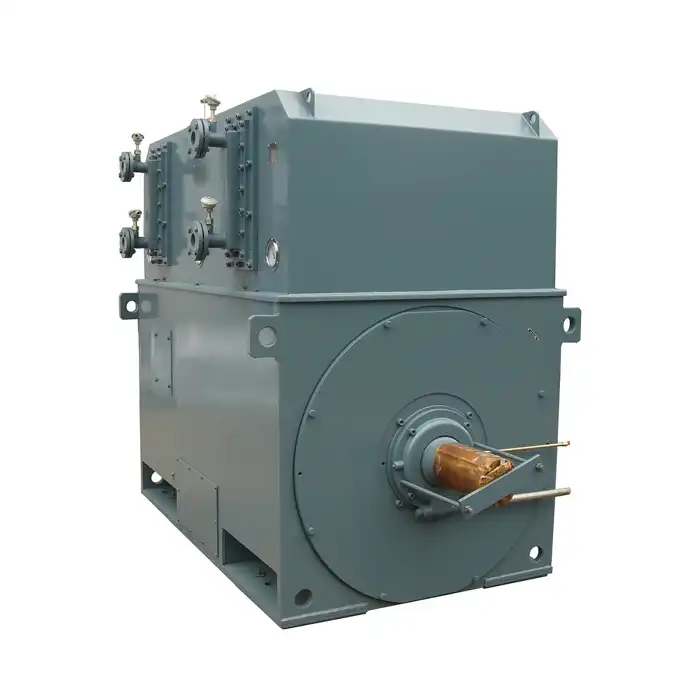
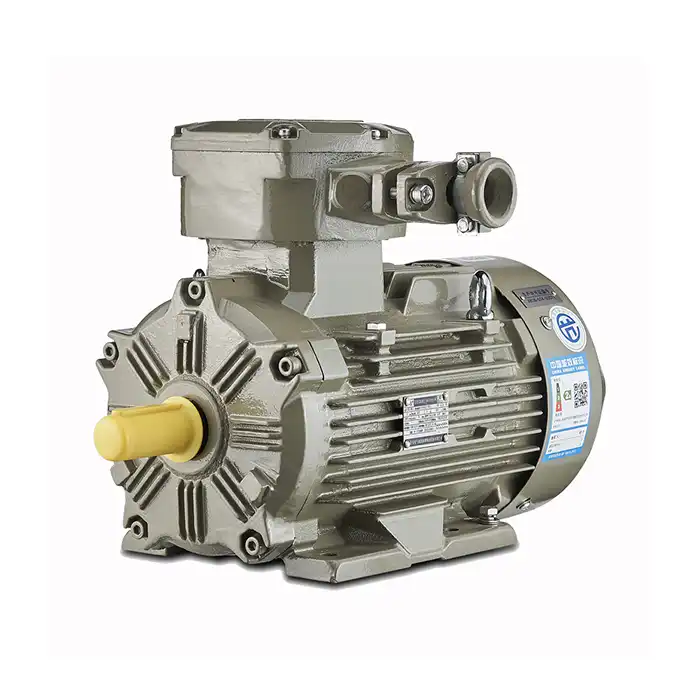
Series:YKK
Protection level:IP54
Voltage range:3000V±5%,3300V±5%,6000V±5%,6600V±5%,10000V±5%,11000V±5%
Power range:200-6300 kW
Application:fans, water pumps, compressors, crushers, cutting machine tools, transportation machinery, etc.
Advantage:low noise, low vibration, long service life, easy installation and maintenance.
Standard: This series of products complies with JB/T 12730 and JB/T 12729 standards.
Others: SKF, NSK, FAG bearings can be replaced according to customer requirements.
Understanding 2500 kW Motors: Specifications and Applications
Electric motors with a rating of 2500 kW motors are special machines made to work continuously under heavy loads. These machines can reliably control speed and pressure in places where broken equipment causes big costs in production and safety issues.
Core Technical Specifications
Industrial motors in this power class usually have a voltage range of 3000V to 11000V. The most popular voltage ranges are 3300V, 6600V, and 10000V. Depending on the facilities and distribution systems of the business, each voltage level has its own benefits. When the voltage grade is higher, the current draw is lower. This means that smaller conductors are needed, which makes long-distance transfer more efficient. Our YKK series motors can handle voltages between 3000V±5% and 11000V±5%, so they can be used in a variety of situations.
Protection class scores show how well the motor cover keeps the inside parts safe from outside threats. IP54 protection keeps dust out and keeps water sprays out. It's good for most industrial settings inside and out, as long as they are protected. This standard works well for climate-controlled buildings, process control rooms, and places with closed machinery that don't get much exposure to harsh weather.
Motor Types and Operating Characteristics
Induction motors dominate 2500 kW motor applications needing ruggedness and minimal maintenance. These workhorses handle varying loads without complex controls. Synchronous motors provide precise speed control and power factor correction for timing-critical 2500 kW motor applications. IC611 cooling uses external fans maintaining optimal 2500 kW motor temperature during sustained high loads. Effective thermal management prevents insulation degradation and bearing wear, extending 2500 kW motor service intervals.
Industrial Application Scenarios
A 2500 kW motor serves power plants in coal mills and feedwater pumps. Oil and gas facilities use 2500 kW motor for compressor trains and crude oil pumps. Mining operations depend on 2500 kW motor for ventilation fans and grinding mills. Steel mills require 2500 kW motor for rolling mill stands. Water treatment plants utilize 2500 kW motor for main pumps. These applications demand reliable 2500 kW motor performance.
Comparing Motor Brands: Evaluation Framework for OEM Suppliers
When choosing between motor names, it's important to carefully look at the factors that are most important to OEM operations. Instead of just looking at the original buy price, smart procurement takes into account the total ownership costs, the ability to customize, and the long-term support infrastructure.
Establishing Selection Criteria
For OEMs who want to use motors in their own designs, the option to customize them is very important. How well motors fit into current machinery plans depends on how easily mounting arrangements, shaft extensions, terminal box positions, and the ability to add extra devices can be changed. When suppliers let engineers work together on developing specifications, they add a lot of value by finding possible interface problems before production starts.
Dependable delivery has a direct effect on customer promises and work schedules. Quoted delivery dates aren't as important as consistent lead times, because unplanned delays mean expensive workarounds or lost income from setups that can't happen on time. For jobs that need to be finished quickly, suppliers who keep enough popular configurations in stock and offer fast custom production are very helpful.
Warranty coverage shows that the company that made the product is confident in its durability and protects you financially in case it breaks down too soon. Long-term guarantees that cover materials, workmanship, and consequential losses show that the quality control and component selection are very good. How quickly operational problems are fixed depends on how much expert help is available after the sale. This keeps downtime costs as low as possible, which are often higher than the cost of replacing the equipment.
Core Evaluation Metrics
Efficiency ratings directly correlate with 2500 kW motor operating costs over multi-year service lives. Even small efficiency improvements in continuously running 2500 kW motor yield substantial energy savings. Modern 2500 kW motor designs meeting at least IE3 efficiency consume less electricity. A 2500 kW motor brand's reliability reputation comes from demonstrated performance across diverse installations. Motors with predictable service intervals and long operational lifespans simplify 2500 kW motor maintenance and reduce spare parts inventory.
Brand Comparison Insights
Global 2500 kW motor manufacturers bring distinct strengths. European brands emphasize precision engineering, compact designs, and high power density for limited-space 2500 kW motor installations. North American manufacturers value rugged construction and accessible service networks. Asian 2500 kW motor producers offer competitive pricing, rapid scale-up, and customization flexibility. Match 2500 kW motor brand engineering philosophy to operational priorities. Some 2500 kW motor brands excel in harsh environments with sealed bearings and corrosion-resistant finishes.
Procurement Guide: Purchasing and Customizing Your 2500 kW Motor
Procurement strategies that work well balance technical needs, price limits, and time constraints while getting long-term help that can be relied on. Structured methods that systematically deal with each decision point during the buying process are helpful for OEM buyers.
Supplier Segmentation Strategy
Geographic proximity affects 2500 kW motor supplier support quality and logistics costs. Domestic US-based 2500 kW motor suppliers offer advantages in engineering consultation and freight transit times. Regional stocking locations enable parts availability for 2500 kW motor, reducing emergency downtime. International 2500 kW motor suppliers may provide lower pricing but require careful evaluation of import processes and customs clearance timing. Manufacturers specializing only in high-power 2500 kW motor applications typically have better technical expertise and testing capabilities.
Customization Advantages and Opportunities
Motor customization for 2500 kW motor enables optimized integration with existing equipment. Shaft modifications accommodate different coupling types and alignment constraints for 2500 kW motor. Extended shafts handle multiple driven components while shorter shafts fit compact machinery envelopes. Custom mounting configurations for 2500 kW motor eliminate adapter plates. Premium bearing selection uses SKF, NSK, or FAG brands for 2500 kW motor. YKK series 2500 kW motor offers power outputs from 200 kW to 6300 kW.
Ordering Process and Lead Times
Standard 2500 kW motor configurations typically ship 8–12 weeks after order confirmation. Custom 2500 kW motor specifications extend lead times to 12–16 weeks depending on modification complexity. Expedited 2500 kW motor production remains available with premium fees. Procurement begins with technical specification verification ensuring voltage ratings, mounting dimensions, and shaft details exactly match 2500 kW motor application needs. Engineering review identifies potential problems before 2500 kW motor production commits.
Warranty and Service Agreements
Standard 2500 kW motor warranty coverage typically extends 18–24 months from shipment or 24 months from commissioning. This 2500 kW motor warranty covers material defects and manufacturing errors. Extended 2500 kW motor warranty options provide longer coverage for risk-averse applications. Service agreements supplement 2500 kW motor warranty with preventive maintenance scheduling, routine inspections, and priority technical support. Predictable annual costs for 2500 kW motor make budgeting easier.
Technical Support and After-Sales Services: Ensuring Long-Term Motor Reliability
For motors to keep working well, they need to be installed correctly, serviced regularly, and problems fixed quickly when they happen. Manufacturers who offer full professional help add a lot of value on top of offering hardware.
Installation and Commissioning Best Practices
Proper motor installation begins with foundation preparation ensuring structural support, vibration isolation, and precise alignment with driven equipment. Concrete foundations require adequate curing time while grouted baseplates need careful leveling. Precision alignment tools are essential because shaft alignment errors directly affect bearing life and vibration levels. Terminal tightening torques must follow manufacturer specifications to prevent connection loosening that generates heat. Ground connections require low-resistance paths for electrical code compliance and personnel safety.
Maintenance Requirements and Troubleshooting
Regular motor maintenance preserves reliability and prevents premature wear. Bearing relubrication frequency depends on bearing type, operating speed, and environmental conditions. Motors with regreasing fittings require scheduled lubrication using specified grease types and quantities. Over-lubrication damages seals and causes overheating; under-lubrication accelerates wear and increases friction losses. Vibration monitoring detects mechanical problems before they become critical. Baseline vibration patterns established during installation serve as comparison references for routine readings.
Parts Availability and Service Infrastructure
Access to genuine replacement parts ensures prompt repair when component replacement becomes necessary. Critical spares including bearings, terminal blocks, and cooling fans should be stocked for process-essential applications where downtime carries high costs. Parts supply agreements negotiated during initial procurement secure favorable pricing and priority access. Retrofit upgrades extend motor service life while incorporating technologies developed after original manufacture. Improved bearing designs, enhanced cooling systems, and a
Advantages of Choosing the Right Motor Brand for OEM Applications
Choosing the right motor brand strategically has real benefits in practical, financial, and strategic areas. Knowing these benefits helps you explain spending money on high-quality equipment and good ties with suppliers.
Operational Excellence and Downtime Reduction
Unplanned power outages that mess up production plans and have effects that spread through the whole business are less likely to happen when motors are reliable. When equipment regularly meets or exceeds service interval standards, maintenance planning can be done during planned downtime, instead of having to be done in an emergency. This reliability makes it easier to use workers, keep track of parts, and plan output more accurately.
Noise and vibration levels that are low make workplaces safer and more comfortable, and they also keep mounting systems and equipment next to them from wearing out. Motors that are carefully balanced and have good bearings work easily for their whole lives. This improvement to the mechanics also shows that care was taken with the quality of the manufacturing process and the choice of parts, even in ways that are harder to see but still affect durability.
Features that make installation and upkeep easy cut down on the time and skill needed for routine service chores. Electrical work is easier when terminal boxes are easy to get to, connecting plans are well-documented, and standard tools are needed. Bearing covers that are easy to remove, provisions for re-greasing, and clear marking of service spots all make mechanical repair go faster. Because of these planning factors, a lot of work will be saved over many decades of use.
Lifecycle Cost Optimization
Total purchase costs for motors that are always running are mostly made up of energy use. Choosing designs that are efficient lowers electricity costs over the working life of the product. At $0.08 per kWh, a 2500 kW motor that runs for 8,000 hours a year uses $1.6 million worth of power every year. Any increase in efficiency of just 2% saves $32,000 a year, quickly paying the cost of better tools and continuing to save money for decades.
Less maintenance means lower ongoing costs for workers and parts, and longer outages don't mean lost output. When expensive parts, enough temperature margins, and strong construction are used to build motors, they need less service and break down less often. In addition to direct upkeep costs, the financial effect includes lost production, emergency service fees, and the cost of paying workers extra hours.
When an asset lasts longer, it doesn't have to be replaced as often, and the initial investment is spread out over more production units. In well-maintained uses, motors that are well-designed usually last 25 to 30 years. This lasts longer than smaller options that need to be replaced every 15 to 20 years, especially when you take inflation, installation costs, and lost work time during changeouts into account.
Strategic Partnership Development
By building strong relationships with motor providers, you can work together on engineering projects, get better prices, and get solutions that are fit your specific needs. Suppliers who know about OEM product lines and application needs can give better technical help and spot problems with connectivity before they happen during the standard development process. This knowledge cuts down on engineering time, stops costly design mistakes, and speeds up the process of making new products.
Making promises to a lot of work on a lot of different projects makes it easier to negotiate prices, payment terms, and service level agreements. When suppliers see OEMs as important accounts, they put their needs first when planning production and speeding up requests. This special treatment is very helpful when unexpected chances come up and need to be taken advantage of quickly, or when shortages of parts affect supply lines in the industry.
Scalable production helps a business grow without having to switch suppliers, which can cause technical problems and approval delays. Manufacturers with enough capacity, flexible production systems, and well-established quality processes can handle more orders while keeping the quality of their products the same. Because of this, OEMs can focus on growing their markets instead of managing the supply chain.
Conclusion
When choosing the right motor brand for OEM uses, you have to weigh operating needs and budget limits against technical specs, provider skills, and long-term support infrastructure. When it comes to speed, customization options, and dependability, our YKK series motors meet the needs of demanding industrial uses. These motors are made in strict accordance with JB/T 12730 and JB/T 12729 standards. They go through strict quality control at every stage of production, from precision casting to full load testing. Strong building, quick operation, and easy-to-reach service features all add up to value over long service lives. When looking at different 2500 kW motor choices, OEM procurement managers should think about how choosing a provider affects not only the original cost of purchase but also the total cost of ownership, the stability of operations, and the chances of forming strategic partnerships.
FAQ
1. What factors matter most when selecting a motor brand for OEM applications?
Customization options, dependability of shipping, quality of technical support, and guarantee coverage are the main things that people look at when making a choice. Check to see how well possible sellers understand what you need for your application and if they allow engineers to work together on developing the specifications. Think about how often they deliver on time, how quickly they answer technical questions, and how thorough their guarantee is. Manufacturers who keep their own support systems in the United States usually offer better service than suppliers in other countries who rely on third-party agents.
2. How do lead times vary for custom motor orders?
Standard setups ship in 8 to 12 weeks, while custom standards take 12 to 16 weeks, based on how complicated the changes are. These deadlines can be shortened by expedited production, but it costs more and relies on how much manufacturing capacity is available. Planning purchases well ahead of installation dates lets you make changes to the specifications as needed and keeps you from having to pay rush fees. Setting up framework deals with chosen suppliers can cut down on lead times for repeat orders by allocating more production space.
3. How important is energy efficiency when selecting a 2500 kW motor for OEM suppliers?
Energy efficiency is critical because operating costs over the motor’s lifecycle are largely driven by electricity consumption. Even small efficiency improvements in a continuously running 2500 kW motor can result in significant long-term savings, especially in industrial applications with high annual operating hours. Choosing high-efficiency designs (such as IE3 or above) helps reduce total cost of ownership while maintaining reliable performance under heavy loads.
Partner with XCMOTOR for Your 2500 kW Motor Requirements
XCMOTOR, which does business as Shaanxi Qihe Xicheng Electromechanical Equipment Co., Ltd., provides power equipment options that are specifically made for tough industry uses. We know a lot about manufacturing, process control, energy generation, and special machines that need reliable high-power motor performance. We sell motors from well-known names that have power outputs between 200 kW and 6300 kW, can handle voltages between 3000V and 11000V, and are protected by IP54, which makes them ideal for most industrial settings. As a dependable 2500 kW motor provider, we let you return items for 30 days, offer dedicated support on the weekends, and send all of our goods for free. You can email our technical team at xcmotors@163.com to talk about your unique needs, get full specs, or get quotes from other companies for your future projects.
References
1. Chapman, Stephen J. Electric Machinery Fundamentals, 5th Edition. McGraw-Hill Education, 2012.
2. Boldea, Ion and Nasar, Syed A. The Induction Machines Design Handbook, 2nd Edition. CRC Press, 2010.
3. Yeadon, William H. and Yeadon, Alan W. Handbook of Small Electric Motors. McGraw-Hill Professional, 2001.
4. IEEE Standard 112-2017. IEEE Standard Test Procedure for Polyphase Induction Motors and Generators. Institute of Electrical and Electronics Engineers, 2018.
5. Nailen, Richard L. Motor Application and Maintenance Handbook, 2nd Edition. McGraw-Hill Professional, 2001.
6. Stone, Greg C., Culbert, Ian, Boulter, Edward A., and Dhirani, Hussein. Electrical Insulation for Rotating Machines: Design, Evaluation, Aging, Testing, and Repair, 2nd Edition. Wiley-IEEE Press, 2014.