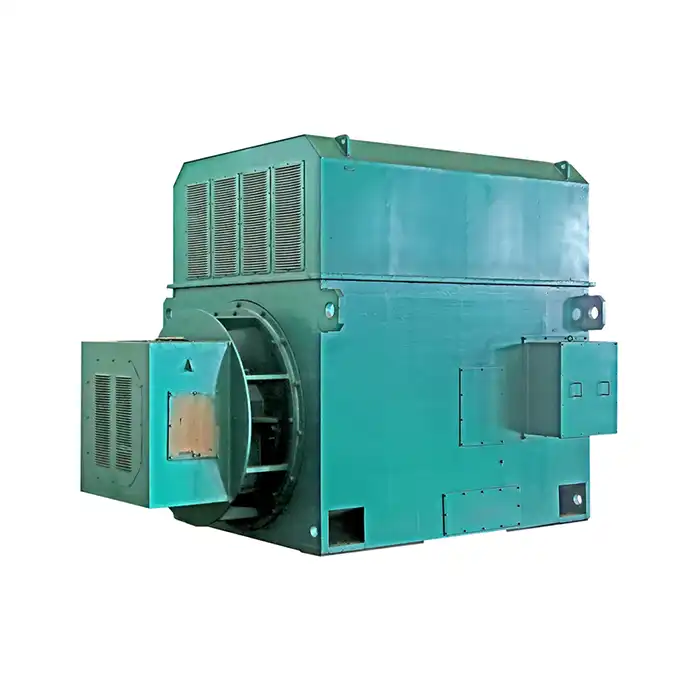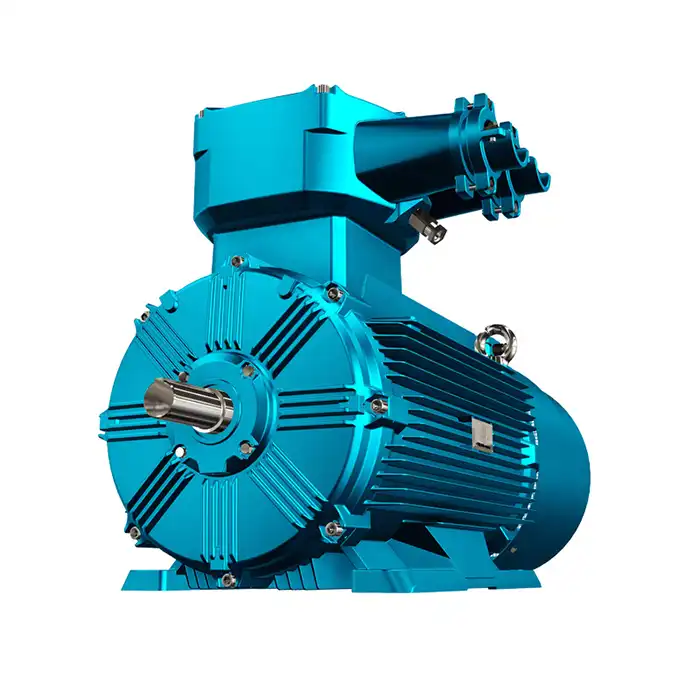




Reviews of low voltage AC motors suitable for HVAC systems
When looking for motors for HVAC systems, the Low Voltage AC Motor stands out as a sensible choice that strikes a good mix between performance, efficiency, and dependability. After looking at the different choices on the market today, we discovered that motors that work in the 380V to 660V range give reliable results in both business and industrial HVAC systems. They are essential for facility managers and procurement workers looking for reliable tools because they can handle difficult jobs like temperature control, air flow, and ventilation while still using little energy. Figuring out which motors will work best for your HVAC system can have a big effect on how long it lasts and how much it costs to run.
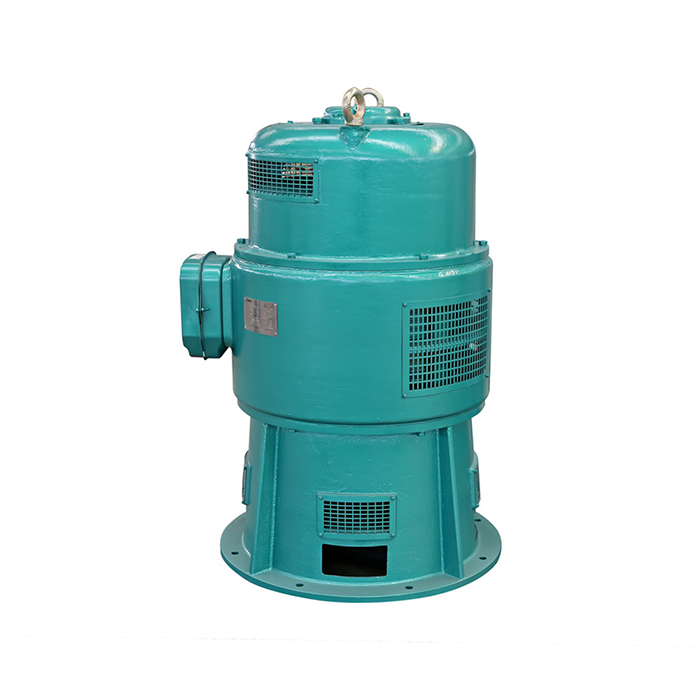
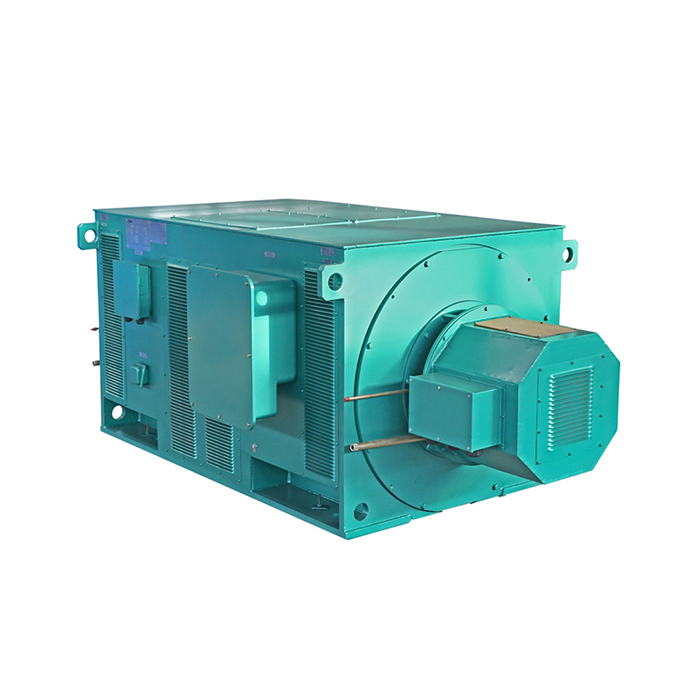
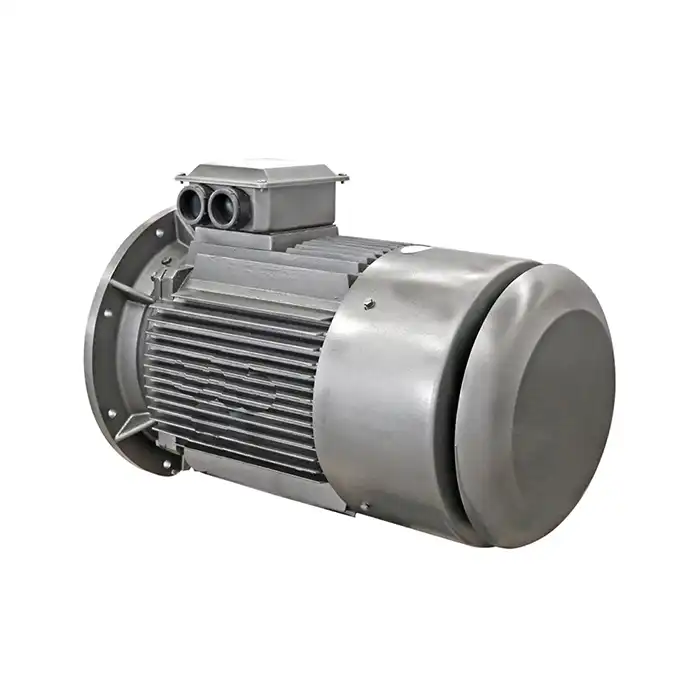
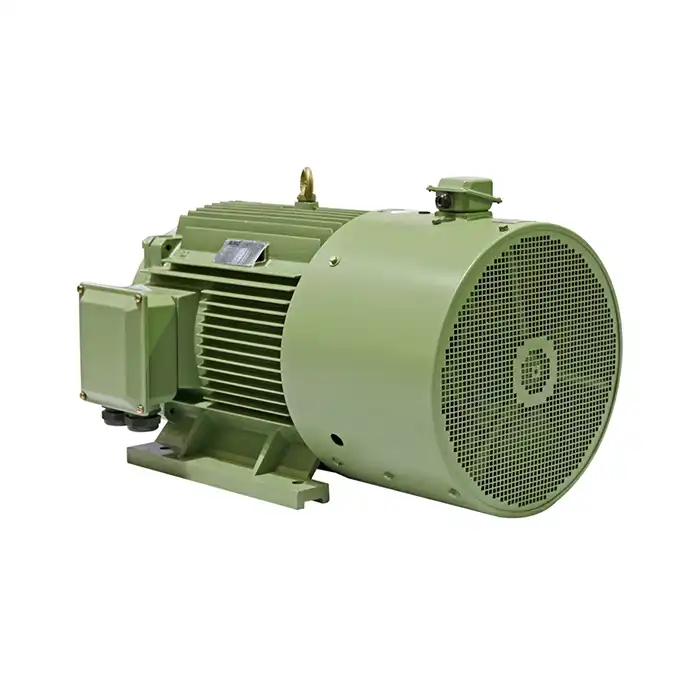
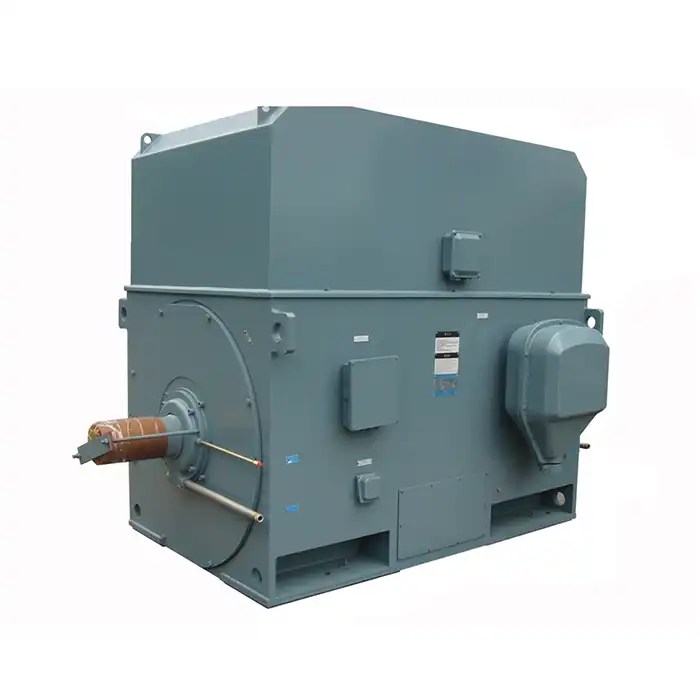
Series:YE3
Frame number: 80-450
Power range:0.75-1000kW
Protection level:IP55
Energy efficiency class: IE3
Voltage range: 380V,400V,415V,660V, etc.
Application:can be used in various fields of the national economy, such as machine tools,water pumps,fans,compressors,and can also be used in transportation, mixing, printing, agricultural machinery, food and other occasions that do not contain flammable, explosive or corrosive gases.
Certificate: international standard IEC60034-30 "Efficiency Classification of Single-speed Three-Phase Squirrel Cage Induction Motors".
Advantage:The high quality of the electric motor guarantees high operational reliability.
Others: SKF, NSK, FAG bearings can be replaced according to customer requirements
Understanding Low Voltage AC Motors for HVAC Systems
Before you can choose the right motor, you need to know what a Low Voltage AC Motor is and how it works in HVAC systems. These motors usually work with voltages between 380V and 660V, so they can be used in most business and industrial electrical systems without the need for special high-voltage setups.
Voltage Ranges and Operational Principles
The voltage number has a direct effect on how these motors connect to current HVAC systems. Motors that are made to work with 380V, 400V, 415V, and 660V provide freedom when dealing with different electricity standards in different areas. The squirrel cage induction design, which is what most HVAC motors are made of, makes them easy to use because they don't need brushes or complicated starting systems. This design principle guarantees less upkeep needs and uniform torque delivery even when the load changes.
Three-phase motors are most common in HVAC uses because they transfer power more smoothly and more efficiently than single-phase motors. The three-phase setup creates controlled electromagnetic forces that keep vibration and noise to a minimum, which is important in business areas that are already occupied. Even though they are easier, single-phase motors are usually used in smaller home HVAC systems that don't need a lot of power.
Technical Specifications for HVAC Environments
Frame sizes from 80 to 450 can handle power rates from 0.75kW to 1000kW, which means they can be used for small fan coil units or big industrial chillers. This level of protection, IP55, keeps out dust and water jets, which is very important for setups in engine rooms with a lot of dust and moisture.
How well motors can handle temperature stress is based on their insulation class grades. Quality motors usually have Class F insulation, which can handle temperature increases of up to 155°C. This gives you extra safety during the summer when cooling loads are at their highest. RPM standards are usually based on 50Hz or 60Hz power sources. For 50Hz systems, the most common speeds are 1500 RPM (four-pole) and 3000 RPM (two-pole); for 60Hz systems, the most common speeds are 1800 RPM and 3600 RPM.
When it comes to HVAC systems, noise levels are very important, especially in healthcare centers, restaurants, and office buildings. Quality motors have precisely balanced blades and cooling fan designs that keep noise levels below 75 dB. This keeps people comfortable without sacrificing performance.
Critical Performance and Maintenance Considerations in HVAC Applications
The total cost of ownership for HVAC systems is directly related to how reliable they are and how much care they need. Knowing about these things helps buying teams make choices that balance the costs of making the purchase now with the costs of running the business in the long run.
Energy Efficiency Standards
Motors approved to IE3 efficiency standards, which are in line with IEC60034-30, use less energy than older motor models. The IE3 rating makes sure that motors turn electrical energy into mechanical work with as few losses as possible, which means they use less electricity and make less heat. This efficiency is especially useful for HVAC systems that run nonstop or for long amounts of time during heating and cooling seasons.
When looking at different types of motors, capacitor start motors are less reliable and harder to maintain than Low Voltage AC Motor designs with squirrel cage construction. Even though DC motors can change speeds, they are more complicated and cost more to buy, so they might not be worth it in standard HVAC situations where variable frequency drives (VFDs) can handle AC motors in the same way.
Maintenance Practices for Extended Service Life
When it comes to HVAC service, routine upkeep for motors includes a few simple steps that greatly increase their useful life. Regular cleaning and lubrication of bearings, which is usually needed once a year or as directed by the maker, stops them from wearing out too quickly. Bearings of good quality from companies like SKF, NSK, or FAG work well in HVAC systems, and being able to choose specific types of bearings when buying them makes sure they work with current repair procedures.
Checking the temperatures of the motor's surfaces and making sure there is enough air flow around motor covers are two ways to keep an eye out for warming. High temperatures are often a sign of overheating, voltage imbalances, or parts that are wearing out. These are all problems that need to be fixed right away to keep the motor from breaking down. Misalignment, bearing wear, or rotor imbalance can be found by vibration tracking before they lead to catastrophic breakdowns. For most HVAC repair programs, simple mobile vibration meters are enough to do the job of diagnosing problems.
Enclosure Types and Duty Cycles
The IP55 level of protection strikes a mix between keeping the surroundings safe and keeping things cool. To keep contaminants out, totally enclosed fan-cooled (TEFC) systems use outdoor cooling fans to keep the temperature under control. This arrangement works well in engine rooms where dust or water can get into the air from time to time.
Duty cycle factors have a big impact on motor choosing. Continuous (S1) duty cycles are common in HVAC systems. This means that motors run forever at a steady load. Short-time (S2) or intermittent (S3) duty cycles may be used in some situations, like with damper actuators or intermittent exhaust fans. By matching motor duty rates to real working patterns, you can avoid oversizing, save money on capital costs, and make sure reliability.
Comparative Review of Leading Low Voltage AC Motor Brands for HVAC
ABB Low Voltage AC Motors: Efficiency and Smart Control Advantages
ABB low voltage AC motors are well known for using little energy, working reliably, and being able to work with modern HVAC systems. These motors are made to use less energy while keeping ventilation, air conditioning, and cooling equipment running smoothly. ABB motors work with smart building control systems because they use cutting edge technologies and can be monitored in real time. Shaanxi Qihe Xicheng works with well-known foreign brands and offers expert technical support to provide high-quality motor solutions.
Siemens Low Voltage AC Motors: Reliable Performance for HVAC Applications
Low voltage AC motors from Siemens are known for being strong and lasting a long time, which makes them ideal for HVAC environments that are hard on parts. Their motors give fans, pumps, and compressors a steady flow of power, don't need much upkeep, and work very reliably. Siemens has a lot of engineering experience that users can use when choosing HVAC motor solutions. Shaanxi Qihe Xicheng also sells reliable motor products that meet international standards and can be used in a wide range of industrial settings.
YE3 Series Low Voltage AC Motors: Cost-Effective HVAC Solutions
The YE3 series low voltage AC motor is a good choice for HVAC systems because it is durable, uses little energy, and is cost-effective. With a power range from 0.75kW to 1000kW and an energy efficiency class of IE3, these motors can meet a variety of needs for air flow and temperature control. Shaanxi Qihe Xicheng makes custom motor solutions with SKF, NSK, or FAG bearings, so customers all over the world can be sure of high reliability and easy installation.
How to Choose the Best Low Voltage AC Motor for Your HVAC System
To choose the best Low Voltage AC Motor, you need to carefully look at the application needs, technical specs, and provider skills. This organised method lowers the risks of buying things and makes sure that the motor meets the needs of the HVAC system for its whole life.
Defining HVAC Operational Requirements
Motor selection is based on figuring out what the load is. Figure out how much mechanical power fans, pumps, or compressors really need, taking into account things like friction losses and altitude derating. Different types of loads need different amounts of torque. For example, fans usually need less starting torque than positive displacement compressors. The configuration of the motor poles is based on the speed needs. For direct-drive uses, precise speed matching or variable frequency drive execution is needed.
Core Selection Factors
Motor selection is strongly influenced by operating environment, where high temperatures, humidity, dust, or corrosive conditions may require derating, enhanced protection, or special coatings. Energy efficiency directly impacts operating costs, with IE3 motors often achieving ROI within 2–3 years through energy savings. Noise levels are important for sensitive areas, requiring acoustic data comparison. Proper frame size ensures installation compatibility and avoids costly modifications.
Supplier Evaluation and Procurement
Supplier evaluation and procurement should consider maintenance accessibility, lead times, cost, warranty, and customization. Easy-access designs reduce downtime and lifecycle costs. Standard motors ship in weeks, while customized units may take months, so planning is essential. Warranty typically covers 1–2 years for manufacturing defects, excluding installation or operating conditions. Clear specifications enable proper customization, and experienced suppliers improve engineering support and project outcomes.
Case Study Evidence
In the Midwest of the United States, a business office block upgrade replaced twenty-year-old HVAC motors with IE3-rated units in a number of air handling systems. The 15kW motors that serve rooftop units used 12% less energy than the earlier motors. This means that each motor saves more than $3,000 a year on power costs. The lower energy usage charges were also caused by the better power factor. The better bearing access design made the process quieter and the servicing of the bearings easier, according to the maintenance teams. Within 30 months, the project got its money back, which proved that choosing more energy-efficient motors, even though they cost more, was the right choice.
Where and How to Buy Low Voltage AC Motors for HVAC Systems
Buying outlets and methods have a big impact on the success of a project, how costs are managed, and the availability of long-term help. Knowing about these things helps buyers get around in the motor market.
Trusted Suppliers and Distribution Channels
Motor manufacturers typically operate through multi-tier distribution networks, including authorized dealers, specialized motor retailers, and direct sales for large projects. Authorized distributors provide genuine products with manufacturer-backed warranty and technical support, while regional stockists enable faster delivery for common configurations. Direct manufacturer procurement suits large-scale or continuous-demand buyers, offering volume discounts, customization, and technical assistance, though often with minimum order requirements. Quality certifications ensure compliance with international standards: IEC for global compatibility, CE for European markets, and UL for North America. Verifying certification and licensing documents before purchase helps avoid non-compliant products, reducing legal and inspection risks.
Cost Factors and Budgeting
Pricing for cars is based on more than just the base specs. Frame size and power grade set the starting prices. As power levels rise, prices rise exponentially. Customisation increases costs in a way that depends on how complicated it is. For example, non-standard voltages, special paint systems, or changed gears usually add 15% to 30% to the price of a standard motor. There are tiered prices for bigger amounts, and volume savings become significant above minimum limits, which are usually around ten units.
Shipping, installation labour, setup, and estimated running costs over the motor's service life should all be included in the total cost analysis. Energy costs usually far outweigh the original purchase prices of motors that are always running. This means that investments in economy are still a good idea, even if they cost more up front.
Delivery Logistics and After-Sales Service
Standard motors typically ship within 2–4 weeks depending on production load and stock, while custom motors require 8–12 weeks due to design review, manufacturing, and quality inspection. Rush orders may be available at extra cost. Proper logistics planning, packaging, and transport coordination ensure safe delivery, and receiving inspections should verify specifications, condition, and accessories. After-sales service includes technical support, warranty processing, and long-term spare parts availability. Shaanxi Qihe Xicheng Electromechanical Equipment Co., Ltd. provides YE3 series low-voltage motors (0.75–1000 kW, 380–660V, IP55, IE3 efficiency) backed by 20 years of expertise. SKF, NSK, or FAG bearing options are available. Technical consulting supports installation, load analysis, and environment matching, covering both standard and customized solutions.
Conclusion
To choose the right motors for HVAC systems, you have to weigh technical specs, energy standards, the supplier's skills, and the costs over their entire life. Low Voltage AC Motor technology has been shown to be reliable in a wide range of HVAC uses when it is properly matched to the needs of the job. Understanding the basics of motors, their care needs, and how to buy them gives building managers and engineers the power to make smart choices that improve the performance of HVAC systems while keeping costs low. There are a lot of trustworthy makers in the motor market, and each one has its own strengths. This means that buyers can choose which factors are most important to them, such as energy savings, customisation options, delivery speed, or long-term support. When you carefully consider these factors and communicate clearly with sellers about technical needs and business terms, you can successfully buy motors that will keep your HVAC running smoothly for years to come.
FAQ
1.What distinguishes low voltage from high voltage motors in HVAC applications?
Voltage classification mostly affects the safety rules and standards for electricity equipment. Motors that run on less than 1000V are usually called low voltage, and motors that run on more than 1000V are usually called high voltage. In North America and Europe, building electricity systems usually send power at 480V or less, which is why most HVAC systems use low voltage motors. Different from high voltage motors, low voltage motors need less complicated equipment, are less likely to cause spark flashes, and are easier to maintain. High voltage motors are only used in very big HVAC systems, like central plants that serve many buildings, where the power needs are too high for low voltage motors to handle.
2.How can maintenance practices extend motor service life in HVAC systems?
Wear mechanisms are taken care of by good repair before they break down. Friction damage can be avoided by lubricating bearings according to the manufacturer's instructions. By keeping an eye on working temperatures, you can find cooling issues or situations where the system is overloaded quickly. By making sure that electrical connections are tight, resistance heating that breaks down shielding can be stopped. When using a belt drive, making sure the belt is properly tensioned stops side loads from happening. Making sure the outside of the motor is clean helps the heat escape. Periodic tremor analysis finds mechanical problems before they get too bad. By keeping track of motor function data, you can find baselines that show how things are getting worse over time. When these simple steps are taken regularly, they usually make Low Voltage AC Motors last longer than ten years in HVAC work.
3.Can motors be customized for specific HVAC applications?
Customisation requests are met by manufacturers, but only if it's technically possible and there are enough orders. Changes that are often made include lengthening or shortening the shaft, changing the mounting design, adding or removing terminal boxes, changing voltage ratings, and protecting against rust better. Custom paint colours are made to meet the standards of the building, and special enclosures are made to deal with odd weather conditions. Some changes to the performance, like better cooling for places with high temperatures or quieter designs, are made to fit sensitive installs. Custom motors have longer wait times for delivery, and there may be a minimum order quantity. Clear technical specs that list the customisation needs keep people from misunderstanding each other and make sure that the motors supplied meet the needs of the application.
Partner with XCMOTOR for Your HVAC Motor Solutions
Through Shaanxi Qihe Xicheng Electromechanical Equipment Co., Ltd., XCMOTOR is ready to meet your HVAC motor needs as a dependable Low Voltage AC Motor provider with a wide range of products and expert technical knowledge. Our YE3 series motors are IE3 efficient across power ranges from 0.75kW to 1000kW. They meet international standards and have been tested and proven to work reliably in thousands of installs. We know that for HVAC projects to be successful, they need more than just good motors. They also need quick contact, accurate technical advice, and reliable delivery promises.
Email our research and sales team at xcmotors@163.com to talk about your unique needs for an HVAC motor. We're happy to answer thorough technical questions, get quotes on large orders, and talk with you about custom motor specs. We can help you succeed whether you need standard motors right away or custom solutions for unique uses. Our team has the knowledge and industrial skills to do both. You can look at our whole product line at motorxc.com and learn more about how XCMOTOR provides power equipment options that are reliable, efficient, and good value for business, industrial, and institutional HVAC uses.
References
1. "Electric Motor Systems: Energy Efficiency Standards and Best Practices," International Electrotechnical Commission Technical Report, 2021.
2. Anderson, M., "HVAC Motor Selection and Application Guide," Journal of Building Mechanical Systems, Vol. 34, No. 2, 2022, pp. 145-168.
3. National Electrical Manufacturers Association, "Application Guide for AC Motors in Commercial HVAC Systems," NEMA Standards Publication MG 1-2021.
4. Roberts, J. and Chen, L., "Lifecycle Cost Analysis of IE3 Motors in Commercial Building Applications," Energy Engineering Quarterly, Vol. 118, 2023, pp. 89-107.
5. "Motor Reliability in HVAC Service: Maintenance Strategies and Failure Analysis," ASHRAE Technical Handbook, Chapter 12, American Society of Heating, Refrigerating and Air-Conditioning Engineers, 2022.
6. Williams, P., "Comparative Performance of Three-Phase Induction Motors Under Variable Load Conditions," Industrial Motor Technology Review, Vol. 29, No. 4, 2023, pp. 201-219.