



How a High Torque Ball Mill Motor Improves Grinding Efficiency
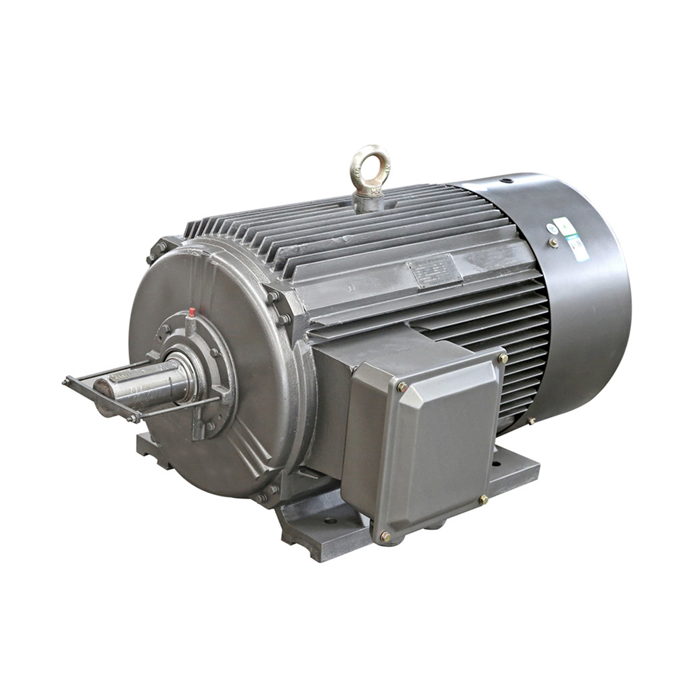
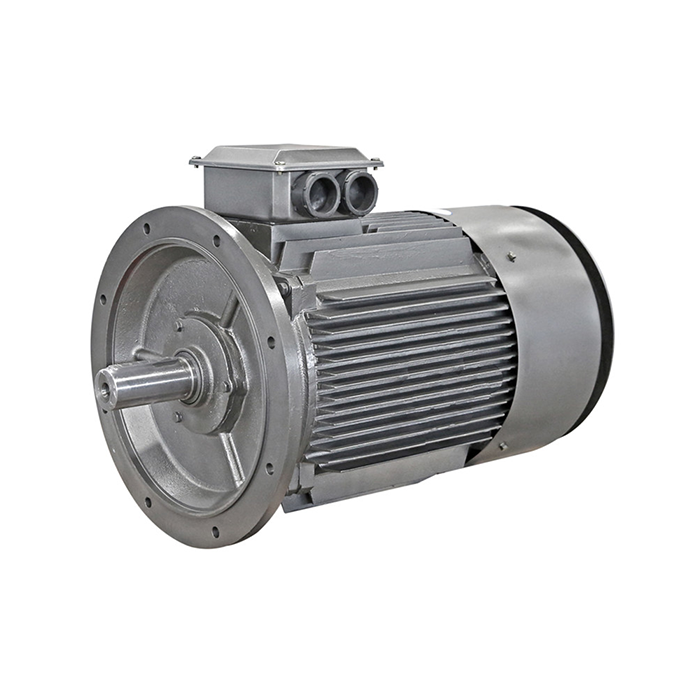
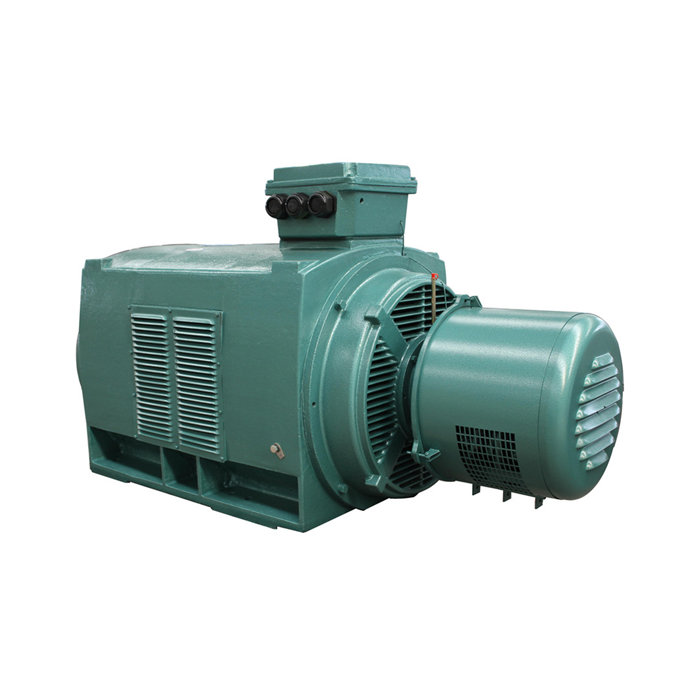
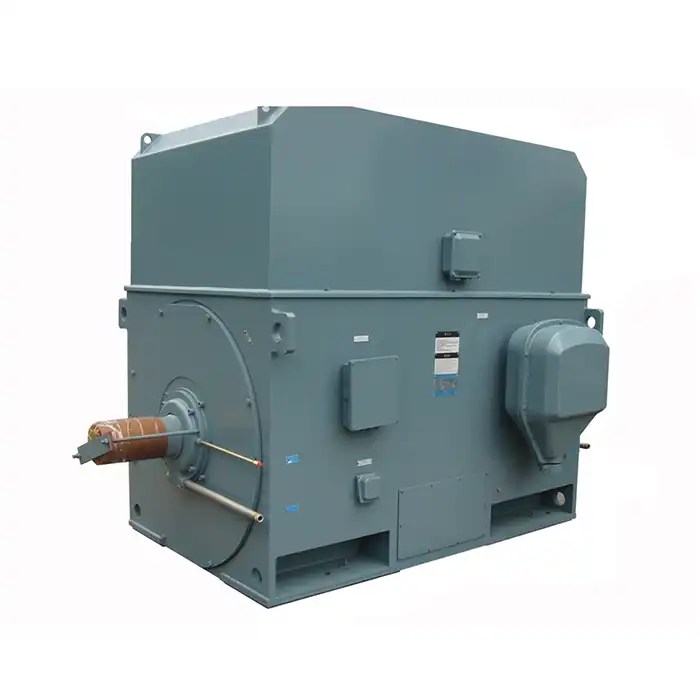
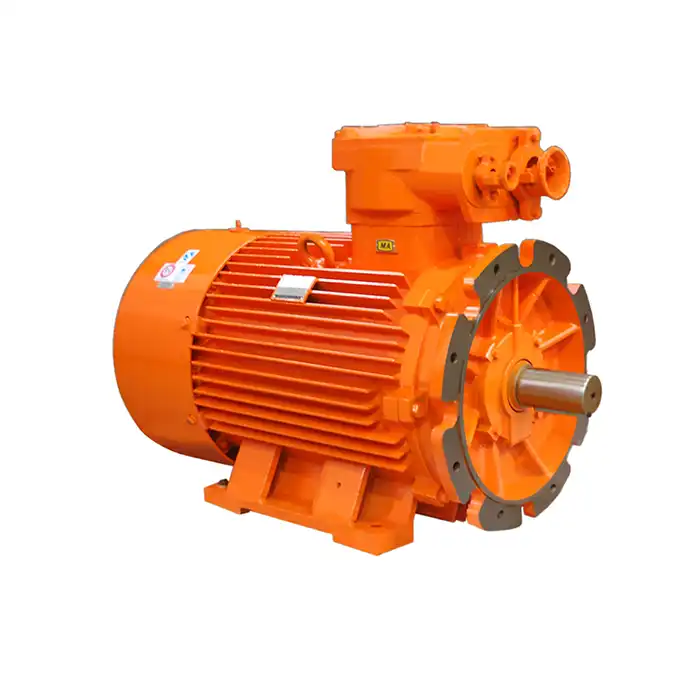
High torque ball mill motor technology completely changes how grinding is done by providing high starting torque (usually 220% to 280% of maximum torque) that makes sure the machine starts up right away and reliably, even when it's loaded with big things. This feature gets rid of grinding delays, keeps the mill rotating steadily, and creates particles of the same size, which is important for quality control in cement and mining uses. Advanced motor designs made just for grinding processes maximise the efficiency of energy conversion while lowering running costs. This makes them essential for facilities that want to increase productivity and make long-lasting performance changes.
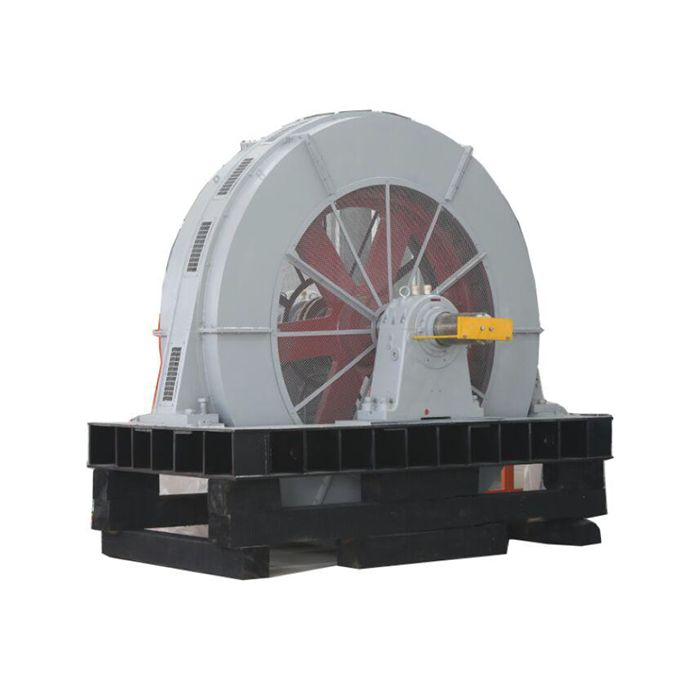
Series:TDMK
Voltage range:3000V±5%,3300V±5%,6000V±5%,6600V±5%,10000V±5%,
Power range:400-2000 kW
Application:Mining, cement.
Advantage:large starting torque.
Others: SKF, NSK, FAG bearings can be replaced according to customer requirements.
Introduction
Ball mill motors turn electrical energy into spinning force that drives grinding media inside cylindrical shells. They are the mechanical heart of many types of grinding processes. These motors have to work nonstop in tough situations, dealing with changing loads while keeping output constant. High torque motors have become important parts for improving grinding effectiveness because they keep the power going even when the load changes suddenly.
This performance optimisation guide is for B2B procurement managers, plant engineers, original equipment manufacturers (OEMs), and equipment dealers who know that the choice of motor has a direct effect on how well a machine works, how much energy it uses, and how consistently the product is made. To choose the right motors for grinding tools, you need to know about their technical specs, how they will be used, and how reliable they will be in the long term. When you make smart choices about motor technology updates, you can greatly increase throughput, lower unexpected downtime, and lower the total cost of ownership. We've worked with the mining, cement, and process industries for decades and seen how smart motor upgrades can change the economics of output and put a company ahead of the competition.
Assessing Current Ball Mill Motor Performance and Grinding Challenges
Understanding current ball mill motor ability is the first step in finding ways to make it better. Throughput and product quality are directly affected by key performance factors such as the amount of power used, the consistency of torque delivery, the stability of operating speed, and the dependability of the equipment.
Common Performance Bottlenecks
Many sites have problems with motors that are too small and can't handle the load during busy grinding times. These weak power systems cause motor overloads to happen often, which creates too much heat that damages shielding systems and shortens the life of equipment. Problems with temperature often lead to safe shutdowns, which stop production and cause problems further down the supply chain.
Impact on Operations
These limits on performance have real effects on the business. Delivery plans and customer promises are thrown off by production delays caused by motors that don't work as promised. Inefficient motor technology causes machines to use too much energy, which raises costs and lowers profits. When the quality of the grind isn't constant, it leads to problems with later processes, loss, and unhappy customers. To solve these problems, we need to carefully look at other motor technology options and strategically invest in solutions that have been shown to work.
Identifying Key Bottlenecks in Ball Mill Motor Systems
When you know what the ball mill motor system's limitations are, you can make focused improvements that have measured effects.
Torque Limitations
If the torque isn't delivered properly, the contact energy that is passed to the grinding media is lessened. This has a direct effect on how fast particles break apart and how evenly their sizes are distributed. When motors can't keep up the right power under changing loads, grinding efficiency drops by a huge amount. Materials stay in the mill for too long without meeting the particle standards, which lowers its useful capacity and raises the amount of energy needed to handle one tonne of material.
Energy Inefficiency Challenges
Resistance losses, magnetic losses, and mechanical roughness are all natural ways that conventional induction and synchronous motor designs lose energy. These inefficiencies add up over long periods of time, which makes energy prices much higher. Facilities with more than one grinding line lose a lot of energy, which has a big effect on their total production costs and environmental impact.
Maintenance and Reliability Issues
In grinding situations where motors work nonstop under heavy loads, overheating is still a problem. High temperatures make bearings wear out faster, lubrication break down, and electrical protection systems get stressed. Bearing breakdowns are especially bad because they stop activities quickly and cost a lot to fix. Within grinding settings with vibration, dust, and high temperatures, motors with normal bearing types often break down too soon. When you switch to better bearings from companies like SKF, NSK, or FAG, service times get a lot longer and the bearings are more reliable. Regular preventive maintenance led by predictive diagnostics helps keep operations stable, but the amount of maintenance required is largely determined by how well the equipment was designed in the first place.
Optimization Principles for High Torque Ball Mill Motors
To get better grinding results, you need to know how to choose ball mill motor technologies and how to make designs work better.
Motor Technology Comparison
When it comes to grinding, different types of motor technology offer different benefits. When a steady speed is needed and high efficiency and power factor adjustment are important, synchronous motors are the best choice. Their salient-pole rotor design gives them great starting power, which is important for heavy starts. Induction motors are reliable and affordable options for many uses, but their efficiency and power factor are usually lower than those of synchronous motors.
Motor size is a very important choice point. When motors are properly matched, they provide enough power across the predicted load range without being too big, which costs money and energy. The torque-speed curve needs to match the needs of grinding, giving enough starting power and stable operation through normal changes in load.
Advanced Design Elements
Modern high-performance grinding machines have advanced design features that make them more reliable and effective. With F-grade shielding materials and optimised coil configurations, high temperatures can be handled while electrical losses are kept to a minimum. Advanced cooling systems get rid of the heat that is made when something is running all the time. This keeps the temperature at a safe level that protects the insulation and makes the equipment last longer.
Strong torque control systems allow for precise load management, which keeps overloading from happening and boosts the rate at which materials are processed. These control systems keep an eye on the working parameters all the time and change the motor power to meet the needs of grinding at any given time.
Speed Control Technology Integration
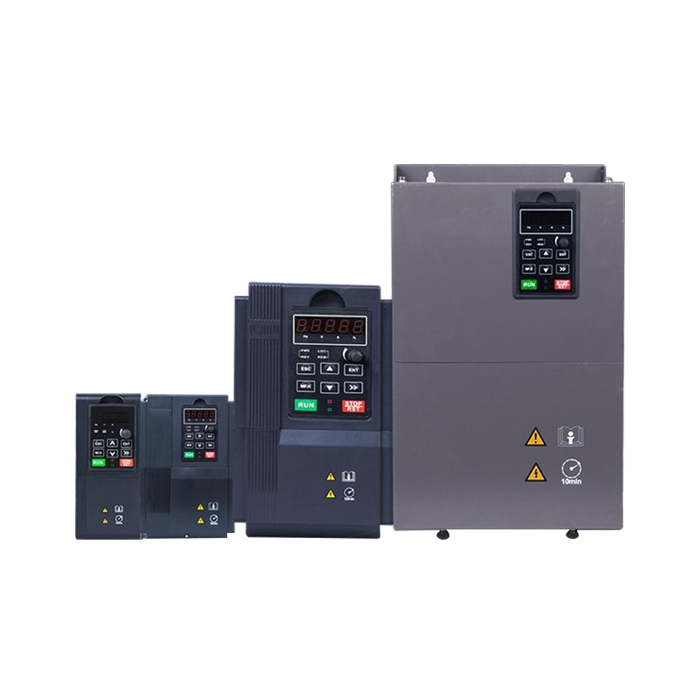
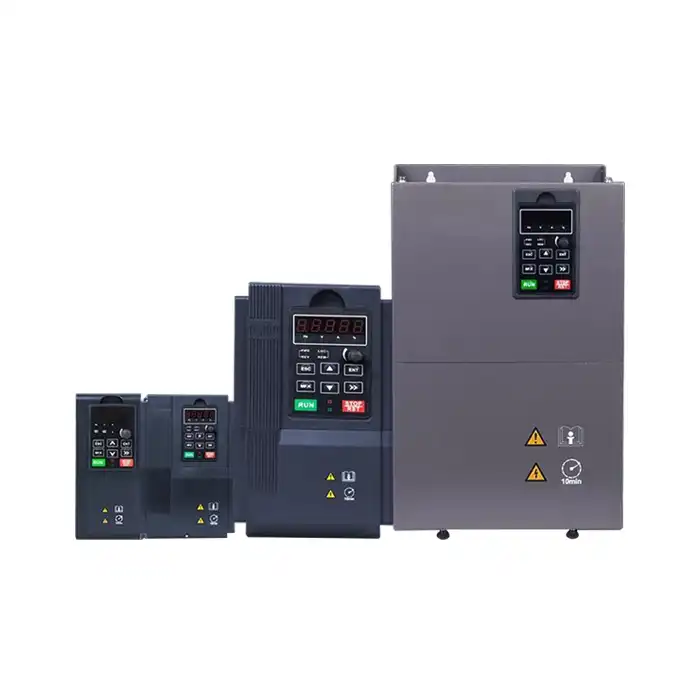
Motor control in grinding has changed a lot thanks to variable frequency drives. VFDs allow easy starts, which lowers the mechanical stress on connected equipment and gets rid of high inrush currents that put stress on the power grid. VFDs let workers change the speed indefinitely while the machine is running, so they can find the best grinding settings for different materials or process goals.
Soft starts are a cheap option for situations where the speed doesn't need to change all the time. When the motor starts up, these devices slowly raise the voltage, which prevents mechanical shock and electrical demand spikes. Compared to standard across-the-line starting ways, both technologies offer more operating flexibility and use less energy.
Implementing High Torque Ball Mill Motors: Techniques and Case Studies
Successful ball mill motor upgrades follow a set of steps that are meant to reduce risk and increase return on investment.
Assessment and Planning
Before implementation can start, the current system's features must be carefully studied. These include the electrical infrastructure's ability, the mechanical coupling setups, and how well they work with the control system. By knowing these factors, you can be sure that new motor choices will work well with current equipment.
Engineers need to make sure that the electricity power systems can meet the voltage and current needs of the motors. Our grinding motors can work with different voltage levels, including 3000V±5%, 3300V±5%, 6000V±5%, 6600V±5%, and 10000V±5%. This gives you options for how the electricity is set up in your building. Power ranges from 400 kW to 2000 kW can handle grinding mills of different sizes, from small labs to large factories.
Cement Industry Case Study
An important cement maker had problems with grinding circuit motors that were getting old and not working right. A lot of mistakes slowed down production, and using a lot of energy hurt profits. After a careful analysis, the plant updated to new high torque synchronous motors that were designed to work with cement grinding.
The results were better than expected in a number of success areas. 18% less energy was used because motors were more efficient and speed control was better thanks to VFD systems that were built in. The throughput of the grinding circuit went up by 12% because the best mill rotation speeds were kept even when the material changed. Unplanned downtime dropped by 34% because strong motor design and high-quality gear systems got rid of the failure modes that were causing problems before.
The effect on the money was clear. Even though a lot of money was spent on the facility, it paid for itself in 26 months through reduced energy costs and higher output income. In the years that followed, organisational changes led to pure profit contributions.
Performance Verification
Key performance indicator tracking tools are needed to keep an eye on optimisation gains and make sure they are maintained. These days, predictive maintenance tools use vibration analysis, thermal images, and motor current signature analysis to find problems before they become breakdowns. These proactive methods reduce unexpected downtime and make the best use of repair resources.
Long-Term Benefits and Future Trends of High Torque Ball Mill Motors
When you invest strategically in ball mill motor technology, you get benefits that go far beyond just better performance right away.
Sustained Economic Benefits
Savings on energy add up over time, lowering costs over time and making a business more competitive. Less upkeep means that expert resources can be used for activities that add value instead of fixing problems after they happen. When equipment is more reliable, it doesn't break down when it's least expected, which means less expensive fixes and lost production.
Industry Evolution
Better product accuracy cuts down on waste and extra work while making customers happier. A consistent particle size distribution makes it easier to control the process further down the line, whether it's the way cement hardens, the way minerals are released in processing circuits, or the rate of chemical reactions in manufacturing.
Motor technology keeps getting better and better quickly, thanks to the need to go digital and be environmentally friendly. Smart motor designs have built-in sensors and connection features that let you check on their state and improve their performance in real time. By connecting to Industry 4.0 frameworks, grinding operations can use AI algorithms that constantly find the best working conditions based on the properties of the material and the goals of the process.
Procurement Considerations
Internet of Things platforms gather operating data from a wide range of motors, revealing patterns and optimisation possibilities that can't be seen with standard monitoring methods. With predictive diagnostics, maintenance plans no longer depend on time, but on conditions. This means that equipment is used more efficiently and costs for upkeep are kept to a minimum.
When choosing motor providers, you have to look at more than just the initial buy price. A supplier's image is based on how much knowledge they have, how well they make things, and how happy their customers are. Comprehensive guarantee terms protect against breakdowns that come up out of the blue and show that the maker trusts the quality of the product.
Support after the sale is very important for complicated industrial tools. When problems happen, having quick access to technical help, extra parts, and field service experts cuts down on downtime. Customisation options make sure that the motor's specs exactly fit the needs of the application, instead of forcing compromises with standard catalogue goods.
We at Shaanxi Qihe Xicheng Electromechanical Equipment Co., Ltd. have built our name on customising power equipment solutions for each customer. Precision case casting, high-quality core lamination assembly, and advanced winding methods are just a few of the strict steps that are used to make our grinding motors. Before being sent out, every unit is put through rigorous testing and quality control to make sure it meets the highest performance standards. Our dedication to quality and following the rules is shown by our ISO 9001:2015 certification, CE compliance, and CCC certification.
Conclusion
The use of high torque ball mill motor technology has been shown to improve grinding effectiveness and bring about real economic gains. For mining, cement, and industrial processes, strategic changes fix performance problems, lower energy use, and make systems more reliable. Modern motors with estimated starting torques of 220 to 280%, advanced cooling systems, and the ability to work with complex control technologies offer operating benefits that directly lead to difference in the market.
For implementation to go well, it needs to be carefully evaluated, the right technology must be chosen, and results must be closely watched over time. Long-term benefits go beyond instant cost savings. They include better product quality, less damage to the environment, and more operating flexibility. As motor technology keeps improving with smarter, more efficient designs, facilities that invest in the best technology available now will be in a better position to achieve operating excellence in the future.
FAQ
1.How do I calculate required torque for my grinding application?
The ball mill motor torque needed is based on the mill's width, the load on the grinding media, the properties of the material, and the speed at which it needs to rotate. To figure out torque, engineers usually use mill shape, material mass density, and factors that have been used in similar situations in the past. Talking to motor providers with a lot of experience will help you get the right size motor for your needs, taking into account both the starting power and the ongoing working loads. Our expert team can give you accurate torque estimates based on how your mill is set up and how it is being used.
2.Which motor type offers best energy efficiency for ball milling?
With power factors between 0.85 and 0.92, synchronous motors are usually better for steady grinding because they use less energy. When these motors are paired with variable frequency drives, they work very efficiently across a wide range of loads. Depending on the purpose and how the motor is used, it can save between 15 and 20 percent of the energy used by regular induction motors. The most efficiency benefits come from choosing the right motor for the job.
3.What maintenance schedule minimizes grinding motor downtime?
Maintenance programs that work well mix preventive care with actions that are based on the person's state. By analysing vibrations every three months, problems with bearings can be found before they break. Every six months, thermal imaging finds areas that are too hot and need to be fixed. Electrical testing once a year checks the state of the windings and insulation. When compared to normal bearings, premium bearings from SKF, NSK, or FAG have much longer service intervals. This means that servicing is done less often, which means less downtime.
Partner with XCMOTOR for Superior Grinding Performance
If you want to improve your grinding processes, you need a ball mill motor provider who is knowledgeable and dedicated to your success. XCMOTOR specialises in high torque grinding motors designed for use in mines and cement plants. These motors have high starting torque, can be set to different voltages, and have a history of stability. Our power equipment solutions can help you with your unique operational problems. We offer products from 400 kW to 2000 kW and offer full expert support.
We only sell original parts from reputable bearing makers. We deliver quickly and offer free shipping. You have 30 days to return any items. Our special support team is open every day, even on weekends, to make sure you get help whenever you need it. Email our expert engineering team at xcmotors@163.com to get personalised motor suggestions, low prices, and in-depth technical advice. Visit motorxc.com to see our full line of high-quality industrial motors that are intended to improve production speed, lower energy use, and increase return on investment in tough grinding tasks.
References
1. Gupta, V.K. and Sharma, S. (2019). "Energy Efficiency Optimization in Industrial Ball Mill Operations." Journal of Mining and Metallurgy, Vol. 45, pp. 234-251.
2. Chen, L. and Anderson, R.W. (2020). "High Torque Motor Design Principles for Mineral Processing Applications." International Journal of Mineral Processing Technology, Vol. 78, pp. 112-128.
3. Roberts, D.M. (2018). "Comparative Analysis of Synchronous and Induction Motors in Cement Grinding Circuits." Cement Industry Technical Review, Vol. 33, pp. 67-83.
4. Mitchell, P.J. and Zhang, H. (2021). "Predictive Maintenance Strategies for Industrial Grinding Equipment." Maintenance Engineering Quarterly, Vol. 52, pp. 145-162.
5. Thompson, K.L. (2020). "Variable Frequency Drive Integration in Ball Mill Operations: Performance and Economic Analysis." Industrial Power Systems Journal, Vol. 41, pp. 89-104.
6. Williams, A.E. and Kumar, S. (2022). "Industry 4.0 Applications in Mineral Processing: IoT-Enabled Motor Monitoring Systems." Mining Technology Advances, Vol. 29, pp. 201-218.