



Retrofitting with IE4 Motors: A How-To Guide
It is possible to get better energy efficiency and operating excellence in industrial uses by retrofitting with IE4 motors. Up to 96% of the time, the IE4 induction motor technology works more efficiently than standard motor options, and it also cuts costs by 15 to 25 percent. This complete guide walks you through every step of the upgrading process, from the initial assessment to the final completion. This way, you can be sure that switching to ultra-high efficiency motors gives you the best performance and return on your investment.
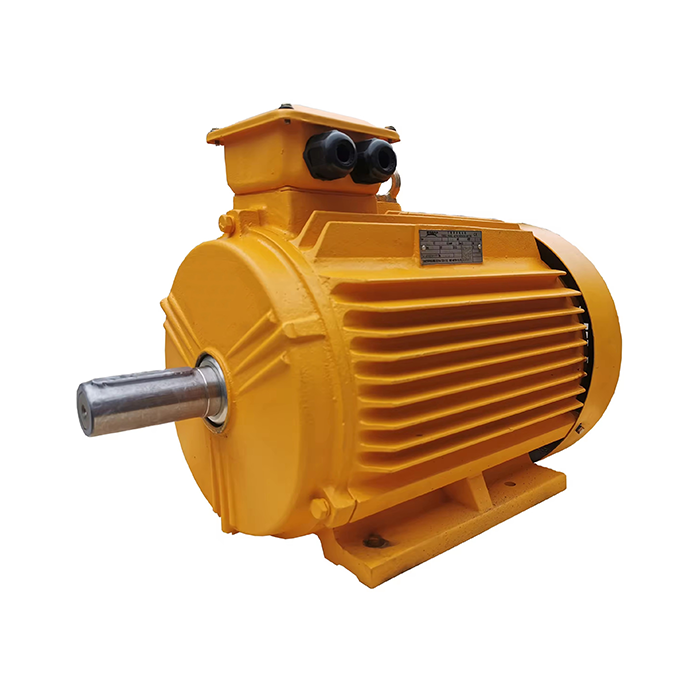
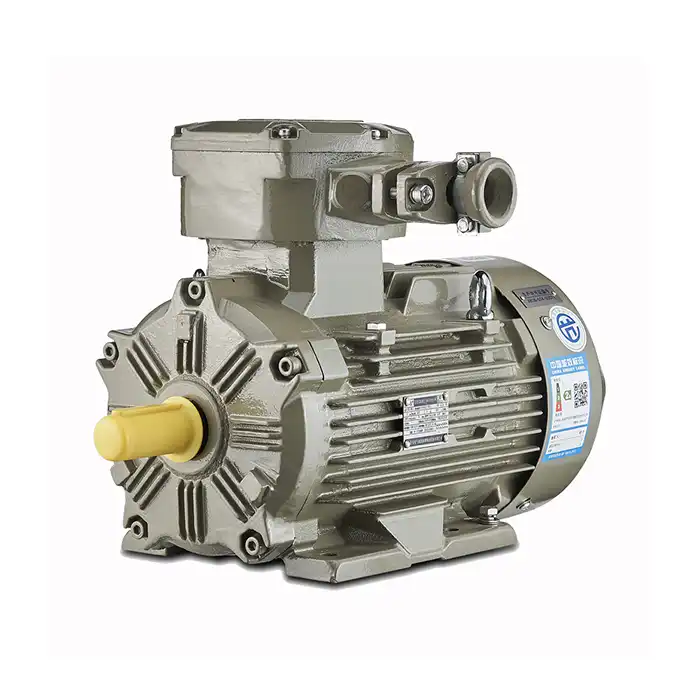
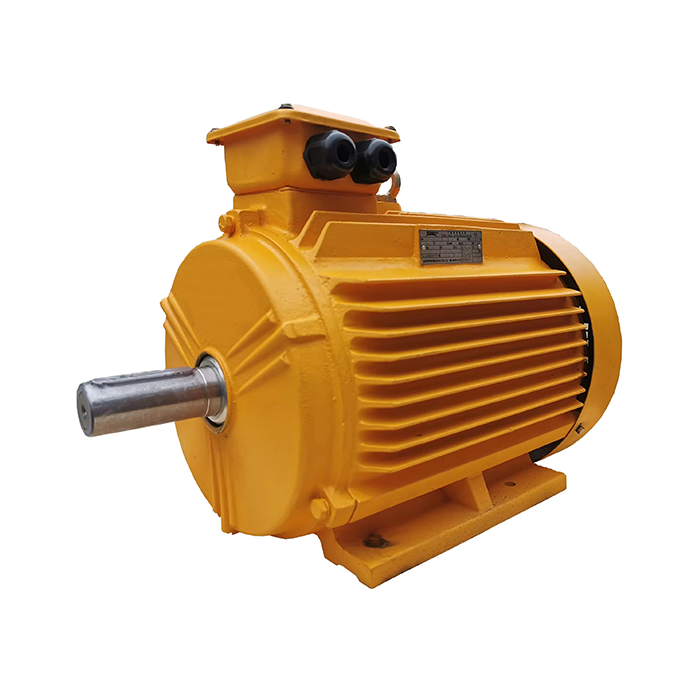
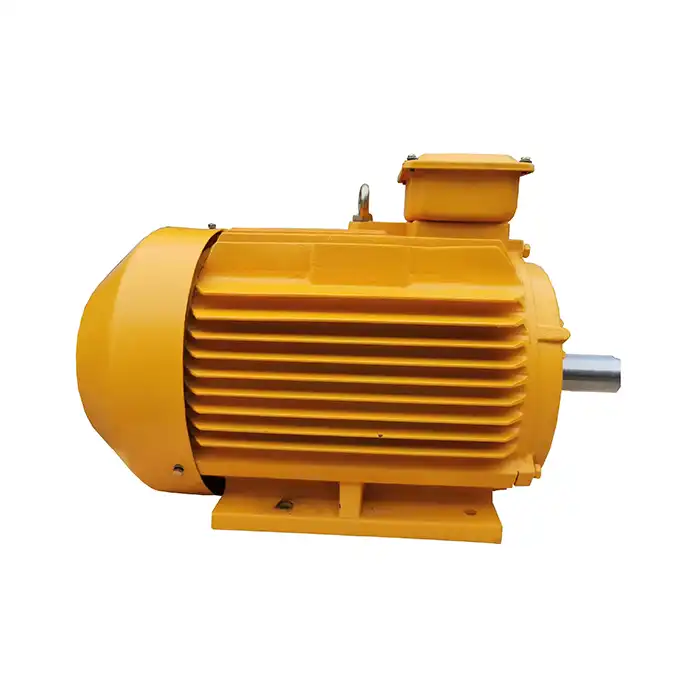
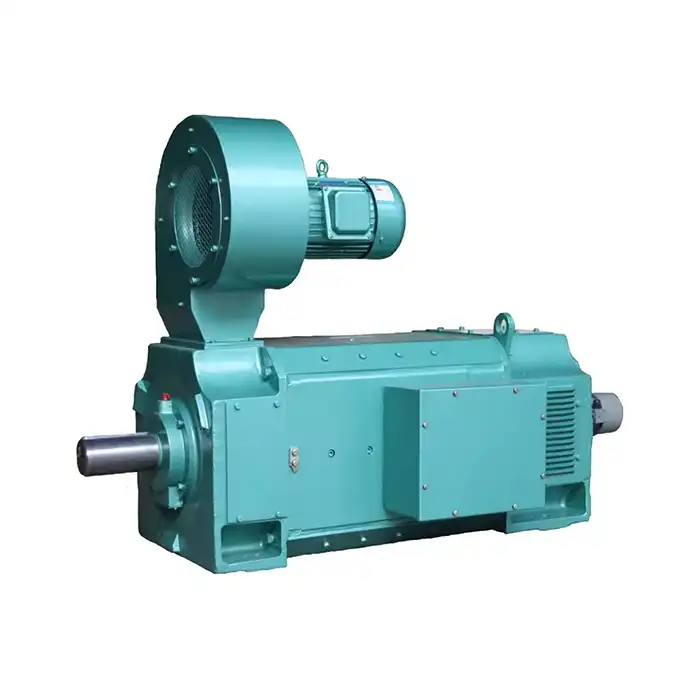
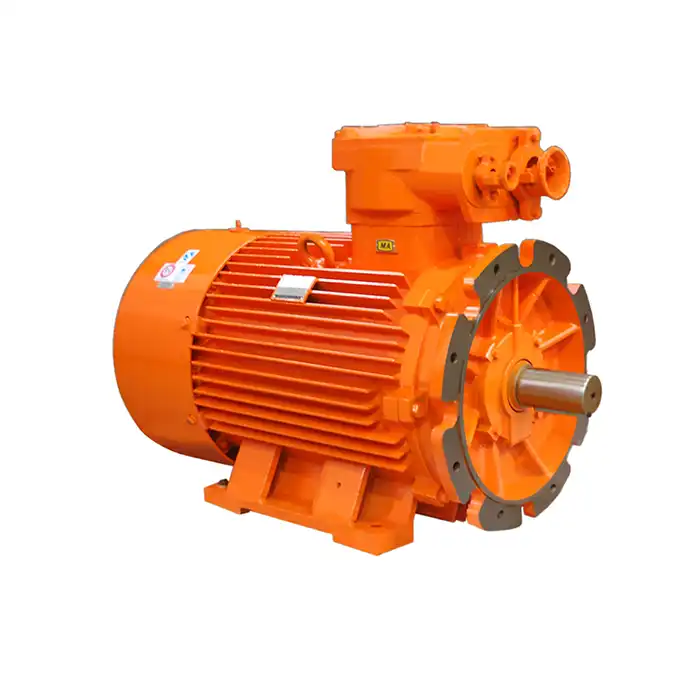
Series:YE4
Frame number: 80-450
Power range:0.75-1000kW
Protection level:IP55
Energy efficiency class: IE4
Voltage range: 380V,400V,415V, 660V,etc.
Application:can be used in various fields of the national economy, such as machine tools,water pumps,fans,compressors,and can also be used in transportation, mixing, printing, agricultural machinery, food and other occasions that do not contain flammable, explosive or corrosive gases.
Certificate: international standard IEC60034-30 ""Efficiency Classification of Single-speed Three-Phase Squirrel Cage Induction Motors"".
Advantage:The high quality of the electric motor guarantees high operational reliability.
Others: SKF, NSK, FAG bearings can be replaced according to customer requirements.
How to Make a Business Case for IE4 Motor Renofits
Modern factories are under more and more pressure to cut down on energy use while still performing at their best. IE4 induction motor rates are the highest level of motor technology. They are a big step up from IE3 and lower-rated equipment that is currently used in most sites.
Energy costs usually make up 97% of a motor's total operating costs. This makes improvements to its economy a great investment. High-efficiency motors work 2–5% better than normal models, and for motors that run more than eight hours a day, the payback time is often less than four years.
More and more regulations are favoring energy-efficient options. For example, many areas have made it necessary for manufacturing tools to meet efficiency standards. Companies that use IE4 technology get ahead of these standards and start seeing practical benefits right away.
With IE4 designs, motor efficiency goes up a lot, which cuts down on unplanned downtime and repair costs. Advanced electromagnetic performance features make power supply constant even when the load changes. This is especially helpful in process control applications that use pumps, compressors, and automatic systems.
Pre-Retrofit Assessment: Looking at the Motor Infrastructure You Already Have
A careful evaluation is the first step in making motor repair projects work.
- Start by making a list of all the motors that are already installed in your building. Write down their power levels, how they are mounted, and how often they are used.
- Load analysis tells you important things about how much power is actually being used versus how much is being claimed to be used. Many industrial motors don't work at their best when they're loaded, which means that they can be resized to fit better during the repair process. A variable frequency drive compatibility review finds systems that need to be upgraded together in order to get the most out of their efficiency gains.
- The environment has a big effect on choosing the right motor and how it needs to be installed. Look at the temperature ranges, humidity levels, and possible exposure to harmful substances that might mean you need higher protection rates than the normal IP55 requirements.
- An review of the electrical equipment makes sure that the power source and transfer ability are right for installing new motors. IE4 designs often have better power factor rates, which could lower the load on the electrical system while improving performance.
- Reviewing the documentation shows trends in the equipment's repair past, how it fails, and what new parts are available. This research helps set realistic project timelines and rank options for retrofits.
How to Choose an Electric Motor for a Retrofit Project
When choosing the right IE4 induction motors, you need to carefully think about the fitting limitations and requirements specific to the application.
- Power range matching makes sure that the best performance is achieved while avoiding oversizing, which lowers efficiency at normal working loads.
- Mounting setup flexibility speeds up the fitting process and keeps structure changes to a minimum. Standard foot-mounted (B3) and flange-mounted (B5) choices work for most repair situations, but unique solutions may be better for some uses.
- Choosing the right voltage affects both efficiency and the difficulty of merging. Standard setups include 380V, 400V, 415V, and 660V, and frequency values allow for both 50Hz and 60Hz operation in locations around the world.
- Choosing the right insulation class changes the temperature range that can be used and the expected service life. When it comes to insulation, Class F works great for most uses, while Class H options are better for tough settings with high temperatures.
- The amount of outdoor contact affects the protection grade standards. IP55 grades are good for most industrial settings, but higher levels of protection may be needed for food processing, water treatment, and outdoor installs.
- Starting traits have a big effect on how an electrical system is designed and how well it works. Modern IE4 versions keep the starting current to 6.5 times the maximum current and offer better power across the speed range.
Installation Planning and Safety Considerations
Proper planning minimizes retrofit project risks and ensures seamless transitions from existing to new motor systems. Develop detailed installation sequences that coordinate electrical disconnection, mechanical removal, and new equipment commissioning activities.
Safety protocols must address electrical hazards, mechanical lifting requirements, and confined space considerations common in industrial retrofit projects. Lockout/tagout procedures ensure complete energy isolation during motor replacement activities.
Mechanical alignment requirements demand precision to achieve optimal performance and service life from new motor installations. Shaft alignment tolerances become more critical with high-efficiency designs that operate at reduced slip characteristics.
Electrical connection planning addresses terminal box orientation, cable routing, and grounding requirements specific to IE4 induction motor designs. Enhanced insulation systems may require updated connection procedures and materials.
Vibration analysis establishes baseline measurements for new installations while identifying potential resonance issues with existing foundation structures. Proper mounting prevents premature bearing wear and extends motor reliability.
Step-by-Step Retrofit Implementation Process
Successful retrofitting follows systematic procedures that minimize downtime while ensuring quality installations.
- Begin with electrical system verification, confirming voltage levels, phase balance, and protective device coordination before proceeding with motor replacement.
- Mechanical disconnection requires careful attention to coupling alignment and shaft positioning to facilitate reassembly with new equipment. Document original alignment settings and foundation bolt patterns for reference during installation.
- Motor removal may require specialized lifting equipment depending on power ratings and installation locations. IE4 motors in the 100-1000kW range demand coordinated rigging operations with appropriate safety margins.
- New motor positioning involves precise alignment procedures using laser or dial indicator methods. Shaft alignment tolerances typically range from 0.05-0.15mm depending on coupling types and operating speeds.
- Electrical connections must comply with manufacturer specifications and local electrical codes. Terminal tightening torques, insulation resistance testing, and protective device coordination require verification before energization.
- Commissioning procedures include rotation direction verification, no-load current measurements, and vibration analysis to confirm proper installation quality. Load testing validates performance characteristics under actual operating conditions.
Performance Optimization and Integration Strategies
Maximizing IE4 induction motor benefits requires attention to system-level optimization beyond basic motor replacement. Variable frequency drive integration unlocks additional efficiency gains while providing enhanced process control capabilities.
Motor control strategies should account for improved efficiency characteristics and reduced slip values inherent in IE4 designs. Control parameter adjustment optimizes torque delivery and minimizes energy consumption across operating ranges.
Cooling system optimization ensures adequate heat dissipation while avoiding over-cooling that wastes energy. IE4 motors generate less heat than conventional designs, potentially allowing cooling system modifications that reduce auxiliary power consumption.
Monitoring system integration provides real-time performance data enabling predictive maintenance strategies and continuous optimization opportunities. Vibration monitoring, thermal imaging, and electrical signature analysis identify developing issues before failures occur.
Load scheduling strategies can leverage improved motor efficiency to optimize facility-wide energy consumption patterns. Time-of-use electricity rates create opportunities for strategic process scheduling that minimizes utility costs.
Common Challenges and Troubleshooting Solutions
Retrofit projects encounter predictable challenges that proper planning and expertise can address effectively. Dimensional compatibility issues may arise when replacing older motors with modern IE4 designs featuring different frame sizes or mounting patterns.
- Electrical system compatibility requires verification of protective device coordination and cable sizing adequacy for improved motor characteristics. Enhanced efficiency may reduce current draw, potentially affecting protective relay settings.
- Vibration issues often result from improper alignment or resonance with existing foundation structures. Systematic troubleshooting identifies root causes and appropriate corrective measures.
- Control system integration challenges emerge when existing automation equipment requires parameter adjustments for IE4 induction motor characteristics. Drive programming modifications ensure optimal performance across operating ranges.
- Environmental adaptation may necessitate additional protection measures beyond standard IP55 ratings for motors exposed to harsh conditions. Specialized coatings, enhanced sealing, or ventilation modifications address specific environmental challenges.
Measuring Success: Performance Monitoring and ROI Calculation
Establishing baseline measurements before retrofitting enables accurate assessment of improvement achieved through IE4 motor implementation. Energy consumption monitoring provides quantitative data supporting ROI calculations and operational optimization decisions.
Power quality analysis reveals improvements in power factor, harmonic content, and voltage regulation resulting from high-efficiency motor installations. These benefits extend beyond direct motor applications to facility-wide electrical system improvements.
Maintenance cost tracking demonstrates reliability improvements inherent in IE4 motor technology. Reduced bearing replacement frequency, extended lubrication intervals, and decreased unplanned downtime contribute to operational cost savings.
Production efficiency metrics may improve due to enhanced torque characteristics and reduced speed variations under load. Process applications benefit from more consistent motor performance across varying operating conditions.
Carbon footprint calculations quantify environmental benefits supporting corporate sustainability goals. Reduced energy consumption directly translates to decreased CO2 emissions, supporting regulatory compliance and environmental stewardship objectives.
Conclusion
Retrofitting with IE4 induction motors represents a strategic investment in operational efficiency, environmental stewardship, and long-term competitiveness. The systematic approach outlined in this guide ensures successful project implementation while maximizing performance benefits and return on investment. Modern IE4 induction motor technology delivers measurable improvements in energy efficiency, reliability, and operational flexibility across diverse industrial applications. Companies embracing this technology position themselves advantageously for future regulatory requirements while capturing immediate operational benefits through reduced energy costs and enhanced system reliability.
Partner with XCMOTOR for Your IE4 Motor Retrofit Project
XCMOTOR stands as your trusted ie4 induction motor manufacturer, offering comprehensive retrofit solutions backed by extensive technical expertise and proven performance. Our engineering team provides application-specific motor selection, installation guidance, and ongoing support ensuring maximum return on your efficiency upgrade investment. Contact xcmotors@163.com today to discuss your retrofit requirements and discover how our IE4 induction motor technology can transform your operational efficiency.
References
- International Electrotechnical Commission. "IEC 60034-30-1: Rotating electrical machines - Part 30-1: Efficiency classes of line operated AC motors." Geneva: IEC Publications, 2022.
- European Committee for Standardization. "EN 50598-2: Ecodesign for power drive systems, motor starters, power electronics and their driven applications - Part 2: Energy efficiency determination of power drive systems and motor starters." Brussels: CEN-CENELEC, 2021.
- De Almeida, A.T., Ferreira, F.J.T.E., and Baoming, G. "Beyond Induction Motors: Technology Trends to Move Up Efficiency." IEEE Transactions on Industry Applications, vol. 50, no. 3, pp. 2103-2114, 2014.
- Waide, P. and Brunner, C.U. "Energy-Efficiency Policy Opportunities for Electric Motor-Driven Systems." International Energy Agency Working Paper Series. Paris: OECD/IEA, 2011.
- Boglietti, A., Cavagnino, A., Lazzari, M., and Pastorelli, M. "International Standards for the Induction Motor Efficiency Evaluation: A Critical Analysis of the Stray-Load Loss Determination." IEEE Transactions on Industry Applications, vol. 40, no. 5, pp. 1294-1301, 2004.
- Saidur, R., Mekhilef, S., Ali, M.B., Safari, A., and Mohammed, H.A. "Applications of variable speed drive (VSD) in electrical motors energy savings." Renewable and Sustainable Energy Reviews, vol. 16, no. 1, pp. 543-550, 2012.