




Paint Booth Application Requirements for Explosion Proof AC Motor Systems
Because spray painting is so unpredictable, places with paint booths have to have very high safety standards. It only takes a small spark to start a chain reaction when the air is full of flammable liquids, vapours, and particles in the air. The best defence against such dangers is an explosion proof AC motor, which is designed to keep the internal burning contained and stop the release of gases in the area. The strengthened housings of these motors keep sparks and heat inside, so flammable atmospheres outside the motors don't get upset while they're working.
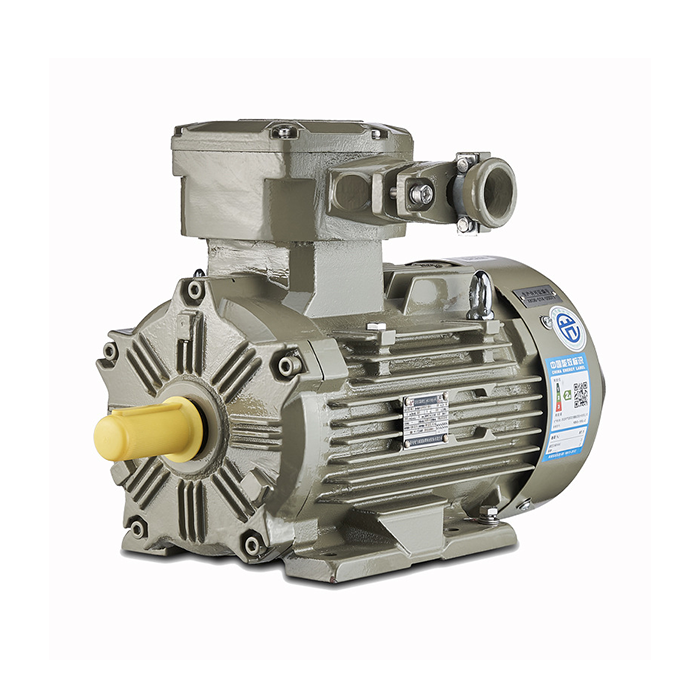
Series:YBX3
Voltage range:380V,660V,415V,380/660V,660/1140V
Power range:0.55-630 kW
Application:places where explosive gas mixtures exist in petroleum, chemical, mining, metallurgy, electric power, machinery and other industries.
Advantage: fully enclosed, self-fan cooling, squirrel cage type, high efficiency.
Explosion-proof mark: Ex d I Mb, Ex d IIB T4 Gb, Ex d IIC T4 Gb
Others: SKF, NSK, FAG bearings can be replaced according to customer requirements.
Understanding Explosion Proof AC Motors in Paint Booths
Standard motor systems just can't handle the unique problems that come up in paint booths safely. NFPA and IEC guidelines say that these areas are dangerous because they are always filled with atomised paint particles, solvent vapours, and chemical mists. Specialised explosion proof AC motor technologies power air systems, conveyor systems, and fluid handling tools used in auto body shops, military coating facilities, and industrial production lines.
Why Standard Motors Fail in Paint Booth Environments
Standard motor designs have cooling fans, holes in the outside for air flow, and electrical links that let parts inside the motor interact with the air around them. Brush contacts make small arcs, bearings make friction heat, and electrical switching makes tiny sparks when everything is working normally. When there is clean air around, these things don't pose a threat. But when the lower explosive limits of volatile organic chemicals are reached—usually between 1% and 7% concentration—these everyday events can become sources of ignition that can start fires.
The effects go beyond just creating a fire risk. Motor choice is a very important safety decision because of the damage to equipment, lost production time, fines from the government, insurance problems, and possible deaths. In the United States, people who work in paint booths have to follow strict OSHA rules that say the right equipment has to be used in dangerous places. This means that certified explosion proof AC motors are not only suggested, but they are also legally needed in most spray finishing applications.
Core Design Features of Explosion Proof Motors
Several unique technical features are put into motors that are used in dangerous places. Heavy cast iron is used to build the cage, and the flanges are carefully machined to make flame-proof joints. If there is an internal ignition, these small holes keep the gases that are fleeing below the temperature needed for ignition before they leave the housing. This idea is used throughout the building of our YBX3 series motors, which have cast iron frames and end shields that give them strength and thermal mass to get rid of heat.
Safety is just as important for internal parts. Copper windings are insulated in a special way that makes them rated Class F or H. This means that they can withstand temperature changes that would damage regular insulation materials. The squirrel cage rotor design gets rid of brushes and slip rings that could cause sparks. High-quality bearings from SKF, NSK, or FAG make sure the motor runs smoothly with little heat from friction. When the power goes from 0.55 kW to 630 kW, this fully enclosed, self-fan cooling design keeps the working temperatures safe without drawing possibly dirty air into the motor.
Critical Requirements for Explosion Proof AC Motor Systems in Paint Booths
To choose the right explosion proof AC motor systems for paint booths, you need to carefully look at a lot of technical and legal factors. The process of making a choice has to find a balance between short-term safety needs and long-term operational needs and legal responsibilities.
Essential Safety Certifications and Standards
Motors that are used in paint booths need to have certifications that say they are safe for use in listed hazardous areas. In European markets, the ATEX directive controls the use of tools in potentially explosive environments, and IECEx offers foreign approval that is recognised in many places. In the United States, tools must meet the classifications in National Electrical Code Article 500 and be tested by a recognised laboratory.
Our motors have marks that say they are explosion proof AC motors, such as Ex d I Mb for mine uses, Ex d IIB T4 Gb for most industrial gas groups and Ex d IIC T4 Gb for substances that are very easy to ignite, like hydrogen and acetylene. These names show what levels of containment have been tried and proven, as well as the temperature classes and equipment safety levels. The "d" symbol clearly shows that the cage is flameproof, which is the main design concept that keeps fires from starting outside.
Protection class ratings IP55, IP56, and IP65 show how well something keeps out dust and wetness. This is very important in paint booths where overspray and cleaning cause extra contamination risks. Higher IP grades close better, but they may also affect how heat moves, so you need to be careful when choosing based on the conditions of the booth and how it will be cleaned.
Environmental Factors and Operating Conditions
Motors are put through tough conditions in paint booths that go beyond worries about explosive atmospheres. Solvents, cleaners, and paints can contain chemicals that damage surfaces and covers that are not protected. Temperature changes happen because spray processes make heat and ventilation systems quickly move large amounts of air around. Changes in humidity caused by water-based coats and cleaning methods make parts that are easily damaged corrode.
These factors must be taken into account in motor specifications. In normal setups, our motors can work in temperatures ranging from -20°C to +40°C. Custom designs can add an extended range for extra flexibility. Different building power systems can use voltage setups ranging from 380V to 660V and combination rates such as 380/660V and 660/1140V. The paint styles that don't rust protect the outside of the metal from chemical attack, which makes it last longer in harsh environments.
The effectiveness of a motor is affected by its altitude because it lowers the density of the air and makes cooling less effective. Standard ratings only work for installations up to 1000 meters above sea level. For installations higher than that, you have to do some maths to figure out the correct grade. When making specifications, buildings in the mountain area and some other places must take these things into account.
Installation Best Practices and Wiring Protocols
Explosion proof AC motor systems work better when they are installed correctly. Certified explosion-proof fittings, sealing compounds, and proper thread contact must be used on conduit lines to keep the flameproof integrity of the motor housing. For cable entrances, you need approved glands that keep flames from spreading through conductor paths and keep the IP security ratings.
Pay close attention to every detail when making electrical links. All wiring must follow the rules set by the electrical code authorities. Proper grounding stops static electricity from building up and creates fault current lines. Setting up terminal boxes in a way that makes servicing easy while still protecting the structure of the enclosure is important. Mounting arrangements need to be able to support the weight and operating forces of the motor without causing shaking or misalignment that could shorten the life of the bearings or spark mechanical parts.
When placing the motor, you need to think about how the box will breathe. Putting equipment in areas with fast airflow could affect how well it cools, and dead air spots could let vapour build up. Motor specs and booth airflow design that work together make sure safe operation in all situations.
Maintenance Strategies for Sustained Safety
During their working life, explosion proof AC motors stay safe as long as they are inspected regularly. Visual checks should find physical damage to cases, fixing hardware that isn't tight, or cable entries that are breaking down. Thermal imaging finds problems before they get worse by looking for strange heat patterns that show things like worn bearings, deteriorating windings, or clogged cooling systems.
Maintenance times are set based on how hard the operation is. Motors that are constantly running in heavy overspray need to be checked more often than units that are only occasionally used. Bearings are oiled according to the manufacturer's instructions, and our motors are set up for longer lubrication times to cut down on repair visits. Certified SKF, NSK, or FAG parts keep the original performance standards and safety scores when bearings need to be replaced.
Keeping good records is very important for governmental checks and insurance reviews. Inspection dates, finds, corrective steps, and performance test results should all be written down in maintenance logs. This paperwork shows that the company is committed to following safety rules and lets people know about problems early on, before they become too big to handle.
Comparing Explosion Proof AC Motors vs Alternatives for Paint Booths
Learning about the different explosion proof AC motor technologies that are out there helps procurement professionals make smart choices that balance safety needs with business needs and budget limits.
Risks of Non-Certified Motor Systems
Non-certified motors may cost 30–50% less than explosion-proof AC motor units, but they introduce significant long-term risks. Using standard motors in hazardous areas violates regulations, leading to fines, shutdowns, and full liability for accidents, as insurance often excludes such cases. In paint booths, chemical exposure and overheating from poor sealing and cooling failure reduce reliability, causing breakdowns and downtime that outweigh initial savings.
Alternative Motor Technologies and Their Limitations
DC, brushless DC, synchronous, and pneumatic motors each offer distinct performance benefits but also key limitations in hazardous environments. DC motors provide strong starting torque but brush versions pose spark risks, while brushless types require complex electronics and explosion-proof enclosures. Synchronous motors offer precise speed control and high efficiency but have higher costs and limited explosion-proof availability. Pneumatic systems avoid electrical ignition risks but require costly compressed air infrastructure and offer lower control precision.
Performance Metrics and Long-Term Reliability
Explosion-proof AC motors offer reliable performance across paint booth environments, with modern IE2–IE4 efficiency classes significantly reducing energy consumption and operating costs; upgrading to higher efficiency can deliver substantial annual savings and fast payback. Lower temperature rise classes (B and F options) improve insulation life and durability. Squirrel cage induction motors provide strong overload tolerance, stable performance under voltage fluctuations, and flexible operation for variable industrial loads.
Procurement Best Practices for Explosion Proof AC Motor Systems in Paint Booths
To get explosion proof AC motors that work well, you need to carefully look at providers, goods, and support services to make sure they meet safety standards and get the best total cost of ownership.
Supplier Evaluation Criteria
Supplier evaluation should include verification of certifications, test records, and compliance markings for explosion-proof AC motors, along with clear technical documentation and maintenance guidance. Reliable suppliers maintain sufficient stock of key models to reduce lead times and support operational continuity. Customization options such as voltage, mounting, and shaft configurations improve project fit. Comprehensive warranties and responsive service networks further ensure reliability and minimize downtime risks.
Cost Analysis and Pricing Considerations
Explosion-proof AC motors are 40–70% more expensive than standard industrial motors due to additional engineering, materials, testing, and certification requirements for hazardous environments. Bulk purchasing and standardized designs reduce costs, while long-term supplier relationships enable better payment terms and service conditions. Total cost analysis should include installation, compliant conduit systems, and professional setup, as proper installation reduces future compliance risks and costly corrective actions.
Integration of Installation and After-Sales Support
Superior suppliers provide integrated services beyond product supply, including installation support with engineering review, mounting design, and commissioning assistance to ensure optimal performance. Maintenance training improves operational capability and reduces service errors. After-sales support covers troubleshooting, spare parts, and repair services, with regional centers enabling fast response and reduced downtime. Emergency support and comprehensive documentation also streamline compliance, permitting, and inspection processes.
Future Trends and Technological Advancements in Explosion Proof AC Motors for Paint Booths
Digitalisation, the need to be more environmentally friendly, and stricter safety rules are all pushing explosion proof AC motor technology to keep changing. Knowing about these changes helps procurement pros make financial choices that look to the future.
Smart Monitoring and Predictive Maintenance Technologies
Embedded sensor technologies and digital connections make it possible to check motor working factors like vibration, temperature, current draw, and power quality in real time. These data streams are fed into analysis systems that use machine learning methods to find small changes in patterns that point to problems that are starting to happen before they become very bad. By stepping in early, predictive maintenance methods improve service scheduling, cut down on unexpected downtime, and increase the useful life of equipment.
When equipment is connected to plant-wide tracking tools, the whole performance of the equipment can be seen. Maintenance staff get automatic alerts when parameters go beyond acceptable levels. This lets them respond quickly to new problems that arise. Historical trend analysis finds long-lasting issues that need to be looked into to find their root causes and fixed. The operating data that is created makes equipment more reliable and servicing more efficient all the time.
When smart technologies are used in explosion proof AC motors, approval issues need to be carefully thought through. Sensors, communication devices, and power sources that are built into motor systems need to have the right hazardous location values for where they are installed. Suppliers who offer factory-integrated tracking systems with full approval paperwork make adoption easier and make sure that safety rules are always followed.
Energy Efficiency and Environmental Sustainability
Motor efficiency continues to improve due to stricter international standards such as IEC 60034-30-1, with IE4 and upcoming IE5 classes significantly reducing energy consumption and emissions. Variable frequency drives enhance efficiency under variable loads, often achieving payback within 1–3 years. Sustainable manufacturing also emphasizes recyclable materials, low-waste production, and supply chain responsibility, with increasing buyer focus on overall environmental performance and lifecycle impact.
Conclusion
To keep the paint booth safe, you have to be very careful when choosing the tools. Motors that are approved for use in dangerous areas are the most important part of following the rules. Procurement pros can choose the right equipment that meets safety standards and performance goals by understanding the technical requirements, certification standards, and operational factors. The purchase of approved explosion proof AC motor systems safeguards workers, buildings, and the continuation of the business while facilitating effective production processes. Carefully choosing a provider, following thorough installation procedures, and keeping an eye on servicing all make sure that safety performance stays high throughout the life of the equipment. As technology improves, new tracking, efficiency, and sustainability features open up more ways to make paint booth motor systems work better while still following basic safety rules that keep people and property safe.
FAQ
1.What certifications are mandatory for paint booth motors?
Motors that are used in paint booths need to have the right approvals for the classified dangerous location that the space has been given. ATEX certification is used in European markets, while IECEx approval is recognised around the world. In the United States, sites must follow the National Electrical Code Article 500 standards, which are usually Class I Division 1 or Division 2 based on how much ventilation is needed and how much vapour is expected. Look for marks that say the product is an explosion proof AC motor, such as Ex d grades that match the gas groups that are in the coating materials.
2.Can I customize voltage configurations for specific facility requirements?
Modern explosion proof AC motor designs have flexible winding designs that let them handle a wide range of power needs. Our motors can work with 380V, 415V, 660V, and dual-voltage setups such as 380/660V and 660/1140V. Customisation options include choosing the bearings, the mounting setup, the shaft configuration, and the frequency needs. Talk to technical support about the details of your application so they can help you find the best options that meet both speed and safety standards.
3.How frequently should paint booth motors undergo maintenance inspection?
How often you inspect relies on how hard the operation is, how long it runs, and how much the surroundings affects it. Motors that are used continuously and are exposed to a lot of overspray do better with eye checks every month and more in-depth checks every three months. For lighter-duty systems, visual checks may be done every three months and full reviews every six months. Lubricating bearings according to the manufacturer's instructions should be done once a year for normal use. Keep thorough inspection logs that record results and corrective actions to show that safety standards are being met during governmental reviews.
Partner with XCMOTOR for Certified Explosion Proof AC Motor Solutions
For paint booth uses where safety cannot be sacrificed, Shaanxi Qihe Xicheng Electromechanical Equipment Co., Ltd. (XCMOTOR) provides certified explosion proof AC motor systems. Our YBX3 series motors have flameproof enclosures that have been used for a long time and meet current efficiency standards. They provide reliable power in voltage ranges from 0.55 kW to 630 kW, depending on what your building needs. Each motor goes through strict tests and is certified to Ex d I Mb, Ex d IIB T4 Gb, and Ex d IIC T4 Gb standards. This makes sure that they are safe and meet international safety rules. We help you with the buying process by giving you thorough expert advice, letting you make changes, and offering quick after-sales service on both Saturday and Sunday. Contact our team at xcmotors@163.com or visit motorxc.com to request detailed specifications and application engineering support tailored to your paint booth requirements when you need a reliable explosion proof AC motor supplier who offers high-quality parts with 30-day return protection and free delivery.
References
1. National Fire Protection Association. "NFPA 33: Standard for Spray Application Using Flammable or Combustible Materials." 2018 Edition. Quincy, MA: NFPA Publications.
2. International Electrotechnical Commission. "IEC 60079-0: Explosive Atmospheres - Part 0: Equipment - General Requirements." Geneva: IEC Standards Publications, 2017.
3. Occupational Safety and Health Administration. "Hazardous Locations (Classified Locations) - 1910.307." OSHA Technical Manual, Section IV, Chapter 4. Washington, DC: U.S. Department of Labor.
4. European Committee for Standardization. "EN 60034-30-1: Rotating Electrical Machines - Part 30-1: Efficiency Classes of Line Operated AC Motors." Brussels: CEN-CENELEC Publications, 2014.
5. American Petroleum Institute. "API RP 505: Recommended Practice for Classification of Locations for Electrical Installations at Petroleum Facilities Classified as Class I, Zone 0, Zone 1, and Zone 2." Third Edition. Washington, DC: API Publishing Services, 2018.
6. Factory Mutual Research Corporation. "FM Approvals: Approval Standard for Motors and Generators for Use in Hazardous (Classified) Locations." Class Number 3615. Norwood, MA: FM Global, 2016.
YOU MAY LIKE
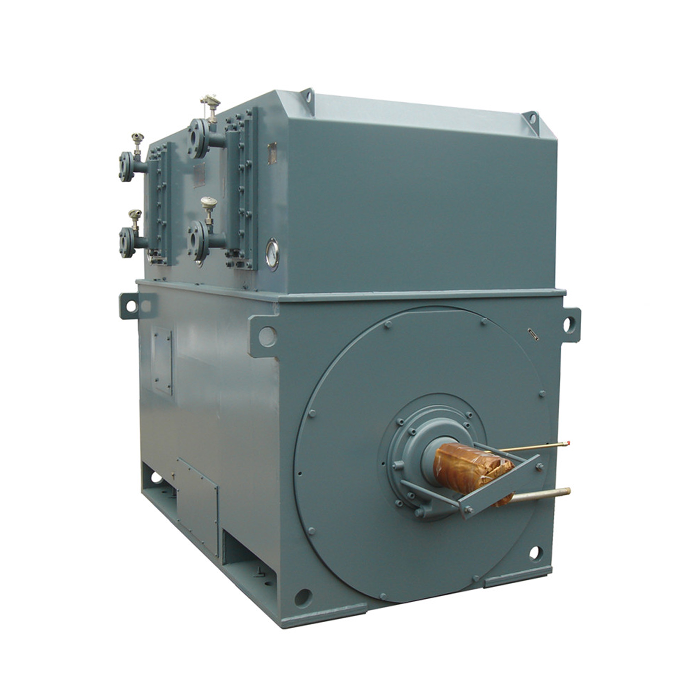 VIEW MOREwater cooled motors
 VIEW MOREYR(IP23) series high voltage wound rotor three-phase asynchronous motor
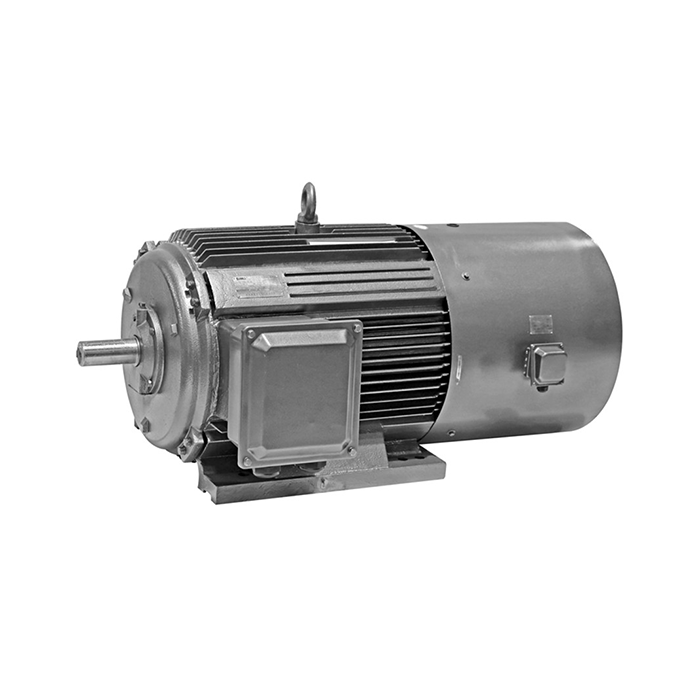 VIEW MOREYVFE3 frequency conversion speed regulating motor
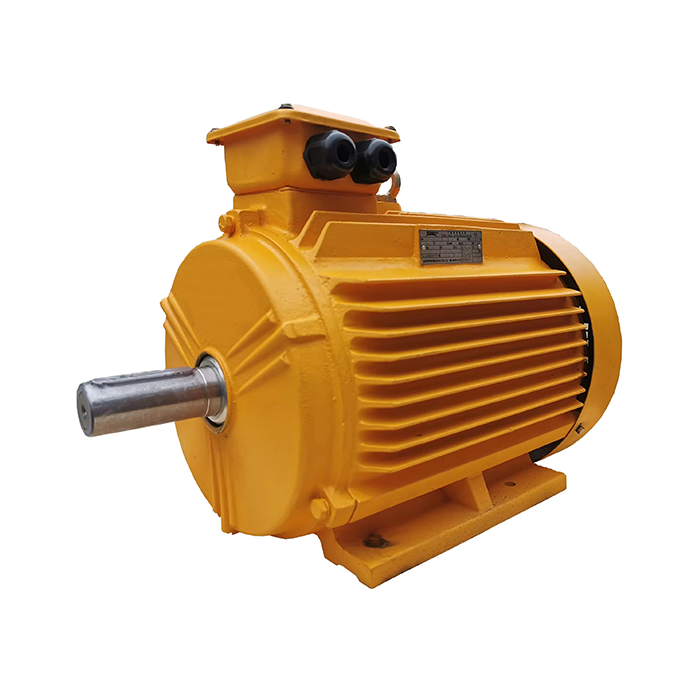 VIEW MOREYE4 high efficient three-phase asynchronous motor
 VIEW MORE12 wafer check valve
 VIEW MOREac slip ring induction motor
 VIEW MORE200 hp ac motor
 VIEW MORE200 hp dc electric motor