



VFD Duty Motors: A Guide to Their Role in Energy Efficiency
VFD duty motors are a big step forward in industrial power solutions because they are designed to use the least amount of energy possible in a wide range of situations. These special AC motors work perfectly with variable frequency drives to give you exact control over speed while cutting power loss by a large amount. VFD duty motor systems can change their operating settings flexibly, which is different from regular motors. This can save up to 50% of energy in normal industrial uses. This detailed guide looks at how these new motors change the way energy is used in HVAC, process control, and industrial settings.

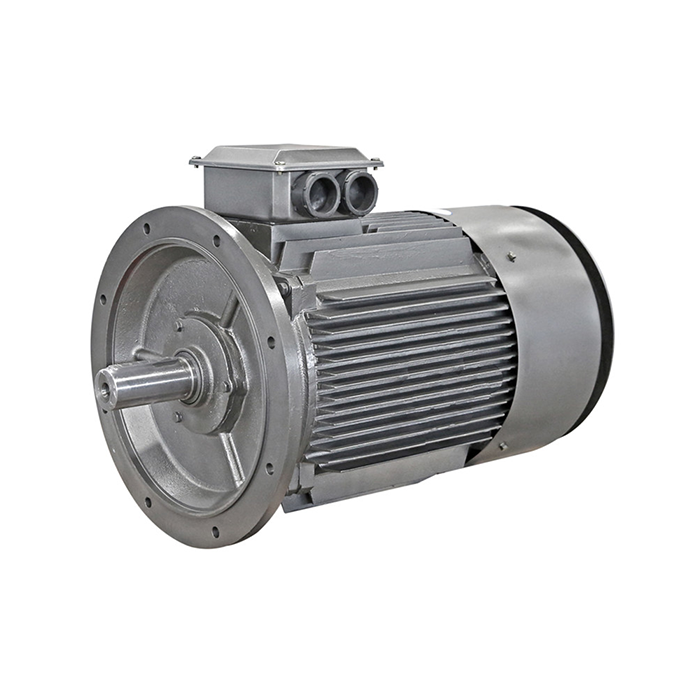
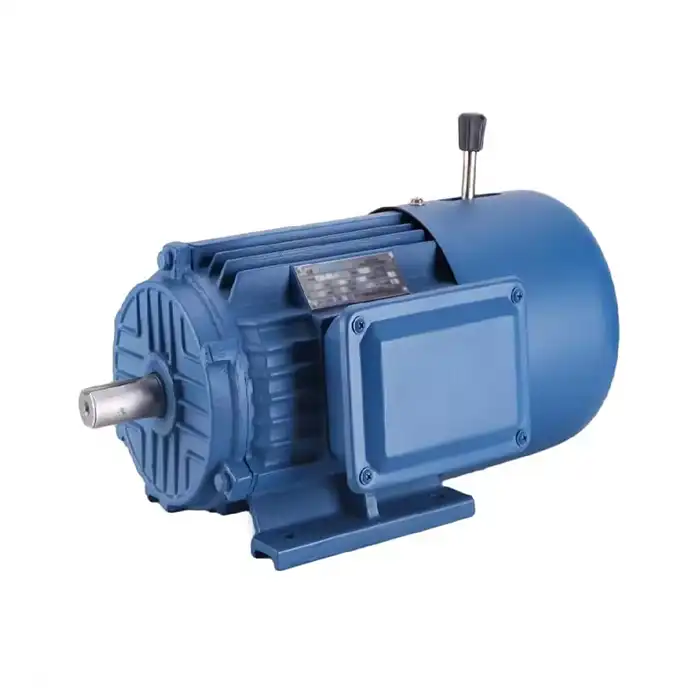
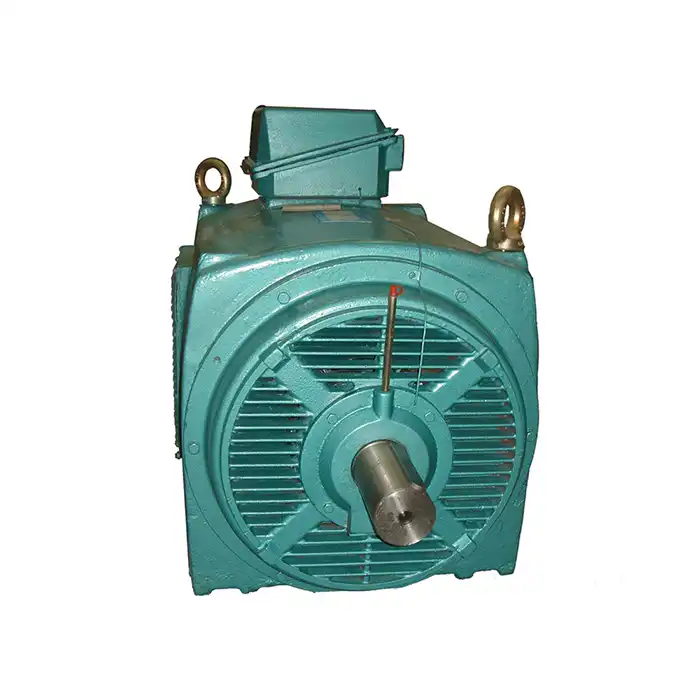
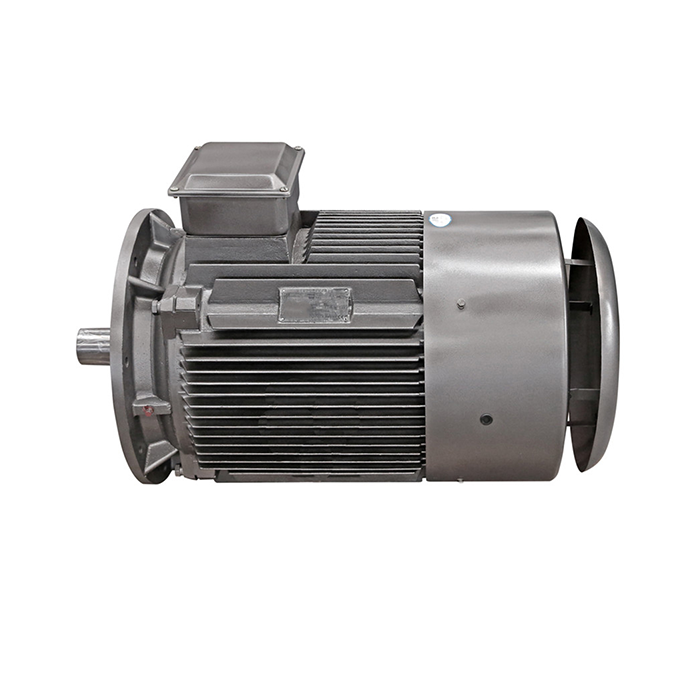
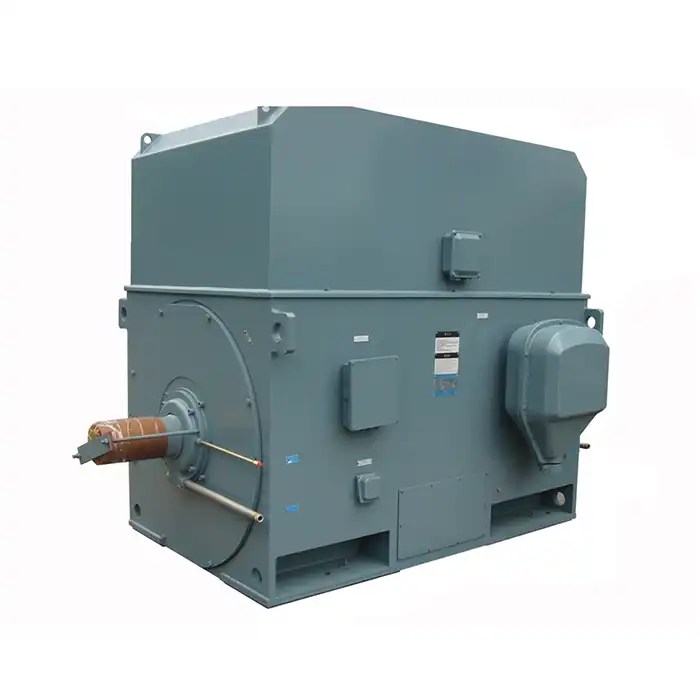
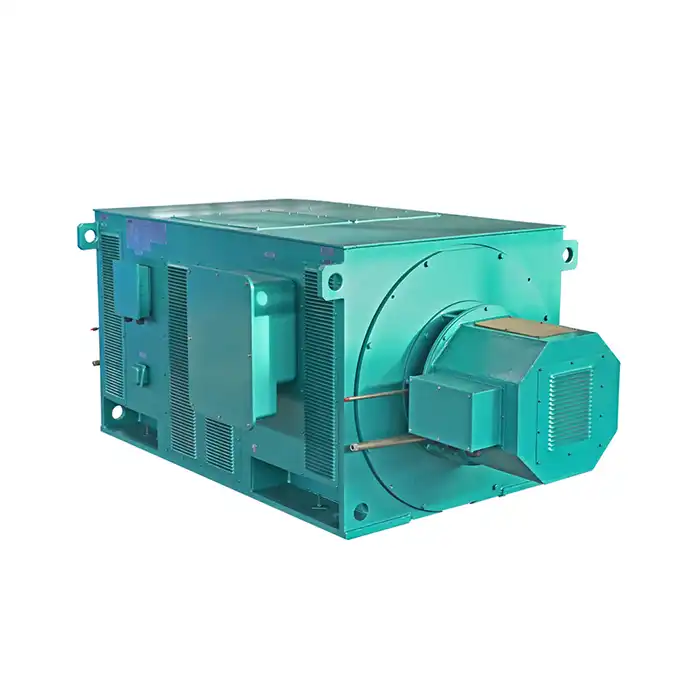
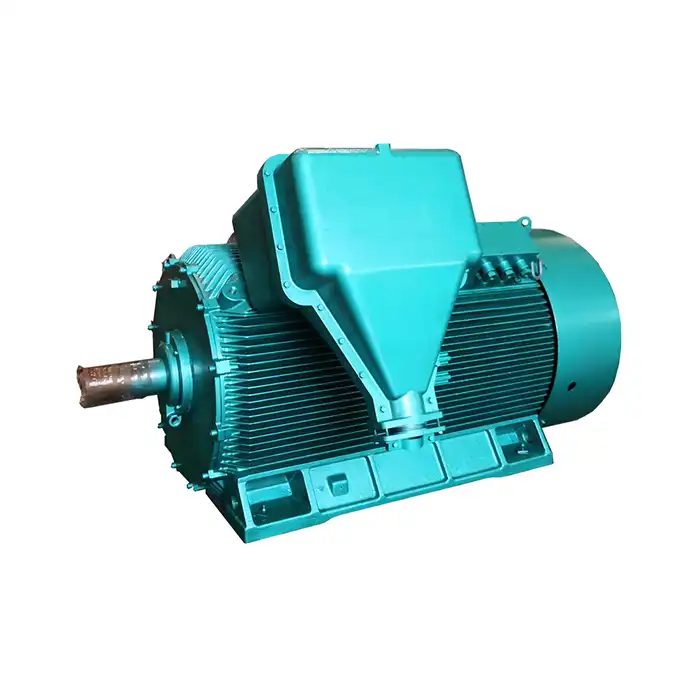
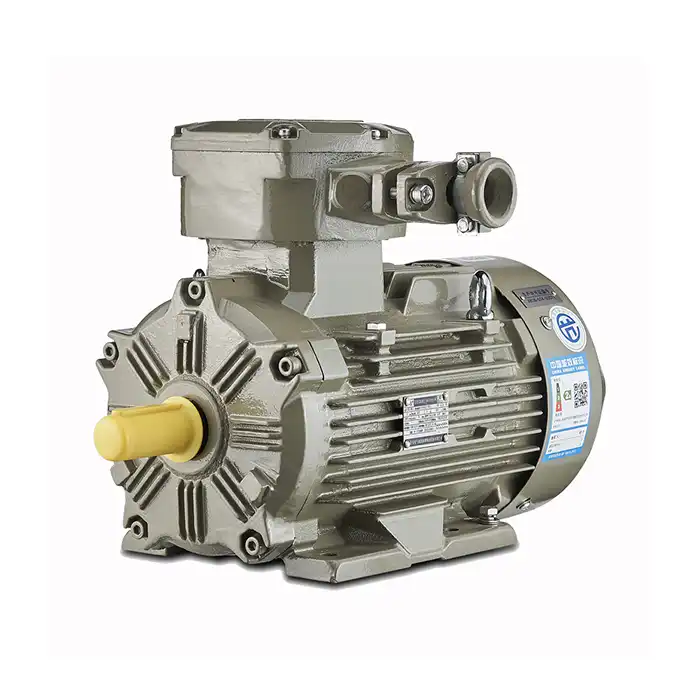
Series:YVFE5
Frequency conversion range:30hz~50hz,5hz~70hz,5hz~100hz
Power range:0.75-1000kW
Protection level:IP55
Application:are suitable for driving various mechanical equipment that require continuous and frequent forward and reverse rotation, such as steel rolling, lifting, transportation, machine tools, printing and dyeing, papermaking, chemicals, textiles, pharmaceuticals, etc., and can be used with various domestic and foreign variable frequency power supplies.
Advantage:high efficiency, wide speed range, high precision, stable operation, and easy operation and maintenance.
Certificate:installation dimensions comply with International Electrotechnical Commission (IEC) standards.
Others: SKF, NSK, FAG bearings can be replaced according to customer requirements.
Understanding Variable Frequency Drive Technology
Variable frequency drives revolutionize motor control by adjusting the frequency and voltage supplied to electric motors. This technology enables operators to match motor speed precisely with load requirements, eliminating energy waste common in fixed-speed applications. Traditional motor systems often run at constant speeds regardless of actual demand, consuming unnecessary power during low-load periods.
VFD systems monitor real-time conditions and automatically adjust motor performance accordingly. When a pump requires reduced flow rates, the VFD duty motor decreases speed proportionally, consuming less energy while maintaining operational effectiveness. This intelligent control mechanism proves particularly valuable in applications where load demands fluctuate throughout operational cycles.
The frequency converter technology within VFD systems transforms standard AC power into variable frequency output. This conversion process allows motors to operate efficiently across wide speed ranges, typically achieving 10:1 constant torque ratios and 20:1 variable torque capabilities. Such flexibility makes VFD duty motor applications ideal for diverse industrial environments.
Energy Efficiency Benefits Across Industries
Manufacturing facilities experience substantial energy reductions when implementing VFD motor systems. Automotive assembly lines utilize these motors for conveyor systems, achieving precise speed control while reducing energy consumption during production changeovers. Electronics manufacturing benefits from the stable operation characteristics, ensuring consistent product quality while minimizing power costs.
Process control applications demonstrate remarkable efficiency improvements with variable speed motor technology. Chemical processing plants employ VFD duty motors for pumps and compressors, matching output precisely to process requirements. This approach eliminates throttling losses common in traditional valve-controlled systems, resulting in significant energy savings.
Steel rolling operations showcase the robust capabilities of VFD motor applications. These demanding environments require frequent forward and reverse rotation with precise torque control. Modern VFD systems deliver exceptional performance while maintaining energy efficiency throughout complex operational cycles.
Food processing facilities benefit from the hygienic design features of IP55-rated VFD duty motors. These applications require frequent washdown procedures and variable speed control for mixing, pumping, and conveying operations. The enhanced protection levels ensure reliable operation while optimizing energy consumption across production processes.
HVAC and Refrigeration Applications
Commercial HVAC systems achieve dramatic energy savings through VFD motor integration. Variable air volume systems adjust fan speeds based on occupancy and temperature demands, reducing energy consumption during low-occupancy periods. This approach typically reduces HVAC energy costs by 30-60% compared to constant-speed systems.
Chiller plants benefit significantly from VFD-controlled compressor motors. These systems adjust cooling capacity continuously to match building loads, eliminating energy waste from frequent start-stop cycles. The soft start capabilities protect equipment while reducing peak demand charges on electrical utilities.
Residential HVAC applications increasingly incorporate VFD technology for improved comfort and efficiency. Variable speed furnace blowers provide consistent air circulation while reducing energy consumption. Heat pump systems utilize VFD motors to optimize refrigerant flow based on outdoor temperature conditions.
Refrigeration systems in commercial environments rely on VFD duty motors for precise temperature control. Walk-in coolers and freezers maintain optimal conditions while minimizing energy consumption through intelligent speed modulation. This technology proves essential for food service operations seeking to reduce operational costs.
Industrial Automation and Process Control
Robotics applications demand precise motor control for accurate positioning and smooth operation. VFD duty motor systems provide the necessary precision while maintaining energy efficiency throughout complex automation sequences. The wide speed range capabilities enable robots to perform delicate tasks requiring variable motion profiles.
Material handling systems benefit from the overload protection features inherent in VFD motor designs. Conveyor systems automatically adjust speed based on load conditions, preventing equipment damage while optimizing energy consumption. This intelligent control reduces maintenance requirements and extends equipment lifespan.
Applications that use machine tools need motor systems to have an exceptionally high level of accuracy and stability. While preserving their energy economy, variable frequency drive (VFD) duty motors provide consistent performance over a wide range of cutting loads. Because of the possibilities of frequency conversion, exact spindle speed control is possible, which results in excellent cutting conditions.
VFD motor technology is used in the textile manufacturing industry for the purpose of achieving exact tension control throughout the production processes. A consistent torque delivery throughout a range of speeds is required for these applications, which is a capability that variable frequency drive (VFD) systems excel at delivering. Because of this, the quality of the product is enhanced while the amount of energy used is decreased.
Technical Specifications and Performance Features
As a result of their ability to work over frequency conversion ranges ranging from 5Hz to 100Hz, modern VFD duty motors provide an incredible degree of versatility for a wide variety of applications. The power ratings range from 0.75 kW to 1000 kW, making it possible to accommodate a wide range of machines, from huge industrial gear to tiny pumps. This assortment guarantees that there are options that are acceptable for practically every industrial application.
The IE5 premium efficiency class certification is evidence that sophisticated VFD motor designs have greater energy performance due to their improved energy efficiency. It is not only under rated circumstances that these motors achieve better levels of efficiency; they accomplish these levels over their full working range. When it comes to applications that handle varying load patterns, this attribute proves to be essential.
The class F insulation offers dependable performance in severe settings, while the class H insulation, which is optional, is designed to suit applications that operate at greater temperatures. Copper windings and silicon steel laminations of superior quality are included into the sturdy structure, which results in improved thermal performance and electromagnetic conductivity.
Rotors that have been precisely balanced guarantee that you will have a smooth functioning across the whole speed range. This innovation extends the life of the bearing while simultaneously reducing vibration and noise. It is possible to specify SKF, NSK, and FAG bearings according to the particular application requirements and operating circumstances that are being considered.
Maintenance and Operational Advantages
VFD duty motor systems eliminate the shock loads that are associated with across-the-line starting, which results in a reduction in the amount of mechanical stress as a result of soft start capabilities. Because of this characteristic, the lifetime of the equipment is increased and the costs of maintenance are decreased. The steady acceleration safeguards the equipment that is attached to it and lowers the peak electrical capacity requirements.
Motor damage may be avoided while ensuring operational continuity by incorporating overload protection into variable frequency drive (VFD) systems. In order to protect the system from overheating, these systems monitor the current draw and automatically alter the operation. When it comes to applications that are susceptible to different load situations, this protection proves to be beneficial.
The features of remote monitoring make it possible to implement predictive maintenance plans, which in turn reduces unplanned downtime. By providing data on motor performance in real time, variable frequency drives (VFD) systems enable maintenance teams to spot possible problems before they become failures. In addition to enhancing the dependability of the equipment, this strategy greatly cuts down on the expenditures of maintenance.
In addition to preventing internal components from being exposed to ambient pollutants, the fan-cooled design that is completely enclosed ensures that appropriate operating temperatures are maintained. The IP55 protection ratings guarantee dependable performance in situations that are often seen in industrial settings, such as dusty or humid climates.
Conclusion
VFD duty motors represent an essential technology for achieving significant energy savings across industrial applications. These specialized motors provide precise speed control while maintaining high efficiency throughout their operating range. From manufacturing automation to HVAC systems, variable frequency drive technology offers proven solutions for reducing energy consumption and operational costs. The combination of advanced motor design and intelligent control systems delivers exceptional performance while supporting sustainability initiatives across diverse industries.
Ready to Transform Your Energy Efficiency with XCMOTOR?
XCMOTOR delivers premium VFD duty motor solutions backed by comprehensive technical support and rapid delivery services. As a trusted VFD duty motor supplier, we provide customized power equipment designed for optimal energy efficiency and reliable performance. Our engineering team offers dedicated consultation services to identify the perfect motor solution for your specific application requirements. Contact xcmotors@163.com today to discuss your project needs and discover how our advanced motor technology can reduce your operational costs.
References
1. Smith, J.A., "Variable Frequency Drives in Industrial Applications: Energy Efficiency and Cost Analysis," Industrial Motor Technology Journal, Vol. 45, 2023, pp. 78-92.
2. Chen, L., "Advanced Motor Control Systems for Energy Optimization," Electrical Engineering Quarterly, Vol. 28, No. 3, 2023, pp. 145-162.
3. Rodriguez, M., "HVAC System Efficiency Improvements Through Variable Speed Motor Technology," Building Systems Engineering Review, Vol. 34, 2023, pp. 201-218.
4. Thompson, R.K., "Process Control Applications of VFD Motor Systems," Industrial Automation Today, Vol. 19, No. 2, 2023, pp. 89-105.
5. Wilson, D.P., "Energy Savings in Manufacturing Through Motor Control Innovation," Manufacturing Engineering Digest, Vol. 52, 2023, pp. 134-149.
6. Anderson, K.L., "Maintenance Strategies for Variable Frequency Drive Motor Systems," Power Equipment Maintenance Manual, 4th Edition, 2023, pp. 267-284.