



Inside IEC LV Motors: Design, Cooling, and Performance
If you work in industrial equipment procurement, you already know that choosing the right low voltage motor can determine whether a machine runs smoothly for years or causes costly downtime. IEC LV motors — built to the standards set by the International Electrotechnical Commission — are three-phase induction motors designed to deliver consistent, verified performance across a wide range of industrial applications. This article breaks down what goes into their design, how cooling works, what affects performance, and how to make a smart purchase decision.
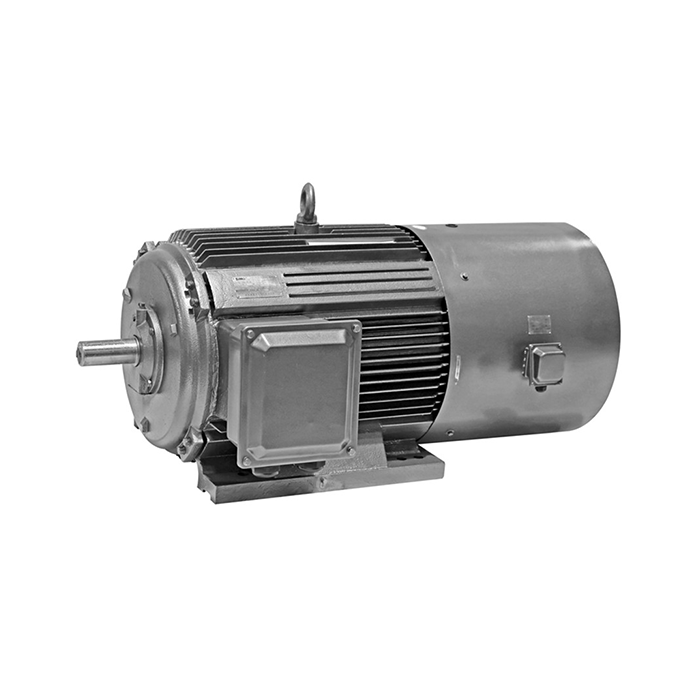
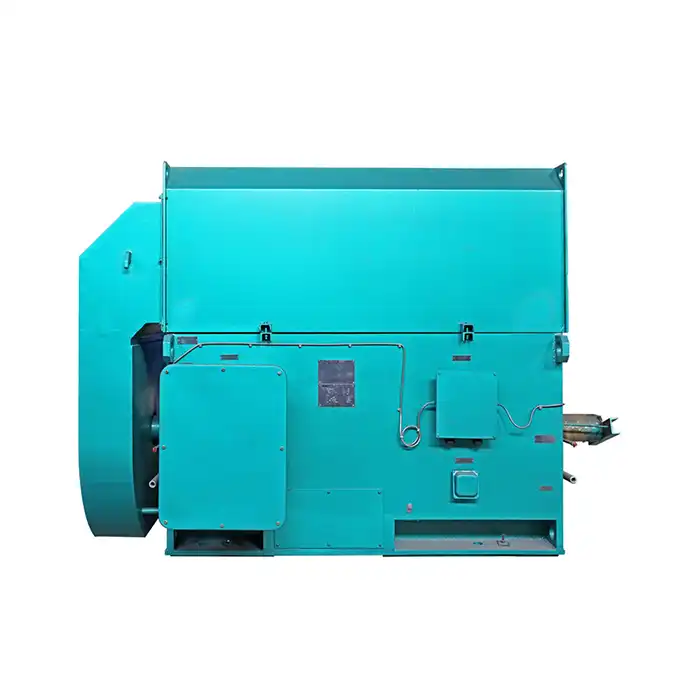
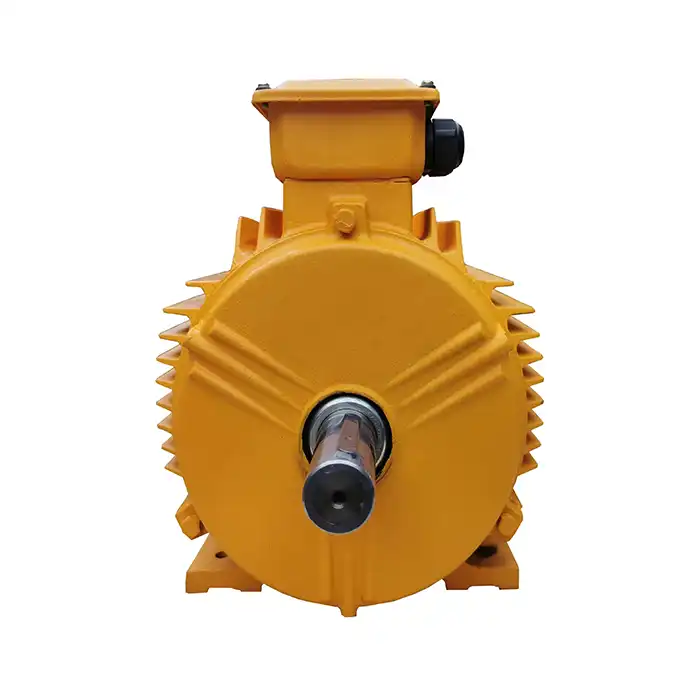
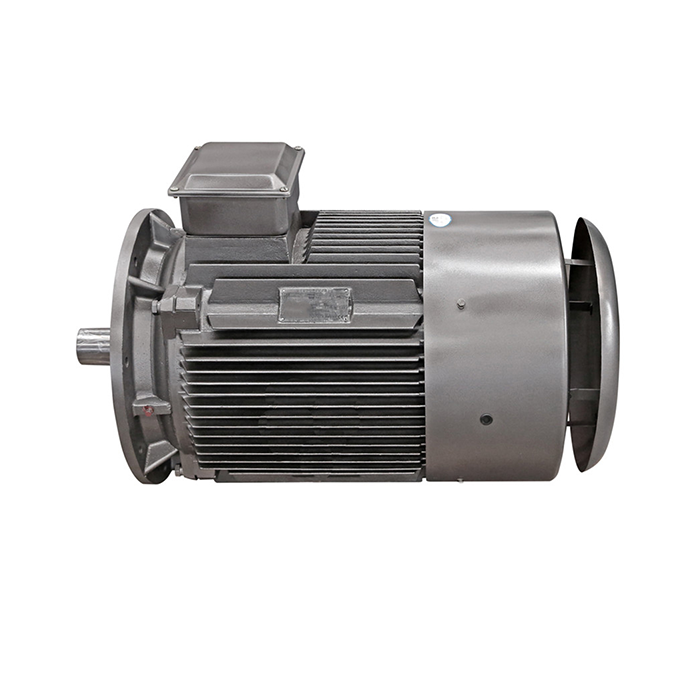
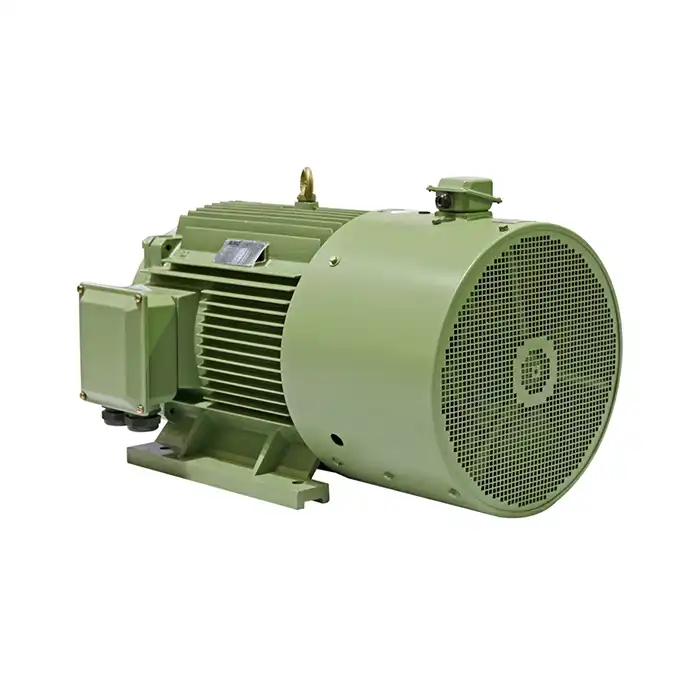
Series:YE5
Frame number: 80-450
Power range:0.75-1000kW
Protection level:IP55
Energy efficiency class: IE5
Voltage range: 380V,400V,415V, 660V,etc.
Application:can be used in various fields of the national economy, such as machine tools,water pumps,fans,compressors,and can also be used in transportation, mixing, printing, agricultural machinery, food and other occasions that do not contain flammable, explosive or corrosive gases.
Certificate: international standard IEC60034-30 "Efficiency Classification of Single-speed Three-Phase Squirrel Cage Induction Motors".
Advantage:The high quality of the electric motor guarantees high operational reliability.
Others: SKF, NSK, FAG bearings can be replaced according to customer requirements.
Understanding IEC LV Motors: Design Fundamentals
Frame Size and Dimensional Standards
Iec lv motors adhere to IEC 60034-1, which specifies mounting arrangements, shaft heights, and frame dimensions. Because of this standardization, a motor from one IEC-compliant maker can be used in place of another without having to be machined to fit. Usually, frame numbers are between 80 and 450, which cover power levels from less than 1 kW to more than 1,000 kW. This level of consistency across dimensions is not a choice for companies that ship goods to European markets; it is the standard.
Rotor, Stator, and Insulation Construction
A low voltage induction motor's stator holds the wound coils that make a rotating magnetic field. The torque is made by the squirrel-cage rotor following that field. Class of insulation is very important. Industrial-grade motors usually have Class F insulation (155°C temperature limit) or Class H insulation (180°C). Because iron losses are directly related to the quality of the lamination steel in the stator core, motors with better performance use higher-grade electrical steel.
Efficiency Classes and Key Performance Parameters
The IE efficiency classification system, which goes from IE1 to IE5, is spelled out in IEC 60034-30-1. The International Energy Agency says that about 53% of all the electricity used in the world goes to systems with electric motors. If you switch from IE3 to IE5, you can cut motor losses by 20% or more. When evaluating Iec lv motors for particular duty cycles, procurement engineers should not only look at efficiency but also power factor, rated torque, slip percentage, and acoustic noise levels (measured in dB(A).
Cooling Technologies in IEC LV Motors: Ensuring Long-Term Reliability
IC 411 vs. IC 416: What the Codes Mean
IEC 60034-6 sets the rules for how electric motors should be cooled. IC 411 is a totally enclosed fan-cooled (TEFC) system, in which a fan on an outside tube moves air over a housing with fins on it. The IC 416 has an external fan that is powered separately. This makes it perfect for applications that need to change speeds because the shaft fan would be too slow at low speeds to move enough air. Choosing the right cooling method for the speed range will directly affect how long the motor lasts.
Air Cooling vs. Liquid Cooling
Iec lv motors with air cooling are the industry standard for general-purpose use and cover the majority of industrial uses. People prefer liquid-cooled versions, which usually have water jackets around the motor case, for high-power uses or places with high ambient temperatures, like machine cabinets or warm regions. Motors like the XCMOTOR YE5 series have an IP55 grade, which means that both dust and water jets can't get to the internal parts. This is important in settings that are wet or outside.
Cooling System Maintenance Practices
Arrhenius modeling says that a blocked airflow screen or a broken external fan blade can raise winding temperatures by 10–15°C, which can cut the life of insulation in half. In dirty places, maintenance teams should check the cooling fins and fan covers every three to six months. During planned shutdowns, they should use an infrared thermometer to check the bearing temperatures, and in humid places, they should make sure the drain plugs are clear. These small steps make a big difference in extending service times.
Performance Optimization of IEC LV Motors for Industrial Use
Common Performance Bottlenecks
Three of the most common problems with industrial motors' performance are overheating, excessive vibration, and strange noise. Overheating is often caused by the wrong size motor. Running a motor at less than 50% load for long periods of time lowers its efficiency and causes thermal cycling stress. Misalignment between the motor shaft and the driven equipment is a common cause of vibration. Even a parallel misalignment of 0.05 mm can cause loads on the bearings that greatly reduce their useful life.
Inverter-Driven Operation and Variable Speed Control
A variable frequency drive (VFD) and an IEC low voltage motor work together to give engineers fine control over speed, power, and acceleration patterns. Because of the affinity laws of fluid mechanics, slowing down a pump or fan by just 20% can cut power use by almost 50%. But not all motors are made to handle the dV/dt stress and harmonic distortion that VFDs cause. Motors that are meant to work with inverters should have reinforced winding insulation and, even better, insulated bearings on the end that isn't being driven.
Real-World Performance Improvements
It was noted that a water treatment plant that used centrifugal pumps at a set speed cut its annual electricity use by 28% in the first year after replacing its motors with IE5-class units paired with VFDs. Not only did the motor become more efficient, but speed control got rid of the losses caused by reducing valves. This kind of result can happen again and again in HVAC, compressor, and conveyor situations where the motor choice fits the real load profile.
Comparing IEC LV Motors: Making the Right Choice for Your Application
IEC vs. NEMA: The Core Differences
In North America, NEMA (National Electrical Manufacturers Association) standards are most common. In Europe, Asia, Australia, and most foreign markets, IEC standards are used. There are real differences in how the motors look. IEC motors use metric measurements and performance ratings in SI units, while NEMA motors use inch-based frames and horsepower ratings. It is simple to achieve dimensional and regulatory compliance for equipment manufacturers exporting to Europe or Australia by specifying Iec lv motors.
Certifications That Procurement Teams Require
European buyers always put CE marking and EU ErP (Energy-related Products) directive compliance at the top of their list of priorities when they buy equipment. Certification from the UKCA is important for the UK market after Brexit. IEC 60034-2-1 says that motors sold in these areas should have test results that show they are efficient, not just ratings. The XCMOTOR YE5 series has been certified by CE, CCC, UL, and GOST. Each unit can be tracked back to IEC 60034-30 compliance records for iec low voltage motors, which are what keep customs delays to a minimum and make certification experts happy.
Selecting Motors for Challenging Environments
IP55 protection is good for most industrial settings, but corrosion-resistant coatings, tropical insulation treatment, or condensation drain holes may be needed for chemical processing, food production, or outdoor installations. Different types of bearings are also available. Standard grease-packed bearings work well for most tasks, but engineers can feel confident using SKF, NSK, or FAG bearings on the YE5 series, which gives them options for high-load or high-speed duty points.
Procurement Guide: Navigating the Purchase of IEC LV Motors
Evaluating Suppliers and Certifications
Checking first, not price, is the best way to buy something. Ask for the real CE certificate number and compare it to the records of the organization that issued it. Ask for results on IE speed tests from a third-party lab that has been approved by the government. These documents will be readily available from a reputable supplier of Iec lv motors. Standard frame sizes usually have lead times of two to four weeks from stock. Custom designs may take six to ten weeks, based on the frame and power rating.
Bulk Orders, Lead Times, and Logistics
Setting up a framework agreement with your motor supplier locks in prices and reserves production slots for OEM equipment manufacturers who are building in large quantities. XCMOTOR sends all over the world and gives a variety of logistics choices, such as sea freight, air freight, and multimodal routing. Their packaging is also designed to protect items during long travel. The 30-day return policy gives you more peace of mind during the first test runs.
After-Sales Support and Technical Documentation
Complete technical documentation, such as dimensional drawings in DXF or PDF format, installation manuals in multiple languages, efficiency declaration forms for EU ErP registration, and lists of spare parts, is very important to European buyers. XCMOTOR offers expert help seven days a week, and its engineering team can provide motor data sheets that are formatted for submission to EU regulatory bodies. This makes things easier for the legal teams of businesses that import goods.
Conclusion
Iec lv motors are highly precise machines. Little choices in the design process, like the type of steel used for lamination, the bearings chosen, and the way the motor is cooled, can have a big impact on how well it works, how reliable it is, and how much it costs to own. Verified certificates and traceable efficiency data are must-haves for procurement workers looking to buy motors for the European or Australian markets. The XCMOTOR YE5 series directly meets these needs: it has an IE5 efficiency class, IP55 protection, meets CE and IEC 60034-30 standards, and has a range of customizable bearing options for frame sizes 80 to 450 and power ratings from 0.75 to 1,000 kW.
FAQ
1.What are the typical applications for YE5 low voltage motors?
The YE5 series suits fans, pumps, compressors, conveyors, machine tools, mixers, and printing machinery. It performs well in chemical processing, metallurgy, water treatment, building materials, food production, and general machinery — anywhere without flammable, explosive, or corrosive gases.
2.What does the IE efficiency code mean?
IEC 60034-30-1 defines four IE efficiency levels. IE1 is standard efficiency; IE5 is the highest level currently classified. Each step up reduces electrical losses in the motor windings and magnetic circuit, lowering operating costs over the motor's service life.
3.What certifications should I verify before purchasing IEC LV motors?
At minimum, check CE marking, IE efficiency class test reports per IEC 60034-2-1, and EU ErP directive compliance documentation. For UK sales, UKCA certification is required. XCMOTOR's YE5 series carries CE, CCC, UL, and GOST certifications.
4.Can I specify the bearing brand for my order?
Yes. XCMOTOR offers bearing upgrades to SKF, NSK, or FAG depending on your load conditions and operating environment. This is particularly valuable in high-cycle or high-load applications.
5.How long is the standard delivery lead time?
Standard frame sizes typically ship within two to four weeks. Custom configurations depend on specifications. XCMOTOR offers free delivery on all products and adapts logistics to your project timeline.
Partner with XCMOTOR for Verified IEC LV Motors
With full CE certification, IE5 efficiency documentation, and global logistics support, XCMOTOR (Shaanxi Qihe Xicheng Electromechanical Equipment Co., Ltd.) sells Iec lv motors directly from the manufacturer. The YE5 line is made to IEC 60034-30 standards and ranges in size from 80 to 450 frames and 0.75 to 1,000 kW. Our team is here to help you seven days a week, whether you need a practice run or a full annual plan. You can get your technical datasheet and certification package right now by emailing us at xcmotors@163.com or going to motorxc.com.
References
1. International Electrotechnical Commission. IEC 60034-30-1: Rotating Electrical Machines — Efficiency Classes of Line Operated AC Motors. IEC, 2014.
2. International Electrotechnical Commission. IEC 60034-2-1: Rotating Electrical Machines — Standard Methods for Determining Losses and Efficiency. IEC, 2014.
3. International Electrotechnical Commission. IEC 60034-1: Rotating Electrical Machines — Rating and Performance. IEC, 2017.
4. International Energy Agency. Energy Efficiency 2023. IEA Publications, 2023.
5. de Almeida, A. T., Ferreira, F. J. T. E., & Baoming, G. "Beyond Induction Motors — Technology Trends to Move Up Efficiency." IEEE Transactions on Industry Applications, 2014.
6. European Commission. Commission Regulation (EU) 2019/1781 Laying Down Ecodesign Requirements for Electric Motors and Variable Speed Drives. Official Journal of the European Union, 2019.