



Why Use an Explosion Proof AC Motor in Dusty Environments?
Dusty industrial settings like grain mills, coal mines, and chemical processing plants face an invisible but deadly threat: combustible dust accumulation that can ignite catastrophically. An explosion proof AC motor serves as the first line of defense against such disasters, containing internal sparks and preventing ignition of surrounding volatile particles. Unlike standard motors that might generate dangerous heat or electrical arcs, certified explosion-proof variants incorporate reinforced enclosures specifically engineered to operate safely in Zone 1 and Zone 2 hazardous locations. This specialized equipment isn't just about meeting regulatory checkboxes—it's about protecting human lives, preserving expensive infrastructure, and maintaining uninterrupted production in environments where a single spark could trigger devastating consequences.¹
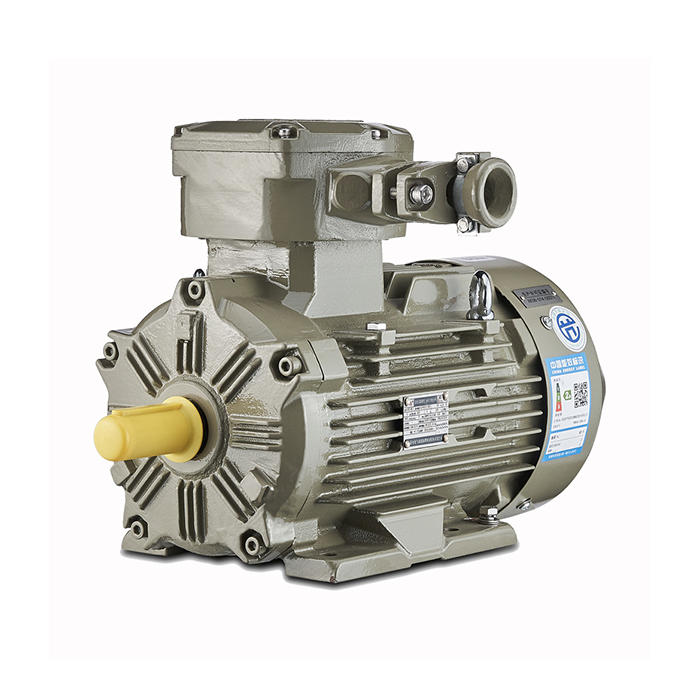
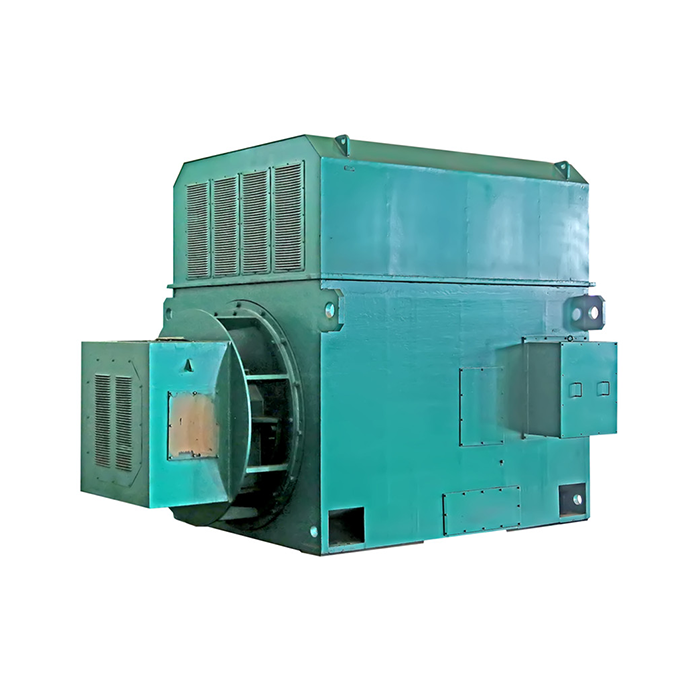
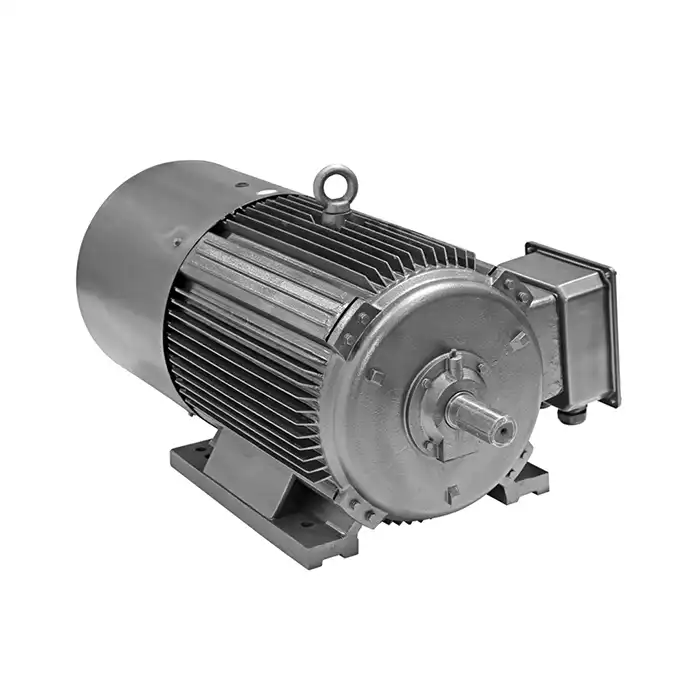
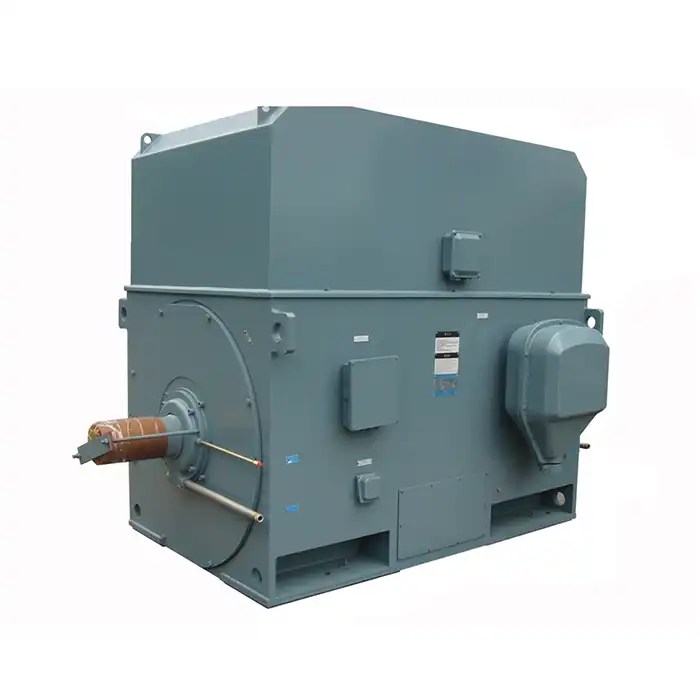
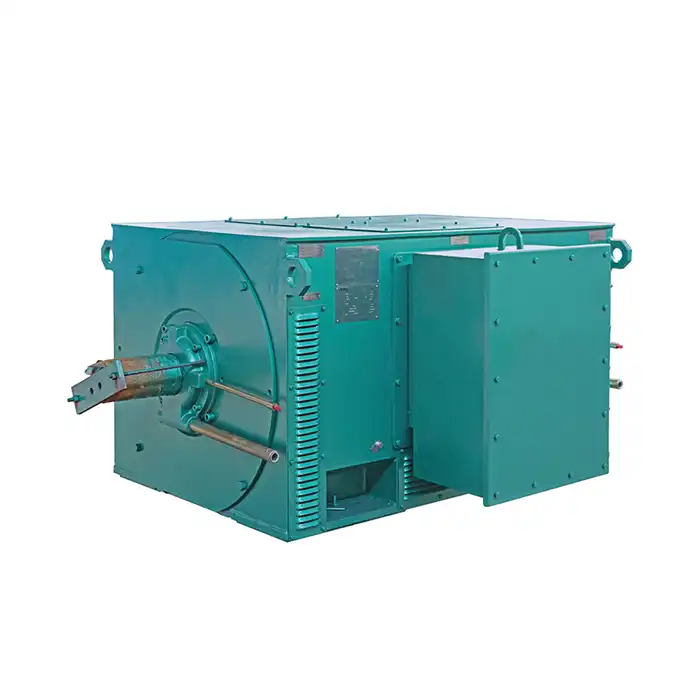
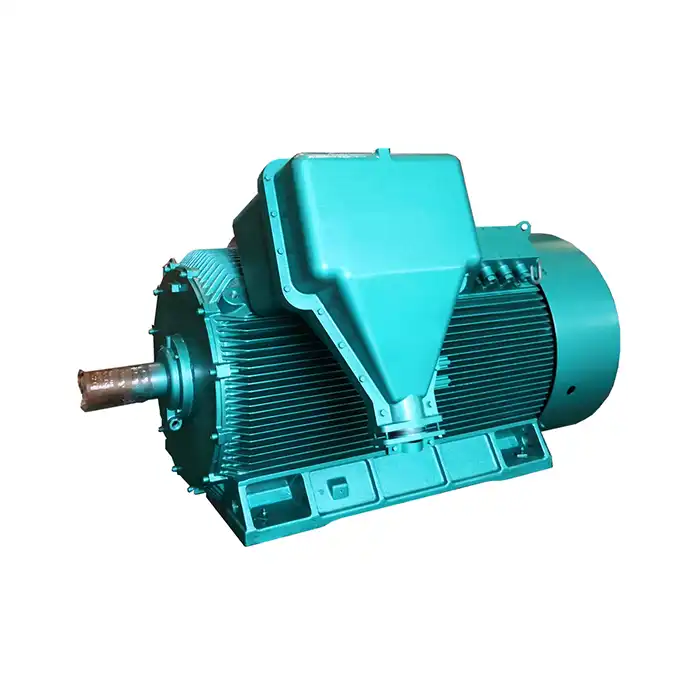
Series:YBX3
Voltage range:380V,660V,415V,380/660V,660/1140V
Power range:0.55-630 kW
Application:places where explosive gas mixtures exist in petroleum, chemical, mining, metallurgy, electric power, machinery and other industries.
Advantage: fully enclosed, self-fan cooling, squirrel cage type, high efficiency.
Explosion-proof mark: Ex d I Mb, Ex d IIB T4 Gb, Ex d IIC T4 Gb
Others: SKF, NSK, FAG bearings can be replaced according to customer requirements.
The urgency becomes clear when considering industry statistics: dust explosions in U.S. facilities alone have caused hundreds of injuries and numerous fatalities over the past decade, with equipment malfunction frequently identified as a contributing factor. When procurement managers like Zhang prioritize compliance over cost-cutting, they're making a strategic investment that prevents catastrophic financial losses from production shutdowns, regulatory penalties, and potential liability claims. Throughout this blog, we'll examine exactly why specialized motor technology matters, how to select appropriate models for specific applications, and what certifications genuinely protect your operations.
Understanding Explosion Proof AC Motors and Their Importance in Dusty Environments
What Makes a Motor Truly Explosion Proof
A standard motor with additional seals is not an explosion proof ac motor. These units are built in very different ways so that explosions inside them stay inside and outside fires don't start. The "Ex d" rating for flameproof means that the motor case can withstand pressure from dust or gasses that are on fire, and the flame can't spread through the reinforced gaps and joints. When internal parts spark during regular operation or a fault, the strong cast iron cage soaks up the energy and cools the gasses that escape below the temperature needed for ignition.
These motors from our YBX3 series use this engineering approach by coming in different voltages (380V, 660V, 415V, and dual-voltage options like 380/660V and 660/1140V) and producing power levels ranging from 0.55 kW to 630 kW. This range meets a wide range of industrial needs, from small conveyor drives in drug plants to huge pumps in petroleum buildings. The self-fan cooling design keeps the machine running at the right temperature without drawing dirty air through its parts. This is very important in dusty environments where particles entering could lower safety limits.
Regulatory Framework and Certification Requirements
Compliance licenses aren't just paperwork; they prove that a product is safe by being tested in a controlled environment. ATEX (ATmosphères EXplosibles) certification, which is required for equipment used in dangerous places in Europe, proves that motors meet strict building and testing standards.³ In the same way, IECEx certification gives international recognition through the IEC (International Electrotechnical Commission) system, which makes it easier for multinational companies to buy things all over the world.
The explosion proof ac motor classification system uses specific terminology: "Ex d IIC T4 Gb" denotes flameproof construction (Ex d), suitability for the most dangerous gas groups (IIC, including hydrogen), a maximum surface temperature of 135°C (T4), and equipment protection level Gb for Zone 1 uses. Knowing these names helps safety engineers make sure that the motor's specs fit the conditions at the spot. IEC 60079 standards say that equipment put in Zone 1 areas—where explosive atmospheres can happen during normal operations—must stay intact even when it's supposed to break down.
Why Standard Motors Fail in Dusty Conditions
Standard industrial motors don't have the safety features needed for environments with flammable dust. Their air holes let particles build up on the internal windings, which raises the risk of insulation breakdown and creates possible fire sources. When dust hits the blades of standard motors' external cooling fans, it can create static electricity. Brush-type motors, on the other hand, make constant sparking that is not safe for use in hazardous areas. When standard motors are loaded, the temperature rise often goes above the auto-ignition point of organic dusts. For example, grain dust fires at about 430°C, but the surface temperatures of many standard motors hit 140°C or higher.
The economic effects go beyond the direct risks to safety. Insurance companies are requiring more and more certified equipment to be used in classified areas. Installations that don't follow the rules could mean that you don't have coverage during an investigation. In the US, regulatory bodies like OSHA require hazardous location surveys and the right choice of tools. If these rules aren't followed, businesses are shut down and fined a lot of money. Because of these things, certified motors are not an option, they are a basic requirement for operation.
Key Benefits of Using Explosion Proof AC Motors in Dusty Settings
Enhanced Safety Through Ignition Source Elimination
It's still easy to see the major benefit: approved motors get rid of the most common sources of ignition in industrial settings. When hot parts touch combustible dust layers on equipment surfaces, they can catch fire. Meanwhile, dust clouds in the air make exploding atmospheres that need very little energy to start. Through temperature-controlled surfaces (T4 rating keeps surfaces below 135°C) and sealed construction that prevents spark emission, an explosion proof ac motor can handle both situations.
When implemented in real life, safety gains can be seen and measured. Grain handling sites that use certified motors in their bucket lift drives say they have had no fires, even during the harvest season, when dust levels are highest. Chemical plants that work with titanium dioxide and other flammable powders depend on motors that are rated Ex d IIC to keep production going during normal powder transfer tasks. These uses show that choosing the right motor isn't just about stopping huge blasts; it's also about making sure that processes that are naturally dangerous can run safely and continuously.
Operational Efficiency and Total Cost of Ownership
In addition to meeting safety standards, current certified motors offer practical benefits by using less energy. When compared to older IE1 motors, our YBX3 series achieves IE3 efficiency, which means it uses 15-20% less energy. This efficiency gain directly leads to lower operating costs: a 55 kW motor running continuously at $0.10/kWh electricity rates saves about $7,200 a year when upgraded from IE1 to IE3 efficiency. Over the average 15-year life of a motor, these saves more than cover the original costs of buying it from an explosion proof ac motor distributor.
Maintenance needs go down because the construction is stronger and the parts are better quality. Standard motors' bearings wear out faster when water and particles get in, but IP55 or IP65 protection ratings stop this. We offer SKF, NSK, and FAG bearings based on what the customer wants, making sure that they work with existing maintenance plans and parts stocks. The squirrel cage rotor design gets rid of brushes and slip rings that need to be replaced on a regular basis. Class F or H insulation systems can handle high temperatures without breaking down too quickly. These design features make service times longer and cut down on unplanned downtime.
Regulatory Compliance and Market Access
For global activities, equipment needs to meet a number of different approval standards. Without extra testing or paperwork, an explosion proof ac motor that meets both ATEX and IECEx standards is accepted throughout Europe, Asia, and the Middle East. This universal compatibility makes it easier for multinational companies and OEM equipment makers with international customers to manage their supply chains. The CCC certification that comes with our motors makes setups easier in Chinese buildings. The UL certification helps with projects in North America.
Third-party audits and insurance inspections care about how complete the documentation is. Full certification packages come with explosion safety badges, paperwork for the quality system, and test results that prove the product meets all the necessary standards. Design schools that define tools for new building projects usually need these papers when they look at bids, so having a full license is a way to stand out from the competition. Proper documentation also speeds up the commissioning and startup processes because local authorities can quickly check that the equipment is suitable without having to do time-consuming extra tests.
Types and Safety Features of Explosion Proof AC Motors for Dusty Environments
Flameproof (Ex d) Construction for Maximum Protection
For motors that are in dangerous places, flameproof casings are the most common way to protect them. The Ex d design philosophy allows for ignition to happen inside the motor, but gap-controlled flame paths stop explosions from happening outside the motor. Machined joint surfaces keep exact gaps (usually 0.2 to 0.4 mm, based on the volume of the enclosure) that stop fires by letting heat escape quickly. Similar flameproof design is used to make terminal boxes, which let cables in while keeping explosions contained.
Cast iron frames and end shields provide structural integrity under explosion pressure in our explosion proof ac motor models. When choosing a material, it's important to keep in mind that cast iron has better strength-to-weight ratios than manufactured steel and stays the same size across a wide range of temperatures. The self-fan cooling system uses fans on the outside of the box that don't damage it. The fans move air over curved surfaces on the outside to effectively remove heat. With this method, the surface stays at a safe temperature even when it's running all the time at full load.
Temperature Classification and Surface Protection
The T4 temperature classification says that the surface can't get hotter than 135°C in the worst situations, like when the rotor stops turning or the temperature outside is very high or very low. This grade gives enough safety limits for most dusts that can catch fire: aluminum dust can catch fire at 500°C, wood dust at 200°C, and polyethylene powder at 420°C. Monitoring the temperature while the motor is running helps make sure that it stays within safe working limits, especially in situations where the load changes or there isn't enough air flow.
Coatings that don't rust protect surfaces from chemicals that are harmful to them. Paints made from epoxy can stand up to acids, alkalis, and organic solvents that are common in places where chemicals are processed. These levels of protection keep the motor's IP55 or IP65 ingress protection throughout its lifetime, stopping water from getting in and damaging the electrical wiring. As part of routine maintenance, checking the covering on a regular basis helps find damage before it affects the motor's performance or safety.
Advanced Safety Features in Modern Designs
Beyond just flameproof construction, modern explosion proof ac motor designs also include other safety features. Thermistor sensors built into the stator windings let you know right away if the temperature rises too quickly, setting off alarms or shutting down the power automatically before damage to the insulation happens. Anti-condensation heaters keep insulation resistance above the minimum safe levels so that moisture doesn't build up during long periods of shutdown. Because production schedules change, these features are especially useful in places where motors have to start and stop a lot, affecting explosion proof motor price china.
Protecting the bearings increases their reliability in dirty environments. Labyrinth seals make winding paths that keep dust out of bearing cavities, and grease retention systems keep things properly oiled even when they don't need to be serviced for a long time. The high-quality bearings we chose for our motors, such as premium options from SKF, NSK, and FAG, have rated L10 lifetimes that are longer than 40,000 hours when used normally. This makes maintenance less often, which cuts down on downtime in critical situations where motor failure stops whole production lines.
How to Choose the Right Explosion Proof AC Motor for Your Dusty Environment
Hazard Assessment and Zone Classification
Hazard assessment begins with correct area classification. Zone 1 requires Gb-rated equipment for explosive atmospheres occurring during normal operation, while Zone 2 generally uses Gc-rated equipment. Dust properties, including conductivity, affect temperature and grounding requirements. Hybrid gas-dust hazards need suitable dual protection. Ex d I Mb suits methane mines, while Ex d IIC T4 Gb serves demanding chemical-processing environments.
Technical Specification Matching
Power selection should consider duty cycles, starting torque, and load changes. A 10–15% oversize provides thermal margin, while excessive sizing reduces efficiency and power factor. The 0.55–630 kW range and 2–8 pole configurations support various applications and speeds. Voltage options from 380V to 1140V, including dual and customized voltages, provide flexibility for different electrical infrastructures.
Supplier Evaluation and Procurement Considerations
Certification authenticity should be verified through complete certificates, testing-lab details, certificate numbers, and expiry dates, with ATEX and IECEx records checked against issuing bodies. Reliable suppliers also provide installation support, expert advice, spare parts, and multilingual documentation. Seven-day technical support further reduces downtime and helps international teams perform maintenance and troubleshooting effectively.
Case Studies and Real-World Applications in Dusty Industrial Environments
Grain Processing Facility Implementation
After a dust deflagration, a Midwest flour mill replaced 47 standard motors with Ex d IIB T4 explosion-proof AC motors. The upgrade achieved three incident-free years, while IE3 motors reduced facility-wide energy use by 18%, saving about $85,000 annually. Sealed designs also cut maintenance hours by 30%, enabling the investment to pay back in 3.2 years.
Chemical Processing Plant Upgrade
A titanium dioxide plant replaced 23 hazardous-area motors (7.5–250 kW) with Ex d IIC T4 Gb units featuring IP65 protection after regulatory penalties. Technical support ensured safe T4 temperature limits for the product. Phased installation over eight months maintained production, while post-installation thermal imaging verified compliance. The upgrade strengthened safety confidence, supported insurance review, and improved employee morale.
Underground Mining Operation
An Appalachian coal mine required Ex d I Mb-certified motors for continuous miners and ventilation fans under new MSHA rules. Class H insulation and IP65 protection ensured reliable operation despite methane, coal dust, vibration, temperature changes, and moisture. Certified motors reduced motor-related downtime by 40%, prevented motor-related fires during four years and 250,000 hours of operation, and led all 14 company mines to adopt them.
Conclusion
To use industrial equipment in dusty places, you need special motor technology that puts safety first without sacrificing performance or efficiency. An explosion proof ac motor that has been approved to the right standards protects against ignition risks and offers practical benefits like increased efficiency, longer service life, and less upkeep. Buying certified tools is more than just following the rules; it's a smart investment in safety at work, keeping operations running, and keeping costs low over the long term.
To choose the right motor, you need to know how to classify hazardous areas, match technical specs to application needs, and make sure the certification is real by buying from a reliable seller. Real-world applications in the mining, chemical manufacturing, and food processing industries show measurable safety gains and good financial returns. As government oversight grows and insurance rules get stricter, certified motor technology goes from being an extra that can be added to facilities that handle combustible dusts to something that has to be used.
FAQ
1.What certifications should I verify when purchasing motors for dusty environments?
Check the IECEx certification for projects in other countries and the ATEX certification for installations in Europe. Check to see if the temperature rating (T4 or higher) fits how your dust ignites. Make sure that the explosion safety marking (Ex d IIC T4 Gb) fits your zone description. For copies of certificates that show the issuing laboratory, certificate numbers, and expiration dates, please ask for them. Check certificate numbers against databases of certification bodies to make sure they are real and find out if there are any restrictions or special conditions that come with the approval.
2.How often should explosion proof motors undergo maintenance inspection?
Visual checks should be done once a month to look for damage to the coating, strange vibrations, or odd working temperatures. Every six months, do thorough inspections that include checking the tightness of the terminals, trying the insulation resistance, and figuring out the state of the bearings. Complete disassembly for thorough cleaning, bearing replacement if needed, and recertification of flameproof joint clearances should all be part of an annual inspection. Keep track of all your repair tasks so you can show that you're following the rules during third-party checks and insurance reviews.
3.Can explosion proof motors operate at higher altitudes or extreme temperatures?
Standard rates are valid up to 1,000 meters above sea level and in temperatures ranging from -20°C to +40°C. Power derating is needed at higher elevations because cooling works less well there—usually 1% per 100 meters above 1,000m. Motors with an extended temperature range can work in temperatures ranging from -30°C to +50°C thanks to better insulation and different oils. Before installing in non-standard conditions, check the manufacturer's specifications, because the certification may need to be checked for extreme operating conditions.
Secure Certified Motor Solutions from XCMOTOR
XCMOTOR offers a wide range of power equipment solutions that are designed to work in dangerous industrial settings. With multiple voltage configurations, Ex d IIC T4 Gb certification, and IE3 efficiency performance, our YBX3 series explosion proof ac motor lineup ranges from 0.55 kW to 630 kW. We know that choices about what to buy depend on how reliable the supply chain is, how real the certification is, and how good the expert help is. That's why we offer full ATEX and IECEx paperwork, high-quality bearings from SKF, NSK, and FAG, and engineering support for the whole project lifecycle. You can email our technical team at xcmotors@163.com to talk about your specific application needs, get quotes on certified motors, or set up sample testing. You can look at all of our products and download detailed specs by going to motorxc.com. With approved solutions and quick service, we, as a reputable explosion proof ac motor maker, support your dedication to workplace safety.
References
1. U.S. Chemical Safety Board. (2017). Combustible Dust Hazard Study. CSB Investigation Report.
2. Occupational Safety and Health Administration. (2019). Hazard Communication and Dust Explosions. OSHA Fact Sheet.
3. European Commission. (2014). ATEX Directive 2014/34/EU - Equipment for Explosive Atmospheres. Official Journal of the European Union.
4. International Electrotechnical Commission. (2015). IEC 60079-0:2017 - Explosive Atmospheres - Part 0: Equipment - General Requirements. IEC Standards.
5. National Fire Protection Association. (2022). NFPA 654: Standard for the Prevention of Fire and Dust Explosions. NFPA Publications.
6. International Electrotechnical Commission. (2014). IEC 60034-30-1:2014 - Rotating Electrical Machines - Efficiency Classes of Single-Speed Motors. IEC Standards.