



How to Choose the Right Low Voltage AC Motor for Your Machine
Choosing the right motor for your industrial equipment directly impacts productivity, operational costs, and maintenance schedules. A low voltage ac motor serves as the power source for countless machines across manufacturing, processing, and assembly environments. The selection process requires careful evaluation of your machine's load characteristics, operating conditions, and efficiency requirements. Matching motor specifications to application demands prevents premature failures, reduces energy waste, and ensures reliable operation. This guide walks you through essential technical considerations, market options, procurement strategies, and maintenance practices to help you make informed decisions that protect your investment and optimize performance.
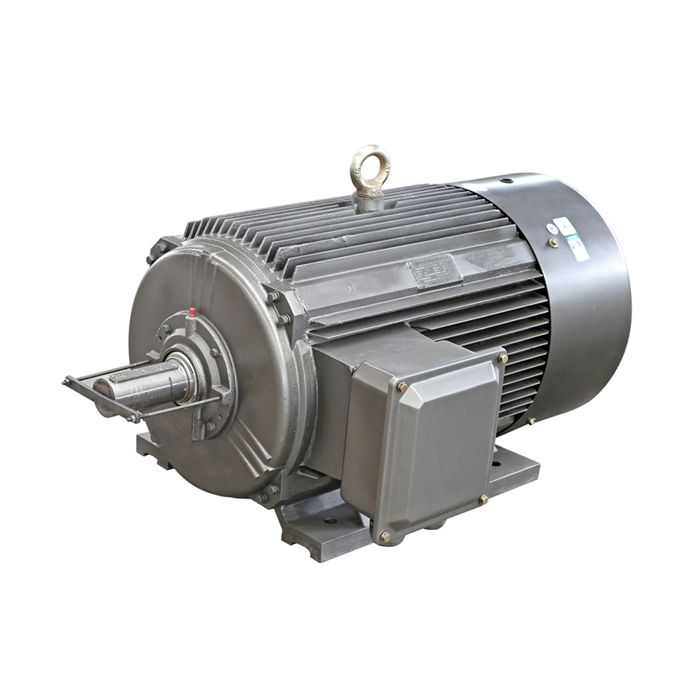
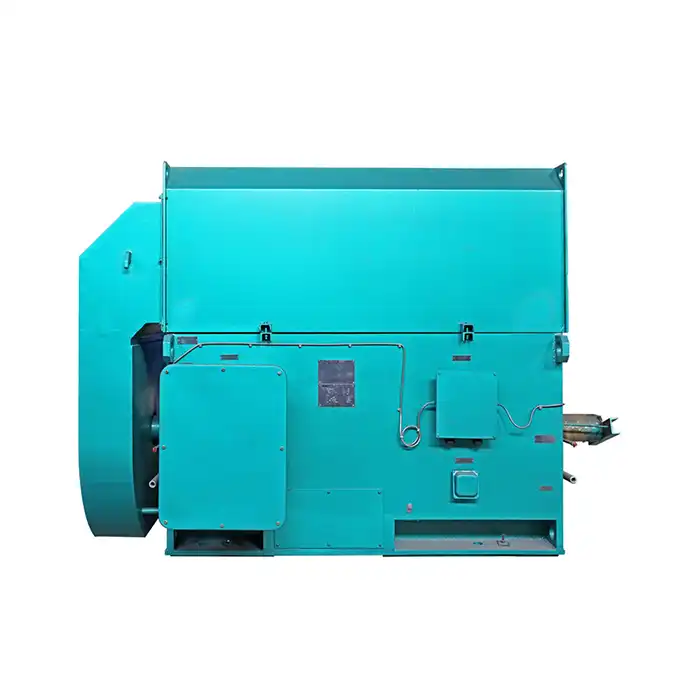
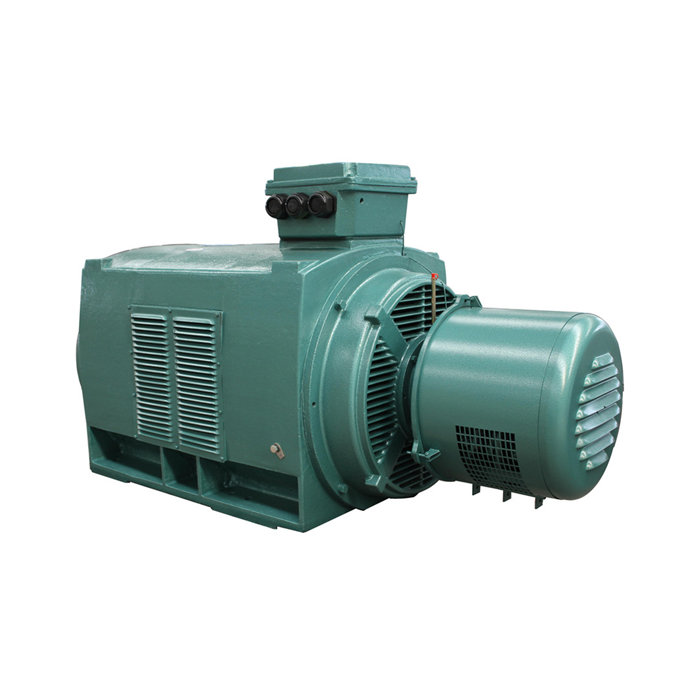
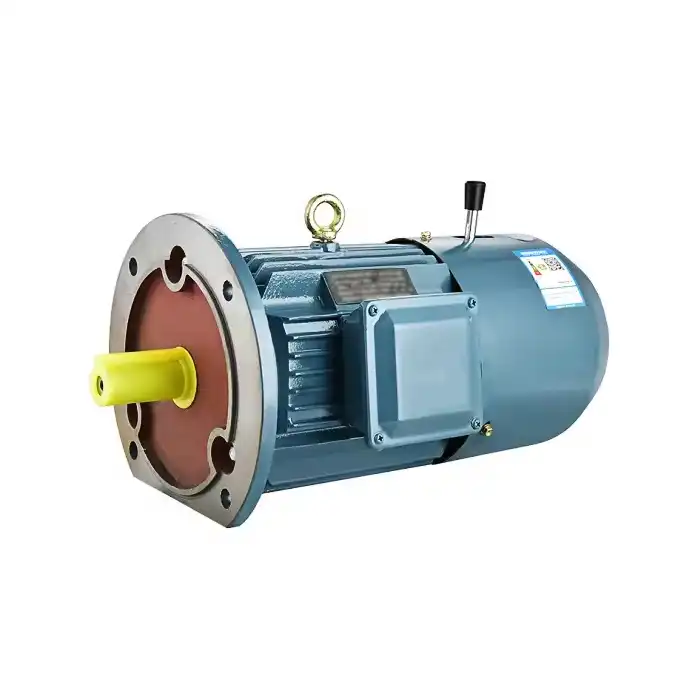
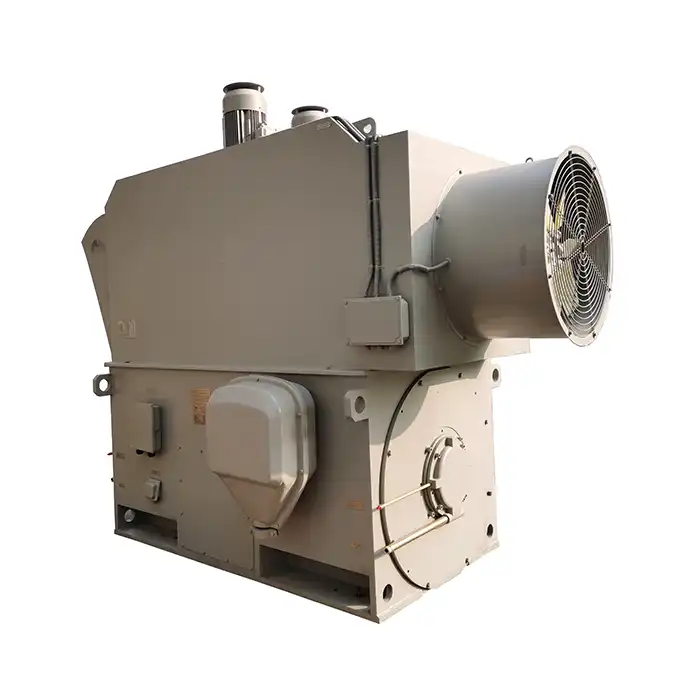
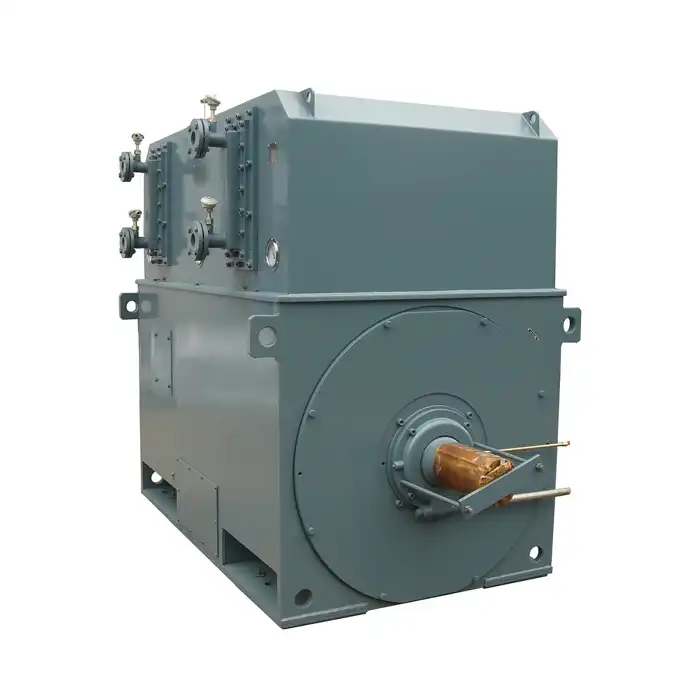
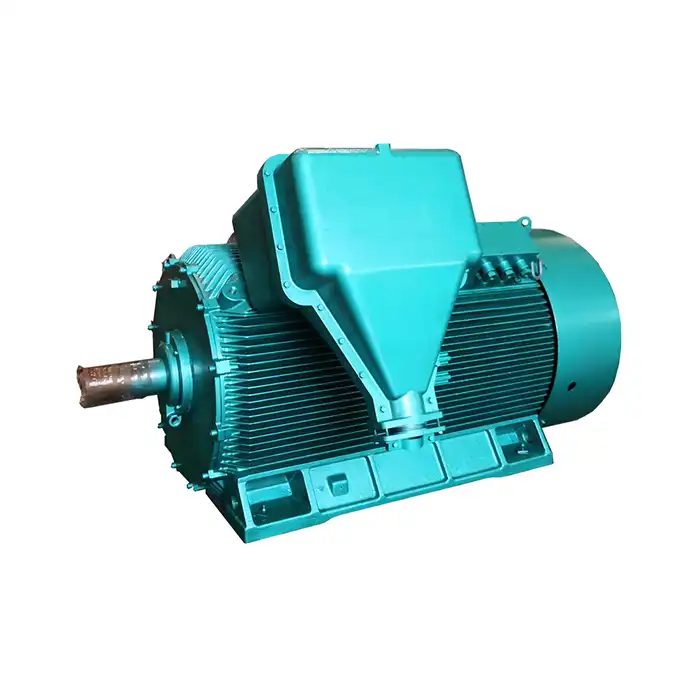
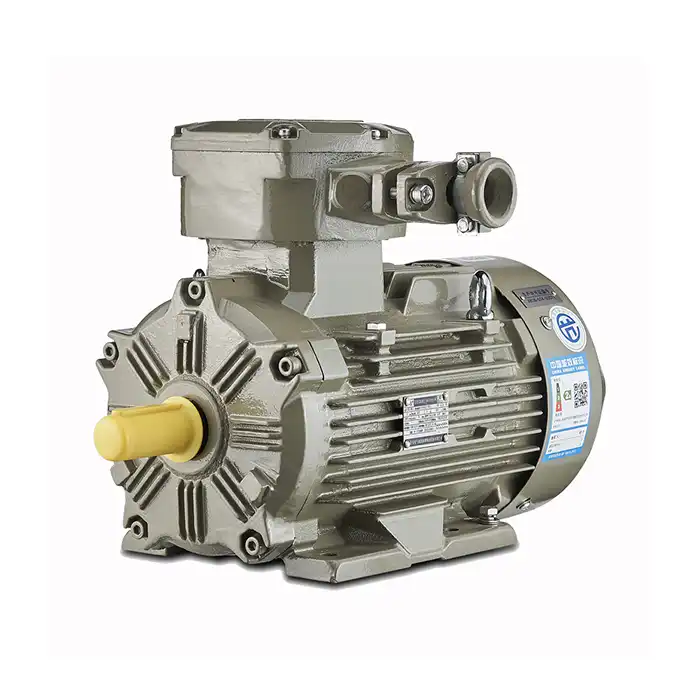
Series:YE3
Frame number: 80-450
Power range:0.75-1000kW
Protection level:IP55
Energy efficiency class: IE3
Voltage range: 380V,400V,415V,660V, etc.
Application:can be used in various fields of the national economy, such as machine tools,water pumps,fans,compressors,and can also be used in transportation, mixing, printing, agricultural machinery, food and other occasions that do not contain flammable, explosive or corrosive gases.
Certificate: international standard IEC60034-30 "Efficiency Classification of Single-speed Three-Phase Squirrel Cage Induction Motors".
Advantage:The high quality of the electric motor guarantees high operational reliability.
Others: SKF, NSK, FAG bearings can be replaced according to customer requirements.
Understanding Low Voltage AC Motors: Basics and Key Features
Low voltage includes industrial motors that run between 100V and 690V, with 380V, 400V, 415V, and 660V configurations being the most common. These three-phase induction motors use electromagnetic principles to turn electrical energy into mechanical rotation. They provide consistent torque over a wide range of speed options.
Core Components and Working Principles
When turned on, the stator's copper windings create rotating magnetic fields, which move the rotor, which is usually shaped like a squirrel cage, along with the rotation without any physical electrical connections. When compared to DC alternatives, this construction removes brush wear and lowers the need for upkeep. Not having sliding contacts makes it more reliable in places where continuous operation is important.
Frame sizes from 80 to 450 can handle power outputs from 0.75kW to 1000kW, so they can be used for a wide range of tasks, from small conveyor drives to big compressors. Protection level IP55 keeps dust and water jets from getting into internal parts. This means that these motors can be used in industrial settings where they are regularly exposed to the environment.
Motor Types and Their Applications
Because they are durable and inexpensive, squirrel cage induction motors are the most common type used in general-purpose uses. The YE3 series is a great example of a current three-phase motor design. It meets the efficiency standards of IEC60034-30 at the IE3 level. When standard duty cycles are used, these motors work reliably in machine tools, water pumps, fans, compressors, and transportation equipment.
Variable frequency drive support makes the motor more flexible by letting you change the speed and soft-start it, which lowers the stress on the motor while it's running. This feature comes in handy when the needs of the process change or when saving energy becomes important. Motors with high-quality bearings from SKF, NSK, or FAG makers have longer repair intervals and less downtime.
Benefits Over Alternative Technologies
One of the biggest benefits is that IE3-rated motors use less power than older designs while still producing the same amount of output. This means that the motor will cost less to run over its lifetime. When the voltage is smaller, the safety features get better, and the risk of an arc flash goes down during installation and upkeep.
Because AC induction technology is simple, it has fewer parts that can go wrong. Maintenance teams like fixing steps that are easy to understand and new parts that are easy to find. Temperature stability over a wide working range means that it can be used in both climate-controlled buildings and harsh outdoor settings, as long as the right amounts of safety are specified.
Key Criteria for Choosing the Right Low Voltage AC Motor
To choose the right motor, you must first carefully look at the mechanical loads and how it will be used. By knowing these parameters, you can avoid oversizing, which wastes energy, and undersizing, which can lead to overheating or failure before its time.
Load Characteristics and Duty Cycles
The type of application—whether it needs constant torque, variable torque, or constant power—determines the motor characteristics that are needed for china speed ac motor wholesale. Fans work on the idea of varying torque, while pumps and compressors need steady torque. Hoists and conveyors need power that stays the same at all speeds.
Duty cycles show how operations are done: continuously, intermittently, or with many starts and stops. Motors that are rated for continuous duty (S1) are best for processes that need to run continuously for long periods of time. Ratings for intermittent use (S3–S10) are used when thermal cycle lets the system cool down between stages of operation. Choosing motors that are rated for their actual duty patterns makes sure they have enough thermal capacity and stops insulation from breaking down.
Technical Specifications Alignment
Power output must match mechanical needs while leaving enough room for error—usually 10–20% more than what is calculated to be needed for load. This buffer handles changes in power, wear on the parts, and process changes without putting motors into temperature overload zones.
There are two types of speed to think about: synchronous speeds, which are based on frequency and pole count, and actual running speeds, which take slip into account. Four-pole motors that are standard run at about 1450 RPM at 50Hz and 1750 RPM at 60Hz. Six-pole or eight-pole designs, or the inclusion of a variable frequency drive, are better for applications that need different speeds.
The motor's usefulness for a job is based on its torque powers across its speed range. Starting torque has to beat static friction and inertia loads, and running torque keeps the machine going all the time. Breakdown torque is the highest ability before the engine stops running. The YE3 series motors have reliable torque characteristics that make them work with most industrial machinery without any special starting needs.
Environmental and Installation Factors
The operating environment has a big effect on motor choice. Temperatures, humidity, altitude, and the presence of contamination can all affect how well and how long a motor works. Normal motors can work in temperatures up to 40°C, but some have special windings that can handle higher temps.
The type of mounting—foot-mounted, flange-mounted, or shaft-mounted—depends on the form of the machine and the available room. When you fix something correctly, you can avoid problems with bearing loads and vibrations that shorten the life of the product. Electrical connection methods must be in line with the standards for the building's wiring, and the orientation of the terminal boxes should make them easy to get to for maintenance tasks.
Comparing Popular Low Voltage AC Motor Options on the Market
There are a lot of different technologies on the market for industrial motors, and each one is best for a certain purpose and level of performance. Knowing these differences helps procurement teams choose the right solutions.
AC Induction Versus Alternative Technologies
Standard three-phase induction motors work great in situations where strong, cost-effective solutions are needed for continuous-duty operations. Their simple design makes them better able to handle rough situations than more complex ones. The motor works reliably within its rated speed range without complicated control systems. However, you need to use external VFD equipment to change the speed.
Servo motors are useful in automation and robots because they can precisely control position and speed up quickly. Because they are more expensive and harder to control, they aren't as good for general-purpose machines where placing accuracy isn't very important. Permanent magnet motors are more efficient, but they cost a lot, so they might not be worth the money for most industrial uses.
DC motors used to be the best choice for uses that needed changing speeds, but AC motors with VFD control have mostly taken their place. The removal of commutators and brushes lowers the need for maintenance and increases the time between service procedures.
Safety Features and Protection Mechanisms
The first thing that protects motors are thermal overload devices, which cut power to the windings when they get too hot. When there is a fault, the right-sized overcurrent safety keeps the windings from getting damaged. A security level of IP55 keeps dust and water from getting in and compromising the insulation's structure.
Integrated braking systems that allow controlled stops instead of coasting to rest are useful in some situations. This feature is important for vertical lifts, precision positioning equipment, and other safety-sensitive machines that could be damaged if they move without being managed. When there are flammable gasses or combustible dust around, explosion-proof designs are needed. However, these specialized units are not general-purpose motors.
Brand Considerations and Quality Indicators
Well-known brands keep their quality standards uniform and offer a lot of detailed information to help with choosing the right product and installing it correctly. Motors that are approved to international standards like IEC60034-30 show that they meet well-known standards for safety and efficiency.
We make motors at Shaanxi Qihe Xicheng Electromechanical Equipment Co., Ltd. by using design features from relationships with leaders in the industry and keeping our prices low. Precision winding techniques and strict quality control measures are used in our production processes to make sure that every motor meets the requirements. Premium bearings from well-known brands increase the time between services and make maintenance easier.
Warranty coverage shows that the company that made the product trusts it to work well. Full support after the sale, including expert help and spare parts available, keeps your investment safe for as long as the motor works. We've been making things for 20 years, so we know how to deal with application-specific problems and make custom solutions when normal goods don't quite meet the needs.
Procurement Guide: Where and How to Buy Low Voltage AC Motors
A good motor procurement plan balances cost concerns with quality needs, delivery dates, and the dependability of the supplier. Decisions about strategic sourcing affect both the short-term success of a project and its long-term costs.
Supplier Evaluation and Selection
Checking certifications and manufacturing skills is the first step in finding reliable sources. Compliance with IEC standards, CE marks, and energy efficiency scores are all objective ways to tell if something is of good quality. When regular catalog items don't exactly meet requirements, suppliers who offer customization choices show that they have the technical know-how and production flexibility that is needed.
When planning how to deliver equipment for installation projects, it's important to be consistent with lead times. Suppliers who keep enough goods on hand can quickly fill orders, but those who rely on made-to-order production may add uncertainty to the schedule. We keep a lot of popular frame sizes and power ratings in stock at our facility, so we can quickly fill orders from distributors and equipment manufacturers who need them.
Having access to technical paperwork helps with proper installation and upkeep. Engineering teams can easily add motors to machinery designs with the help of detailed guides that include dimensional models, wire diagrams, and performance curves. Technical support teams that are quick to respond answer questions about applications and fix problems that come up during testing.
Pricing Structures and Value Assessment
The price of a motor depends on a number of things, such as its power grade, efficiency class, protection level, and bearing specs in the low horsepower ac motor market. Motors with higher efficiencies cost more, but they save money on operating costs because they use less energy. The amount of time it takes to get the money back depends on the duty cycle intensity and the local electricity rates. Equipment that is used all the time pays for itself faster than equipment that is only used sometimes.
When you buy a lot, you can usually get lower prices per unit because of tiered pricing systems. Building relationships with suppliers who offer good terms for repeat orders is good for both distributors and equipment manufacturers. Our minimum order amounts are flexible enough to support the needs of a wide range of buyers. They can be used for both small purchases and large-scale procurement projects.
Requests for customization, like changing the way the bearings are mounted or the shape of the shaft, affect prices and lead times. One important procurement choice is figuring out if customized solutions offer enough value compared to designing around standard goods. We work with our clients to find low-cost solutions that meet their technology needs without adding too much complexity.
Documentation and After-Sales Support
Full motor documentation makes it easier to integrate the motor into machines and plan for future repair. Specification sheets with electrical characteristics, mechanical dimensions, and performance curves make it possible to design a system that works well. Installation manuals include mounting guidelines and wiring instructions that help keep common mistakes from happening during commissioning.
After-sales support includes more than just warranty periods. It also includes technical advice, repair services, and the supply of spare parts. When maintenance is needed, having access to replacement bearings, terminal blocks, and other wear parts cuts down on downtime as much as possible. Our support team helps customers even on weekends and holidays because they know that production equipment is always running and that urgent problems need to be fixed right away.
Practical Tips and Best Practices for Optimal Motor Performance
The dependability and service life of a motor are directly affected by how well it is installed and maintained. By following the manufacturer's instructions, you can keep your equipment working at the level of efficiency that was intended.
Installation Standards and Procedures
Proper motor installation requires rigid bases, correct shaft alignment, suitable coupling or belt tension, and secure mounting. Electrical connections must match nameplate voltage, frequency, and phase requirements, with properly torqued terminals and grounding. Adequate ventilation and clearance prevent overheating, protect insulation, and extend motor service life.
Maintenance Protocols and Inspection Schedules
Regular inspections detect vibration, noise, overheating, lubrication, and mechanical problems early. Proper lubrication according to bearing type and manufacturer guidelines prevents premature wear and extends service intervals. Routine cleaning maintains airflow and prevents contamination, while checking mounting bolts, couplings, and electrical contacts helps identify loosening caused by vibration or temperature changes.
Troubleshooting Common Issues
Common motor failures involve electrical, mechanical, or environmental issues. Overheating may result from overload, poor ventilation, voltage imbalance, or bearing wear. Excessive vibration can indicate misalignment, uneven loads, loose mounting, or bearing damage. Electrical faults include starting failures and blown fuses; checking phase balance, resistance, and voltage helps identify causes.
Variable Frequency Drive Integration
Proper VFD integration requires matching drive sizing, motor characteristics, torque requirements, and nameplate parameters. Shielded cables, proper grounding, adequate cooling, and accessible installation help ensure safe, reliable operation. VFDs improve energy efficiency in variable-flow fans and pumps while providing soft starting that reduces mechanical and electrical stress.
Conclusion
When choosing the right low voltage ac motor three-phase induction motors, you have to balance scientific needs, environmental issues, and cost concerns. Knowing your machine's load features, working patterns, and installation conditions lets you make choices that improve performance and lower costs over its lifetime. Reputable manufacturers who offer detailed specifications, quality certifications, and quick customer service will protect your investment for as long as it works. At XCMOTOR, our YE3 series motors blend durability that has been tested over many years with current efficiency standards. They are backed by customization options and technical know-how gained from decades of manufacturing experience. Proper assembly that follows industry standards and regular repair that follows maker instructions make sure that motors work reliably for long periods of time.
FAQ
1.What voltage range defines low voltage AC motors?
Motors that work with 100V to 690V are considered low voltage equipment by industry standards. 380V, 400V, 415V, and 660V are some of the most common voltage ratings. These depend on the electricity source standards in the area. These voltage levels strike a good balance between safety concerns and the practical need to send power efficiently for most industrial uses.
2.Can low voltage motors replace existing high voltage equipment?
When retrofitting, it's important to look at the power supply, wiring, and control system to make sure they all work together. The mechanical interaction and efficiency must meet the needs of the program. Changing high voltage motors usually requires a lot of changes to the electrical system that go beyond just switching out the motor. Talking to application engineers can help you figure out if something is possible and if it will be worth the money.
3.How do I verify motor authenticity and warranty coverage?
Real goods come with nameplates from the maker that have serial numbers that can be checked through official methods. Buying from authorized distributors makes sure that the products you buy are real and that your warranty is still valid. Quality motors come with paperwork like test results and certificates of approval. Our goods come with full certification paperwork and traceable serial numbers that can be used for technical help and guarantee claims.
Partner With XCMOTOR for Reliable Low Voltage AC Motor Solutions
Distributors, equipment builders, and industrial sites all over the world rely on XCMOTOR as a reliable low voltage ac motor producer. The YE3 series of motors has frame sizes ranging from 80 to 450 and power ratings from 0.75kW to 1000kW. These motors are certified to meet IE3 efficiency standards and IP55 protection levels. We keep a lot of stock on hand so that we can serve quickly. We also have flexible minimum order amounts for trial purchases and can customize your order by adding premium bearings. Our factory uses cutting-edge wrapping technology and strict quality control to make sure that all of the products always work well. Technical support teams help with choosing the right applications, installing them, and fixing problems throughout the life of the system. You can talk to our procurement specialists about your specific needs, get detailed specifications, or get volume pricing for your next project by emailing xcmotors@163.com or visiting motorxc.com.
References
1. International Electrotechnical Commission (2014). IEC 60034-30-1: Rotating electrical machines – Part 30-1: Efficiency classes of line operated AC motors. https://webstore.iec.ch/publication/136
2. U.S. Department of Energy (2016). Determining Electric Motor Load and Efficiency. Advanced Manufacturing Office Technical Report. https://www.energy.gov/eere/amo/downloads/determining-electric-motor-load-and-efficiency
3. IEEE Standards Association (2018). IEEE Std 841-2009: IEEE Standard for Petroleum and Chemical Industry—Premium Efficiency Severe Duty Totally Enclosed Fan-Cooled (TEFC) Squirrel Cage Induction Motors. https://standards.ieee.org/standard/841-2009.html
4. Burt, C. M., Piao, X., Gaudi, F., Busch, B., & Taufik, N. F. N. F. (2008). Electric Motor Efficiency under Variable Frequencies and Loads. Journal of Irrigation and Drainage Engineering, 134(2), 129-136. https://ascelibrary.org/doi/10.1061/(ASCE)0733-9437(2008)134:2(129)
5. European Commission (2019). Commission Regulation (EU) 2019/1781 on ecodesign requirements for electric motors. Official Journal of the European Union. https://eur-lex.europa.eu/eli/reg/2019/1781/oj
6. National Electrical Manufacturers Association (2021). NEMA MG 1-2021: Motors and Generators. https://www.nema.org/standards/view/motors-and-generators