



IEC Low Voltage Motors Buyer's Guide: Key Features to Know
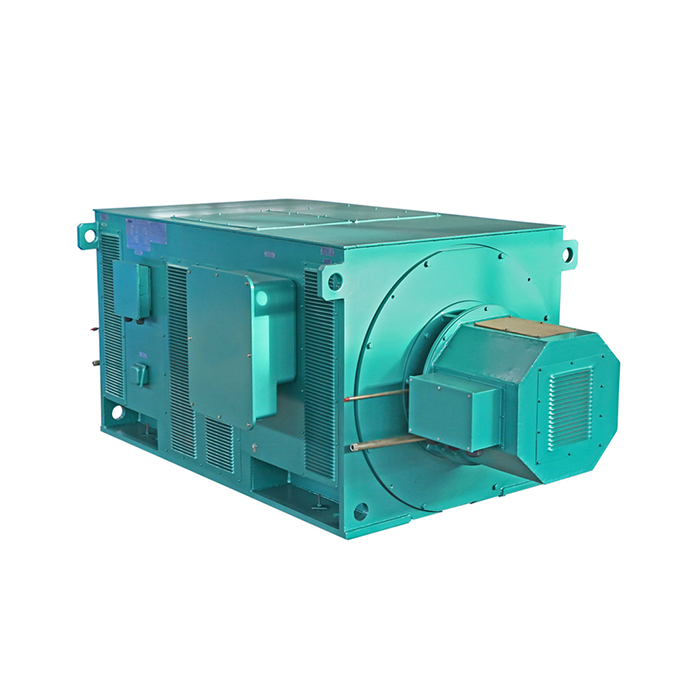
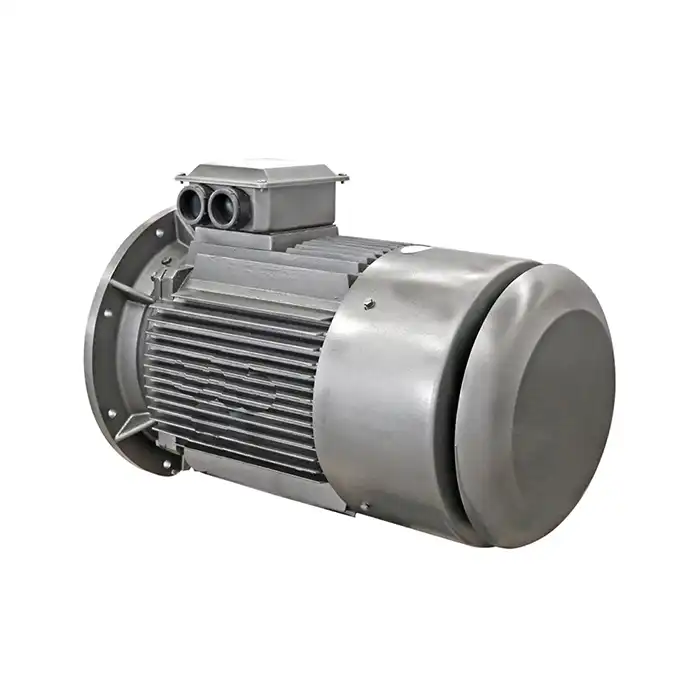
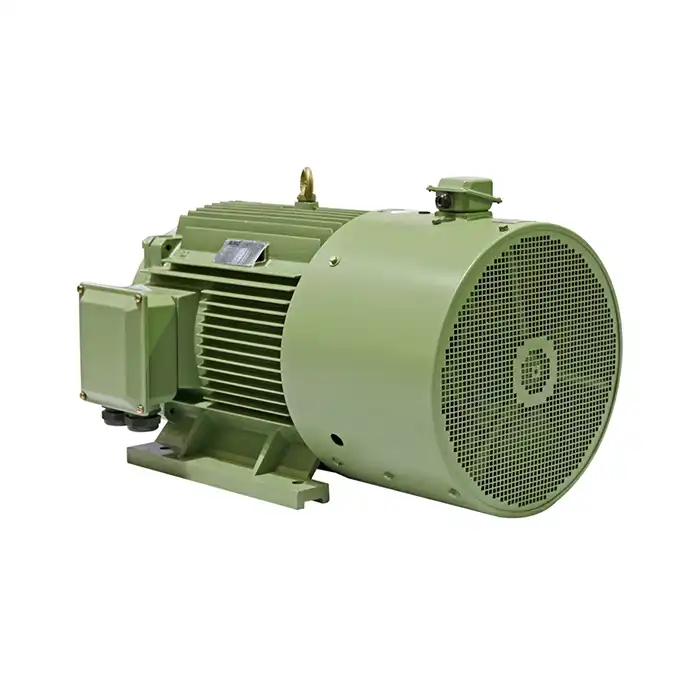
Understanding IEC low voltage motors is crucial for making smart purchasing decisions when looking for dependable power options for industrial purposes. These motors are built to meet strict standards set by the International Electrotechnical Commission. They work well in the transportation, energy, industrial, and HVAC industries. They work well with voltages between 220V and 690V and power amounts between 0.75kW and 1000kW. They are the foundation of many operating processes. This guide shows you important things to look for, how to maintain things, and the best ways to buy things so that you can make smart investments and get the most out of your equipment's life and dependability.
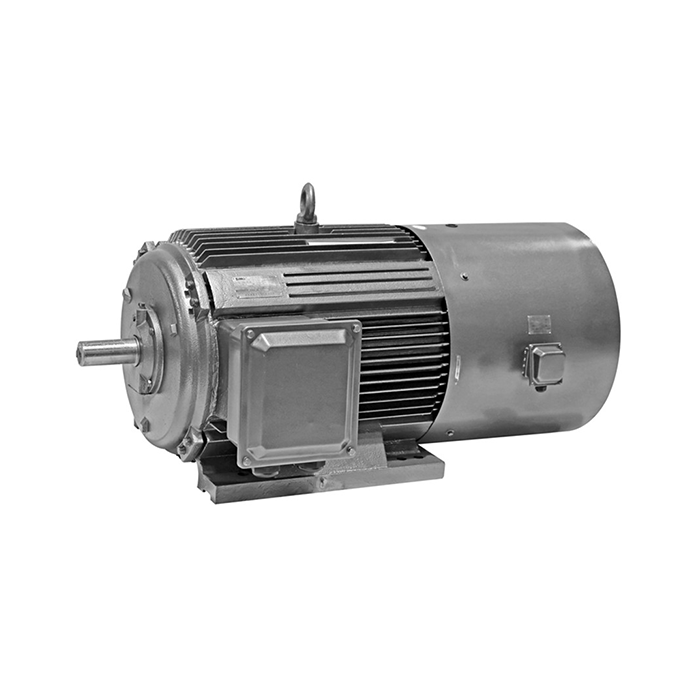
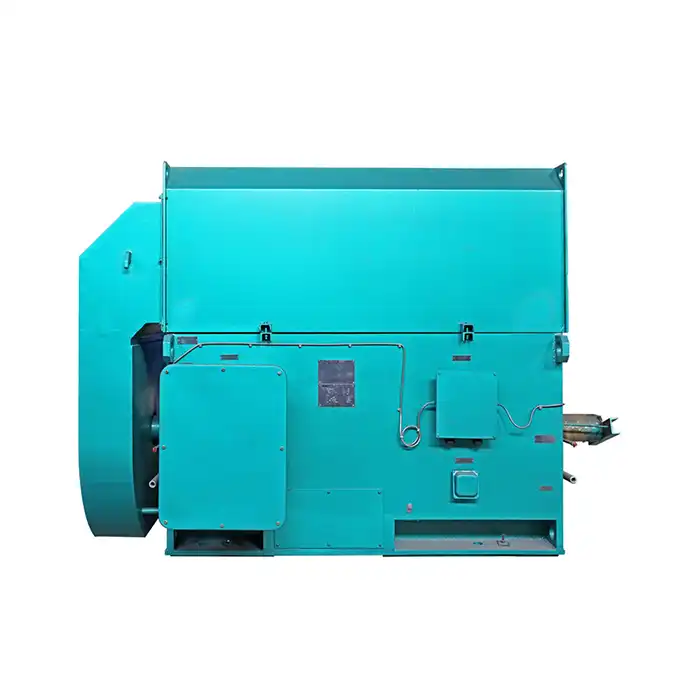
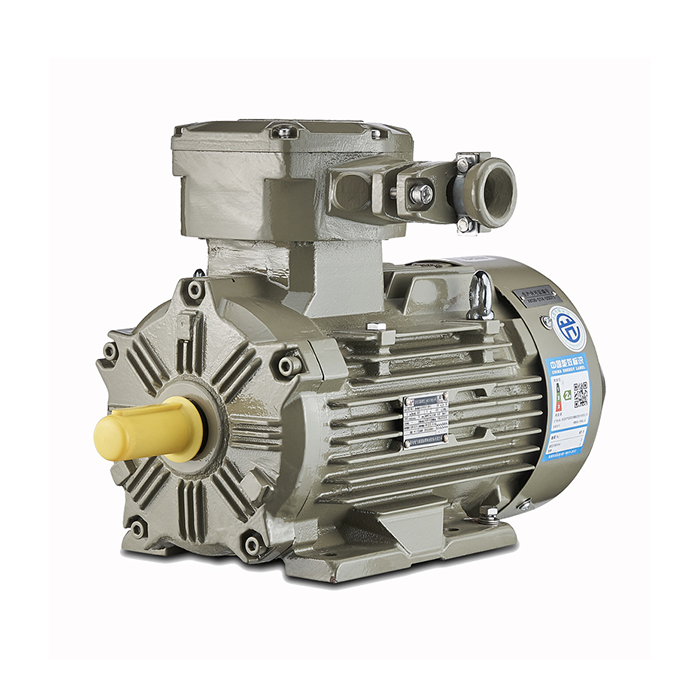
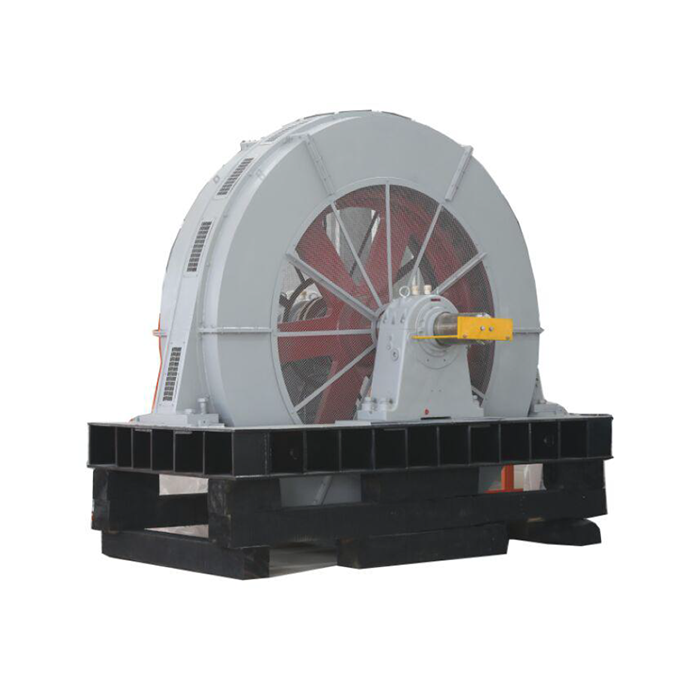
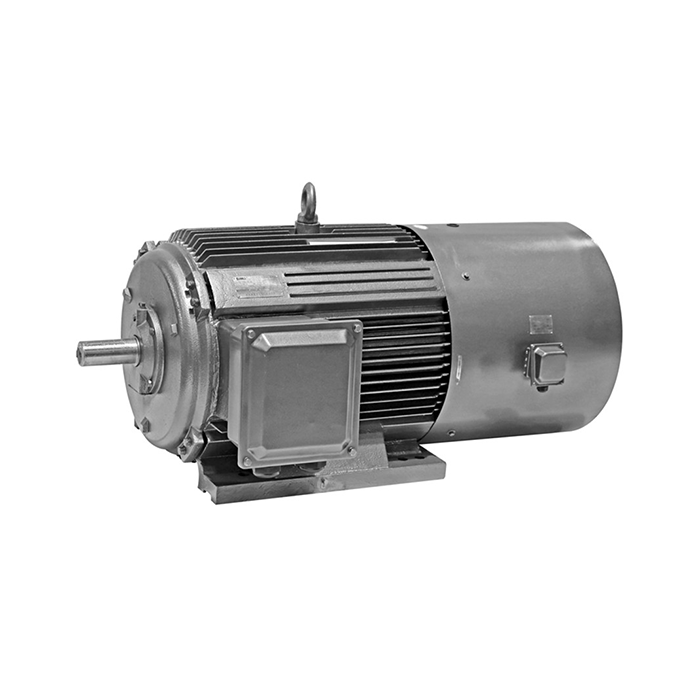
Series:YVFE4
Frequency conversion range:30hz~50hz,5hz~70hz,5hz~100hz
Power range:0.75-1000kW
Protection level:IP55
Application:are suitable for driving various mechanical equipment that require continuous and frequent forward and reverse rotation, such as steel rolling, lifting, transportation, machine tools, printing and dyeing, papermaking, chemicals, textiles, pharmaceuticals, etc., and can be used with various domestic and foreign variable frequency power supplies.
Advantage:high efficiency, wide speed range, high precision, stable operation, and easy operation and maintenance.
Certificate:installation dimensions comply with International Electrotechnical Commission (IEC) standards.
Others: SKF, NSK, FAG bearings can be replaced according to customer requirements.
Understanding IEC Low Voltage Motors: Basics and Benefits
IEC low voltage motors are a basic way to get power. They are made to international standards, so they work with everything and are of good quality everywhere. Unlike options with medium or high voltage, these motors work within set voltage ranges. This makes them safer and more useful in a wider range of industrial settings.
What Sets IEC Standards Apart?
The International Electrotechnical Commission sets technical standards that make sure motors can work with each other no matter where they are located. IEC low voltage motors meet the requirements of the IEC 60034 set of standards, which cover everything from dimensional limits to performance testing procedures. Because of this uniformity, buying teams can safely buy equipment because they know it will work with current systems. Having an IE4 efficiency class means that the motor uses less energy, which means that it costs less to run over its lifetime.
Core Operational Advantages
One of the biggest benefits is that it saves energy. Newer designs use less electricity while still producing a lot of power. Motors that work at rates between 30Hz and 100Hz are very flexible for uses that need to change the speed. The IP55 security class makes these motors resistant to dust and water, so they can be used in harsh settings like chemical plants, textile factories, and water treatment plants. Frames made of cast iron or metal provide structural stability, and copper windings provide better electrical conductivity that lowers heat generation during extended use.
Versatility Across Industrial Sectors
These motors are used to power conveyor systems, machine tools, and equipment for moving materials in factories. Fans, blowers, and refrigerator compressors that use them work reliably, which is good for HVAC setups. Pump drives are used in the energy sector for things like treating water and installing green energy sources. Because they can handle frequent and ongoing forward and backward spinning, they are essential for steel rolling mills, lifting equipment, and transportation systems. This flexibility comes from careful engineering that combines speed control, torque delivery, and heat management.
How to Evaluate IEC Low Voltage Motors: Essential Selection Criteria
To choose the right motor options, you need to do a thorough analysis that is in line with your unique operational needs. When you use organized screening criteria that balance technical requirements with budget limits, the buying process becomes easier to handle.
Assessing Power and Frequency Requirements
Depending on your application, the amount of power you need can run from a few hundredths of a horsepower at 0.75kW to a large 1000kW system. When power output is matched to real load, oversizing or poor performance are avoided. The accuracy of speed control depends on how well the motor can convert frequencies. Motors that can work in ranges from 5Hz to 100Hz can handle difficult tasks that need a lot of speed changes. Think about whether your processes need a fixed speed or a changeable frequency drive that works with them. This affects the choice of motor design and how the control system is integrated.
Protection and Environmental Considerations
IP grades show how resistant something is to solid particles and water getting in. Standard IP55 ratings work well in most workplace settings. If needed, IP56 or IP65 ratings can be used in harsher situations with high-pressure cleaning or a lot of dust. Ambient temperature tolerance, which is usually marked from -20°C to +40°C, makes sure that the device works reliably even when the weather changes. Thermal endurance and safe working temperatures are based on the insulation class standards, which are usually Class F or, if desired, Class H. Long-term dependability and repair times are directly affected by these things.
Certification and Compliance Verification
Making sure that motors meet internationally recognized standards saves your investment and makes sure that you follow the rules. If something has a CE mark, it means it meets European safety standards. If it has a GOST mark, it means it meets the standards for some export markets. Installation sizes that meet IEC standards ensure that the device can be mounted correctly and that extra parts are easy to find. Efficiency scores based on the IEC 60034-30-1 classification give clear measures of success. Proof of these licenses should be included with any real purchase consideration. This will protect you legally and guarantee quality.
Types of IEC Low Voltage Motors: Matching Motor Types to Application Needs
Knowing the different ways that motors can be set up helps match the powers of tools with the needs of operations. Different motor architectures offer different performance qualities that are best for certain manufacturing settings.
Squirrel Cage Induction Motors
IEC low voltage motors are workhorses used in many industrial settings because they are tough, simple, and need little maintenance. The rotor design of IEC low voltage motors has no brushes or slip rings, reducing wear points and extending service life. IEC low voltage motors excel in constant-speed applications like fans, pumps, and conveyor drives where starting current limits don't impede operations. Their rugged IEC low voltage motor construction handles difficult conditions including temperature variations and contamination exposure. Automotive, aerospace, and food processing plants widely use IEC low voltage motors for reliability and cost-effectiveness.
Variable Frequency Drive Compatible Designs
Modern motor designs work best with variable frequency drives, which let you set the speed precisely and save energy. These motors can work with frequencies ranging from 5Hz to 100Hz and can handle tasks that need to change the speed on the fly. Smooth control of speed and deceleration is helpful for rolling steel, but speed modulation is needed for accurate tension management on textile machines. When compared to slowing or automatic speed control, being able to slow down during times of low demand uses a lot less energy. As energy costs rise and environmental goals get stricter, this skill becomes more useful.
Specialized Construction for Demanding Applications
In some fields, motors need to be specially designed to handle certain operating difficulties. Motors that are made to reverse often have stronger rotor bars and better thermal control to handle the stress of moving between directions. Designs with a lot of starting torque work well for things like crushers and big conveyors that need a lot of breaking force. You can choose premium bearings from names like SKF, NSK, and FAG for tasks that need to be serviced more often or that need to be done in hard-to-reach places. Knowing about these specialized versions keeps things from breaking down too soon when normal setups don't work for heavy duty cycles.
Maintenance, Troubleshooting and Maximizing Lifespan of IEC Low Voltage Motors
Proactive repair plans greatly increase the life of equipment while reducing unplanned downtime that causes problems with production schedules and lowers profits.
Establishing Routine Inspection Protocols
Visual checks done on a regular basis find problems before they get so bad that they break. Early danger signs include checking for strange vibrations, noises, or lots of heat while the machine is running. How often you need to lubricate depends on the type of bearing and how it is being used, but usually you need to do it every 2,000 to 5,000 hours. Keeping motors clean stops dust from building up and blocking airflow, which leads to burning. Electrical connection points should be checked for tightness on a regular basis, since thermal cycling can make wires loose and create resistance that turns heat into damage.
Diagnosing Common Performance Issues
Overheating usually happens because there isn't enough air flow, there is too much load, or there are voltage changes that make the flow of current less efficient. Unusual vibrations can be caused by worn bearings, a misaligned shaft, or loads that aren't adjusted and need to be fixed. Testing the insulation resistance on a regular basis shows that the winding is breaking down before it fails completely. When using variable frequency drives, it's important to make sure that the parameter settings fit the motor specs. If they don't, the drives can get too hot or stop working properly. Keeping track of operational factors and performance measures over time lets you make maintenance choices based on facts that make the best use of resources.
Implementing Predictive Maintenance Technologies
Advanced condition tracking systems for IEC low voltage motors use thermal imaging, vibration sensors, and current signature analysis to find problems invisible to the naked eye. These technologies detect bearing faults, winding short circuits, and rotor bar damage in IEC low voltage motors weeks before visible symptoms appear. By enabling just-in-time replacement, predictive maintenance lowers spare parts inventory costs for IEC low voltage motors. Monitoring equipment investment pays for itself through extended IEC low voltage motor life and preventing catastrophic failure damage. Retrofitting older IEC low voltage motors with modern monitoring features extends service life and improves overall facility reliability.
Procuring IEC Low Voltage Motors: Where and How to Buy with Confidence?
Strategic buying choices make sure that quality assurance, price, and source dependability are all taken into account. This helps build long-lasting supply relationships that support long-term business success.
Evaluating Supplier Credentials
When you work with approved wholesalers, you can be sure that the goods you buy are real and come with maker warranties and expert support. Suppliers should show that they know a lot about their products and can suggest good solutions based on specifics of the application. Verification of quality management certifications shows a dedication to uniform standards for production. Having access to engineering help during the development of specifications keeps expensive mistakes from happening. Long lead times can cause production delays, but established providers keep enough goods on hand to ensure on-time delivery.
Optimizing Procurement Terms
When you buy in bulk, you can often get volume deals that make the cost per lot much lower. Planning managers can schedule installations more quickly if they know the difference between standard lead times and faster delivery choices. A full warranty should cover both problems with the way the product was made and normal problems that happen during the guarantee time. Payment terms that work with your cash flow cycles help you handle your money better without hurting your relationships with your suppliers. Making return policies and refund fees clear can help protect against mistakes in the specifications or changes to the project needs.
Leveraging Technical and After-Sales Support
Suppliers who offer help with application building add value beyond just delivering goods. Technical documents should have clear directions on how to put things, wiring layouts, and suggestions for how to keep them in good shape. When real new parts are available, you don't have to use cheap alternatives to make sure the system works for a long time. Training programs that teach repair workers the right way to service equipment cut down on mistakes made by operators and make the equipment last longer. Responding customer service that is available during business hours, including weekends, cuts down on downtime when important problems come up.
Conclusion
Technical specs, application requirements, and total cost of ownership must all be considered when choosing IEC low voltage motors. When it comes to industry, HVAC, energy, and transportation, motors that meet worldwide standards work reliably. Evaluation factors that include power needs, environmental protection, and efficiency ratings help people make smart choices about what to buy. It is important to know the different types of motors and how well they work so that the right motors are used in the right business settings. Predictive technologies and proactive repair strategies extend the life of equipment and reduce the number of unplanned breakdowns. Working with providers who know what they're doing guarantees quality, offers expert support, and helps you get better business terms that support operational excellence.
FAQ
1. What voltage range do IEC low voltage motors operate within?
IEC low voltage motors usually work with voltages between 220V and 690V, which makes them different from medium voltage systems, which use voltages above 1000V. This voltage classification strikes a mix between safety concerns and the best way to send power for commercial uses. The exact voltage chosen relies on the power standards in the area and the power needs of the equipment.
2. How do IP protection ratings affect motor selection?
IP grades show how well something is protected against solid bits and liquids. The IP55 standard grade protects against dust and water jets coming from any direction, making it good for most industrial settings. Higher grades, like IP56 or IP65, offer better security for washdown applications or places with a lot of dust, but they may come with extra costs.
3. What maintenance intervals should I expect?
How often maintenance is done varies on how the machine is being used, but bearings are usually oiled every 2,000 to 5,000 hours. Once a month, there should be visual checks to look for strange noise, heat, or vibrations. Electrical testing of insulation resistance once a year can help find worn-out windings. To keep things running as reliably as possible, harsh environments or constant operation may need more frequent care.
Partner with XCMOTOR for Your Industrial Motor Solutions
Shaanxi Qihe Xicheng Electromechanical Equipment Co., Ltd. provides complete power equipment options that are specifically designed for tough industrial uses. We offer motors ranging from 0.75kW to 1000kW with IE4 efficiency rates, IP55 protection, and frequency conversion capabilities from 5Hz to 100Hz. We are a reliable seller of IEC low voltage motors. Our goods come with high-quality SKF, NSK, and FAG bearings, copper windings, and precision-balanced rotors that are made to last. With CE and GOST approvals that show we follow foreign rules, you can be sure that the quality you get meets all standards. We send all of our goods for free, let you return them within 30 days, and offer dedicated help every day, even on weekends.
Our expert team helps with application engineering, which makes sure that the right motor is chosen for your unique needs. To talk your needs and receive thorough quotes for IEC low voltage motors for sale, please contact our experts at xcmotors@163.com.
References
1. International Electrotechnical Commission. "IEC 60034 Series: Rotating Electrical Machines Standards and Technical Specifications." Geneva: IEC Publications, 2021.
2. Industrial Energy Agency. "Electric Motor Systems Energy Efficiency: Global Standards and Implementation Guidelines." Paris: IEA Technology Reports, 2022.
3. Anderson, Robert T. "Industrial Motor Selection and Application Engineering." New York: McGraw-Hill Professional Engineering, 2020.
4. European Committee for Electrotechnical Standardization. "Low Voltage Motor Efficiency Classifications and Testing Procedures." Brussels: CENELEC Technical Documentation, 2021.
5. Peterson, James M. "Predictive Maintenance Strategies for Rotating Equipment in Manufacturing Environments." Chicago: Industrial Press Technical Series, 2023.
6. National Electrical Manufacturers Association. "Motor Application and Maintenance Guide for Industrial Facilities." Rosslyn: NEMA Standards Publication, 2022.