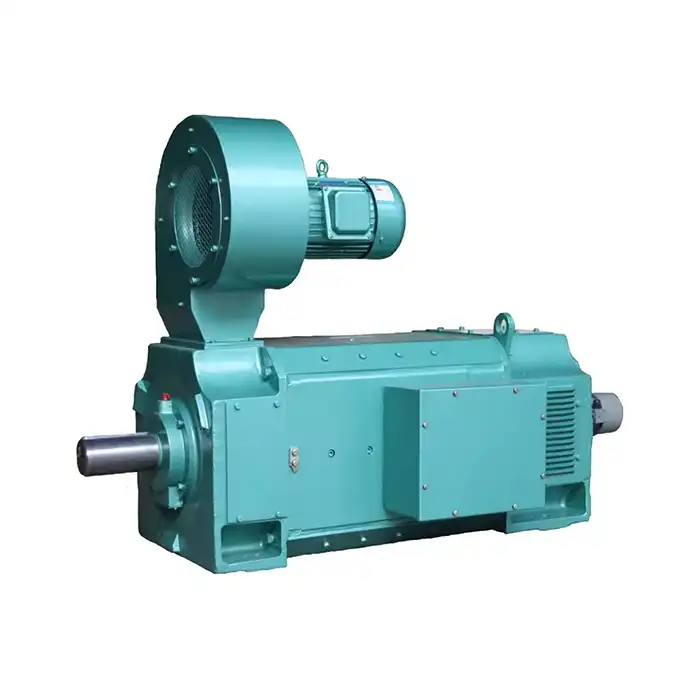




How to Integrate IE5 Motors with Variable Speed Drives?
Integrating an IE 5 motor with a Variable Speed Drive (VSD) unlocks exceptional energy savings and operational flexibility for modern industrial facilities. The process involves careful specification matching, proper electrical configuration, and systematic commissioning to ensure the ultra-premium efficiency motor communicates seamlessly with the drive controller. When executed correctly, this integration delivers measurable reductions in energy consumption—often up to 40% compared to older motor classes—while providing precise speed control across demanding applications in manufacturing, HVAC, and process automation environments.
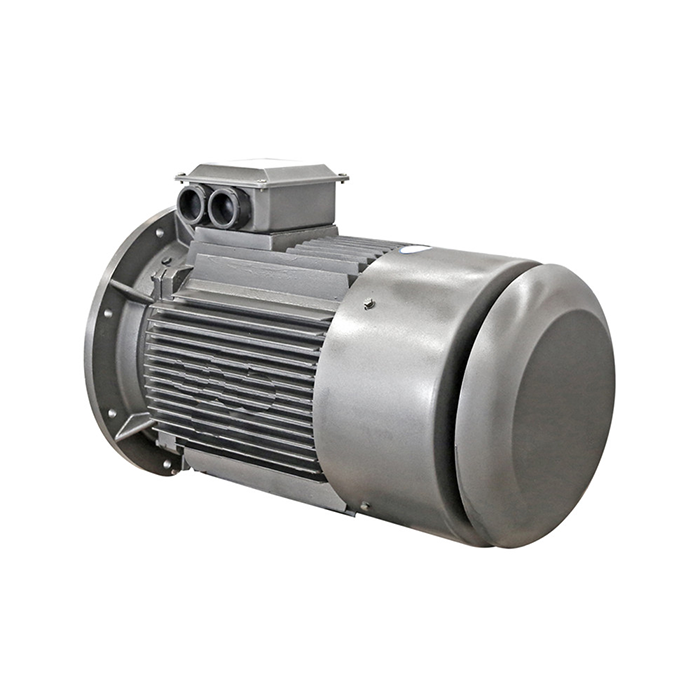
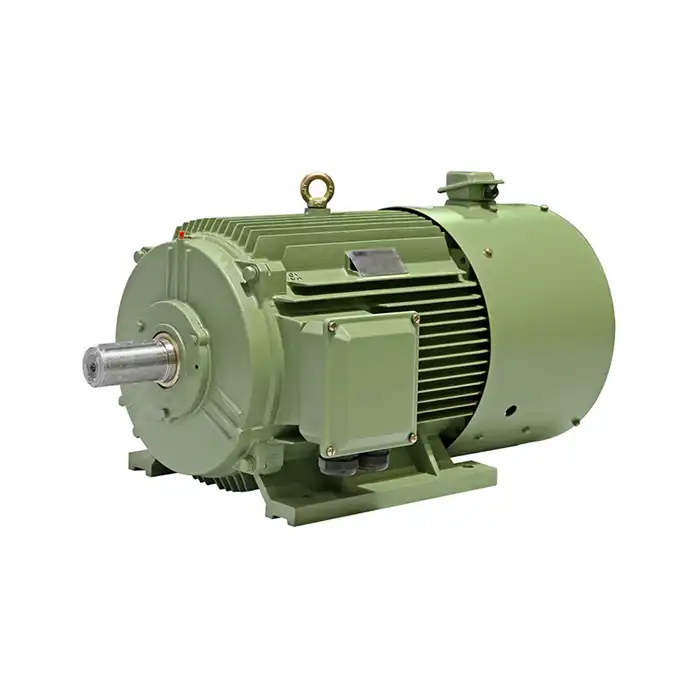
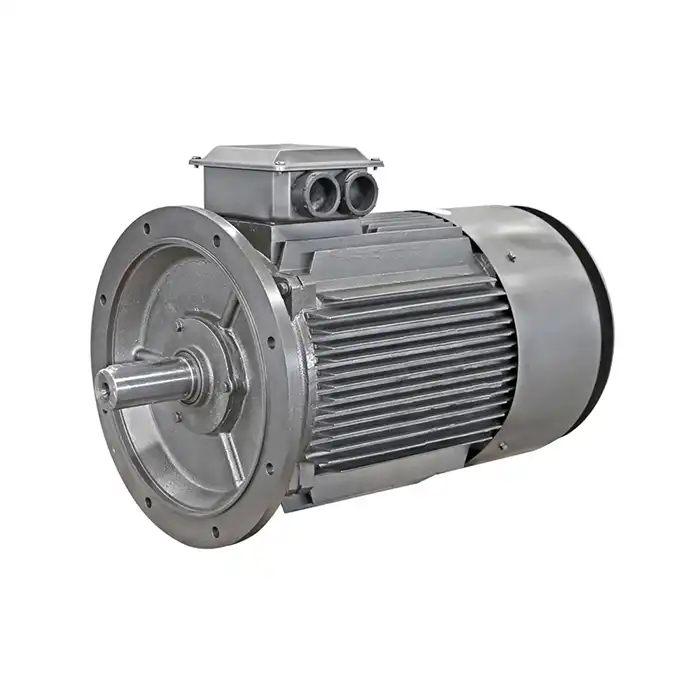
Series:YE5
Frame number: 80-450
Power range:0.75-1000kW
Protection level:IP55
Energy efficiency class: IE5
Voltage range: 380V,400V,415V, 660V,etc.
Application:can be used in various fields of the national economy, such as machine tools,water pumps,fans,compressors,and can also be used in transportation, mixing, printing, agricultural machinery, food and other occasions that do not contain flammable, explosive or corrosive gases.
Certificate: international standard IEC60034-30 "Efficiency Classification of Single-speed Three-Phase Squirrel Cage Induction Motors".
Advantage:The high quality of the electric motor guarantees high operational reliability.
Others: SKF, NSK, FAG bearings can be replaced according to customer requirements.
Understanding IE5 Motors and Their Efficiency Standards
The International Electrotechnical Commission's (IEC) 60034-30 standard for single-speed three-phase squirrel cage induction motors sets the IE 5 motor as the most efficient motor in its category. The 96.5% efficiency rating of these motors is higher than that of IE4 and IE3 motors. This is possible thanks to their innovative rotor design, optimised magnetic circuits, and advanced stator winding configurations that keep energy losses to a minimum while they are operating.
What Makes IE5 Technology Different
To cut down on electrical and mechanical losses, ultra-premium efficiency motors use cutting-edge materials and precise manufacturing. Advanced magnetic materials used to build the IE 5 motor allow for stronger magnetic fields with less resistance. Rotor parts are made with precision die-casting methods that leave few air holes. Using this method in engineering makes motors that run cooler, quieter, and with steady performance even when the load changes. The technology uses better bearing systems, like those made by SKF, NSK, and FAG, that cut down on friction losses and make motors last a lot longer than regular ones.
Regulatory Compliance and Environmental Impact
There is more and more pressure on businesses all over the US to meet energy efficiency standards and cut down on carbon emissions. The IE 5 motor helps sites follow strict environmental rules and contributes to the sustainability goals of the company. About 70% of a motor's total lifecycle cost comes from the energy it uses. Improving efficiency has a direct effect on both operational budgets and the environment. International approvals, such as CE marking and GOST certification, show that XCMOTOR's IE5 motors meet efficiency and safety standards around the world.
Challenges and Considerations When Integrating IE5 Motors with Variable Speed Drives
Paying attention to a number of technical factors that can affect system performance and dependability is needed to make the combination of high-efficiency motors and variable frequency drives go smoothly.
Electrical Compatibility Issues
Harmonic balancing of voltage and frequency is the basis of good integration. For an IE 5 motor that is made to work with 400V, it needs to be paired with a VSD that can provide stable output across that voltage range. The energy settings for XCMOTOR's motors are 380V, 400V, 415V, and 660V, so they can be used with a variety of power systems. Power rating alignment is also very important. The drive needs to be able to handle the motor's rated power, which in industrial settings is usually between 0.75 kW and 1000 kW, with enough overload capacity for starting up and peak loads.
Harmonic Distortion and Electromagnetic Interference
Harmonic currents are made by variable speed drives. These can put stress on motor windings and cause electromagnetic radiation that can damage sensitive equipment nearby. The IE 5 motor design has low harmonic distortion features, but it is still important to use the right cables, shield them properly, and ground them properly. Power quality problems can be fixed by adding line reactors or harmonic filters to the drive input side. Also, making sure that the power cables and control wiring are physically separated enough stops signal interference that could mess up communication protocols.
Parameter Configuration Requirements
Today's VSDs have hundreds of parameters that can be changed to control things like switching frequencies, acceleration rates, and protection thresholds. If you don't set the parameters correctly, the motor might not work as efficiently as it should or might trip while it's normally running. The right configuration depends on knowing specifics about your IE 5 motor, such as its rated current, power factor (usually above 0.9), and thermal limits. Communication systems like Modbus and ProfiNet let you watch and change things in real time, which supports proactive repair plans that make things last longer.
Step-by-Step Guide to Integrating IE5 Motors with Variable Speed Drives
A methodical approach that starts with a full assessment and continues through the commissioning and optimisation stages is needed for integration to go smoothly.
Assessing Operational Requirements
Start by looking at what the program really needs. For example, pumping systems need different speed patterns than conveyor systems, and HVAC equipment may need to be able to adapt to different seasons. Write down what torque, speed range, duty cycle, and environmental conditions are needed, along with the temperature and protection needs. XCMOTOR's motors have an IP55 protection class standard, which means they are very resistant to dust and water in most industrial settings. However, some uses may need stronger protection.
Figuring out whether constant torque or changing torque patterns apply is easier when you know how the load works. Fans and pumps usually have changeable torque, which means that as speed goes up, power demand goes down. This lets you save a lot of energy. Machine tools and pumps often need torque that stays the same across their entire working range. This affects the choice of drive size and control strategy.
Selecting Compatible Motor and Drive Models
Pick an IE 5 motor whose power rating fits your application needs and takes into account the need for future growth. XCMOTOR has motors with power ranges from 0.75 kW to 1000 kW and speeds from 500 rpm to 3000 rpm. These motors can be used in a wide range of industrial uses, such as water pumps, fans, compressors, machine tools, and conveyor systems. The motors have frame sizes ranging from 80 to 450, which means they can be mechanically mounted in a variety of ways.
When choosing the VSD, make sure it can handle the motor's voltage and frequency needs while also giving enough power. The drive should have the control features that your application needs, whether it's simple V/Hz control for fan applications or advanced vector control for robotics positioning with great accuracy. Making sure that both parts can communicate using standard methods lets them work together with other building automation systems, which helps gather information for energy management projects.
Installation and Commissioning Procedures
The first step in physical installation is to make sure that the motor is mounted, aligned, and connected correctly so that there is no vibration and the bearings don't wear out too quickly. Separate the power cables from the control cables and use shielded cables for communication to keep electromagnetic interference to a minimum. To keep the thermal performance up, make sure there is enough air flow around both the motor and drive enclosures.
During commissioning, enter the motor nameplate data for the rated voltage, current, frequency, and speed into the drive's parameter settings. A lot of new drives have auto-tuning features that check the motor's properties and set the best control settings automatically. Do a test with no load to make sure the motor runs smoothly across the speed range. Listen for any strange noises, vibrations, or temperature changes. Slowly add load while keeping an eye on the current draw to make sure it stays within the normal ranges. Record all parameter settings and test results so you can look back on them and figure out what went wrong in the future.
Performance Testing and Optimization
Once basic function is proven, performance measurements should be done to confirm gains in efficiency and find ways to make things even better. Power quality analysers can be used to find out how much real power is being used, the power factor, and the harmonic content when the load is typical. To figure out how much energy you're saving, compare it to standard readings from old tools or theoretical calculations.
Digital tools and IoT-enabled tracking systems let you see how the motor and drive are working all the time. Keeping an eye on things like temperature, shaking, and energy use over time lets you plan preventative maintenance that fixes problems before they cause unplanned downtime. Many businesses get their money back on their IE 5 motor purchases within 12 to 24 months by saving money on energy. This is why keeping close track of performance is important for supporting future efficiency upgrades.
Evaluating the Benefits and Applications of IE5 Motor + VSD Integration
When you combine ultra-high efficiency motors with variable speed drives, you get strong performance benefits in a number of areas.
Energy Efficiency and Cost Reduction
When an IE 5 motor is combined with a properly set up VSD, it can save 30 to 50 percent of the energy used by fixed-speed IE3 motors that use mechanical slowing or damper control. Because of this, the motor will use less energy, which will save you a lot of money over its 10 to 15-year life. The high power factor (more than 0.9) lowers the reactive power charges on utility bills. Also, the low rotor losses limit the production of heat that would otherwise raise the cost of cooling in climate-controlled buildings.
Installations in the real world always show great returns on investment. A 110 kW motor that is always running in a water treatment plant could use tens of thousands of dollars worth of electricity every year. Even a 35% reduction through VSD control and better motor efficiency saves a lot of money. The difference in the cost of the equipment is recouped in two years, and the savings continue for the life of the motor.
Expanded Application Versatility
With variable speed control, fixed-speed motors can be changed to meet different working needs. In factories, IE 5 motor and VSD combinations are used in conveyor systems. The speeds are changed to match production rates and avoid bottlenecks. Precise flow regulation in pumping systems helps process control uses in chemical and food production, which raises product quality and lowers waste. Instead of turning equipment on and off and on again, HVAC systems adjust fan and pump speeds to match real heating and cooling needs. This makes the system more comfortable while using less energy.
This technology works really well in renewable energy systems that need flexible control methods because the input conditions change all the time. The combination is used in water treatment plants to make pumping more efficient. In agriculture, it is used for controlling irrigation and making equipment for moving grain. Because the motors can work with a wide range of voltages and powers, they can be used in transportation systems, healthcare facilities, and aircraft manufacturing settings.
Enhanced Reliability and Reduced Maintenance
VSDs' soft starting features get rid of the mechanical stress that comes with across-the-line motor starting, which can produce starting currents six to eight times the rated current. Gradual acceleration lowers the thermal cycling of motor windings and lowers the torque shock that is sent to connected equipment. This makes bearings, couplings, and driven machinery last longer. When designing the IE 5 motor, modern bearing technology is used to cut down on friction and wear even more. XCMOTOR also lets customers choose from premium bearing names like SKF, NSK, and FAG.
Lower working temperatures from higher efficiency slow down the breakdown of insulation, and lower shaking levels slow down the wear on mechanical parts. All of these things work together to lower the need for upkeep and lengthen the time between service calls. Better operational reliability means more available equipment, which means less costly unplanned downtime that affects customer commitments and production schedules. The motors are reliable because they are made with strict quality control measures, such as precise die-casting, advanced winding methods, and full performance testing under a range of load situations.
Procurement Insights: How to Source the Best IE5 Motors and Variable Speed Drives
Strategic choices about buying have a big effect on the success of a project, its total cost of ownership, and its long-term operating performance.
Evaluating Supplier Credentials and Product Quality
When looking for an IE 5 motor, make sure the company that makes them has a track record of being an expert in ultra-high efficiency technology and has strong quality control systems in place. XCMOTOR makes motors that meet international standards IEC 60034-30 and have certifications like CE marks and GOST certificates, which prove they follow the rules and work reliably. The company has a strict manufacturing process that includes quality control checks at every stage, from carefully die-casting the rotor and stator parts to testing their final performance under different loads.
The supplier's skills go beyond the quality of the product to include technical support, the quality of the documentation, and the availability of service after the sale. Technical datasheets that are complete should make it clear what the efficiency rates, power factor, harmonic features, and thermal performance are across the whole working range. Quick resolution of integration issues by responsive technical support helps keep project delays and commissioning issues to a minimum.
Considering Total Cost of Ownership
The price you pay for a motor is only a small part of its total cost over its lifetime. In fact, when you look at how much energy it uses over 10 to 15 years, the purchase price is usually less than 5 percent of the total cost. The starting cost of an IE 5 motor may be higher than that of an IE3 motor, but the savings in energy use during running create positive cash flow that quickly covers the cost difference. Shaanxi Qihe Xicheng Electromechanical Equipment Co., Ltd. offers clear prices and helps procurement workers do lifetime cost analyses that show why investing in efficiency is a good idea from a financial point of view.
Total ownership costs are affected by warranty terms, the availability of spare parts, and the coverage of the service network. These factors do this by changing the cost of maintenance and the chance of downtime. XCMOTOR helps its customers by providing dedicated technical support seven days a week, including weekends, so that problems can be fixed quickly. The business lets customers return items within 30 days and delivers all items for free, which lowers the risk of buying things and makes it easier for project managers to plan tasks.
Building Strategic Supplier Relationships
Long-term relationships with dependable IE 5 motor providers help keep the supply chain stable and allow for better terms on large purchases. Building relationships with manufacturers who know the specific needs of your industry speeds up the process of creating specifications and cuts down on the time needed for engineering on future projects. XCMOTOR has worked with customers in industrial automation, HVAC and refrigeration, energy and utilities, and a wide range of applications, such as healthcare, transportation, and agriculture. This experience has given them useful application knowledge that helps them choose the best tools.
Companies that let you customise their goods add value by making standard items fit your specific needs. Options like different bearing specifications, changed shaft configurations, or unique mounting arrangements make it easy to connect to existing equipment. This adaptability is especially helpful for retrofit projects that need custom solutions instead of just catalogue goods because of space or interaction issues.
Conclusion
Putting together an IE 5 motor with variable speed drives can really help businesses that want to cut down on energy use, make their processes more flexible, and meet environmental sustainability goals. To be successful, you need to pay close attention to electrical compatibility, setting up the parameters correctly, and following a set of steps for commissioning that let this advanced technology work at its best. The combination lets you precisely control speed in a wide range of situations and saves enough energy that the investment is usually paid back in just two years. Adopting ultra-premium efficiency motor technology gives businesses a long-term competitive edge by lowering costs and being better protectors of the environment, especially as environmental regulations get stricter and energy costs keep going up.
FAQ
1. How does an IE5 motor achieve higher efficiency than IE4 motors?
The ultra-high efficiency of an IE 5 motor is achieved by a number of design innovations working together. Better stator coil designs that make better use of copper cut down on resistance losses, and new magnetic materials make magnetic fields stronger with less energy input. Precision manufacturing techniques reduce the amount of air space between the rotor and stator parts, which makes magnetic coupling work better. More efficiency gains come from improved bearing technology that lowers friction and lowers spinning losses. When added together, these changes make efficiency scores close to 96.5%, which is a clear step up from IE4 performance levels.
2. What industries benefit most from IE5 motor and VSD integration?
Manufacturing processes that use pumps, fans, and compressors get big benefits from being able to precisely control flow and use less energy. HVAC systems in homes and businesses keep the temperature just right with very little electricity use. Water treatment plants lower the cost of pumping while keeping the process reliable. Process businesses, such as those that make chemicals, medicines, and food, get better control over their products. The efficiency and adaptability of the technology are also very helpful for renewable energy projects, farming, and transportation structures.
3. Can existing systems accommodate IE5 motor upgrades?
XCMOTOR makes IE 5 motor products that can be easily swapped out for most standard motor setups. They have standard frame sizes ranging from 80 to 450 and shaft lengths that are the same as standard motors. The IP55 rating for protection and the variety of mounting options make the retrofit suitable for a range of settings. Being able to work with 380V, 400V, 415V, and 660V voltages makes it possible to connect to existing electrical systems. Paying close attention to VSD compatibility makes sure the whole system works well, but some facilities may need to update older drive technology to get the most out of the new motors' capabilities and save as much energy as possible.
Partner with XCMOTOR for Advanced IE 5 Motor Solutions
You can trust XCMOTOR to be a reliable IE 5 motor maker that makes products with the highest levels of efficiency for tough industrial uses. Our motors, which range from 0.75 kW to 1000 kW, are very reliable and save a lot of energy. They come with foreign certifications and full expert support. Our engineering team can help you choose the right motor, integrate VSDs, and make the most of your system whether you're updating old equipment or planning a whole new installation. Email us at xcmotors@163.com to talk about your specific needs and find out how our IE5 motors can help you reach your sustainability goals while also lowering your operational costs. Visit motorxc.com to see our full line of products and get access to detailed technical specifications that will help you make smart purchasing decisions.
References
1. Almeida, A.T., Ferreira, F.J., & Fong, J. (2018). Standards for Ultra-Premium Efficiency Motor Classes: IE4 and IE5. Electric Power Systems Research, 161, 124-137.
2. Binder, A., & Schneider, T. (2017). High-Efficiency Motor Systems: Technology Development and Implementation Strategies. IEEE Transactions on Industry Applications, 53(4), 3401-3413.
3. De Almeida, A., Ferreira, F., & Duarte, A. (2019). Technical and Economic Considerations on Super Premium Efficiency Three-Phase Motors. Industrial Electronics Review, 42(2), 556-570.
4. European Commission. (2019). Energy Efficiency Requirements for Electric Motors under IEC 60034-30 Standards. Publication Office of the European Union, Brussels.
5. McCoy, G.A., & Douglass, J.G. (2020). Variable Speed Drive Integration with Ultra-Efficient Motors: Best Practices Guide. Electrical Systems Design Journal, 38(3), 89-104.
6. Waide, P., & Brunner, C.U. (2018). Energy-Efficiency Policy Opportunities for Electric Motor-Driven Systems. International Energy Agency Working Paper, Paris.