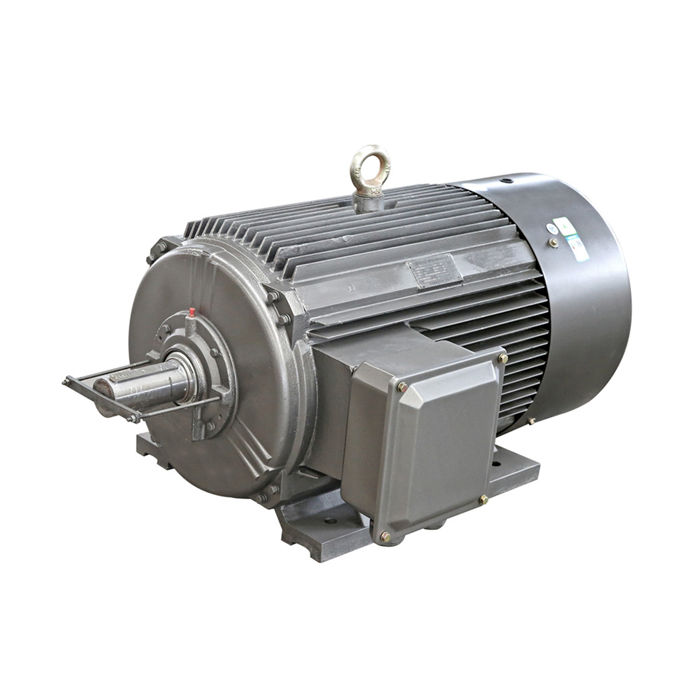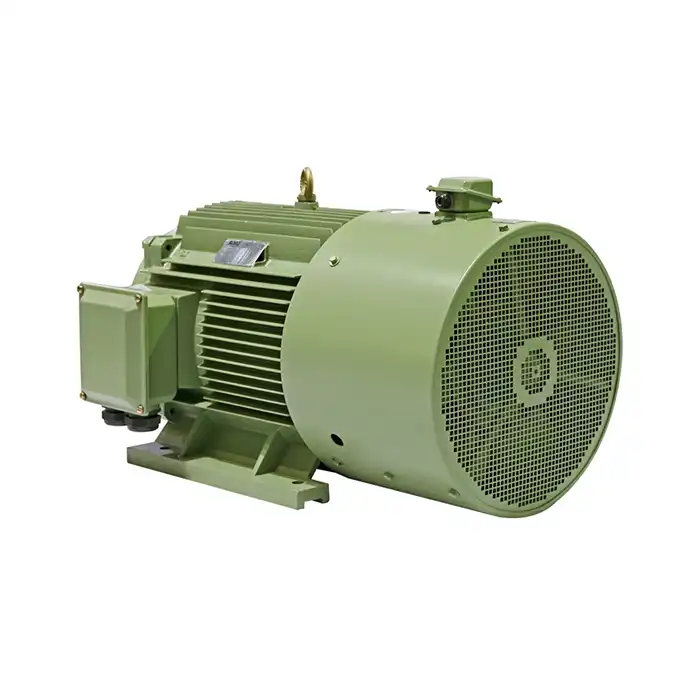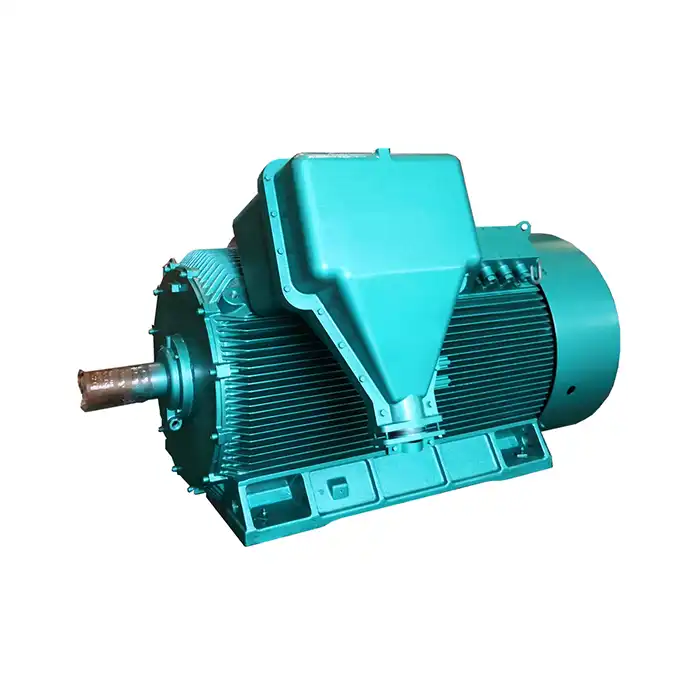




How to protect a 4160v motor from short - circuits?
Protecting a 4160v motor from short-circuits requires a multi-layered approach combining proper installation practices, advanced protective devices, and consistent condition monitoring. The foundation starts with ensuring Class F insulation with B temperature rise, IP54/IP55 environmental protection, and compliance with GB/T 1032 standards. Integrating medium-voltage circuit breakers, differential relays, and thermistor-based temperature sensors creates essential barriers against catastrophic failures. Regular insulation resistance testing and thermal imaging inspections detect degradation before it escalates into costly downtime or equipment replacement scenarios.
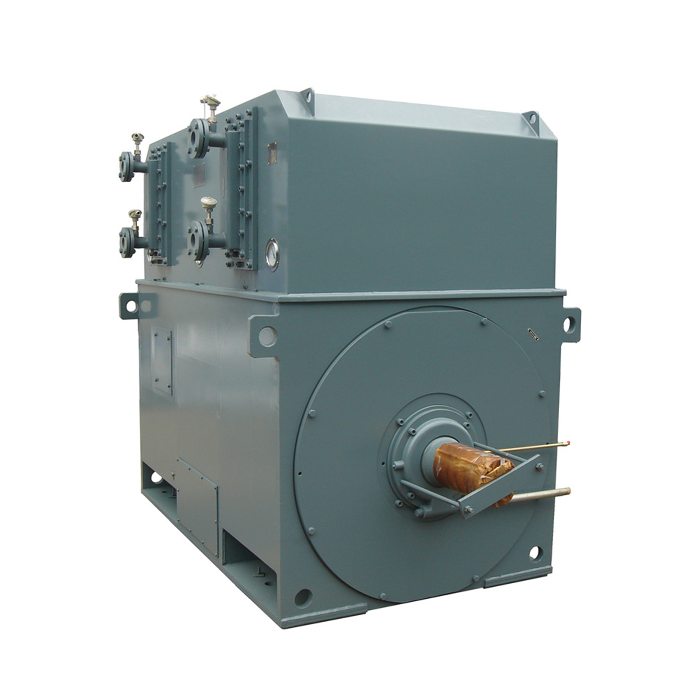
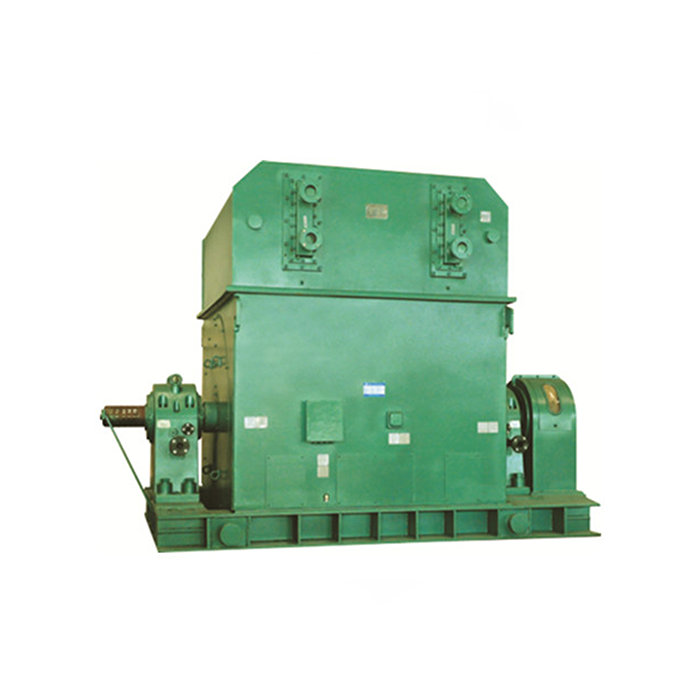
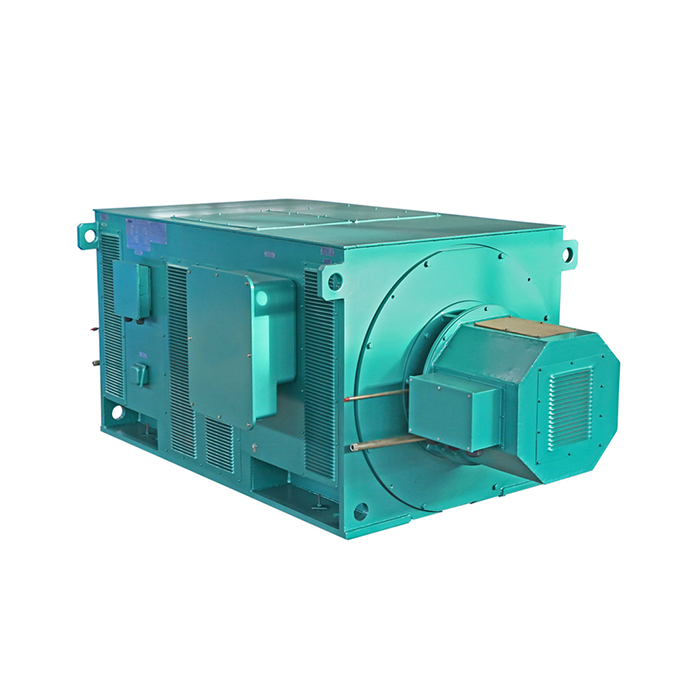
Series:YKS
Protection level:IP54
Voltage range:3000V±5%,3300V±5%,6000V±5%,6600V±5%,10000V±5%,11000V±5%
Power range:220-6300 kW
Application:fans, water pumps, compressors, crushers, cutting machine tools, transportation machinery, etc.
Advantage:low noise, low vibration, long service life, easy installation and maintenance.
Standard: This series of products complies withGB/T 1032 and GB/T 13957 standards.
Others: SKF, NSK, FAG bearings can be replaced according to customer requirements.
Introduction
4160V motors are the backbone of industrial processes in places like power plants, water treatment systems, and factories. When one of these important assets short-circuits, it affects production plans, maintenance budgets, and safety rules all over again. We've seen for ourselves how electrical problems can cause unplanned shutdowns that stop whole production lines, which costs companies thousands of dollars an hour in lost work.
More and more, procurement managers and repair workers are under pressure to keep costs low while increasing uptime. Because medium-voltage systems are so complicated, stopping short-circuits isn't as easy as just buying good equipment. You need to know how insulation systems break down, how environmental factors speed up failures, and which protective technologies actually work. This guide shows industrial facilities how to protect their high-voltage motor investments in a way that works. It uses established safety standards and real-world application experience from heavy industrial processes, HVAC installations, the manufacturing of cars, and renewable energy projects.
Understanding Short-Circuits in 4160V Motors
The Mechanics Behind Electrical Faults
In a 4160V motor, a short-circuit happens when the current doesn't go through the windings as it should, making a low-resistance connection that lets the current surge to dangerous levels. Within milliseconds, this sudden spike creates a lot of intense heat that can melt copper conductors, turn insulation materials into vapor, and possibly do a lot of damage to the motor housing's structure. When there is a fault, the electromagnetic forces can get hundreds of times stronger than when the machine is working normally. This can bend rotor bars and crack lamination stacks.
Common Root Causes in Industrial Environments
Insulation breakdown is the main reason why most motors break down. Class F insulation systems are designed to work at 155°C, but they slowly break down when they are subject to changes in temperature, chemical contamination, or mechanical vibration. Moisture getting in through broken seals lowers the dielectric strength. Studies show that for every 10°C rise in operating temperature, insulation lasts half as long. Wiring mistakes made during installation, like cable lugs not being properly terminated or not having enough free space, leave weak spots where tracking can start. Lightning strikes, utility switching operations, or the activation of a capacitor bank can all cause electrical surges that cause insulation to be stressed beyond its design limits.
Impact on Operations and Cost Structure
The financial burden goes far beyond the cost of repairs. Unplanned downtime throws off production schedules, delays shipments to customers, and requires paying workers extra hours. When a medium-voltage motor fails, it usually takes 4 to 8 weeks for rewind services or replacements to be ordered. During this time, facilities have to work at lower capacity or use expensive temporary solutions. Maintenance teams are under a lot of pressure to figure out what went wrong, find replacement parts, and fix things, while corporate leadership wants to know how to stop problems from happening.
Key Principles to Protect 4160V Motors from Short-Circuits
Installation Excellence and Grounding Practices
Installation that is done right is the first line of defense against electrical problems. To keep touch voltages low and allow protective devices to quickly clear faults, grounding systems must set up low-impedance paths to earth. For medium-voltage uses, we suggest resistance-grounded systems with neutral grounding resistors big enough to keep fault current to 200–400 amps. This method keeps equipment damage to a minimum while still being sensitive enough to find ground faults. To avoid the hot spots that cause tracking failures, cable terminations must be carefully prepared. Insulation must be stripped to exact measurements, stress relief compounds must be applied, and connections must be torqued according to the manufacturer's instructions.
Selecting Appropriate Protective Devices
Circuit breakers with medium-voltage are the main safety feature for a 4160v motor; they can stop both overcurrent and short-circuiting in a separate box. Vacuum interrupters have become the most popular technology because they don't need to be maintained and work reliably for more than 10,000 switching cycles. Differential protection relays constantly check the current going into and out of the motor. They will trip within 50 microseconds if they find an imbalance that is too high. This quick reaction lessens the damage caused by internal faults. When installed at the motor terminals, surge arresters reduce sudden voltages to safe levels. This keeps the turn-to-turn insulation from breaking down due to impulses. Thermal overload switches with Class 10 features stop long-term overheating that speeds up the age of insulation.
Maintenance Protocols and Diagnostic Testing
By checking the condition on a regular basis, reactive maintenance can be turned into proactive plans. Insulation resistance testing with megohm meters uses a 1000-volt DC potential to measure leakage current. Readings below 100 megohms show that the insulation is breaking down and need to be looked into. With polarization index tests, measurements can last for 10 minutes, which shows moisture contamination that simple spot readings miss. Corona activity can be found in voids and delaminations using partial discharge analysis. This lets you see early signs of failure months before they cause outages. By looking at strange temperature patterns during heavy operation, thermographic scans can find unbalanced phases, bearing problems, and connection flaws. Using accelerometers on bearing housings for vibration analysis can find mechanical problems before they become electrical ones.
Advanced Strategies and Technologies to Minimize Short-Circuit Risks
Upgraded Insulation Systems
Modern motor designs use high-tech shielding materials that work better at both conducting heat and electricity. Using polyimide films and high-temperature epoxy resins, Class F systems stay intact at constant working temperatures of 155°C, giving them a big thermal advantage over older Class B designs. When random-wound stator coils are coated with corona-resistant enamels, they stop partial discharge activity at the edges of the conductors, which is where electrical stress builds up. When you use vacuum pressure impregnation, the resin gets into every part of the winding structure. This gets rid of any air gaps that could cause the dielectric to break down. These changes to the materials directly lead to longer service lives. Motors with good insulation that are well taken care of usually last 25 years or more.
Smart Monitoring Integration
The industrial internet of things has changed how motor safety works in a big way. Embedded sensors constantly monitor important factors like the temperature of the windings, the state of the bearings, and the patterns of vibrations. Edge computing devices use machine learning algorithms that have been trained to find early warning signs of problems to process this stream of data locally. When temperature differences between phases are higher than learned baselines or when bearing vibration spectra show new flaw frequencies, the system sends out alerts that require maintenance to be done before failures happen. Remote monitoring by engineering teams is possible with cloud connectivity. From centralized dashboards, they can check on motor health across multiple facilities. When compared to time-based maintenance schedules, this predictive approach cuts down on unplanned downtime by 40 to 60%.
Thermal Management Enhancements
Controlling the production of heat protects the insulator and increases the motor's life. The IC37 cooling method used in medium-voltage systems moves air through outside heat exchangers. This keeps interior parts clean from outside contaminants while still removing heat effectively. When put in harsh environments, ambient-to-water heat exchangers keep dust, moisture, and corrosive gasses from getting into the motor enclosure. Using embedded resistance temperature detectors to keep an eye on the temperature gives safety devices real-time input, which trips the motor before it gets too hot. The right ventilation design makes sure that air flows evenly through all of the winding sections. This stops hot spots from forming in certain coil groups, which speeds up the age process.
Comparing Protection Approaches: Why Choose Specialized 4160V Motor Solutions
Voltage Class Considerations
Protection plans need to change based on voltage levels because failures and their effects change as voltage levels change. A 480-volt motor short-circuit could release tens of thousands of amps for several cycles before it goes away. A 4160V motor fault, on the other hand, can cause arc flashes with energies higher than 40 cal/cm². When conditions change quickly, the higher voltage puts more stress on insulation systems. For example, a 2.0 per-unit switching surge at 480 volts causes 960-volt stress, but the same event at 4160 volts causes 8320-volt stress that threatens turn-to-turn insulation. Because of this, you need special protection devices that can handle medium-voltage service, with interrupt ratings that match the fault current and voltage ratings that give you enough safety margins.
Evaluating Motor Specifications for Protection
When buying a 4160V motor, the built-in safety features have a big effect on how reliable it will be in the long run. IP54 environmental protection keeps dust and water spray out, which is very important for outdoor installations or dusty workplaces. When you combine Class F insulation with Class B temperature rise, motors can work well below their thermal limits. This keeps the dielectric strength high for the whole service life. Power ranges from 220 kW to 6300 kW can be used for a wide range of tasks, from small compressors to large mill drives, and each one needs a protection system that is the right size for it. With speed ranges from 500 to 3000 RPM, it is possible to connect directly to driven equipment, without using gearboxes, which can fail in more ways.
Here are the core advantages these specifications deliver in protection contexts:
- IP54/IP55 ratings: Make a strong barrier against environmental contaminants that can damage insulation systems. This is especially important in places like cement plants, mines, and outdoor installations where airborne particles and moisture are always a problem.
- Class F insulation with B rise: This gives the 4160v motor a lot of thermal headroom so it can handle occasional overload conditions without quick insulation damage. This gives it operational freedom during process upsets while keeping safety margins.
- SKF/NSK/FAG bearing options: High-quality bearing manufacturers offer consistent quality and longer lubrication intervals, which lowers the frequency of maintenance and the risk of contamination during service procedures.
- GB/T 1032 and GB/T 13957 compliance: Makes sure motors meet established standards for construction, testing, and performance. This gives procurement teams peace of mind that products go through strict validation before they are shipped.
These traits work together to make a "defense in depth" against situations that can start a short-circuit. The environmental protection keeps rainwater and other contaminants from breaking down the insulation, the thermal design keeps the working temperature well below the limits of the material, and the standard construction makes sure that the quality is the same from batch to batch.
Procurement Insights: How to Buy 4160V Motors with Optimal Protection Features
Critical Selection Parameters
When making decisions about procurement, technical needs must be balanced with business needs. Choosing the right insulation class has a direct effect on how well it handles heat and how long it should last. For example, choosing Class F insulation with Class B rise gives you the most reliable operation while still being frugal. Power tolerance bands of ±5% make sure that motors can handle changes in grid power without getting too stressed out or losing performance. Protection class ratings should match the installation environment. For example, IP55 ratings are required for areas with a lot of contamination, while IP54 ratings are fine for controlled indoor locations. Choosing the right speed affects both the mechanical balance and the load on the bearings. For higher-speed designs to stay within acceptable shaking limits, manufacturing tolerances must be more accurate.
Supplier Evaluation Framework
When screening potential suppliers, you need to look at more than just the published specifications to see what they can do. Precision die-casting makes frames that are exactly the right size, advanced winding technology makes sure that conductors are placed evenly, and thorough testing makes sure that the product works before it ships. Certification to ISO 9001:2015 shows that quality control systems are well-established, and compliance to IEC 60034 shows that motors meet international standards. When fixing installation problems or making the best security settings, technical support is very important. Suppliers who offer application engineering help and post-sale support are more valuable than those who only sell goods.
Balancing Lead Times and Customization
Standard catalog motors usually ship within a few weeks, but wait times can go up to 12 to 16 weeks for custom designs that need special voltage ratings, mounting arrangements, or protection from the environment. When making purchases, these dates should be taken into account, especially when repairing broken equipment or opening up new buildings. With voltage choices from 3000V to 11000V, sites that use different distribution voltages can all be standardized. Power ranges from 220 kW to 6300 kW, so they can be used for everything from secondary equipment to main process drives. Custom bearing choices meet specific needs for dependability or maintenance preferences. These customization choices increase long-term value, even though they cause small increases in lead time.
Conclusion
Medium-voltage motors like the 4160v motor need to be protected from short-circuits using complete plans that include choosing the right design, installing it correctly, coordinating the protective devices, and doing regular maintenance. Strong environmental protection, careful thermal design, and following international standards all work together to make systems that can handle the tough conditions found in infrastructure, utilities, and industrial settings. Smart monitoring technologies and improved insulation materials keep pushing the limits of reliability. This makes it possible for predictive maintenance methods that stop breakdowns before they happen. When purchasing managers understand these technical details and judge sellers based on their ability to make things, their companies will be more successful in the long run, as measured by decades of reliable service rather than years of uncertain performance.
FAQ
1. What inspection frequency prevents most 4160V motor short-circuits?
By testing the insulation's resistance once a year and doing thermographic surveys every three months, most degradation can be caught before it leads to failures. For high-duty-cycle applications, testing should be done every six months, but for standby equipment, testing can be done every 18 to 24 months without significantly increasing risk.
2. Can upgrading insulation class improve protection on existing motors?
Rewind services can change insulation systems from Class B to Class F, which gives better thermal performance and resistance to moisture contamination. This retrofit usually costs between 60 and 70% of the price of a new 4160V motor and adds 15 to 20 years to its useful life.
3. How long does custom 4160V motor procurement typically require?
Standard voltage and power setups are sent out 8 to 10 weeks after the order is placed. Custom specifications, such as specific voltage ratings, environmental protection levels, or mounting configurations, can make lead times 12 to 16 weeks long, depending on how busy the manufacturing line is and how much material is available.
Partner with XCMOTOR for Reliable 4160V Motor Solutions
XCMOTOR has decades of experience with power tools and can help industrial clients find reliable medium-voltage motor options. Our engineering team works with the people at your facility to find motors that meet all of the specific needs of the application, from voltage tolerance to environmental protection. Because we are a reliable 4160V motor manufacturer, we keep a ready supply of popular configurations and can also make changes for specific uses. Before it is shipped, every unit goes through a lot of tests to make sure the protection is good, the heat works well, and the unit doesn't shake.
You can email our technical experts at xcmotors@163.com to talk about your security needs, get full specification sheets, or get quotes for your project. We offer full support, from helping you choose the right product to installing it and giving you advice on how to keep it in good shape. You can see all of our products and get technical information by going to motorxc.com. Support is available on Saturdays and Sundays, so your questions will always be answered quickly, no matter what the production schedule is. Our 30-day open purchase policy and dedicated after-sales support show that we care about the success of your business.
References
1. Chapman, S.J. (2018). Electric Machinery Fundamentals: Medium Voltage Motor Protection Systems. McGraw-Hill Education, New York.
2. Institute of Electrical and Electronics Engineers (2019). IEEE Standard 1427: Guide for Recommended Electrical Clearances and Insulation Levels in Air-Insulated Electrical Power Substations.
3. National Electrical Manufacturers Association (2020). NEMA MG 1-2020: Motors and Generators Standard - Part 31: Medium Voltage Motors.
4. Stone, G.C., Culbert, I., Boulter, E.A., & Dhirani, H. (2017). Electrical Insulation for Rotating Machines: Design, Evaluation, Aging, Testing, and Repair. IEEE Press, Hoboken.
5. International Electrotechnical Commission (2021). IEC 60034-1: Rotating Electrical Machines - Part 1: Rating and Performance Standards.
6. Bonnett, A.H. & Yung, C. (2020). Root Cause Failure Analysis of Medium Voltage Industrial Motors. Proceedings of the IEEE Electrical Insulation Conference, Denver.