



How to Measure Z2 DC Motor Insulation Resistance Correctly?
Measuring insulation resistance correctly in Z2 DC MOTORs involves using a megohmmeter to test the electrical resistance between motor windings and the grounded frame. This fundamental procedure helps identify insulation degradation before it causes motor failure. Proper testing requires disconnecting all power sources, cleaning motor surfaces, applying appropriate test voltages (typically 500V or 1000V depending on motor ratings), and recording resistance values that should meet minimum thresholds specified by standards. Regular insulation testing of Z2 DC motors prevents unexpected downtime and maintains operational safety across industrial applications.
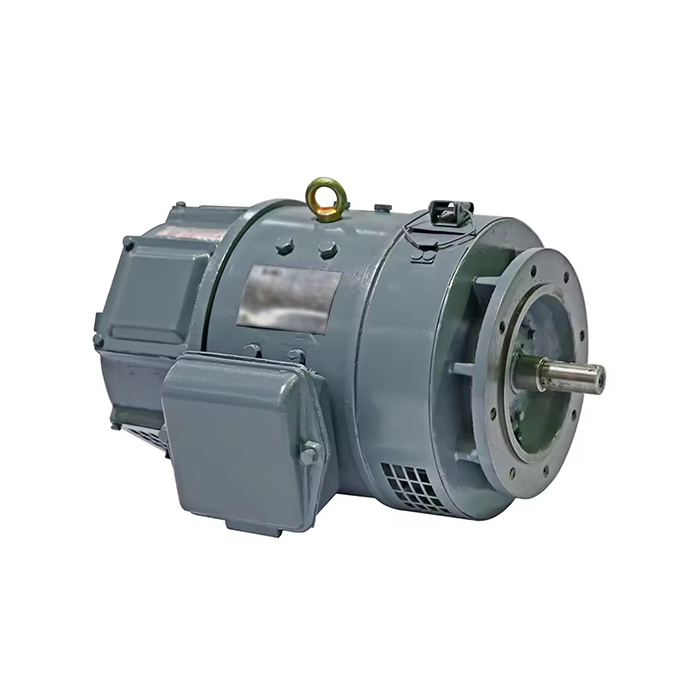
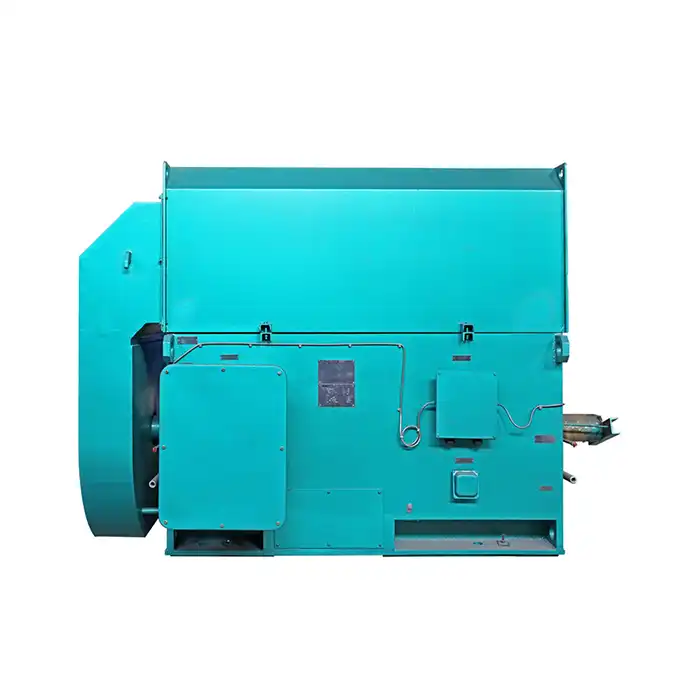
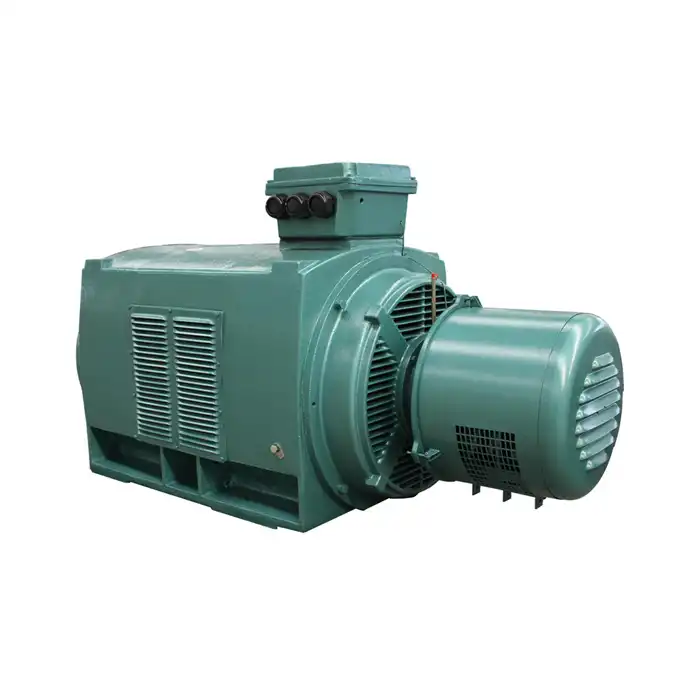
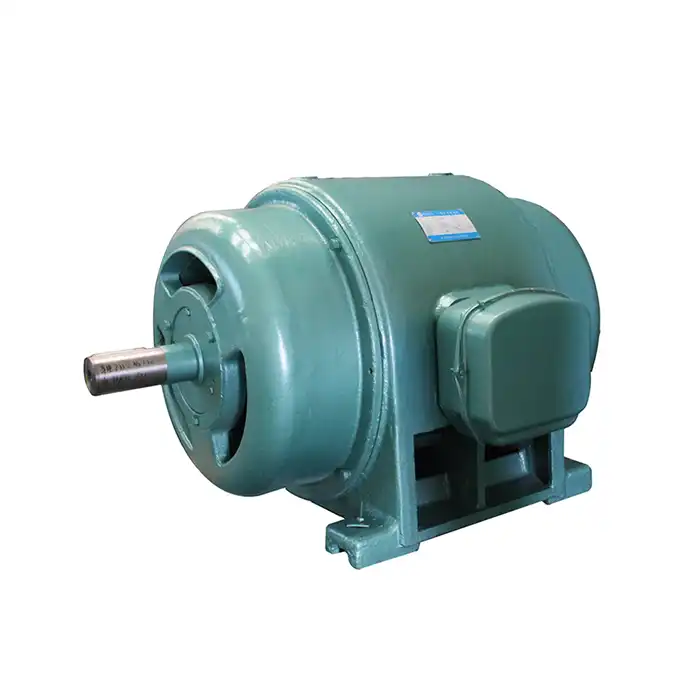
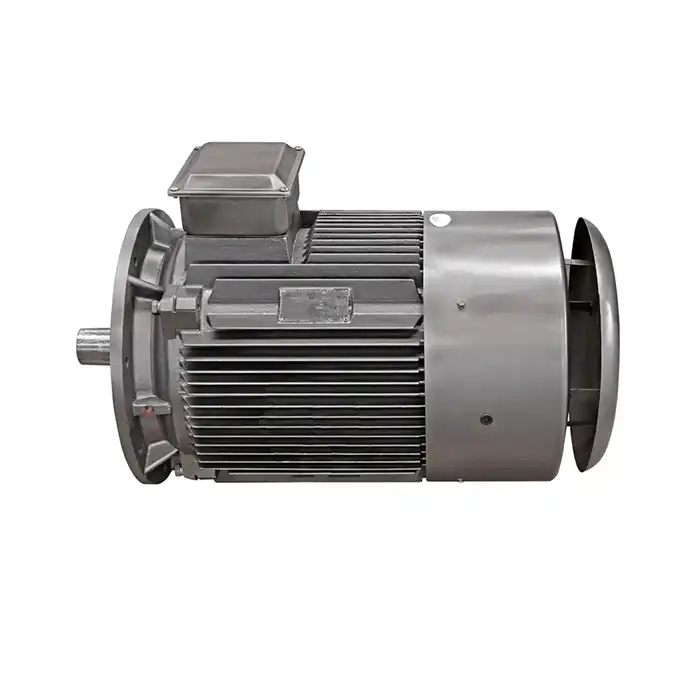
Series:Z2
Frame number: 11-112
Application:Z2 series motors are small DC motors for general industrial use and can be used in metal cutting machine tools, papermaking, dyeing and weaving, printing, cement, etc. The generator can be used as power source, lighting or other constant voltage power supply.
Power range:0.8-200kW
Voltage range: 110V,220V, etc.
Certificate: standard JB1104-68 .
Advantage:Suitable for outdoor use and strong corrosion resistance.
Others: SKF, NSK, FAG bearings can be replaced according to customer requirements.
Understanding Insulation Resistance in Z2 DC Motors
What Insulation Resistance Means for Motor Performance
Insulation resistance is the electrical resistance between the motor windings and the grounded frame. It is very important to keep this resistance high to avoid short circuits and keep the motor running efficiently. This measurement shows the state of the insulating materials that keep the motor housing from touching live conductors. As insulation wears away, resistance values drop, which lets current flow and wastes energy and heat.
In Z2 DC MOTORs made for commercial use, insulation has a direct effect on how long they last, how much energy they use, and how safe the workers are. The motors' Class F insulation (tuned to 155°C) can handle the heat that comes from running all the time, but over time, external factors weaken its ability to protect. To keep their operations going smoothly, factories with conveyor systems, printing equipment that works multiple shifts, or cement plants with motors that are exposed to dust and shaking must keep an eye on the health of their insulation.
Key Specifications Affecting Insulation Characteristics
There are a number of rules that affect how insulation works and how it should be tested. Operating voltage determines the right test voltage levels. Motors rated for 220V DC are usually tested at 500V or 1000V DC, within the safety margins that have already been set. Different insulation materials, such as mica separators and varnish coatings, have different resistance levels and aging patterns. Construction standards, such as the IP23 protection class, show how well the Z2 DC MOTOR seals against the environment. This lowers the risk of wetness getting in and speeding up the decomposition of the insulation.
Frame sizes ranging from 11 to 112 can handle a range of power rates. Larger motors have more complex winding systems that could fail the insulation. Through centrifugal forces and vibration, speeds between 500 and 3000 RPM put different kinds of mechanical stress on insulation systems. Knowing these specs helps maintenance teams set up the right testing procedures and figure out what the results mean for their specific motor installations.
Step-by-Step Guide to Measuring Insulation Resistance of Z2 DC Motors
Preparation and Safety Procedures
You have to disconnect all electrical power sources before you can test the insulation resistance. Lock out and tag out methods keep people and equipment safe by preventing accidental activation during testing. Use a multimeter to make sure that the Z2 DC MOTOR connections have no power. Take out any variable frequency drives, controllers, or loads that are linked and could mess up the readings or get damaged by the test voltages.
Insulated gloves and safety glasses are important pieces of personal protective equipment to have when working with megohmmeter test levels. Make sure the motor is completely stopped, and give it enough time to cool down if it was just working. Resistance readings can be affected by high temperatures. Clean the motor's surfaces, especially the areas around the terminals and frame connections, to get rid of any dust, oil, or moisture that could create other paths for current and make measurements less accurate.
Testing Equipment Setup and Connection
A megohmmeter, which is sometimes called a "megger," is the standard tool for testing insulation resistance. Choose a test voltage that matches the rated voltage of the Z2 DC MOTOR. For example, a 500V DC test voltage works for motors rated between 110V and 220V, while a 1000V DC test voltage is better for testing motors in difficult conditions. Modern digital megohmmeters are better than analog ones because they give more accurate readings and have automatic discharge circuits that safely get rid of any stored charge after testing.
One motor terminal, like the A1 armature terminal, should be connected to the megohmmeter's positive lead. The negative lead should be connected to the motor frame or a separate ground link. The motor frame needs to have good electrical contact. If necessary, clean off any paint or rust at the connection point. Insulation between the armature windings and the frame should be tested first, then between the field windings and the frame. Each winding system should be tested on its own. This method finds the circuit whose shielding has been damaged when problems happen.
Conducting the Measurement and Interpreting Results
Put the test voltage on for 60 seconds and wait for the reading to settle down. Insulation resistance usually has a smaller reading at first, but it slowly rises as the megohmmeter charges the capacitance in the motor windings. After the full 60 seconds, write down the resistance value so that it can be compared consistently with other tests and standard thresholds. One megohm for every thousand volts of operating voltage plus one megohm is the minimum acceptable insulation resistance. For example, a 220V motor should have more than 1.22 megohms.
Values that are much lower than this level show that the insulation is breaking down and need to be looked into. Readings below 0.5 megohms mean that the insulation is seriously failing, and the Z2 DC MOTOR needs to be taken out of service right away. Temperature has a big effect on measurements because insulation resistance goes down as temperature goes up. To get accurate trending, convert readings to a standard temperature (usually 40°C) using known correction factors. During testing, write down the temperature of the area so that you can correctly interpret the data.
Comparing Z2 DC Motor Insulation Testing with Other Motor Types
Differences in Insulation Structure and Testing Protocols
Z2 DC MOTORs have different insulation structures than AC induction motors or permanent magnet motors, which changes how tests are done and what they mean. Because these motors have both armature and field windings, each circuit needs to be tested separately. In AC motors, on the other hand, all stages are usually tested against ground. In DC motors with brush systems, there are some extra things to think about. Carbon dust from worn brushes can build up on insulation surfaces, which could lower the measured resistance without actually showing that the winding insulation has failed.
When compared to stepper motors, which are used for precise positioning, industrial DC motors use more power, which means that insulation failures are more dangerous. Because of this, the test voltages and minimum resistance limits are different. Modern servo systems use brushless DC motors that are commutated electronically. These motors usually have higher insulation classes because the drive electronics put a lot of stress on the high-frequency voltage. When motors are built to JB1104-68 standards, they have to follow certain building rules that affect how the insulation is designed. This makes them different from motors built to European IEC standards or North American NEMA standards.
Voltage Level and Duration Considerations
The right test voltage is affected by how the motor's windings are set up. Some armature windings can handle higher test voltages than series field windings with many turns of finer wire. This is because series field windings have fewer turns of heavy wire. Testing with too much voltage can hurt the insulation on the edges, and testing with not enough voltage might not find any problems. The 60-second test duration strikes a good balance between thorough evaluation and useful testing time. Longer durations allow for more complete calculations of capacitance charging and polarization index, while shorter tests are better for quick screening.
Most of the time, AC motors that run on 480V three-phase power are tested at 1000V DC or higher, which is because they have better insulation ratings and working voltages. Because being outside speeds up the aging process of insulation, renewable energy applications that use Z2 DC MOTORs for solar tracking systems or wind turbine pitch control may need to test them more often. It is important for procurement and maintenance teams to understand these differences when they are judging the performance of motors across a wide range of equipment, where motors from different manufacturers are used for different tasks.
Best Practices and Maintenance Tips for Z2 DC Motor Insulation
Establishing Testing Schedules for Optimal Motor Life
Monitoring the Z2 DC MOTOR regularly through planned insulation resistance tests is the key to making sure it works well. Most industrial settings don't need to be tested more than once every 6 to 12 months, but harsh conditions do need to be tested more often. Facilities that use motors outside, in places with high temperatures, or in chemically aggressive environments should test them every three months to find out if they are breaking down faster. Baseline testing is done on new motor systems when they are first put into service. This sets reference numbers that can be used for future comparisons.
By looking at how insulation resistance changes over time, you can see how it slowly decreases until it reaches critical levels. Statistical analysis can find motors that are close to breaking down by recording test results in repair management systems. This method of predictive maintenance lets replacements be planned for planned downtime instead of having to be done when something breaks down suddenly. Before putting a Z2 DC MOTOR back into service after a long break, it needs to be tested to make sure it is ready. This is especially important for seasonal equipment or backup motors that are kept in standby mode.
Environmental Factors and Protective Measures
Several environmental factors have a big effect on how quickly insulation wears down, so maintenance plans need to be customized. The most common reason for low insulation resistance is moisture getting in. Humidity builds up inside motor housings when temperatures change, which is a problem for motors used in refrigeration or outside. When the Z2 DC MOTOR is turned off, space heaters placed in the terminal boxes keep condensation from forming. Sealed terminal boxes with the right seals also keep moisture out.
Extreme temperatures make insulation age faster by putting it under thermal stress, which breaks down organic materials in varnishes and binding resins. Insulation wears out faster in motors that are constantly running at their rated temperature limits than in motors that are running below their rated capacity. Unbalanced loads, misalignment, or mounting problems can cause vibrations that put stress on insulation and cause tiny cracks that get bigger over time. Chemicals that are present in working areas, like solvents in printing shops, acidic air in electroplating shops, or alkali dust in cement plants, can damage insulating materials. Protective coatings made for harsh environments add another layer of defense, which extends the life of insulation in tough situations.
Cleaning regularly gets rid of electrical dirt that creates ways for current to leak through insulation surfaces. When cleaning with compressed air, care should be taken not to push contaminants deeper into structures that wind. For motors that are used in places that are very dirty, regular cleaning and the application of an approved shielding varnish will restore the surface's protection. Keeping spare motors in climate-controlled, low-humidity areas and rotating the shafts every so often will keep the insulation in good shape for long periods of time. These preventative steps help the Z2 DC MOTOR keep running without any problems, cut down on unplanned breaks, and lower the overall cost of upkeep.
Procurement Considerations for Z2 DC Motors Regarding Insulation Quality
Evaluating Supplier Quality and Certification
When buying Z2 DC MOTORs for important uses, checking the quality of the insulation from the seller is very important for long-term dependability. Manufacturers with a good reputation give detailed insulation specifications, such as the types of materials used, the temperatures that they can handle, and the resistance values that are expected. Following the JB1104-68 standards makes sure that motors are built to meet set standards for electrical safety and mechanical power. Documentation should include factory test reports that show readings of insulation resistance that were done before the shipment. These reports should set baseline values for proof during the receiving check.
The quality control steps used during production have a big effect on the regularity of the insulation. Precision machining of parts makes sure that there are enough space between the conductors and the grounded parts. Good winding methods place the conductors exactly where they need to be and apply the insulation layers evenly. Before motors leave the factory, they are subject to strict quality control checks at several stages of production. Advanced testing and balancing methods make sure that the mechanical integrity of the insulation is correct, which keeps it from getting damaged by vibrations while it's in use.
Warranty Terms and Technical Support
When buying in bulk, deals should carefully cover warranty terms for insulation flaws and early fails. Comprehensive warranties that cover insulation breakdowns during normal operation periods (usually 12 to 24 months) lower the risk of big investments. Support services after the sale, like technical advice, field service help, and easy-to-find replacement parts, increase the long-term value beyond the initial purchase price.
Effective in-house maintenance programs are made possible by suppliers who provide thorough Z2 DC MOTOR paperwork. This includes wiring diagrams with labeled terminals (A1, A2 for armature and F1, F2 for field circuits), care instructions for the insulation, and troubleshooting steps. Having access to technical support staff who know how to meet the needs of a specific application helps when choosing a motor during procurement. Premium bearing options like SKF, NSK, and FAG are available as alternatives. This shows that the manufacturer cares about quality and giving customers options for customization. When buying something, these things help make sure that the motors meet both performance and safety standards. This is important for industrial uses where dependability has a direct effect on efficiency.
Conclusion
The right way to measure insulation resistance in Z2 DC MOTORs is one of the most important things that industrial sites can do to keep their operations running smoothly. The steps shown, from how to properly prepare and follow safety rules to setting up equipment, measuring methods, and figuring out what the results mean, give engineering and maintenance teams useful information. Regular testing plans that are adjusted to the climate, along with preventative maintenance steps that protect the integrity of the insulation, pay off in a big way by cutting down on downtime and increasing the life of the motor. Knowing the insulation features of motors made for general industrial use, along with their specific construction details and operational ratings, helps you make better decisions about what to buy and how to schedule maintenance. Companies that follow these best practices will be able to get the most out of their equipment's efficiency while also keeping repair costs low in tough industrial settings.
FAQ
1. What insulation resistance value indicates a Z2 DC motor is safe to operate?
The method for the minimum allowed insulation resistance is usually one megohm for every thousand volts of maximum voltage plus one megohm. Z2 DC MOTORs rated at 220V should have more than 1.22 megohms of resistance. Values above 10 megohms usually mean that the insulation is in great shape. If the reading is less than 0.5 megohms, the motor should probably be taken out of service until repairs are made to restore proper insulation integrity.
2. How frequently should insulation resistance testing be performed?
As a general rule, testing should be done every 6 to 12 months when everything is running normally. Z2 DC MOTORs that are installed outside, in places with a lot of humidity, in chemically aggressive atmospheres, or in places where the temperature changes often should be tested every three months. Baseline tests should be done on new systems when they are first put into service, and then they should be tested again after the initial break-in times to get trending data for predictive maintenance programs.
3. Can insulation resistance testing detect all motor faults?
Insulation testing checks the electrical isolation between the windings and the ground, looking for ground faults and windings that are breaking down badly. But it can't find inter-turn shorts in the windings, broken mechanical bearings, worn-out brushes, or many other problems that could happen with the Z2 DC MOTOR. A full motor condition assessment checks the insulation, looks at vibrations, uses thermal imaging, brushes, and operating performance tracking to get a full picture of the health of the equipment.
Partner With XCMOTOR for Reliable Z2 DC Motor Solutions
To keep the insulation in your motor fleet in good shape, you need both good equipment and professional help from experts. We at XCMOTOR (Shaanxi Qihe Xicheng Electromechanical Equipment Co., Ltd.) are experts at providing power solutions for businesses, and we also offer expert engineering support. We have Z2 DC MOTORs that can be used outside and are resistant to corrosion. These motors are approved to JB1104-68 standards and can be upgraded with premium bearings to meet your unique needs.
Our technical team is available to help you throughout the entire procurement and ownership lifecycle, whether you need advice on how to test insulation, help choosing the best Z2 DC MOTOR supplier for your manufacturing facility, or help setting up predictive maintenance programs. We send all of our products for free, let you return items within 30 days, and offer dedicated help, even on weekends, so that your business doesn't have to stop running. You can email our team at xcmotors@163.com to talk about your motor needs and find out how our power equipment options can help you be more reliable in your work.
References
1. Stone, G.C., Boulter, E.A., Culbert, I., and Dhirani, H. (2004). "Electrical Insulation for Rotating Machines: Design, Evaluation, Aging, Testing, and Repair." IEEE Press Series on Power Engineering, Wiley-IEEE Press.
2. Nailen, R.L. (2005). "Proper Insulation Resistance Testing of Motors and Generators." IEEE Industry Applications Magazine, Volume 11, Issue 3, pp. 52-58.
3. International Electrotechnical Commission (2013). "Rotating Electrical Machines - Part 1: Rating and Performance." IEC 60034-1 Standard, Third Edition.
4. Bonnett, A.H. and Soukup, G.C. (1992). "Cause and Analysis of Stator and Rotor Failures in Three-Phase Squirrel-Cage Induction Motors." IEEE Transactions on Industry Applications, Volume 28, Issue 4, pp. 921-937.
5. Finley, W.R. and Burke, R.R. (1994). "Testing of Medium AC Motors: Electrical Tests." IEEE Transactions on Industry Applications, Volume 30, Issue 4, pp. 847-855.
6. Thorsen, O.V. and Dalva, M. (1995). "A Survey of Faults on Induction Motors in Offshore Oil Industry, Petrochemical Industry, Gas Terminals, and Oil Refineries." IEEE Transactions on Industry Applications, Volume 31, Issue 5, pp. 1186-1196.