



What causes the rotor imbalance of a 6kv slip ring motor?
Rotor imbalance in a 6kv slip ring motor happens when mass distribution across the rotor becomes uneven, creating centrifugal forces during rotation that generate excessive vibrations. These vibrations compromise operational stability and accelerate wear on bearings, slip rings, and other critical components. Even slight imbalances—measured in grams or ounces—can produce noticeable effects at higher speeds, particularly in motors operating between 500 to 3000 RPM. Understanding the root causes of this imbalance helps maintenance teams prevent premature failures and extend equipment lifespan across industrial applications.
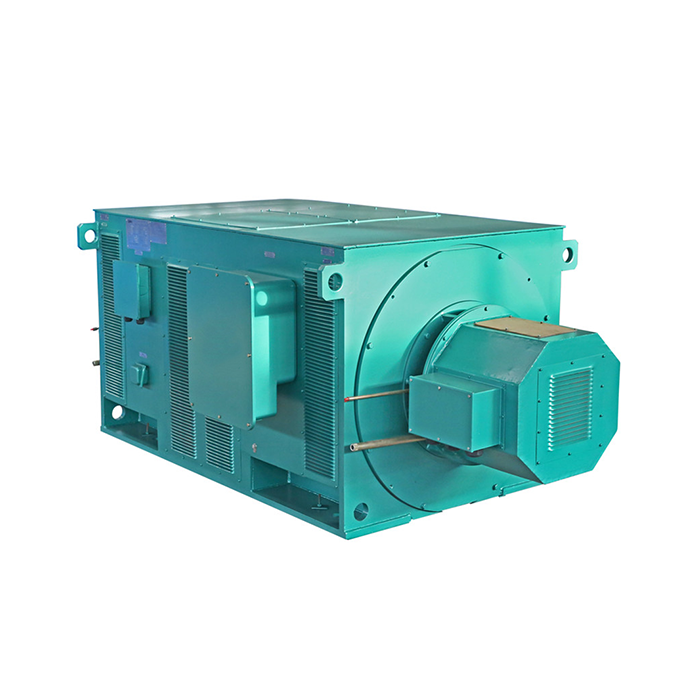
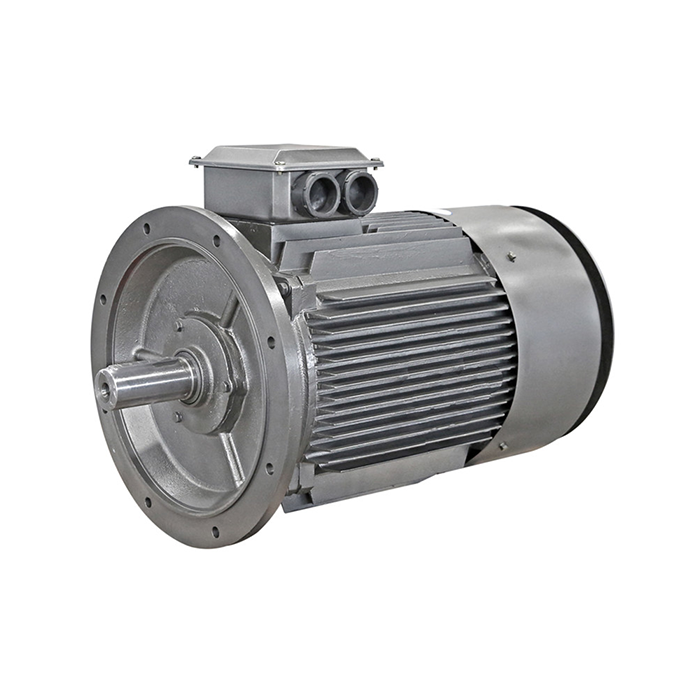
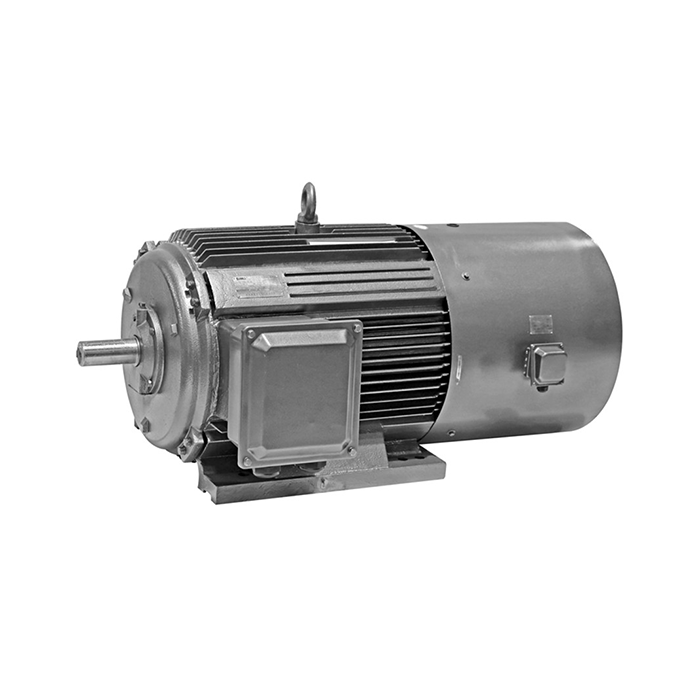
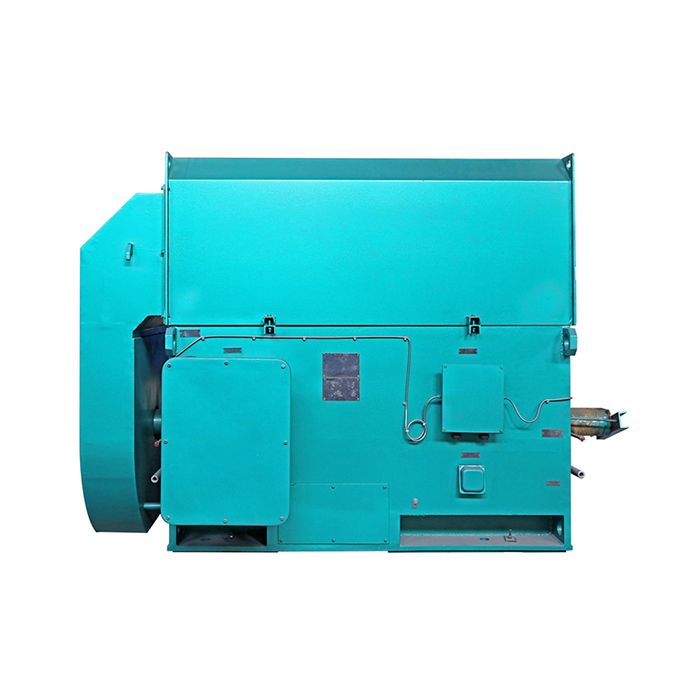
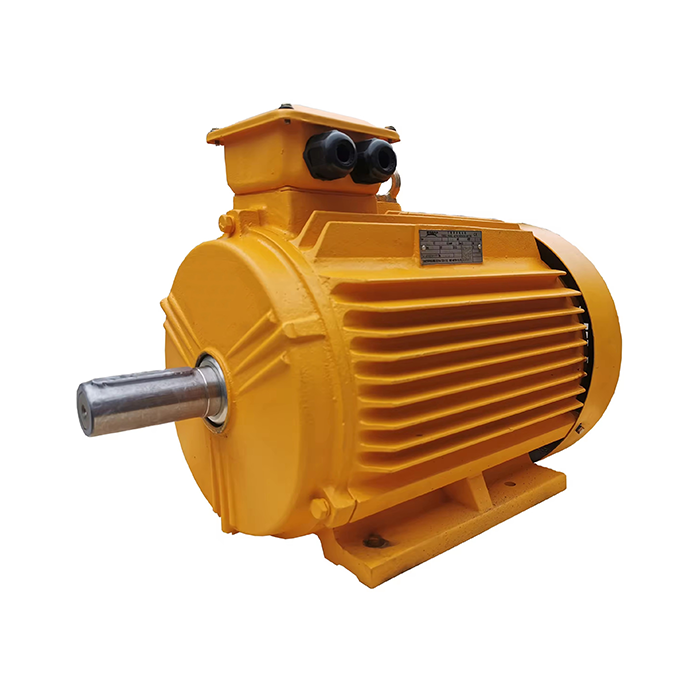
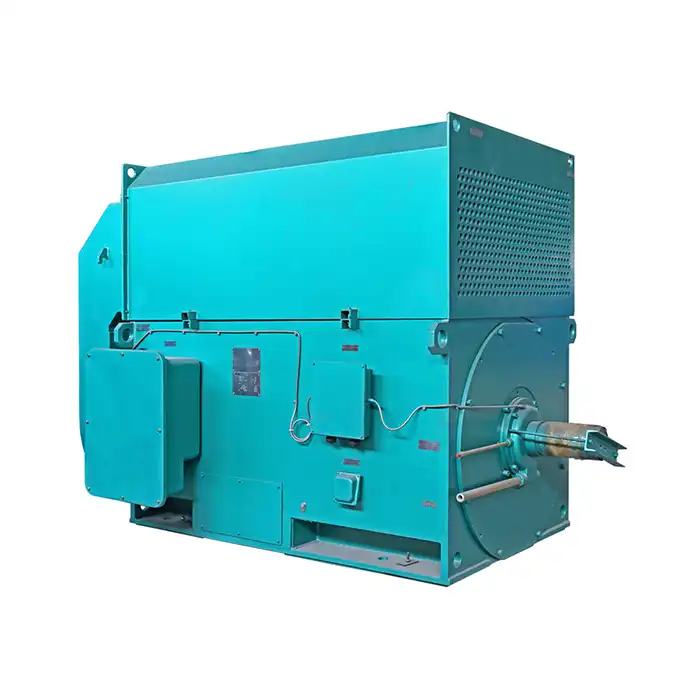
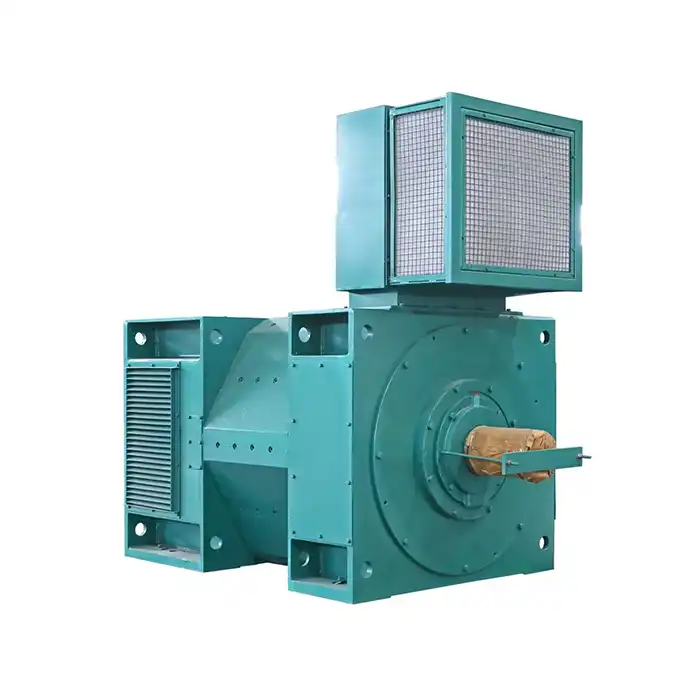
Series:YR-HV
Protection level:IP23
Voltage range:3000V±5%,3300V±5%,6000V±5%,6600V±5%,10000V±5%,11000V±5%
Power range:200-5600 kW
Application:hoist, rolling mill, wire drawing machine.
Advantage:low noise, small vibration, reliable performance, easy installation and maintenance.
Standard: This series of products complies with JB/T10314.1-2002 and JB/T7594 standards.
Others: SKF, NSK, FAG bearings can be replaced according to customer requirements.
Understanding Rotor Imbalance in 6kV Slip Ring Motors
Types of Rotor Imbalance
Three different kinds of imbalance can affect how well a motor works. When the rotor's center of mass isn't lined up with its rotational axis, a static imbalance happens. This makes the heavy spot spin downward when the rotor is still. Dynamic imbalance happens when the mass of the rotor is not spread out evenly along its length. This makes forces act in different directions while the rotor is turning. Couple imbalance makes both effects happen at the same time, creating complicated vibration patterns that make it hard to figure out what's wrong.
In big industrial settings, like mines and steel mills, it's important to know about these types of imbalances to keep equipment running smoothly. A 6kV slip ring motor that powers a conveyor system could have a static imbalance because of dust buildup, and temperature cycles in a mill could cause a dynamic imbalance because of differential expansion.
Critical Rotor Components
The spinning shaft is like a backbone; it transfers mechanical energy and keeps everything in the right place. Rotor bars, also called windings, carry electricity, and the balance is directly affected by how evenly they are spread out. Electrical connections to outside circuits are made by slip rings that are mounted on the shaft. If they are attached unevenly, the system becomes unbalanced. Bearings hold the spinning unit together, and worn bearings make imbalance problems worse instead of fixing them.
Motors made today that use SKF, NSK, or FAG bearings are better at resisting stress caused by instability. These high-quality bearing systems can handle higher levels of vibration for a short time, but they can't fix the fundamental rotor imbalance forever. When procurement teams look at motor specs, they should see how the rotor parts fit together during production. This is because precise assembly stops many balance problems before they happen.
Root Causes of Rotor Imbalance in 6kV Slip Ring Motors
Assembly and Material Factors
Rotor balance quality is directly affected by the limits of the parts used in their production. When rotor bars are pressed into lamination slots, uneven pressure can move the mass center and move the material around. When slip rings are welded to the shaft, they can cause localized melting that changes the shape of the material and causes an unbalance. During winding, quality control procedures must make sure that the copper wire is spread out evenly across all of the rotor poles.
When they are made, motors that meet the standards of JB/T10314.1-2002 and JB/T7594 are carefully balanced. In this process, the vibrations of the rotor are measured, and to achieve balance, material is added or taken away at certain points. When manufacturers use precision-balanced blades, vibrations are reduced from the start. This puts less stress on the bearings and, with proper upkeep, extends the life of the machine beyond 20 years.
Mechanical Wear Over Time
Motors, including the 6kv slip ring motor, are exposed to conditions in their working environments that gradually throw off the balance of the rotor. In cement plants, abrasive dust wears away rotor surfaces unevenly, taking material from places where airflow is greater. Corrosion from chemical exposure in petrochemical plants hurts rotor parts unevenly, especially where protective coatings have worn away. Thermal cycling, which happens when something starts and stops many times, causes it to expand and contract, which can loosen parts or make tiny cracks.
Wear on the bearings makes these problems worse by letting the shaft move more, which makes the noises from a mismatch worse. When bearings get loose, the rotor can't keep its exact horizontal position while it's turning. This eccentric motion adds to the dynamic forces that speed up the wear on slip rings and brushes, which could cause electrical problems along with mechanical wear.
External Influences and Installation Issues
When you put something incorrectly, you create a mismatch that wouldn't exist if you did it right. When the motor and the equipment it drives are not lined up properly, the shafts create side loads that bend the rotor slightly and change how its mass is distributed. When there are quick changes in load or crashes between pieces of equipment, mechanical shocks can forever deform rotor parts or knock off connected parts like balancing weights.
Foundation problems are a big part of how imbalanced things seem to be. If the fixing surface is soft or uneven, the motor can move, which makes the signs of rotor imbalance stand out more. Before turning on high-voltage motors, installation teams must make sure the foundation is rigid and the motors are aligned correctly. Fixing these problems after installation is expensive and takes a lot of time.
Consequences of Rotor Imbalance on Motor Performance and Operational Efficiency
Energy Penalties and Design-Specific Vulnerabilities
Rotor imbalance causes too much vibration, which wastes energy that could be used to do work. To get past the resistance caused by vibrations, the motor has to produce more electric force, which increases power usage in a way that can be measured. In places with a lot of motors, this loss of efficiency is spread out over all the machines, which makes the cost of electricity go up a lot over time.
When you look at wound-rotor designs next to squirrel cage options, you can see how they work differently. Even though a 6kV slip ring motor has better starting torque control, it is more severely affected by imbalance because the rotor has more parts that can go wrong. But because the performance can be changed by changing the external rotor resistance, these motors are essential for uses that need to operate at different speeds.
Accelerated Component Degradation
Rotor imbalance has the most direct effect on bearings. Vibrations cause loads to change directions that are too big for the design limits, which wears out bearing races and rolling elements too quickly. As metal wears down, microscopic cracks appear, which finally lead to spalling and total bearing failure. It takes a long time to change the bearings on a 2000-kW motor in a steel mill, which throws off production schedules and costs a lot of money.
When there is vibration, slip rings and brushes wear out faster. Stable geometry is needed for these parts to make mechanical touch with each other. When motions cause relative motion, arcing gets worse and carbon brush material wears away quickly. This faster wear causes more electrical resistance and can create hot spots that hurt the rotor windings. Maintenance teams usually find these issues during unplanned shutdowns, when it's hard to do full repairs because of the pressures of production.
When vibrations damage the sealing surfaces on motor parts inside, the seals that protect them stop working as well. The motor case gets contaminated, which damages the windings and electrical insulation. Many industrial motors have an IP23 grade, which means they are mostly protected against solid items and water. However, when seals fail because of vibration damage, water can still get in.
Safety and Compliance Risks
Industrial safety standards set limits on vibration that motors that aren't balanced often go over. People working near equipment are put in danger when there is too much vibration because parts can come loose and become projectiles. During regulatory checks, equipment may have to be shut down if vibration levels are higher than what is allowed. This can lead to emergency repair that uses up a lot of resources.
A lot of the time, warranty coverage leaves out damage caused by poor upkeep or using the product in a way that isn't recommended. If vibration analysis shows that the rotor imbalance was caused by poor upkeep rather than flaws in the manufacturing process, guarantee claims may be turned down. This means that operations have to pay for the full cost of repairs and lose production while the equipment is down.
Total cost of ownership, not just the initial purchase price, is becoming a bigger part of global B2B purchasing decisions. Motors that have problems with imbalance have hidden costs because they are less reliable and need to be serviced more often. To make accurate predictions about long-term performance, engineering teams that are comparing competing equipment must look at the quality control procedures and balance verification protocols used by the manufacturers.
Proven Methods and Best Practices to Detect and Correct Rotor Imbalance
Multi-Tool Diagnostic Approaches for Accurate Fault Identification
Identifying a mismatch begins with vibration analysis. Portable testers measure bearing housing vibrations. This helps distinguish rotor imbalance patterns from misalignment or bearing deterioration. Overtones indicate further issues, and spectrum analysis indicates the primary vibration frequencies. A mismatch generally creates prominent indications at rotational speed (1X RPM).
Advanced testing techniques employ several tools to fully understand the issue. Laser shaft alignment devices keep coupling links in form, eliminating one instability cause. Thermal imaging reveals hot patches on motor housings that indicate rotor contact friction or slip ring issues. Condition monitoring systems track vibration patterns and alert maintenance personnel to sluggish imbalances.
Balancing Procedures
Static balance is good for narrow wheels like those in small motors or fans because it spreads out the mass in a single plane. The rotor is balanced on horizontal wheels or a balancing mandrel, and weight is added or taken away at certain angles until the heavy spot can't turn downward anymore. This method works well for situations where the ratio of rotor length to diameter stays low.
Dynamic balancing fixes imbalances in several directions at once, which is important for medium and large motors like the 6kv slip ring motor with longer blades. In a balancing machine, the rotor spins while sensors at both ends measure how much it shakes. The software figures out the corrective weights and angles, which usually need to be changed in two directions. Precision balancing gets rid of any remaining instability to a level measured in thousandths of an ounce-inch. This makes the machine run smoothly at speeds from 500 to 3000 RPM.
As a standard quality control step during production, motors are balanced. Every rotor unit made by a good company is balanced both statically and dynamically, and the results are checked by running the machine under load. This strict method is built into our production process, and every motor that leaves our plant meets strict vibration standards. Testing procedures make sure that the equipment works well before it is packed up, which gives customers confidence in its dependability.
Preventive Maintenance Strategies
Vibration monitoring that is done on a regular basis finds imbalances before they become problems. Every month, measurements are taken to set standard trends, and any big changes are looked into in more detail. Trending analysis shows if changes happen slowly, which means normal wear, or quickly, which means something like a mechanical shock or a part coming loose.
Proper shipping and storage may prevent imbalance-causing damage. Rotors should only be lifted at their proper places, not by slip rings or shaft extensions. Climate-controlled storage eliminates corrosion that might upset equilibrium. According to the manufacturer, the foundation must be level, sturdy, and have adequate time to cure the grout before installation.
These techniques are useful because they can be used in the real world. A mining company that had a lot of bearing failures on conveyor drive motors started doing vibration surveys every three months. Analysis showed that three units were becoming imbalanced, which allowed for preventative rebalancing during planned repair times. This stopped sudden breakdowns that used to stop production for an average of 12 hours each time they happened.
The results for companies that make cranes for ports and factories are about the same. When rotors in hoist motors are precisely balanced, the bearings last 40% longer than when balance wasn't checked. In these situations, controlled acceleration and braking work best with a smooth rotor, because vibrations during load placement are bad for safety and accuracy.
Choosing and Procuring High-Quality 6kV Slip Ring Motors to Minimize Imbalance Risks
Supplier Reliability and Post-Sale Support as Critical Differentiators
Motor dependability and balancing quality depend on supplier reputation. Established manufacturers maintain manufacturing standards by establishing processes and educating workers. Quality assurance systems evaluate incoming supplies, test goods throughout production, and check again before shipping. ISO 9001:2015 accreditation indicates a commitment to systematic quality management, but it doesn't guarantee superior products.
Reliable suppliers go beyond doing business with you to provide after-sales support. Technical assistance during installation prevents frequent blunders that might create system imbalances. Before starting service, commissioning services check equipment for proper setup and operation. Ongoing assistance answers operational issues, preventing problems from worsening and triggering breakdowns.
Evaluating Technical Specifications
The quality of a motor's assembly impacts its balance and durability. High-quality copper windings carry electricity well and are stable, so electromagnetic forces don't bend them. Heavy-duty cast iron frames can withstand tough conditions without warping or distorting the bearing alignment or rotor balancing. The insulation class of F or H suggests it can withstand more heat than usual, thus it will perform dependably in harsh settings.
Specifications for rotor design should be carefully looked over. Precision-balanced wheels naturally lower vibrations, which increases the life of bearings and lowers the need for upkeep. Advanced bearing systems that use high-quality names like SKF, NSK, or FAG can handle more weight and wear better. The cooling method, like IC01, changes how heat is managed and whether changes in temperature can affect balance over time.
Protection class scores show how well something works in a certain setting. IP23 motors can handle solid items bigger than 12 mm in diameter and water spray, so they can be used in many indoor industrial settings. Higher ratings are needed for applications that are used in harsher conditions, but extra security can make it harder to do upkeep tasks like balancing.
Procurement Considerations
Lead time affects project scheduling and tools. Standard motors with 3.3kV, 6kV, 6.6kV, 10kV, or 11kV voltage and 200kW to 5600kW power require 8 to 12 weeks to ship. Custom configurations with unique features extend this timetable, so start engaging with suppliers early in planning.
Warranty coverage reflects the manufacturer's product dependability confidence. Full warranties on materials, craftsmanship, and performance cover unexpected issues. Knowing the warranty's exclusions helps firms maintain their tools' coverage. Balancing by an unlicensed person may invalidate the warranty. This is why manufacturer-approved maintenance matters.
Customization allows motors to be tailored to particular applications. Voltage tolerances of ±5% enable power supply adjustments without requiring voltage regulation equipment. Most commercial usage need speeds between 500 to 3000 RPM, however custom speeds may be created. Mounting, shaft size, and accessories like encoders and brakes may make various motors work in different settings.
Our motors are reliable in mines, cement factories, steel mills, water pumping stations, paper mills, and chemical facilities. Follow JB/T10314.1-2002 and JB/T7594 to ensure your work is compliant with global engineering techniques. These motors are quiet, vibration-free, and simple to maintain, making them ideal for demanding settings.
Hoists, rolling mills, and wire drawing equipment benefit from wound-rotor designs. The controlled current inrush and high starting power protect the electrical system during device startup. External rotor resistance allows motor speed adjustment without computer controls, improving the process. This reduces installation costs and simplifies maintenance.
Conclusion
Rotor imbalance in 6kV slip ring motor installations is caused by differences in how the motor was made, wear and tear from use, mistakes made during installation, and lack of maintenance. When these things come together, they cause movements that lower performance, speed up the breakdown of parts, and raise running costs. Systematic vibration monitoring can find imbalances so that they can be fixed before they cause problems. Correct balancing procedures then restore smooth operation.
From the start, imbalance risks are kept to a minimum by making purchasing decisions based on the reputation of the supplier, the quality of the construction, and the technical specifications. Motors with quality bearings, precision-balanced blades, and strong construction are more reliable in a wide range of situations, from heavy industry to power generation. When engineering teams understand these connections, they can choose equipment that meets both short-term needs and long-term operational goals.
FAQ
1. What are the early warning signs of rotor imbalance in slip ring motors?
The main sign is higher vibration levels, which can often be seen by listening to changes in the motor's sound or touching the housing. As more friction forms from loads moving back and forth, bearing temperatures may rise. Bearings that last less time or brushes that wear out too quickly are also signs of an imbalance because they are the ones that feel the vibration stress the most.
2. How frequently should motors undergo balance verification?
Most systems that are working normally can handle checks once a year. Harsh settings with a lot of dust, water, or high temperatures should be checked every three months. Monthly vibration trending is helpful for critical uses where mistakes cost a lot of money in lost production. Portable testers make it possible to do regular checking without having to take long breaks.
3. Can field balancing match factory balancing precision?
Results that are close to factory standards are achieved by skilled technicians using high-quality tools. For factory balancing, on the other hand, the rotor is taken off and put on special machines, which lets the measures and adjustments be more accurate. Field balancing evens out the rotor inside the built motor. To do this, it is sometimes necessary to fix problems with the base in addition to balancing the rotor itself.
Partner with a Trusted 6kV Slip Ring Motor Supplier
XCMOTOR specializes in providing high-performance 6kv slip ring motor units that are designed to reduce the risk of unbalance and increase working uptime. During the whole manufacturing process, our precision-balanced rotors are put through a lot of quality checks to make sure they stay well within industry standards for vibration levels. We offer solutions that are custom made for your application needs, with power sources ranging from 200kW to 5600kW and voltages of 3.3kV, 6kV, 6.6kV, 10kV, and 11kV. Our heavy-duty cast iron frames can handle the roughest industrial settings, and our high-quality bearings from SKF, NSK, or FAG last longer. Get in touch with our expert team at xcmotors@163.com to talk about your project needs and find out how our motors can help you run more reliably.
References
1. Bently, Donald E., and Charles T. Hatch. Fundamentals of Rotating Machinery Diagnostics. Bently Pressurized Bearing Press, 2002.
2. Scheffer, Cornelius, and Paresh Girdhar. Practical Machinery Vibration Analysis and Predictive Maintenance. Newnes, 2004.
3. Bonnett, Austin H. Root Cause AC Motor Failure Analysis. IEEE Press, 2000.
4. Wowk, Victor. Machinery Vibration: Balancing. McGraw-Hill Professional, 1995.
5. Mitchell, John S. Introduction to Machinery Analysis and Monitoring. PennWell Books, 1993.
6. Rao, J.S. Vibratory Condition Monitoring of Machines. Alpha Science International, 2000.