



6600V Motor for Oil and Gas: Performance and Safety Guide
When you are managing important activities in oil and gas facilities, the dependability of your equipment directly affects productivity and safety. The 6600v motor is a reliable high-voltage option designed to power critical equipment including compressors, pumps and drilling systems in challenging situations. These motors give efficient and durable performance across power levels from 200kW to 6300kW ensuring continuous operation. Being able to choose, maintain and optimize these motors may lead to a considerable reduction in downtime, and improve worker safety and operational cost-efficiency.
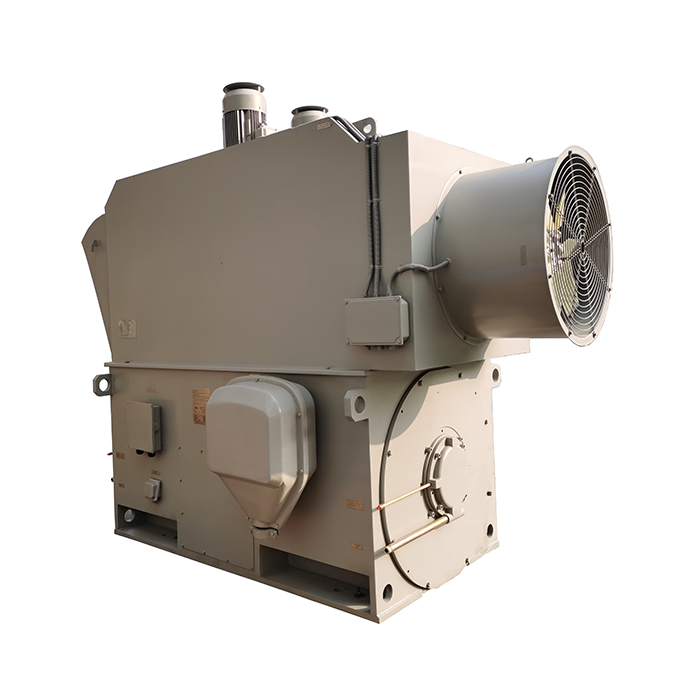
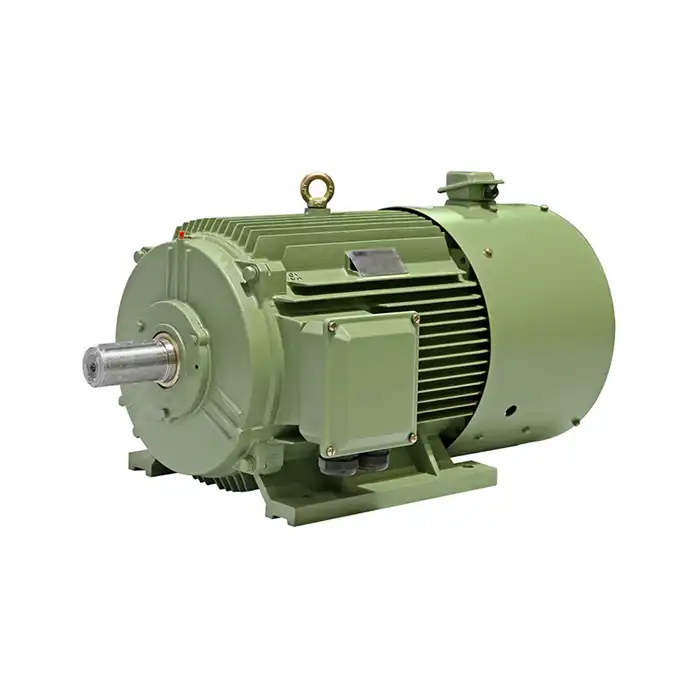
Series:YPKK
Protection level:IP54
Voltage range:3000V±5%,3300V±5%,6000V±5%,6600V±5%,10000V±5%,11000V±5%
Power range:200-6300 kW
Application:fans, water pumps, compressors, crushers, cutting machine tools, transportation machinery, etc.
Advantage:low noise, low vibration, long service life, easy installation and maintenance.
Standard: This series of products complies with JJB/T12730 and JB/T12729 standards.
Others: SKF, NSK, FAG bearings can be replaced according to customer requirements.
Understanding 6600V Motors in Oil and Gas Applications
What Makes 6600V Motors Essential for Energy Operations
The advantages of using 6600 volt high voltage motors against lesser voltage units for large industrial applications are obvious. Unlike low-voltage systems, the 6600v motor slows down the flow of electricity. This implies smaller conductors, less heat generated, and less energy wasted throughout distribution networks. In many cases this voltage class matches conventional industrial power grids so you can connect straight without having to acquire costly equipment to modify the voltage.
In oil and gas plants, these motors often drive rotary pumps that transfer crude oil through pipelines, reciprocating compressors that process natural gas and large ventilation fans that keep the air safe. Higher voltages, lower currents. Less copper lost. This improves the overall efficiency of the system , which is more crucial as power demands grow.
Core Technical Specifications You Should Know
Our high-voltage motors operate at 3000V±5% to 11000V±5%. This implies they can be utilized with many power standards and applications. The overall power is from 200 KW to 6300 KW and the speed of spinning is from 500 RPM to 3000 RPM dependent on frequency and pole design.
The IP54 protection level prevents dust and water splashes, which is crucial for outdoor installations and buildings where drilling fluids or industrial chemicals may be present. The insulation is Class F, Class H is available for applications with a high temperature or harsh thermal conditions. These motors also comply with worldwide IEC 60034 standards and CE marking requirements. JB/T12730 and JB/T12729 standards also apply.
Motor Types and Operational Principles
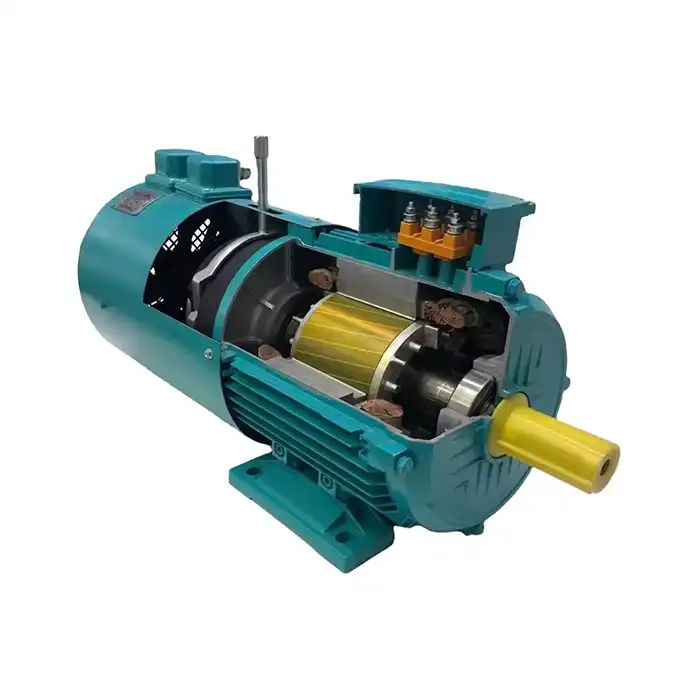
Most oil and gas applications use squirrel-cage induction motors because they are tough and don't need much maintenance. The copper rotor bars and end rings in these motors are precisely machined to improve conductivity while minimizing energy waste. The cast frame is very strong and doesn't easily break from the vibrations and mechanical stress that are common in heavy industrial settings.
The ways we manufacture things now are much more dependable. The automatic wrapping operations ensure that the coils are constantly in the same position and under the same tension. The VPI (Vacuum Pressure Impregnation) process thoroughly fills the insulating materials, therefore removing the voids which might cause premature failure. All units go through a rigorous quality control, safety inspections and performance testing before they are dispatched so that they operate the same in any tough field situations.
Performance and Efficiency Optimization for 6600V Motors
Key Performance Indicators That Drive Operational Success
Ratings for efficiency have a direct effect on how much the motor costs to run over its lifetime. At full load, modern high-voltage motors are more than 95% efficient, which means that almost all of the electrical energy goes into waste heat instead of useful mechanical work. Power factor, which is usually between 0.85 and 0.92, affects how much reactive power is needed and the overall capacity of the electrical system.
How well motors handle different loads depends on their torque features. In pumps and compressors, starting torque has to get past the initial resistance, and pull-up torque makes sure that acceleration happens through critical speed ranges. To keep the motor from stopping when there are sudden increases in load, breakdown torque is set to a certain level. By knowing these parameters, you can more accurately match the motor's capabilities to the needs of the application.
Practical Maintenance and Energy-Saving Measures
Preventive maintenance keeps motors running at their best and extends their life. As part of regular reviews, you should look for signs of burning, strange vibrations, or bearing noise. Insulation resistance testing with megohm meters finds winding insulation that is wearing down before it fails. This lets repairs be planned ahead of time instead of having to be done quickly.
How to oil a 6600v motor relies on the kind of bearing and the conditions in which it is utilized. Customers may pick high quality bearings from SKF, NSK, FAG, etc. according to their demands. These bearings are more dependable and need less maintenance. Proper lubrication reduces friction losses and prevents premature bearing failure, which is one of the primary causes of motor failure.
If it's hot outdoors, pay particular attention to the maintenance of your cooling system. Ensure the cooling fins are clean and clear of obstructions and verify that the cooling fans are working properly. For certain installations there are additional cooling systems or heat exchangers if the outside temperature is greater than expected.
Comparing Voltage Classes for Informed Procurement
Choosing between voltage classes means weighing a lot of different factors. Lower voltage systems (380V–690V) work well for smaller power needs and have easier control systems. However, they can't be used for power needs above 500kW because they need too much current. Mid-range voltages (3300V to 4160V) are a good starting point, but 6600v motors are usually more cost-effective for large installations because they work better with old infrastructure and use less conductor.
Higher voltages (10kV and 11kV) lower current and line losses even more, but they need more complex equipment and repair skills that are unique to that voltage. The 6600v motor is the best choice for many oil and gas uses because it is very efficient without the extra complexity of ultrahigh voltage systems.
Safety Considerations and Maintenance for 6600V Motors
Managing Electrical Risks in Hazardous Environments
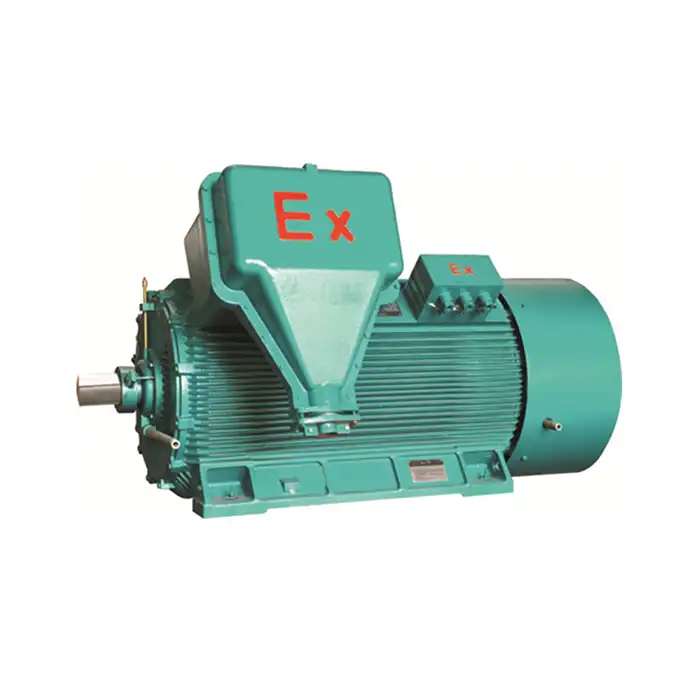
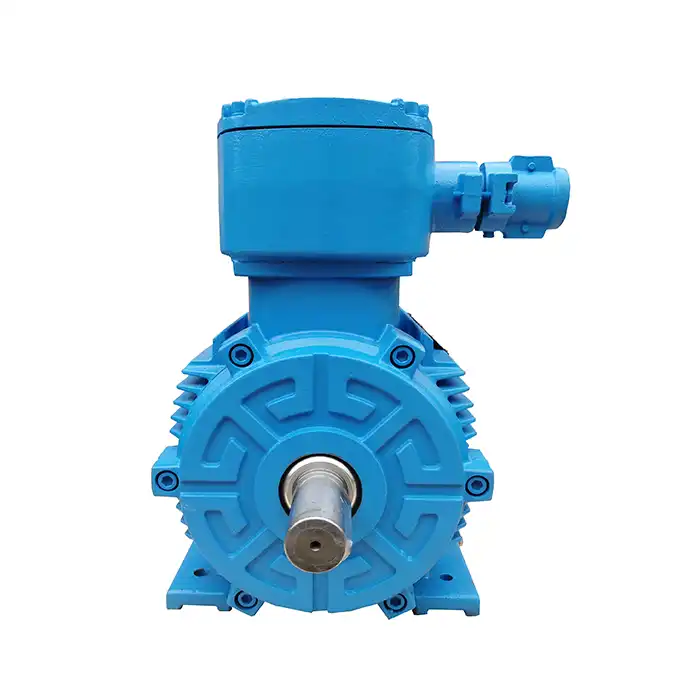
Often, oil and gas facilities have dangerous vapors, combustible dusts, or exploding atmospheres that need special tools to work in. Motor designs that are explosion-proof have parts that keep fire sources inside the motor casing. Flame-proof housings can handle internal blasts and keep the event contained, and higher safety designs stop arcing or surface temperatures from getting too high when the device is working normally.
Motors must meet strict safety standards for classified hazardous locations by following ATEX (European) and IECEx (international) rules. These certifications include a lot of testing and paperwork, which gives people faith that the tools will work safely in certain dangerous areas. When looking for motors, make sure that the qualifications of the suppliers meet the area classification needs of your building.
Proactive Maintenance Practices That Extend Service Life
Scheduled inspections are part of comprehensive maintenance programs. These are done at set times based on operating hours or the calendar. Before they break, thermal imaging can find hot spots that are growing and could mean that there are problems with the bearings, the windings, or the electrical connections. Vibration analysis uses characteristic frequency patterns to find mechanical problems like imbalance, wobble, or worn-out bearings.
The insulation resistance should be tested on a regular basis to monitor the condition of the coils in the 6600v motor over time. If resistance levels are seen to decrease, this indicates moisture ingress or insulation failure and should be investigated. If the megohm number is less than the number recommended by the producer, the windings must be cleaned, dried or reinsulated before the motor may be used again.
Using OEM replacement parts keeps efficiency and dependability at a high level. Aftermarket parts may look the same, but they are often made with lower-quality materials or less precise manufacturing tolerances, which means they are less efficient, last less long, or break down early. Genuine substitute windings, high-quality bearings, and oils that are the right specification all help to keep the original design's integrity.
Structured Safety Programs Reduce Operational Risks
Accidents and uptime have increased at facilities with sophisticated automobile safety measures. Written repair instructions, uniform inspection plans, structured record-keeping, and technician training are typical. Lockout/tagout standards, PPE requirements, and emergency action plans keep people safe and technology operating.
Keeping track of past maintenance gives you useful information for figuring out the best service times and figuring out when to repair parts. Digital maintenance management systems make keeping records easier and allow trend analysis, which finds long-term issues that need engineering solutions instead of being fixed over and over again.
Making the Right Procurement Decision for 6600V Motors
Evaluating Technical Requirements for Your Application
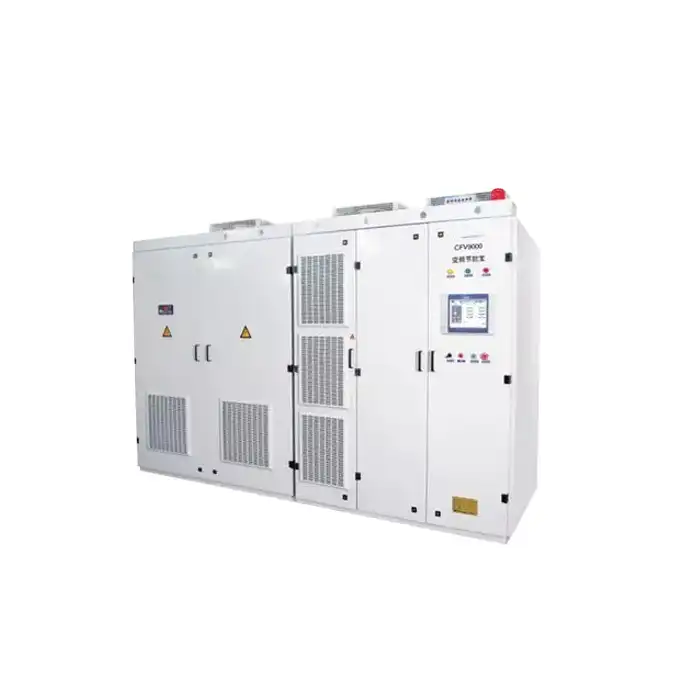
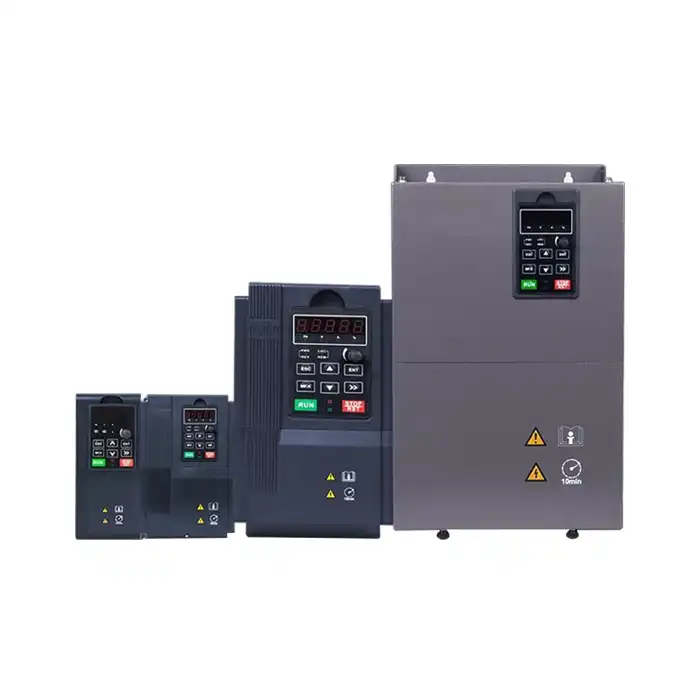
To choose the right motor, you must first fully understand what the product needs. Figure out how much power is needed by taking into account the features of the driven equipment, the process conditions, and the effects of elevation on motor cooling. Think about whether operating at a variable speed offers operational benefits that make it worth adding a variable frequency drive.
Environmental factors have a big impact on decisions about specifications. Extremes in temperature and humidity, altitude, and contact to toxic substances can all affect how well and how long a motor works. Most industrial settings are protected by IP54 or IP55, but marine or offshore installations may need extra measures to prevent corrosion.
Duty cycle classification is very important. Intermittent-duty motors are meant to work for shorter periods of time with breaks for cooling, while continuous-duty motors are meant to work 24 hours a day, seven days a week. Matching job class to real working patterns stops problems before they happen and gets the most out of capital investment.
What to Look for When Assessing Suppliers
Reliable suppliers have a lot of technical knowledge and help customers make decisions during the selection process instead of just filling orders. Look for companies that have well-established quality management systems, clear specifications, and well-documented testing procedures. Following international standards, such as IEC 60034 and CE marking, shows dedication to well-known quality standards.
Warranty coverage for the 6600v motor shows that the company that made the product trusts it to work well. Standard 12-month warranties from the date of shipment or installation are enough to protect most products, but some manufacturers offer longer warranties for higher-end products. Make sure you understand the guarantee's exclusions, reaction times, and how to make a warranty service claim.
Support services after the sale are what set excellent suppliers apart from average ones. Check to see if technical support is available, if field service is possible, and if there is an inventory of spare parts. When maintenance or fixes need to be done, suppliers who keep regional service centers and replacement parts in stock reduce downtime. Being able to offer installation, commissioning, and training services on-site is very helpful, especially for complicated installations or places that don't have a lot of in-house expertise.
Building Partnerships with Trusted Manufacturers
Building ties with trustworthy manufacturers provides long-term value that goes beyond single purchases. When you work with the same sources over and over, they get to know your needs and can make more accurate suggestions for future jobs. When you buy a lot of something, you might be able to get better prices, faster delivery, or more customization options that only occasional buyers can get.
Check with possible suppliers for manufacturing capacity and lead times that fit your project timetable. Wait periods vary by requirements and order volume, but are usually 8–12 weeks. Plan ahead to manage rush orders. Custom designs, such as customized mounting arrangements, shaft configurations, or environmental protection, increase shipment delays but improve system integration.
Procurement Process and After-Sales Support for 6600V Motors
Best Practices for Online Sourcing and Vendor Verification
Modern procurement involves increased online supplier research and price requests. Check business criteria including firm registration, manufacturing facility location, and certifications when considering digital providers. Genuine producers will provide technical documentation, test records, and quality certificates upon request.
Request complete prices that include the motor, mounting hardware, paperwork, delivery choices, and warranty conditions. Uncertain quotes might cause misunderstandings and unexpected charges. Clear specifications prevent arguments and ensure equipment matches expectations.
Communication attention indicates service quality early on. Answering technical inquiries swiftly and accurately demonstrates that suppliers care about customer service, which may continue throughout the business relationship. A real desire to understand client requirements and give the correct solutions trumps language, time zone, and cultural hurdles.
Pricing Considerations and Negotiation Strategies
The price of a 6600v motor depends on many things, such as the cost of raw materials, the difficulty of making it, the need for tests, and the cost of getting it certified. Higher-specification units, like those with better efficiency classes, luxury bearing packages, or better insulation systems, cost more, but they're worth it because they last longer or cost less to run.
When you buy in bulk, you have more power to negotiate better terms for the 6600v motor. When needs from several facilities or projects are combined into one bigger order, the unit price is usually better, and payment terms or shipping plans may also be better. Long-term supply agreements keep prices stable and reassure suppliers that they will continue to do business with the same company.
Total cost of ownership extends well beyond initial purchase price. Energy efficiency has a direct effect on operating costs for the entire life of the motor, which is usually between 15 and 25 years in well-kept installations. A motor that uses 2% less electricity but costs 10% more usually pays for itself in the first few years of use, when it saves money on electricity costs.
The Critical Role of After-Sales Support Networks
Strong after-sales help goes from being a nice bonus to being a must-have when equipment breaks down and output schedules are at risk. When a component fails, suppliers who keep a large inventory of spare parts can quickly fix it, but suppliers who need longer lead times for replacement parts cause longer outages.
Having access to qualified field service technicians is helpful for setting up, starting up, fixing problems, and troubleshooting. Some providers have global service networks with experts in different areas who can react within hours, while others only offer factory-based support, which means that customers have to ship their equipment in for repairs. Knowing what these services can do before you buy them helps you avoid unpleasant surprises in important situations.
The level of technical paperwork has a big impact on how well maintenance works. Complete instructions with thorough drawings, wiring diagrams, parts lists, and repair guides help facility maintenance teams do regular maintenance on their own while also figuring out when they need to call in a professional. When suppliers give customers detailed paperwork, they can use that information to get the most out of their tools for as long as it works.
Conclusion
It's important to find a balance between technical specifications, safety requirements, and operational economics when choosing and maintaining high-voltage motors for oil and gas applications. The 6600v motor design has been shown to be reliable and efficient for running important machinery in tough industrial settings. Facilities can get the most out of their equipment while keeping total ownership costs as low as possible by understanding key performance parameters, putting in place structured maintenance programs, and working with reputable suppliers that offer full support. Careful consideration of technical needs, supplier abilities, and long-term service support guaranties that decisions about procurement deliver long-lasting value throughout the lifecycle of the equipment. In the demanding energy sector, paying attention to safety standards, licensing requirements, and best practices for repair keeps people safe and keeps assets reliable.
FAQ
1. What maintenance routines extend motor life in oil and gas conditions?
In harsh conditions, preventative maintenance is essential. Monthly visual examinations for burning, odd vibrations, and contamination are recommended. Use megohm meters to evaluate insulation resistance every three months to discover worn windings before they break. Lubricate bearings per manufacturer's directions. This is normally done every 2,000–4,000 hours, depending on circumstances. Every six months, clean and reposition cooling tubes to reduce thermal stress. Thermal imaging and acoustic analysis detect issues before they worsen each year, allowing for scheduled repairs. Maintaining thorough service records helps determine maintenance and part replacement times.
2. How do 6600V motors compare to lower voltage alternatives regarding safety?
When compared to low-voltage tools, higher voltage systems need stricter safety rules and different ways to be handled. The 6600v motor works at voltages that could be fatal, so it needs trained workers, the right lockout/tagout processes, and the right safety gear. But lower current at higher voltages lowers the risk of fire from conductors overheating and makes arc flash hazards less dangerous than in low-voltage systems with the same voltage but much higher currents. When installed and maintained correctly, high-voltage motors that meet safety standards and certifications can be used safely and reliably by trained personnel who follow established safety procedures.
3. What certifications should I verify when choosing suppliers for hazardous locations?
Equipment for identified risky locations must fulfill regional approval criteria. European installations need ATEX certification. In contrast, several nations accept IECEx certification. Buildings in North America must be UL or CSA-certified and have the appropriate Class/Division or Zone ratings. Check the supplier's certificates for the risky site classification you require. Certifications for one zone type don't automatically qualify equipment for others. Ask for certification documentation instead than trusting the source. Make that the certifications are current and cover the specific motor model being purchased.
Partner with XCMOTOR for Reliable High-Voltage Motor Solutions
Shaanxi Qihe Xicheng Electromechanical Equipment Co., Ltd. (XCMOTOR) makes power equipment that is designed to work in tough industrial settings. Our 6600v motor line blends high-tech manufacturing methods with tried-and-true reliability to give oil and gas businesses the efficiency and safety they need. Our motors meet strict technical and safety standards. They have power outputs from 200kW to 6300kW, protection levels of IP54/IP55, and they comply with international standards such as IEC 60034.
We help you with the buying process by giving you quick expert advice, offering low prices, and providing full after-sales service. As a well-known 6600v motor supplier, we keep good relationships with reliable component makers so we can give you high-quality SKF, NSK, or FAG bearings that are made to your exact specs. Our normal wait times of 8 to 12 weeks, explosion-proof options, VFD compatibility, and 12-month warranty show that we care about making our customers happy. You can email our team at xcmotors@163.com or go to motorxc.com to talk about your specific needs and get quotes that are tailored to your application.
References
1. Chapman, Stephen J. Electric Machinery Fundamentals, 5th Edition. McGraw-Hill Education, 2012.
2. Bonnett, Austin H. and Soukup, George C. "Cause and Analysis of Stator and Rotor Failures in Three-Phase Squirrel-Cage Induction Motors." IEEE Transactions on Industry Applications, Vol. 28, No. 4, 1992.
3. Finley, William R. and Hodgson, Mark M. "Practical Application Considerations for Induction Motors Operating on Adjustable Frequency Drives." Petroleum and Chemical Industry Technical Conference, IEEE, 2000.
4. National Electrical Manufacturers Association. NEMA Standards Publication MG 1-2016: Motors and Generators. NEMA, 2016.
5. International Electrotechnical Commission. IEC 60034 Series: Rotating Electrical Machines - Parts 1-30. IEC Standards, various publication dates.
6. British Standards Institution. BS EN 60079-0:2018: Explosive Atmospheres - Part 0: Equipment - General Requirements. BSI Standards, 2018.