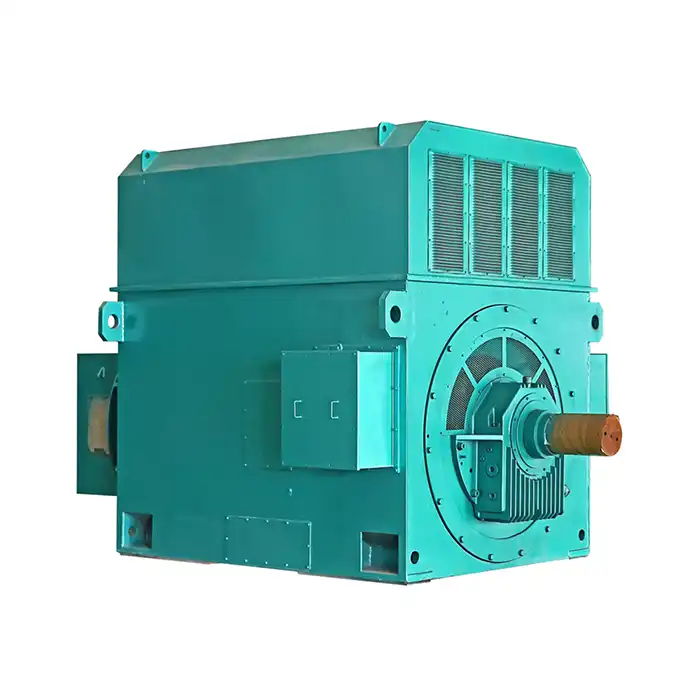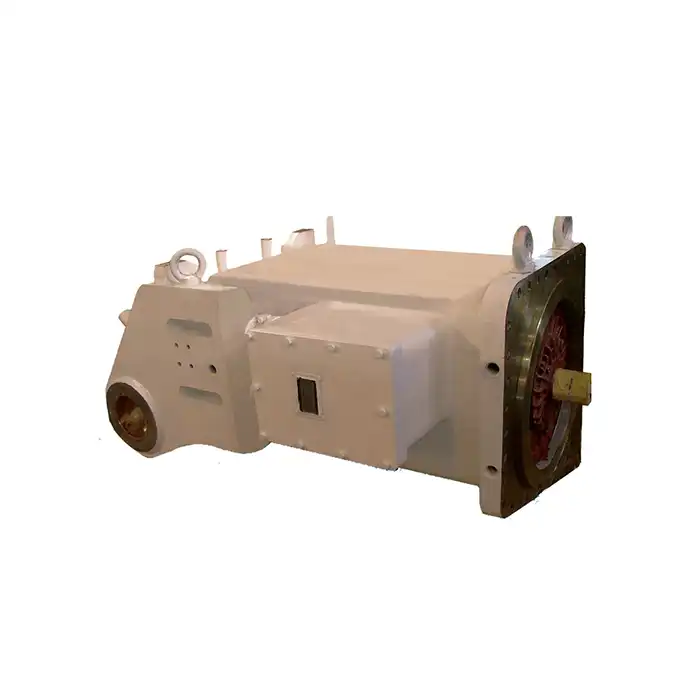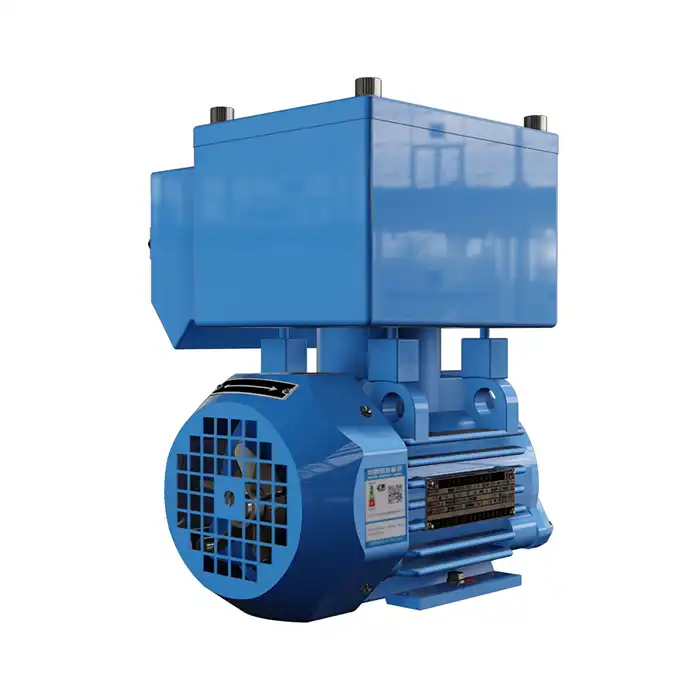




Why Use a 6600V Motor for Industrial Compressors?
When considering power solutions for industrial compressors, the 6600v motor stands out as a practical choice that addresses both performance demands and operational costs. High-voltage motors operating at this level deliver reduced current flow compared to lower voltage alternatives, translating directly into decreased energy losses, smaller cable requirements, and improved overall system efficiency. Industries ranging from oil and gas to water treatment rely on these motors to drive compressors handling air, gas, and refrigerant applications where reliability cannot be compromised.
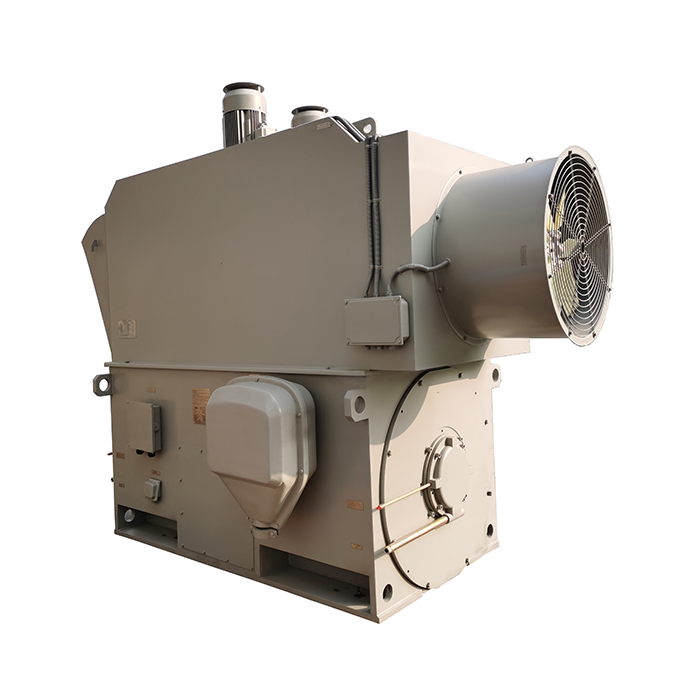
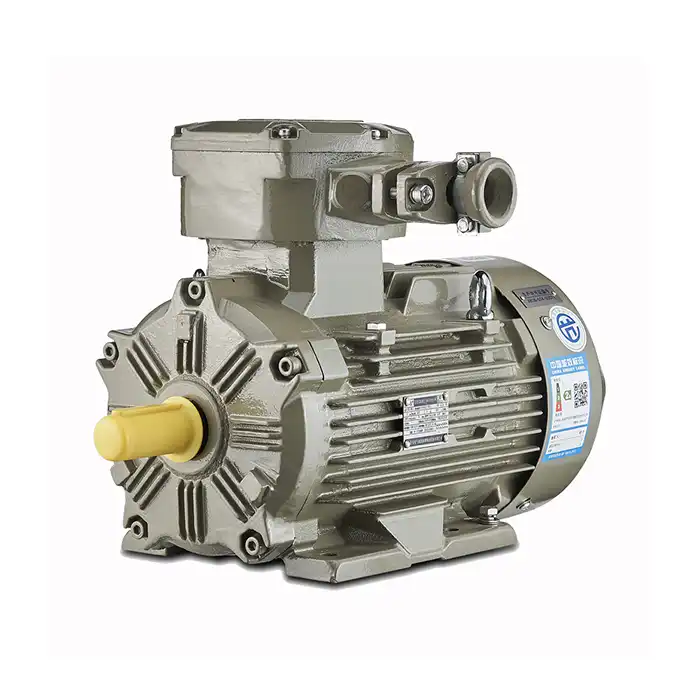
Series:YPKK
Protection level:IP54
Voltage range:3000V±5%,3300V±5%,6000V±5%,6600V±5%,10000V±5%,11000V±5%
Power range:200-6300 kW
Application:fans, water pumps, compressors, crushers, cutting machine tools, transportation machinery, etc.
Advantage:low noise, low vibration, long service life, easy installation and maintenance.
Standard: This series of products complies with JJB/T12730 and JB/T12729 standards.
Others: SKF, NSK, FAG bearings can be replaced according to customer requirements.
Understanding 6600V Motors and Their Role in Industrial Compressors
For long job cycles, industrial compressors need a lot of power to keep working at the same level. High-voltage motors made to work at 6600V provide this power while drawing as little current as possible. This lowers the amount of resistance lost in the electrical system.
What Makes High-Voltage Motors Different
The main benefit of a 6600V motor comes from the way electricity works. Higher voltage operation needs proportionally less current when the power is the same. When it runs on 6600V, a 500 kW motor uses about 44 amps, but when it runs on 380 volts, it uses about 760 amps. This huge drop in current has real benefits all over the installation, from choosing the right size switchgear to the right cable specifications.
We've seen that factories that use these motors report that the temperatures in their electrical distribution systems are significantly lower. High-quality high-voltage motors have precision-machined parts that make sure they run smoothly with little vibration. This helps the bearings last longer and requires less upkeep.
Applications Across Industrial Sectors
There are many industries that use compressors, and each one has its own set of operational challenges. Gas compression equipment in oil and gas facilities is powered by high-voltage motors that work all the time in harsh conditions. Compressed air systems that are driven by strong pumps that can handle dust, water, and changes in temperature are essential for mining. For power plants to work, they need compressor motors that can keep precise control even when the load changes.
The use of high voltage makes water treatment plants more efficient, which lowers the cost of energy for continuous pumping and aeration processes. These motors are used in cement factories to move materials and power air moving systems. They are used by steel mills in blast furnace processes where the flow of compressed air must not stop.
Comparing 6600V Motors to Other Voltage Alternatives
To choose the right power level, you need to know about both the short-term and long-term costs and benefits. Lower power systems may have lower starting equipment costs, but when you look at the big picture, you can see big differences.
Efficiency and Energy Considerations
When voltages are raised, the way electricity goes through industrial processes is completely changed. A 6600V motor needs a lot less current than low-voltage units of the same size. This means that the conductor cross-sections are smaller, the switchgear ratings are lower, and there are lower I²R losses throughout the distribution network.
When attached directly to power sources, our motors have power factors that reach 0.9 and efficiency scores that are higher than 95% at full load. Because of these specs, you can see how much energy you save every month. Our designs use copper rotor bars and end rings to make the conductivity as high as possible while wasting as little heat as possible.
In addition to basic energy efficiency measures, the 6600v motor works well with variable frequency drives, which lets you finetune the speed and save even more energy. Because of this, workers can perfectly match the output of the compressor to the needs of the process, rather than leaving it going at full capacity all the time.
Infrastructure and Installation Factors
Facilities that want to install high-voltage motor systems have to pay more for the equipment they need at first than those that want to install low-voltage systems. The costs of a project go up when you need specialized switchgear, protective relaying, and qualified electrical staff. But these investments pay off because the costs of cables go down, pipe needs go down, and delivery systems get easier to use.
The motors we make come with IP54 protection ratings by default, and IP55 ratings can be added if needed. This makes sure that the motors can work reliably in harsh industrial settings. Class F insulation is standard, and class H insulation is available for uses that need better thermal performance. These types of protection keep out dust and water while keeping performance standards across the temperature ranges that are common in industrial buildings.
Voltage Range Flexibility
Our range of products can handle voltages from 3000V to 11000V, with 3300V, 6000V, 6600V, and 10000V being the most common. This range works for a variety of regional power distribution standards and facility needs. Each voltage level keeps its performance characteristics the same while adapting to the infrastructure that is already in place.
Key Factors in Selecting a 6600V Motor for Industrial Compressors
To match the motor's powers to the needs of the compressor, many scientific and operational factors must be carefully examined. Systematically comparing specifications to application needs is helpful for procurement teams.
Power and Performance Requirements
The load rates on compressors are very different depending on the purpose. Continuous-duty operations need motors that can keep working without getting too hot, while irregular operations may be able to use motors with different duty cycle rates. Our power range, which goes from 200 kW to 6300 kW, covers needs for both small process engines and big industrial systems.
Different types of compressors, from low-speed reciprocating units to high-speed centrifugal machines, can work at speeds between 500 and 3000 RPM. The relationship between motor speed, compressor design, and process needs affects how well the system works and how often it needs to be serviced.
Quality and Construction Standards
Motor construction has a direct effect on how reliable it is and how long it lasts. The frames of our units are made of cast steel, which is very strong and doesn't bend easily under stress. The strong construction can handle vibration loads and keep the internal parts perfectly aligned.
Modern ways of making things, like automatic wrapping and vacuum pressure impregnation, make sure that the insulation is more durable. The VPI process fills in gaps in the insulation around the windings, which makes the dielectric strength and heat conductivity better. Compared to traditional protection methods, this way of making things greatly increases the life of motors.
Bearing Selection and Maintenance Access
Quality bearings are an important part of any motor design. We choose SKF, NSK, or FAG bearings based on the needs of the application and the preferences of the customer. These high-quality bearing brands offer longer service times and reliable repair plans.
Total cost of ownership goes down when design features make installation and upkeep easy. Bearing housings that are easy to get to, simple alignment steps, and clear documentation all help with both the initial installation and ongoing service. Low noise and vibration levels lower the loads on the structure and make the parts last longer in the drive system.
Maintenance and Troubleshooting of 6600V Motors in Industrial Settings
Strategies for proactive upkeep protect capital investments and increase service. Electrical safety must be respected along with best practices for mechanical maintenance when working with 6600V motors.
Scheduled Inspection Protocols
Regular inspections find problems as they start to happen before they lead to unplanned shutdowns. Visual inspections find oil leaks, strange wear patterns, and pollution in the environment. Thermal photography can find hotspots that show electricity faults or mechanical issues. Vibration analysis finds problems with worn bearings, misaligned rotors, and other parts while the machine is still running.
Insulation resistance testing checks the state of the windings and lets you know early on if they are breaking down, which could cause the device to fail. Graphing these measurements over time shows how fast things are breaking down and helps with planning when to do maintenance.
Common Issues and Solutions
Overheating in a 6600v motor is usually caused by not enough air flow, too much load, or an uneven voltage. Most thermal problems can be fixed by making sure there is enough airflow around motor housing and that the source voltage is balanced across all three stages. Insulation usually breaks down because of heat stress, water getting in, or chemical contamination. Keeping the surroundings in good shape and following motor rates can keep insulation from failing too soon.
Too much vibration is usually a sign of worn bearings, an unbalanced rotor, or being out of alignment with the equipment being driven. Problems caused by shaking are kept to a minimum by making sure the bearings are perfectly aligned during installation and replacing them at the recommended times. When we make our motors, they have low vibration levels by design. This makes troubleshooting easier when strange vibrations show up.
Predictive Maintenance Technologies
Modern condition tracking systems keep an eye on the health of motors all the time. This changes the way repair works from being reactive to being predicted. Temperature, shaking, and electrical factors are measured by sensors that send data to analysis systems. These systems find problems weeks or months before they break. This method minimizes the cost of upkeep while increasing the availability of tools.
Procurement and Logistics: Buying 6600V Motors for Industrial Compressors
Getting 6600V motors for industrial compressors requires coordination between technical, financial, and practical areas. To do procurement right, you need to be able to talk to suppliers clearly about requirements, schedules, and support needs.
Supplier Selection Criteria
In order to find suitable motor makers, you need to look at more than just the price. Compatibility and performance are guaranteed by following international standards, such as IEC 60034. The CE mark shows that a product meets European safety and environmental standards that are important for businesses around the world.
Quality assurance methods in manufacturing show how committed a company is to delivering products on time. Before we ship any motor, we test it for performance, make sure it's safe, and check for quality issues. This strict approach makes sure that customers get equipment that meets all the requirements.
Lead Times and Customization
Standard motor configurations usually ship 8 to 12 weeks after an order is confirmed, but this depends on the specifics and amount. Lead times may be longer for custom designs that need unique features. This is why it's important to work with sources early on in the planning stages of a project.
Specialized bearings, changed shaft shapes, unique mounting setups, and protective coatings made for a certain purpose are all customization choices. Our engineering team works directly with customers to make sure that any changes meet the exact needs of the application without affecting performance or reliability.
Technical Support and Service
Full help includes more than just delivering tools. We offer on-site installation help, commissioning services, and training for operators to make sure the machine starts up correctly and works at its best. Technical documentation includes detailed drawings, connection diagrams, and maintenance instructions that help with both setting up the system and keeping it running for a long time.
The warranty lasts for 12 months from the date of arrival or installation, whichever comes first. This protection gives people faith in the reliability of the equipment and makes it clear what the manufacturer is responsible for. After the warranty time is over, our service network is still there to help with repairs, upkeep, and getting parts.
Explosion-proof motor models that are approved for use in dangerous areas meet the needs of the oil and gas, chemical processing, and other industries that work with flammable materials. These specialized units have better sealing, purging, and building features that keep the surrounding atmospheres from catching fire.
Conclusion
High-voltage motors that run at 6600 volts, such as the 6600v motor, have clear benefits for many types of industrial compressor applications. By using smaller cables and distribution equipment, lowering the flow of current makes the system more efficient while also lowering the cost of the infrastructure. Quality of manufacturing, choice of bearings, and insulation systems all have a direct effect on stability and service life. This is why evaluating suppliers is an important part of buying things. Regular maintenance and condition monitoring help equipment last longer and avoid costly unplanned downtime. Carefully matching the motor's capabilities to the needs of the compressor ensures the best performance and return on investment for the entire life of the equipment.
FAQ
1. Why choose a 6600v motor over lower voltage options for compressor applications?
Higher voltage operation lowers the amount of current needed to produce the same amount of power. This lowers resistive losses and makes it possible to use smaller, cheaper wires and switches. Energy efficiency goes up in a measurable way, which means lower operating costs over the life of the motor. When combined with variable frequency drives, exact speed control is possible that isn't possible with fixed-speed options.
2. How do I ensure compatibility between a 6600v motor and existing facility infrastructure?
Make sure that the supply voltage matches the motor's nameplate ratings, within the allowed ranges. Make sure that the choices for the safety relay work well with the motor's features. Make sure there are enough space between high-voltage lines and that grounding devices meet all safety standards. Talk to qualified electrical engineers during the design phase to make sure everything will work together before you buy any equipment.
3. What maintenance practices extend motor service life most effectively?
Major mistakes can be avoided by having regular inspections that find problems early. Motor parts are kept safe by keeping the working conditions right, which includes controlling the temperature, letting air flow, and avoiding contamination. Vibration monitoring finds problems with bearings that need to be fixed. Insulation resistance testing shows how windings are breaking down over time. Following the manufacturer's advice on how often to grease bearings will keep them from wearing out too quickly.
Partner With XCMOTOR for Reliable High-Voltage Motor Solutions
XCMOTOR makes high-performance motors that are designed to work with tough industrial compressors. As a well-known 6600V motor provider, we offer full power equipment options backed by quick expert support and the ability to serve customers all over the world. We have products with power ranges from 200 kW to 6300 kW and voltages from 3000V to 11000V, so we can make sure we meet all of your needs. Every motor goes through a lot of tests to make sure it works reliably even in tough conditions. We offer free delivery, free returns within 30 days, and committed support, even on weekends, so your operations can get help whenever they need it. Get in touch with our team at xcmotors@163.com to talk about your compressor motor needs and get a detailed quote that fits your needs. You can find full technical specs and application help at motorxc.com.
References
1. Chapman, S.J. (2012). Electric Machinery Fundamentals. McGraw-Hill Education, New York.
2. Institute of Electrical and Electronics Engineers (2021). IEEE Standard Test Procedure for Polyphase Induction Motors and Generators. IEEE Std 112-2017.
3. Almeida, A.T., Ferreira, F.J., and Fong, J. (2011). Standards for Efficiency of Electric Motors. IEEE Industry Applications Magazine, 17(1), 12-19.
4. Nailen, R.L. (2005). Why Medium-Voltage Motors Make Economic Sense. Electrical Apparatus, 58(9), 24-27.
5. Bonnett, A.H. and Soukup, G.C. (1992). Cause and Analysis of Stator and Rotor Failures in Three-Phase Squirrel-Cage Induction Motors. IEEE Transactions on Industry Applications, 28(4), 921-937.
6. International Electrotechnical Commission (2017). Rotating Electrical Machines - Part 1: Rating and Performance. IEC 60034-1:2017.