



Choosing a 12 Swing Check Valve for Industrial Piping
When selecting flow control components for municipal water treatment or pumping station projects, choosing the right 12 swing check valve can determine whether your system runs smoothly or faces costly downtime. This component prevents reverse flow in piping systems, protecting expensive pumps and compressors from damage while maintaining operational efficiency. The decision involves evaluating material compatibility, pressure ratings, flange standards, and certification requirements that align with international project specifications. Our guide walks procurement managers and piping engineers through the technical considerations, helping you source valves that meet both performance demands and budget constraints for projects spanning from Middle Eastern desalination plants to Southeast Asian wastewater treatment facilities.
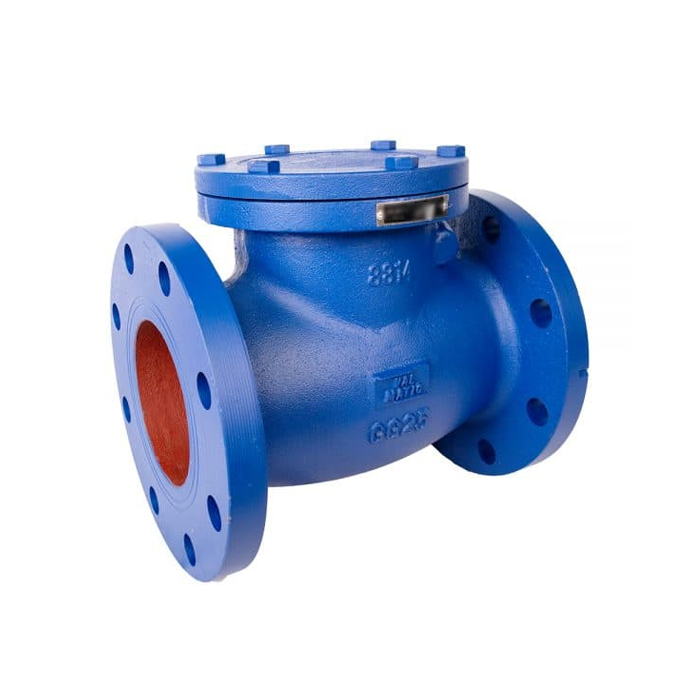
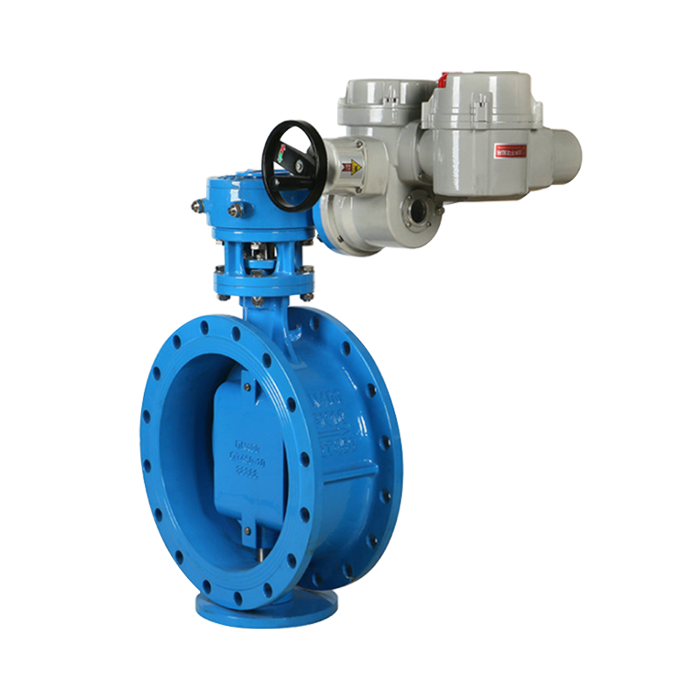
Series:H44
Diameter:DN20~DN600,
PN:16;25;40
Application specification: Design, manufacture:GB/T12236 Length of the structure:GB/T12221 Connecting flange: JB/T79 Valve inspection and test:JB/T9092
Understanding 12 Swing Check Valves and Their Industrial Applications
How Swing Check Valves Function in Piping Systems
A 12 swing check valve has a simple but effective way of working: a hinged disk swings open when fluid flows in the right direction, and it closes itself when flow stops or changes direction. In normal operation, this arrangement doesn't get in the way of the flow and stops overflow reliably. The disk moves based on the difference in pressure across the valve body, and it doesn't need any extra power or work from a person. The American Water Works Association (2021) says that swing-type valves are 40% less likely to cause water hammer than rapid-closing designs when they are installed correctly. This makes them very useful in pump discharge lines where sudden changes in flow can happen.
Material Selection for Diverse Operating Environments
The type of material used directly affects how long a valve lasts and how well it works with different types of fluid. For municipal freshwater uses where cost-effectiveness is important, ductile iron bodies work well because they don't rust in treated water systems. Grades of stainless steel like SS316 are needed in places with salt water or chemical processing plants where chloride would quickly break down regular steel. The H44 series we sell gives you both choices; purchasing teams can choose from DN20 to DN600 diameter ranges with PN16, PN25, or PN40 pressure ratings to perfectly match the needs of the system.
EPDM disk seals are very resistant to oxidizing chemicals and hot water up to 120°C. If needed, customization can raise the temperature range to 200°C to avoid problems with thermal expansion. This adaptability answers common worries about seal wear in uses with changing temperatures, such as cooling circuits in power plants. According to ASTM standards, material certificates show that the parts can be tracked from the time they are cast in iron to the time they are put together. This meets the paperwork needs of EPC contracts for oil and gas sites.
Key Advantages in Industrial Settings
When it comes to critical infrastructure, operational reliability is the main reason why swing check valves are used. When you add up the energy savings from large installations with dozens of valves, the full-bore design is what makes the difference. When compared to throwaway valve designs, lifetime costs are lower because sealing surfaces and hinge parts can be replaced. This means that the valve can be used more than 100,000 times. The easy teardown process is liked by maintenance teams because it lets them service systems while they're running without having to shut them down completely for regular checks.
The premium versions' double-disc mechanism lowers water hammer risk even more. Sixty-eight percent of pumping station workers asked by the Hydraulic Institute in 2022 said this was a very important issue to them. This feature is very helpful for keeping variable-speed drive pumps safe, since the electronic controls make the flow patterns unpredictable. Following GB/T12236 manufacturing standards and GB/T12221 structural dimensions makes sure that new installations can be easily swapped out for old ones without having to make expensive changes to the pipes.
Comparing 12 Swing Check Valves with Other Check Valve Types
Swing Valves Versus Wafer Check Valves
When space is limited, wafer-style valves are a good choice because they don't take up much room between the flanges. But this small design can usually handle lower pressure classes than swing-type versions. When high-head pumping is needed, like in multi-story buildings or raised tank systems, a 12 check valve rated for ANSI 300 uses works better than wafer alternatives. The swing design can also handle bigger particles without getting stuck, which is helpful in areas where raw water enters or where solids in the slurry cause problems for spring-loaded wafer mechanisms.
Swing valves are also different because they can be installed in a variety of ways. Many chip designs need to be mounted in a certain way in order to work right, but swing valves that are properly set up will work reliably in either horizontal or vertical upward flow setups. This flexibility makes it easier to plan out pipe layouts during the design phase. However, installations that go from vertical to downward need spring support to counteract the effects of gravity on disk closure.
Dual Plate and Lift Check Valve Comparisons
Due to their split-disc geometry, dual plate check valves shorten the time it takes to close. This reduces water hammer in fast-cycling applications like reciprocating pumps. Their smaller face-to-face sizes make them good for retrofits where room is limited, but higher pressure drops and faster wear at the hinge points cancel these advantages out. When procurement managers look at long-term running costs, they often choose swing valves for continuous-duty pumping stations because the higher starting cost leads to lower total ownership costs.
Lift check valves shut off tightly by moving a disk up and down, but they add a lot of flow resistance. The resulting loss of head makes pumping use more energy, which can be measured in large installations. The Pump Systems Matter project did a comparison in 2023 and found that switching from lift valves to swing valves in a city network cut yearly electricity costs by 12% while keeping the same level of backflow protection. This difference in performance is especially important when choosing valves for energy-intensive projects where long-term profits depend on how efficiently they run.
Maintenance and Troubleshooting of Swing Check Valves
Common Operational Issues and Root Causes
Most of the time, people report leakage past the disk seat, which is usually caused by dirt buildup or seal wear. Particles in the fluid stream get stuck between the sitting surfaces, which stops the valve from closing all the way. During commissioning, regular flushing gets rid of construction debris that would otherwise speed up seal damage. Once a year, checks find early signs of wear and tear before small seepage turns into system contamination or pressure loss that affects equipment further down the line.
Corrosion buildup on hinge pins is often the cause of disks that won't move or move slowly, especially in systems where chemical cleaning isn't always consistent. Offshore sites that are subjected to saltwater experience faster corrosion, even if they are made of stainless steel. This means that certain corrosion adjustments must be made when choosing materials. When there is strange noise during operation, it means that there is cavitation damage or loose internal parts that need to be fixed right away. The Valve Manufacturers Association (2021) says that fixing noise problems right away stops secondary damage to valve bodies that would mean they have to be replaced instead of being fixed.
Preventive Maintenance Strategies
Setting regular check times based on how the valve is being used increases its life and reduces the number of surprising failures. Maintenance cycles for systems that deal with clean, treated water are extended to 24 months, while systems that deal with abrasive or corrosive media need to be checked every six months. As part of the inspection process, the outside surfaces are looked at for signs of corrosion, the disk swing freedom is checked by hand, and the seat leakage is tested at operating pressure. Writing down what was found makes performance trends data that finds patterns of decline before they become major problems.
Using suitable high-temperature greases to lubricate the hinge pins keeps the disk running smoothly, but too much grease can attract dirt and dust that speed up wear. When planning to replace parts, seals and hinge bushings are seen as consumables, so these parts are kept locally to keep planned outages as short as possible. Full records of upkeep meet the standards for a quality management system under ISO 9001 frameworks. These records are becoming more and more necessary for contractors seeking foreign project bids where documented asset management shows practical capability.
Procurement Guide: Sourcing Quality Swing Check Valves
Critical Specification Parameters for Bulk Orders
Diameter coverage from DN20 to DN600 meets all of the needs of most pumping stations, allowing for a single-source purchase that makes managing suppliers easier. Clear pressure ratings keep design mistakes from costing a lot of money, and being able to tell the difference between PN (European) and ANSI (North American) standards keeps installation problems from happening in the field. Projects that go through more than one area can use flexible flange standards based on ASME B16.5 or EN 1092 to make sure they work with local pipe standards without having to buy expensive adapters or make changes in the field.
When evaluating suppliers, pay close attention to the certification requirements. API 6D approval verifies the quality of design and production for pressure-containing parts, which relieves professional engineers who stamp project plans of liability concerns. Having a CE mark on equipment makes it easier to bring it into the European Union, and following NACE MR-0175 rules is necessary for sour gas service in petrochemical applications. These certificates come with our valves as standard, so you don't have to worry about paperwork during the project approval stages.
Lead Times and Bulk Ordering Considerations
Standard configurations ship within 15 to 30 days for orders of more than 100 units, which is in line with typical EPC construction schedules when 12 check valve are bought during the detailed engineering stages. Customized specs add about seven days for engineering review and production setup, which is normal for jobs that need non-standard materials or extra testing. With SAP-managed production tracking, you can see the status of an order at any time, which lets you coordinate logistics with the delivery of other equipment to get the best storage and installation order on site.
The way prices are set encourages people to buy in bulk, with break points at 50, 100, and 500 units that show how economies of scale work in manufacturing. Payment terms usually include a 30% deposit when the order is confirmed and the balance when the shipping paperwork is received. However, for return buyers, established relationships allow for more flexible payment terms. The warranty lasts for 18 months from the date of shipment or 12 months from the date of commissioning, whichever comes first. Replacement parts are guarantyd to be available for ten years after delivery to help with long-term planning for asset management.
Evaluating OEM Versus Branded Suppliers
When you work with an original equipment manufacturer, you can talk directly to engineering resources about application support and customization. This link is useful for solving specific fitting problems or choosing the best valve for close-to-ideal working conditions. Branded wholesalers give regional inventory and quick emergency replacement for standard sizes, but they can't customize as much as factory-direct outlets can.
When comparing sources, quality consistency is the most important thing to think about. As part of its ASTM certification process, Shaanxi Qihe Xicheng Electromechanical Equipment Co., Ltd. does strict inspections of raw materials, precise CNC machining to make sure that flanges are aligned within 0.1 mm, and hydrostatic testing in line with API 598 standards. This multi-stage quality assurance method ensures that defect rates on large orders are less than 2%. This means that there are a lot fewer costs for repairs in the field than with economy-grade options, where differences in size mean that installation requires machining or shimming on-site.
Why Trusted Suppliers Matter for Critical Infrastructure Projects
Certification and Quality Management Systems
Supplier selection is more than just looking at the product specs. It also looks at the organization's skills to help the project succeed. ISO 9001 approval means that a company has a quality management system that is well-established and has written methods for controlling designs, keeping an eye on production, and taking corrective action. These frames make sure that all production batches are the same, which is very important when buying valves for a long-term project with multiple deliveries that need to meet the same standards. Third-party checks back up claims of certification, giving extra independent guarantee on top of what the maker says.
Industry-specific certifications, such as API Q1, show that you know more about the needs of the petroleum sector, which is important for contractors working on upstream oil and gas projects. As project owners use sustainability factors in their buying decisions, environmental management approval under ISO 14001 has a bigger impact on which suppliers get shortlisted. Our wide range of certifications meets these changing needs, making us a good partner for contractors handling tricky bid standards in many different markets around the world.
After-Sales Support and Technical Consultation
When providers are having troubleshooting situations where production delays cost a lot of money, responsive technical help sets them apart. Weekend and holiday availability is especially helpful for international projects where talking to people in different time zones is hard. Our promise to provide support 24 hours a day, seven days a week means that installation questions will always be answered quickly, no matter when problems happen. This keeps costly work stops during critical path activities to a minimum.
Application engineering help during specification development helps choose the best valves before purchase orders are finalized. This keeps problems from happening during commissioning that are caused by wrong application. When this consultative method suggests certain configurations, it looks at things like predicted flow changes, system working curves, and long-term repair access. We have set up city water systems, industrial cooling circuits, and offshore platforms before, so when we plan new projects, we use what we've learned from setting up thousands of successful ones.
Conclusion
To choose the right 12 swing check valve, you have to weigh technical specs against the supplier's skills and long-term support needs. Good purchasing choices are based on material compatibility, pressure ratings, and licensing standards. The success of a project's completion depends on the quality systems and quick service of the suppliers. There are a lot of different civic and industrial uses for the H44 series. It has a wide range of diameters, two types of materials, and flexible flange standards that can be changed to fit the needs of different foreign projects. The best way for procurement managers to make decisions that minimize both capital costs and operating efficiency is to know the relative advantages of different check valve designs. Getting in touch with certified suppliers who consistently show high quality and technical know-how lowers project risks and helps with quick installation and longer asset lifecycles in tough industrial settings.
FAQ
1.What pressure ratings suit municipal water applications?
Most city distribution systems that work below 250 psi can handle PN16 and ANSI 150 ratings. On the other hand, PN25 ratings are better for high-rise building supply lines or raised tank discharge lines. To handle system pressure surges during machine startup processes, industrial cooling circuits usually need PN40 or ANSI 300 ratings.
2.How do maintenance intervals compare across valve types?
In clean water service, swing check valves usually go 18 to 24 months without being inspected. This means that they need to be serviced twice as often as lift check designs. In rough situations, wafer valves might need to be serviced every three months. This means that swing-type options are more cost-effective, even though they cost more at first.
3.Can dimensional standards mix within a single system?
When connecting pipes, don't mix ASME and EN flange standards because the bolt hole patterns and gasket sizes are different, even though the nominal diameters are the same. Set uniform standards during the planning phase to avoid problems in the field that would require making custom transition spools or drilling more flange holes during installation.
4.Which certifications matter for international projects?
API 6D certification meets the quality standards for most industrial uses, and CE marking lets equipment be sold in Europe. More and more, projects in corrosive service settings need to follow NACE MR-0175 to make sure that materials can handle sulfide stress cracks in sour gas circumstances.
Partner with XCMOTOR for Reliable 12 Swing Check Valve Solutions
When choosing industrial flow control parts, you have to pay close attention to technical details that have a direct effect on how reliable the system is and how much it costs to run. The valve solutions that XCMOTOR makes are perfect for municipal water treatment plants, pumping stations, and power plants in tough global markets. When purchasing equipment for international projects, procurement managers need swing check valves from our H44 series that can handle a wide range of materials, high pressures, and are certified to meet certain standards. We can change the configurations to fit your exact system needs, whether you need them for freshwater distribution networks or corrosive marine settings.
Get in touch with our engineering team at xcmotors@163.com to talk about the details of your project and get specific technical advice that fits your needs. We help contractors who need more than 100 units with the operations of bulk buying. We offer reasonable prices without lowering the quality standards that are needed for long-term asset performance. Visit motorxc.com to see our full line of products and learn why top EPC contractors choose XCMOTOR as their top choice for supplying critical infrastructure around the world with 12 swing check valves. Get in touch with us right away to ask for certification paperwork, customization choices, or volume price that fits your budget and time frame for procurement.
References
1. American Water Works Association. (2021). Water Hammer Control in Distribution Systems. Denver: AWWA Press.
2. Hydraulic Institute. (2022). Pump System Assessment and Optimization Practices. Parsippany: HI Publications.
3. Pump Systems Matter. (2023). Energy Efficiency Benchmarking in Municipal Water Infrastructure. Washington: Industrial Efficiency Alliance.
4. The Valve Manufacturers Association. (2021). Industrial Valve Maintenance Best Practices Guide. Washington: VMA Technical Division.
5. GB/T Standards. (2018). GB/T12236-2008 General Purpose Industrial Valves. Beijing: Standards Press of China.
6. API Standards. (2020). API 6D: Pipeline and Piping Valves, 24th Edition. Washington: American Petroleum Institute.