



How to Choose the Right Inverter Duty Motor for Your Applications?
To choose the right inverter duty motor for your application, you need to carefully think about a number of important factors, such as the power needs, the working conditions, the frequency range, and the motor's performance qualities. A variable frequency drive and an inverter duty motor work together without any problems. This lets industrial automation systems handle speeds more precisely and more efficiently. These specific motors have stronger insulation, better cooling systems, and strong construction that can handle the electrical pressures caused by PWM inverter swapping.
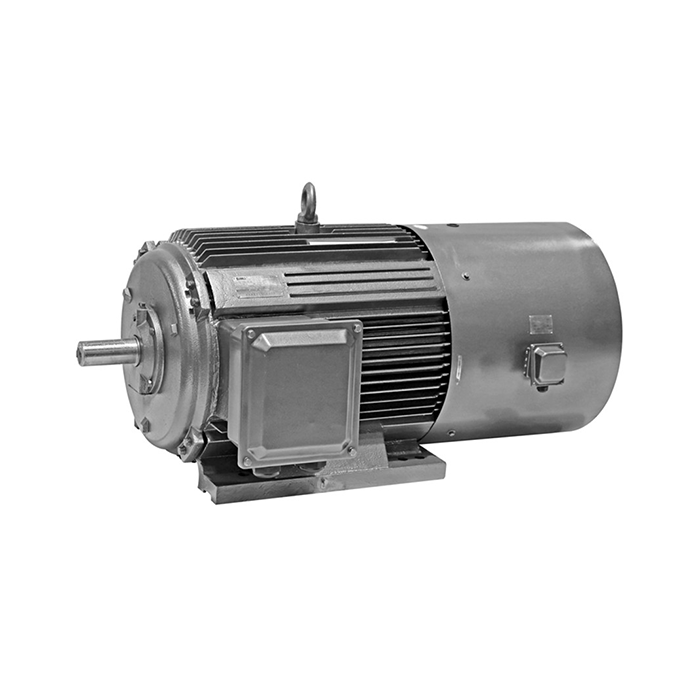
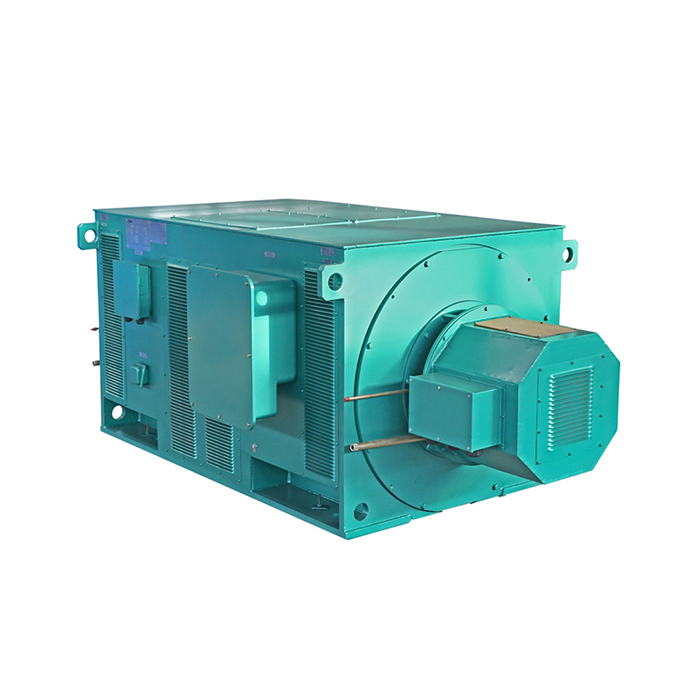
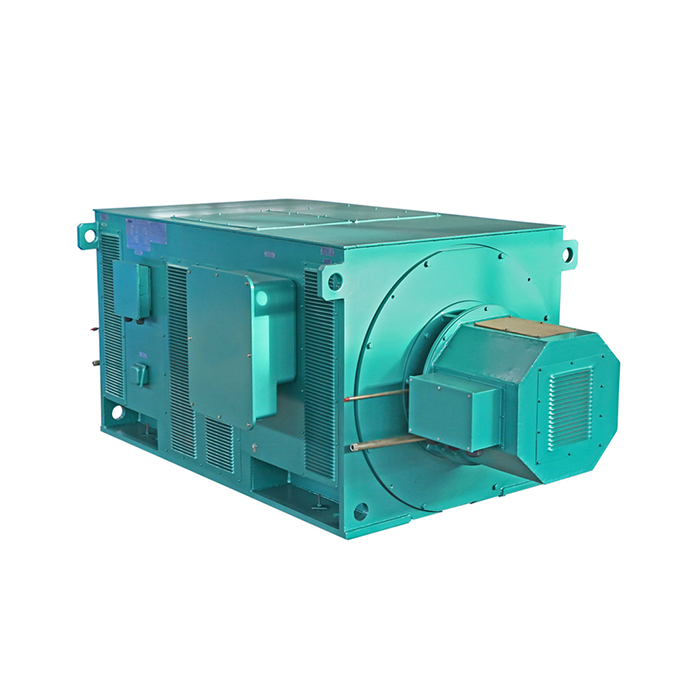
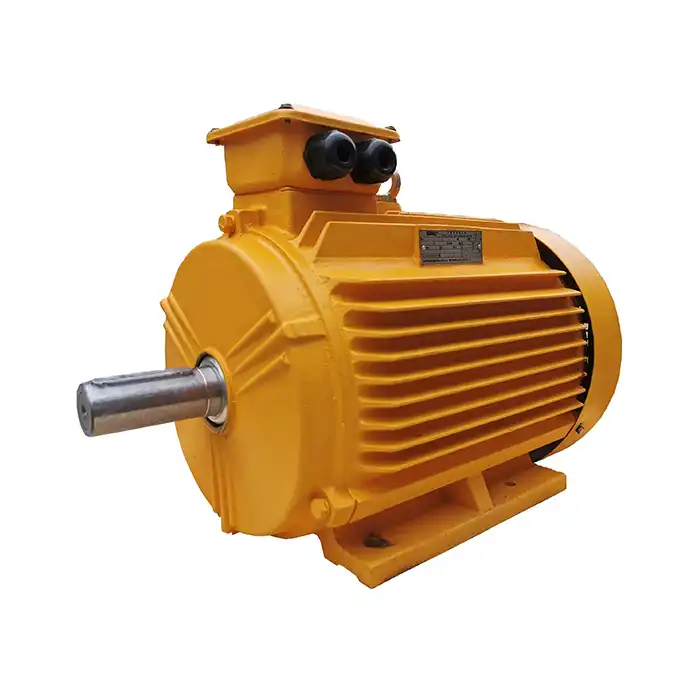
Series:YVFE3
Frequency conversion range:30hz~50hz,5hz~70hz,5hz~100hz
Power range:0.75-1000kW
Protection level:IP55
Application:are suitable for driving various mechanical equipment that require continuous and frequent forward and reverse rotation, such as steel rolling, lifting, transportation, machine tools, printing and dyeing, papermaking, chemicals, textiles, pharmaceuticals, etc., and can be used with various domestic and foreign variable frequency power supplies.
Advantage:high efficiency, wide speed range, high precision, stable operation, and easy operation and maintenance.
Certificate:installation dimensions comply with International Electrotechnical Commission (IEC) standards.
Others: SKF, NSK, FAG bearings can be replaced according to customer requirements.
Understanding Variable Frequency Drive Motor Technology
Introduction to VFD Motors
The development of variable frequency drive motors is a big step forward in the field of industrial motor technology. It is meant that these motors will work perfectly with speed controllers that can be adjusted. These controllers change the electrical frequency, which lets you precisely control the speed.
Enhanced Insulation Systems
One of the core advantages of VFD motors lies in their advanced insulation systems. Unlike traditional motors that can fail due to rapid voltage transitions from PWM inverter operation, VFD motors incorporate Class F insulation. This provides superior dielectric strength, preventing premature breakdown under challenging electrical conditions.
Thermal Management in VFD Applications
For VFD uses, thermal control is very important. Better cooling systems are built into VFD motors. These include better fan setups and better airflow patterns. These features make sure that heat is quickly removed and that the machine stays at a safe temperature, even when it's running at a low speed for a long time, when normal cooling methods might not work well enough.
Vector Control Compatibility
Another important thing about Inverter Duty Motor VFD motors is that they can work with vector control. Modern units can correctly react to complex control algorithms, providing smooth operation and constant power across the full speed range, from no speed to the motor's highest stated RPM.
Power Requirements and Sizing Considerations
Importance of Proper Motor Sizing
The right size of motor is very important for both how well the system works and how much it costs to run. By knowing the torque properties of your application, you can find the best power level to get the most out of it.
Sizing for Constant Torque Applications
For things like conveyors and positive displacement pumps, motors need to have force that stays the same across all of their speed ranges. With power levels ranging from 0.75 kW to 355 kW, the XCMOTOR product line can meet a lot of different business needs.
Variable Torque Applications
In situations where the torque needs to change, like rotating fans and pumps, motors with quadratic torque curves work best. When these motors are paired with clever drive systems, they can change speed based on real demand, which saves a lot of energy.
High Starting Torque Requirements
In order to function properly, some applications, such as steel rolling mills, hoists, and heavy equipment, need for motors that are capable of delivering high beginning torque, often at least 200%. In order to avoid oversizing and guarantee dependable beginning performance, it is important to choose the appropriate motor.
Service Factors for Demanding Applications
In order to accommodate applications that are more demanding, service factors provide additional capacity margins. In the event that they are operated with high-quality variable frequency drives, motors that are rated for continuous duty at a service factor of 1.0 on sine wave power will keep their performance.
Seven Core Applications for Variable Speed Motors
Manufacturing Automation Systems
Precision speed control is an important part of modern industry for making production lines work best. In conveyor systems, motors make sure that the material flows exactly, and smooth acceleration and slowdown help assembly lines work better. Packaging machines need to be able to change speeds quickly. Modern motors keep the machine's position accurate and allow energy recovery during slowing down, which lowers the amount of power used.
HVAC and Climate Control
When commercial HVAC systems run at different speeds, Inverter Duty Motor systems use less energy. The airflow is changed by fan motors to match the needs. When the speed is slowed down by 20%, centrifugal pumps use half as much power. Varying the flow of refrigerant makes it easier to control the compressor, which saves energy and keeps the temperature comfortable.
Process Control and Pumping
Variable speed pumps are used in chemical processing to precisely control the flow of chemicals and save energy. They are used to filter water in water treatment plants. They adapt to the conditions of the input water while soft-starting to avoid stress. Boiler feed pumps match the flow of water to the demand for steam. This makes the system more efficient and lowers heat stress.
Machine Tool Operations
To keep RPM and surface finishes uniform, CNC machine centres need precise spinning motors. Feed drives make sure that low-speed action goes smoothly so that placement is accurate. Gear cutting machines use variable speed motors to keep multiple directions in sync. This makes sure that the gear tooth shapes are accurate and the machining is more exact.
Textile and Paper Industries
Textile machinery uses motors with varying speeds to precisely control the tension and run in sync, which keeps the quality of the cloth consistent. When making paper, these motors keep the webs from breaking and make sure that the width is the same all the way through. Adjustable motion helps dyeing processes get the best colour coverage and depth based on the type of cloth and dye needs.
Steel and Metal Processing
For exact material measurements, rolling mills need precise force control. Variable speed motors have a high starting power and keep the speed exactly the same while moving. Multi-motor systems are used in drawing machines to make sure that the lengthening is always the same. Modern motors that can quickly speed up and slow down make cutting processes more reliable.
Material Handling and Transportation
Smooth acceleration makes it easier to control and reduces load swing in crane and hoist uses. During controlled lowering, regenerative braking gets energy back. Variable speed motors are used in automated storage systems to precisely place items, and belt conveyors change speed to be as efficient as possible, which saves energy when production needs are low.
Frequency Range and Control Options
Impact of Operating Frequency on Motor Selection
In the process of selecting a motor, operating frequency ranges are an important consideration. In general, standard motors operate within a frequency range that extends from 5Hz to 100Hz. They provide a speed control ratio of 20:1, which is sufficient to fulfil the requirements of the majority of industrial applications.
Challenges of Low-Frequency Operation
In low-frequency operation, there are a number of particular obstacles that must be overcome, such as decreased cooling efficacy and the possibility of torque ripple. Inverter Duty Motor motors of superior quality are constructed to preserve their smooth functioning even while operating at low speeds, without sacrificing their dependability.
Benefits of High-Frequency Operation
High-frequency operation allows for more compact machine designs by increasing power density. Specialized bearings and balancing techniques are employed to ensure reliable motor performance at speeds beyond standard ratings.
Sensorless Vector Control
Sensorless vector control eliminates the need for external speed feedback devices while offering excellent speed regulation. This approach reduces system complexity and maintenance requirements, providing near-servo performance without additional sensors.
Closed-Loop Control with Encoder Feedback
For demanding applications requiring the highest precision, closed-loop control with encoder feedback is ideal. This system enables position control by combining speed feedback with sophisticated drive algorithms for unmatched accuracy.
Environmental and Protection Considerations
Impact of Operating Environment on Motor Selection
The operating environment plays a crucial role in determining the appropriate motor selection. Standard IP55 protection is sufficient for most indoor applications, offering reliable protection against dust and moisture ingress.
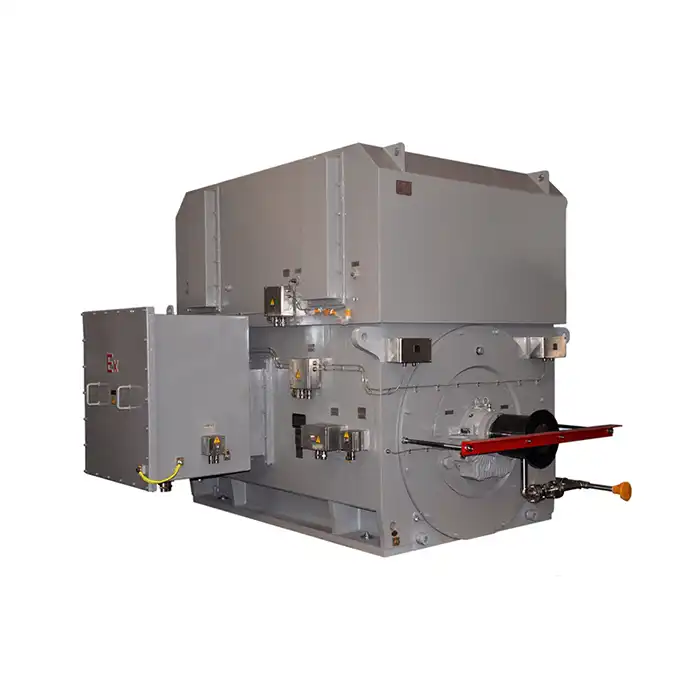
Motors for Explosive Atmospheres
For applications in explosive atmospheres, motors require specialized designs that are certified for hazardous locations. These motors incorporate safety features that prevent ignition sources while maintaining optimal operational performance.
Operating in Temperature Extremes
Extreme temperatures can significantly affect motor performance and lifespan. Motors with enhanced cooling systems and specialized materials are essential to ensure reliable operation in environments with temperatures exceeding standard ratings.
Vibration Resistance in Mobile Applications
In mobile applications or areas exposed to external vibrations, vibration resistance is key. Motors designed for these conditions feature reinforced construction and specialized bearing arrangements, preventing premature failure.
Protection in Corrosive Environments
Corrosive environments require motors with specialized coatings and material selections. Stainless steel components and epoxy coatings are commonly used to protect against chemical attacks while ensuring consistent electrical performance.
Installation and Maintenance Best Practices
Ensuring Proper Installation for Optimal Performance
Proper installation is crucial for ensuring optimal motor performance and longevity. Shaft alignment within specified tolerances prevents premature bearing failure and minimizes vibration levels.
Electrical Connection Considerations
When setting up electrical connections, it’s important to pay close attention to insulation integrity and conductor sizing. Proper grounding techniques help eliminate bearing currents, which can cause premature motor failure.
Regular Maintenance and Predictive Techniques
Establishing a regular maintenance schedule is essential for long-term reliability. Key activities include bearing lubrication, insulation testing, and vibration monitoring. Predictive maintenance techniques help identify potential issues before they lead to unexpected failures.
Thermal Monitoring for Cooling System Verification
Thermal monitoring during the Inverter Duty Motor's initial operation ensures proper cooling system performance. Temperature measurements can help identify airflow restrictions or excessive load conditions, preventing overheating and system failure.
Conclusion
XCMOTOR stands as a trusted inverter duty motor manufacturer, delivering high-performance solutions tailored to demanding industrial applications. Our engineering team combines decades of experience with cutting-edge technology, ensuring every motor meets the rigorous requirements of modern variable frequency drive systems. Contact our dedicated support team at xcmotors@163.com to discuss your specific application requirements and discover how our comprehensive product range can optimize your operations.
Selecting the appropriate variable speed motor requires careful analysis of application requirements, environmental conditions, and performance expectations. Understanding the unique characteristics of VFD-compatible motors helps ensure optimal system performance and reliability. Proper sizing, installation, and maintenance practices maximize return on investment while minimizing operational disruptions. Modern motor technology continues advancing, offering improved efficiency, enhanced reliability, and expanded capabilities for industrial automation applications.
References
1. Chapman, Stephen J. "Electric Machinery Fundamentals and Variable Speed Drive Applications." McGraw-Hill Education, 2020.
2. IEEE Standards Association. "IEEE Standard 841-2021: Standard for Petroleum and Chemical Industry - Inverter Fed Process Performance Motors." Institute of Electrical and Electronics Engineers, 2021.
3. Boldea, Ion and Nasar, Syed A. "The Induction Machine Design Handbook for Variable Frequency Drive Applications." CRC Press, 2019.
4. National Electrical Manufacturers Association. "NEMA MG-1 Motors and Generators Standards Publication: Inverter Duty Motor Requirements." NEMA Publications, 2022.
5. Toliyat, Hamid A. and Kliman, Gerald B. "Handbook of Electric Motors: Variable Speed Drive Integration and Control Strategies." Marcel Dekker Publishers, 2020.
6. International Electrotechnical Commission. "IEC 60034 Series: Rotating Electrical Machines - Variable Frequency Drive Applications." IEC Publications, 2021.