



How to Buy 5HP 3 Phase Induction Motor for Factory Equipment
Before buying a 5hp 3 phase induction motor for factory equipment, you need to carefully look at the technical specs, the supplier's reputation, and how well they can help you in the long run. These motors are stable sources of power for ventilation systems, pumps, compressors, conveyors, and air flow systems in the processing, industrial, and HVAC businesses. To choose the right three-phase motor, you need to make sure that the seller meets certification standards and offers reliable service after the sale. This includes making sure that the motor's efficiency ratings, voltage compatibility, and frame measurements meet your needs. This complete guide will show you all the steps you need to take to make an intelligent buying choice that will maximize service and minimize total cost of ownership.
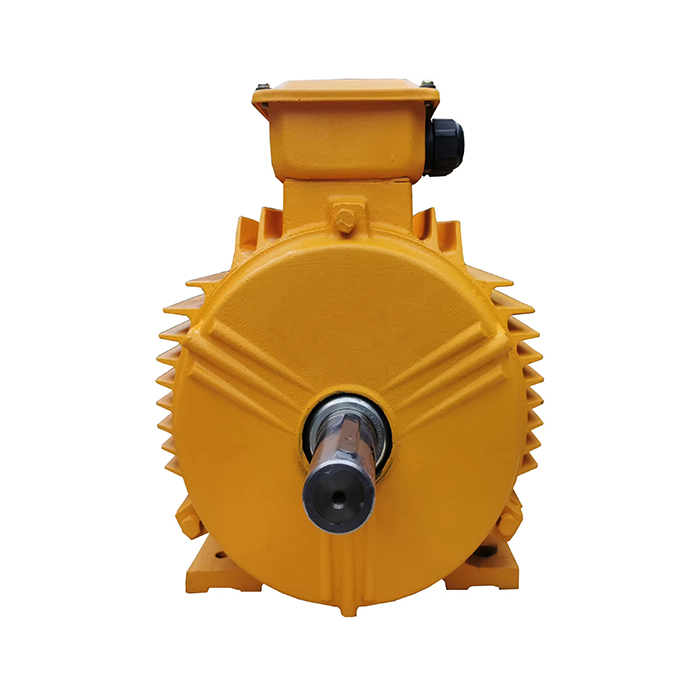
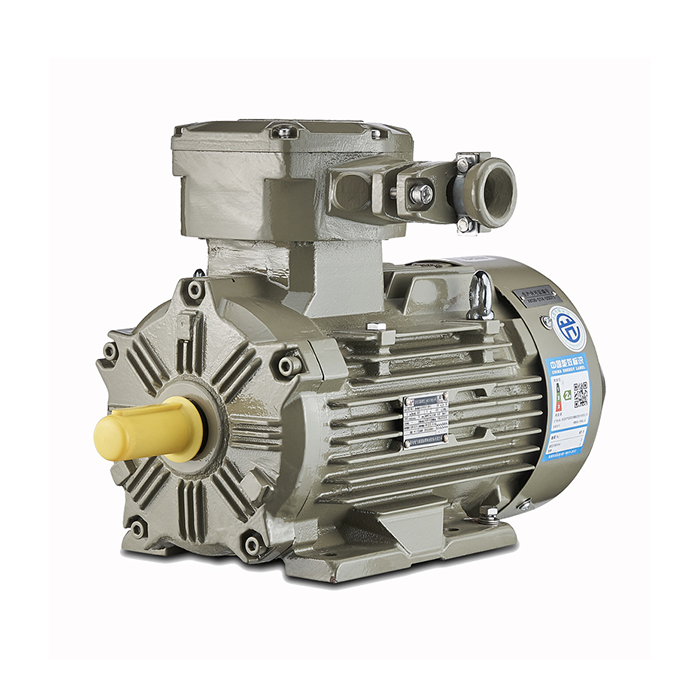
Series:YE5
Frame number: 80-450
Power range:
Protection level:IP55
Energy efficiency class: IE5
Voltage range: 380V,400V,415V, 660V,etc.
Application:can be used in various fields of the national economy, such as machine tools,water pumps,fans,compressors,and can also be used in transportation, mixing, printing, agricultural machinery, food and other occasions that do not contain flammable, explosive or corrosive gases.
Certificate: international standard IEC60034-30 "Efficiency Classification of Single-speed Three-Phase Squirrel Cage Induction Motors".
Advantage:The high quality of the electric motor guarantees high operational reliability.
Others: SKF, NSK, FAG bearings can be replaced according to customer requirements.
Understanding 5HP 3 Phase Induction Motors
The main benefit of three-phase induction motors is that they are electric. When three-phase power runs through the stator windings, it makes a rotating magnetic field that causes current to flow through the rotor. This forms torque without the moving and fixed parts touching each other. Because this approach gets rid of brushes and commutators, it requires a lot less upkeep than DC motors or single-phase alternatives.
Core Components and Operating Principles
A standard three-phase motor unit has a frame made of cast iron or aluminum that holds the stator and its copper or aluminum windings, a rotor with electrical bars arranged in a squirrel-cage pattern, and precision bearings that hold the shaft in place. The frame sizes, which range from 80 to 450, can be used for a variety of mounting and cooling needs. In the stator core, high-grade silicon steel laminations keep eddy current losses to a minimum, and a vacuum pressure impregnation process keeps moisture and other toxins away from the windings.
Starting Methods for Industrial Applications
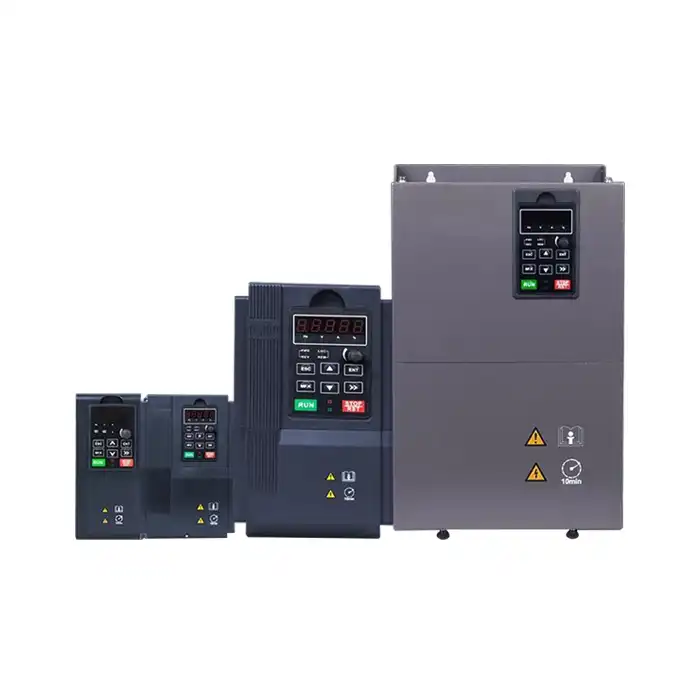
In situations where high inrush current isn't a problem, direct-on-line starting works well. During startup, it draws five to seven times the rated current. Star-delta starters lower the initial current to about a third of the direct-on-line values. This protects the electrical equipment upstream in sites that can't handle much. Variable-frequency drives have the most advanced control. They allow for soft starts, speed changes, and energy savings during partial-load operation. This is especially helpful in HVAC and pumps systems where demand changes during working cycles.
Performance Advantages Over Single-Phase Motors
Three-phase motors have a higher power density, which means they produce more power per unit of space and weight. Their balanced power transfer gets rid of the shaking and pulsing force that come with single-phase units. This makes the bearings last longer and makes less noise. They are 2% to 5% more efficient than similar single-phase motors, which saves a lot of energy over the usual 15 to 20-year service life. Not having starting capacitors makes electrical design easier and gets rid of a frequent place where single-phase systems break down.
Manufacturing facilities rely on these motors for CNC machines, injection molding machines, and conveyor systems where steady power and little downtime are very important. They are used in centrifugal pumps, rotating compressors, and agitators in the process industry, where variable speed control makes the best use of production factors. Food preparation plants like how sealed they are and how easy they are to clean. They meet high hygiene standards while running mixers, grinders, and packaging lines.
Key Factors to Consider When Buying a 5HP 3 Phase Induction Motor
Evaluating Efficiency Ratings and Energy Performance
The IE5 efficiency rating is the top level under IEC 60034-30. IE5 motors use 15-20% less energy than IE3 motors. Since energy costs make up about 97% of a motor's lifetime costs and the purchase price only makes up 1% to 2%, buying high-efficiency motors will pay for themselves in two to four years for equipment that runs more than eight hours a day. If you use an IE5-rated 5hp 3 phase induction motor for 6,000 hours a year, you can save $300 to $500 on energy costs compared to standard efficiency models, assuming that the cost of electricity in the industrial sector is $0.10 to $0.12 per kWh.
Voltage Compatibility and Electrical Integration
By matching the motor voltage to your building's power distribution system, you can avoid problems with installation and performance. You can choose from standard voltages of 380V, 400V, 415V, and 660V, and you can also make changes for specific uses. Check that the specs on the motor's nameplate match the source voltage tolerance, which is usually ±10% for safe operation. If a facility's voltage changes, it might want to look into motors with bigger tolerance ranges or put in place voltage stabilization tools to keep the windings from getting too hot.
Protection Class and Environmental Suitability
The IP55 grade means that the enclosure is dust-tight and can withstand water jets from any direction. It is good for most factory settings, even those with low levels of dust, water, or coolant spray. Installations outside or in places that need to be cleaned may need IP56 grades or higher. Insulation class F can handle winding temperatures of up to 155°C with a safety cushion. This means that it can work reliably in temperatures up to 40°C without losing its grade.
Mechanical Specifications and Mounting Requirements
The frame's dimensions decide whether it can be mounted on current equipment bases, which keeps the cost of retrofitting to a minimum. The center height, shaft diameter, and keyway specs of the motor must match those of driven equipment connections or belt sheaves. Designs with feet work well in horizontal setups with rigid bases, while designs with flanges connect straight to pump housings or gearbox inputs. Coupling guards can fit on shaft extensions, and they let the shaft expand due to heat without sticking.
Bearing quality has a direct effect on how reliably something works and how often it needs to be serviced. Bearings made by SKF, NSK, or FAG are used in high-end motors. They are intended to last between 20,000 and 40,000 hours at stated loads. Bearings that can be replaced make upkeep easier and extend the life of the motor past the initial service times for bearings. Dynamic rotor balancing lowers vibrations to levels that keep bearings from wearing out too quickly and let the machine run reliably at full speed without making too much noise.
Comparing 5HP 3 Phase Induction Motors: Making the Right Choice
Three-Phase vs. Single-Phase Decision Criteria
Three-phase power makes sure that all of the loads on the electrical grid are balanced. This means that fewer neutral conductors are needed and smaller wire lengths can be used to send the same amount of power. Applications that need more than 3 horsepower usually make the extra cost of installing three phases worth it because they are more efficient and reliable. Because they need more starting current and have a lower power factor, single-phase motors can't be used for equipment with more than 5 horsepower. Instead, three-phase motors are used for most commercial equipment.
Understanding Frame Sizes and Physical Dimensions
IEC guidelines say that frame numbers show mounting measurements and shaft heights for 5hp 3 phase induction motor. An 80-frame motor works well with small machines that don't have a lot of room, while 132–160 frames can handle higher horsepower rates and better heat absorption. Frames that are 180 to 450 mm in size are stronger and better for demanding uses that need to handle shock loads or continuous job cycles. Choosing the right frame size means finding a mix between how well it fits, how well it keeps you cool, and how strong it is.
Warranty Terms and After-Sales Support Considerations
Material flaws, manufacturing flaws, and performance promises for 12 to 24 months under normal working conditions should all be covered by a full warranty. Warranty terms that don't cover damage from bad installation, a contaminated power source, or using the product in a way that doesn't meet the label values protect makers and make sure quality. Having access to expert support, replacement parts, and field service skills cuts down on downtime when problems happen. This is especially helpful for facilities that run continuous processes, where unplanned shutdowns cost a lot of money.
Where and How to Buy 5HP 3 Phase Induction Motors for Factory Use
Sourcing Strategies and Supplier Selection
Original equipment manufacturers, such as Shaanxi Qihe Xicheng Electromechanical Equipment Co., Ltd., offer direct access to engineering knowledge, the ability to customize products, and reasonable prices that don't include markups from distributors. Authorized wholesalers keep stock close by, have shorter lead times, and already work with service providers in the area. Checking a supplier's credentials means doing things like making sure they have ISO 9001:2015 certification, looking at customer references, and making sure they offer expert help.
Certification Requirements and Compliance Verification
CE certification shows that a product meets the safety, health, and environmental protection guidelines of the European Union. This makes foreign trade easier and guarantees the quality of the product. IEC 60034-30 compliance guarantees that testing for efficiency classification is done according to standards that are known all over the world. This lets you compare performances accurately. GOST approval meets the needs of markets that need Russian technical standards. Before making a purchase decision, claims are checked by asking for test results and approval paperwork.
Pricing Structures and Value Assessment
Industrial motor prices are based on more than just horsepower numbers. They also take into account the quality of the materials, how efficient they are, and how well they were made. Premium efficiency motors cost 20–30% more than normal models, but they save you money in the long run by using less energy and lasting longer. Orders of five or more units usually qualify for volume savings, which cut the cost per unit by 10% to 15%. Custom voltage, shaft configurations, or paint styles may make the base price go up by 5% to 10%, but they don't require any changes to be made in the field.
Benefits of Direct Manufacturer Relationships
By talking directly with makers, you can talk about specifications, get help from application engineers, and see detailed documents. Custom bearing selection using SKF, NSK, or FAG parts fits the load characteristics and servicing schedules to the needs of the process. Bulk buying programs offer better prices and earlier scheduling of production, which is helpful for facilities that need to handle a lot of motor replacements or new building projects.
Ensuring Seamless Integration and Long-Term Support
Installation Best Practices and Common Pitfalls
Making sure that the fastening surfaces for 5hp 3 phase induction motor are flat, rigid, and straight across from the shaft axis within a 0.1mm range is the first step in installing a motor correctly. When one or more mounting feet don't touch the base properly, this is called a "soft foot condition." It puts stress on the frame that leads to bearing failure and shaft misalignment. To keep vibrations and coupling wear from happening, the alignment of the motor and driven equipment shafts must stay within 0.05 mm of parallel and angle limits.
According to the instructions on the terminal box, electrical connections need to be torqued to a certain level. For power connectors, this is usually 15-20 Nm, and for ground connections, it's usually 5-8 Nm. When links are too loose, they cause resistance heating and possible arcing, and when they are too tight, they damage the terminals. Rotation direction verification before connecting to driven equipment stops damage from occurring during backward operation. This is done by quickly turning on the motor and watching the shaft rotate.
Maintenance Strategies for Extended Service Life
For 5hp 3 phase induction motor installations, maintenance checks include vibration tracking every three months to find worn bearings, thermal imaging every month to find hot spots in the windings, and lubricating the bearings every six months as directed by the maker. When motors are run at 75–90% of their maximum capacity, they are more efficient and last longer than when they are run continuously at full load. Keeping the outside of motors clean and making sure cooling channels aren't blocked stops thermal stress that breaks down insulation systems.
Future-Proofing Through Scalable Design
By choosing motors with adjustable voltage, building electrical system improvements can be made without having to replace any equipment. Frame-compatible designs let you replace older motors with more efficient ones using the same mounting holes, which lowers the cost of the upgrade. When a motor is compatible with a variable-frequency drive, it is possible to add speed control capabilities as the process needs change. This saves energy and makes process control better without having to replace the motor.
Motors that use less energy and are in line with environmental efforts lower carbon footprints and running costs. IE5 efficiency standards make it possible for facilities to meet stricter energy rules while also becoming more competitive by lowering the cost of production. New motor technologies, like better magnetic circuits and precise making, make motors more reliable, more efficient, and less expensive to own overall.
Conclusion
To choose the right 5hp 3 phase induction motor, you have to weigh the technical specs, efficiency ratings, and supplier's skills against the operational needs and budget of your building. Even though they cost more at first, premium efficiency motors with an IE5 rating offer great lifetime value through lower energy use. When you match the voltage, frame size, and safety values to the needs of the application, you can be sure that it will work reliably and have fewer problems with integration. Working with makers that offer full technical support, quality certifications, and customization options lowers buying risks and promotes long-term operating success in the process, manufacturing, HVAC, and water treatment industries.
FAQ
1.What are the main differences between 5HP single-phase and three-phase motors?
Compared to single-phase motors, three-phase motors are more efficient, produce power more consistently, and are easier to wire. Three-phase units don't need starting capacitors, send power evenly, which lowers vibration, and have a higher power output. Single-phase motors with more than 3 horsepower have problems in real life, such as high starting currents, lower economy, and less dependability.
2.How can I verify motor efficiency ratings before purchasing?
Ask for proof of approval that shows IEC 60034-30 test results done by approved labs. Ratings of how efficient a motor is can be found on its logo and specs sheet. When compared to IE3 motors, IE5 classification offers 15-20% energy saves, making it the most energy-efficient norm. To find the lifetime value, you need to figure out how much energy the facility uses and how much it saves by using its unique power rates and annual working hours.
3.What maintenance practices extend motor service life?
Monitoring vibrations on a regular basis finds worn bearings before they break. By following the manufacturer's instructions for cleaning times, you can keep bearings from breaking down too soon. Keeping the outside of the motor clean and the cooling tubes clear lets the heat escape properly. Components last longer when they are used at 75–90% of their maximum capacity instead of being overloaded all the time.
Partner With XCMOTOR for Your Industrial Motor Solutions
XCMOTOR specializes in providing high-performance three-phase induction motors that are specifically designed for tough industrial uses. Our YE5 series 5hp 3 phase induction motor for sale is built to last and is very efficient. It has precision die-cast frames, modern copper winding technology, and high-quality SKF, NSK, or FAG bearings. As a motor seller with a lot of knowledge, we offer full support, including technical advice, unique voltage configurations, and after-sales service that is available on both weekends.
Shaanxi Qihe Xicheng Electromechanical Equipment Co., Ltd. is certified by ISO 9001:2015 and lets customers return items for free within 30 days of purchase anywhere in the United States. You can email our technical team at xcmotors@163.com to talk about your special needs, get full catalogues of our products, or get quotes for large orders. We help industrial, HVAC, water treatment, and processing facilities by providing them with reliable motor solutions backed by technical know-how and helpful customer service. Visit motorxc.com to see our full line of products and learn how our motor solutions can help your business run more efficiently and save you money over time.
References
1. National Electrical Manufacturers Association (NEMA). "NEMA MG 1: Motors and Generators Standards Publication." Rosslyn, VA: NEMA, 2021.
2. International Electrotechnical Commission. "IEC 60034-30-1: Rotating Electrical Machines - Part 30-1: Efficiency Classes of Line-Operated AC Motors." Geneva: IEC, 2014.
3. De Almeida, Anibal T., et al. "Energy-Efficient Motor Systems in the Industrial and Commercial Sectors in the European Union." Energy 22, no. 9 (1997): 831-838.
4. Chapman, Stephen J. "Electric Machinery Fundamentals, 5th Edition." New York: McGraw-Hill Education, 2012.
5. U.S. Department of Energy. "Improving Motor and Drive System Performance: A Sourcebook for Industry." Washington, DC: Office of Energy Efficiency and Renewable Energy, 2014.
6. Toliyat, Hamid A., and Gerald B. Kliman. "Handbook of Electric Motors, 2nd Edition." Boca Raton, FL: CRC Press, 2004.