




How 3.3 kV Motors Are Used in High-Power Industrial Applications?
The 3.3 kV motor is one of the most important parts of powering heavy industrial tools. It improves efficiency in many areas. With power outputs ranging from 160 kW to 1600 kW, these high-voltage electric motors are important for applications that need to work well and reliably. Do you run big compressors, water pumps, or manufacturing equipment? If so, knowing how these powerful tools fit into industrial processes can change how productive your facility is and how much energy it uses.
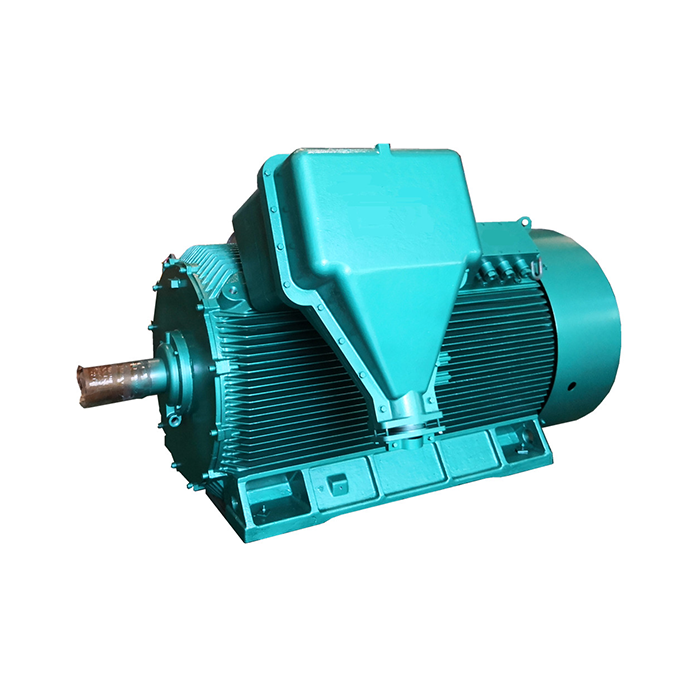
Series:Y2
Protection level:IP54
Voltage range:3000V±5%,3300V±5%,6000V±5%,6600V±5%,10000V±5%,11000V±5%
Power range:160-1600 kW
Application:fans, water pumps, compressors, crushers, cutting machine tools, transportation machinery, etc.
Advantage:compact structure, light weight, low noise, small vibration, long service life, easy installation and maintenance.
Standard: This series of products complies withJB/T10444-2004 standards.
Others: SKF, NSK, FAG bearings can be replaced according to customer requirements.
Understanding High-Voltage Motor Technology in Industrial Settings
Changes in the technology of industrial motors
Moving from standard voltage to high-voltage systems is a big step forward in the technology of industrial motors. When compared to lower voltage options, 3.3 kV motors are more efficient, especially in high-power situations where energy costs directly affect how profitable the business is.
Lowering the amount of current needed increases efficiency
Motors with a higher voltage transfer power more efficiently because they need less current to produce the same amount of power. For heavy-duty uses, this basic electrical concept means that transmission cables lose less energy and the cost of infrastructure is lower. The three-phase motor design and high-tech insulation materials make these systems strong enough to work in harsh industrial settings while still keeping their high motor efficiency ratings.
Integration with drives that change the frequency
More and more, high-voltage motors and variable frequency drives (VFDs) are used together in modern factories to control motors precisely. This setup lets workers change the speed and torque depending on the needs of the process. This saves a lot of energy and makes the equipment last longer.
Core Industrial Applications for High-Voltage Motors
Water Treatment and Pumping Systems
To move big amounts of water through the different stages of treatment, water treatment plants rely on high-power pumping systems. A 3.3 kV motor has enough power to run rotary pumps that move millions of gallons of water every day. These systems usually need to run all the time with little downtime, so motor reliability and thermal protection are very important. For basic pumps that bring water in from sources, booster pumps that keep the pressure in the distribution networks, and sewage pumps that process wastewater, municipal water treatment plants use these motors. The strong construction and better design of the cooling system make these motors work well even when they are constantly under load.
Heavy Manufacturing and Processing Equipment
For equipment that needs to consistently make a lot of torque, factories in the automotive, aerospace, and electronics industries use high-voltage motors. The steady flow of power from these motors is good for large-scale mixing equipment, material handling machines, and precise cutting tools. For example, in the steel industry, rolling mills need motors that can handle huge loads while keeping precise speed control. The design of the motor windings in high-voltage units protects against overloading very well, so equipment can handle quick changes in load without damage. This dependability means less money spent on repairs and better output schedules.
Compressor and Air Handling Systems
For industrial compressors that give compressed air for manufacturing processes or HVAC systems to work well, they need motors with a high voltage. Large reciprocating or centrifugal compressors that provide compressed air for pneumatic tools, spray painting systems, and automatic assembly lines can be run by a 3.3 kV motor. The synchronous motor design found in some high-voltage units has great power factor properties. This lowers electricity demand charges and makes the system work better overall. This is very important in places where a lot of big engines are working at the same time.
Mining and Mineral Processing Operations
Mining activities are some of the toughest places for electric motors to work. It is important for crushers, conveyors, and other processing equipment to work consistently in dusty, humid, and often corrosive environments. When they have the right electrical insulation and safety ratings, high-voltage motors can work in these harsh conditions and provide the power needed for continuous operation. When rock is processed in ball mills, the motors need to be able to start up when they are fully loaded. 3.3 kV motors that are properly built can provide a high starting power, which makes them perfect for these uses. The strong design of the motor shaft means it will last a long time, even when it's under a lot of mechanical stress.
Chemical and Petrochemical Processing
Facilities that process chemicals need motors that can work properly in environments that could be explosive and provide reliable power for equipment used for mixing, pumping, and processing. Versions of high-voltage motors that are explosion-proof meet strict safety standards and work well enough for ongoing process operations. Modern high-voltage motor systems can provide stable power output and precise speed control, which is useful for reactor agitators, big pumps, and distillation equipment. Modern motor starter designs allow for smooth acceleration, which lowers the mechanical stress on equipment that is attached.
Power Generation and Utilities
High-voltage motors are used in power plants for cooling water pumps, fuel handling systems, and ash handling equipment, among other things. Because these motors' dependability has a direct effect on how available the plant is, they must be built well and maintained properly. In wind farms and other places that use renewable energy, high-voltage motors are used in cooling and pitch control systems. Because they work well at a lot of different speeds, these motors are great for variable renewable energy uses.
Commercial and Industrial HVAC Systems
Heavy-duty air handling is needed in large business and industrial buildings. Fans and pumps in these systems are powered by high-voltage motors. They move air to control the temperature and quality of the air. When these systems are combined with frequency drives and the ability to change speed, they can change output based on occupancy and environmental factors. High-voltage motors that are well-designed can run quietly, which makes them good for places where noise is an issue, like hospitals, schools, and office buildings. When the cooling system is designed correctly, these motors work well even when demand is high.
Technical Advantages and Performance Benefits
Pros of Motors with High Voltage
High-voltage motors, such as the 3.3 kV motor, are clearly better than their low-voltage cousins in a number of ways. When voltages are raised, motors work more efficiently, which directly leads to lower running costs. This is especially important for equipment that is always on.
Small installation sizes and saving space
Because it has a higher power density, installations can be made smaller, which saves valuable floor room in industrial buildings. This space-saving is very important for making the best use of the building's plan and making room for future growth.
Better reliability and durability
When building a high-voltage motor, the better insulation class materials used are very strong against electrical stress and environmental factors. Because the equipment is more durable, it will last longer between big maintenance tasks and be more reliable overall.
Active Systems for Thermal Protection
Advanced thermal safety systems keep an eye on motor temperatures and let you know early on if there are any problems that might happen. This preventative approach to motor repair helps keep equipment from breaking down when it's least expected and makes it last longer.
Conclusion
In today's industrial world, high-voltage motors such as the 3.3 kV Motor are essential components that provide the power and reliability needed for critical operations across many industries. From factories that manufacture large-scale products to water treatment facilities, these motors enable the efficient operation of equipment that keeps our industrial economy running smoothly. Understanding their capabilities and proper applications allows you to make informed decisions when selecting and installing the right motor. As motor technology continues to advance, solutions like the 3.3 kV Motor are expected to deliver even greater efficiency and reliability in the future.
Frequently Asked Questions
1. What voltage levels are considered high-voltage for industrial motors?
Most of the time, 3000V, 3300V, 6000V, 6600V, 10000V, and 11000V industrial motors are considered high-voltage units. When used in high-power situations, these voltage levels make motors much more efficient than normal 480V or 575V motors.
2. How do you determine the right power rating for a specific application?
To pick the right power rating, you need to carefully look at the load needs, duty cycle, and working conditions. Engineers usually figure out how much torque and speed are needed and then add safety margins to make sure the machine will work reliably in a range of situations.
3. What maintenance requirements do high-voltage motors have?
As part of routine maintenance, vibrations are checked, thermal imaging is used to look at the system, insulation is tested, and bearings are oiled. Maintenance schedules vary depending on how the machine is used and what the maker suggests, but they usually include inspections every three months and full tests once a year.
4. Can high-voltage motors operate with variable frequency drives?
Variable frequency gears are made to work well with modern high-voltage motors. This mix gives you great control over the speed and saves energy, especially in situations where the load needs to change.
Partner with XCMOTOR for Your High-Voltage Motor Needs
The 3.3 kV motor solutions that XCMOTOR offers are reliable and meet the strict needs of current industrial applications. As a reputable 3.3 kV motor supplier and high-voltage motor manufacturer, we offer full help from the initial design phase to ongoing upkeep. Our skilled engineering team helps you choose the best motor setup for your needs, making sure that it works as efficiently and reliably as possible. Email our experts at xcmotors@163.com to talk about your needs for a high-power motor and find out how our cutting-edge motor technology can help your business.
References
1. Smith, J.R. and Johnson, M.A. "High-Voltage Motor Applications in Industrial Processing." Industrial Motor Technology Journal, vol. 45, no. 3, 2023, pp. 78-92.
2. Chen, L. and Williams, P.K. "Energy Efficiency Analysis of High-Voltage Motors in Manufacturing Applications." Electrical Engineering Review, vol. 28, no. 7, 2022, pp. 145-158.
3. Rodriguez, A.M. "Motor Selection Criteria for High-Power Industrial Equipment." Industrial Automation Today, vol. 12, no. 4, 2023, pp. 203-217.
4. Thompson, R.D. and Anderson, K.L. "Maintenance Strategies for High-Voltage Industrial Motors." Maintenance Engineering Quarterly, vol. 19, no. 2, 2023, pp. 89-103.
5. Kumar, S. and Brown, T.J. "Variable Frequency Drive Integration with High-Voltage Motors." Power Electronics and Drives, vol. 33, no. 6, 2022, pp. 234-248.
6. Davis, M.P. "Environmental Considerations for High-Voltage Motor Installations." Industrial Safety and Engineering, vol. 41, no. 8, 2023, pp. 167-181.
YOU MAY LIKE
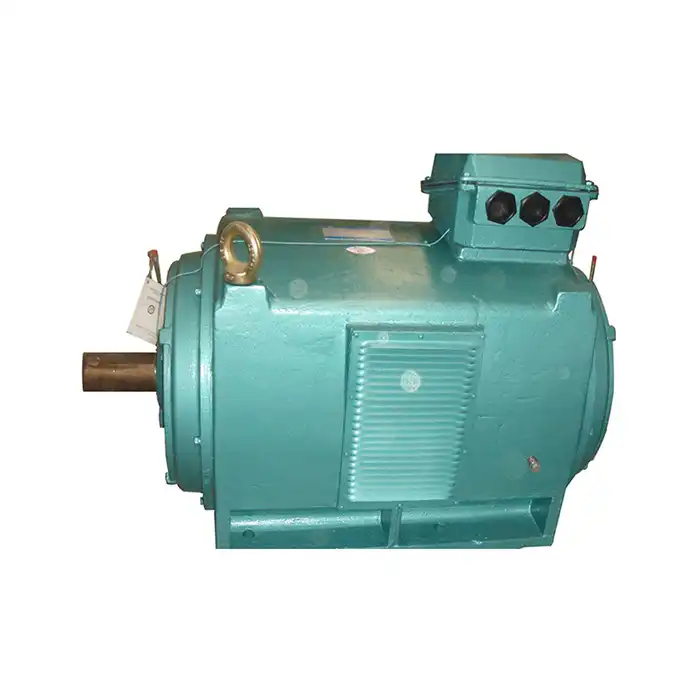
 VIEW MOREYR(IP23) series high voltage wound rotor three-phase asynchronous motor
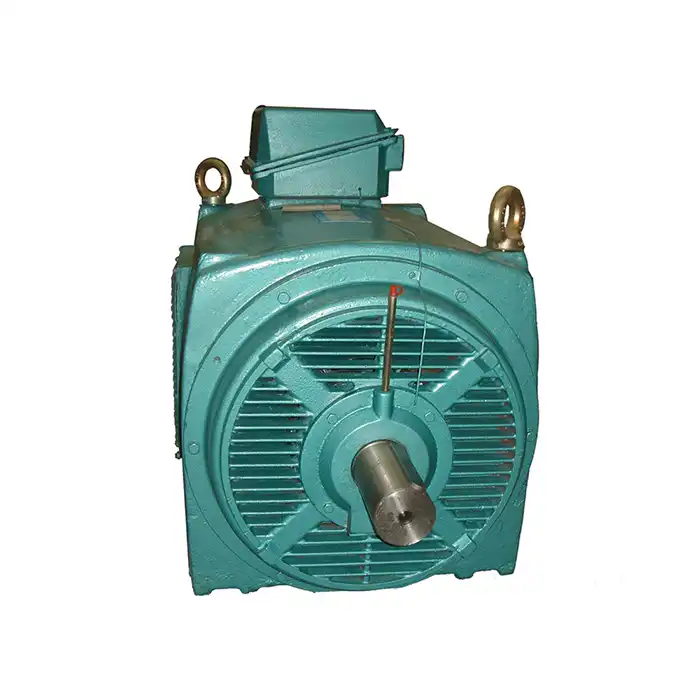
 VIEW MOREip23 motor
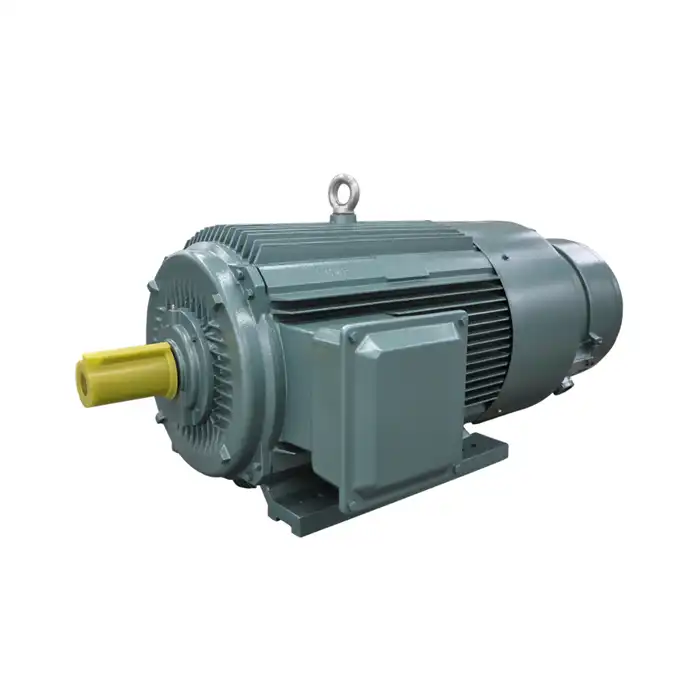
 VIEW MOREmotor ip23
 VIEW MORE3 phase industrial motor
 VIEW MORElong shaft ac motor
 VIEW MOREYFBX4 dust explosion-proof motor
 VIEW MOREYBS low voltage explosion-proof coal mine motor
 VIEW MORElow voltage ac inverter