




4160V Motors: Key Features for Large-Scale Industrial Applications
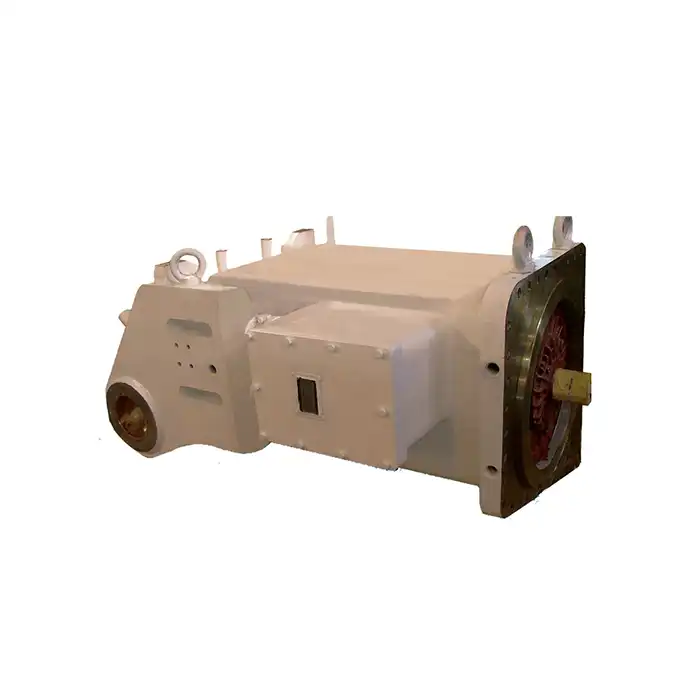
When choosing power options for heavy-duty tasks, it's important to know what high voltage electric motors are and how they work. There is a specific type of industrial equipment called a 4160V motor that is made to handle large amounts of power while still running efficiently. It is possible to depend on these motors to work well in power plants, manufacturing plants, and process businesses. Because they are built to last, they can keep working even in tough situations. This makes them essential for large-scale applications that need reliable power delivery and little downtime.
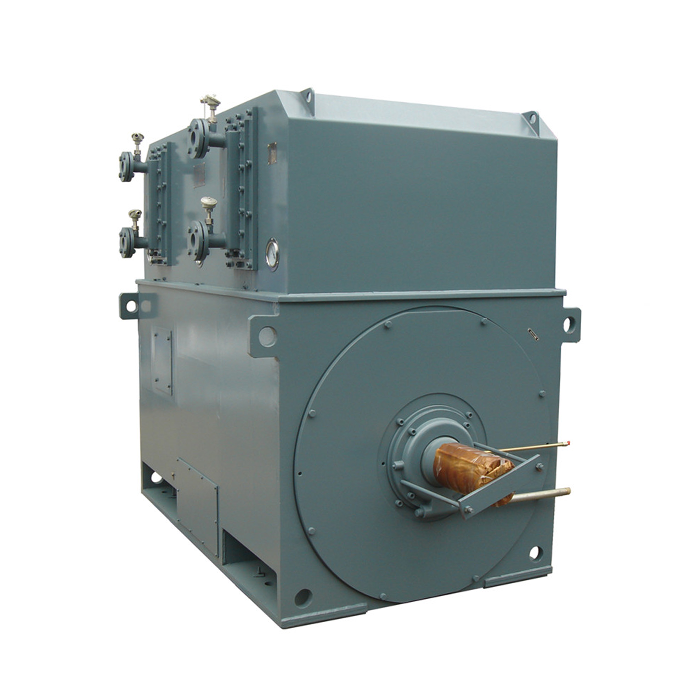
Voltage range:3000V±5%,3300V±5%,6000V±5%,6600V±5%,10000V±5%,11000V±5%
Power range:200-6300 kW
Application:fans, water pumps, compressors, crushers, cutting machine tools, transportation machinery, etc.
Advantage:low noise, low vibration, long service life, easy installation and maintenance.
Standard: This series of products complies with JB/T 12730 and JB/T 12729 standards.
Others: SKF, NSK, FAG bearings can be replaced according to customer requirements.
Understanding High Voltage Motor
Different Types of High Voltage Motors
High voltage electric motors work in a certain way that makes them different from other industrial tools. The classification of the 4160V motor as "medium voltage" means it works with both low voltage systems and ultra-high voltage uses. These motors can usually handle power levels between 220 kW and 6300 kW, so they can meet a wide range of industry needs.
Why motor insulation is important
In high voltage situations, motor shielding is very important. Class F insulation with Class B temperature rise gives better thermal protection, which increases working lifespan while keeping performance standards. This insulation system can handle changes in temperature that are usual in industrial settings, so it will keep working even when the load changes.
Tolerance and Stability of Voltage
The voltage tolerance range of ±5% lets these motors work well even when the power grid changes. This tolerance makes sure that the motor and any equipment attached to it can keep working even when the power supply changes. This keeps the motor and connected equipment from getting damaged by voltage fluctuations.
Technical Specifications and Performance Characteristics
Advanced engineering for the best results
Modern designs for 4160V motors use advanced engineering concepts to get the best performance in a number of areas. With an IP54 rating, these motors are well protected against dust and water splashes, so they can be used in harsh industrial settings. This protection standard makes sure that factories that deal with flying particles and moisture can keep running smoothly.
What Effects Motor Efficiency Have on Prices?
Ratings for motor efficiency have a direct effect on costs and the earth. Modern designs are very efficient because they use improved magnetic materials and better rotor configurations. These changes make the motor use less energy while still meeting its torque delivery needs. This means that it will cost less to run over its lifetime.
Effective Control of Temperature
The ICW37 cooling method is a certain way of dealing with heat in high voltage electric motors. This cooling system makes sure that enough heat is removed during constant use, so heat doesn't build up and hurt performance or shorten the life of parts. When motors are working under heavy loads or in hot situations, it's especially important that they have good cooling.
Different speed ranges allow for a wide range of applications
Speeds range from 500 to 3000 RPM to meet the needs of a wide range of applications. Lower speeds are better for tasks that need a lot of torque at starting, while higher speeds are better for tasks that need to accelerate quickly or run at high speed all the time. Variable frequency drives can change these speeds based on the needs of the process, which makes operations more flexible.
Essential Design Features for Industrial Applications
How to Choose the Right Bearings
Choose the right bearings for your motor can have a big effect on its reliability and upkeep needs. Premium bearing makers make parts that can handle the rotational and axial loads that are common in industrial settings. Customers can choose from different bearing replacement choices that meet the needs of their specific applications. This makes sure that the motor works at its best for as long as it is operational.
Features of Noise and Vibration
Low noise and tremor levels make the workplace better and show that the machines are aligned correctly and that the parts are of good quality. Noise or vibration levels that are too high often mean that mechanical problems are starting to appear, which makes these factors useful for diagnosing. Motors that are well-designed have precise manufacturing tolerances and balanced rotor systems that keep these disturbances to a minimum.
Capable of Starting Torque
A motor's starting torque shows how well it can overcome beginning load resistance. Applications that use pumps, compressors, or heavy machinery need the right amount of starting power to get them up to speed without putting too much stress on the electrical systems. The right torque characteristics keep startup problems from happening and lower the mechanical stress on equipment that is attached.
Effects of How Motor Windings Are Made
Design of the motor's windings affects both how well it works and how long it lasts. Advanced winding methods make the best use of where to put the conductors and how to apply the insulation, which increases efficiency while lowering heat production. When used in industrial settings, where loads change often and the motor starts and stops a lot, good winding design can handle the electrical stresses that come with it.
Applications Across Industrial Sectors
Use in factories and manufacturing facilities
These motors are used in a wide range of ways in factories, such as for conveyor systems, processing equipment, and moving materials. Motors that work reliably in paint booths, assembly lines, and quality control systems are essential to the production of cars. For making electronics, you need to be able to precisely control the speed and keep electromagnetic interference to a minimum. You can achieve these goals by choosing and installing the motor correctly.
Important Parts of Process Control
Process control includes pump drives, valve actuators, and compressor systems that are needed to keep processes going. Motor-driven pumps are used for filtration, chemical dosing, and delivery systems in water treatment plants. Process industries, like chemical, pharmaceutical, and food processing, need motors that work the same way every time to keep up with output schedules and product quality.
Uses for HVAC and refrigeration systems
Commercial and industrial buildings with HVAC and refrigeration systems use 4160V motors for big equipment. Central air handling units, cooling tower fans, and industrial refrigerator compressors all need motors that can run all the time with little upkeep. Because these systems are used for longer periods of time, energy saving is especially important.
Making electricity and using renewable energy
These motors are used in power plants for extra stuff like cooling water pumps, fuel handling systems, and equipment that controls emissions. Motors are used in renewable energy setups for energy storage systems, wind turbine pitch control, and solar tracking systems. For power generation uses to be reliable, they need motors that have a history of good performance and full support services.
Quality Standards and Compliance Requirements
Meeting the requirements of international standards
Motor design, testing, and performance proof are all governed by international standards. The GB/T 1032 and GB/T 13957 standards set the minimum rules for how things should be built, tested, and work. IEC 60034 adds to the rules for foreign uses, making sure that everything works together in all markets around the world.
Certification in Quality Management
The ISO 9001:2015 certification shows that a company has quality management methods in place that make sure the quality of their products is always the same. For this certification, the design, production, testing, and quality control methods must be spelled out in writing. Regular audits make sure that established standards are still being followed, which gives customers trust in the reliability of the product.
Full Set of Testing Procedures
Motor testing methods check the performance characteristics of the motor before it is delivered. Some of these tests are operation with no load, performance proof at full load, measuring insulation resistance, and vibration analysis. Full testing finds possible problems before they are installed, which lowers the chance of mistakes in the field and the costs of downtime that comes with them.
Quality Control During the Whole Production Process
During production, quality control methods make sure that all the parts work together and that the assembly is done correctly. Precision die-casting makes sure that motor frames and end pieces are the right size. Modern wrapping technology makes sure that the conductors are placed correctly and that the insulation stays intact. As the product is being made, there are inspection places at each step to make sure it meets the design requirements.
Installation and Maintenance Considerations
How important it is to follow the right installation steps
Following the right steps for fitting will ensure that the 4160V motor works well and lasts a long time. When preparing the foundation, checking the alignment, and making electrical connections, it's important to follow the manufacturer's instructions. Conditions in the environment, like temperature, humidity, and vibration levels, affect how to put something and how well it works in the long term.
Safety Systems for Motors
Damage from electrical and mechanical problems can't happen with motor safety systems. Overload relays stop too much power from flowing through the windings, which could damage them. Motor starters allow for controlled acceleration, which is better for the motor and any equipment that is attached to it. Variable frequency drives provide extra safety and allow exact control of speed.
Schedules and methods for maintenance
Maintenance plans should include times to lubricate bearings, fix connections, and check the insulation. By inspecting things on a regular basis, problems can be found before they become major problems. Motor tests that use thermal imaging, vibration analysis, and electrical testing can spot problems early on. Preventive maintenance keeps machines running longer and cuts down on unplanned downtime.
Maintenance on the cooling system
Motor cooling system repair makes sure that heat is removed properly. Failures caused by heat can be avoided by cleaning the cooling tubes, making sure the fan works, and keeping an eye on the bearing temperatures. Depending on the environment, cleaning may need to be done more often to keep the cooling working well.
Conclusion
When choosing the right 4160V motor solutions, you need to carefully think about the needs of the product, the environment, and the performance you expect. For demanding industrial uses, these motors reliably deliver power while meeting efficiency standards that keep running costs low. The motor will work at its best for as long as it is manufactured well, installed correctly, and serviced regularly. By knowing these important details, you can make smart choices that help you reach your business goals while keeping the total cost of ownership as low as possible.
Why Choose XCMOTOR for Your Industrial Motor Needs
As a reliable 4160V motor supplier, XCMOTOR stands out by providing complete power equipment options that are tailored to your specific industrial needs. Our dedication to high energy efficiency, low energy use, and stable power delivery keeps your processes running at their best. We give you the dependability you need by sending you original parts from well-known brands quickly, letting you return items within 30 days, and offering dedicated help even on weekends. Get in touch with xcmotors@163.com right away to talk about how our skills can improve your industrial uses.
References
1. International Electrotechnical Commission. "Rotating Electrical Machines - Part 1: Rating and Performance." IEC 60034-1:2017 Standard Documentation.
2. National Electrical Manufacturers Association. "Motors and Generators Standards Publication." NEMA MG 1-2016 Guidelines for Medium Voltage Applications.
3. Institute of Electrical and Electronics Engineers. "IEEE Standard Test Procedure for Polyphase Induction Motors and Generators." IEEE Std 112-2017 Testing Protocols.
4. American Society for Testing and Materials. "Standard Practice for Application of High Voltage Electric Motors in Industrial Environments." ASTM D4052 Technical Guidelines.
5. European Committee for Electrotechnical Standardization. "Efficiency Classes of Single Speed Three-Phase Cage Induction Motors." EN 60034-30-1:2014 Classification Standards.
6. Industrial Motor Power Association. "Best Practices for Medium Voltage Motor Selection and Application." IMPA Technical Bulletin 2023-04 Implementation Guide.
YOU MAY LIKE
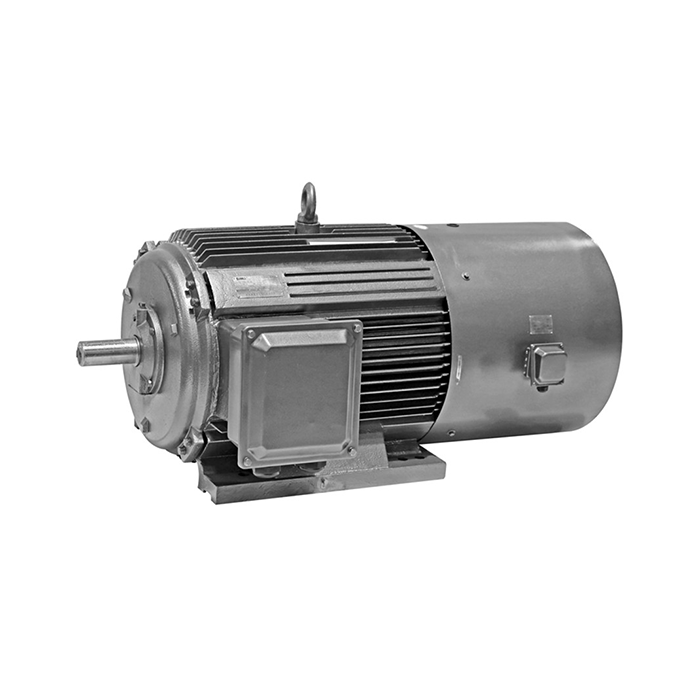 VIEW MOREYVFE3 frequency conversion speed regulating motor
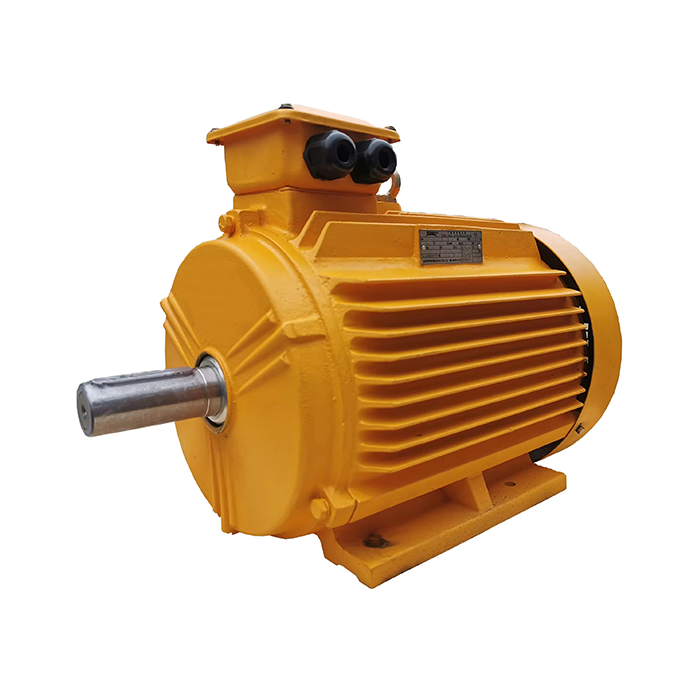 VIEW MOREYE4 high efficient three-phase asynchronous motor
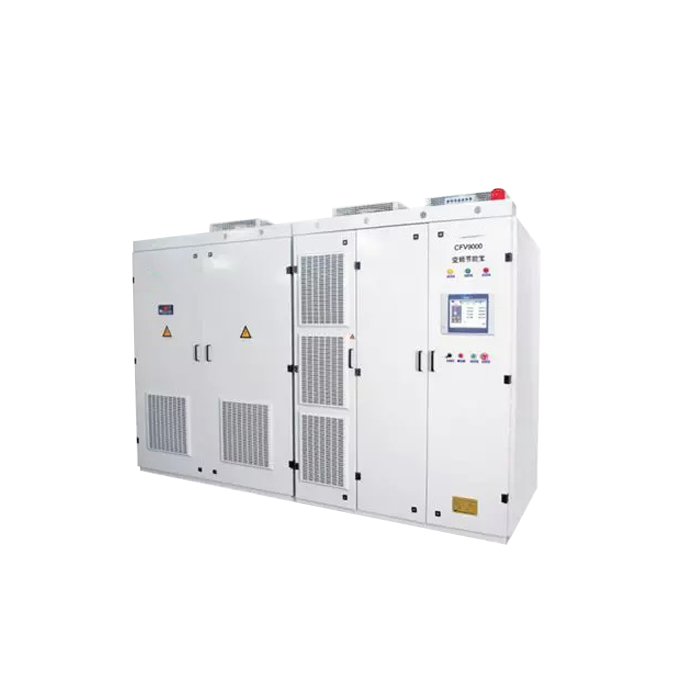 VIEW MORE6600v drive
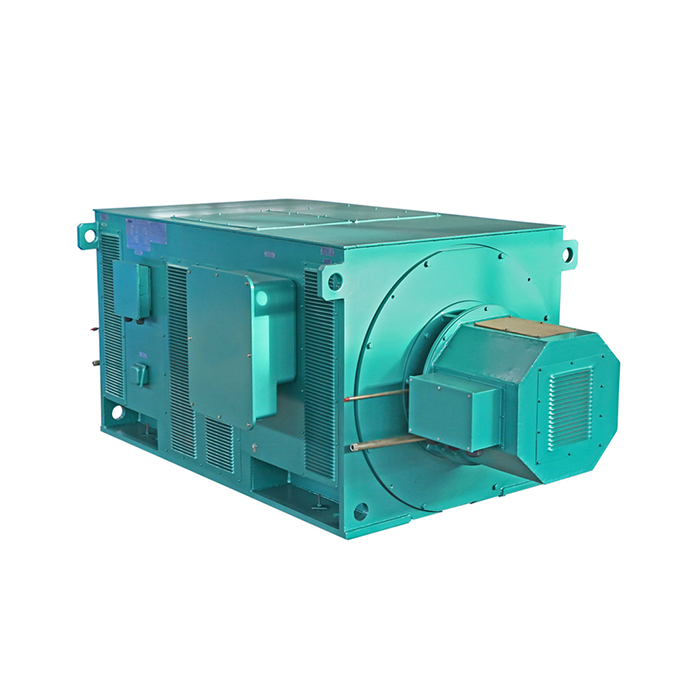 VIEW MOREslip ring induction motor
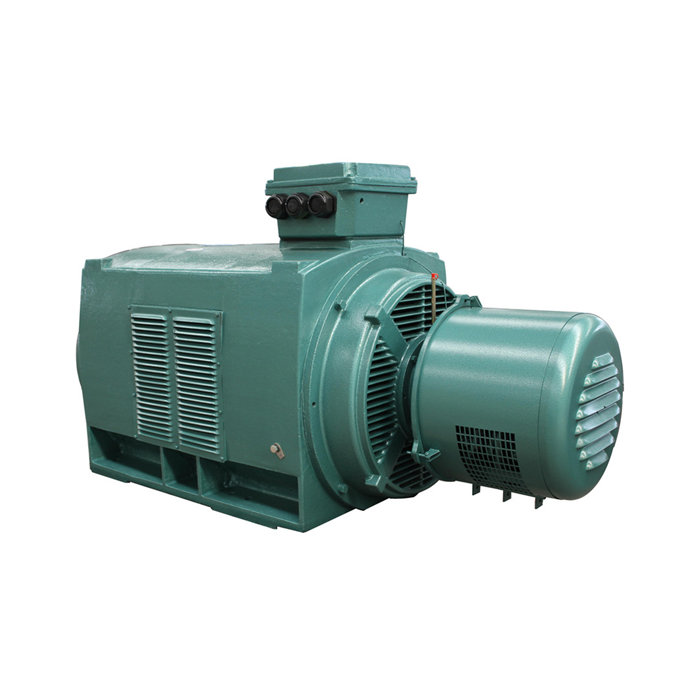 VIEW MOREelektromotor ip23
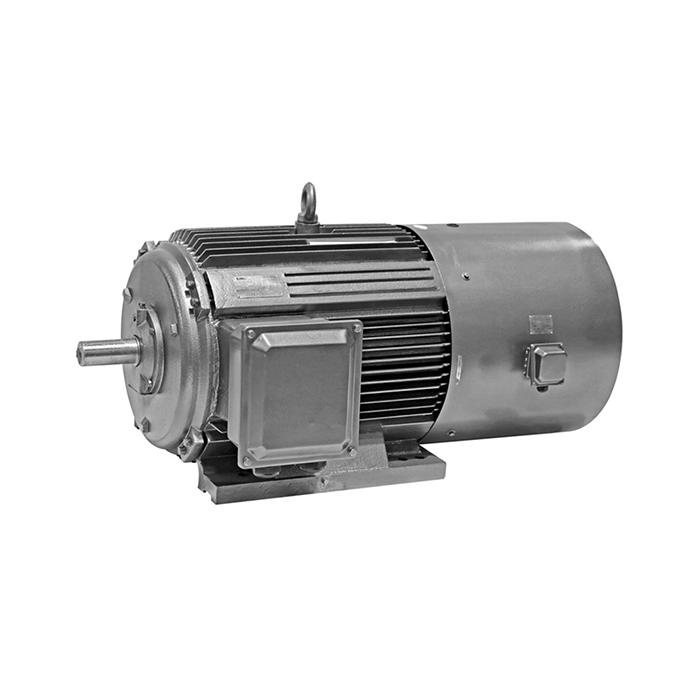 VIEW MOREinverter duty motor
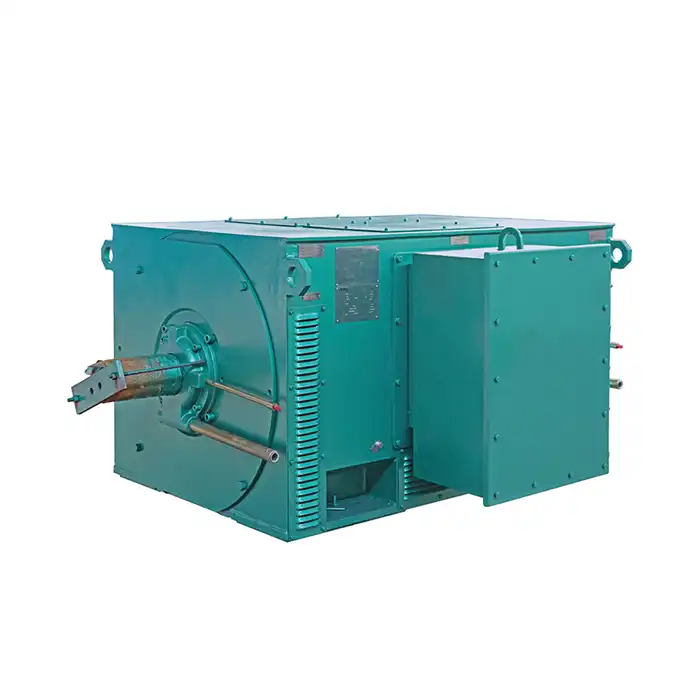 VIEW MOREmost energy efficient motor
 VIEW MOREYBSD explosion-proof conveyors motors