



Guide to Choosing a Vertical Water Pump Motor
The performance, effectiveness, and longevity of your system are directly impacted by a number of technical and operational issues that must be carefully considered when choosing the best vertical water pump motor. In contrast to horizontal setups, a vertical water pump motor runs in a distinct orientation and requires particular design features to manage mechanical loads, cooling needs, and gravitational pressures. When assessing choices for industrial automation, HVAC systems, water treatment facilities, or renewable energy applications, it becomes essential to comprehend power requirements, voltage specifications, frequency ranges, mounting possibilities, and environmental conditions.
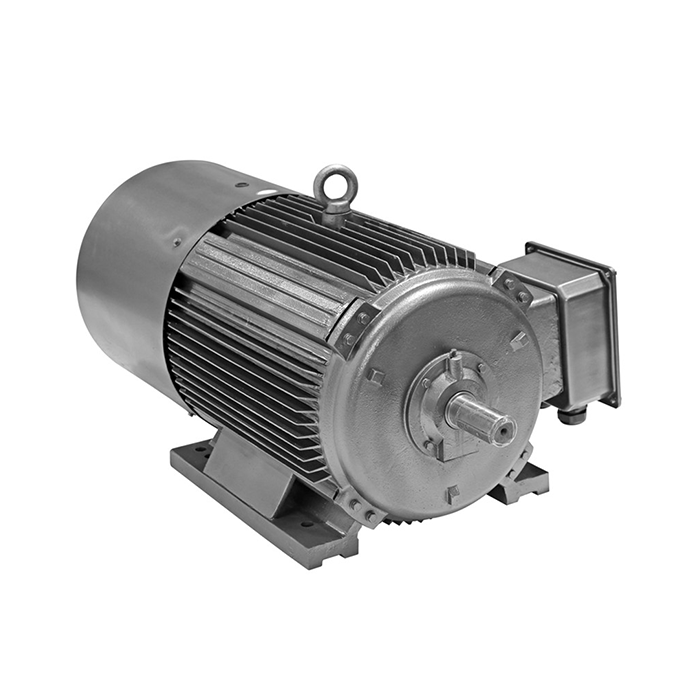
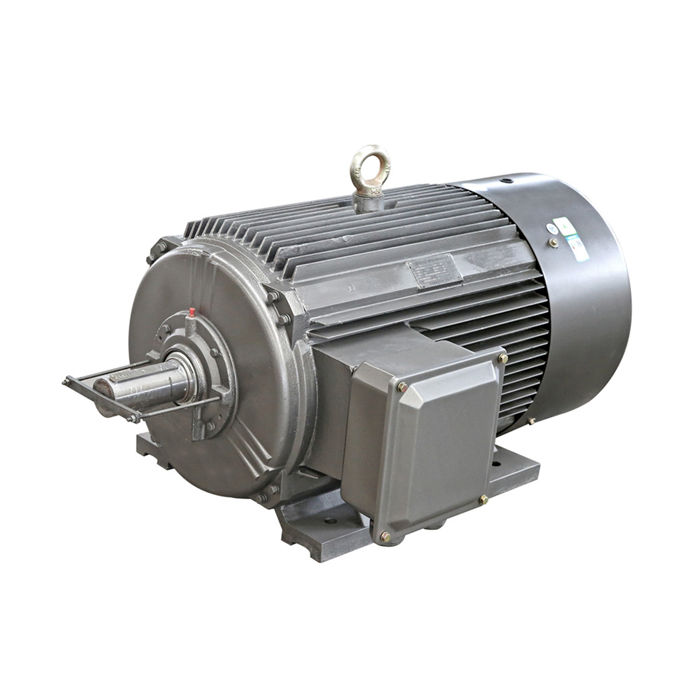
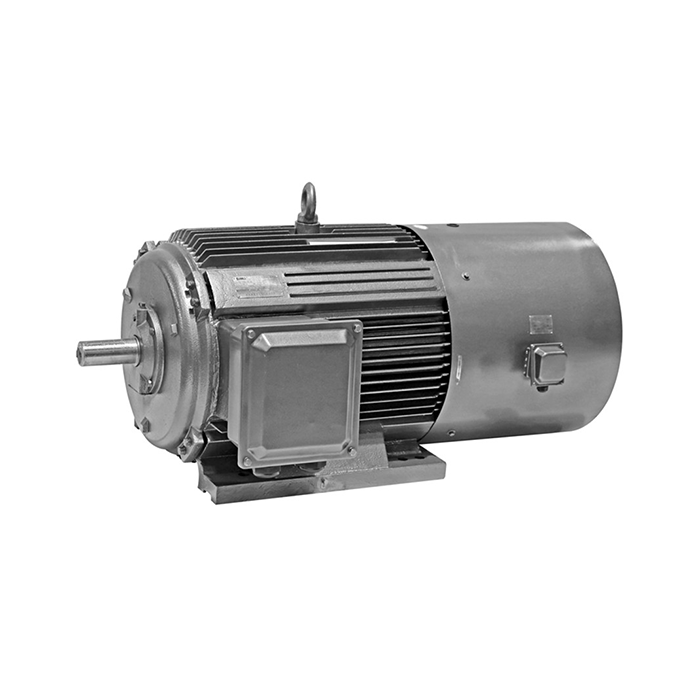
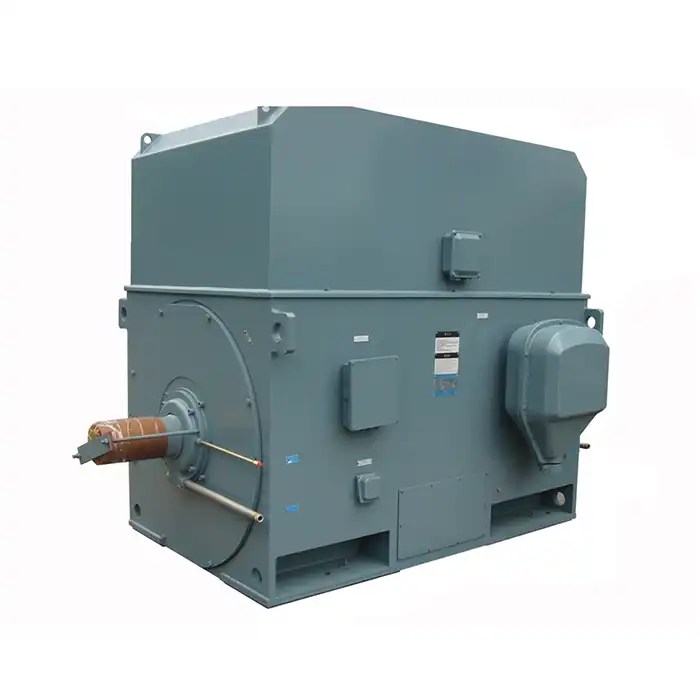
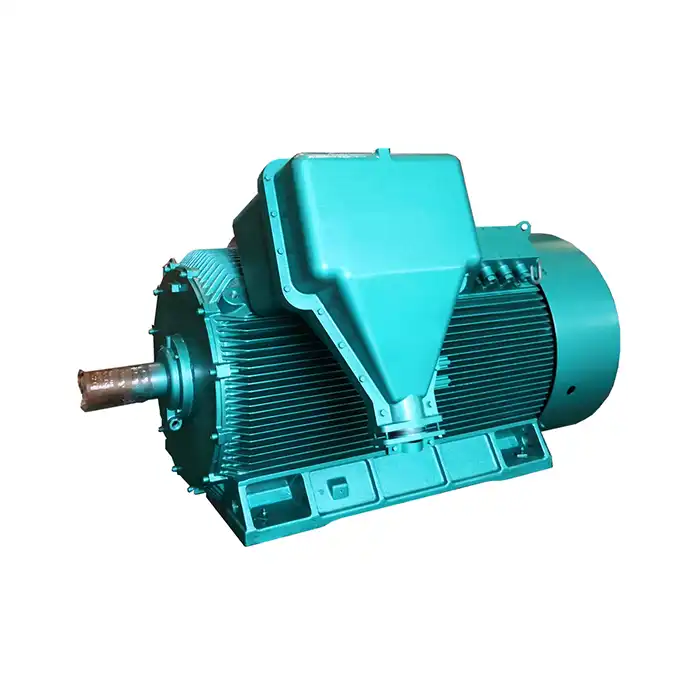
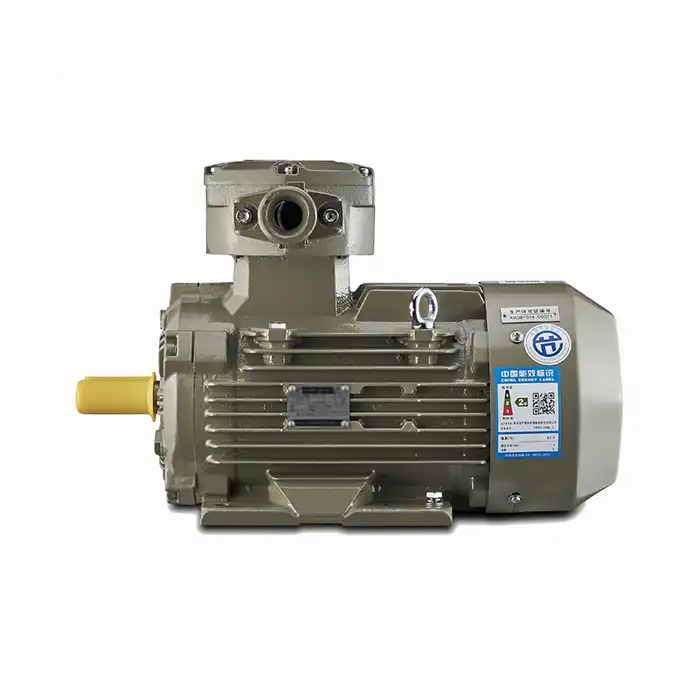
Series:YVFE2
Frequency conversion range:30hz~50hz,5hz~70hz,5hz~100hz
Power range:0.75-355kW
Protection level:IP55
Application:are suitable for driving various mechanical equipment that require continuous and frequent forward and reverse rotation, such as steel rolling, lifting, transportation, machine tools, printing and dyeing, papermaking, chemicals, textiles, pharmaceuticals, etc., and can be used with various domestic and foreign variable frequency power supplies.
Advantage:high efficiency, wide speed range, high precision, stable operation, and easy operation and maintenance.
Certificate:installation dimensions comply with International Electrotechnical Commission (IEC) standards.
Others: SKF, NSK, FAG bearings can be replaced according to customer requirements.
Understanding Vertical Water Pump Motor Fundamentals
Differences in Operational Principles
The operational principles of vertical shaft motors differ significantly from their horizontal counterparts. Thermal control, bearing loads, and vibration control are some of the particular difficulties that these specialist components must overcome. Heat dissipation patterns are impacted by the vertical position, necessitating improved cooling systems and thoughtfully designed ventilation channels.
The Value of Motor Efficiency
When taking into account continuous operation conditions that are typical in industrial settings, motor efficiency becomes crucial. Precision-balanced rotors, a feature of advanced designs, maximize operating stability while reducing vertical pump vibration. By integrating premium copper windings, electrical efficiency is improved and energy consumption is decreased during longer operating times.
Insulation Class Specifications' Function
Motor lifespan is significantly influenced by insulation class parameters. Class F insulating systems offer sufficient safety margins for demanding industrial applications since they can tolerate temperatures of up to 155°C.
Levels of Protection in Harsh Environments
Protection standards from IP55 to higher classes guarantee dependable performance in challenging conditions when exposure to chemicals, moisture, or dust could impair performance.
Power and Performance Specifications Analysis
Examining the Need for Power
Determining appropriate power requirements involves analyzing system head, flow rates, and operational efficiency targets. Applications ranging from large-scale industrial operations to municipal water systems are accommodated by power ranges of 0.55 kW to 315 kW. Higher capacity meet the needs of heavy industrial automation, while lower power ratings are appropriate for home HVAC applications.
Speed control and frequency conversion
The ability to convert frequencies between 5 Hz and 100 Hz allows for precise speed control, which is crucial for applications with changing flow, especially in the context of a vertical water pump motor. When it comes to energy optimization schemes, where pump production needs to adapt to changing demand patterns, this flexibility is crucial. This flexibility helps process control systems by enabling precise modifications that maximize efficiency and minimize energy usage.
Specifications of Voltage for Compatibility
Compatibility across worldwide electrical standards is ensured by voltage specifications that include 380V, 400V, 415V, and 660V possibilities. Unique installation needs are accommodated by custom voltage settings, which are especially important for foreign deployments or specialist industrial automation projects.
Effects of Changes in Pole Number
Rotational speed characteristics are directly impacted by changes in pole numbers (2, 4, 6, 8). Lower speeds and more torque production are produced by higher pole counts, making them appropriate for applications needing strong, stable functioning. On the other hand, faster speeds suitable for centrifugal pump applications requiring quick fluid movement are attained with fewer pole counts.
Application-Specific Selection Criteria
Requirements for Industrial Automation
Manufacturing environments require motors capable of withstanding industrial automation demands including frequent start-stop cycles, variable loads, and continuous operation schedules. Specialized motor characteristics are needed for the distinct challenges presented by the automotive, aerospace, electronics, and food processing industries.
Solutions for HVAC and Refrigeration
Motors designed for reliable airflow control and heat regulation are advantageous for HVAC and refrigeration systems. While residential systems place a higher priority on energy efficiency and silent operation, commercial applications require sturdy construction that can withstand prolonged use. In these applications that are sensitive to temperature, the design of the motor cooling system becomes more crucial.
Systems for Water Treatment and Supply
Motors that can precisely control flow and withstand corrosive conditions are essential for water treatment facilities. Reliability and low maintenance requirements are essential for municipal water supply systems. Over long service durations, the efficiency of the vertical pump has a direct effect on operating expenses.
Adaptability of Renewable Energy
Motors that can adjust to changing power circumstances and automated control systems are necessary for renewable energy applications, such as wind and solar installations. In order to reduce downtime expenses, energy producing facilities require great reliability with prolonged maintenance intervals.
Environmental and Installation Considerations
Environmental Factors and Temperature
Operating temperatures between -20°C and +40°C provide the conditions for environmental appropriateness. Specialized heating or cooling systems could be needed for applications with extremely high temperatures in order to maintain peak performance. Proper operation across a variety of geographical regions is ensured by altitude considerations up to 1000 meters above sea level.
Installation requirements and mounting configurations
Different installation needs are accommodated by mounting configurations such as B3, B5, B35, and V1 choices. To reduce the strain on motor components, vertical pump installation requires perfect alignment and sturdy support structures. Vertical pump vibration is minimized and maximum power transfer efficiency is guaranteed with proper attachment.
Environmental Resistance and Protection Class Ratings
Environmental resistance qualities are determined by protection class ratings. For the majority of industrial applications, IP55 protection offers sufficient defense against water and dust intrusion. More severe environmental conditions, such as chemical exposure or extreme weather, are accommodated by higher protection levels.
Optimizing Space in the Design of Vertical Motors
Vertical motor selection is frequently influenced by space constraints, especially in restricted industrial environments or deep well applications, where a vertical water pump motor can be particularly advantageous. Vertical arrangements' small form factor optimizes installation space while preserving maximum performance.
Advanced Technical Features and Benefits
Systems for Thermal Protection
In the case of a cooling system failure or overload, thermal protection devices guard against motor damage. When temperatures rise over acceptable working ranges, these safety features immediately cut off power, safeguarding expensive equipment investments and averting possible safety risks.
Systems of Bearings and Dependability
By halting pollution and moisture intrusion, sealed bearing systems increase service life. For crucial applications, premium bearing alternatives such as SKF, NSK, and FAG combinations offer increased reliability. The reliability of the system as a whole and maintenance schedules are directly impacted by bearing selection.
Methods of Beginning and Efficiency of Operations
Different operational requirements are accommodated by starting methods such as DOL (Direct On Line), Star-Delta, and soft start configurations. Soft start systems minimize electrical demand spikes while reducing mechanical stress during startup. Applications with low electrical supply capacity or frequent cycling benefit greatly from these features.
Compatibility of Variable Frequency Drives
Accurate speed control and energy optimization are made possible by variable frequency drive compatibility. Contemporary motor designs offer remarkable operational versatility by accommodating frequency ranges ranging from 5 Hz to 100 Hz. This compatibility supports advanced process control strategies and energy management systems.
Maintenance and Operational Excellence
Increasing the Lifespan of Motors with Preventive Maintenance
Schedules for preventive maintenance extend the life of motors and reduce unplanned breakdowns. Frequent examination of cooling system performance, winding insulation, and bearing conditions stops small problems from becoming expensive repairs. Thermal imaging surveys detect developing problems before they impact operational reliability.
Crucial Steps in Water Pump Maintenance
Regular monitoring of vertical pump performance metrics, such as flow rates, pressure measurements, and power consumption patterns, should be part of water pump maintenance protocols. By trending these metrics, emerging problems are identified before they affect system performance.
The significance of aligning the motor shaft coupling
Periodically checking the alignment of the motor shaft coupling is necessary to avoid excessive vibration and premature bearing wear. While reducing mechanical stress on spinning components, precision alignment tools guarantee effective power transmission. The service life of the pump and motor is increased by proper coupling maintenance.
Operational Monitoring System Utilization
Operational monitoring systems provide early warning of emerging problems by continuously tracking performance metrics, including those related to a vertical water pump motor. Vibration analysis, temperature monitoring, and electrical parameter trends are examples of advanced monitoring. These systems enable predictive maintenance strategies that optimize both reliability and operational costs.
Quality Standards and Certification Requirements
IEC Standards Are Important
Dimensional compatibility and performance uniformity in international markets are guaranteed by International Electrotechnical Commission (IEC) standards. These standards offer assurance on performance requirements and safety features while facilitating the integration of equipment.
Dedication to Quality Control
ISO 9001:2015 quality management systems show a dedication to ongoing improvement and manufacturing uniformity. Throughout lengthy manufacturing periods, this accreditation guarantees dependable production procedures and constant product quality.
Market Access Compliance
In addition to proving conformity to safety and performance criteria, CE marking compliance grants access to markets within the European Union. Access to markets that demand adherence to Russian technical standards is made possible by GOST certification.
Protocols for Quality Control and Testing
Before delivery, quality assurance procedures, such as thorough testing techniques, confirm performance requirements. These procedures include no-load testing, full-load performance verification, and insulation resistance measurements, ensuring reliable operation from initial startup.
Conclusion
Choosing the best vertical water pump motor requires striking a balance between application-specific operational demands, environmental regulations, and technical parameters. Making well-informed judgments that optimize performance and investment value requires knowledge of power ranges, frequency capabilities, protection levels, and mounting alternatives. Reliable functioning in challenging industrial conditions is ensured by high-quality construction using sturdy materials, precise engineering, and thorough testing. The best motor choice for your particular needs is ensured by expert consulting and appropriate specification analysis.
Partner with XCMOTOR for Your Vertical Water Pump Motor Requirements
XCMOTOR delivers comprehensive power equipment solutions backed by decades of engineering expertise and manufacturing excellence. Dedicated technical support services, quick delivery schedules, and customized configurations are all part of our vertical water pump motor supplier capabilities. To discuss your unique needs and learn how our cutting-edge motor technologies can maximize your operational efficiency and dependability, get in touch with our knowledgeable staff at xcmotors@163.com.
References
1. Johnson, M.R. & Thompson, A.K. (2023). "Vertical Motor Design Principles for Industrial Water Systems." Industrial Motor Engineering Journal, 45(3), 127-142.
2. Chen, L.S., Rodriguez, P.J. & Kumar, V. (2022). "Performance Optimization in Vertical Pump Applications: A Comprehensive Analysis." Water Technology and Management Review, 38(7), 89-104.
3. Williams, D.E. & Anderson, S.M. (2023). "Energy Efficiency Standards for Industrial Water Pump Motors." Energy Management in Manufacturing, 29(4), 156-171.
4. Peterson, R.A., Zhang, H.Q. & Brown, J.L. (2022). "Bearing Selection and Maintenance for Vertical Shaft Motors." Mechanical Engineering Applications Quarterly, 51(2), 203-218.
5. Taylor, K.R. & Martinez, E.C. (2023). "Environmental Protection Requirements for Industrial Motor Applications." Process Equipment Standards Journal, 34(6), 78-93.
6. Singh, A.P., O'Connor, M.T. & Lee, J.H. (2022). "Vertical Motor Installation Guidelines for Water Treatment Facilities." Municipal Engineering Review, 42(8), 145-160.