



Best LV Induction Motors for OEM Automation Projects
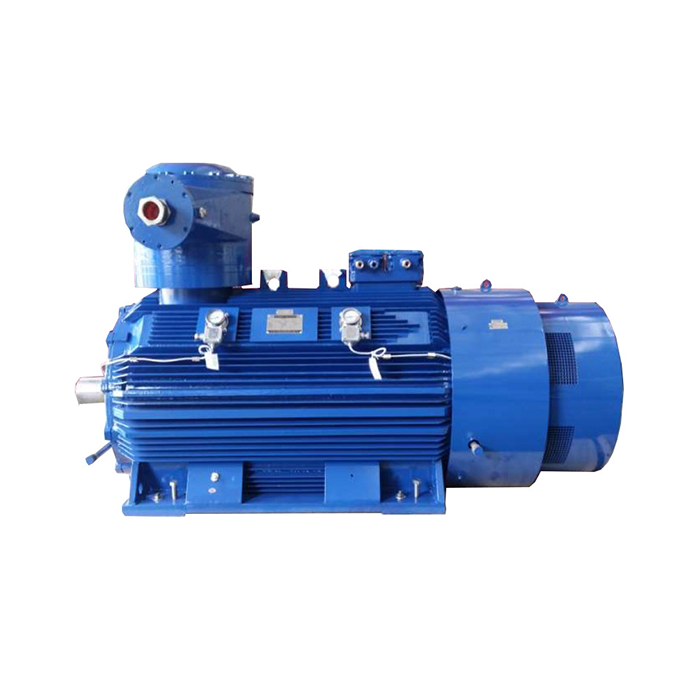
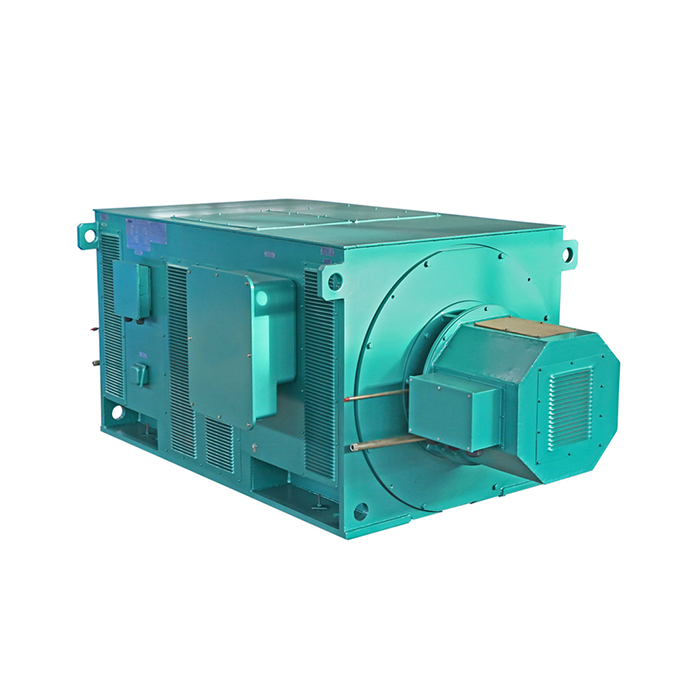
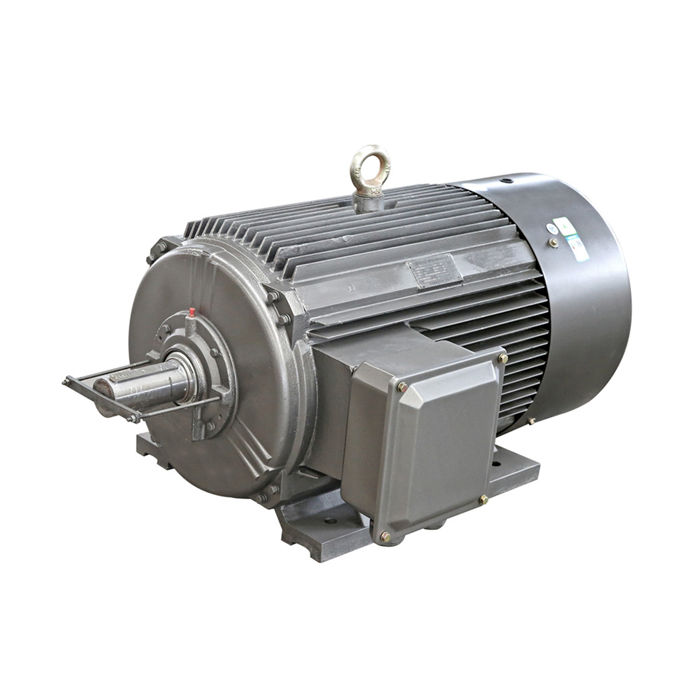
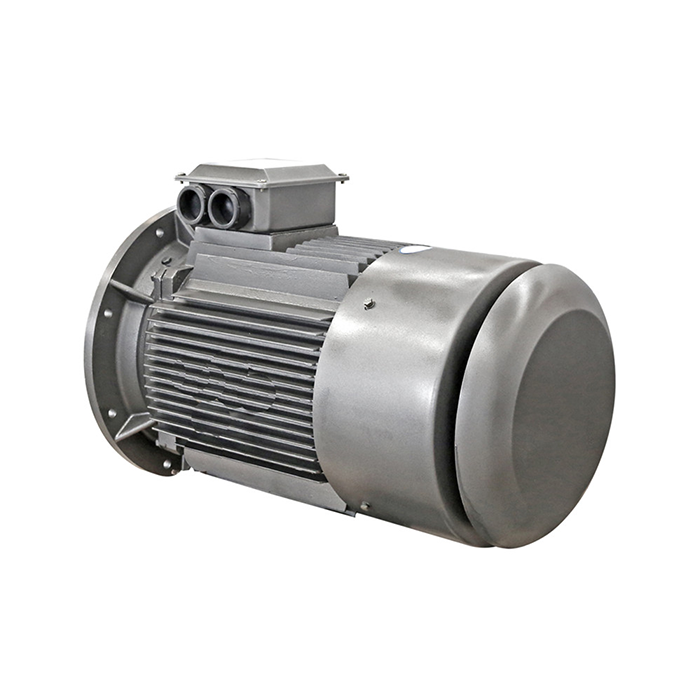
For consistent performance across industrial applications, engineers worldwide choose the best lv induction motor for OEM automation systems. Automotive and food processing manufacturing lines, process control systems, and automation equipment use these motors. Project success, operating efficiency, and maintenance costs depend on low voltage motor selection.
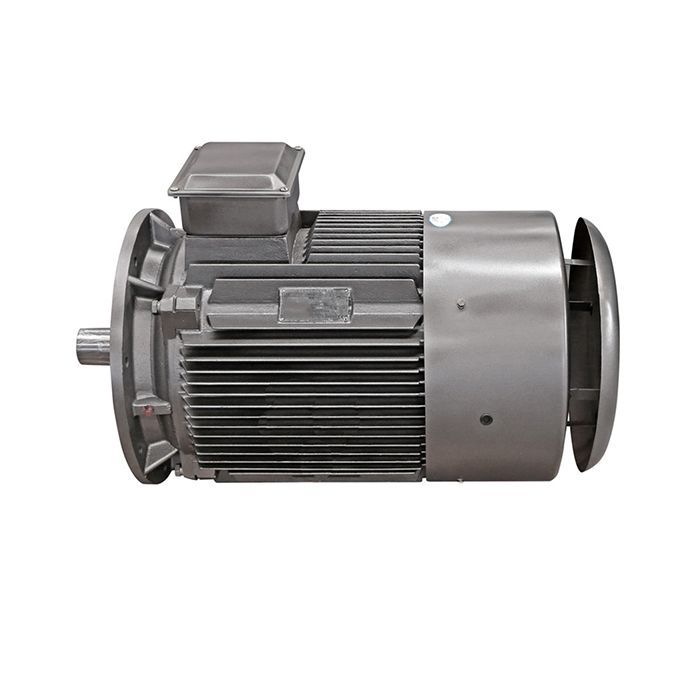
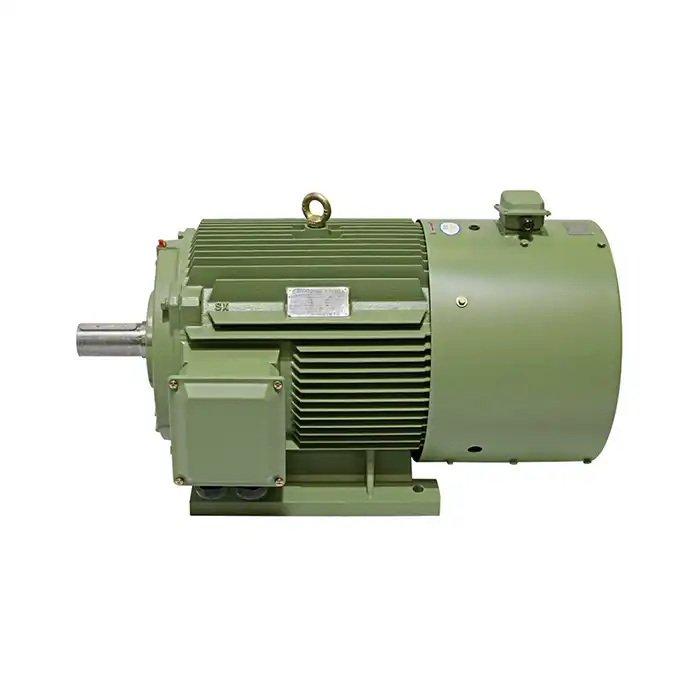
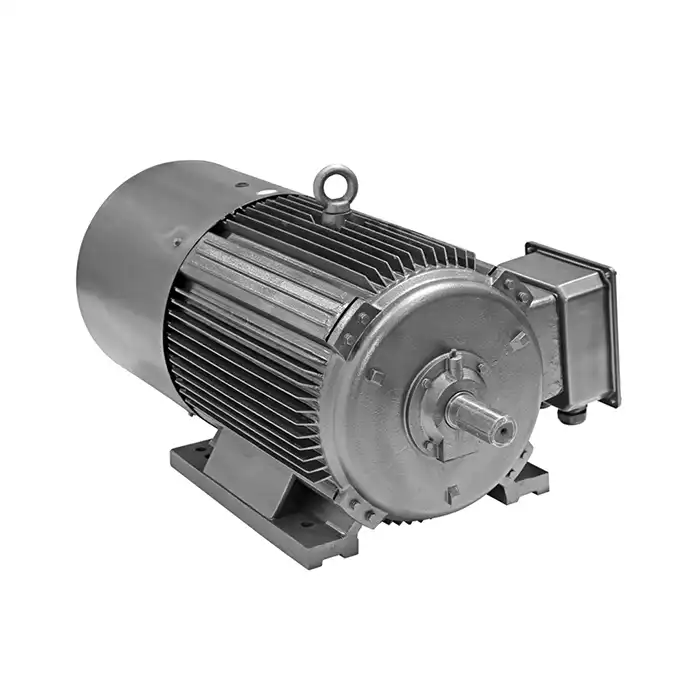
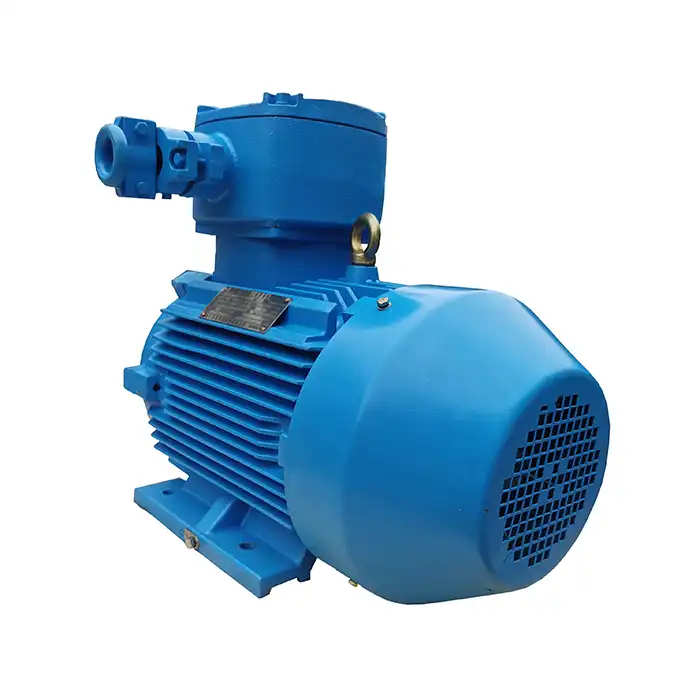
Series:YE3
Frame number: 80-450
Power range:0.75-1000kW
Protection level:IP55
Energy efficiency class: IE3
Voltage range: 380V,400V,415V,660V, etc.
Application:can be used in various fields of the national economy, such as machine tools,water pumps,fans,compressors,and can also be used in transportation, mixing, printing, agricultural machinery, food and other occasions that do not contain flammable, explosive or corrosive gases.
Certificate: international standard IEC60034-30 "Efficiency Classification of Single-speed Three-Phase Squirrel Cage Induction Motors".
Advantage:The high quality of the electric motor guarantees high operational reliability.
Others: SKF, NSK, FAG bearings can be replaced according to customer requirements.
Introduction
Demand for Reliable, Flexible Motors
Current OEM automation applications need reliable, energy-efficient, adaptable motors. Automation engineers value the lv induction motor's longevity, low maintenance, and versatility. From 0.75kW to 1000kW, these motors power precision positioning systems and heavy-duty conveyors.
The industrial automation landscape changes
Industrial automation is growing rapidly due to smart manufacturing and energy efficiency standards worldwide. This transformation prioritizes torque estimate accuracy, heat management, and VFD integration. Understanding these needs helps engineers choose automation motors.
Prioritize Sustainability and Energy Efficiency
Sustainable manufacturing has raised demand for energy-efficient motors. Many places require IE3 efficiency class motors, although advanced markets prefer higher classes. Regulations affect OEM motor selection and long-term operations.
Why Focus on Low Voltage Induction Motors for Automation
Low-Voltage Motor Benefits
Safe and economical, low-voltage motors are best for industrial automation. These motors work at 380V–660V, minimizing high voltage system concerns and powering most automation demands. They are popular because to easier installation, lesser safety training, and lower infrastructure costs.
Induction Motor Design Reliability
Simple construction and no brushes or commutators make induction motors reliable. Brushless technology reduces wear areas, extending life and maintenance. Manufacturing operations with properly sized and maintained induction motors can operate for years without downtime.
Improvements in motor control
Power electronics have changed low-voltage motor control. Automated systems benefit from modern variable frequency drives' accurate speed regulation, soft starting, and problem diagnostics. Advanced automation is possible with these control systems and programmable logic controllers.
Selection Criteria for Industrial Motors
Performance and Efficiency Standards
Energy efficiency influences automation motor selection and operational costs. IE3 efficiency class motors save energy by approaching 90% efficiency across their operating range. Continuous-duty automation systems benefit most from this efficiency boost. Torque must meet application requirements at all speeds. Motor load profile capacity depends on start-up, pull-up, and breakdown torque. Reliable automation systems with frequent starting and stopping cycles need these features.
Environmental and Protection Requirements
Thermal fluctuations, moisture, and contamination plague industrial motor control systems. For most indoor automation applications, IP55 is suitable, but IP65 may be needed for hostile or outdoor installations. Thermal management affects motor performance. High ambient temperatures or severe duty cycles are possible with Class F insulating systems at 155°C. Automated production needs heat capacity for consistency.
Integration and Control Compatibility
Modern automation systems require motors to use digital control networks and condition monitoring. Sensorless controllers simplify installation and maintain precision by providing speed and position feedback without sensors. These help space-constrained automation applications. Automation systems with advanced monitoring and troubleshooting need greater signal processing. Encoder feedback systems, temperature sensors, and motor vibration monitoring devices are used in predictive maintenance in modern factories.
XCMOTOR LV Induction Motor Series Analysis
Power Range and Application Versatility
The XCMOTOR lv induction motor series comprises 80–450 frame sizes and 0.75kW–1000kW power outputs. It can accommodate fractional horsepower precision positioning systems and heavy-duty conveyor systems with high torque. The modular frame architecture standardizes automation projects and allows application flexibility. Global automation standards allow OEMs to unify motor specs in the 380V to 660V voltage range. This voltage flexibility helps companies in different regions with different electrical infrastructures. Engineers who specify identical motor models independent of local voltage simplify inventory management and maintenance. Automation systems benefit from the series' consistent mounting dimensions and power range connections. This standardization simplifies engineering and allows modular devices with common mechanical interfaces for different power levels. Manufacturing equipment designers want this homogeneity for scalable automation.
Construction and Reliability Features
Automation equipment that needs durability and mobility benefits from die-cast aluminum frames' strength-to-weight ratios. The aluminum structure cools well, maintaining working temperatures throughout heavy use. Thermal performance prolongs bearing and winding insulation. High-quality silicon steel stator and rotor construction decreases core losses and improves magnetic efficiency. Energy efficiency optimization needs material selection, especially in frequency-controlled variable speed applications. Low-loss motors are efficient over their speed range, enabling automation systems with variable operating conditions. In rigorous automation systems, SKF, NSK, and FAG bearings live longer. These bearing systems handle automation applications' radial and axial loads while retaining shaft location for mechanical coupling to driven equipment. The bearing choice of a motor reflects its continuous-duty automation capabilities.
Control Integration and Performance
Improves operational expenses and satisfies international energy standards with IE3 efficiency. High-efficiency design reduces heat, improving component life and system reliability. This efficiency level is critical in large automation projects where motor energy consumes a lot of facility energy. Speed and torque management in modern automation systems requires VFD compatibility. The motor design accommodates VFD voltage harmonics and switching frequency without impacting performance or reliability. Applications that demand precise speed adjustment or soft starting need this compatibility. Automation facilities are using motor fault diagnosis for predictive maintenance. Flaws are detected before manufacture by temperature, vibration analysis compatibility, and insulation resistance monitoring. These diagnostics enable Industry 4.0's proactive maintenance.
Global Market Characteristics and Considerations
Regional Standards and Compliance
International regulations impact motor selection and specification. IEC 60034-30 efficiency designations enable market-wide motor performance comparisons. With homogeneity, OEMs may make regional equipment development decisions easier. New motor installations in Europe must be energy efficient. These criteria influence IE3 and higher-efficiency motor adoption, affecting initial purchases and operations. Understanding these limits lets OEMs set motor efficiency levels for their intended markets. North American markets emphasize voltage levels and mounting options. Regional preferences must be considered while designing global automation equipment. NEMA frame standards may need to be adjusted for IEC equipment.
Cultural and Operational Preferences
Regions have various maintenance and operation practices. Some markets value low initial cost, while others value whole ownership cost, including energy and maintenance. These preferences affect motor choice and enable OEMs make regional goods. Different global markets reward advanced motor monitoring and diagnosis skills according to data analytics adoption rates. Motors with integrated monitoring are popular in predictive maintenance markets, while others choose simple, durable designs. Supply chain variables affect local versus global motor supplier selections by location. Some markets prioritize technical criteria and cost efficiency regardless of manufacturing location, while others value local sourcing for shorter lead times and better service.
Industry Applications and Use Cases
Manufacturing and Process Control
Manufacturing machine learning systems increasingly optimize production parameters with precision motor control. In these applications, little speed or torque variations can impair product quality, thus Lv induction motors are stable. Motor stability enables adaptive control. Regular motor performance baselines help manufacturing facility condition monitoring systems spot irregularities. Induction motors with accurate vibration and heat monitoring can discover mechanical flaws before manufacturing. Process control motors must be precise under load. Mechanical factors impact process quality in mixing, pumping, and material handling, therefore speed regulation is crucial. Motor torque must be constant across working speeds for process repeatability.
HVAC and Refrigeration Systems
Commercial HVAC systems increasingly use variable speed drives for energy optimization, requiring VFD-specific motors. They need thermal management since motors run in high ambient temperatures while controlling airflow. Refrigeration requires motors that work across wide temperature ranges. Running efficiency influences system energy use, and motor starting must accommodate compressor loads. Selection of motors is critical for refrigeration system performance and reliability.
Energy and Renewable Applications
Pumps, fans, and material handling equipment in power plants require huge induction motors. These applications require good motor design and component selection for long-term, low-maintenance operation. Renewable energy plants are remote and hard to maintain. Motors must be reliable and effective in various situations. The motor's protection rating and insulation class are vital for reliable performance in difficult conditions. Remote energy facilities have high economic implications from unforeseen downtime, making predictive maintenance solutions attractive. Remote monitoring reduces on-site inspections and maintains dependability in motors.
Technology Integration and Advanced Features
Smart Motor Technologies
Modern automation systems benefit from intelligent motor performance monitoring and system integration. Temperature sensors, vibration monitoring, and communication interfaces provide real-time performance data collection. Integration allows advanced facilities management systems to optimize energy and maintenance. Machine learning algorithms can predict maintenance and efficiency gains using motor running data. This feature benefits large automation installations since even small efficiency gains reduce costs. Advanced analytics systems require accurate motor operational data. Digital twin simulation and optimization require accurate motor performance models. Lv induction motors with well-documented performance characteristics provide precise digital representations for virtual commissioning and performance adjustment before installation.
Future-Ready Design Considerations
Global industrial IoT use boosts data analytics skills. Motors must be reliable and inexpensive while supporting more sensors and communication hardware. Mounting and environmental protection for these additional components should not influence core motor performance in a mechanical design. Automation system design increasingly addresses cybersecurity, thus motors and control systems must offer secure communication protocols. Changing security standards affect hardware design and software implementation, therefore choosing motors from manufacturers that support them is vital. Recycling and environmentally friendly motors are in demand due to sustainability efforts. For OEMs targeting environmentally conscious consumers, material selection, manufacturing processes, and end-of-life disposal increasingly affect motor choices.
Purchasing Recommendations and Considerations
Technical Specification Priorities
Consider starting torque, peak operating loads, and duty cycle characteristics when determining a power rating. Oversizing motors increases costs and affects efficiency, while undersizing reduces reliability and performance. Load analysis enhances motor performance and cost. Environmental protection criteria must meet operating temperature, humidity, and pollution. Specifying high protection loses money, while inadequate protection diminishes reliability. Environment helps determine protective levels.
Supplier Evaluation Criteria
Technical support is needed for motor integration-complex automation projects. Technical documentation, application engineering, and fast customer service should be provided by suppliers throughout the project. OEMs designing novel automation systems benefit most from this assistance. Vibration analysis and other diagnostics require supplier competence. For advanced motor characteristics, manufacturers should train and assist customers with condition monitoring systems. This support connection is more valuable than little supplier cost discrepancies. Safety requirements and ISO 9001:2015 certifications demonstrate supplier commitment to quality and performance. These certifications guarantee motor reliability and consumer quality. Supplier assessments should verify certification.
Total Cost of Ownership Analysis
Efficiency optimization is crucial for economic motor selection because energy costs make up most of motor ownership costs. High-efficiency motors cost extra but pay for themselves in months. Exact energy cost projections enable motor choice economic comparisons. Motor quality, application requirements, and facility upkeep effect maintenance costs. Superior components in premium motors can reduce maintenance costs despite greater initial cost. Knowing maintenance needs and costs helps estimate total cost of ownership. Service-life assumptions affect replacement costs and operational disruption. Known-brand motors live longer and decay more predictably. Predictability helps reduce downtime and costs with proactive replacement planning.
Industry Trends and Summary
Industry 4.0 and smart manufacturing are connecting and intelligentizing industrial automation. More installations use Lv induction motors with monitoring and digital communication connections. Global energy efficiency regulations make high-efficiency motors routine, not luxury. Future automation systems will be more reliable using AI, predictive analytics, and motor technology.
Frequently Asked Questions
1. What power range is available for automation applications?
From 0.75kW to 1000kW, Lv induction motors meet most industrial automation needs. Heavy-duty conveyor systems and industrial equipment have larger motors than precision positioning and material handling. Automation equipment requires 80–450 frame sizes for room and mounting.
2. How do efficiency ratings impact operational costs?
Continuous-duty IE3 motors save 2-4% more energy than regular motors. A 100kW motor working 8000 hours per year can save thousands of dollars because of efficiency. Savings often cover high-efficiency motors in the first year.
3. What protection ratings are recommended for different environments?
Most interior automation applications benefit from IP55 dust and splash protection. Outdoor or severe environments may require IP65 or higher ratings for reliability. Food processing and pharmaceutical sectors need IP65 or IP66 washdown and sanitation ratings.
Why Choose XCMOTOR for Your Automation Projects
Trusted lv induction motor manufacturer XCMOTOR offers full product lines for demanding automation applications. Our engineers ensure every motor meets global OEM manufacturers' rising needs with decades of motor design experience and a thorough understanding of contemporary automation. Discuss your automation motor demands and how our lv induction motor solutions may improve your next project's performance and dependability with xcmotors@163.com.
References
1. International Electrotechnical Commission. "IEC 60034-30-1:2014 Rotating electrical machines - Part 30-1: Efficiency classes of line operated AC motors." Geneva: IEC Publications, 2014.
2. Boldea, Ion, and Syed A. Nasar. "The Induction Machines Design Handbook, Second Edition." CRC Press, 2010.
3. European Commission. "Commission Regulation (EU) No 4/2014 on ecodesign requirements for electric motors." Official Journal of the European Union, 2014.
4. IEEE Standards Association. "IEEE Standard 112-2017: Test Procedure for Polyphase Induction Motors and Generators." Institute of Electrical and Electronics Engineers, 2018.
5. National Electrical Manufacturers Association. "NEMA MG 1-2016: Motors and Generators Standard." Rosslyn: NEMA Publications, 2016.
6. Almeida, Anibal T., et al. "Energy-efficient motor systems in the industrial and in the services sectors in the European Union." Energy Policy, vol. 31, no. 8, 2003, pp. 751-761.