



Typical Uses of 200HP DC Motor in Industrial Systems
A 200hp DC motor is a highly reliable way to power heavy-duty industrial equipment. It has been used for years in the energy, process control, and manufacturing industries. These strong electric machines have steady torque and accurate speed control, which makes them necessary for businesses that lose money when they're not running. We've seen at XCMOTOR how choosing the right motor can change how well a product is made and how much it costs to run. This article talks about the best things about these motors, which will help you make smart buying decisions that fit your operational goals and budget.

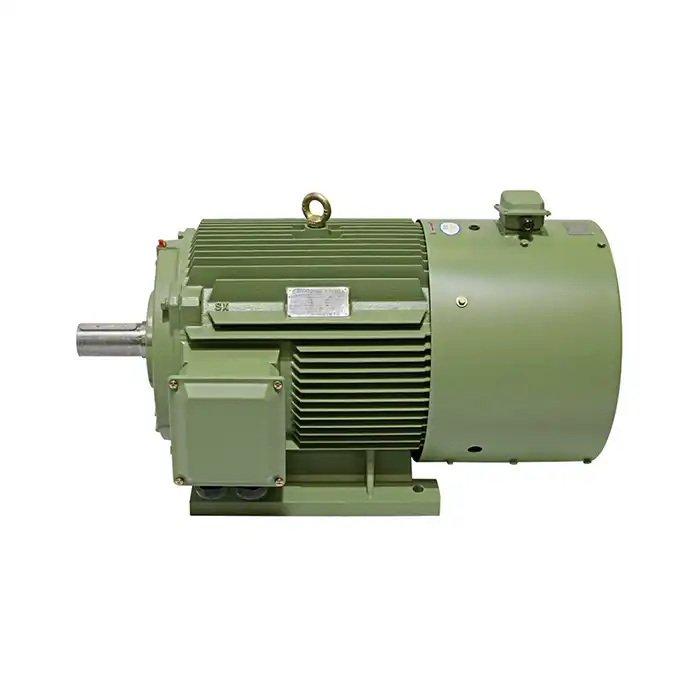
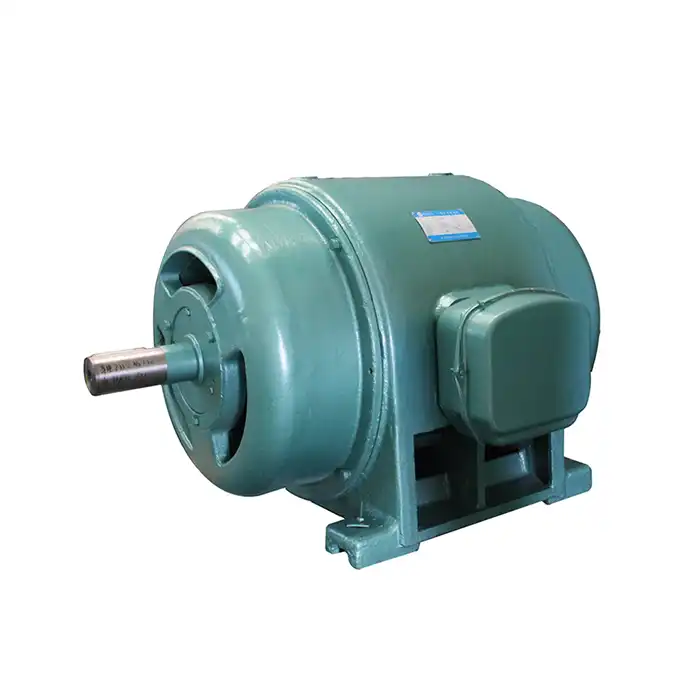
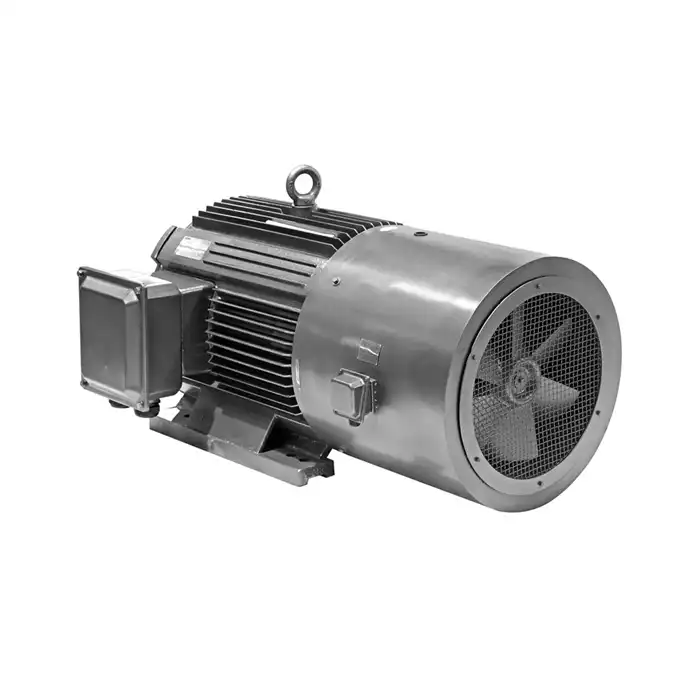
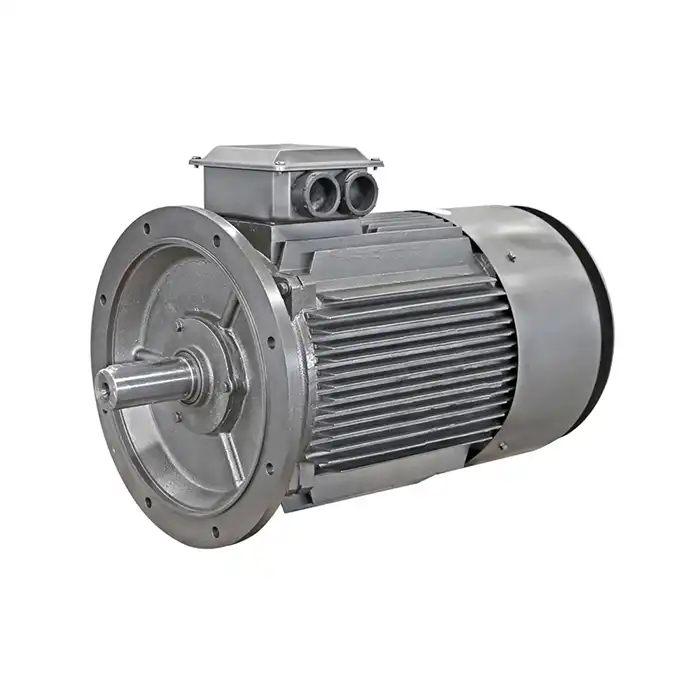
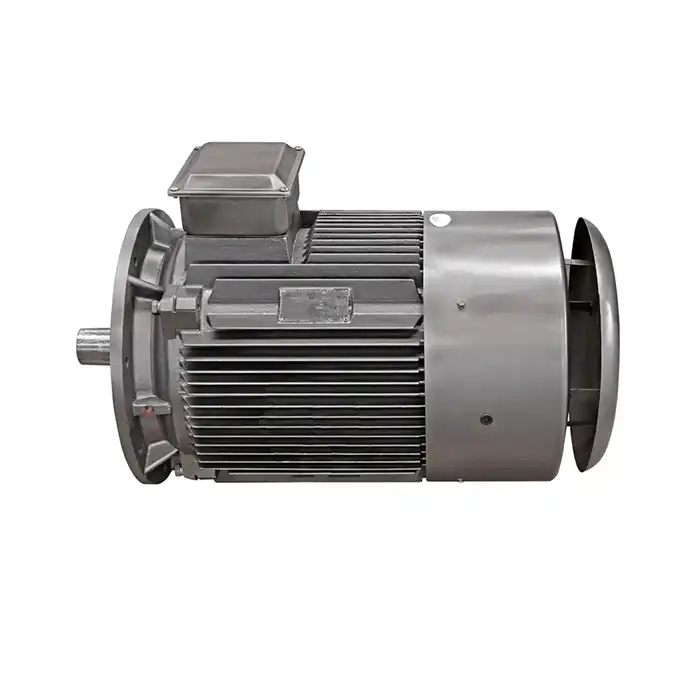
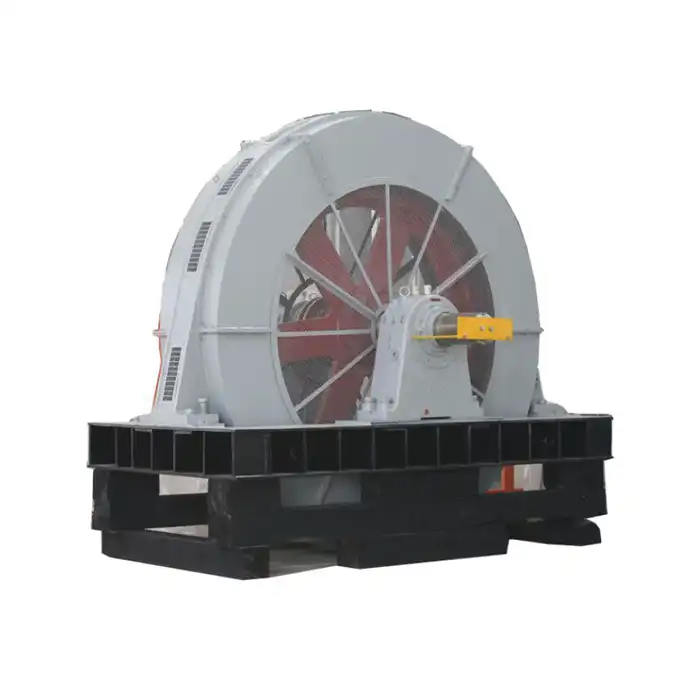
Series:Z4
Frame number: 100-450
Application:Z4 series motorsThis series of motors can be widely used in various industrial sectors such as metallurgical industrial rolling mills, metal cutting machine tools, papermaking, dyeing and weaving, printing, cement, and plastic extrusion machinery.
Power range:1.5-600kW
Voltage range: 160V,440V, etc.
Certificate: The performance of this series of motors not only complies with the national standard GB/T755 "Basic Technical Requirements for Rotating Electrical Machines", but also basically complies with the German VDE0530 standard.
Advantage:Z4 series DC motor has greater advantages than Z2 and Z3 series. It can not only be powered by DC unit power supply, but also suitable for static rectifier power supply. It has small moment of inertia, good dynamic performance, and can withstand high load change rates. It is especially suitable for control systems that require smooth speed regulation, high efficiency, automatic speed stabilization, and responsive response. It has reached the current international advanced level..
Others: SKF, NSK, FAG bearings can be replaced according to customer requirements.
Understanding 200HP DC Motors in Industrial Systems
Core Technical Specifications
The 100-450 frame series of our motors can work with voltages ranging from 160V to 440V and can produce power levels from 1.5kW to 600kW. The 200 hp DC motor usually has torque characteristics that work well in variable-speed situations, and at full load, it can reach 95% efficiency. Class F insulation can handle temperatures of up to 155°C, and IP23 protection keeps dust and water out of typical industrial settings. For optimal performance, the cooling system needs temperatures between -15°C and +40°C. This is achieved through forced ventilation.
Why Industries Choose DC Over Alternatives
Controlling the speed is the main advantage. AC induction motors need variable frequency drives to change speed. DC motors, on the other hand, can change speed smoothly by controlling voltage. Starting torque is higher than most AC options, which is important when moving heavy things from a stop. With its small footprint, the motor saves valuable floor space, and its low moment of inertia makes it very quick to speed up or slow down. These motors can handle many starts, stops, and reversals without losing any performance, which makes them essential in manufacturing settings that are always changing. Quality DC motors have consistent performance even when the load changes. Our units are reliable in a range of power supply configurations because they meet both GB/T755 national standards and German VDE0530 specifications. The motor works steadily whether it is powered by old-fashioned DC units or newer static rectifiers. You can choose high-quality bearings from SKF, NSK, or FAG based on the needs of your application. These bearings will last longer in tough conditions.
Safety Standards and Wiring Considerations
To do an installation right, you need to follow electrical codes 200hp dc motor and safety rules at work. The motors have been certified by CE and CCC, which means they meet international safety standards. Standard wiring layouts allow for both series and shunt field connections, which lets you make changes for applications with constant speed or variable torque. During installation, grounding must be checked to avoid electrical hazards, and thermal protection devices must be built in to keep the system from overheating when it's not supposed to be working.
Typical Industrial Applications of 200HP DC Motors
Heavy Machinery and Material Handling
Metallurgical operations use these motors in rolling mills to keep the thickness of the material constant while it is being formed. Being able to smoothly change the speed stops material flaws and works with different types of metal. Cranes and hoists can safely move and lift heavy loads in warehouses and factories thanks to the fantastic starting torque. Conveyor systems move both raw materials and finished goods at speeds that can be changed to meet the needs of the production line.
Metal Cutting and Processing Equipment
For machine tool applications, precise speed control is needed to get the right surface finish and size tolerances. DC motors control the speed of lathes, milling machines, and boring tools in a stepless way, so operators can find the best cutting parameters for each material. The responsive acceleration features cut down on cycle times without affecting accuracy. Plastic extrusion machines keep the screw speeds constant even when the pressure changes. This makes sure that the size and quality of all the products are the same.
Printing and Paper Industries
Multiple parts of a printing press need to be able to control the speed at the same time so that mistakes in registration don't happen, and no material is wasted. Because you can change the speed gradually, there are no sudden changes in tension that could damage paper or film substrates. Paper mills use these motors for tasks like coating, calendering, and winding, where it's important to keep the web tension constant. Because the motor can handle high load change rates, it can handle materials with different properties without stopping the process.
Comparing 200HP DC Motor with Other Motor Types for Industrial Procurement
When buying motors for industrial projects, procurement teams have a number of choices. When you know the pros and cons of each technology, you can make choices that meet both your immediate needs and your long-term operational costs.
DC Motors Versus AC Alternatives
AC induction motors are easy to use and don't cost much to buy at first, but they need variable frequency drives to control their speed, which makes the system more complicated and costs more. The 200 hp DC motor's speed can be changed by simply changing the voltage, which cuts down on the number of parts and possible failure points. Different types of motors have very different torque characteristics. DC motors produce the most torque at zero speed, which makes them perfect for starting heavy loads, while AC motors produce the most torque at certain speed ranges. Modern DC designs are better because they are easier to maintain. In older brushed motors, the brushes had to be replaced often. But newer brush materials and holder designs have greatly increased the time between service intervals. When variable speed operation is needed, AC motors need more complex control electronics because they don't have any brushes. Different uses require different levels of energy efficiency. DC motors work best in situations where the speed can change, while AC motors without drives would waste energy by mechanically 200hp dc motor slowing down or using other inefficient control methods.
Brushed Versus Brushless Configurations
In industrial settings, traditional brushed DC motors are still popular because they are reliable and easy to control. The brush-commutator system needs to be checked every so often, but it's easy to change the speed and torque. Brushless DC motors don't need mechanical commutation, so they last longer and need less maintenance. That being said, they need electronic controllers that make the drive system more expensive and difficult to use. The choice depends on how important the application is. Brushless designs are better for operations that don't have easy access to maintenance staff, while brushed motors are cheaper and easier to fix for facilities that already have maintenance plans in place. Our 200 hp DC motor uses high-quality brush materials that make it possible to replace them more often, which cuts down on downtime during routine maintenance.
Maintenance and Efficiency Optimization of 200HP DC Motors
Routine Inspection Protocols
Visual checks should be done once a month to look for noise, vibration, or heat buildup that doesn't seem normal. Bearing temperatures can tell you early on if there are problems with lubrication or alignment. The condition of the brushes needs to be checked on a regular basis. Worn brushes make the machine work less well and can damage the commutator surface if they are not replaced soon. Checking the tension of the brush spring makes sure that the contact pressure is right for smooth commutation. As part of electrical testing, insulation resistance measurements are used to find winding wear and tear before it leads to failure. Keeping an eye on the current draw while the machine is running can spot mechanical or electrical problems that are starting to happen. By writing down these measurements, you can use them as a starting point for future inspections, which can show slow damage that you might not have seen before.
Troubleshooting Common Issues
Most of the time, overheating is caused by poor ventilation, too much load, or electrical problems. Make sure that the cooling air passages stay clear and that the fans work properly. Compare the actual load to the nameplate ratings to make sure the motor isn't always working too hard. Electrical problems can be caused by things like high temperatures, voltage imbalances, or insulation breakdown that needs to be looked at by a professional. Too much vibration can be a sign of mechanical problems like misalignment, unbalanced rotating parts, or worn bearings. If you fix vibrations right away, you can keep motor internals and connected equipment from getting damaged in the future. Unusual sparking in the commutator could mean that there are problems with the brushes, the commutator surface, or the armature windings. Using the right tools to clean the commutator and adjusting the brush pressure can often fix small problems.
Efficiency Enhancement Techniques
Improving energy use without spending money on new equipment is possible by optimizing operating parameters. When motors are running close to their rated load, they are most efficient. When motors are running at partial load, they waste energy through fixed losses. By matching motor speed to actual process needs, you can avoid using more energy than you need to. Adding soft-start controls lowers peak electrical demand charges and lowers mechanical stress during startup. Monitoring technologies give information about performance in real time, which shows where inefficiencies exist. Power quality analyzers, vibration sensors, and thermal cameras can find problems before they break down. With predictive maintenance, service intervals are set based on the actual condition of the equipment instead of random times. This cuts down on maintenance that isn't needed and stops breakdowns that were not expected.
Procurement Best Practices for 200HP DC Motors in B2B Environments
Aligning Specifications with Requirements
Start by writing down the exact needs of the application, such as torque profiles, speed ranges, duty cycles, and the environment. Overspecifying wastes money on features that aren't needed, and underspecifying a 200hp DC motor causes things to break down early and need expensive repairs. Talk to the engineering and operations teams to find out what needs to be done that wasn't in the original specifications but will have a big effect on performance. The 200 hp DC motor we sell has voltage ranges that can be changed and speeds that can be changed to fit a variety of needs. Your operating environment should match the insulation class and protection ratings. If the conditions are harsh, you should get better protection, even if it costs more at first. Frame sizes between 100 and 450 are flexible for mounting and space needs while still being mechanically compatible with other equipment.
Bulk Purchasing and Negotiation Strategies
Buying things for more than one facility or project at once gives you more negotiating power. When buyers make volume commitments, suppliers are more likely to offer better prices, longer warranties, or services that add value. By setting up blanket purchase orders with scheduled releases, you can balance the costs of inventory with the benefits of efficient procurement. Terms of payment can be worked out based on the size of the order and the length of the relationship. When you ask for quotes, you should include full technical specifications and information about the application. This lets suppliers suggest the best configurations and find any problems that might come up before the order is placed. When comparing quotes, you need to look at more than just the unit price. You also need to look at delivery times, warranty coverage, technical support, and the ease of getting replacement parts.
Evaluating Supplier Capabilities
The dependability of delivery is affected by logistics and distribution networks, especially when replacements need to be sent right away. Lead times are shorter for suppliers with warehouses in the same area as the customer than for those shipping from far away. Expertise in technical support helps fix issues and improve performance after installation. Check to see if the supplier can do more than just take orders and offer application engineering help. Long-term relationships with trustworthy suppliers have benefits that go beyond single purchases. Having established relationships makes it easier to solve problems more quickly, give priorities when supplies are low, and work together on improvement projects. At XCMOTOR, we build relationships with our customers that last beyond the initial sale by providing them with dedicated technical support and competitive pricing on spare parts throughout the lifecycle of a product.
Conclusion
When choosing an industrial motor, it's important to think about its technical performance, operational reliability, and total cost of ownership. The 200hp DC motor has accurate speed control, strong starting torque, and a track record of long-lasting use in the process, manufacturing, and material handling fields. Knowing the needs of the application, comparing motor technologies, and doing preventative maintenance will help you get the most out of your investment and cut down on unplanned downtime. Strategic procurement practices, such as carefully crafting specifications, evaluating suppliers, and forming long-term partnerships, make sure that you not only get high-quality products but also full support for as long as the equipment lasts.
FAQ
1. What distinguishes DC motors from AC motors in industrial applications?
DC motors can automatically change speed by adjusting the voltage, so they don't need complicated electronic drives. This makes them perfect for situations where the speed needs to be changed often. They have the most torque when they first start up, which is helpful for moving heavy things from rest. In constant-speed applications, AC motors are simple and require less maintenance. However, in variable-speed applications, they need variable frequency drives to control the speed, which makes the installation more expensive and difficult.
2. How can I optimize energy efficiency with DC motors?
When you run motors close to their rated load capacity, they are most efficient. Instead of using mechanical throttling, match the motor speed to the needs of the process. Set up monitoring systems that can tell when something is misaligned, bearings are worn out, or there are other mechanical issues causing the machine to use too much energy. Regular maintenance, such as lubrication and electrical testing, keeps parts from breaking down and causing efficiency losses.
3. Where can I source reliable DC motors with technical support?
Industrial-grade DC motors are sold by XCMOTOR, which also offers full technical support and reasonable prices. International standards are met by our motors, and you can change the specifications to fit your exact needs. Get in touch with our team to talk about your application and get expert advice on the best motor to choose.
Partner with XCMOTOR for Your Industrial Motor Needs
Beyond what is listed in the catalog, choosing the best 200hp DC motor requires knowledge beyond that. XCMOTOR has decades of experience helping businesses find power solutions that work with their specific needs. The motors in our lineup have voltage ranges from 1.5kW to 600kW, making them suitable for a wide range of industrial uses. We can give you high-quality motors for metallurgical rolling mills, machine tools, or extrusion equipment that meet both Chinese national standards and German VDE requirements.
When you work with a dedicated 200 hp DC motor supplier, you get more than just products. You also get a partner. We keep items in stock so that we can deliver quickly, accept returns for 30 days, and offer technical support on the weekends in case production problems happen. Our engineers help you choose the best motors, fix problems with performance, and suggest ways to make things more efficient that lower your operating costs. You can add high-quality bearings from SKF, NSK, and FAG, depending on the needs of your application.
Email our team at xcmotors@163.com right now to talk about the needs of your project. We'll give you detailed specs, competitive quotes, and advice on how to use your new motor so that you get the most out of your investment.
References
1. Chapman, Stephen J. Electric Machinery Fundamentals, Fifth Edition. McGraw-Hill Education, 2012.
2. Hughes, Austin, and Bill Drury. Electric Motors and Drives: Fundamentals, Types and Applications, Fourth Edition. Newnes, 2013.
3. Nasar, Syed A. Handbook of Electric Machines. CRC Press, 1987.
4. Gottlieb, Irving M. Practical Electric Motor Handbook. Newnes, 1997.
5. Yeadon, William H. and Alan W. Yeadon. Handbook of Small Electric Motors. McGraw-Hill Professional, 2001.
6. Toliyat, Hamid A. and Gerald B. Kliman. Handbook of Electric Motors, Second Edition. CRC Press, 2004.