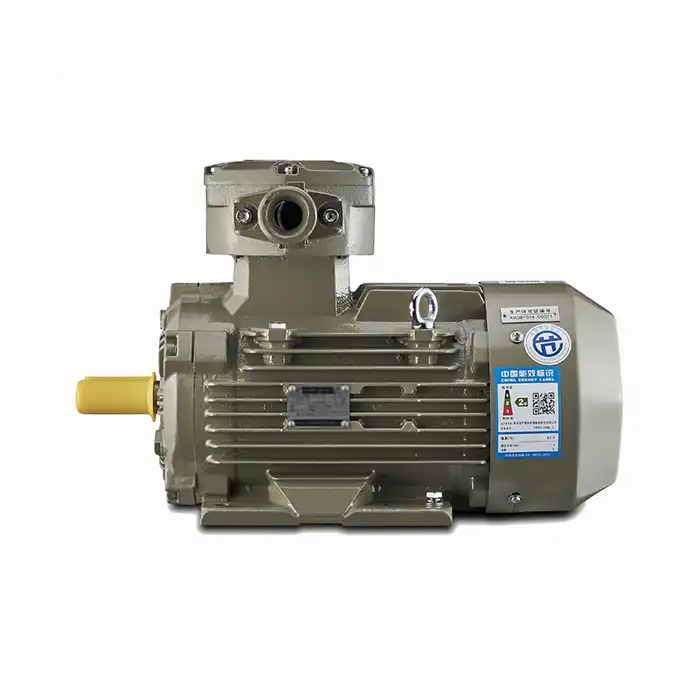




Electric Motors for Mining: Complete Selection Guide
When you're sourcing power equipment for underground or surface mining, choosing the right mining motor is one of the most consequential decisions you'll make. A wrong choice leads to unplanned shutdowns, safety incidents, and ballooning maintenance costs. This guide walks through what actually matters — from operating conditions and motor types to selection criteria and long-term performance — so procurement engineers and equipment managers can make well-grounded decisions backed by technical fact.
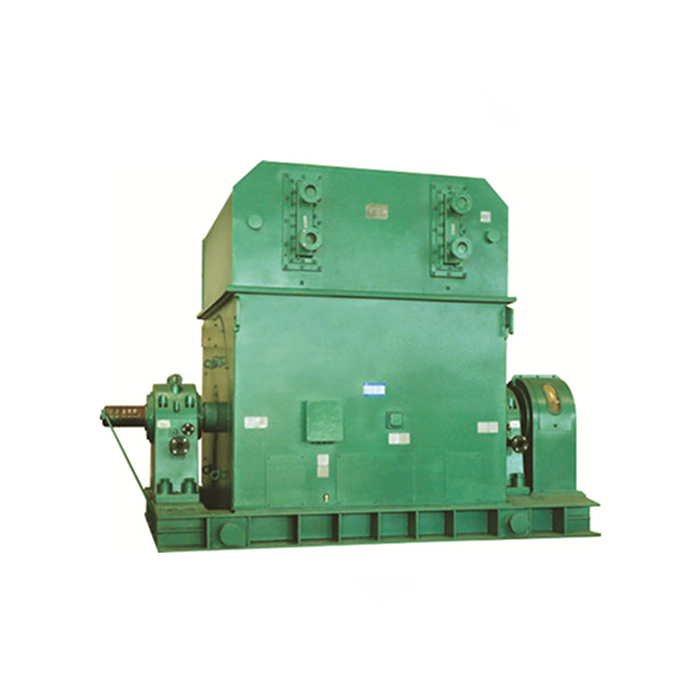
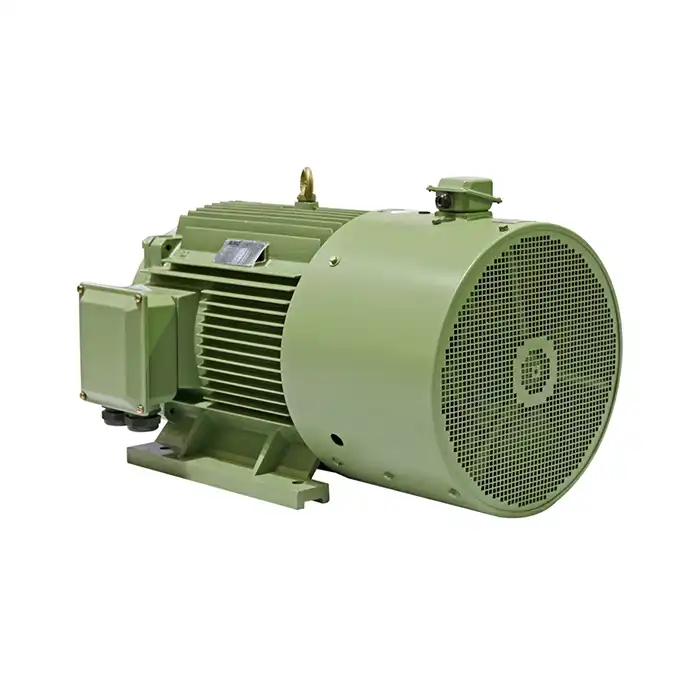
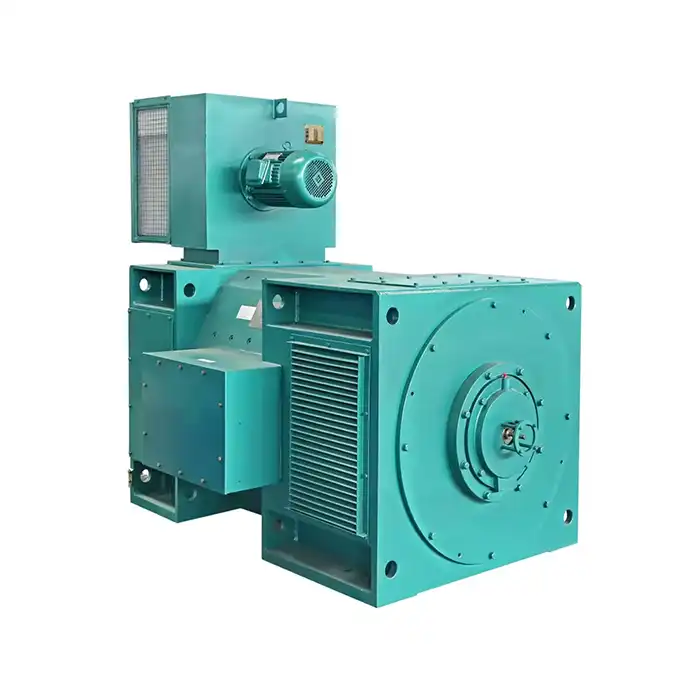
Series:T
Voltage range:3000V±5%,3300V±5%,6000V±5%,6600V±5%,10000V±5%,
Power range:800-12000 kW
Application:fans, water pumps, compressors.
Advantage:large starting torque.
Others: SKF, NSK, FAG bearings can be replaced according to customer requirements.
Understanding Mining Motor Requirements
Almost no other industry setting is like a mining site. Temperatures below ground can go above 40°C, the humidity is often close to 100%, and small particles are always in the air. Any electric motor used in these situations needs to be built to last, not just rated to do so on paper.
Dust, Moisture, and Vibration Exposure
Underground coal and hard rock operations expose mining motors to silica dust, coal fines, water spray, and constant mechanical vibration from drilling and blasting activity. Standard industrial motors don't last as long as motors with moisture-resistant winding treatments and reinforced cast iron frames. Even after long periods of use in wet mine shafts, our winding coating method stops rust from getting in.
Thermal Management in Confined Spaces
Getting rid of heat is a constant problem. The IC01 cooling method depends on airflow in the room, so it's important to plan for good ventilation. With Class F insulation and Class B temperature rise, the motor operates below its thermal ceiling, which significantly increases the winding's useful life. IEEE rules say that insulation life doubles for every 10°C drop in working temperature.
Load Variability and Duty Cycle Considerations
Loads in mines don't stay the same very often. Torque spikes are caused by things like conveyor start-ups, crusher jams, and pump cycles. Keeping the starting current of a mining motor to less than 6.5 times its rated current protects the switchgear and lowers the disturbance to the grid. Power factor ≥0.85 keeps reactive power draw within acceptable limits, which is very important for handling electrical systems in big mines.
Types of Electric Motors Suitable for Mining Applications
Not all types of motors are good for all mining jobs. Getting the right motor technology for the job has a direct effect on how much energy it uses, how often it needs upkeep, and how much it costs to own the whole thing.
Synchronous Motors for High-Power Loads
Synchronous motors are great for keeping fans, water pumps, and compressors running at the same speed even when they are under heavy load all the time. They are good for big mining sites where power factor correction costs are high because they can work at leading power factor. Our synchronous mining motors have speeds between 150 and 500 RPM and power ranges from 800 to 12000 kW. They work well with main air fans and large-capacity pumps that need high torque at low speeds.
AC Induction Motors for General Mining Tasks
AC induction motors are commonly used in ore processing plants and as extras in tunnel boring machines because they are easy to set up and keep up. On feeds, conveyors, and backup pumps, they always do their job. Because they cost less per unit, they can be used when more than one motor installation is needed in the same building.
Permanent Magnet and Variable Speed Options
Variable-load equipment that uses permanent magnet motors and variable frequency drives (VFDs) is becoming more popular in places that want to save energy. A VFD lets the motor adjust its output based on actual demand instead of running at full power all the time. This saves electricity on machines like ventilation fans whose needs change throughout the shift.
How to Choose the Right Electric Motor for Mining Operations?
If you choose a mining motor without a structured framework, it's likely that it will be too specific or not work well enough. To make a good choice, follow these steps:
Match Power Rating to Application Load Profile
First, find out how much power the driven equipment needs at full load. Then, use a service factor that is right for the duty cycle. The power range of 800–12,000 kW is good for most large-scale installations of primary mine ventilation fans and main dewatering pumps. With voltage choices of 3,000V, 3,300V, 6,000V, 6,600V, and 10,000V (each ±5%), engineers can match the mine's current power distribution system without having to add more transformers.
Evaluate Starting Torque and Protection Class
When starting compressors, pumps, and fans from rest while they are loaded, having a lot of starting torque is definitely helpful. Make sure that the motor's starting torque standard is higher than the breakaway torque requirement of the machine being moved. Also, make sure the ingress protection is correct. IP20 is fine for motor rooms that are enclosed and well-ventilated, but higher IP ratings may be needed for uses in more open areas.
Verify Certifications and Bearing Specifications
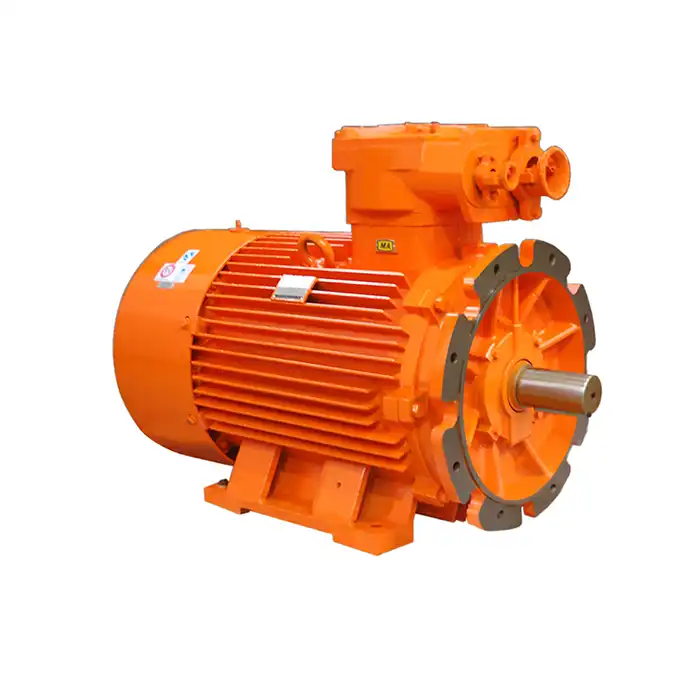
In China, any machine that wants to go into a coal mine has to be certified with the MA (Mining Product Safety Mark). Make sure that the certificate number matches the model of motor and power rating that you want to buy. Our goods are certified by ISO 9001:2015, IEC Ex, and CCC. Choosing the right bearings can also affect how you plan your maintenance. You can get SKF, NSK, and FAG bearings that match the extra parts your site already has, which makes buying easier.
All of these factors together tell you if a motor is safe to use, will last as long as it's supposed to, and meets the requirements of your procurement audit.
Enhancing Mining Motor Performance and Longevity
It doesn't matter how well-designed a mining motor is if it doesn't work well if it's not properly maintained and operated.
Cooling System Integrity and Ambient Conditions
IC01 motors that are cooled by air need clean air to flow around the motor case. In dirty mines, entrance screens and cooling fins need to be checked on a regular basis. When movement is blocked, temperatures in the windings rise to levels that are too high for insulation, which speeds up the breakdown. A simple but often overlooked task is keeping an eye on the ambient temperature at the installation site and making sure it stays within the rated limits.
Predictive Maintenance and Bearing Monitoring
A big part of unexpected motor breakdowns in mining are caused by bearing failure. Vibration analysis done at regular times finds early signs of bearing wear before it gets worse and causes damage to the windings or a seizure in the shaft. Our CNC-balanced rotors have low baseline vibration signatures, which makes it easy to find variation. Using high-quality bearings from well-known brands also cuts down on how often they need to be replaced.
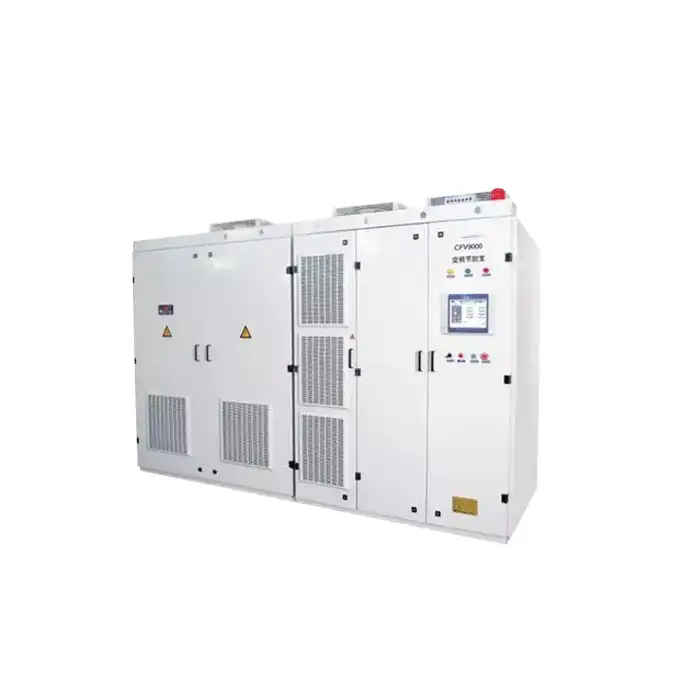
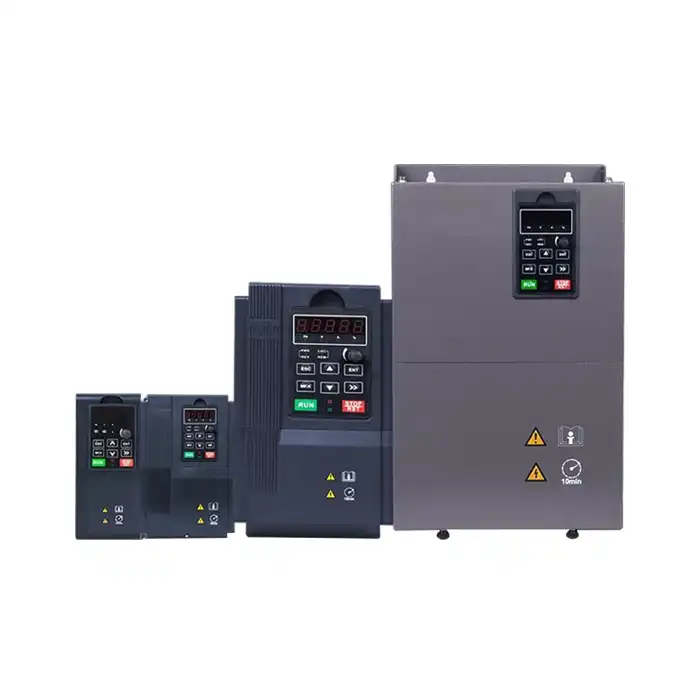
VFD Integration for Energy and Control Benefits
When used in variable-load applications like ventilation fans or water pumps, combining a mining motor with a VFD lowers the amount of energy used and the stress on the motor during start-up. With soft-start, the current spike that stresses switchgear and bus links is taken care of. Studies from mines in Australia and Canada have shown that installing VFDs on fans can save 20–40% of the energy they use.
These performance practices directly lead to lower upkeep costs and longer periods of time between big overhauls, which both make the calculation of the total cost of ownership better.
Innovations and Future Trends in Mining Electric Motors
Two things are pushing electric motor technology in mine in one direction: rising energy costs and stricter safety rules.
High-Efficiency Motor Adoption
When used on a large scale, IE4 super-premium efficiency motors lower the amount of electricity used across a whole mine site. The total amount of money saved on energy over a number of years is important for a big coal mine with several hundred motors. When procurement teams include IE4 specs in bid papers, they set up their businesses to keep costs low.
IoT-Based Condition Monitoring
Smart tracking systems that gather real-time information on vibration amplitude, winding temperature, and current draw let repair teams act on early warning signs instead of waiting for problems to happen. This change from planned to condition-based maintenance cuts down on both the cost of labor and the chance of a catastrophic failure during production shifts.
Domestic Substitution and Supply Chain Resilience
Large mining companies are actively increasing the rate at which domestic equipment can be used instead of imported equipment in order to become less reliant on a single supplier. When a solution provider gets supplies from more than one approved maker, they can offer better prices and make sure there is a steady supply of goods. This is important for procurement managers because replacement lead times can affect production schedules.
Conclusion
When choosing the right mining motor for mine work, you need to think about the working climate, the power and voltage compatibility, the certification coverage, the bearing specifications, and how you will take care of the motor over time. Motors with voltages between 3,000V and 10,000V and power ratings between 800kW and 12000kW can be used for most large-scale mining tasks, such as running fans, pumps, and compressors. The main requirements for durability in underground service are a high starting torque, Class F insulation, and windings that don't get wet. Making sure that the motor's specs match the driven load and that the certification number matches the real model number protects both the decision to buy and the record of safety compliance.
FAQ
1. What certifications should a mining motor have for underground coal mines?
For coal mine underground applications in China, the MA (Mining Product Safety Mark) is a mandatory certificate. Verify that the certificate explicitly covers the motor model number and power rating on your purchase order. IEC Ex certification addresses explosive atmosphere protection, and ISO 9001:2015 confirms the quality management process behind manufacturing. Always cross-reference the certificate registration number against the official MA office database before finalizing procurement.
2. What does large starting torque mean in practice for mining equipment?
Large starting torque means the motor can accelerate a heavily loaded machine — such as a fully loaded conveyor, a water pump against system head pressure, or a compressor — from rest without stalling. It reduces the risk of start failures that could trip protective relays or damage mechanical couplings during the start-up sequence.
3. Can bearing brands be specified during procurement?
Yes. SKF, NSK, and FAG bearings are all available as options to match site standardization requirements. Specifying a consistent bearing brand across a mine site simplifies spare parts stocking and allows maintenance crews to apply consistent fitting and monitoring procedures.
4. What voltage options are available?
Available voltages are 3,000V, 3,300V, 6,000V, 6,600V, and 10,000V, each with a ±5% tolerance. This range covers most mine power distribution configurations without requiring additional voltage conversion equipment.
5. How does Class F insulation with Class B temperature rise benefit motor life?
Running a Class F insulated motor at Class B temperature rise means the winding operates well below its maximum thermal rating. This conservative operating margin directly extends insulation service life and reduces the probability of winding failure in high-temperature underground environments.
Partner with XCMOTOR for Proven Mining Motor Solutions
XCMOTOR sells mining motors that are made to work in real underground and surface situations. These motors have 800 to 12,000 kW of power, five voltage options, a lot of starting torque, and bearings from SKF, NSK, or FAG. Every unit comes with ISO 9001:2015 quality assurance, IEC Ex certification, and specialized technical help seven days a week. This is because we are a trusted mining motor manufacturer. To get specifications and a project quote, email our team at xcmotors@163.com or go to motorxc.com.
References
1. IEEE Standard 117 – Standard Test Procedure for Evaluation of Systems of Insulating Materials for Random-Wound AC Electric Machinery, IEEE, 2015.
2. International Electrotechnical Commission – IEC 60034-1: Rotating Electrical Machines – Part 1: Rating and Performance, IEC, 2022.
3. International Electrotechnical Commission – IEC 60079-0: Explosive Atmospheres – Equipment: General Requirements, IEC, 2017.
4. Mine Safety and Health Administration (MSHA) – Electrical Safety in Underground Mines, U.S. Department of Labor, 2020.
5. Waide, P. & Brunner, C.U. – Energy-Efficiency Policy Opportunities for Electric Motor-Driven Systems, International Energy Agency, 2011.
6. Tavner, P., Ran, L., Penman, J. & Sedding, H. – Condition Monitoring of Rotating Electrical Machines, Institution of Engineering and Technology, 2008.