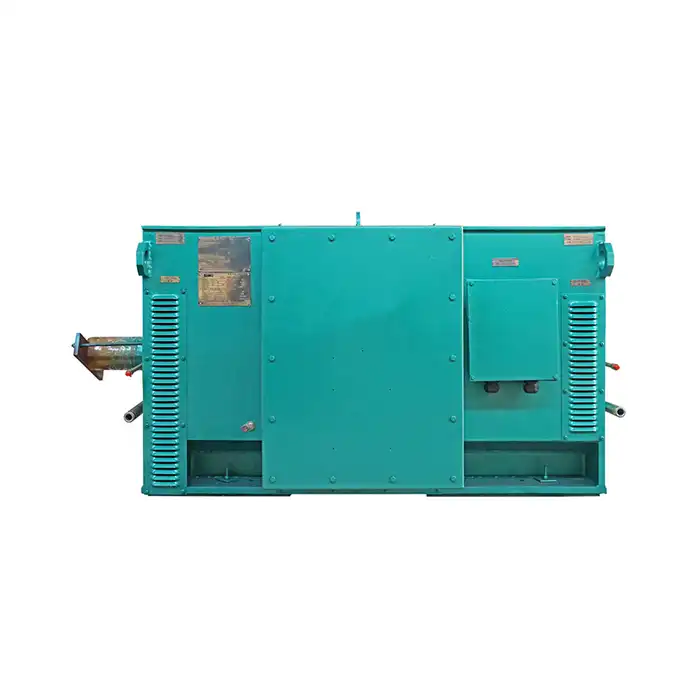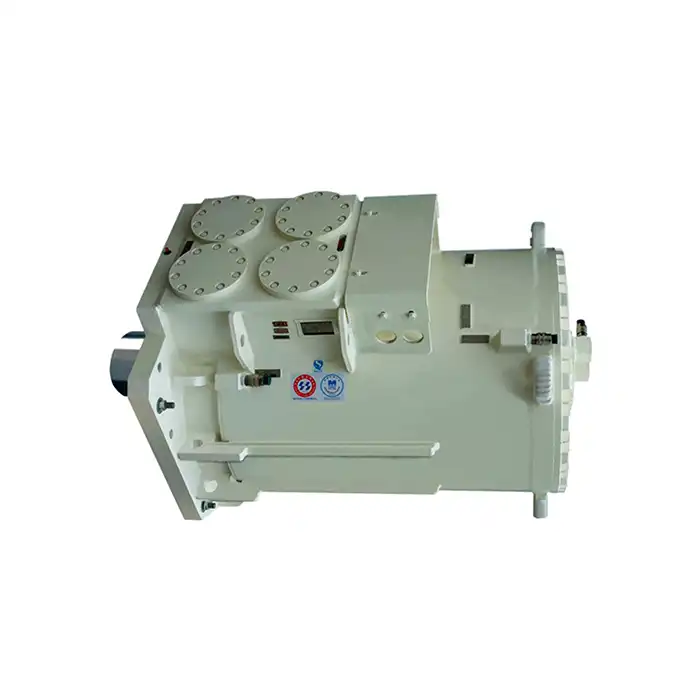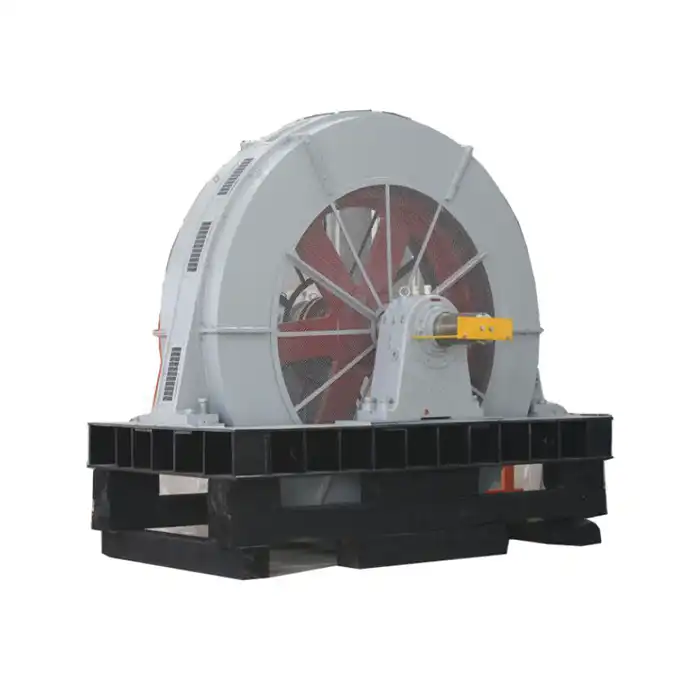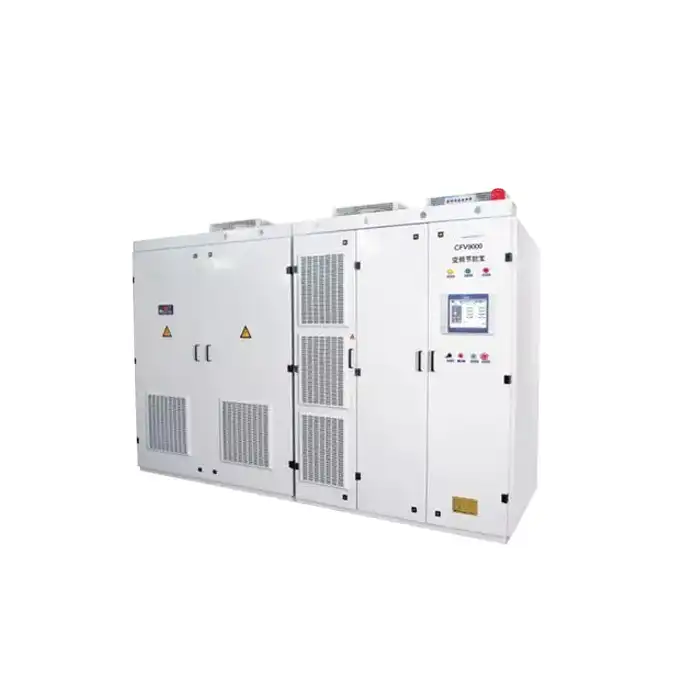




Wound Rotor Motors for Cement Plants & Ball Mills
If you manage procurement or engineering for a cement plant or ball mill operation, choosing the right drive motor directly affects your startup reliability, maintenance schedule, and bottom line. A wound rotor motor — specifically the slip ring type — gives you adjustable external resistance at the rotor circuit, which translates to controlled starting torque and reduced inrush current. This makes it one of the most practical motor choices for ball mills, crushers, and heavy conveyors where full-voltage direct starting is simply not an option. This article walks through everything you need to make a confident procurement decision.
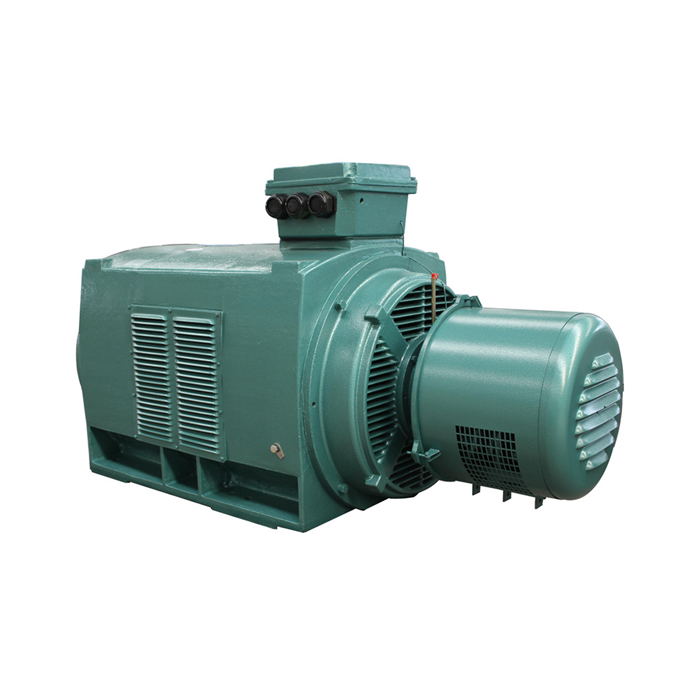
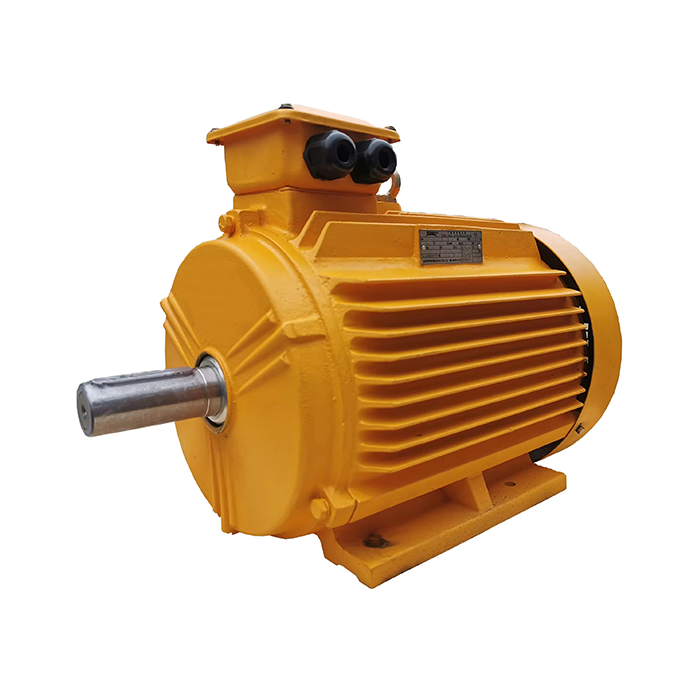
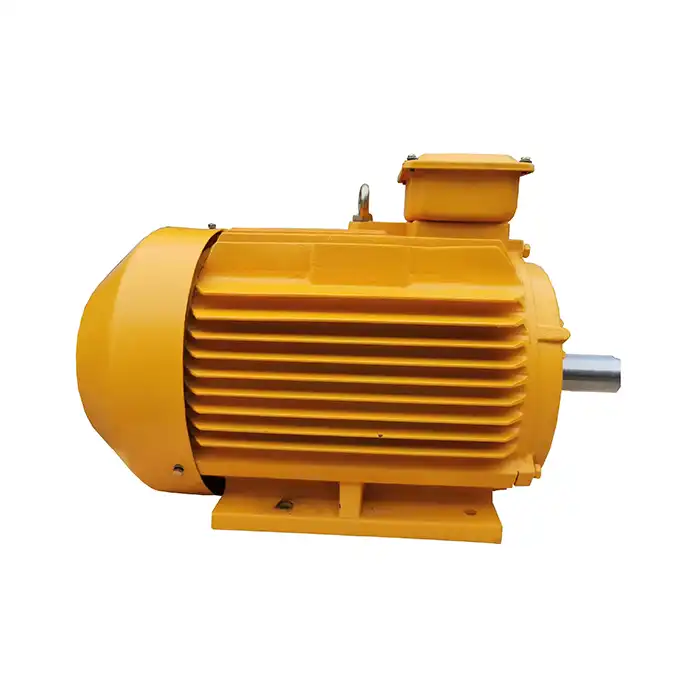
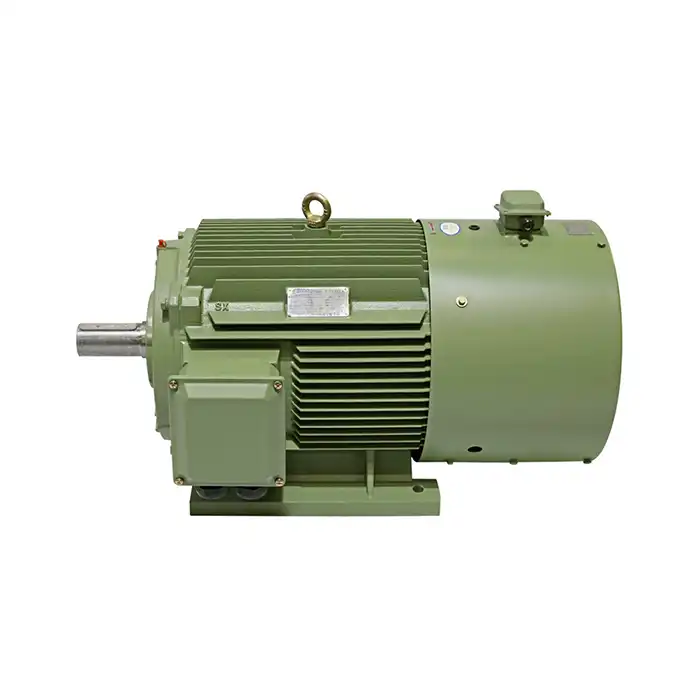
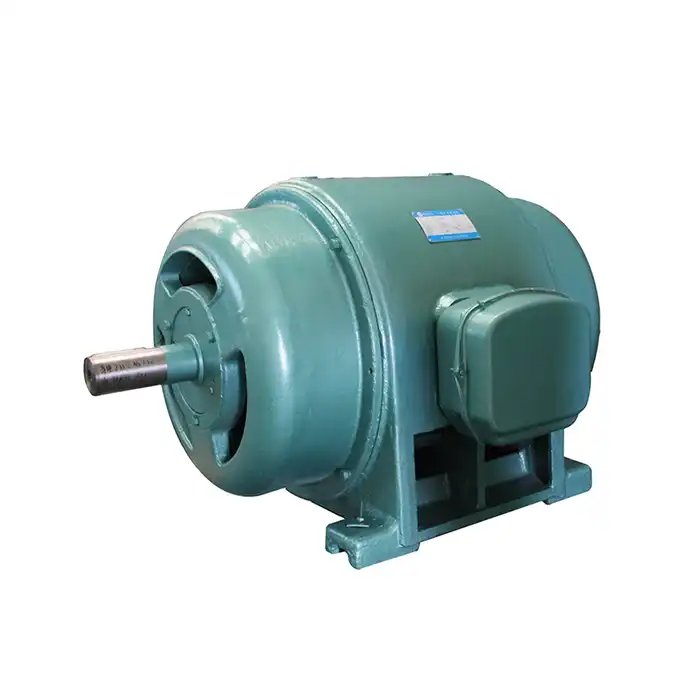
Series:YR
Voltage range:380V±5%
Power range:55-355 kW
Protection level:IP23,IP54
Application:This series of motors can be used to drive various machinery. Such as ventilators, compressors, water pumps, crushers, cutting machine tools and other equipment, and can be used as prime movers in coal mines, machinery industries, power plants and various industrial and mining enterprises.
Advantage:This series of motors has the advantages of high efficiency, energy saving, low noise, small vibration, light weight, reliable performance, and convenient installation and maintenance.
Certificate:Its power level and installation dimensions comply with IEC standards.
Others: SKF, NSK, FAG bearings can be replaced according to customer requirements.
Understanding Wound Rotor Motors in Industrial Applications
How a Wound Rotor Motor Actually Works?
Both the stator and the rotor of a wound rotor motor have three-phase windings. Slip rings connect the rotor windings to resistors outside the motor. This lets operators directly control the speed and torque at start-up. When resistance is added at startup, the motor makes a lot of torque while only drawing a small amount of current, like a squirrel cage motor would. This is the main benefit in situations where there is a lot of linked load and the grid is sensitive to sudden changes in current.
Key Components You Should Know
The four most important parts are the extra resistance bank, the slip rings, the stator winding, and the rotor winding. The spinning magnetic field is made by the stator. That field affects the copper wires wound around the rotor, which sends torque to the shaft. Slip rings send current to the external resistor circuit. The resistor bank shapes the torque-speed curve as the speed goes up.
Where These Motors Fit in Cement Operations?
One thing that all ball mills, tube mills, crushers, and large belt conveyors have in common is that they have a lot of mechanical inertia when they first start up. This inertia is controlled by a slip ring wound rotor motor, which spreads the acceleration curve over several seconds. This keeps the gearboxes and couplings safe. The YR line from XCMOTOR has 20 kW to 5 600 kW and 3 kV to 11 kV voltages, so it can be used at almost every drive point in a modern cement plant.
Comparing Wound Rotor Motors to Other Motor Types
Wound Rotor vs. Squirrel Cage Motors
Squirrel cage motors are easier to set up and cost less, but they use 600–700% of their rated current when they are turned on directly. That surge can cause voltage drops that trip other devices on the same bus for a 1,000 kW ball mill drive. When the resistance bank is the right size, a wound rotor motor keeps the starting current to 2.5 times the rated or less. This makes it a safer choice for plants that need to make sure the grid stays stable.
Wound Rotor vs. Variable Frequency Drives on Cage Motors
Cage motors with variable frequency drives (VFDs) let you control the speed smoothly, but they cause harmonic distortion and need extra filtering on medium-voltage systems. It is easier for plant workers to fix problems with the external resistance method on a wound rotor motor when the application is fixed-speed or two-speed, which is the case with most ball mills. It is also less expensive to buy.
When the Slip Ring Design Wins
The slip ring design is useful when the starting torque needs to be more than 200% of the rated torque, when the power supply limits the starting current, or when the application frequently changes from unloaded to loaded starts. In this group are cement raw mills, clinker cooler fans, and rod mills. The starting torque of the wound rotor motor is up to 250% of its rated torque. This is a number that squirrel cage motors at set voltage can't match without being too big.
Optimizing Performance and Maintenance for Cement Plant Operations
Resistance Sequencing and Startup Control
A stepped resistance bank and a timer or current-sensing relay are most often used together to start a circuit. As the motor speeds up, stages of resistance are gradually cut off. This keeps the torque within a certain range and the current below the grid limit. For new plants that use DCS control, the contactors on each resistance step can be driven by PLC outputs. This lets the control room see what's going on and automatically responds to faults during every start sequence.
Maintaining Slip Rings and Brushes
The parts that need the most scheduled care are the slip rings and carbon brushes. Brush dust builds up quickly in a cement setting that is already dusty. A useful maintenance plan checks the length of the brush every 500 hours of use and the condition of the slip ring surface every 1,000 hours. Ring wear can be slowed down by using the right brush grade for the current density and peripheral speed. Keeping the contact areas clean and round cuts down on warmth and makes repair times much longer.
Winding Insulation and Long-Term Reliability
All of XCMOTOR's stator and rotor windings are treated with vacuum pressure impregnation (VPI). During this process, glue is pressed into holes in the insulation to make a rigid, water-resistant winding mass that is rated at insulation class F (155°C). VPI treatment makes the difference between a wound that lasts 15 years and one that fails in five years in a cement plant where humidity and alkaline dust are always present. Dynamic balancing in the factory also keeps vibrations low, which means that bearings last longer.
Procurement Guide: Selecting and Buying Wound Rotor Motors
Specification Checklist Before You Issue an RFQ
If you want to buy a wound rotor motor, you need to make sure that your mechanical design includes the following: shaft power in kW, supply voltage (3 kV, 6 kV, 6.6 kV, 10 kV, or 11 kV), synchronous speed, required starting torque as a multiple of rated, and the maximum starting current that is allowed. Also, find out if the external resistance bank will come from the motor manufacturer or if it needs to be bought separately. One of the most common problems during commissioning in the field is resistance values that don't match up.
What to Ask Your Supplier
If you want to buy a wound rotor motor, you should write down these important technical questions and send them to the manufacturer before you sign the order:
- Can you provide a factory acceptance test (FAT) report covering efficiency, power factor, starting torque, and temperature rise under load?
- Is the resistance bank engineered and matched to this specific motor, or is it a generic catalog item?
- Which bearing brands are available — and can SKF, NSK, or FAG be specified to match your plant's existing spare parts inventory?
- What is the actual lead time from order confirmation to shipment, and does that include the resistance assembly?
- Could you send me a report on the factory acceptance test (FAT) that includes information on the efficiency, power factor, starting speed, and temperature rise under load?
Commercial Terms and After-Sales Support
XCMOTOR lets you return items for 30 days, delivers all of their goods for free, and offers technical help seven days a week, even on weekends. Having a supplier that responds on Saturday morning to a long data query is very helpful for OEM procurement teams that work on 8–16 week design-to-shipment cycles. Before making a decision, ask for references from cement or mining sites that use similar amounts of power and voltage.
Case Studies: Wound Rotor Motor Deployments in Cement Plants
Ball Mill Drive Replacement in a 3,000-ton/day Clinker Line
A cement OEM did away with an old foreign drive and put in a new YR-series wound rotor motor and a matched resistance bank for a 1,250 kW, 6 kV ball mill. After it was turned on, the site logged a starting current that was less than 2.4 times the rated value, as well as a smooth 18-second rise to full speed with no voltage dip reports from equipment nearby. In the first 18 months of operation, the plant said that the motor did not cause any unplanned stops.
Crusher Drive in an Open-Pit Mining Application
For a main crusher in a quarry that feeds a cement raw material circuit, a jaw crusher OEM asked for a 560 kW, 10 kV slip ring wound rotor motor. It was important to have at least 2.5 times the starting torque to get through material that was stuck. The YR-series motor met both the mechanical and grid standards by delivering 245% of its rated power at 2.3 times its rated current. Attached next to the motor control center, the external resistance cabinet was linked to the site SCADA system by hardwired status contacts.
Conveyor Drive Upgrade with Reduced Brush Maintenance
An OEM for a conveyor system said that the brushes on a motor from a previous supplier needed to be replaced every 1,200 hours. When the maintenance team switched to XCMOTOR's YR-series wound rotor motor with a matched brush grade, the motors didn't need to be replaced for over 2,000 hours under similar load conditions. This directly cut down on the cost of maintenance work for a drive that runs twenty hours a day.
Conclusion
For ball mills, crushers, and heavy conveyors in cement plants, wound rotor motors continue to be a useful and affordable drive option. These motors work well in situations where squirrel cage designs don't work well because they can control starting power and limit inrush current through external resistance. The YR series from XCMOTOR has 200 kW to 5,600 kW and 3 kV to 11 kV. It has Class F insulation, IP23 protection, VPI winding treatment, and you can choose between SKF, NSK, or FAG bearings. The article's specs and case studies are a good place to start your technical review of a wound rotor motor if you need to choose one for a future project.
FAQ
1. What is the starting torque of XCMOTOR's YR-series wound rotor motor?
If you use the right-sized external resistance bank with the YR-series wound rotor motor, it can deliver up to 250% of its rated torque for starting. This means it can be used for ball mills, jaw crushers, and other heavy loads that need a strong but controlled start-up.
2. What voltage options are available?
It comes in a range of voltages: 3,000 V, 3,300 V, 6,000 V, 6,600 V, 10,000 V, and 11,000 V, with a tolerance of ±5% in each case.
3. How often do slip rings and brushes need maintenance?
In a normal cement plant, the length of the brush should be checked every 500 hours of use, and the slip ring areas should be checked every 1,000 hours. Service intervals are greatly increased by using the right brush grade and keeping the contact surfaces clean.
4. Which standards does this wound rotor motor comply with?
JB/T 10314.1-2002 and JB/T 7594 are met by the YR series.
5. Can bearing brands be specified?
Yes, you can order SKF, NSK, or FAG bearings to match the extra parts your plant already has. This makes planning maintenance easier and cuts down on the number of bearing SKUs your team needs to keep on hand.
Get a Wound Rotor Motor Quote from XCMOTOR Today
For cement plants, ball mills, crushers, and conveyor systems, XCMOTOR sells YR-series wound rotor motors with power ranges from 200 kW to 5,600 kW. We are a reliable company that makes wound rotor motors. We offer matched resistance banks, VPI winding treatment, and your choice of bearing brand. We also offer seven-day expert help and a 30-day return policy. You can get a quote by sending your motor specs to xcmotors@163.com or going to motorxc.com. Our engineering team quickly comes back with a detailed proposal that includes both technical and business details.
References
1. Chapman, S. J. Electric Machinery Fundamentals. McGraw-Hill Education, 2012.
2. Fitzgerald, A. E., Kingsley, C., & Umans, S. D. Electric Machinery. McGraw-Hill, 2003.
3. IEEE Standard 112. IEEE Standard Test Procedure for Polyphase Induction Motors and Generators. IEEE, 2017.
4. Boldea, I., & Nasar, S. A. The Induction Machine Handbook. CRC Press, 2002.
5. Wildi, T. Electrical Machines, Drives, and Power Systems. Pearson Prentice Hall, 2006.
6. IEC 60034-1. Rotating Electrical Machines — Part 1: Rating and Performance. International Electrotechnical Commission, 2017.