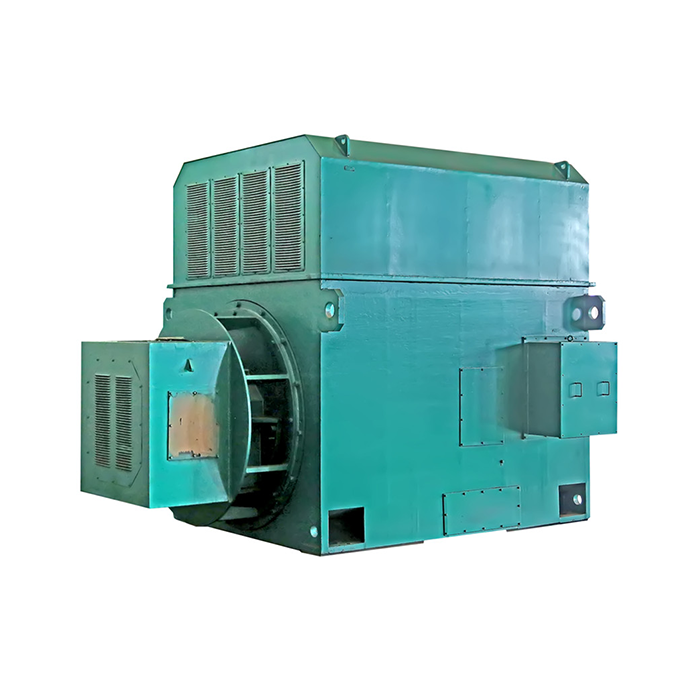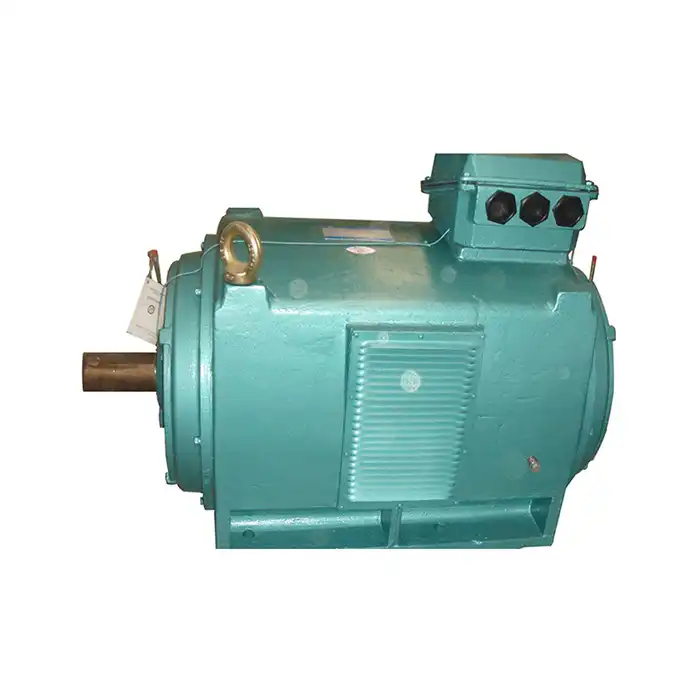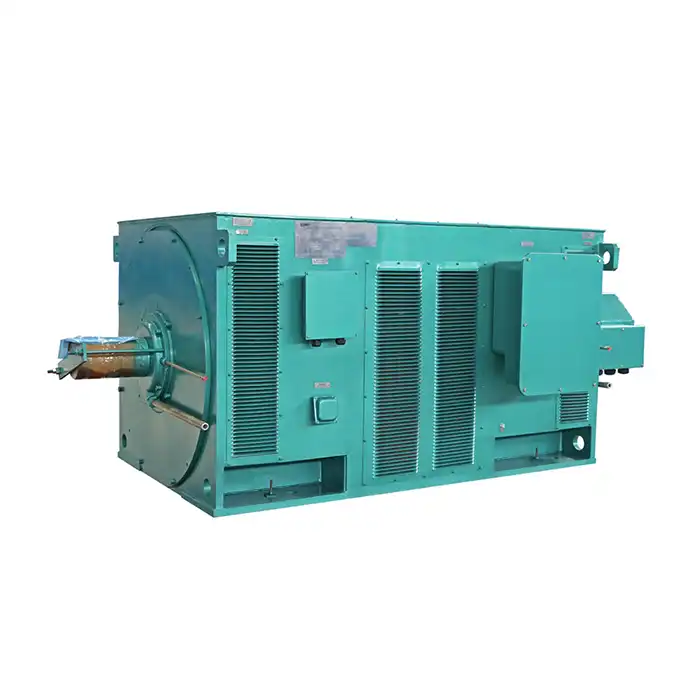




Efficiency Advantages of 5HP 3 Phase Motors
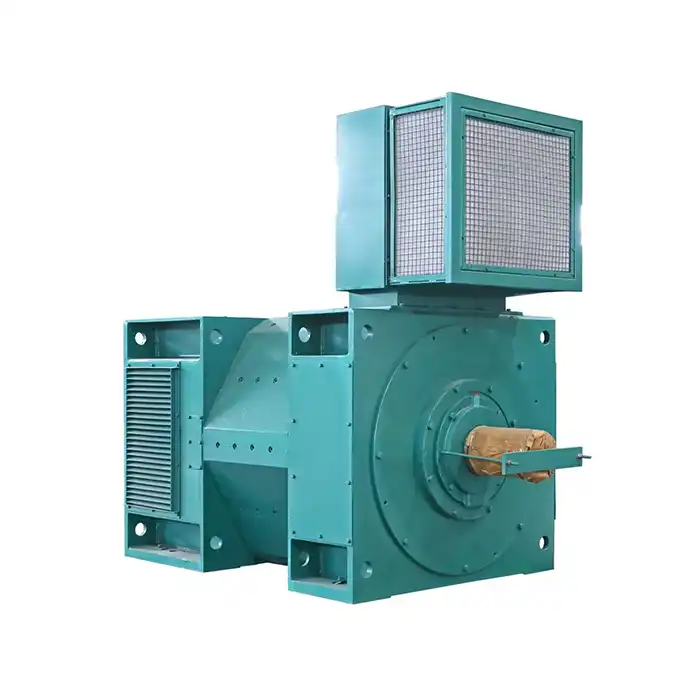
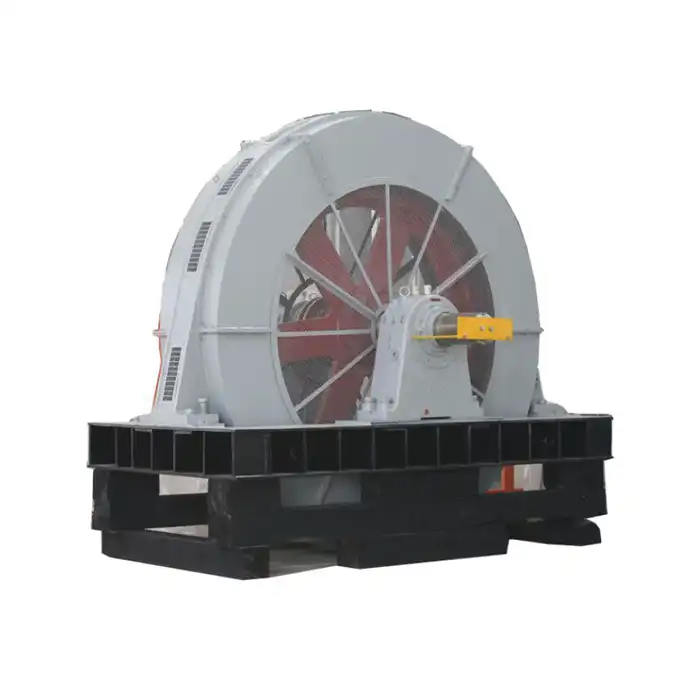
When looking at motor options for industrial use, the 5 hp 3 phase induction motor stands out because it is so efficient. Three-phase power delivery naturally loses less energy than single-phase options, and the 5-horsepower rating gives you a lot of mechanical output without using too much power. These motors meet IE5 efficiency standards, which means they turn electrical input into mechanical work with little waste heat. This means lower utility bills and less damage to the environment. Their balanced electromagnetic design cuts down on harmonic distortion and reactive power needs, which makes them perfect for factories that want to cut down on costs and carbon emissions in HVAC, process control, and manufacturing.

Series:YE5
Frame number: 80-450
Power range:
Protection level:IP55
Energy efficiency class: IE5
Voltage range: 380V,400V,415V, 660V,etc.
Application:can be used in various fields of the national economy, such as machine tools,water pumps,fans,compressors,and can also be used in transportation, mixing, printing, agricultural machinery, food and other occasions that do not contain flammable, explosive or corrosive gases.
Certificate: international standard IEC60034-30 "Efficiency Classification of Single-speed Three-Phase Squirrel Cage Induction Motors".
Advantage:The high quality of the electric motor guarantees high operational reliability.
Others: SKF, NSK, FAG bearings can be replaced according to customer requirements.
Understanding the Efficiency Dynamics of 5HP 3 Phase Induction Motors
Fundamental Operating Principles
Staggered phase currents make rotating magnetic fields that make three-phase induction motors work. The 5hp 3 phase induction motor has its own starting torque, which is different from single-phase designs that need starting capacitors. This design gets rid of extra parts that add to resistance losses, which helps the efficiency ratings go up from startup to full load operation. The frame number range of 80 to 450 allows for a variety of mounting arrangements while still ensuring the best heat transfer. The motor is made of cast iron and is protected by IP55, which means it can handle dust and water jets. This is very important in food processing plants and agricultural settings where contamination is a risk.
Torque and Slip Characteristics
Efficiency is affected directly by slip, which is the difference between the synchronous speed and the actual rotor speed. Good three-phase motors keep their slip values below 3% at full load. This makes sure that most of the electricity goes into the shaft as useful power and not as heat. Our motors have high-quality silicon steel laminations that lower eddy current losses and keep slip to a minimum, even when the load changes, which is common in conveyor systems and compressor drives. The torque delivery stays the same from 500 to 3000 rpm, which meets the needs of centrifugal pumps that need to slowly speed up and machine tools that need to precisely control speed. The copper windings are better at conducting electricity 5hp 3 phase induction motor than aluminum ones, which lowers resistive heating and keeps the torque stable over long duty cycles.
Core Efficiency Advantages of 5HP 3 Phase Motors in Industrial Applications
Superior Energy Conversion Efficiency
When you look at data on how much power three-phase motors use, you can see how much more efficient they are. When running 16 hours a day, 365 days a year, a typical 5hp 3 phase induction motor uses about 44,000 kWh, which is 92% efficient. Upgrading from a single-phase equivalent that is only 85% efficient saves about 3,600 kWh per year, which means that at industrial rates, the electricity costs go down by $360 to $500.Premium bearings like SKF, NSK, and FAG cut down on mechanical friction losses that can take away as much as 2% of the power that is put in. Dynamic rotor balancing gets rid of energy waste caused by vibrations, and vacuum pressure impregnation (VPI) treatment keeps moisture out of the windings so they don't affect the insulation's resistance or efficiency.
Maintenance Impact on Lifecycle Efficiency
Proper lubrication schedules keep bearings working well, which stops motors from losing performance over time as happens when they aren't maintained. Our motors have easy-to-reach grease fittings that work with standard maintenance tools. This makes maintenance easier in places like auto assembly lines and aerospace component factories where downtime costs a lot of money per hour. Monitoring temperatures shows trends in efficiency before major failures happen. Class F insulation can work continuously at high temperatures without breaking down. It can keep its nameplate efficiency ratings for more than 10 years in harsh environments like commercial HVAC rooftop units and industrial refrigeration compressors. The precise die-casting process makes sure that the air gaps between the stator and rotor are round, which is important for keeping the electromagnetic efficiency high. When parts of low-quality motors aren't lined up right, they cause uneven magnetic flux, which raises no-load losses and lowers power factor.
Comparing 5HP 3 Phase Motors with Alternative Motor Options
Efficiency Comparison with Single-Phase Motors
Single-phase motors need extra ways to start up, which add to their losses even after 5hp 3 phase induction motor they reach their operating speed. These extra loads are taken care of by the 5hp 3 phase induction motor, which makes the whole system 4 to 8 percentage points more efficient. When only a portion of the load is on a motor, this gap gets bigger because single-phase motors lose efficiency more than they should. Power factor differences make three-phase superiority even clearer. Single-phase motors usually work with a power factor of 0.65-0.75, which means that utilities have to provide reactive power, which raises transmission losses. Three-phase designs get a power factor of 0.85 to 0.92, which lowers the apparent power demand and keeps you from having to pay the utility penalty charges that are common in industrial rate structures.
Three-Phase vs. Synchronous Motor Trade-offs
Synchronous motors have a unity power factor, but they need excitation systems, which make them more complicated and require more maintenance. It is more practical for general-purpose applications like fan drives and pump systems, where simplicity is important, because the 5hp 3-phase induction motor offers 90–95% of synchronous motor efficiency without external excitation. Based on cost, induction motors are better for 5hp jobs. Mostly above 50hp, when efficiency gains make up for their 30–50% higher price and unique control needs, synchronous motors offer better return on investment.
Procurement Considerations for Energy-Efficient 5HP 3 Phase Motors
Evaluating Supplier Quality and Support
Certification to IEC 60034-30 standards gives claims of efficiency objective confirmation, keeping buyers safe from over-inflated specifications. Motors that meet international standards work with equipment from around the world and make it easier to follow energy laws in many places. When production schedules depend on getting motors on time, supply chain reliability is important. Established manufacturers keep extra inventory on hand and have regional distribution networks that cut down on lead times compared to suppliers who only ship from overseas, which can take 8 to 12 weeks. Total cost of ownership is affected by the availability of technical support. Application engineering help from suppliers helps choose the best motor, avoiding oversizing that wastes money and energy or undersizing that fails too soon.
Total Cost of Ownership Analysis
The purchase price makes up 25–35% of the total cost of ownership for motors that run for more than 6,000 hours a year. Since energy use is the main cost driver, efficiency is also the most important factor. If you spend an extra $150 on an IE5-rated 5hp 3 phase induction motor instead of an IE3 model, your lower electricity bills will pay for it in 18 to 24 months.When motor mounting dimensions match those of existing equipment, installation costs go down. Our frame sizes meet IEC standards, so worn units can be replaced directly without having to change the base. This saves 4 to 8 hours of labor per installation.The cost of maintenance is related to the quality of the parts. With premium bearings, you don't have to grease them every 2,000 to 5,000 hours, which saves time and effort on maintenance. Better insulation around the windings keeps them from getting dirty in agricultural and food processing settings, which keeps premature rewinds that cost 60–70% of the price of a new motor from happening.
Optimizing 5HP 3 Phase Motor Efficiency: Best Practices and Future Outlook
Condition-Based Maintenance Strategies
Vibration monitoring finds worn bearings before they lose a lot of 5hp 3 phase induction motor their usefulness. During quarterly inspections, portable analyzers find faults that are starting to show up. This allows for planned maintenance that costs 70–80% less than emergency repairs that need parts shipped overnightThermal imaging shows hot spots that mean the windings aren't working right or there are cooling blockages. Regular scans keep track of baseline temperatures, which lets you see small changes before they hurt motor performance or cause the system to shut down without warning. Real-time monitoring of efficiency is possible with current signature analysis through VFDs, and no extra sensors are needed. Trending power factor and current imbalance show signs of problems before they get worse. This lets you take action right away, which keeps the motor running at nameplate efficiency for its entire life.
Smart Control Technology Integration
IoT-enabled motor protection relays send data about their operations to maintenance management systems. These systems then use that data to connect trends in efficiency with production schedules. Analytics find the best time to replace motors by balancing the cost of repairs with the amount of energy that is wasted when motors break down.Predictive algorithms learn how things normally work and look for changes in efficiency that could mean there are problems with the machine or the power supply. Automated alerts allow for quick action, which keeps small problems from becoming expensive failures during times of high production.Multiple 5hp 3 phase induction motor installations are aggregated by cloud-based energy management platforms, revealing opportunities for facility-wide optimization. Comparative analysis finds units that aren't working well and need to be fixed, and efficiency metrics prove that the maintenance program is working.
Conclusion
The benefits of 5hp 3 phase induction motor technology's higher efficiency make it useful in many industrial settings. IE5 ratings for efficiency and strong construction lower running costs and boost dependability in manufacturing, HVAC, and process control settings. Careful choice of supplier and proactive maintenance practices maximize lifecycle returns. This makes these motors good investments for buildings that care about both cost-effectiveness and environmental responsibility. As rules change and energy costs rise, the business case for high-efficiency three-phase motors gets stronger. Early adopters will have an advantage in markets that care more about being environmentally friendly.
FAQ
1. What efficiency rating should we expect from quality three-phase motors?
IE5 motors offer the best performance in their class right now, being 2 to 4 percentage points more efficient than IE3 motors that are often used in older installations. In terms of operating hours, this means measurable energy savings over thousands of hours per year.
2. How do three-phase motors compare to single-phase alternatives for 5hp applications?
Three-phase designs are 4–8% more efficient and don't need starting capacitors, which are more work to do. They provide better power factor, which lowers utility costs and transmission losses in power systems for factories.
3. Can we integrate these motors with existing variable frequency drives?
New 5 hp 3-phase induction motor designs can work with inverters without extra parts. VFD compatibility lets you save 25–40% on energy costs in variable-load situations and gives you soft-start options that lower mechanical stress.
4. What maintenance practices preserve motor efficiency long-term?
Schedules for regular vibration monitoring, thermal imaging, and lubrication keep parts in good shape. Condition-based approaches stop the gradual loss of efficiency, keeping nameplate performance for the 10+ years of service life that is typical for good motors.
Partner with XCMOTOR for Reliable 5HP 3 Phase Induction Motor Solutions
XCMOTOR specializes in providing power solutions that 5hp 3 phase induction motor use less energy and are perfect for harsh industrial settings. If you're looking for a 5 hp 3-phase induction motor, we can make one for you. Our motors are IE5-rated, meet international standards, are protected by IP55, and can have any voltage configuration you want. Precision die-cast frames, premium copper windings, and SKF/NSK/FAG bearings in our products make sure that they work as efficiently and reliably as possible. We deliver for free, let you return items within 30 days, and provide technical support seven days a week. Email our team at xcmotors@163.com to talk about your application needs and get expert advice on how to buy motors in a way that saves you money and improves performance over time.
References
1. International Electrotechnical Commission. "IEC 60034-30-1: Rotating Electrical Machines - Part 30-1: Efficiency Classes of Line-Operated AC Motors." Geneva: IEC Standards Publication, 2014.
2. Electric Power Research Institute. "Energy-Efficient Motor Systems Assessment Guide." Technical Report 3002005300, Palo Alto: EPRI, 2017.
3. De Almeida, Anibal T., Fernando J. T. E. Ferreira e João A. C. Fong. "Standards for Efficiency of Electric Motors." IEEE Industry Applications Magazine, Vol. 17, No. 1, 2011.
4. U.S. Department of Energy. "Premium Efficiency Motor Selection and Application Guide." Industrial Technologies Program, Washington: DOE Energy Efficiency Office, 2014.
5. European Commission Joint Research Centre. "Electric Motor Systems: Improving Energy Efficiency in Industrial and Commercial Facilities." Reference Report on Energy Efficiency Technologies, Luxembourg: Publications Office, 2018.
6. British Standards Institution. "BS EN 60034-2-1: Methods for Determining Losses and Efficiency from Tests on Three-Phase Induction Motors." London: BSI Standards Limited, 2014.