



Cooling System Options for High-Temperature Explosion Proof AC Motors
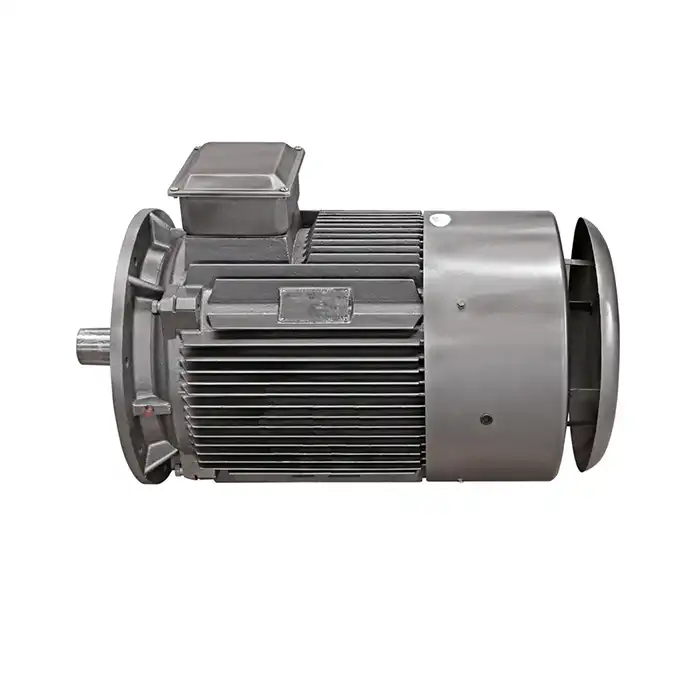
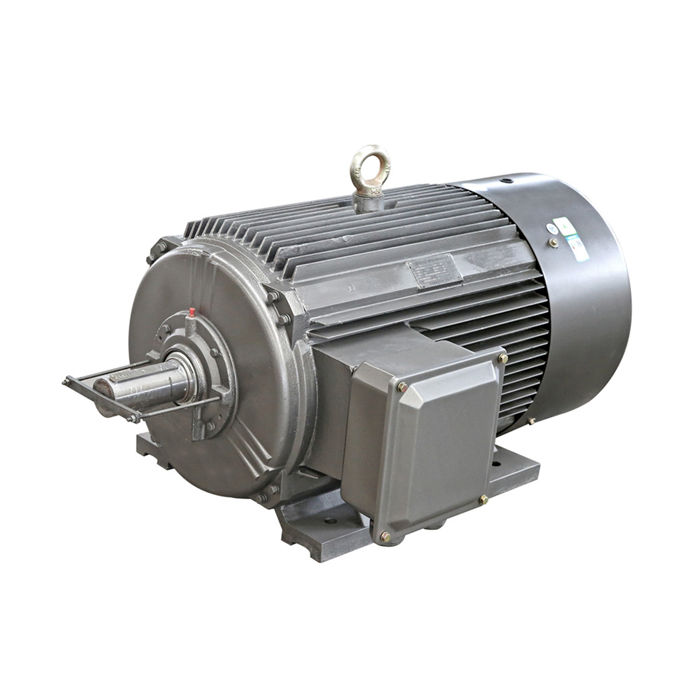
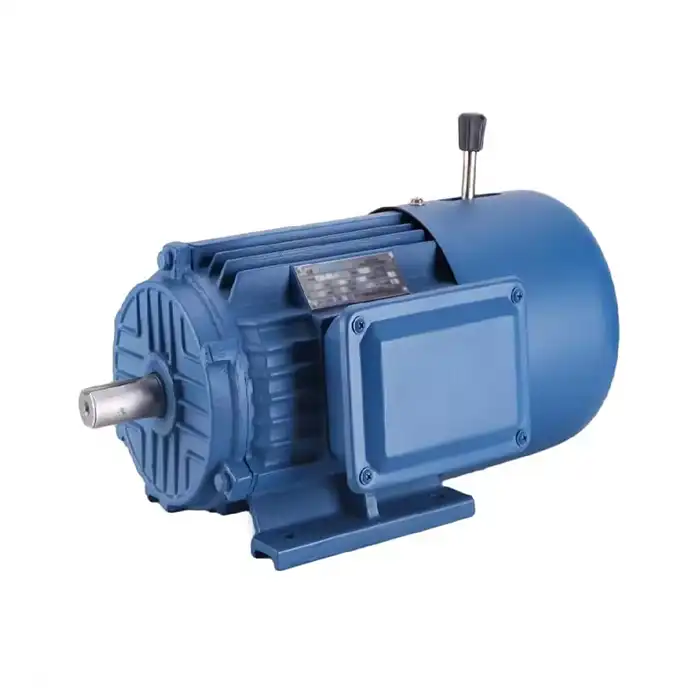
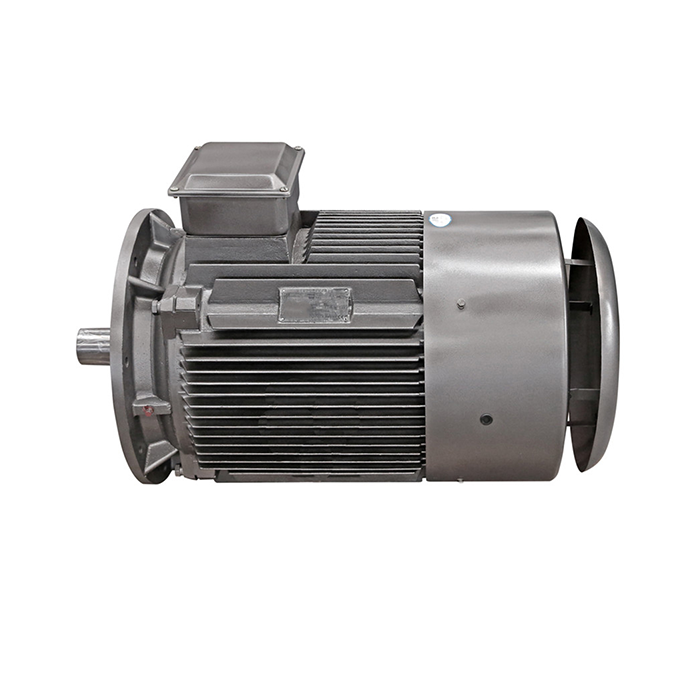
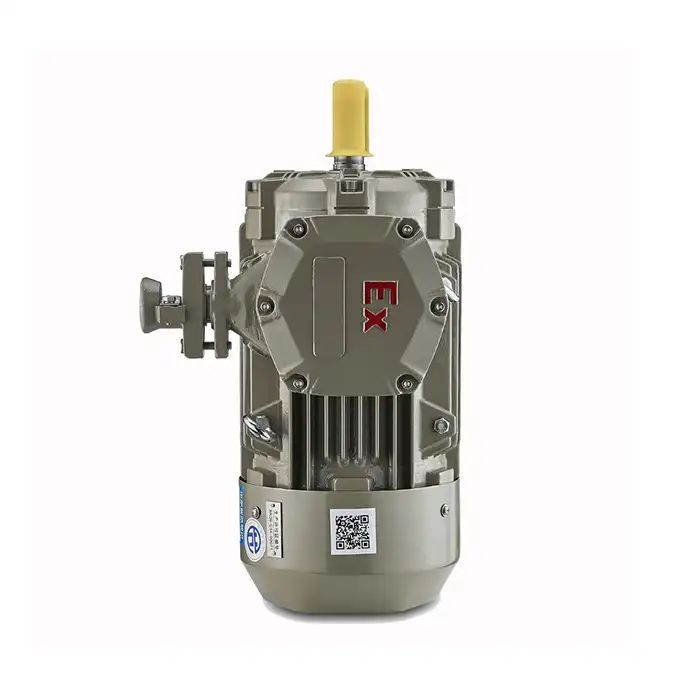
Choosing the right explosion proof ac motor with the right cooling becomes a life or death decision when working in dangerous settings where flammable gases or combustible dust present constant threats. The cooling system has a direct effect on how long the motor lasts, how safe it is to use, and how well it meets strict standards like ATEX and IECEx. Our YBX3 series motors, which come in 380V, 415V, 660V, and dual-voltage choices and range in power from 0.55 kW to 630 kW, are carefully designed for use in mining, metals, oil and gas, and chemical industries where controlling heat is essential.
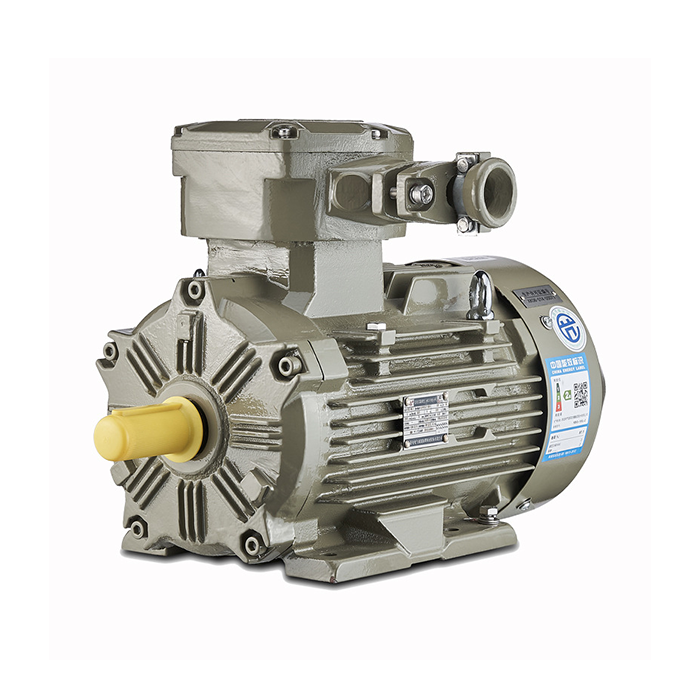
Series:YBX3
Voltage range:380V,660V,415V,380/660V,660/1140V
Power range:0.55-630 kW
Application:places where explosive gas mixtures exist in petroleum, chemical, mining, metallurgy, electric power, machinery and other industries.
Advantage: fully enclosed, self-fan cooling, squirrel cage type, high efficiency.
Explosion-proof mark: Ex d I Mb, Ex d IIB T4 Gb, Ex d IIC T4 Gb
Others: SKF, NSK, FAG bearings can be replaced according to customer requirements.
Understanding High-Temperature Challenges in Explosion Proof AC Motors
When motors are used in dangerous areas, they reach temperatures that are higher than normal in factories. Continuous duty cycles and high ambient temperatures make for a perfect storm of heat production that risks the safety of both workers and the motor.
Why Temperature Management Matters in Hazardous Locations?
Heat builds rapidly inside an explosion proof ac motor during operation. Flameproof casings prevent ventilation to contain ignition sources, creating thermal traps. Without adequate cooling, insulation degrades faster, raising failure risks. Class F or H materials break down when overheated, cutting motor life from decades to years. Our explosion proof ac motor features high-quality insulation systems maintaining certification even during extended high-temperature operation.
Thermal Stress and Certification Compliance
Safety certifications set specific temperature rise limits for explosion proof ac motor. Ex d IIB T4 Gb and Ex d IIC T4 Gb marks on our explosion proof ac motor indicate maximum surface temperature cannot exceed 135°C, well below surrounding gas ignition points. Cooling systems for explosion proof ac motor must maintain these limits across the entire operating envelope, from startup spikes to steady-state full-load conditions. Poor heat management voids warranties and compromises explosion proof ac motor safety.
Overview of Cooling System Options for Explosion Proof AC Motors
The cooling method built into the motor you choose decides how reliable it is under real-world stress. For various industrial uses, different thermal management methods are needed that balance cost, complexity, and cooling capacity.
Totally Enclosed Fan Cooled (TEFC) Systems
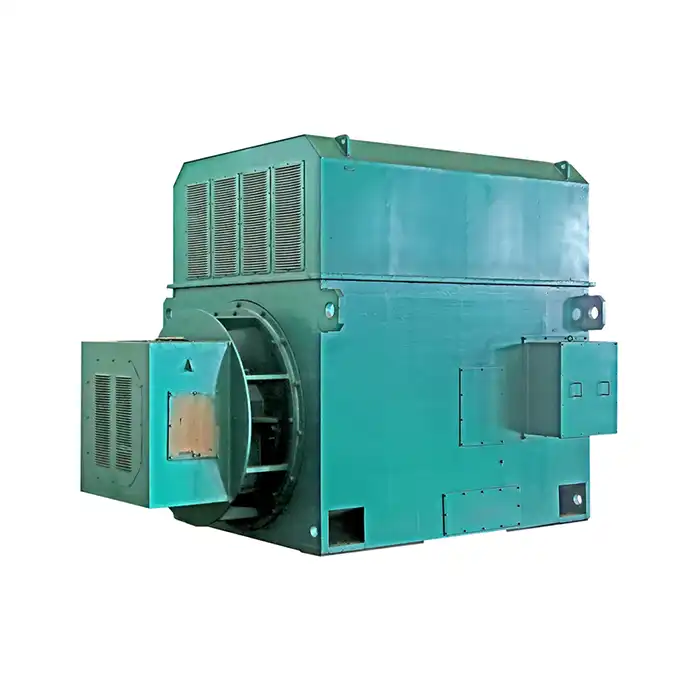
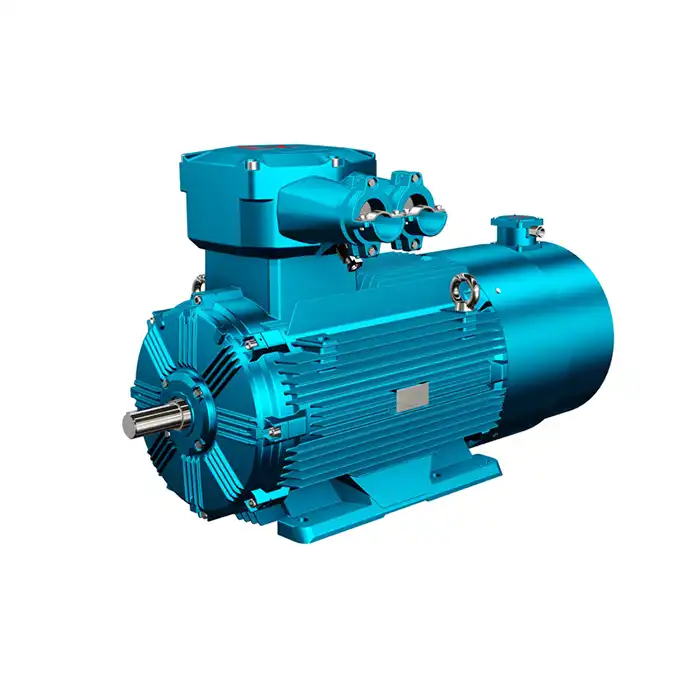
Our explosion proof ac motor uses self-fan cooling with an external fan pulling air across ribbed frame. This TEFC explosion proof ac motor design works reliably without extra cooling infrastructure. Squirrel cage rotor reduces internal heat generation; cast iron frames with optimized fins improve convection heat transfer. TEFC explosion proof ac motor operates from -20°C to +40°C handling up to 630 kW power. Fully sealed design maintains IP55-IP65 protection for chemical processing and mining environments.
Liquid Cooling Configurations for Extreme Conditions
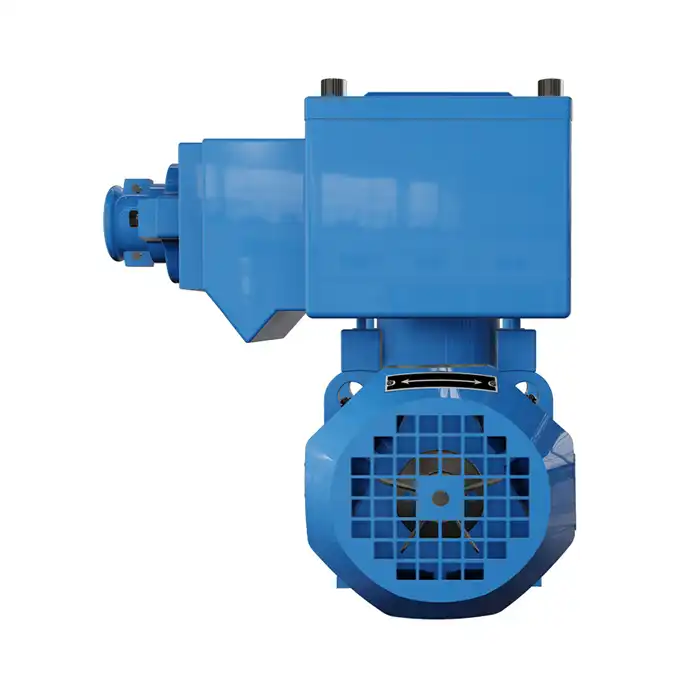
When ambient temperatures exceed 40°C, liquid cooling becomes necessary for explosion proof ac motor. Jacketed cooling systems circulate water or glycol through frame passages, removing heat before it radiates. This method raises thermal capacity for continuous high-load explosion proof ac motor operation in power plants and oil facilities. Circulating oil cooling suits applications needing electrical isolation. Water-glycol systems balance performance and serviceability where cooling water infrastructure already exists for explosion proof ac motor.
Hybrid and Emerging Cooling Technologies
Phase-change materials and heat pipe systems represent emerging explosion proof ac motor cooling technologies. These capture latent heat absorption or vapor-phase transport handling thermal loads more efficiently than conventional convection. Hybrid approaches combining improved TEFC designs with localized liquid cooling zones show promise. However, certification complexity limits adoption in explosion proof ac motor applications. Our self-fan cooling explosion proof ac motor balances thermal performance with hazardous area reliability, eliminating auxiliary cooling equipment failure points.
Selecting the Optimal Cooling System for Your Application
When making decisions about what to buy, you need to make sure that the cooling options match the unique thermal challenges your operations pose. This decision process is based on a number of interconnected factors, each of which affects the long-term success of the business.
Environmental and Operational Parameters
The temperature of the area is what determines which cooling device to use. Operations that happen in moderate temperatures can use normal TEFC designs well, but sites in the desert or processing plants in the tropics may need extra liquid cooling. Air density and cooling performance are affected by altitude. Our basic motors can work up to 1000 meters above sea level without derated, and you can get higher altitude ratings by making changes to the specifications.
The type of hazardous area affects the motor design and cooling system integration that can be done. In Zone 1, places where there is a constant or regular presence of explosive atmospheres need strong explosion proof building, like our Ex d certifications. Cooling systems must remain flameproof at all times. Zone 2 uses give you more options, but you still need to be careful with heat so that surface temperatures don't get too high and cause an explosion.
Power Requirements and Duty Cycle Considerations
The amount of heat produced is directly related to the motor's power output. Our range of 0.55 kW to 630 kW covers a wide range of uses, from opening valves to powering big compressors. Each of these uses creates a different amount of heat. Continuous duty cycles put steady-state temperature stress on the system, while irregular operation lets the system cool down between runs. Heavy starting loads or reversals that happen a lot cause more temperature spikes that cooling systems have to handle without going over the limits for temperature rise.
Choosing the right voltage for an explosion proof ac motor affects current flow and I²R heating in windings. Our 380V, 415V, 660V, and dual-voltage options for explosion proof ac motor allow optimization across different power distribution systems. For high-power applications, higher voltages in an explosion proof ac motor reduce current and thermal stress. The squirrel cage rotor design of this explosion proof ac motor naturally generates less heat than wound rotor options, helping maintain manageable thermal profiles across the power range for the explosion proof ac motor.
Maintenance Accessibility and Total Cost Analysis
TEFC systems have strong benefits when it comes to how easy they are to maintain. The main service requirements are to lubricate the bearings and check the fans from the outside on a regular basis. With liquid cooling, there are more care points, such as checking the quality of the coolant, making sure the pump is working properly, and cleaning the heat exchanger. Teams in charge of buying things have to weigh these ongoing costs against the initial investment in cash and the importance of the task at hand.
Our motors come with high-quality SKF, NSK, or FAG bearings that can be chosen by the customer. This directly affects how often maintenance needs to be done and how reliable the motor will be in the long run. Better bearing systems can handle thermal cycling better, keeping the right greasing film even at high temperatures that would damage cheaper parts. We pay a lot of attention to thermal-resistant parts in every part of our design process, from coatings that don't rust protecting frames in harsh environments to copper windings that conduct heat better than metal options.
Maintenance and Testing Tips for Cooling Systems on Explosion Proof Motors
Even the most durable cooling system needs regular upkeep to keep its performance and safety certifications for as long as it is used. Strategic inspection and testing methods find problems early on, before they damage the motor's structure.
Routine Inspection Protocols
The most important maintenance step for TEFC motors is the state of the external fan. Every three months, check the fan blades for damage, dirt, or wear that makes it harder for air to flow. Even small amounts of dirt building up on cooling fins makes heat transfer less effective, which could raise turning temperatures to dangerous levels. Use soft brushes or compressed air to clean the frame's surfaces and fin openings. Don't use harsh cleaning methods that could damage the protected coatings.
Checking the temperature of bearings early on can help you spot problems with the grease or the mechanics that cause friction heating. If it is possible, put permanent temperature monitors on bearing housings. If that is not possible, do regular infrared thermography scans to find thermal outliers and set thermal baselines. If the temperatures of the bearings are more than 80°C above room temperature, you should look into it right away because thermal runaway can kill the bearings and spread damage through the motor.
Testing and Verification Techniques
Insulation resistance testing done on a regular basis checks the health of the windings and finds wetness or contamination that weakens the dielectric. At the very least, try the megohmmeter once a year and record the readings to see how the degradation is progressing. When insulation resistance drops quickly, it means there are serious problems that need to be looked into thoroughly before motors can be put back into use in dangerous places.
Thermocouple tracking during full-load running proves that the cooling system works and meets the requirements for temperature rise. Put sensors right on the frame's sides and, if you can, place them in the winding structures while they're being made. Check the temperatures you've recorded against the limits allowed by the certification body. For example, our Class F insulation systems keep the gaps below 155°C, while Class H versions can safely work up to 180°C. If the temperature gets close to these levels, it means that the cooling isn't working well enough and needs to be fixed right away.
Vibration analysis finds mechanical flaws, worn bearings, or problems with the base that can make friction heating worse than the cooling system can handle. Set up standard vibration signatures during installation, and then use accelerometers on bearing housings to check every three months. High amounts of vibration often happen before thermal breakdowns, which gives us a chance to move before they happen.
Procuring Explosion Proof AC Motors with Appropriate Cooling Systems
Strategic procurement combines short-term equipment needs with long-term business goals. This requires clear specs and criteria for evaluating suppliers that go beyond price.
Defining Cooling Requirements in RFQs
For buying to work well, you need detailed technical specs that make your thermal management needs clear. Include exact information about the working environment, such as the temperature, altitude, duty cycle, and any limits on the secondary cooling infrastructure. Make sure that the cooling systems keep their certifications valid by listing the certifications they need, such as ATEX for European markets, IECEx for international recognition, and CCC for installs in China.
Our YBX3 series motors come with Ex d I Mb markings for use in mines and Ex d IIB T4 Gb / Ex d IIC T4 Gb markings for use in a wider range of industries. This gives you options for a wide range of dangerous area classifications. Ask for specific thermal performance data that shows temperature rise curves under rated load conditions to make sure that the cooling capacity fits within your working envelope. Customization is very important. We can meet brand choices for bearings, voltage configurations, and wider temperature ranges in the ambient environment by making specification changes that normal catalog goods can't.
Evaluating Supplier Capabilities
Reliable providers of explosion proof ac motor show technical expertise by providing prompt engineering assistance during specification development. We recognize that one-size-fits-all explosion proof ac motor solutions rarely address unique hazardous area application requirements, particularly regarding cooling performance under extreme conditions. Our team delivers application-specific advice for explosion proof ac motor, recommending optimal combinations of power ratings, voltage configurations, and cooling enhancements that work best for your specific environment. This technical support ensures your explosion proof ac motor performs reliably throughout its service life.
Lead times show how hard it is to make something and how strict the quality control is. Precision component machining, careful winding application with thermal tracking, dynamic balance, thorough certification testing, and final checking are all steps in our production process that can't be skipped without affecting the quality. Open and honest conversations about reasonable shipping times, along with quick help on weekends and during the week, show the dedication needed for a relationship to last.
The warranty terms and infrastructure for extra support show that the seller is confident in the longevity of the product. Our explosion proof ac motor designs are backed by thorough guarantees that cover production flaws and ongoing technical support to ensure peak performance throughout the motor's useful life. Partners are different from sellers because they have access to replacement parts, field service, and application tech support. This is especially helpful when cooling system problems pop up out of the blue.
Conclusion
In order to effectively handle thermal loads in explosion proof AC motors working at high temperatures, cooling technologies must be carefully matched to the needs of the application. When it comes to industrial settings, TEFC self-fan cooling works reliably, and liquid cooling choices make it possible to work in harsh conditions. Our YBX3 series motors use tried-and-true cooling methods and come in fully enclosed, flameproof enclosures that meet Ex d standards. This keeps activities safe in oil, chemical, mining, and power generation sites. Strategic procurement that focuses on seller knowledge, customization options, and long-term support will make sure that the cooling system you choose keeps the motor safe and efficient for its entire service life.
FAQ
1. What cooling method works best for explosion proof motors in mining applications?
Because there isn't much air flow and there is a lot of dust in underground mines, TEFC self-fan cooling is often helpful. The fully sealed design prevents particles out, and fans on the outside make the most of the air flow that's already there. Deep mines with high geothermal slopes may need liquid cooling to keep the air from staying over 40°C for long periods of time.
2. Can I retrofit better cooling systems to existing motors?
Adding cooling improvements after the fact depends on how the motor was built and how much room is available. Adding forced air movement from the outside around TEFC frames makes them better at removing heat without changing the approved shelters. Liquid cooling retrofits need a lot of technical work to keep them explosion proof, which means that replacing them with the right equipment is often a more cost-effective option than trying to modify them.
3. How do I verify cooling system performance after installation?
Use infrared cameras to do thermal scans while the machine is running at full load, and compare the temperatures of the frames you measure to the manufacturer's recommendations. When the cooling systems work right, our motors keep the surface temperatures within the limits set by approval. Regularly check the temperatures, shaking patterns, and insulation resistance of the bearings to make sure that thermal management is working well and to spot problems early.
Partner with XCMOTOR for Your High-Temperature Motor Needs
For demanding thermal conditions where conventional equipment fails, XCMOTOR provides explosion proof ac motor options. Our YBX3 line has a tough cast iron build, high-quality bearings, and full certifications from ATEX and CCC officials. It cools itself efficiently with a fan. Power ranges from 0.55 kW to 630 kW, and we support activities in the transportation, energy generation, industrial, and process control sectors. Get personalized product advice from a reliable supplier dedicated to your business's success by contacting our engineering team at xcmotors@163.com to discuss your high-temperature application needs.
References
1. National Electrical Manufacturers Association. "Guidelines for Motors in Hazardous Locations: Thermal Management Considerations." NEMA Standards Publication, 2021.
2. International Electrotechnical Commission. "Explosive Atmospheres Equipment Protection by Flameproof Enclosures." IEC 60079-1 Technical Standard, 2020.
3. Bonnett, Austin H. "Root Cause AC Motor Failure Analysis with a Focus on Shaft Failures." IEEE Transactions on Industry Applications, 2018.
4. American Petroleum Institute. "Recommended Practice for Application of Motors in Potentially Explosive Atmospheres." API Standard 547, 2019.
5. Stone, Greg C., and Van Heeswijk, Richard G. "Parameter Selection for Online Motor Insulation Condition Monitoring." IEEE Electrical Insulation Magazine, 2017.
6. Mining Equipment Manufacturers Association. "Thermal Management in Underground Motor Applications: Best Practices Guide." Technical Report Series, 2022.