




What are the starting current characteristics of IE3 electric motors?
Somewhere between 6.5 and 7 times the normal working current is drawn by a high efficiency motor IE3 when it first turns on. This surge happens because the motor needs more electricity to push through the initial resistance and speed up the rotor from a stop to full speed. In industrial settings, the starting current has a direct effect on the security of the power grid, the life of equipment, and the cost of energy. Knowing these things about motors helps buying teams choose ones that work with the power grid and are reliable in situations like manufacturing, HVAC, and energy use.
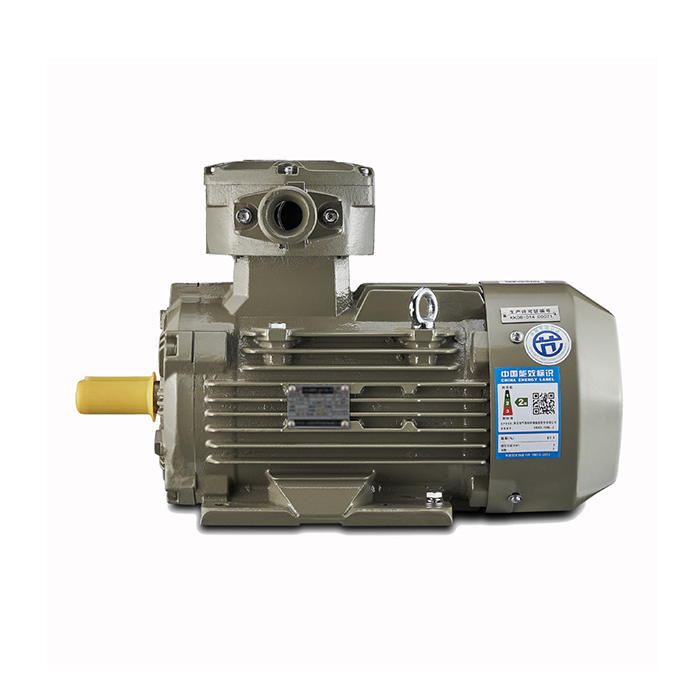
Series:YBX3
Voltage range:380V,660V,415V,380/660V,660/1140V
Power range:0.55-630 kW
Application:places where explosive gas mixtures exist in petroleum, chemical, mining, metallurgy, electric power, machinery and other industries.
Advantage: fully enclosed, self-fan cooling, squirrel cage type, high efficiency.
Explosion-proof mark: Ex d I Mb, Ex d IIB T4 Gb, Ex d IIC T4 Gb
Others: SKF, NSK, FAG bearings can be replaced according to customer requirements
What Are Starting Currents in IE3 Electric Motors?
Understanding Inrush Current Behavior
Starting current is the temporary electrical surge when a high efficiency motor IE3 begins operation. For 1–3 seconds, the high efficiency motor IE3 draws significantly more current than during steady-state running. This occurs because stationary rotors present maximum electromagnetic resistance requiring substantial energy to overcome inertia. Motor size directly affects inrush magnitude; larger kW ratings demand higher starting currents for the high efficiency motor IE3 regardless of mechanical load conditions.
Design Elements That Reduce Starting Surges
The high efficiency motor IE3 incorporates engineering refinements lowering starting currents versus previous efficiency classes. Advanced rotor designs in high efficiency motor IE3 use optimized squirrel cage configurations reducing electromagnetic resistance during startup. High-grade copper stator windings with precise turn spacing improve magnetic field alignment, creating smoother acceleration patterns. Silicon steel laminations minimize eddy current losses. These design changes give IE3-rated high efficiency motor IE3 approximately 8–12% lower inrush currents than equivalent IE2 motors.
Impact on Electrical Systems
Starting current characteristics directly affect upstream electrical equipment for high efficiency motor IE3. Transformers, circuit breakers, and cables must handle temporary current spikes without tripping protection devices or causing voltage drops affecting nearby equipment. Our high efficiency motor IE3 models feature estimated locked rotor current of 6.5–7 times rated full-load amps. A 30 kW high efficiency motor IE3 drawing 55 running amps requires 360–385 starting amps, enabling accurate electrical system sizing without unnecessary infrastructure upgrades or production interruptions.
Benefits of Low Starting Current in IE3 High Efficiency Motors
Energy Efficiency and Cost Reduction
Lower starting currents in high efficiency motor IE3 deliver measurable energy savings. Each starting cycle consumes less electricity; individual events seem minor, but motors cycling thousands of times annually in HVAC, water treatment, and conveyor applications accumulate significant savings. Controlled starting current characteristics help meet international standards. IEC 60034-30-1 governing high efficiency motor IE3 efficiency ratings includes performance factors that indirectly improve starting behavior through enhanced electromagnetic design. ISO 50001 energy management certification documentation benefits from high efficiency motor IE3 installations.
Equipment Longevity and Reliability
Mechanical stress during startup for high efficiency motor IE3 shortens bearing life, stresses shafts, and degrades winding insulation. High-current starts create rapid acceleration forces stressing drivetrain components. Lower inrush currents moderate these forces, extending service intervals and reducing unexpected failures in high efficiency motor IE3. Our YBX3 series offers premium SKF, NSK, or FAG bearings with Class F or H insulation systems handling 155–180°C. IP55-IP65 protection prevents contamination during vulnerable startup periods for high efficiency motor IE3.
Compatibility With Control Technologies
Variable frequency drives and soft starters perform optimally when paired with high efficiency motor IE3 having favorable starting characteristics. VFDs gradually increase voltage and frequency but work better with high efficiency motor IE3 presenting less electromagnetic resistance during acceleration. Soft starters reduce voltage during initial seconds then restore full voltage. High efficiency motor IE3 responds consistently to these control methods, enabling refined acceleration profiles. This compatibility proves critical in pharmaceutical mixing, food processing conveyors, and water treatment aeration systems requiring smooth high efficiency motor IE3 startup.
Comparing Starting Current Characteristics: IE3 vs IE2 and IE4 Motors
Performance Differences Across Efficiency Classes
IE2 motors typically exhibit starting currents 7–8.5 times rated current. High efficiency motor IE3 reduces this range to 6.5–7 times through improved electromagnetic designs. IE4 motors achieve lower ratios near 6–6.8 times starting current but command significantly higher purchase prices. A facility with fifty 15 kW high efficiency motor IE3 units starting ten times daily realizes substantial peak demand savings versus IE2 equivalents. Over 20-year ownership, premium efficiency class investments often justify themselves through reduced electricity costs from lower starting currents.
Thermal and Acoustic Performance
Starting current magnitude relates directly to heat generated in motor windings and associated conductors. Higher inrush currents create greater I²R losses during each starting event for high efficiency motor IE3, wasting heat requiring removal before subsequent cycles. High efficiency motor IE3 imposes less thermal stress, keeping windings cooler and extending insulation life. Startup noise levels correlate with inrush characteristics; IE3-rated high efficiency motor IE3 starts more quietly, benefiting facilities with closely spaced motors in mechanical rooms or pump stations, supporting OSHA compliance and worker comfort.
Cost-Benefit Analysis for Procurement Teams
IE2 motors offer lower initial prices but higher operating costs. IE4 motors provide superior performance at price points exceeding many budgets. High efficiency motor IE3 represents optimal balance between starting current considerations and long-term value for most applications. For high-cycle applications including compressors, fans, and agricultural irrigation pumps, starting current characteristics merit evaluation alongside power factor and efficiency ratings. Our YBX3 high efficiency motor IE3 line spans 0.55–630 kW with 380V–660V and dual-voltage 380/660V and 660/1140V options.
Practical Tips for Managing Starting Current in IE3 Motor Installations
Proper Motor Selection and Specification
The first step in choosing the right motor is to do an accurate load study. By figuring out the real power needs during starting and taking into account mechanical inertia, friction, and process loads, you can avoid both undersizing and oversizing. The high efficiency motor IE3's technical datasheets should make the locked rotor current (LRC) values very clear. This will let engineers simulate how the motor will affect the electrical system before it is installed.
Voltage Selection Affects Starting Behavior
Changing the voltage changes how the engine starts. Our YBX3 line comes in a number of different voltage options to meet the needs of different power distribution standards. Higher voltage choices may be better for operations with weaker electrical lines because motors need less current at higher voltages to produce the same amount of power. Customizable voltage levels make sure that the motor's features and the site's electricity equipment work well together.
Power Range Considerations
Power range factors include more than just stated power. When a 55 kW motor is started directly from the line in a building that doesn't have a lot of generator space, it causes different problems than when the same motor is started in a building with good electrical distribution. When looking through seller catalogs, you should talk about how to get started, the infrastructure you already have, and your plans for growth to make sure everything will work in the long run.
Implementing Control Technologies
Managing inrush currents on high efficiency motor IE3 can be done economically with soft starters lowering starting voltage to 30–70% of supply. Variable frequency drives eliminate inrush spikes completely by creating custom acceleration curves for high efficiency motor IE3. Star-delta starters connect windings in star pattern during starting reducing voltage by approximately 58%, then switch to delta for normal operation. Motor protection relays coordinate sequencing and detect faults during high efficiency motor IE3 starting stage.
Maintenance Practices for Sustained Performance
Motor bearings require regular inspection to prevent mechanical lockup increasing starting power demands on high efficiency motor IE3. Vibration analysis detects misalignment before breakdowns occur. YBX3 high efficiency motor IE3 works with SKF, NSK, and FAG premium bearings. Megohm meter testing for winding insulation finds degradation before ground faults. Class F and H insulation systems in high efficiency motor IE3 need regular verification. Electrical connections at junction boxes require quarterly thermographic scans to detect hot spots and prevent nuisance tripping.
Why Choose IE3 High Efficiency Motors for Your Industrial Operations?
Regulatory Compliance and Environmental Stewardship
More and more, global rules on energy efficiency make IE3 the base level that industrial motors must meet. The Ecodesign Directive in the European Union, similar rules in North America, and new rules appearing in developing markets all agree that IE3 is the minimum standard for both new installs and big upgrades. Choosing high efficiency motor IE3 goods makes sure that facilities follow current rules and sets them up for future policy changes.
Carbon impact reduction goals drive environmental efforts in businesses across all fields. Stakeholders put pressure on factories, data centers, and logistics operations to show that they are making the world better in measured ways. Motor systems use about 45% of the world's energy, so it makes sense to put money into making them more efficient. When you use IE3-rated equipment, you can prove that it lowers emissions, which helps with ESG reporting standards and business responsibility goals.
The IEC 60034-30-1 mark, the CE mark, and the CCC mark are all proof that the high efficiency motor IE3 passes strict testing procedures. These validations by a third party give buying teams faith in performance claims and make the approval process easier when working with insurance companies or regulatory authorities. Our YBX3 explosion-proof motors have extra ATEX and IECEx certifications that show they meet international standards for dangerous locations.
Long-Term Financial Performance
The high efficiency motor IE3 usually pays for itself in two to four years when used continuously or often, according to estimates of its return on investment. Savings on energy costs add up every month, and lower upkeep costs and longer machine life add to the value over the life of the ownership. Facilities that use more than one motor system can save money across their entire portfolio, which has a big effect on their running budgets.
In many places, utility reward programs offer refunds or faster depreciation for installing motors that use less energy. These financial tools lower the net cost of acquisition, which shortens the time it takes to get the money back and makes the project more profitable. During the specification phase, procurement teams should look into available rewards to get the most out of the project and get the necessary financial approvals.
Peak demand charges are secret costs in a lot of business energy rates. Older motors that start up with a lot of current cause demand peaks that set billing rates for whole billing cycles. IE3-rated equipment has managed inrush features that help flatten demand profiles. Depending on the size of the building and the rate structures, this could mean monthly savings of hundreds or even thousands of dollars.
Supply Chain Reliability and Technical Support
Working with well-known suppliers guarantees stable product quality and quick expert support. Our company, Shaanxi Qihe Xicheng Electromechanical Equipment Co., Ltd., specializes in offering solutions for power equipment and offers full support, including being available on the weekends. We keep real parts from well-known brands in stock, so we can send them quickly when production needs them or when repairs are needed right away.
The YBX3 line shows how committed we are to making solutions that work best for each purpose. With power levels from 0.55 kW to 630 kW and different voltage configurations, we can meet all of our customers' needs without making them make choices. Explosion-proof approvals for gas/vapor atmospheres (Ex d IIB T4 Gb, Ex d IIC T4 Gb) and coal mining (Ex d I Mb) meet the needs of a wide range of industries, including the mining, chemical, metallurgical, and fuel industries.
Our 30-day return policy lowers the risk of buying something, and our specialized expert support helps engineers with application questions, installation problems, and improving operations. When you combine good product quality, technical know-how, and great customer service, you get relationships that last longer than a single transaction and help you achieve long-term business excellence.
Conclusion
The way IE3 motors handle starting power is a big step forward in industrial motor technology, mixing high technical performance with high economic value. Drawing 6.5 to 7 times the maximum current when they first start up, the high efficiency motor IE3 lowers electrical stress, uses less energy, and makes equipment last longer than older efficiency standards. When considering motor choices, procurement teams should look at both starting current and efficiency rates. This is especially important in situations where the motor needs to start often or where the electrical infrastructure is limited. The high efficiency motor IE3 works reliably in energy, industrial, HVAC, and other locations that need to be protected from explosions. The right choice of materials, the right control technologies, and regular upkeep make sure that these motors meet operating needs, support sustainability goals, and follow all regulations throughout their service lives.
FAQ
1. How much lower is the starting current of IE3 motors compared to IE2 models?
Starting currents for the high efficiency motor IE3 are usually 10-15% less than those for comparable IE2 motors. When started up, an IE2 motor might need 8 times its rated current, but an IE3 unit of the same size only needs 6.5 to 7 times its rated current. This is because better electromagnetic designs, better rotor slot setups, and better stator winding arrangements lower the amount of magnetizing power that needs to be used.
2. Can IE3 motors work with my existing soft starter or VFD?
The high efficiency motor IE3 equipment works well with the majority of soft starts and variable frequency drives intended for IE2 motors. Instead of efficiency class, voltage ratings, current handling ability, and control methods determine if two devices can work together. You should make sure that the control devices can handle the stopped rotor current of the motor and protect against overloading. Many times, switching to IE3 motors actually makes the VFD work better because it has better power factor qualities and less noise generation.
3. What maintenance practices preserve low starting current performance?
Regularly greasing bearings stops mechanical friction from building up, which raises the starting force needed. Terminal links are checked every three months to make sure there is little resistance in the paths of current. Testing the insulation on the windings once a year finds wear and tear before it affects the electromagnetic performance. Thermal degradation of winding insulation can be stopped by keeping the outside of the motor clean and making sure that cooling vents are not blocked. Vibration tracking finds flaws or misalignments that make the mechanical load go up when the speed is increased. Following these simple steps will keep the high efficiency motor IE3's starting features that were built into it for as long as it works.
Partner With XCMOTOR for Your High Efficiency Motor IE3 Requirements
XCMOTOR offers approved high efficiency motor IE3 options that are designed to work in tough industrial settings. Our YBX3 explosion-proof line has power outputs ranging from 0.55 kW to 630 kW and starting currents that are designed to work reliably in mining, industrial, chemical, oil, and gas industries. With quality SKF, NSK, and FAG bearing choices, we keep a stock of motors with different voltages (380V, 415V, 660V, and dual-voltage options). As an experienced high efficiency motor IE3 provider, we offer technical advice to make sure that the right motor is used for the job, quick delivery to meet project deadlines, and committed support seven days a week. You can email our team at xcmotors@163.com to talk about how our power equipment options can help you run your business more efficiently, save you money on energy, and make your system more reliable.
References
1. International Electrotechnical Commission. (2014). "Rotating Electrical Machines - Part 30-1: Efficiency Classes of Line-Operated AC Motors (IE Code)." IEC 60034-30-1 Standard Documentation.
2. De Almeida, A. T., Ferreira, F. J., & Fong, J. (2011). "Standards for Efficiency of Electric Motors." IEEE Industry Applications Magazine, 17(1), 12-19.
3. Bonnett, A. H., & Soukup, G. C. (1992). "Cause and Analysis of Stator and Rotor Failures in Three-Phase Squirrel-Cage Induction Motors." IEEE Transactions on Industry Applications, 28(4), 921-937.
4. European Copper Institute. (2016). "Motor Energy Savings with Proper Starting Methods and Control Technologies." Industrial Motor Systems Technical Report Series.
5. Andreas, J. C., & Larson, D. E. (2019). "Practical Considerations for Starting Current Reduction in Modern Induction Motors." Electric Power Systems Research, 174, 105-118.
6. National Electrical Manufacturers Association. (2021). "Energy Efficiency Standards and Test Procedures for Three-Phase Induction Motors." NEMA MG 1-2021 Technical Guidelines.
YOU MAY LIKE
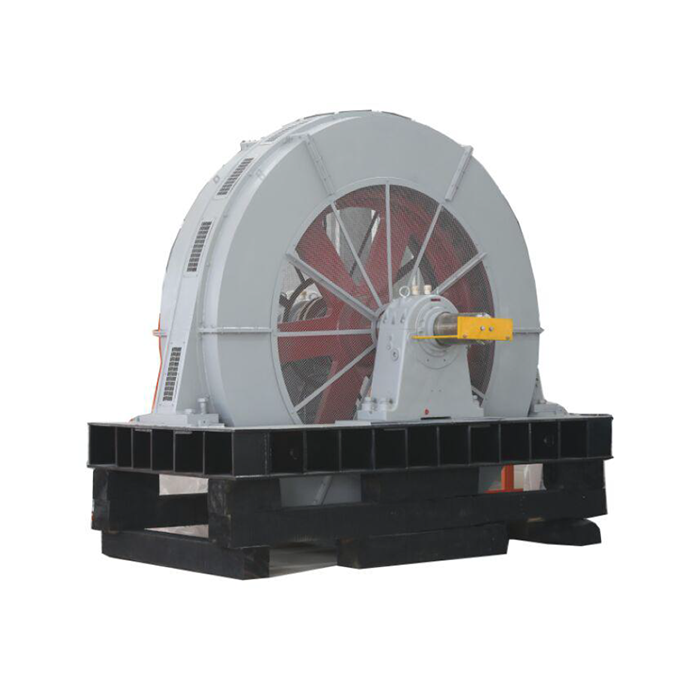 VIEW MORETDMK series synchronous motor
 VIEW MOREYXKK series high voltage and high efficiency motor
 VIEW MOREY2 series high voltage three-phase asynchronous motor
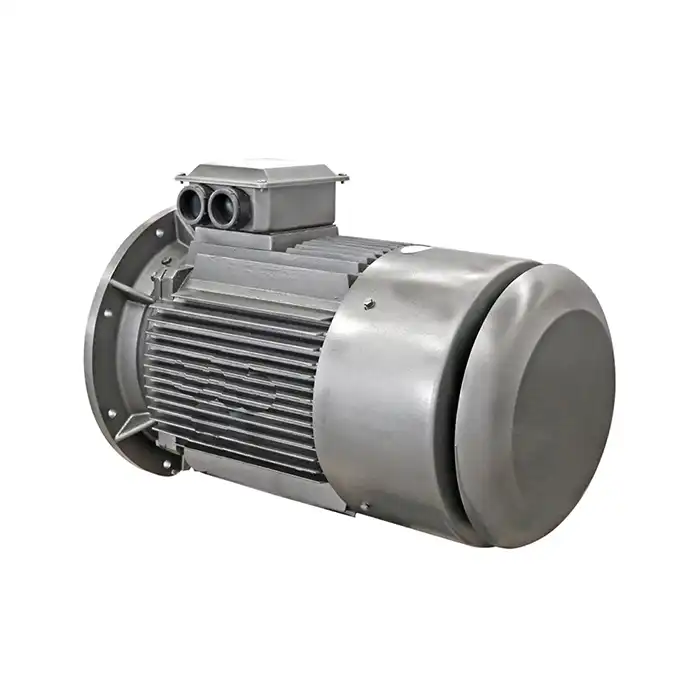 VIEW MOREie 5 motor
 VIEW MOREY high voltage series motor
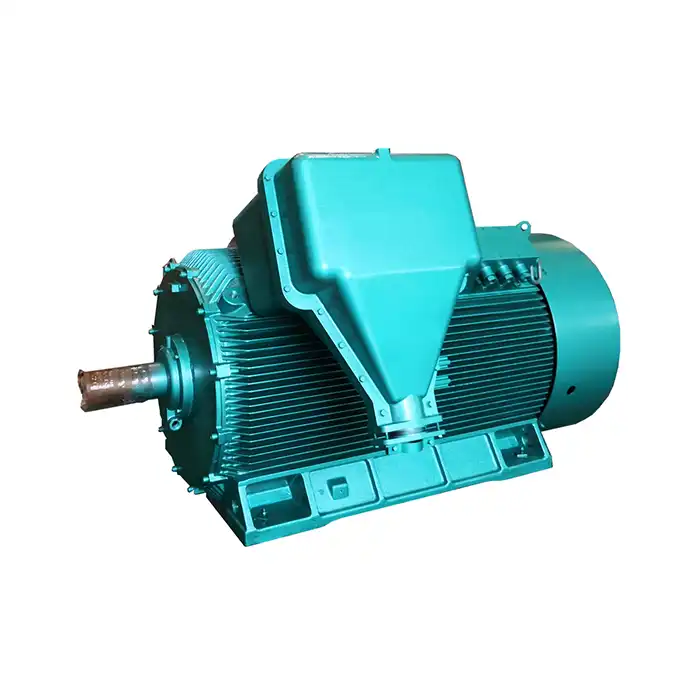 VIEW MORE11kv induction motor
 VIEW MOREmost energy efficient motor
 VIEW MORE12 hp explosion proof motor