



What are the advantages of low voltage ac motors
Low Voltage AC Motor systems offer the highest levels of safety, cost-effectiveness, and dependability in industrial settings, with voltages below 1,000 volts. When compared to higher voltage options, these motors greatly reduce electricity dangers while needing much less infrastructure investment. Because they have a history of success in manufacturing, HVAC, energy utilities, and automation, procurement managers choose them when they need reliable power solutions that meet current economy standards and safety rules in the workplace.
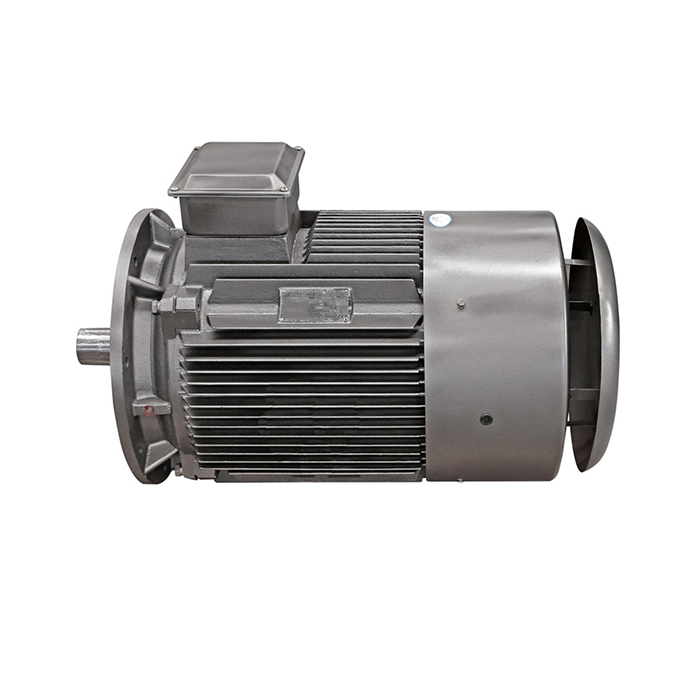
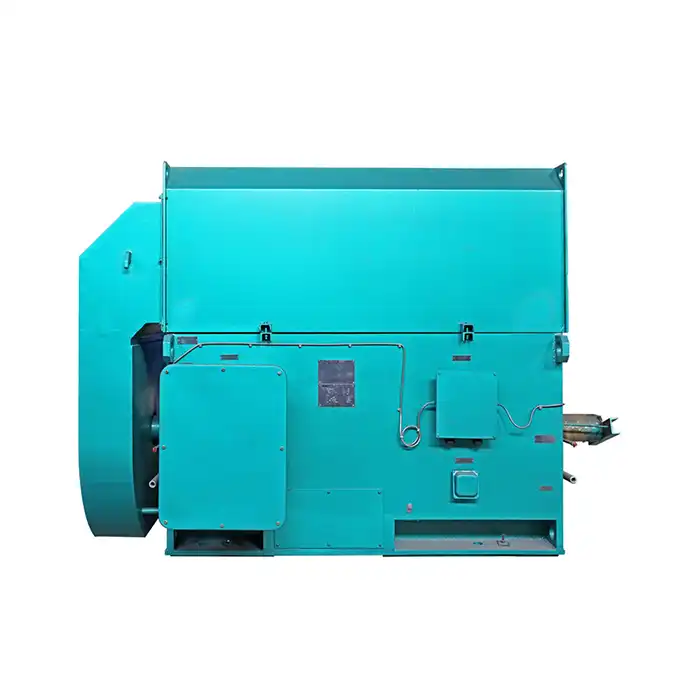
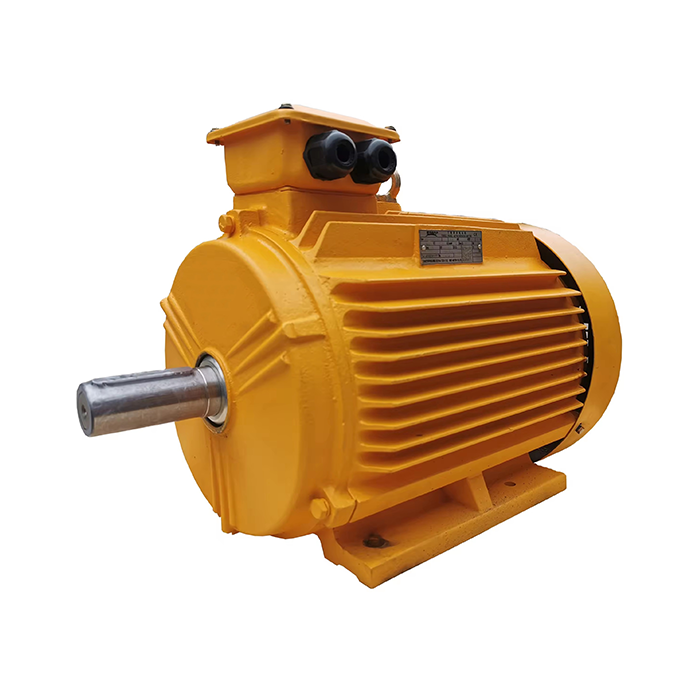
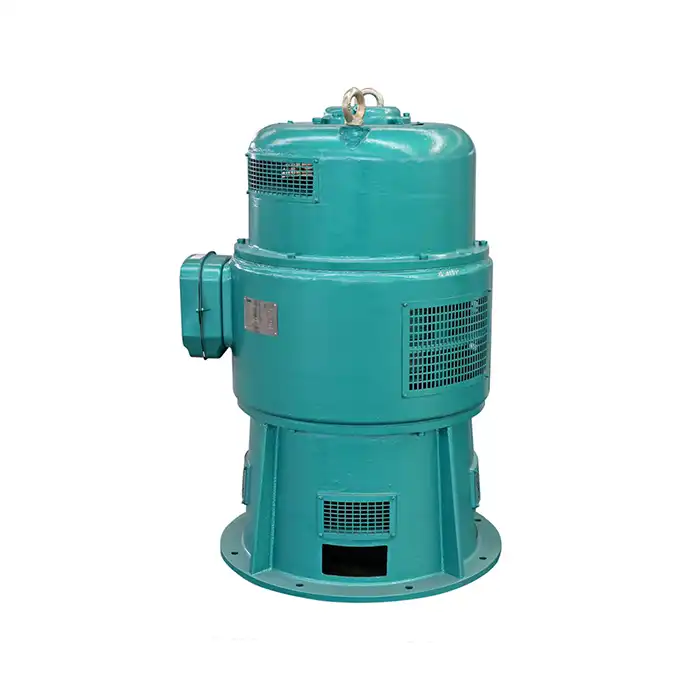
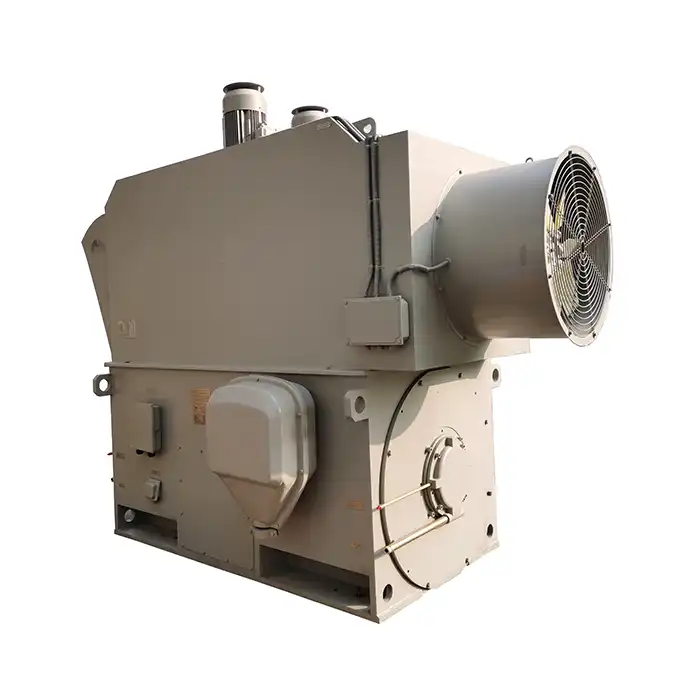
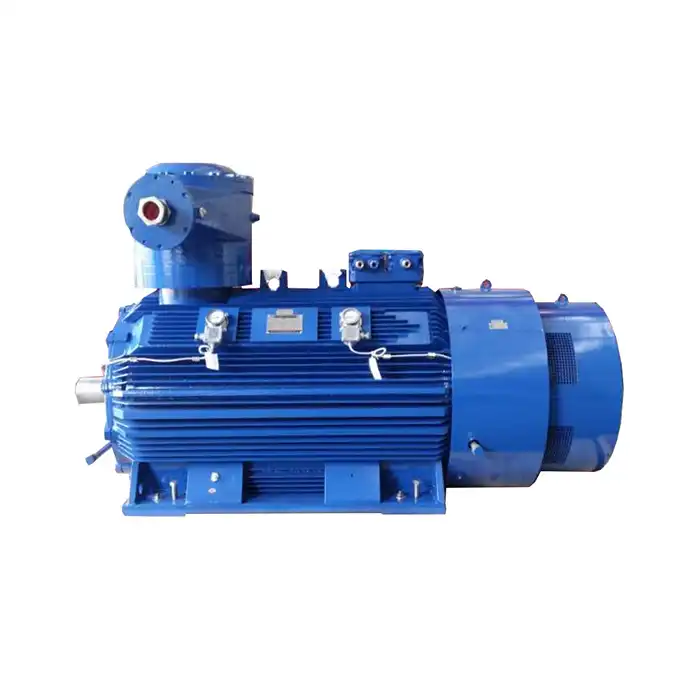
Series:YE3
Frame number: 80-450
Power range:0.75-1000kW
Protection level:IP55
Energy efficiency class: IE3
Voltage range: 380V,400V,415V,660V, etc.
Application:can be used in various fields of the national economy, such as machine tools,water pumps,fans,compressors,and can also be used in transportation, mixing, printing, agricultural machinery, food and other occasions that do not contain flammable, explosive or corrosive gases.
Certificate: international standard IEC60034-30 "Efficiency Classification of Single-speed Three-Phase Squirrel Cage Induction Motors".
Advantage:The high quality of the electric motor guarantees high operational reliability.
Others: SKF, NSK, FAG bearings can be replaced according to customer requirements.
Introduction
Motors below 1,000 volts power essential machinery on factory floors, HVAC systems, and water treatment plants. This voltage range for Low Voltage AC Motor balances performance with practical safety measures, making these systems essential in automotive, food processing, renewable energy, and commercial building management. Procurement managers face pressure to select Low Voltage AC Motor solutions meeting safety standards, lowering operating costs, and delivering consistent performance over long service lives while balancing initial investment against long-term maintenance costs.
Understanding Low Voltage AC Motors
At their core, these motors use electromagnetic induction to turn electrical energy into mechanical motion. When alternating current runs through the stator windings, it makes a magnetic field that spins and causes current to flow through the rotor, which makes force. This basic idea has been used to run industrial machines for more than one hundred years, and it has been improved upon over the years by engineers.
Operational Voltage Parameters and Classifications
Most motors in this group run on voltages between 100 and 1,000 volts. 380V, 400V, 415V, and 660V systems are popular designs. These voltage values are the same as those used in North America, Europe, and Asia for industrial power distribution networks. This means that expensive transformer systems are not needed. The YE3 series from Shaanxi Qihe Xicheng is a great example of this because it has voltage choices that work with different regional electrical standards and still meets the requirements for the IE3 efficiency rating in IEC60034-30.
Motor Design Variations and Their Applications
Industrial squirrel cage induction motors, a common type of low-voltage AC motor, are the most common type because they are strong and need little upkeep. The rotor consists of electrical bars short-circuited by end rings, resembling a squirrel cage. This design eliminates brushes and slip rings, reducing wear points and extending machine life. Though less common, wound rotor versions offer better starting torque control for large compressors and conveyor systems. In the YE3 low-voltage AC motor line, frame sizes range from 80 to 450 with power outputs from 0.75 kW to 1000 kW for both versions of this equipment.
Industrial Deployment Across Key Sectors
These motors are used to power machine tools, packing lines, and systems for moving materials. Making sure the speeds stay the same protects the quality of the products made by these factories. In process control settings, they power valves that keep chemicals from mixing, pumps that keep precise flow rates, and compressors that power air systems. HVAC systems need to be able to keep working even when the temperature changes, and refrigerator systems need to be able to keep working even when the temperature changes a lot. They are useful for water treatment plants, green energy facilities, and farms because they can adapt to tough weather conditions.
Core Advantages of Low Voltage AC Motors
Choosing the right motor technology affects everything from the safety of workers to the amount of energy used each year. Motors that work in this voltage range provide real benefits that directly address the concerns that B2B buying teams have when they are looking at investments in equipment.
Enhanced Safety Standards and Reduced Electrical Risk
Low Voltage AC Motor systems lessen industrial electrical shock dangers by operating below 1,000 volts. Arc flash dangers are lower than medium or high-voltage equipment, enhancing worker safety. OSHA and NFPA 70E compliance is easier at this voltage level. Industrial-grade motors in this category often have IP55 protection to prevent dust and water intrusion, which is crucial in food processing, outdoor facilities, and other safety and contamination-controlled areas.
Lower Installation Costs and Infrastructure Requirements
Low Voltage AC Motor systems are compatible with 380V to 660V industrial power networks, a major benefit. No costly transformers or specialist switchgear are needed. Wiring is simpler because lower conductor sizes may be utilized safely, saving material and labor expenses. Low voltage solutions are interesting to procurement teams focusing on overall cost efficiency since they may save over 30% during the system lifespan compared to higher voltage options in many industrial projects.
High Efficiency and Long-Term Operational Stability
Modern low voltage AC motors often transfer over 90% of electrical energy into mechanical output at IE3 efficiency. In continuous-duty applications like pumps, fans, and compressors, this reduces energy usage significantly. The squirrel cage rotor construction removes brushes, making it more durable and low-maintenance. These motors may last over 20,000 hours with correct bearing lubrication and frequent maintenance, assuring reliable performance and little downtime in demanding industrial processes.
Financial Advantages Through Reduced Infrastructure Demands
Low Voltage AC Motor installation costs drop because these motors work directly with standard electrical systems, requiring no special transformers. Lower voltages allow smaller wire sizes for Low Voltage AC Motor while safely carrying required current, reducing wiring material costs. Local electrical codes impose fewer restrictions on Low Voltage AC Motor systems. These installation savings for Low Voltage AC Motor often exceed 30% over facility lifetime compared to equivalent high voltage installations.
Superior Energy Performance and Operational Efficiency
Modern induction low-voltage AC motor achieves IE3 efficiency, converting over 92% of electrical input into useful mechanical work. This efficiency directly reduces power consumption, especially valuable for continuously operating fans and pumps. A 100 kW unit running 6,000 annual hours at IE3 saves approximately 8,000 kWh compared to older IE1 designs, translating to thousands in yearly energy cost savings.
Reliability During Extended Industrial Operation
Squirrel cage rotors eliminate failure-prone parts like brushes. Premium SKF, NSK, or FAG bearings ensure smooth rotation. With proper lubrication, service intervals exceed 20,000 hours. No external rotor connections exist, so the equipment resists contamination from dust, moisture, and chemical vapors. Well-maintained units achieve meantime between failures exceeding 60,000 hours.
Simplified Maintenance Protocols and Parts Availability
Plant electricians need no special training for routine maintenance including lubrication, connection tightening, and insulation testing. Standardized frame sizes make replacement parts available from multiple sources. Global installed base means technical documentation remains available for older units. Dimensional interchangeability allows replacement without modifying driven equipment or support structures.
Adaptability Across Power and Speed Requirements
Variable frequency drives work seamlessly with this motor type, enabling precise speed control for variable flow or conveyor applications. Frame sizes 80–450 accommodate power requirements from fractional horsepower to multiple megawatts. Multi-speed winding designs serve ventilation systems with multiple airflow modes. Various mounting configurations fit into tight spaces within existing machinery layouts.
Low Voltage AC Motors vs. Other Motor Types: A Comparative Analysis
When buying teams know how different motor technologies compare, they can match skills to application needs. Each power class and motor type has its own unique qualities that make it better for certain uses.
Comparing Voltage Classes and Their Operational Contexts
High voltage motors above 1,000 volts serve large-scale utility applications but need dedicated substations and specialized safety gear. Medium voltage motors (1,000–35,000 volts) serve large industrial facilities like steel mills. Low Voltage AC Motor below 1,000 volts works properly across settings from small job shops to large industrial complexes. Low Voltage AC Motor works with building electrical systems designed for standard voltage levels. This makes Low Voltage AC Motor preferred for approximately 85% of industrial motor applications.
Design and Construction Differences
DC motors offer higher starting torque but require frequent brush replacement and generate electrical noise. Permanent magnet motors achieve very high efficiency but cost significantly more and risk demagnetization above rated temperature. Low Voltage AC Motor sacrifices some peak efficiency for unmatched durability and lower purchase cost. This makes Low Voltage AC Motor suitable for the widest range of applications without exceeding budget constraints for industrial buyers seeking reliable Low Voltage AC Motor solutions.
Efficiency and Maintenance Considerations
Permanent magnet motors can achieve IE4 or IE5 efficiency, but higher cost may take decades to recover through energy savings. DC motors require brush replacement every 2,000–5,000 operating hours, necessitating regular maintenance interruptions. IE3 class Low Voltage AC Motor offers optimal economy for most applications with lowest total ownership cost when balancing purchase price, maintenance expense, and component lifespan for this Low Voltage AC Motor in continuous-duty industrial applications.
Application Suitability and Selection Guidelines
Direct-on-line started Low Voltage AC Motor suits fixed-speed pumps, fans, and compressors requiring simple, reliable operation. For variable speed manufacturing, Low Voltage AC Motor pairs with variable frequency drives delivering operational flexibility with robust construction. Servo motors justify premium pricing for positioning applications like robotics. Standard Low Voltage AC Motor provides more cost-effective solutions for straightforward material handling tasks where precise positioning isn't required for this Low Voltage AC Motor.
Procurement Insights and Optimization Tips for Low Voltage AC Motors
A good procurement process finds a balance between technical requirements, source dependability, and lifecycle costs to get equipment that meets operating needs without going over budget.
Evaluating Critical Specifications and Certifications
Power ratings should exceed application requirements by appropriate margin, typically 1.15 service factor. Enclosure rating must suit environment; IP55 works for most indoor manufacturing. Efficiency rating directly affects operating costs; IE3 is minimum legal efficiency for new units in many jurisdictions. Voltage ratings must match power source characteristics. Premium SKF, NSK, or FAG bearings ensure performance and parts availability.
Assessing Supplier Capabilities and Support Infrastructure
Established manufacturers with decades of experience maintain consistent quality standards. Through collaboration with global technology leaders, Shaanxi Qihe Xicheng ensures these motors incorporate the latest design refinements. Customization options including modified voltage ratings or altered shaft designs from suppliers solve problems standard catalog items cannot address. Warranty length reflects manufacturer confidence; 2–3 years coverage is industry standard.
Implementing Preventive Maintenance Strategies
Bearing relubrication typically requires attention every 2,000–10,000 hours depending on speed, load, and ambient conditions. Thermal imaging scans detect connection hot spots and developing bearing failures. Vibration analysis identifies imbalance, misalignment, and wear patterns when correction remains economical. Insulation resistance testing verifies winding condition, revealing moisture ingress or degradation affecting reliability.
Case Studies and Real-World Applications
Manufacturing Efficiency Improvements
A Midwest automotive parts plant replaced forty old IE1 motors with IE3-rated units on hydraulic press systems. Annual energy consumption dropped 127,000 kWh, saving $11,400 yearly. Improved power factor reduced annual demand charges another $2,800. The new equipment eliminated three unexpected failures, raising equipment availability from 94% to 98.5% for these critical systems.
HVAC System Optimization
A commercial building complex upgraded air handling unit motors to IE3 models with variable frequency drives. The VFD reduced energy consumption 35% during partial load compared to constant-speed operation. Quieter operation and smoother acceleration eliminated tenant complaints about noise and temperature fluctuations. Three years proved maintenance costs dropped 40% due to reduced thermal cycling stress on bearings and windings.
Water Treatment Reliability Enhancement
A municipal water treatment plant serving 85,000 residents upgraded lift station pumps to continuous-duty rated motors for humid environments. IP55 enclosure protection prevented moisture ingress causing premature failures. The station consumed 64,000 fewer kWh annually after installing higher efficiency units. Standard frame sizes simplified spare parts inventory, freeing $47,000 in capital previously tied to backup stock.
Future Trends Shaping Motor Technology
Regulators continue pushing minimum efficiency standards, with more jurisdictions mandating IE4 and IE5 ratings. Smart motor technologies with built-in sensors enable predictive maintenance. These motors increasingly serve as data sources informing energy management decisions when integrated with building automation. Sustainability initiatives drive demand for compatibility with microgrids. Variable speed capability reduces peak power demand, easing grid stress during high-usage periods.
Conclusion
Motors with less than 1,000 volts, specifically the Low Voltage AC Motor, offer practical benefits for procurement teams. The Low Voltage AC Motor improves safety ratings, lowers workplace risks, and simplifies compliance. With lower installation costs and minor infrastructure needs, the Low Voltage AC Motor improves project economics. Better energy efficiency of the Low Voltage AC Motor directly reduces operating costs. Proven reliability of the Low Voltage AC Motor minimizes unplanned downtime. Easy maintenance and available parts make Low Voltage AC Motor ownership costs predictable.
Because of these benefits, they are widely used in industrial, HVAC, water treatment, and green energy. No matter what your application needs—a few hundredths of a horsepower or several megawatts—motors in this voltage class can meet your needs while staying within your budget.
FAQ
1. What voltage range defines motors in this classification?
This group includes equipment that works with 100 to 1,000 volts. 380V, 400V, 415V, and 660V systems are typical setups. Because these voltage values are the same as those used in normal industrial power distribution networks, there is no need for special transformers or switchgear.
2. Do these motors suit large-scale industrial operations?
Of course. Frame sizes up to 450 mm can handle power rates of up to 1,000 kW, which is more than enough for most industrial uses like big pumps, fans, compressors, and process equipment. Facilities only need higher voltage systems when the rated power of a single piece of equipment is more than a few megawatts or when the voltage needs to be raised to keep wire losses to a minimum over very long distances.
3. How frequently should maintenance occur for optimal performance?
Depending on speed, load, and environmental factors, bearings need to be oiled every 2,000 to 10,000 working hours. Checking the tightness of connections, the strength of insulation, and the amount of vibration once a year can find problems before they become major ones. When compared to run-to-failure methods, facilities that use preventive maintenance programs report operating uptime above 98% and emergency repair costs 60% lower.
Partner with XCMOTOR for Your Power Equipment Needs
XCMOTOR puts twenty years of experience making motors into every one we sell. Our YE3 line shows how high-quality parts like SKF, NSK, and FAG bearings can work together with precise manufacturing to provide solid performance in a wide range of industrial settings. Working with well-known technology partners makes sure that our plans include the newest ways to make things more efficient while still meeting international standards.
Procurement managers seeking a Low Voltage AC Motor provider that knows their operational challenges will find us easy to work with. We change the voltage settings, the way the parts are mounted, and the specs to fix application issues that normal catalog goods can't fix. Our qualifications, such as IEC60034-30 compliance and IE3 efficiency scores, show that we are dedicated to meeting the high standards that picky industrial buyers expect.
Email our expert sales team at xcmotors@163.com to talk about your unique needs. We keep your projects on track by giving you thorough quotes, application building help, and delivery schedules.
References
1. Almeida, A. T., Ferreira, F. J., & Baoming, G. (2014). Beyond Induction Motors: Technology Trends to Move Up Efficiency. IEEE Transactions on Industry Applications, 50(3), 2103-2114.
2. Bose, B. K. (2002). Modern Power Electronics and AC Drives. Prentice Hall.
3. Chapman, S. J. (2005). Electric Machinery Fundamentals (4th ed.). McGraw-Hill.
4. De Almeida, A. T., Ferreira, F. J., & Fong, J. A. (2011). Standards for Efficiency of Electric Motors. IEEE Industry Applications Magazine, 17(1), 12-19.
5. Nailen, R. L. (2004). Motor Selection and Application Guide. The Fairmont Press.
6. Toliyat, H. A., & Kliman, G. B. (2004). Handbook of Electric Motors (2nd ed.). CRC Press.