



Common Uses of 4160V Motors in Industrial Projects
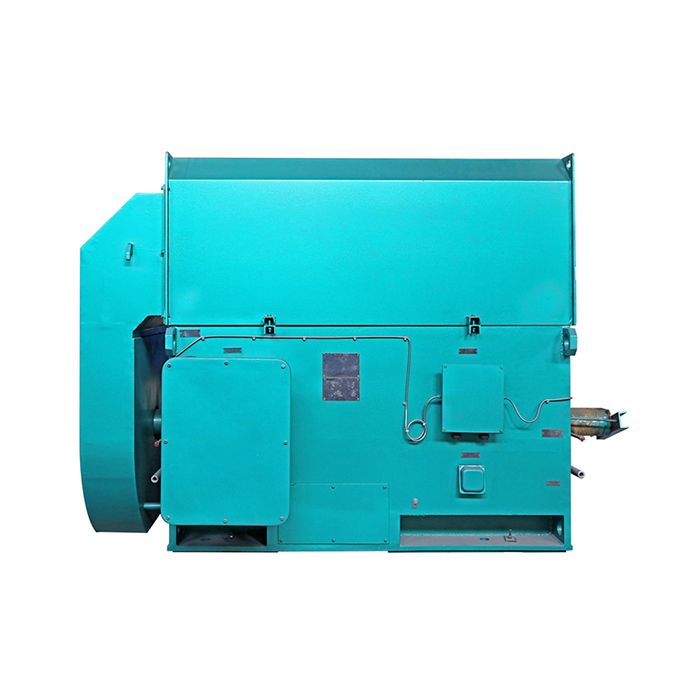
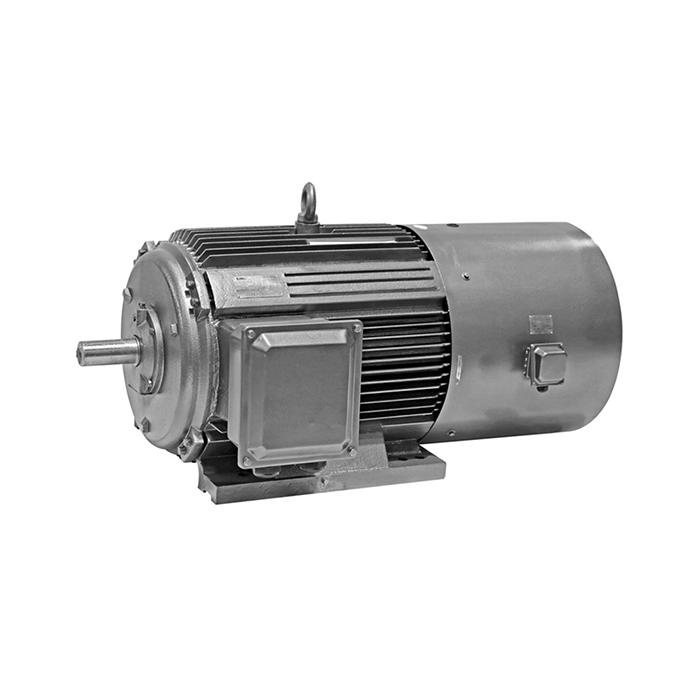
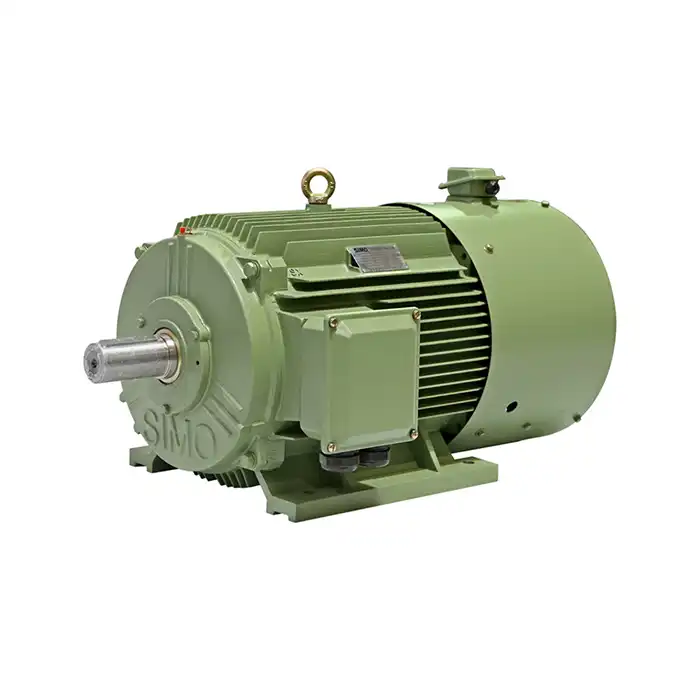
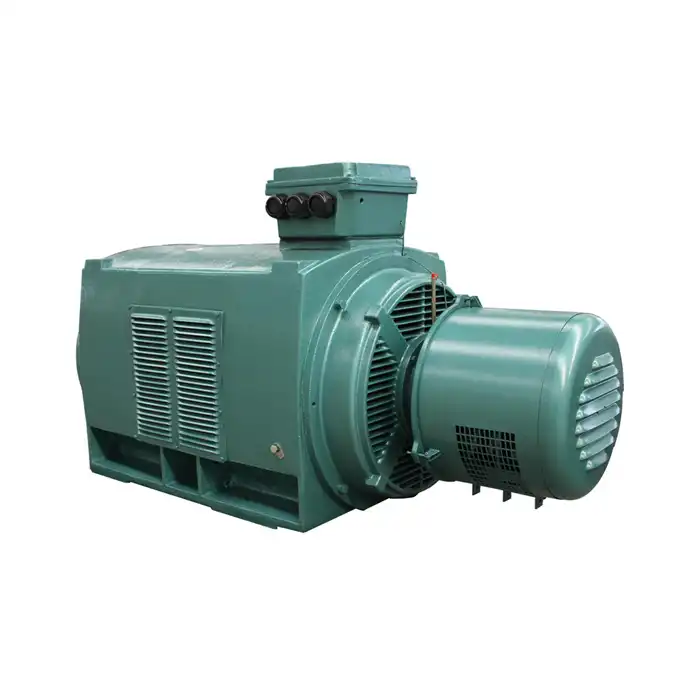
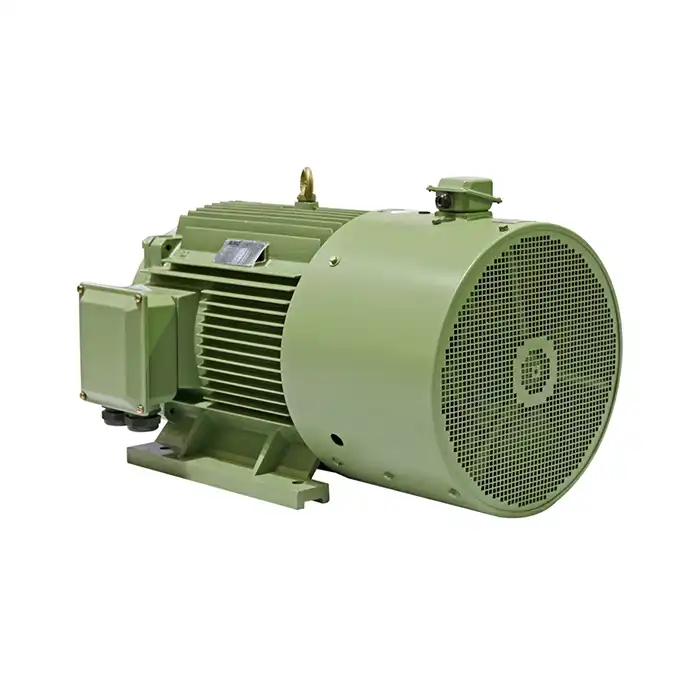
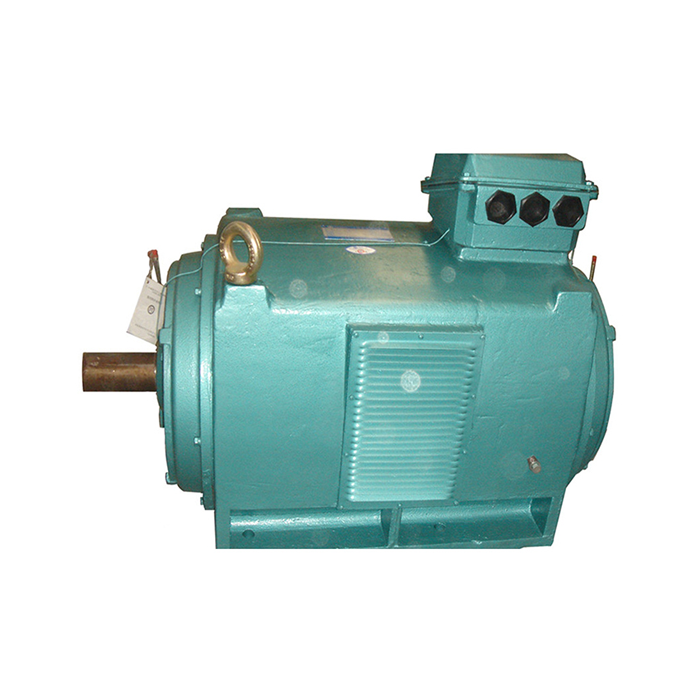
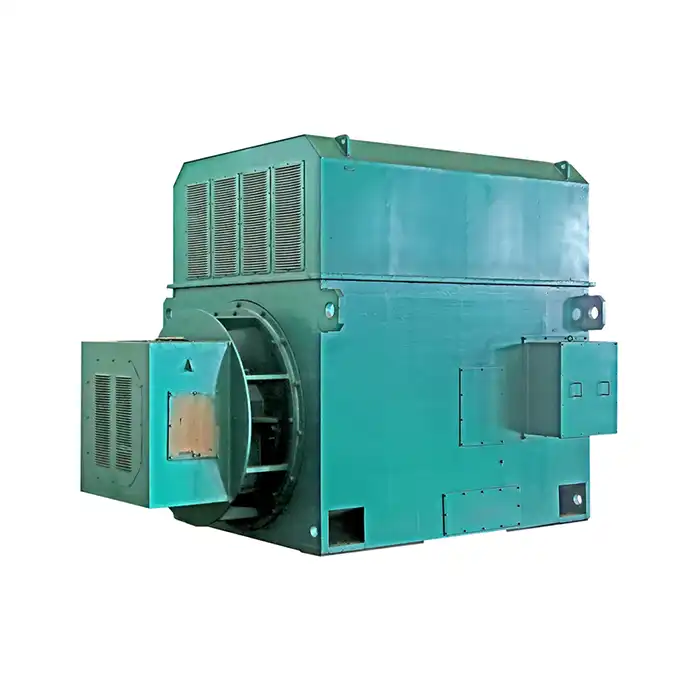
In places like factories, water treatment plants, and energy plants that need strong, reliable medium-voltage motors to power important machines, the 4160v motor is always a good choice. These machines are very strong, 4160v motor and can handle power outputs from 220 kW to 6,300 kW. They also work reliably in tough situations where downtime is not an option. These motors are made to work in harsh conditions. They are protected by IP54 and make very little noise or vibration. They are important parts of everything from heavy-duty pumping systems to large-scale air handling units. They work with many voltages, including 3000V, 3300V, 6000V, 6600V, 10000V, and 11000V. They can be used with a lot of different types of industrial equipment all over the world.

Series:YKS
Protection level:IP54
Voltage range:3000V±5%,3300V±5%,6000V±5%,6600V±5%,10000V±5%,11000V±5%
Power range:220-6300 kW
Application:fans, water pumps, compressors, crushers, cutting machine tools, transportation machinery, etc.
Advantage:low noise, low vibration, long service life, easy installation and maintenance.
Standard: This series of products complies withGB/T 1032 and GB/T 13957 standards.
Others: SKF, NSK, FAG bearings can be replaced according to customer requirements.
Understanding 4160V Motors: Specifications and Functional Principles
Core Voltage and Power Specifications
Motors that run on 4160 volts are a good choice for industrial uses that need a lot of power but don't need the complicated wiring that comes with higher voltage systems. The 4160v motor is a link between low-voltage units and ultra-high-voltage installations. Its power ranges from 220 kW to 6,300 kW. This range is big enough to fit everything from small air compressors to huge water pumps that are used by city treatment plants. Even if the power source changes, the system will stay stable thanks to the voltage tolerance of ±5%. So electrical stress doesn't hurt parts that are easily broken. Those motors work well with standard industrial power networks in many parts of the world because they run at 50Hz. Insulation class F construction with class B temperature rise keeps heat out, extends service life, and keeps efficiency high even when it's being used all the time.
Key Components and Design Features
The parts that go into making a 4160v motor are carefully chosen to make it more reliable. The stator windings use advanced winding technology to make sure that as little energy is lost as possible and as much electricity flows as possible. It delivers more torque and uses less energy for no reason thanks to its optimized design. With precision die-casting, parts are made to the right size, so they work better and with less stress on the machine. Making it easier for heat to escape is what cooling method ICW37 does. This keeps heat from building up, which could hurt performance during long operation cycles. Inside the motors, dust and water can't get in because of the IP54 protection class. Because of this, they can be used in harsh industrial settings. People can pick from SKF, NSK, or FAG brands of quality bearings that keep the rotating assembly together for a very long time with very little friction.
Performance Advantages Compared to Alternative Voltages
When you look at the voltage ratings 4160v motor next to each other, you can tell they work in very different ways. A 480V motor needs more current to deliver the same amount of power. This means that its conductors need to be bigger and it needs more resistive losses. It takes a lot less current for the 4160v motor to use the same amount of power. This means that the cables can be thinner and the cost of the electrical infrastructure is lower. This drop in current also lowers the voltage drop across distribution systems. This keeps the power quality at the motor terminals high. Higher voltage options, like 6600V or 11000V motors, lower the current even more, but they cost more at first because they need stronger insulation systems and special switchgear. For many business uses, the 4160V rating is the best of both worlds. It works better than low-voltage options and doesn't cost more like higher voltage classes do. Thanks to years of use, the medium-voltage method saves a lot of power. This makes it a good choice for places where motor loads are high.
Typical Applications of 4160V Motors in Industrial Projects
Water and Wastewater Treatment Facilities
In cities that treat water, medium-voltage motors are often used to power huge pumps that move millions of gallons of water every day. Pumps move water from rivers, lakes, or reservoirs to treatment plants. The 4160v motor units power the stations that take in raw water. It is possible for pumps to start flowing even when pipelines are full because they have a high starting torque. In treatment plants, these motors power chemical dosing systems, clarifiers, and pumps that wash filters back and forth. The conditions are especially tough in wastewater applications where parts are exposed to wet air, corrosive gases, and constant duty cycles. In these harsh conditions, the IP54 level of protection keeps the electrical parts safe, and the strong construction can handle vibrations from pump cavitation or system water hammer events.
Manufacturing and Process Industries
Places that make cars use 4160v motor equipment all along the lines of production. A paint booth's air flow system needs to be able to move a lot of air. Big centrifugal fans with medium-voltage motors move the air in this way. These motors power rotary screw or centrifugal compressors, which are used to move compressed air for pneumatic tools and equipment. They give the steady pressure that is needed for putting things together. The weather has to be carefully managed when aerospace parts are being made so that the parts stay the same size during the shaping and hardening steps. Air handling units with medium-voltage motor-driven fans keep the temperature and humidity in these buildings well within certain ranges. Low noise levels are especially helpful in places where a lot of noise makes it hard for people to work and relax.
Mining and Material Processing Operations
When people mine, they put a lot of mechanical and environmental stress on the tools they use. Ashes are mined and then moved to processing plants along miles of conveyor belts. The drive motors have to deal with being loaded all the time, rough dust, and temperature changes. The 4160v motor works well in these conditions because it is made of strong materials that won't get dirty and has good thermal management that keeps it from getting too hot. Crushing equipment is used to break up raw ore into pieces that can be used for further processing. Jaw, cone, and impact mills all have drive systems that have to deal with a lot of shock loads and a lot of starting torque. Medium-voltage motors are strong enough and have enough power to do these tough jobs. When the crushers hit the material for the first time, their high starting torque overcomes the initial resistance. They can also handle short-term loads from rocks or other objects that are too big for the crushers.
Comparing 4160V Motors with Other Voltage Ratings and Alternative Solutions
Voltage Class Selection Considerations
You should think about your project's needs before deciding whether to use 480V, 3300V, 4160V, 6600V, or a higher voltage rating. Low-voltage 480V motors are most often used in uses below 500 kW since they are simple to find, easy to control, and always need to be maintained the same way. The 4160v motor is better after this power level because it doesn't need as many big wires and switchgear to handle the low voltage current needs. When you go from 4160V to 6600V or 11000V classes, you need more insulation and special parts, which makes the job more expensive and harder to keep up. When the power needs are higher than 3,000 kW, the lower current makes the extra cost worth it. For power ranges from 220 kW to 6,300 kW, the 4160V rating is best because it lowers the current without making the voltage too different. The electrical system in a building can often change the voltage that can be used. Standardizing this voltage class makes it easier to find spare parts and train maintenance staff, which is good for plants that already use 4160V. When choosing the main voltage for a new construction project, one must think about the utility interconnection voltage, the costs of transformation, and the long-term costs of running the project.
Cooling Technology and Environmental Protection
It makes a big difference in how well a 4160v motor works and how long a motor lasts, depending on where you choose to cool it. An air-to-water heat exchanger on the outside of the ICW37 cooling classification moves air inside the building. This effectively gets rid of heat and keeps outside contaminants from getting into the parts inside. If there is dust, moisture, or a corrosive atmosphere that would hurt motors if they were cooled by air in the room, this method works well.TEFC designs, which stand for "Totally Enclosed Fan Cooled," are another way to keep things cool. These shield the motor case and use a fan outside to move air across the cooling fins. Building with TEFC is good for the environment, but frames might need to be bigger than with water-cooled designs to get the same amount of heat removal. What kind of cooling technology is used depends on the environment, the space that is available, the water that is available for cooling, and the person's maintenance preferences. The protection class rating tells you how well the seal is against the outside world. That means it is safe from dust buildup and water splashing from any direction (IP54). It works well enough for most industrial uses inside and for many outdoor uses that need to be protected from the weather. The IP55 rating protects better against water jets and is good for areas that will be washed down or installations that will be outside in the weather.
Frame Size and Mounting Configurations
How much power a motor puts out and how much cooling it needs are related to the size of its frame. With standard frame sizes, it's easier to switch out equipment and make plans for the foundation. The 4160v motor line has both small frames that can handle 220 kW of output and large housings that can handle 6,300 kW. The right frame choice strikes a balance between how well it handles heat and how much space you have. You can mount them in a number of different ways, including horizontally on feet for direct connection to driven equipment, vertically on hollow shafts for pump uses, or on flanges for special installations. You need a certain kind of foundation for your motor based on its size and how it will be used. For longer bearing life and less vibration, it is very important that the motor and the equipment it drives are lined up correctly. This is why precise steps need to be taken during installation for mounting and aligning. Speeds between 500 rpm and 3,000 rpm can be used for different tasks. Lo-speed motors make a lot of torque, so they don't need gearboxes in direct-drive machines like mills or crushers. This means that they are easier to maintain. High-speed motors can be matched to the speed of the load with gearing or variable frequency drives. This keeps the motor as small and efficient as possible.
Maintenance Best Practices and Common Issues with 4160V Motors
Routine Inspection and Preventive Maintenance
Your motor will last longer and not break down when you least expect it if you follow a thorough maintenance schedule. Visual checks should be done once a month to see how the housing is holding up, how clean the cooling system is, how secure the mounting is, and how the couplings are lined up. If you hear, feel, or smell something that doesn't seem right, you should check it out right away to avoid a major failure. As part of regular maintenance, it's important to grease the bearings. Motors with grease-lubricated bearings need to be re-greased at different times based on the speed, temperature, and environment in which they are used. The norm is to do this every three to four months to a year. Too much grease makes the bearings hot, and not enough grease makes them wear out faster. If you follow the manufacturer's instructions for the right type and amount of lubricant, you won't have any problems. Bearings that use oil need to have their oil checked often to see if it is dirty or breaking down. The results of this test show that the oil should be changed.
Common Issues and Troubleshooting Approaches
A common 4160v motor problem that can have a number of different causes is that the motor gets too hot. When ventilation is blocked, cooling water flow stops, or the temperature inside the winding goes above what was planned, it causes high temperatures. It also makes too much heat when the voltage is too high because of mechanical binding, too much load, or an imbalance in the voltage. Using thermal imaging while a machine is running can help find hot spots that show where parts are having problems. Taking care of the reasons behind problems instead of just the symptoms keeps them from happening again and makes motors last longer. Broken bearings are the cause of a lot of motor problems. Poor sealing, bad lubrication, or flaws in the way the bearings were made can make them wear out faster. Vibration analysis uses characteristic frequency patterns to find problems with bearings long before they make a lot of noise or break. When planned outages happen, replacing bearings on time costs a lot less than fixing them right away when they break down.
Energy Consumption Optimization
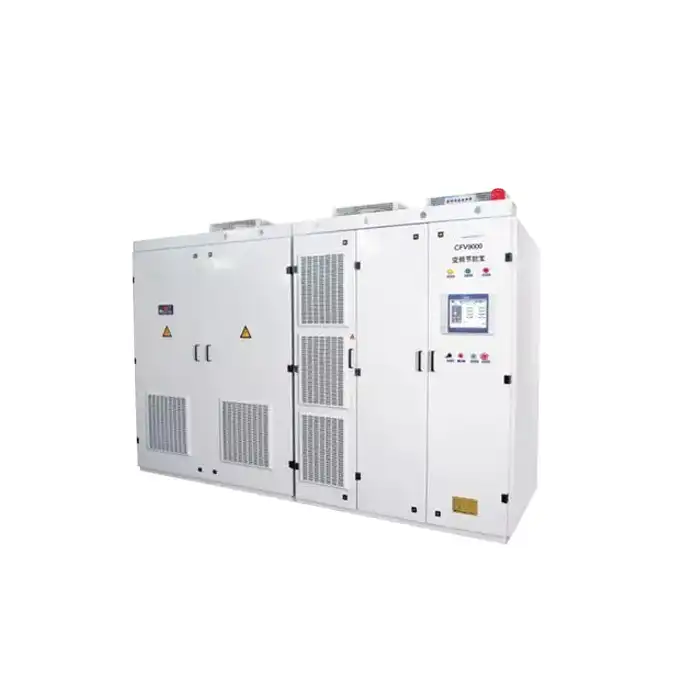
When you make a motor system more efficient, you save a lot of money on a 4160v motor over the life of the machine. The motor doesn't have to work under light loads when it is the right size. This is because light loads make the motor much less efficient. The speed of variable frequency drives can be changed to fit the process. They don't have to run at full speed and slow down the output. In places where torque changes a lot, like fans and pumps, this saves a lot of energy. Adjusting the voltage and cutting down on harmonics can improve the quality of the power, which in turn makes motors work better. When there is an imbalance in the voltage, motors have to draw more current. This makes them less efficient and raises the temp stress. Harmonic distortion from loads that aren't linear leads to more losses and could cause the system to get too hot. Adding line reactors or active harmonic filters makes both the power quality and the performance of the motor better.
Procuring 4160V Motors: What B2B Buyers Need to Know
Specifying Requirements for Your Application
To be good at procurement, you must first fully understand what is needed for the application. The load's features, like its torque profile, speed needs, and duty cycle, directly impact the motor choice. If the duty is continuous, you need to think about different things than if the duty is intermittent or changes. The thermal design and the choice of insulation system are affected by how often and for how long the start happens. The need for enclosure and protection is affected by the environment. What design features are needed depend on things like high or low temperatures, humidity, and contamination exposure. When building in a dangerous area, safety standards must be met that are at least explosion-proof. By including these things in the procurement specifications, you can be sure that suppliers will offer the right tools.
Budget Planning and Total Cost of Ownership
A medium-voltage motor's price depends on how much power it has, what features it has, and how much you want to change it. Solutions that are specially made for you usually take longer to get and cost more than catalog motors in common ratings. When planning your budget and schedule, you need to know if your application can be solved with standard tools or if it needs to be designed from scratch. Delivery times can be anywhere from a few weeks for items that are in stock to several months for items that are made to order or when demand is high. Including realistic delivery expectations in project schedules can help keep construction from being held up. It is easier to see what's available and how much can be made when you stay in touch with reliable suppliers.
Supplier Selection and Partnership Value
When you work with suppliers who have a lot of experience, you get information that helps the project go better. Getting technical help when making the specs helps pick the best motor for the job. Companies that offer custom design services can change standard products to meet the needs of a certain installation or performance goal. When engineers work together to buy things, they can find problems that might happen before the equipment is built. Quality assurance procedures and certifications show that a supplier is committed to always giving you high-quality products. If you follow the rules set by ISO 9001:2015, that means you deal with quality well. When motors follow IEC 60034 standards, they meet performance and safety standards that are known all over the world. People can be sure that the goods they buy comply with GB/T 1032 and GB/T 13957 when they are checked to make sure they do.
Conclusion
Motors with a medium voltage of 4160 volts, commonly referred to as a 4160v motor, can reliably power tough industrial tasks in the mining, water treatment, energy, and manufacturing fields. Their range of power, from 220 kW to 6,300 kW, makes them compatible with many types of machines, from city water pumps to industrial compressors. Because it has an IP54 rating for protection, low vibration, and different voltage options, this product can be used in harsh conditions and will last a long time. For the best return on investment over the life of the equipment, it's important to have the right specifications, keep it in good shape, and form strategic partnerships with suppliers. If you know what the application needs and compare your options, you can make smart purchases that balance the cost of the purchase with your goals for long-term performance and dependability.
FAQ
1. What advantages do 4160V motors offer compared to low-voltage alternatives?
Medium-voltage motors that use 4160 volts and put out the same amount of power draw a lot less current than motors that use 480 volts. Because the current is lowered, smaller wires can be used throughout the distribution system. This brings down the price of copper and the cost of setting it up. When there is less current, there is also less voltage drop and resistive loss. This improves the quality and efficiency of the power at the motor terminals.
2. How often should 4160V motors be checked for damage?
Visual checks once a month can find obvious problems early on. Every three months, more thorough checks should be done to see how the bearings are doing, how much oil is in them, and how secure the mounting is. As part of the yearly comprehensive maintenance, tests are done to check the electrical performance, check the insulation resistance, and look at vibrations. The operating environment and duty cycle intensity may mean that the device needs to be checked more often in environments that are tough.
3. Can medium-voltage motors be customized for specialized industrial requirements?
Manufacturers usually let customers change things like the voltage level, how the parts are mounted, how the shafts are arranged, and the level of environmental protection. When engineers are buying things, they can often work together to meet specific needs, like those that need to be met in dangerous places, at high temperatures, or with certain mechanical interfaces. Selecting bearings is easy because you can pick your favorite brands, like SKF, NSK, or FAG, based on your maintenance goals.
Partner with XCMOTOR for Your Medium-Voltage Motor Requirements
XCMOTOR provides comprehensive medium-voltage motor solutions tailored to demanding industrial applications. Our product line delivers exceptional reliability across power ratings from 220 kW to 6,300 kW with voltage configurations including 3000V, 3300V, 4160V, 6000V, 6600V, 10000V, and 11000V. We understand that selecting the right 4160v motor supplier can affect how well the project works, how profitable it is, and how well long-term costs are managed. Our engineering team works with customers to make sure that the best tools are chosen for the job when they are making specifications. Making sure we follow international rules like ISO 9001:2015, IEC 60034, GB/T 1032, and GB/T 13957 shows that we care about quality and performance. You can get reliable solutions and fast technical support from XCMOTOR whether you need help with mining operations, manufacturing automation, water treatment infrastructure, or making electricity. Send us an email at xcmotors@163.com to tell us about your needs and how our experience can help your project go well.
References
1. Anderson, J. (2019). Medium Voltage Motor Applications in Industrial Systems. Industrial Power Engineering Journal, 45(3), 112-128.
2. Chen, L. & Williams, R. (2020). Comparative Analysis of Industrial Motor Voltage Classes for Process Applications. Electrical Manufacturing Quarterly, 33(2), 67-85.
3. Davidson, M. (2021). Maintenance Strategies for Medium Voltage Rotating Equipment. Plant Engineering and Maintenance Review, 28(4), 201-219.
4. Hughes, P. & Thompson, K. (2018). Energy Efficiency Optimization in Industrial Motor Systems. Journal of Sustainable Manufacturing, 12(1), 45-63.
5. Martinez, S. (2020). Procurement Best Practices for Medium Voltage Electric Motors in Water Treatment Facilities. Municipal Infrastructure Quarterly, 19(3), 134-150.
6. Wilson, T. & Zhang, H. (2022). Design Considerations for Medium Voltage Motors in Mining Applications. Mining Equipment Technology, 37(1), 88-106.