



Where 2500 kW Motors Are Most Commonly Deployed
A 2500 kW high-power electric motor is an important piece of equipment in many industries that need a lot of mechanical output. Most of the time, a 2500 kW motor is used in heavy 2500 kw motor manufacturing plants, power plants, mines, steel production plants, water treatment infrastructure, and large-scale HVAC installations. These motors power important machines like pumps, compressors, crushers, conveyors, and ventilation systems that need to keep running reliably and continuously in tough conditions in order to keep up productivity and operational efficiency.

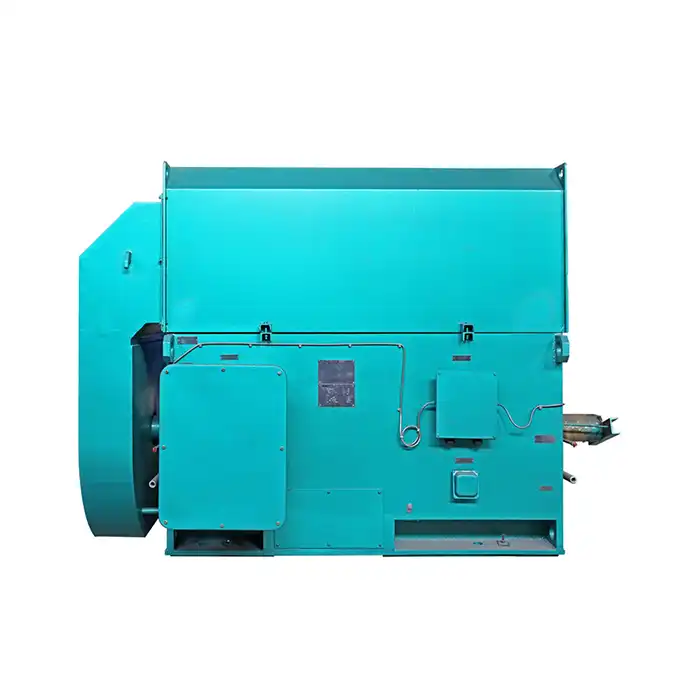
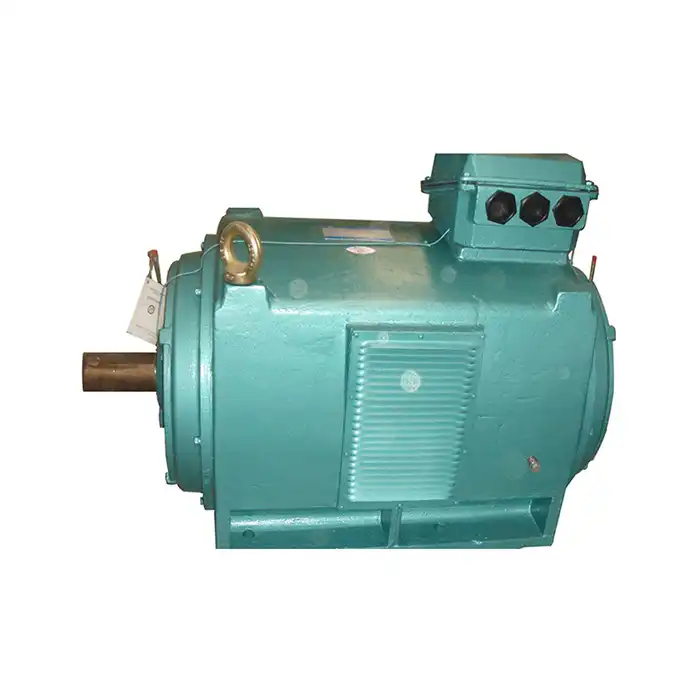
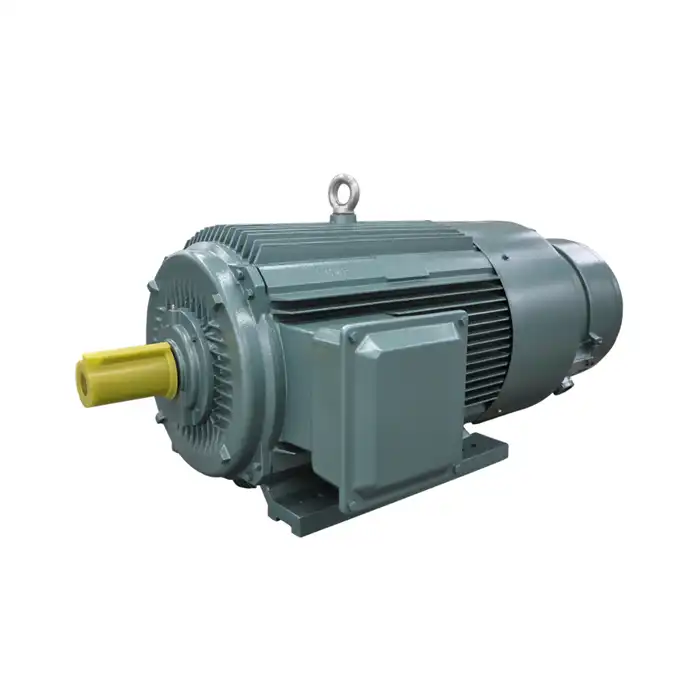
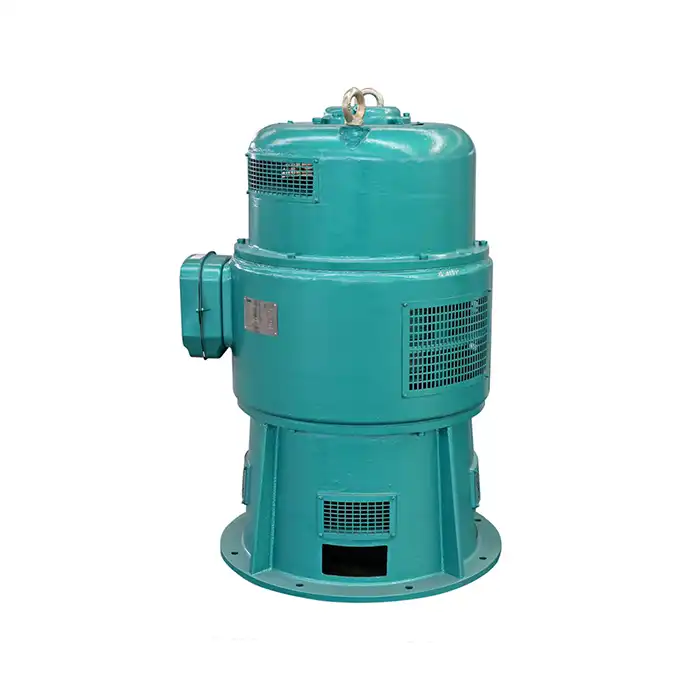
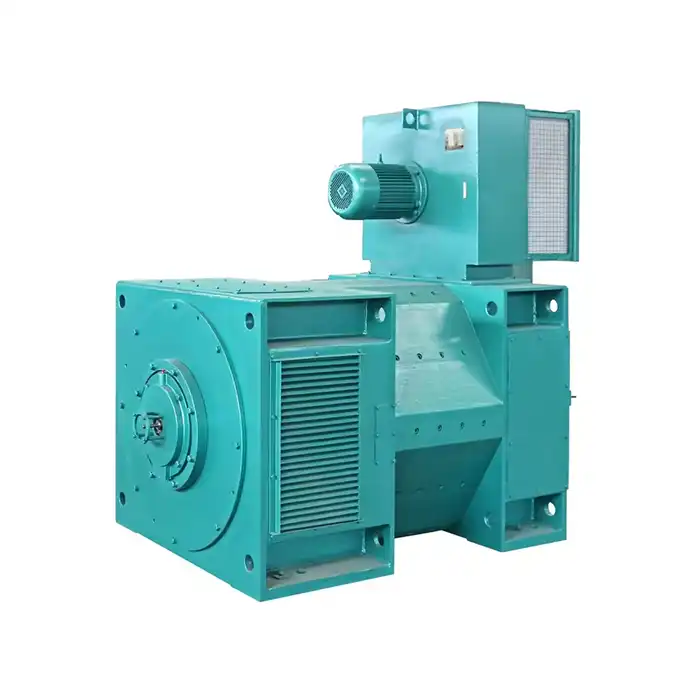
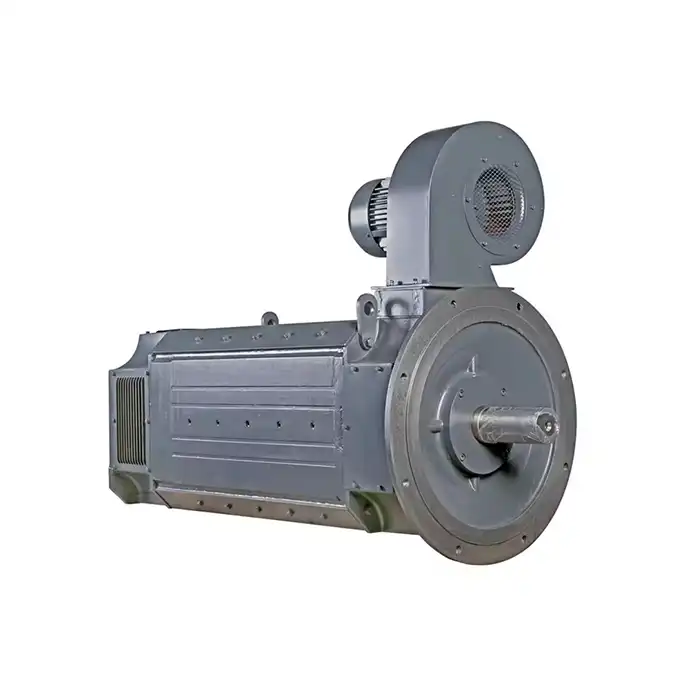
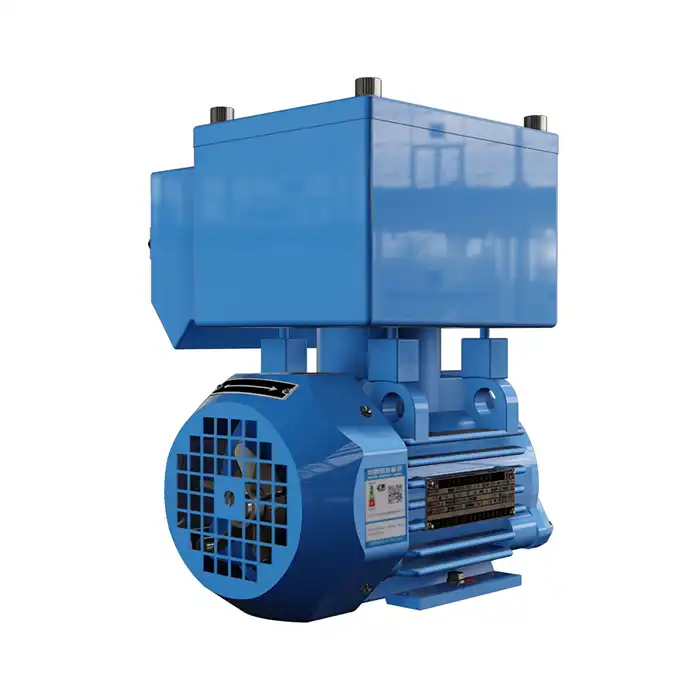
Series:YKK
Protection level:IP54
Voltage range:3000V±5%,3300V±5%,6000V±5%,6600V±5%,10000V±5%,11000V±5%
Power range:200-6300 kW
Application:fans, water pumps, compressors, crushers, cutting machine tools, transportation machinery, etc.
Advantage:low noise, low vibration, long service life, easy installation and maintenance.
Standard: This series of products complies with JB/T 12730 and JB/T 12729 standards.
Others: SKF, NSK, FAG bearings can be replaced according to customer requirements.
Understanding 2500 kW Motors: Specifications and Performance
Operational Principles and Motor Types
Through a process called electromagnetic induction, high-capacity electric motors turn electrical energy into mechanical motion. There are both synchronous and induction motors in the 2500 kW motor category. Each type is best for a different set of operational needs. Induction motors are still popular because they are strong and don't need much maintenance. On the other hand, synchronous motors offer better speed control and power factor correction for applications that need exact operational parameters.
Critical Technical Specifications
When looking at motors in this power range, there are a few details that need your full attention. Voltage compatibility ranges from 3000V to 11000V with a ±5% tolerance, which lets it be used with a wide range of electrical systems. At IP54 level of protection, devices are well protected against dust and water splashes, so they can work reliably in harsh industrial settings. The motors meet the safety and performance standards set by JB/T 12730 and JB/T 12729. This means that they are the same across the industry.The current draw, rotational speed, and torque output of a motor all have a direct effect on how well it works in certain situations. The IC611 cooling method used in these units makes sure that heat is managed well, so they don't get too hot during long operational cycles. Proper thermal dissipation increases the life of parts and keeps the motor's efficiency levels constant over its service life.
Efficiency Metrics That Matter
The efficiency of the motor has a direct effect on the costs of running the business over many years. At full load, modern high-power motors have efficiency ratings of over 95%, which means they use a lot less energy than older equipment. Knowing how efficiency curves change with different loads helps procurement teams choose motors that waste the least amount of energy in normal use. Some of the things that affect efficiency are the quality of the windings, the design of the rotor, the choice of bearings,2500 kw motor and how well the cooling system works.
Common Industrial Applications of 2500 kW Motors
Heavy Manufacturing Operations
One of the toughest places for industrial motors to work is in steel mills. Rolling mills, ore crushers, and conveyor systems all need high power output that doesn't stop for long periods of time. A 2500 kW motor provides the mechanical force needed to move raw materials through multiple stages of production while meeting throughput goals that are necessary for making money. For the same reason, cement factories need big motors to keep kilns, grinding mills, and material handling equipment running all the time during production shifts.These motors are used in pulping machines, refiners, and drying cylinders in paper factories to make sure that the quality of the finished product is always high. When motors are properly balanced, they don't vibrate much, which stops quality problems and keeps surrounding equipment and building infrastructure from wearing out.
Energy Sector Deployments
Motors are used in every part of power plants, from the feed water pumps to the fans in the cooling towers. Because these extra systems use a lot of power, motor efficiency is an important factor for the plant's bottom line. Large motors are used in oil and gas refineries to power pumping systems, compressor stations, and processing equipment that deal with thick fluids and keep the pressure needed in large networks of pipesHigh-capacity motors are being used more and more in wind turbine pitch control systems and concentrated solar thermal plants that use renewable energy. Pumps that move millions of gallons of water through filtration, treatment, and distribution systems that serve whole cities are powered by motors in water treatment plants.
Mining and Material Handling
In mining, equipment has to deal with harsh conditions like abrasive materials, changes in temperature, and continuous duty cycles. Ventilation systems, grinding mills, and crushers all need motors that can keep running even when they are under a lot of mechanical stress. Industrial-grade motors are built to last and can handle the shock loads and vibrations that come with mining applications.Material handling systems in ports, warehouses, and distribution centers use big motors to move finished goods and bulk goods along conveyor networks. Well-designed motors have lower total ownership costs in these situations where downtime directly affects revenue because they last longer and are easier to service.
Comparing 2500 kW Motors with Other Power Ratings
Performance Considerations Across Power Classes
To choose between a 2000 kW, 2500 kW, or 3000 kW motor, you have to weigh the current needs against the capacity needs of the future. Oversizing motors wastes money and makes them less efficient when they're only partially loaded, while undersizing them increases the chance that they will overheat and break down early. In a lot of situations, a 2500 kW motor is the right size because it offers enough safety without being too expensive.Size and weight get bigger as the power rating goes up, which changes the type of foundation needed and the difficulty of installation. Because of their size and height, motors in this range need to be carefully planned for when buildings are being built or old equipment is being replaced. The best power rating is usually chosen based on how well it works with existing gear reducers, couplings, and driven equipment, even if there are theoretical performance benefits.
Energy Consumption Analysis
Over a typical 20-year service life, operating costs are much higher than the initial purchase price. This means that differences in efficiency are financially important. A one-percentage-point increase in efficiency saves thousands of dollars a year in electricity costs for motors that run all the time. When you use an inverter to control the speed, you can change it to match the needs of the process. This uses less energy than fixed-speed installations with mechanical throttling.Power factor correction affects how the grid works and could lower industrial facilities' utility demand charges. The advanced rotor design used in high-quality motors makes sure that they work smoothly under different loads, and they stay efficient even when they're only partially loaded, 2500 kw motor which is common in batch processing.
Procurement Considerations: How to Buy and Choose Motors
Defining Project Requirements
Getting the right motor starts with carefully writing down the application parameters. The selection criteria are affected by the type of load, the duty cycle, the environment, and the limitations of the installation. For continuous duty applications, different building features are needed than for intermittent service. Extreme temperatures, altitude, and weather conditions all have an effect on how much cooling power is needed and how much insulation is neededCustom motor configurations are better for installations that have special needs, but standard models are cheaper and have shorter lead times. Power ranges from 200 kW to 6300 kW, and is available from specialized manufacturers. This gives projects that need more than one motor or the ability to grow in the future more options. Premium bearings, like those made by SKF, NSK, or FAG, improve reliability in important situations, which justifies the extra cost.
Price Benchmarking and Lead Times
Motor prices are based on how much the parts cost, how hard they are to make, and how much demand there is in the market. A lot of copper, steel, and insulation materials, whose prices can change, are needed for big motors. Manufacturing lead times range from a few weeks for standard configurations to a few months for custom specifications that need to be reviewed by engineers and come with unique parts.When shipping equipment that weighs several tons, logistics become very important. Coordinating inland transportation from factories to ports, ocean freight, clearing customs, and final delivery are all important steps. When you buy something internationally, you have to think about things like currency exchange rates and possible tariff effects, which can change the total landed cost.
Warranty Terms and Support Services
A full warranty protects you against manufacturing flaws and parts that fail before they should. Different suppliers offer different warranty lengths, coverage areas, and claim procedures, so it's important to do your research before buying. When problems happen years after installation, the cost of ongoing maintenance and the time it takes to fix them are affected by the availability of local service.Help with application engineering, installation, and troubleshooting are all examples of technical support services that help make sure projects are successful. Suppliers that offer training programs for maintenance staff add value beyond the equipment itself by building up internal expertise that lowers operating costs over the long term.
Maintenance, Lifespan, and Optimizing Performance
Routine Inspection and Lubrication
To make motors last as long as possible, they need to be carefully maintained according to schedules. Lubricating bearings is the most important routine task because it stops premature wear and catastrophic failure. How often you need to lubricate depends on the operating conditions. Harsh environments need more frequent attention. Vibration monitoring finds bearing problems before they become completely broken. This lets planned maintenance happen instead of having to be fixed quickly.Insulation in windings breaks down over time due to changes in temperature and exposure to the environment. Insulation resistance testing done on a regular basis shows how things are breaking down, which helps with decisions about whether to keep running or rewind to 2500 kw motor protect against further damage. Cleaning air passages, inspecting fan blades, and checking coolant flow in liquid-cooled systems are all parts of cooling system maintenance.
Predictive Maintenance Technologies
Modern monitoring systems keep an eye on the performance parameters of motors all the time, noticing small changes that could mean problems are starting to form. Vibration analysis, thermal imaging, and current signature analysis can all be used to find out about the mechanical and electrical condition of something without taking it apart. When compared to fixed-interval approaches, condition-based maintenance strategies make the best use of resources.Monitoring energy use shows when efficiency is going down, which means repairs or adjustments need to be made. Trending analysis shows a slow loss of performance that might not be seen until it does a lot of damage. Motors that have been properly maintained make little noise and don't vibrate much. If these characteristics change, it's time to look into it.
Optimizing Energy Efficiency
Instead of running at full speed all the time with mechanical throttling, variable frequency drives let you precisely control the speed to match the needs of the process. This method cuts down on energy use by a large amount in situations where the load changes. When you choose the right motor size, it will work close to its most efficient point and not constantly be underloaded, which wastes energy.Problems with power quality, like voltage imbalance and harmonic distortion, make things less efficient and speed up the wear and tear on parts. Motors are protected and the overall performance of the facility's electrical system is improved by keeping an eye on the quality of the power supply and taking corrective action when necessary.
Conclusion
When using a 2500 kW motor, it's important to think about the needs of the application, the working conditions, and the long-term support requirements. In industries like manufacturing, energy production, mining, and infrastructure, where dependability has a direct effect on productivity and profit, these motors play very important roles. Knowing the technical details, how efficient something is, and how often it needs to be maintained helps you make smart purchasing decisions that lower the overall cost of ownership while still ensuring years of reliable service.
FAQ
1. What cooling methods work best for motors in heavy industrial applications?
Motors that work in harsh industrial settings can effectively control their temperature with the IC611 cooling method. This method strikes a balance between how well cooling works, how much maintenance is needed, and protecting the environment. Proper cooling stops the winding insulation from breaking down and the bearings from failing. This extends the motor's useful life and keeps it running efficiently throughout its service life.
2. How does motor efficiency affect long-term operational costs?
Ratings of efficiency directly relate to how much electricity a machine uses over thousands of hours a year. Compared to standard-efficiency motors, high-efficiency motors use a lot less energy, and they usually pay for themselves within a few months of operation. Continuous-duty applications make these savings even bigger, so efficiency is a very important thing to think about when buying things for operations that want to save money.
3. What lead times should buyers expect when ordering custom motor configurations?
Standard motor configurations usually ship within a few weeks, but custom specifications that need to be reviewed by engineers and come with special parts may take several months. Manufacturing schedules are pushed back for complicated projects that need special mounting arrangements, voltage ratings, or premium bearing choices. Planning procurement timelines with enough buffers stops project delays caused by problems delivering equipment.
Partner with XCMOTOR for Your High-Power Motor Requirements
XCMOTOR offers complete motor solutions that are made to fit the needs of tough industrial applications. Our engineering team at Shaanxi Qihe Xicheng Electromechanical Equipment Co., Ltd. helps you come up with 2500 kw motor specifications so that you can choose the best equipment for your needs. We have motors with voltages ranging from 3000V to 11000V and power ranges from 200 kW to 6300 kW. These motors can be used in fans, water pumps, compressors, crushers, cutting tools, and transportation equipment.
As a reliable source for 2500 kW motor units, we keep a lot of them in stock so that they can be sent out quickly. If standard configurations don't work for a project, we can also make custom specifications. In addition to delivering the equipment, we also offer installation help, technical training, and full after-sales service to make sure it works well for a long time. You can email our team at xcmotors@163.com to talk about your needs and get detailed quotes. We answer questions seven days a week, even on the weekends, and all of our products are delivered quickly and with a 30-day return policy.
References
1. Chapman, Stephen J. "Electric Machinery Fundamentals, Fifth Edition." McGraw-Hill Education, 2012.
2. Bonnett, Austin H. "Root Cause AC Motor Failure Analysis with a Focus on Shaft Failures." IEEE Transactions on Industry Applications, Volume 36, 2000.
3. Nailen, Richard L. "Motor Selection and Application: A Handbook for Engineers and Users." IEEE Press, 1997.
4. Andreas, John C. "Energy-Efficient Electric Motors: Selection and Application, Second Edition." Marcel Dekker Inc., 1992.
5. Drury, Bill. "The Control Techniques Drives and Controls Handbook, Second Edition." Institution of Engineering and Technology, 2009.
6. Toliyat, Hamid A. and Kliman, Gerald B. "Handbook of Electric Motors, Second Edition." CRC Press, 2004.