



Common Uses of 3.3 kV Motors in Heavy Industry
Electric motors with a medium voltage of 3.3 kV are a good choice for heavy industrial tasks that need reliable power but don't need the complexity of systems with a higher voltage. Low-voltage equipment is linked to ultra-high voltage infrastructure by a 3.3 kV motor. It works well in manufacturing, mining, energy production, and process industries where power is needed for tough jobs. Its power range is 160 kW to 1600 kW. It is important for these motors to always work in places where they need to and have little time off. This directly affects profits and productivity.

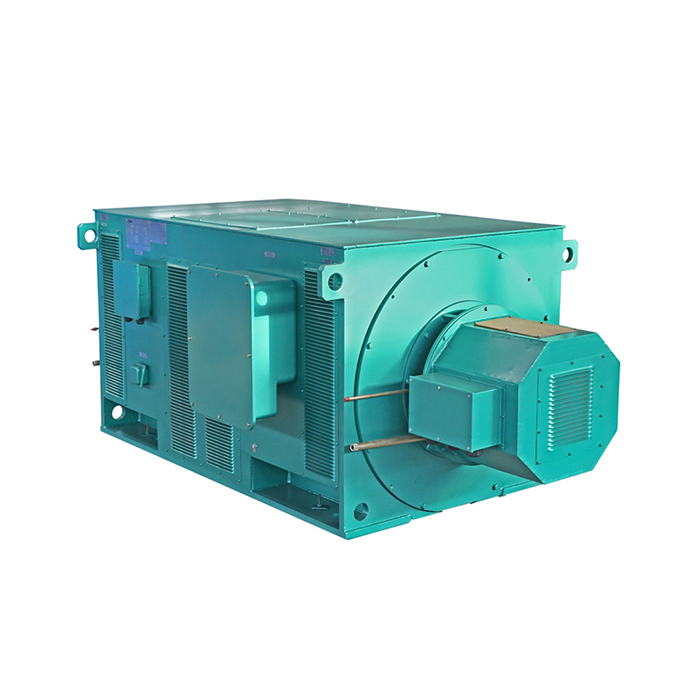
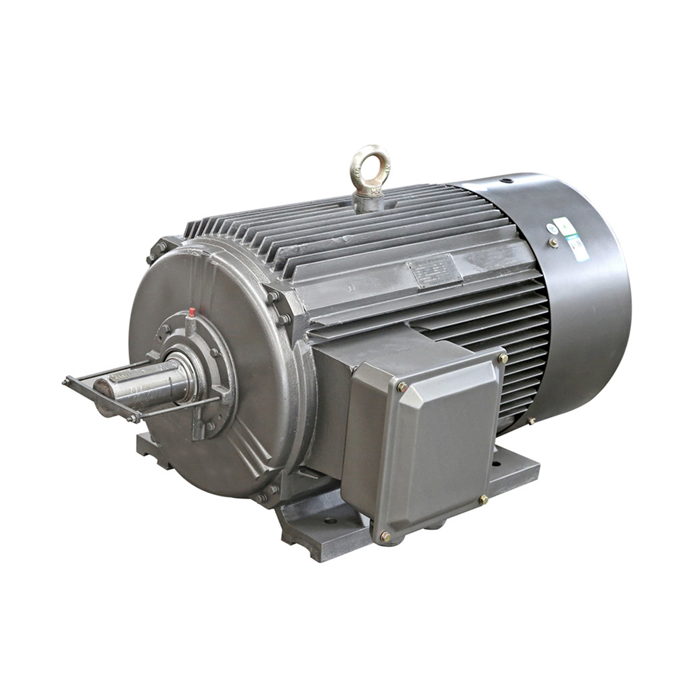
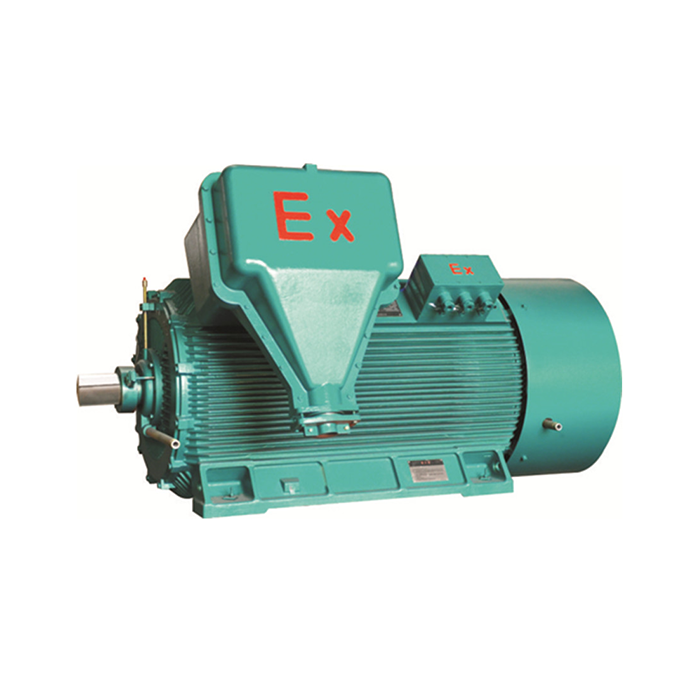
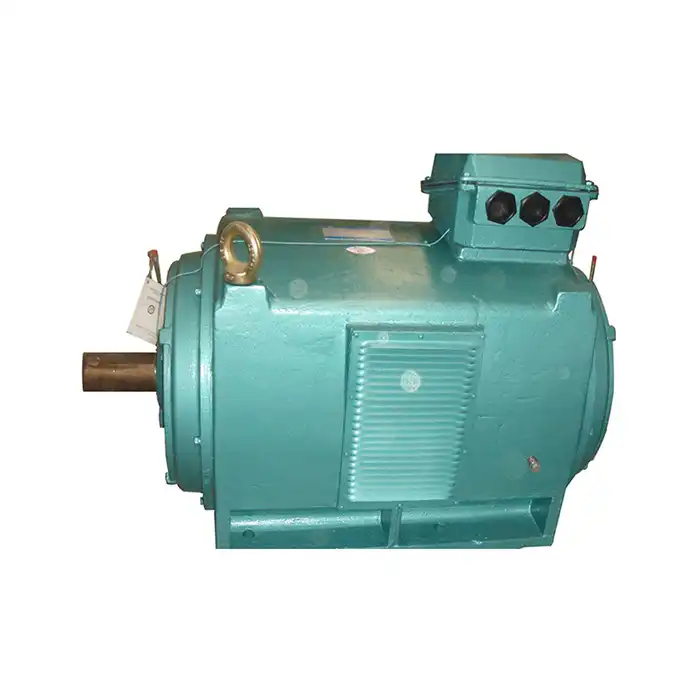
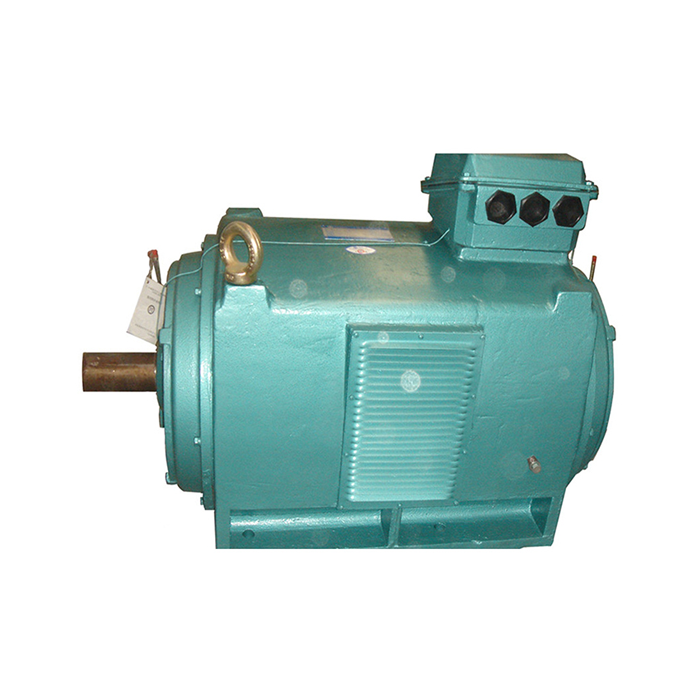
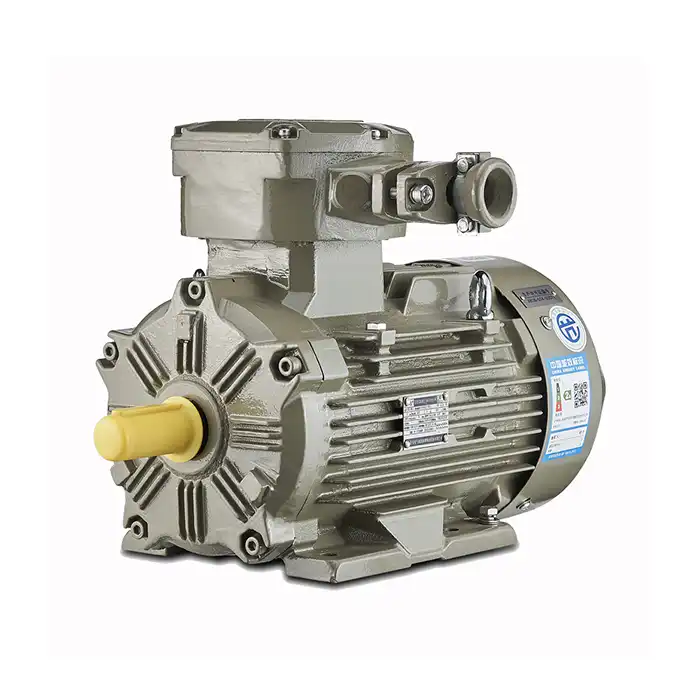
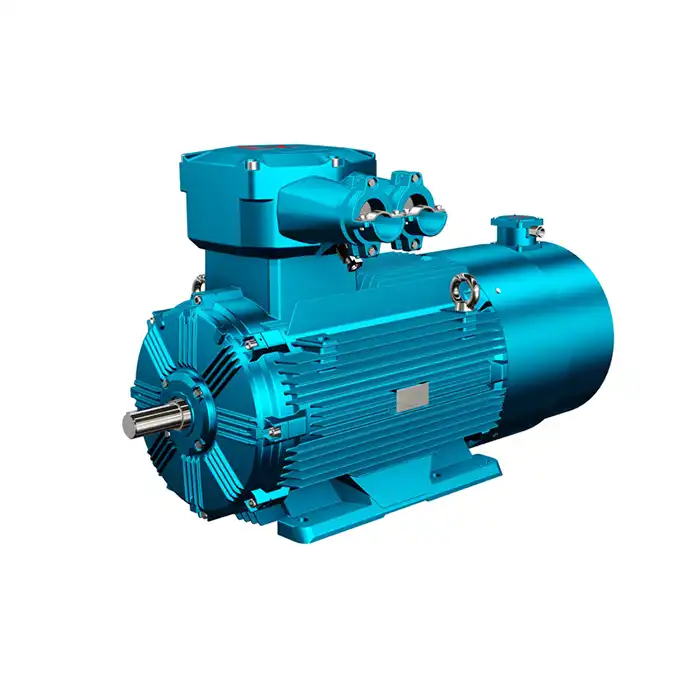
产品简介Series:Y2
Protection level:IP54
Voltage range:3000V±5%,3300V±5%,6000V±5%,6600V±5%,10000V±5%,11000V±5%
Power range:160-1600 kW
Application:fans, water pumps, compressors, crushers, cutting machine tools, transportation machinery, etc.
Advantage:compact structure, light weight, low noise, small vibration, long service life, easy installation and maintenance.
Standard: This series of products complies withJB/T10444-2004 standards.
Others: SKF, NSK, FAG bearings can be replaced according to customer requirements.
Understanding 3.3 kV Motors and Their Industrial Importance
What Defines a Medium-Voltage Motor
3.3 kV motors are some of the most common ones used in factories. Most medium-voltage motors work with voltages between 2.3 kV and 13.8 kV. Voltage, as the word suggests, is the difference in electrical potential that makes the motor work. For tasks that need a lot of power but don't want to spend a lot on infrastructure, this range of voltages has worked well. A 3.3 kV motor is a piece of machinery designed to handle heavy loads while still working well in the normal electrical networks found in most heavy industrial facilities.
Technical Specifications That Matter
As moo as 3000V±5% and as tall as 11000V±5%, the engines we offer at XCMOTOR can work. In other words, they can be utilized in numerous diverse sorts of electrical units. Our speeds can be between 500 RPM and 3000 RPM, and our control ranges from 160 kW to 1600 kW. It all depends on the work. These rules are in line with JB/T10444-2004 benchmarks, which implies they work with the way businesses all over the world do things. As long as the security level is IP54, clean and water sprinkles can't get interior. For harsher situations, there are security evaluations that are higher. The motors' outlines are littler and lighter than more seasoned models. This makes them less demanding to introduce and implies the outlines do not have to back them as much.
Why Industries Choose This Voltage Class
To choose the right voltage lesson, you need to think about a number of trade and technical issues. Engines with a medium voltage of approximately 3.3 kV are clearly way better than engines with a low voltage when more control is required. With the same amount of control, these engines make less current stream. It is conceivable to utilize smaller cables; there will be less resistive loss, and the hardware will require less maintenance to keep up over its lifetime. A few higher voltage frameworks, like 6.6 kV or 11 kV, require more complicated security rules and separator frameworks since they have more control and can be utilized for more things. In places where the control lattice was as of now set up to work with this level of voltage, it has ended up exceptionally prevalent. This makes it simpler to overhaul frameworks and get unused equipment.
Common Applications of 3.3 kV Motors in Heavy Industry
Mining and Material Extraction Operations
In mining, motors drive conveyors that transport ore, coal, and aggregates over long distances under varying loads. Equipment must handle mechanical stress and sudden load changes from harder materials. Ventilation systems also rely on reliable operation to maintain air quality underground. Upgrading to modern 3.3 kV motor solutions improves efficiency and durability. Field data shows reduced energy consumption and longer bearing life after replacements. These improvements lower maintenance frequency and operational costs, proving that selecting the right motor technology significantly impacts productivity and cost control in demanding mining environments.
Steel Manufacturing and Metal Processing
Steel plants require engines competent of taking care of tall torque and exact speed control beneath extraordinary conditions. Rolling plants shape hot steel and request speedy reaction to stack changes. Impact heater blowers work persistently, where downtime leads to major monetary misfortunes. Present day medium-voltage plans offer compact estimate, decreased vibration, and tall unwavering quality in unforgiving situations with warm, clean, and mechanical stretch. An appropriately chosen 3.3 kV motor ensures stable operation, supports production efficiency, and helps maintain strict quality standards in steel manufacturing processes.
Cement Production and Heavy Material Processing
Cement generation depends on engines over all stages, including crude fabric crushing, oven turn, and last handling. Crude plants require persistent operation beneath overwhelming loads, whereas ovens request moderate, high-torque revolution at extraordinary temperatures. Extra frameworks like coolers and transports too require dependable engines for continuous operation. Diverse stages require distinctive engine determinations, making customization basic. A well-matched 3.3 kV motor improves efficiency, ensures durability, and prevents oversizing or undersizing, enabling consistent production and optimized performance in cement plants.
Oil and Gas Processing Facilities
Oil and gas offices depend on engines for pumps, compressors, and auxiliary systems. Pipeline pumps move liquids over long separations, whereas compressors require exact speed control to keep up weight and dodge surge conditions. Unwavering quality is basic, as disappointments affect security and generation. Engines in perilous zones must meet explosion-proof measures, including appropriate walled in areas and temperature control. A certified 3.3 kV motor ensures safe operation in these environments, supporting continuous processing while complying with strict international safety regulations.
Water Treatment and Municipal Infrastructure
Water treatment plants utilize engines to move huge volumes of water through filtration, chemical treatment, and conveyance frameworks. High-service pumps must overcome noteworthy weight to supply metropolitan systems. Wastewater plants depend on comparable frameworks for air circulation and preparing. Long-term fetched effectiveness is a need due to budget imperatives. Selecting a tough and productive 3.3 kV motor reduces maintenance needs and operating costs over time, ensuring reliable service for essential public infrastructure.
HVAC Systems and Industrial Refrigeration
Large HVAC and refrigeration systems depend on motors to power chillers, cooling towers, and compressors. These systems regulate temperature in facilities such as data centers, hospitals, and food processing plants. Reliable operation is critical, as failures can lead to equipment damage or product loss. Energy efficiency is increasingly important for cost reduction and sustainability goals. Modern designs improve electromagnetic performance and reduce energy consumption. Using an efficient 3.3 kV motor enhances system reliability, lowers operating costs, and supports environmental objectives.
Selecting the Right 3.3 kV Motor for Your Industrial Needs
Evaluating Power Requirements and Load Characteristics
Selecting the redress engine requires understanding stack profiles, counting consistent, variable, or stun loads, and working cycles. Erroneous measuring leads to overheating or squandered vitality. Nitty-gritty examination guarantees the engine matches genuine application requests. Experienced providers assess obligation cycles, natural variables, elevation, and mechanical prerequisites to prescribe ideal arrangements. A appropriately indicated 3.3 kV motor improves efficiency, reduces operational risks, and prevents costly redesigns after installation.
Assessing System Compatibility and Integration
Motors must coordinated with existing frameworks, counting control supply, control interfacing, and mechanical hardware. Voltage compatibility is fundamental, but components like mounting plan, cooling strategy, and communication conventions moreover influence execution. Customization alternatives, such as favored bearing brands, permit standardization over offices. Adjusting standard plans with custom fitted highlights guarantees productive integration. A well-integrated 3.3 kV motor enhances system reliability, simplifies maintenance, and supports consistent operation.
Understanding Procurement Timelines and Service Support
Motor procurement typically requires 8–12 weeks, depending on specifications and customization. Planning ahead prevents project delays. Reliable suppliers provide clear updates on production and delivery schedules. Strong service support, including troubleshooting, spare parts availability, and warranty coverage, is essential for minimizing downtime. A standard warranty protects against early defects, while ongoing technical assistance ensures long-term reliability. Choosing a supplier with dependable support ensures the 3.3 kV motor performs effectively throughout its lifecycle.
Maintenance Practices to Maximize 3.3 kV Motor Performance
Establishing Preventive Maintenance Schedules
Regular maintenance prevents unexpected failures and extends motor life. Key tasks include alignment checks, lubrication, and securing electrical connections. Thermal imaging identifies early issues such as overheating or insulation degradation, while vibration analysis detects mechanical problems. Maintenance frequency should match operating conditions, with harsher environments requiring more frequent service. Tailored schedules based on real operating data improve reliability. Consistent care ensures the 3.3 kV motor maintains optimal performance and reduces downtime.
Troubleshooting Common Issues
Systematic troubleshooting helps identify causes of abnormal performance. Noise or vibration often indicates misalignment, bearing wear, or imbalance. Overheating may result from overload, poor cooling, or voltage imbalance. Electrical irregularities suggest issues with windings or control systems. Recording baseline performance data allows comparison over time to detect deterioration trends. Maintenance teams use this data to distinguish normal wear from critical issues. Effective troubleshooting keeps the 3.3 kV motor operating reliably and prevents major failures.
Working with Qualified Service Providers
Complex repairs require specialized expertise, tools, and facilities. Services such as rewinding, bearing replacement, and rotor balancing must meet strict quality standards. Certified providers ensure proper procedures, documentation, and traceability. Choosing experienced service partners reduces risks of improper repairs that lead to early failures. While costs may be higher, quality service minimizes downtime and extends equipment life. Reliable providers help maintain the performance and durability of the 3.3 kV motor in demanding industrial environments.
3.3 kV Motor Performance and Efficiency Optimization
Implementing Advanced Control Strategies
Modern control technologies improve motor efficiency beyond simple operation. Variable frequency drives optimize speed to match load demand, reducing energy waste. Soft starters minimize mechanical stress during startup, extending equipment life. Integrated automation systems coordinate multiple components for overall efficiency. Cost-benefit analysis determines whether advanced controls are justified based on load variability and operating hours. Applying these strategies enhances the performance and efficiency of the 3.3 kV motor in industrial systems.
Monitoring and Diagnostic Technologies
Continuous monitoring systems track motor health using sensors that measure temperature, vibration, and electrical parameters. Data analysis identifies trends and triggers alerts when abnormalities occur. Advanced systems use algorithms to predict failures before they happen. Critical applications benefit from permanent monitoring, while less critical ones may use periodic checks. A risk-based approach ensures efficient investment in monitoring tools. These technologies improve reliability and support proactive maintenance of the 3.3 kV motor.
Energy Efficiency and Sustainability Considerations
Improving motor efficiency reduces energy consumption and operating costs. High-efficiency designs minimize losses and enhance performance. System-level optimization, including proper sizing and control strategies, often delivers greater savings than motor upgrades alone. Regulatory standards encourage adoption of efficient technologies, while incentive programs help offset upgrade costs. Evaluating lifecycle costs ensures informed investment decisions. An efficient 3.3 kV motor supports sustainability goals and provides long-term financial benefits.
Conclusion
The 3.3 kv motor is very useful in many fields, like mining, manufacturing, making energy, and maintaining infrastructure. When things get tough, these motors provide reliable power. This is important because consistent performance and operational efficiency have a direct effect on profits and productivity. To pick the right motor, you should carefully consider how much power you need, how the load works, how well the system will work with the motor, and how long you will need support for the motor. Performance optimization and preventative maintenance strategies raise the value of equipment and lower operational risks at the same time. Thanks to new motor technologies, there are useful options that are good for the environment and the economy. More and more people are pushing businesses to be more eco-friendly and efficient.
FAQ
1. What applications are best suited for 3.3 kV motors?
This type of medium-voltage motor works well in systems that need power outputs of 160 kW to 1600 kW. These systems have different types of processing equipment like fans, pumps, compressors, conveyors, and crushers that are used in energy, mining, manufacturing, and water treatment. The voltage class works well with the electrical systems that are already in many buildings and gives power to heavy mechanical loads quickly.
2. How do I determine the correct motor size for my application?
To find the right motor size, you need to think about the mechanical load, the operating duty cycle, the temperature, and the needs of the system. Our engineering team at XCMOTOR helps customers with this process by looking at the specifics of the job and suggesting the best specs. You can help us find motors that meet your needs without being too big or too small by telling us about the equipment that needs to be driven, how it will be used, and how well you want it to work.
3. What maintenance activities extend motor service life?
Every so often, check the alignment, grease the bearings, and make sure the electrical connections are tight as part of preventative maintenance. Visualizing heat and vibrations can find issues early on, before they get worse. Most early failures can be avoided by keeping the cooling paths clean, running motors according to their manufacturer's instructions, and fixing small issues as soon as they come up. Written maintenance plans that are specific to the way things are used get the best results.
Partner with XCMOTOR for Reliable Medium-Voltage Motor Solutions
Shaanxi Qihe Xicheng Electromechanical Equipment Co., Ltd. (XCMOTOR) makes power tools that are made to work in harsh industrial settings. As a dependable 3.3 kV motor supplier, we offer medium-voltage motors that are small, quiet, and vibration-free, and that last a long time. A 160 kW to 1600 kW motor is in this group. Our motors are protected by IP54 and meet JB/T10444-2004 standards. They also come with SKF, NSK, and FAG bearings that can be changed to fit your needs. Customers can quickly get their orders, return items within 30 days, and get technical help seven days a week. You can get in touch with us at xcmotors@163.com or motorxc.com to talk about your needs and find out how our services can help your business run better.
References
1. Electric Motor Institute. Industrial Motor Systems: Design, Selection and Application Principles. Technical Publishers International, 2021.
2. National Electrical Manufacturers Association. NEMA MG 1-2021: Motors and Generators Standard. NEMA Standards Publication, 2021.
3. Bonnett, Austin H. Root Cause Failure Analysis of Electric Motors. Industrial Press Inc., 2020.
4. International Electrotechnical Commission. IEC 60034 Series: Rotating Electrical Machines Standards. IEC Publications, 2019.
5. Department of Energy. Improving Motor and Drive System Performance: A Sourcebook for Industry. Office of Energy Efficiency and Renewable Energy, 2020.
6. Institute of Electrical and Electronics Engineers. IEEE Standard 841-2021: Standard for Petroleum and Chemical Industry - Premium Efficiency Severe Duty Totally Enclosed Fan-Cooled Squirrel Cage Induction Motors. IEEE Standards Association, 2021.