



Best IEC Motors for Cost-Efficient Operations
In the search for low-cost motor solutions for tough industrial uses, iec low voltage motors stand out as useful workhorses that deliver measurable performance without sacrificing dependability. These standard motors have strong operational benefits in industries like transportation, HVAC, manufacturing, and energy utilities, where lowering total ownership costs has a direct effect on making money. Built to meet the standards of the International Electrotechnical Commission, these motors offer a good balance between initial cost and long-term energy savings, ease of maintenance, and compatibility with variable frequency drives. This makes them an essential choice for procurement professionals looking for reliable three-phase solutions.

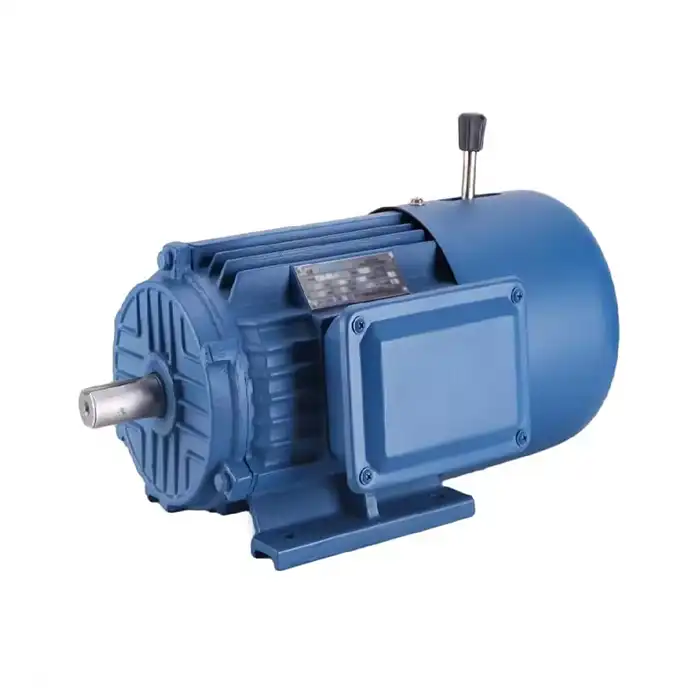
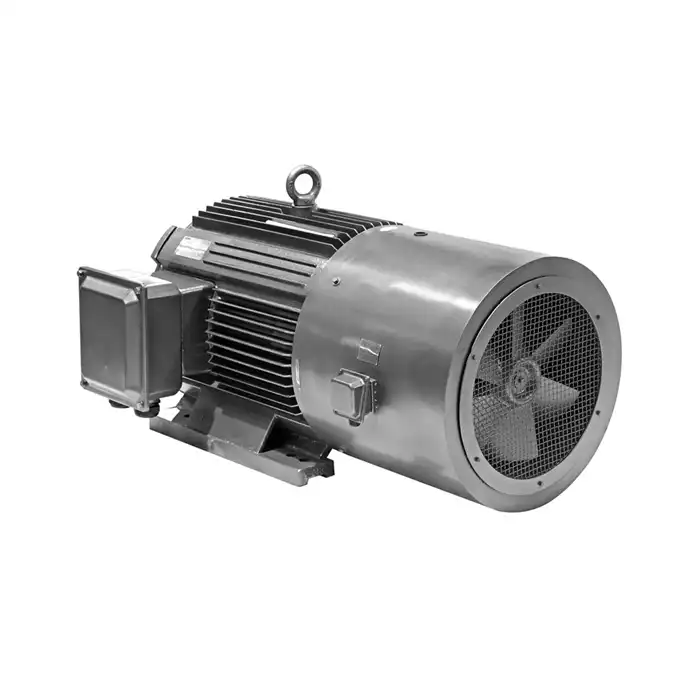
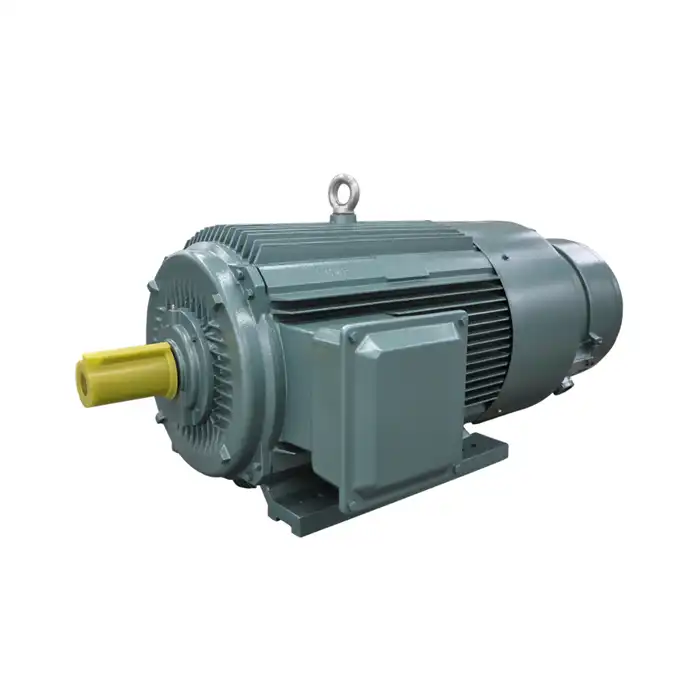
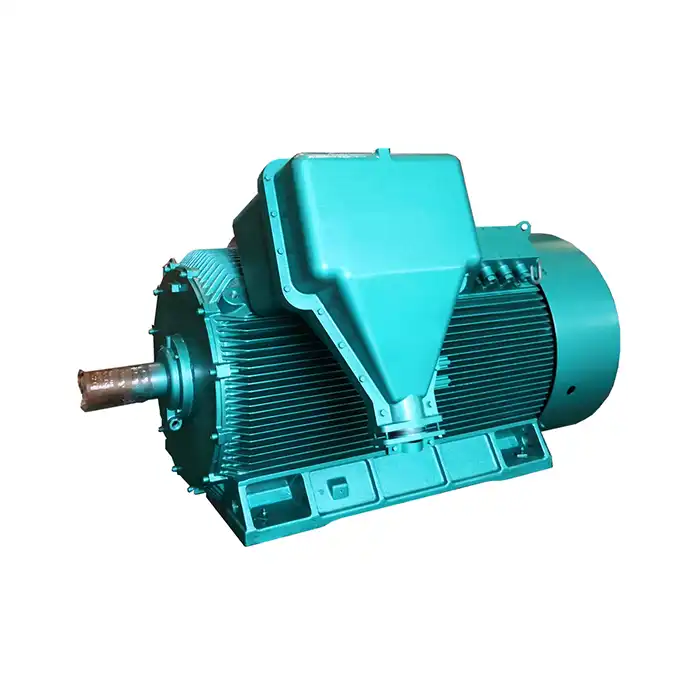
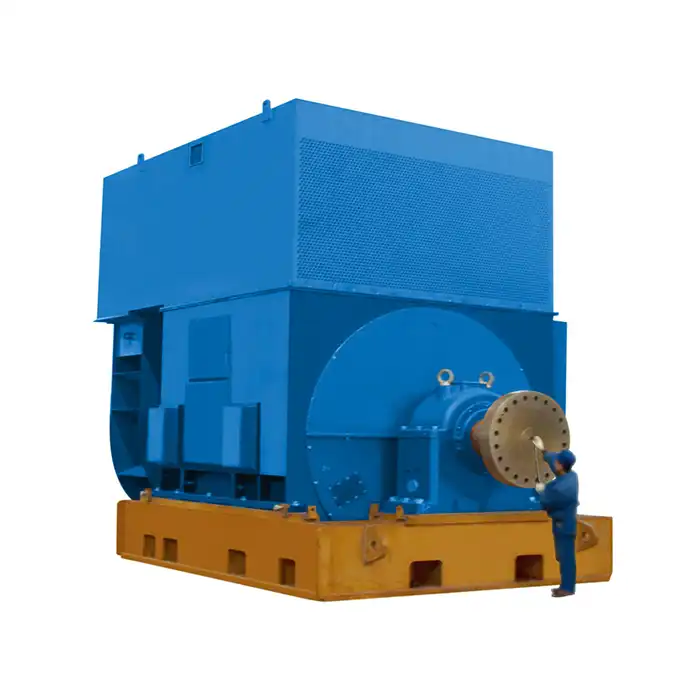
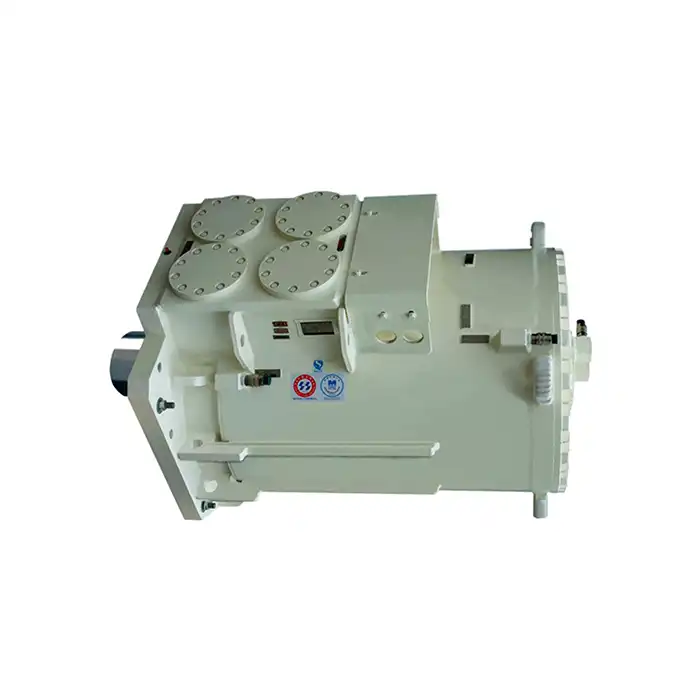
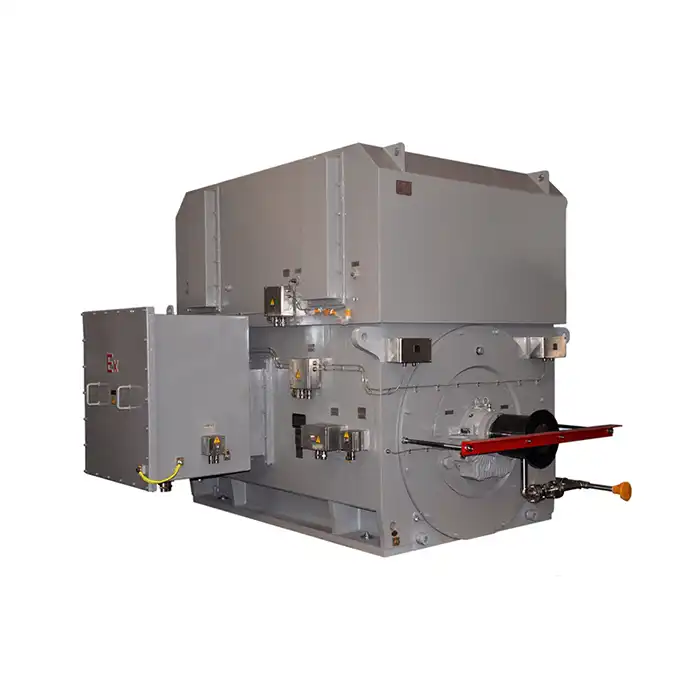
Series:YVFE4
Frequency conversion range:30hz~50hz,5hz~70hz,5hz~100hz
Power range:0.75-1000kW
Protection level:IP55
Application:are suitable for driving various mechanical equipment that require continuous and frequent forward and reverse rotation, such as steel rolling, lifting, transportation, machine tools, printing and dyeing, papermaking, chemicals, textiles, pharmaceuticals, etc., and can be used with various domestic and foreign variable frequency power supplies.
Advantage:high efficiency, wide speed range, high precision, stable operation, and easy operation and maintenance.
Certificate:installation dimensions comply with International Electrotechnical Commission (IEC) standards.
Others: SKF, NSK, FAG bearings can be replaced according to customer requirements.
Understanding IEC Low Voltage Motors and Their Cost Efficiency
IEC motors are now necessary in places where consistent operation is important. The International Electrotechnical Commission created standards for these electric motors that are used all over the world. This makes sure that they work with motors from different manufacturers and countries. IEC standards, unlike regional alternatives, offer standard mounting dimensions, connection protocols, and performance metrics that make planning for purchases and maintenance easier.
What Makes IEC Motors Different from NEMA Standards
The main areas where the IEC framework and NEMA specifications are different are frame sizes and efficiency levels. IEC motors usually have mounting dimensions in metric units and use IE efficiency classes (IE2, IE3, and IE4) instead of NEMA premium ratings. IEC-compliant motors are preferred by international facilities because they work well with equipment from many countries without the need for expensive adapters or changes.
Core Advantages That Drive Cost Efficiency
There are a number of operational benefits to these motors that directly lead to cost savings. Over the life of a motor, the most expensive part is usually the energy it uses, which can be more than ten times the price of the motor itself. High-efficiency models use a lot less electricity, especially in systems that are used all the time, like ventilation or pumping stations.
Here are the core advantages these motors bring to industrial operations:
- Superior energy efficiency: IE4-rated motors use 15–20% less electricity than standard efficiency units, which means that in 24/7 operations, utility bills are cut by a lot.
- Robust construction: Cast iron housings and precisely balanced rotors make the machines strong enough to work in harsh environments like chemical processing, water treatment, and outdoor installations.
- Maintenance simplicity: Standardized bearing types and easily accessible terminal boxes cut down on service time, and high-quality parts increase the time between overhauls.
- Wide voltage compatibility: Operating ranges from 220V to 690V work with a variety of power systems without the need for special transformers.
All of these benefits lower the total cost of ownership while keeping mission-critical applications running. When factories switch from older motor technology to newer IEC-compliant solutions, their operating costs go down for things like conveyors, machine tools, and material handling equipment.
Key Specifications for Industrial Applications
Our YVFE4 series is a great example of design that works in the real world. These motors can handle everything from small pumps to big compressors because their power outputs range from 0.75kW to 1000kW. The ability to change frequencies from 30Hz to 50Hz, 5Hz to 70Hz, and 5Hz to 100Hz gives you a lot of options when you pair it with variable frequency drives. This lets you precisely control the speed of the motor, which makes the process more efficient.The IP55 rating protects internal parts from dust and water jets, which is very important in places like food processing plants, drug labs, and outdoor installations where there is a chance of contamination. Copper windings are better at conducting electricity than aluminum ones, which lowers heat production and increases the life of the insulation. High-quality electrical steel laminations cut down on core losses, which directly raises ratings for energy efficiency.
How to Choose the Best IEC Motors for Cost-Efficient Operations
To choose the right motors, you need to do more than just match the horsepower. Knowing your exact operational needs will help you avoid costly mistakes that cause things to break down early or use too much energy.
Analyzing Power Requirements and Load Characteristics
Choosing the right motor requires understanding real operating conditions, not just nameplate ratings. Load profiles often vary during production, so motors should match actual duty cycles in pumps, fans, and conveyors. Oversized motors waste energy, while undersized ones overheat and fail early. Starting torque and frequent cycling must also be considered for demanding applications like rolling mills or lifting systems. Properly matched iec low voltage motors ensure efficient performance, reliable operation, and longer service life across varying industrial processes.
Prioritizing Efficiency Classes and Environmental Conditions
Efficiency ratings directly affect operating costs. IE4 motors cost more upfront than IE2, but energy savings often recover the difference within a few years. Lifecycle cost analysis using operating hours and energy prices helps justify investment decisions. Environmental factors such as temperature extremes, corrosive atmospheres, and high altitudes also impact motor performance and lifespan. Selecting iec low voltage motors with appropriate insulation, cooling, and protection ensures durability, reduces failures, and maintains efficiency under site-specific conditions.
Evaluating Supplier Reputation and Customization Options
Supplier reliability is as important as motor specifications. Manufacturers offering customization, such as selectable bearing brands like SKF, NSK, or FAG, provide flexibility for maintenance strategies and inventory consistency. Strong technical support, including installation guidance and troubleshooting, minimizes downtime. Warranty terms of 12–24 months reflect product confidence. Choosing a dependable supplier ensures consistent quality, better service, and long-term satisfaction when sourcing iec low voltage motors for industrial applications.
Enhancing Operational Efficiency with IEC Low Voltage Motors
Using iec low voltage motors to improve operational efficiency requires paying attention to how well it is installed, how well it is maintained, and how well the control system works with the motor. Even high-end motors don't work as well when they're not used properly or are ignored.
Installation and Wiring Best Practices
Proper installation is critical for motor performance. Solid mounting prevents vibration caused by soft foot conditions, while precise alignment using shims and indicators protects bearings and couplings. Flexible couplings help absorb minor misalignment. Electrical connections must use correctly sized cables to avoid voltage drops and overheating. Secure terminals and balanced three-phase voltage improve efficiency and reliability. Following standards ensures iec low voltage motors operate safely and deliver optimal performance over time.
Integrating Variable Frequency Drives for Optimized Performance
Pairing motors with variable frequency drives significantly improves energy efficiency in variable-load applications. Systems like HVAC, pumps, and conveyors benefit from speed control instead of constant operation. Motors capable of wide frequency ranges maintain stable performance while enabling precise process control. This improves product quality in applications such as chemical mixing or machining. Integrating VFDs with iec low voltage motors allows flexible operation, reduced energy consumption, and better overall system efficiency.
Maintenance Strategies That Extend Service Life
Preventive maintenance reduces unexpected failures and extends motor life. Regular inspections should include vibration monitoring, thermal checks, and lubrication every few months. Annual inspections assess bearing condition, insulation resistance, and cooling system cleanliness. Tracking these parameters helps detect gradual deterioration early. Proper lubrication is essential—too much causes overheating, while too little increases wear. Automated lubrication systems are useful for critical or hard-to-access equipment. Well-maintained iec low voltage motors ensure reliability and lower long-term operating costs.
Procurement and Supply Chain Considerations for IEC Low Voltage Motors
Things to think about when buying iec low voltage motors and the supply chain must all be balanced in order for sourcing strategies to work well. Industrial buyers have to decide whether to keep common sizes in stock or order them specifically for each application.
Identifying Reputable Distributors and Direct Manufacturers
Sourcing options include distributors, direct manufacturers, and online platforms. Distributors provide quick access to standard motors, while direct manufacturers are better for custom or large-volume orders. Evaluating production capacity, certifications, and technical support is essential. Compliance with standards like CE ensures safety and performance. Reliable manufacturers follow strict quality systems and traceability processes. Choosing trusted suppliers guarantees consistent performance and dependable delivery of iec low voltage motors.
Managing Lead Times and Customization Requirements
Lead times vary depending on motor type. Standard models ship within weeks, while custom designs may take several months. Early procurement planning prevents project delays. Keeping common motor sizes in inventory helps handle unexpected failures. Customization options include shaft modifications, coatings, insulation upgrades, and mounting changes. Clear communication of technical requirements ensures accurate production. Efficient planning and coordination improve availability and performance of iec low voltage motors in industrial operations.
Balancing Price Components and Long-Term Value
Motor pricing depends on efficiency level, materials, and customization. Cast iron frames cost more but offer durability, while high-efficiency models reduce energy consumption. Evaluating total cost of ownership is essential—energy savings, maintenance, and downtime costs often outweigh initial price differences. A motor that reduces annual energy expenses delivers long-term financial benefits. Selecting iec low voltage motors based on lifecycle value ensures better returns and improved operational efficiency.
Troubleshooting and Maintenance Guidelines for Reliable Performance
Even motors that are well taken care of sometimes have problems that need to be systematically diagnosed. Understanding common failure modes speeds up the process of fixing problems.
Diagnosing Common Electrical and Mechanical Faults
Most motor failures are caused by electrical or mechanical problems. Electrical problems include broken windings, bearing currents from the VFD, and issues with connections. Some examples of mechanical failures are worn bearings, damaged shafts, and clogged cooling systems. If motors won't start, check the quality of the power coming in, look for overloads that have tripped, and measure the resistance of the windings to find open circuits. Motors that are running hot even though the voltage is right could be due to overloading, poor air flow, or problems with the bearings. Noises that don't make sense are often caused by worn bearings, an imbalanced rotor, or parts that are loose. Vibration analysis finds the exact fault frequencies that are linked to different types of failure.
Implementing Preventive Maintenance Schedules
Structured maintenance programs make motors last a lot longer and keep them from breaking down when they're not supposed to. Create schedules based on the operating conditions. For example, continuous-duty motors in harsh environments need to be serviced more often than intermittent-duty units in clean facilities. As part of monthly tasks, visual checks must be made for strange noises, vibrations, or temperatures. Bearing lubrication and detailed thermal surveys are added every three months. Every year, for maintenance, full inspections are done, including testing the insulation resistance, looking at the bearings, and cleaning the inside. Writing down what was found gives us a starting point for trend analysis, which can tell us when something is going to go wrong.
Safety Protocols During Installation and Service
For electrical safety, circuits must be turned off, voltage must be checked, and lockout/tagout procedures must be followed before working on motor connections. Even if the power is turned off, equipment that is still connected can still be a shock risk. If you can't prove otherwise through proper testing, you should always treat circuits as live. Some mechanical hazards are moving parts, hot surfaces, and heavy parts that need special tools to lift. Before putting motors back into service, make sure they are properly guarded. To avoid getting hurt, make sure you wear the right safety gear, like arc-rated clothing when working on systems that are live.
Conclusion
To choose cost-effective motors, you have to weigh the technical specs, the needs of the operation, and the total costs of ownership. IEC low voltage motors have been proven to work reliably in a wide range of industrial settings. They are also very energy efficient, which cuts down on operating costs by a large amount. By knowing about important factors like power needs, energy efficiency ratings, environmental factors, and supplier abilities, you can make smart purchasing choices that maximize both initial investment and long-term value. The motor will work better and last longer if it is installed correctly, maintained regularly, and carefully connected to control systems. This article explains some basic rules that procurement professionals and facility managers can use to compare different motor options, set up good maintenance programs, and fix problems when they happen.
FAQ
1. What distinguishes IEC motors from NEMA motors in practical applications?
When it comes to mounting dimensions, iec low voltage motors use metric units and IE efficiency levels, while NEMA motors use imperial units and different efficiency standards. IEC motors are useful for international work where making sure that equipment works with other countries' standards is important. The standardized IEC framework makes it easier to find replacement motors and spare parts around the world. This makes it easier for multinational facilities to keep track of their inventory.
2. How does motor efficiency directly affect operational costs?
Efficiency ratings show how much electricity a machine uses while it's running. An IE4 motor that runs for 8,000 hours a year at 100kW uses about 8,000 to 12,000 kWh less power than an IE2 motor of the same size. At average industrial electricity rates of $0.08 to $0.12 per kWh, this saves each motor $640 to $1,440 per year. When efficiency improvements are applied to dozens or even hundreds of motors across an entire facility, big cost savings are achieved.
3. What customization options matter most for industrial buyers?
Bearing choice has a big effect on how often maintenance needs to be done and how reliable something is. When used in demanding situations with heavy loads or contamination, premium bearing brands last longer. Changes to the shaft are needed to fit certain types of couplings or mounting needs. Protection class upgrades, like IP56 or IP65 instead of IP55, are best for places that need to be cleaned or installed outside. Insulation class choice takes into account temperature extremes in the environment that go beyond standard ratings.
Partner with XCMOTOR for Your Motor Solutions
Shaanxi Qihe Xicheng Electromechanical Equipment Co., Ltd. offers complete motor solutions that are made to fit your needs. To meet the needs of demanding industrial applications, our YVFE4 series IE4 low voltage motors combine IE4 efficiency, strong construction, and flexible frequency conversion. We offer original parts, quick technical support seven days a week, and easy purchasing procedures as a reliable supplier of iec low voltage motors. You can email our team at xcmotors@163.com to talk about your specific needs and get full technical specifications. We can make your order exactly how you want it, with premium bearing brands, special coatings, and mounting options that work with your current systems. You can look through our full catalog of products and get technical information that will help you make smart decisions by going to motorxc.com.
References
1. International Electrotechnical Commission. (2019). IEC 60034-30-1: Rotating Electrical Machines - Part 30-1: Efficiency Classes of Line-Operated AC Motors. Geneva: IEC Publications.
2. U.S. Department of Energy, Office of Energy Efficiency and Renewable Energy. (2020). Improving Motor and Drive System Performance: A Sourcebook for Industry. Washington, DC: U.S. Department of Energy.
3. De Almeida, A.T., Ferreira, F.J., and Baoming, G. (2018). "Beyond Induction Motors—Technology Trends to Move Up Efficiency." IEEE Transactions on Industry Applications, 54(4), 3234-3246.
4. Burt, C.M., Piao, X., and Gaudi, F. (2017). "Electric Motor Efficiency under Variable Frequencies and Loads." Journal of Irrigation and Drainage Engineering, 134(2), 129-136.
5. European Copper Institute. (2018). Energy Efficient Motor Driven Systems: Strategy Document for Europe. Brussels: European Copper Institute Publications.
6. Nailen, R.L. (2019). Motor Application and Maintenance Handbook, Third Edition. New York: McGraw-Hill Professional Publishing.