



Best 3.3 kV Motor for Pumps, Fans, and Compressors
Standard 3.3 kV motor solutions work very well in a wide range of conditions, making them a solid choice for powering industrial pumps, fans, and compressors. A good 3.3 kV motor has a strong build and can be used in a variety of ways, so it can meet the needs of industrial facilities, HVAC systems, water treatment plants, and energy production operations. These motors offer stable power delivery, lower electrical losses, and longer service intervals, all of which have a direct effect on your bottom line and production downtime.

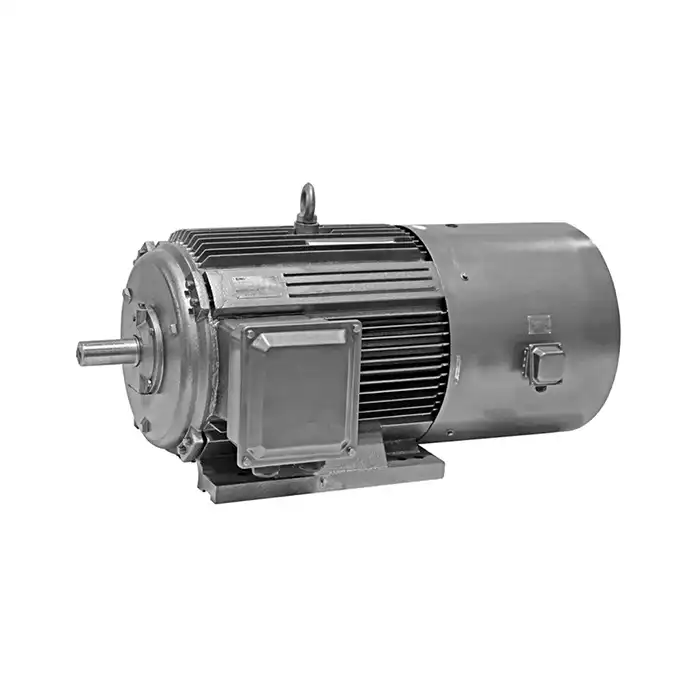
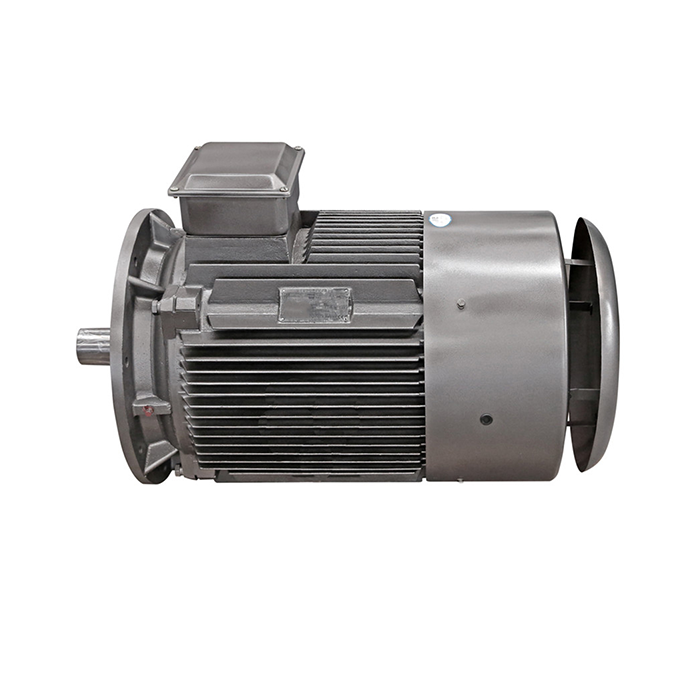
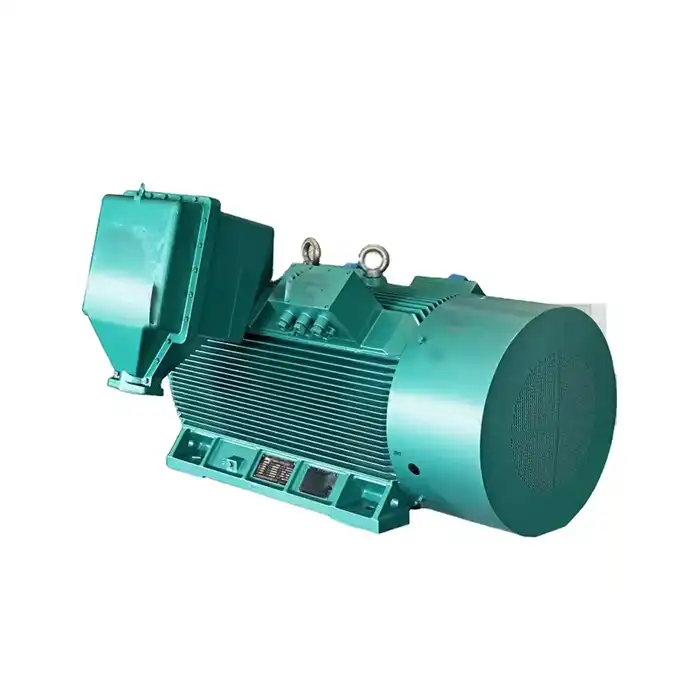
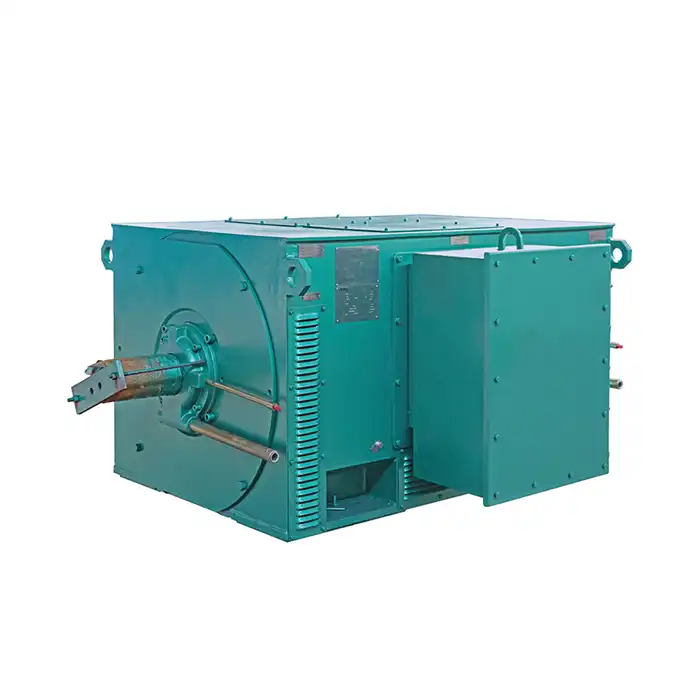
Series:Y2
Protection level:IP54
Voltage range:3000V±5%,3300V±5%,6000V±5%,6600V±5%,10000V±5%,11000V±5%
Power range:160-1600 kW
Application:fans, water pumps, compressors, crushers, cutting machine tools, transportation machinery, etc.
Advantage:compact structure, light weight, low noise, small vibration, long service life, easy installation and maintenance.
Standard: This series of products complies withJB/T10444-2004 standards.
Others: SKF, NSK, FAG bearings can be replaced according to customer requirements.
Understanding 3.3 kV Motors: Specifications and Working Principles
Medium-voltage engines are a great compromise for conveying control in industrial facilities. When buying, directors know how these machines work, they can make choices that meet commerce needs and remain inside their budgets.
Core Electrical Characteristics of Medium-Voltage Motors
"3.3 kV motor" alludes to the voltage that these engines can take whereas they're running, which is 3,300 volts with an ordinary error of ±5%. They are put in this voltage category between typical low-voltage frameworks that run at 415V or 660V and higher-voltage systems that run at 6.6 kV or 11 kV. Compared to low-voltage engines, medium-voltage engines lower the stream of current whereas keeping up the same control yield. This implies that cables have littler cross-sections, less frictional misfortunes, and lower establishment costs for long cable runs.Three-phase AC acceptance is utilized in the electrical framework. This is how pivoting attractive areas cause current to stream through rotor wires. In turn, this makes torque, which moves loads like centrifugal pumps, rotational fans, or cylinder compressors. The stator has firmly wound copper coils that are protected to handle voltage push. The rotor gathering has steel centers that are fortified to decrease whirlpool current losses.
Construction and Essential Components
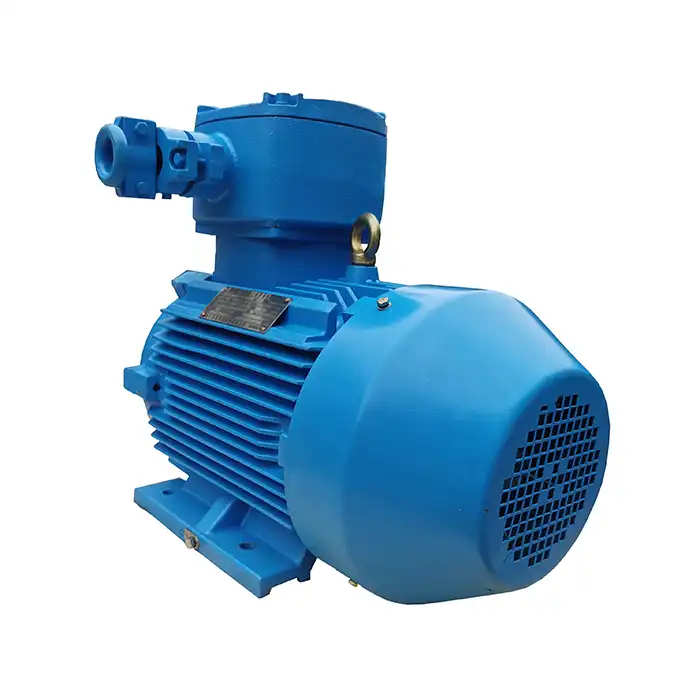
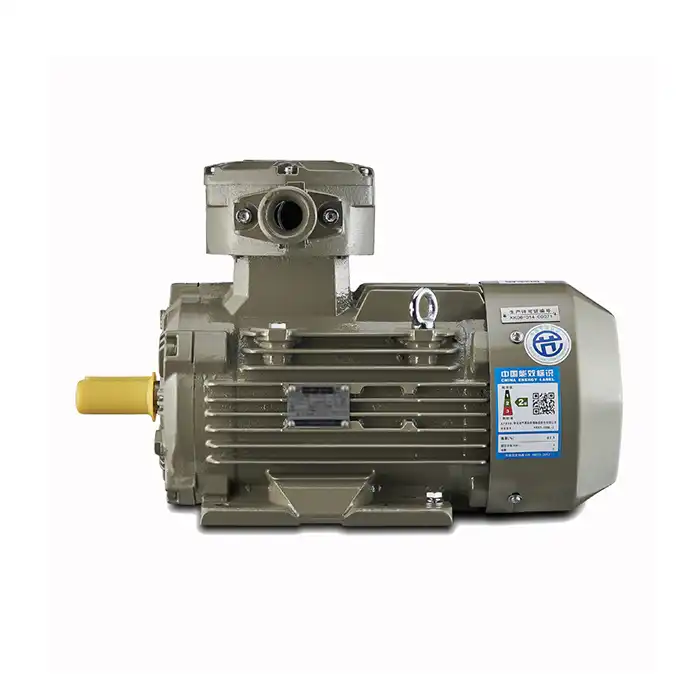
A great medium-voltage engine has a number of vital parts that work together. The stator is the primary structure that remains in put. It has electromagnetic windings built into high-grade electrical steel laminations. The attractive misfortunes are cut down by these laminations, and the winding protecting framework, which more often than not employs Lesson F or Lesson H materials, can handle temperature and electrical stretch for many years.The rotor unit turns within the attractive field of the stator. It is joined to an absolutely made shaft. Since they are straightforward and intense, squirrel-cage shapes are utilized extensively in industry. The turning unit is held up by high-quality orientation from companies like SKF, NSK, or FAG. Legitimate grease frameworks make beyond any doubt that the machine runs easily at speeds between 500 and 3,000 RPM. Cooling frameworks get freed of the heat that is generated when something works. An outside fan mounted on the engine shaft moves discuss over the outline utilizing the IC411 cooling strategy, which is well-known in numerous setups. Diverse ways of cooling can be utilized to adapt to distinctive natural circumstances or restricted areas.
How Medium-Voltage Design Balances Power and Stability
Facilities that handle control loads of 160 kW to 1,600 kW can advantage incredibly from working at 3.3 kV voltage levels. Numerous mechanical conveyance systems can work with this voltage level without having to purchase costly unused transformers. The direct voltage push on separator frameworks lets them work dependably, while keeping security clearances and security gear costs at a satisfactory level. When compared to 415V low-voltage engines that handle the same sum of control, medium-voltage machines utilize less energy. This brings down stresses approximately voltage drop and circuit warming, and it makes it possible to measure switchgear more financially. Compared to high-voltage alternatives of 6.6 kV or 11 kV, the 3.3 kV review makes cover and upkeep less demanding, while still getting most of the benefits of medium-voltage operation. These engines, as a rule have security frameworks that incorporate over-burden switches, soil blame security, and temperature screens for the orientation. More and more cutting edge frameworks have vibration screens and winding temperature finders, which permit for arranged repair plans that halt sudden failures.
Application Insights: Optimal Uses of 3.3 kV Motors in Pumps, Fans, and Compressors
Choosing the right 3.3 kV motor for the job increases the return on investment by making the tools more reliable, using less energy, and lasting longer.
Strategic Advantages in Industrial Settings
Medium-voltage motors such as the 3.3 kV motor perform outstandingly well in continuous-duty situations where uptime is essential. In water treatment offices, they drive huge pumps dealing with tall volumes with negligible intrusion. Chemical preparation depends on them for steady stream control, whereas control plants utilize them for evaporator bolster pumps and cooling systems, where downtime is expensive. Their strong development withstands vibration, temperature vacillations, and sullied discussion. IP54 security anticipates a clean and moisture-resistant entrance, supporting hygiene-sensitive businesses. Compact plan and diminished vibration disentangle establishment and progress basic life span. These highlights make them perfect for HVAC frameworks in information centers, hospitals, and workplaces where calm, solid operation is essential.
Real-World Performance in Demanding Conditions
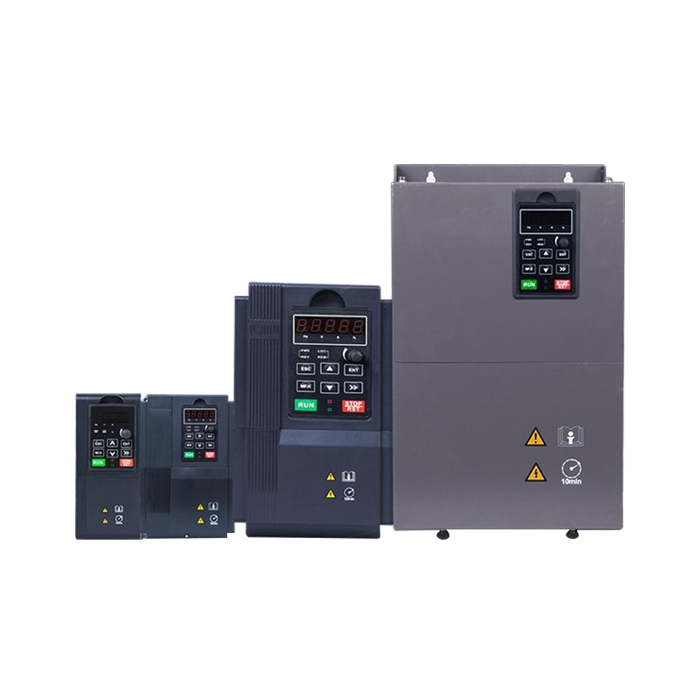
Field applications demonstrate the reliability of the 3.3 kV motor under harsh conditions. A metropolitan water office replacing low-voltage frameworks detailed a 40% decrease in spontaneous upkeep and lower power losses due to progressed conveyance productivity. In cement plants, engines working in hot, dusty situations kept up execution with negligible wear, amplifying benefit intervals. HVAC frameworks benefit from their versatility when matched with variable recurrence drives, permitting speed alterations based on real-time requests. This adaptability decreases vitality utilization amid fractional stack conditions whereas keeping up soundness amid crest request. These real-world examples highlight the solidness, proficiency, and versatility of medium-voltage engines in challenging mechanical settings.
Maintenance Best Practices for Extended Service Life
Structured maintenance practices ensure long-term reliability of a 3.3 kV motor and anticipate exorbitant downtime. Quarterly assessments ought to check for earth buildup, blocked wind stream, and appropriate jolt torque. Bearing oil intervals ordinarily extend from 2,000 to 8,000 hours, depending on working conditions. Utilizing high-quality oils consistent with unique details avoids untimely wear, whereas dodging over-lubrication decreases warm era. Electrical associations must be reviewed for erosion or detachment, with warm imaging distinguishing hotspots caused by lopsidedness or resistance. Yearly separator testing recognizes early debasement. Vibration observing builds up pattern conditions and distinguishes issues such as misalignment or rotor lopsidedness, empowering proactive upkeep and amplifying gear lifespan.
Comparing 3.3 kV Motors: How to Select the Best Motor for Your Needs
To pick the best 3.3 kV motor, you need to look at a lot of performance factors, service issues, and long-term value ideas.
Key Performance Metrics and Selection Criteria
Efficiency significantly impacts lifecycle costs, with modern 3.3 kV motor designs exceeding 95% efficiency and premium models surpassing 96%. Thermal performance depends on insulation class, cooling method, and frame design, especially in high-temperature environments. Mechanical durability is essential for applications involving vibration or pulsating loads, requiring reinforced structures and balanced rotors. Protection levels above IP54 are recommended for harsh conditions. Starting requirements must match application needs; direct-on-line starting produces high inrush currents, while soft starters or variable frequency drives provide controlled acceleration and reduce mechanical stress. Evaluating these parameters ensures optimal performance, energy savings, and long-term reliability.
Voltage Rating Comparisons and Application Suitability
Comparing voltage levels helps determine when a 3.3 kV motor is most suitable. Low-voltage motors (≤415V) are cost-effective for applications below 200 kW but become inefficient at higher power levels. The 3.3 kV range effectively covers 160 kW to over 1,600 kW, offering a balance between power capacity and infrastructure cost. Higher voltages such as 6.6 kV or 11 kV are used for very large systems but require more complex safety measures and higher investment. Medium-voltage solutions provide optimal efficiency, manageable installation requirements, and widespread service availability, making them ideal for most industrial and infrastructure applications requiring moderate to high power output.
Service and Warranty Considerations
Reliable service support is essential for maintaining a 3.3 kV motor. Standardized components and compatibility with widely available bearings simplify maintenance and reduce downtime. Warranty coverage, typically 12 months, provides assurance against manufacturing defects, with extended options available in some cases. However, wear components like bearings are usually excluded and require proper maintenance. Fast technical support is critical for minimizing production interruptions, especially during unexpected failures. Comprehensive documentation, including installation and maintenance guides, enables in-house teams to perform routine servicing efficiently. Strong service networks and responsive support ensure long-term operational stability and reduced lifecycle costs.
Procurement Guide: How to Buy the Best 3.3 kV Motor for Industrial Use
To easily go through the buying process, you need to know how the market works, how to evaluate suppliers, and how to handle orders. Searching for the best 3.3 kV motor involves careful research and a clear understanding of your technical requirements.
Market Availability and Pricing Considerations
The market offers many options for a 3.3 kV motor, making price comparison important but not sufficient. Standard models typically have lead times of 8 to 12 weeks, while customized units require longer production periods. Providing detailed application data during procurement helps suppliers recommend optimal configurations and avoid costly revisions. Bulk purchasing may reduce costs, while long-term contracts ensure stable pricing and priority production. Logistics significantly influence total cost, as motors vary in weight and handling requirements. Understanding shipping terms, customs processes, and delivery conditions helps prevent delays and unexpected expenses, ensuring smooth project implementation.
Evaluating Supplier Reliability and Capabilities
Supplier reliability plays a key role in the successful deployment of a 3.3 kV motor. Proven track records, customer references, and verified certifications indicate consistent quality and performance. Compliance with standards such as JB/T10444-2004 and ISO 9001 ensures proper manufacturing and quality control processes. Engineering support capabilities help optimize motor selection for complex applications. Responsiveness to inquiries and detailed technical proposals reflect the level of service provided. Strong after-sales infrastructure, including spare parts availability and field service, minimizes downtime and supports long-term operation. Careful supplier evaluation ensures dependable performance and efficient lifecycle management.
XCMOTOR's Comprehensive Motor Solutions
XCMOTOR provides a wide range of solutions centered on the 3.3 kV motor for industrial, HVAC, and energy applications. Products cover power ranges from 160 kW to 1,600 kW and voltage levels from 3 kV to 11 kV. Compact designs reduce installation space, while low vibration and noise support sensitive environments. Each motor undergoes rigorous factory testing to verify electrical, mechanical, and thermal performance. IP54 protection ensures suitability for most industrial conditions. Customers can select premium bearing options to match application needs. Engineering support, flexible lead times, and customization options enable tailored solutions, while comprehensive documentation and continuous technical assistance ensure reliable long-term operation.
Future Trends and Performance Optimization of 3.3 kV Motors in Industrial Applications
By keeping up with new technologies and improvement strategies, you can keep your business competitive and cut costs at the same time. The future of the 3.3 kV motor will be defined by integration and efficiency.
Emerging Innovations in Motor Technology
Technological advancements are enhancing the performance of the 3.3 kV motor. Improved insulation materials increase resistance to thermal and electrical stress, extending service life. Advanced cooling systems, optimized through computational modeling, improve heat dissipation while minimizing energy losses. Integration of digital monitoring enables real-time tracking of temperature, vibration, and operating conditions, supporting predictive maintenance. Wireless connectivity allows remote diagnostics and automated alerts. Enhanced rotor materials and optimized magnetic designs reduce losses and improve efficiency. These innovations collectively increase reliability, reduce maintenance needs, and support modern industrial requirements driven by Industry 4.0 technologies.
Practical Optimization Strategies
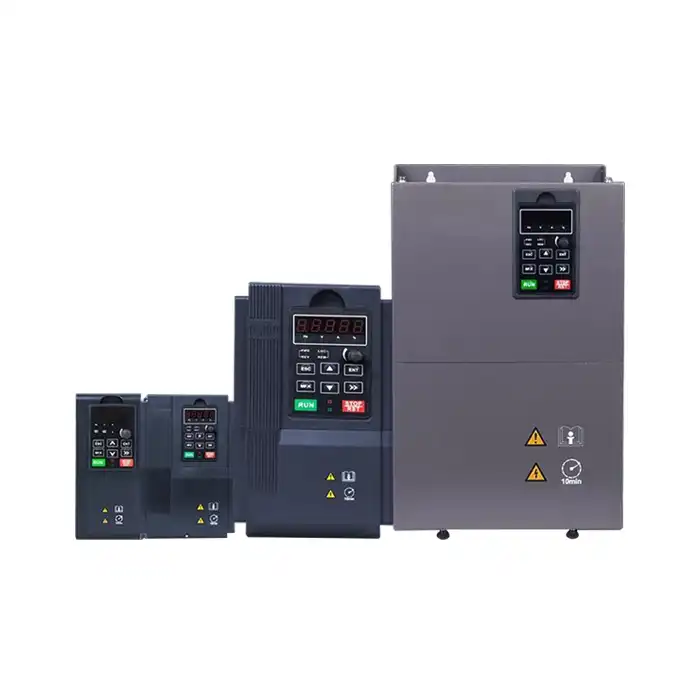
Optimizing a 3.3 kV motor requires proper load matching to maintain efficiency and prevent overheating or underutilization. Power quality management is essential, as voltage imbalance and harmonics can reduce performance and shorten lifespan. Installing capacitors, filters, or transformers improves electrical stability. Variable frequency drives provide significant energy savings in variable load applications, especially for pumps and fans. Regular performance monitoring, including tracking temperature, vibration, and power usage, helps detect early signs of degradation. Data-driven maintenance strategies ensure timely interventions, improving reliability and reducing operational costs across the motor’s lifecycle.
Addressing Sustainability and Regulatory Requirements
Sustainability trends influence the design and operation of the 3.3 kV motor. Energy efficiency regulations require motors to meet higher performance standards, reducing environmental impact and operating costs. Integration with renewable energy systems demands tolerance to voltage fluctuations and grid variability. Compliance with environmental standards promotes the use of recyclable materials and safer manufacturing processes. Predictive maintenance reduces unnecessary resource use and extends equipment life. By adopting efficient designs and modern monitoring technologies, businesses can meet regulatory requirements while improving sustainability and achieving long-term operational savings.
Conclusion
For decades, choosing the right 3.3 kV motor for pumps, fans, and compressors affects how well a facility works, how much upkeep it needs, and how much it costs to run. The 3.3 kV rating works well for many commercial uses between 160 kW and 1,600 kW, combining performance with ease of installation and service. Understanding the electrical properties, building details, and application needs helps you make smart buying choices that are in line with your business's goals. Medium-voltage motors are becoming more useful tools in industrial production as new technologies and improvement methods keep making them work better and meet changing environmental and regulatory standards.
Frequently Asked Questions
1. What distinguishes 3.3 kV motors from 4.16 kV alternatives?
The difference in voltage changes the amount of insulation needed and how well it works with the building's electricity distribution systems. Motors with a rating of 3.3 kV motor architecture can be used in places with medium-voltage networks, which are popular in many industry and foreign markets. In North America, the 4.16 kV rating is more common in utility and big industry settings. Both can handle about the same amount of power, but higher voltage lowers current for the same amount of power output.
2. What lead times should we expect for custom motor orders?
Standard standards usually ship 8 to 12 weeks after the order is confirmed. Delivery may take 12 to 16 weeks if there are special needs, like higher protection levels, different mounting setups, or different voltages. Giving full information about the application during the quote process helps set accurate deadlines.
3. How do we maintain these motors in harsh industrial environments?
Every three months, routine checks find buildups of dirt, blocked cold air, or loose connections. Manufacturers recommend that bearings be oiled every so often, usually every 2,000 to 8,000 hours, but this depends on how they are being used. Vibration analysis and tests for insulation resistance once a year find problems before they break. In most workplace settings, the IP54 level of security is enough to keep out dust and water.
Partner with XCMOTOR for Your Medium-Voltage Motor Requirements
XCMOTOR specializes in making stable 3.3 kV motor products that can be used in industrial settings for things like pumps, fans, and compressors. As a well-known provider of 3.3 kV motors, we know how important these machines are to your business. Our engineering team can help you find the best options for your application's needs, working conditions, and performance goals. We offer full customization choices, high-quality bearings from SKF, NSK, and FAG, and dedicated technical help 24 hours a day, 7 days a week. To talk about your project needs, email our team at xcmotors@163.com or go to motorxc.com. We give you thorough quotes, technical specs, and advice on how to use our products, so you can feel good about your purchasing choices. XCMOTOR is your reliable partner for medium-voltage motor options because we are dedicated to quality, quick service, and customer happiness.
References
1. Chapman, S. (2018). Electric Machinery Fundamentals. McGraw-Hill Education: New York.
2. Nailen, R. (2019). "Medium Voltage Motor Applications and Selection Criteria." IEEE Industry Applications Magazine, 25(3), 45-52.
3. Bonnett, A. & Soukup, G. (2020). "Analysis of Winding Insulation Systems for Medium Voltage Motors." Electric Power Components and Systems, 48(6-7), 612-625.
4. International Electrotechnical Commission. (2017). Rotating Electrical Machines - Part 1: Rating and Performance (IEC 60034-1). IEC: Geneva.
5. De Almeida, A., Ferreira, F., & Fong, J. (2021). "Standards for Efficiency of Electric Motors." IEEE Industry Applications Magazine, 27(1), 12-19.
6. Stone, G., Boulter, E., Culbert, I., & Dhirani, H. (2022). Electrical Insulation for Rotating Machines: Design, Evaluation, Aging, Testing, and Repair. Wiley-IEEE Press: Hoboken.