



How to Match Ball Mill Motor Specs with Load Demands
Understanding your working needs is the first step in matching motor specs with load demands. To choose the right ball mill motor, you need to figure out how much power the mill actually needs based on its size, the weight of the grinding media, the properties of the material, and the duty cycle. When the powers of a motor are not matched with the load requirements, breakdowns happen early, energy is wasted, and production stops. You can make sure the motor gives you stable power throughout operating cycles while meeting important efficiency standards for mining and cement production by comparing torque curves, starting currents, and thermal performance to your unique grinding application.

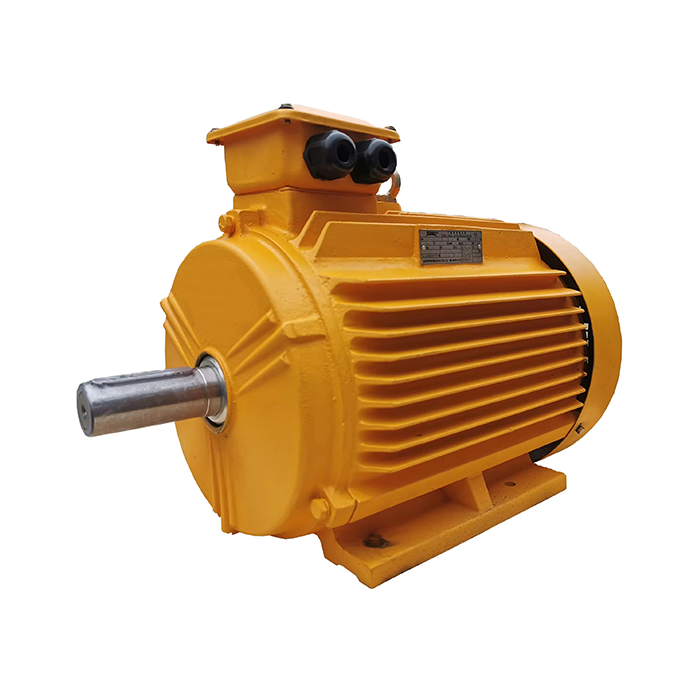
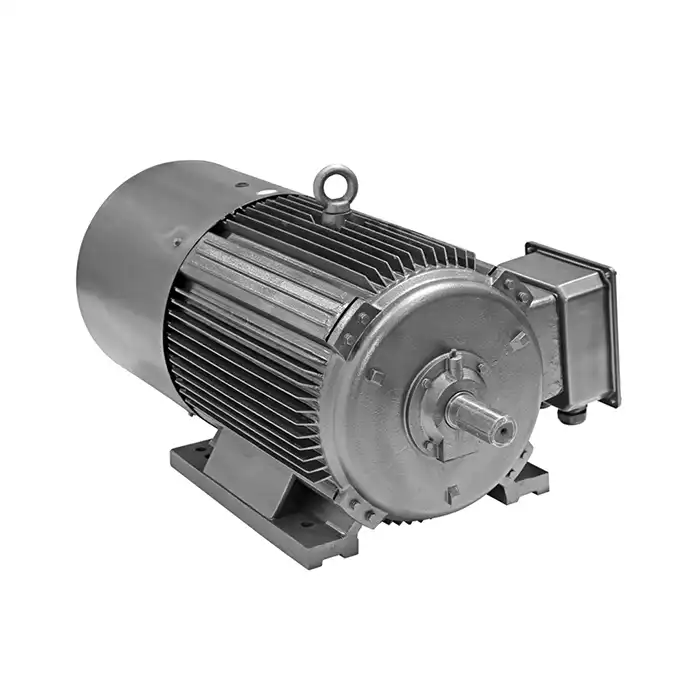
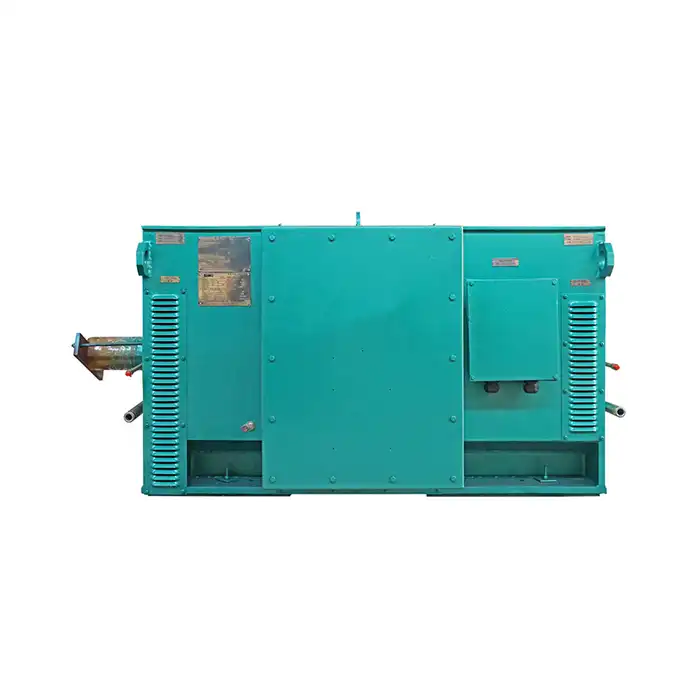
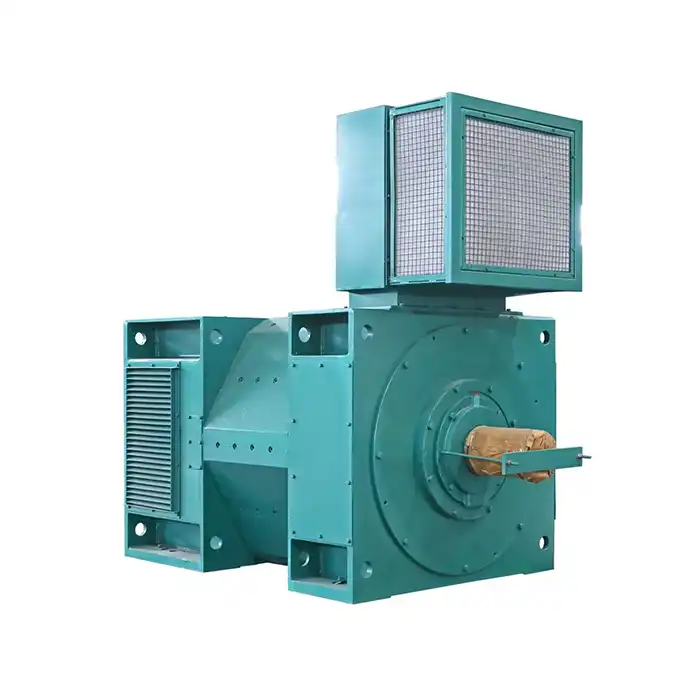
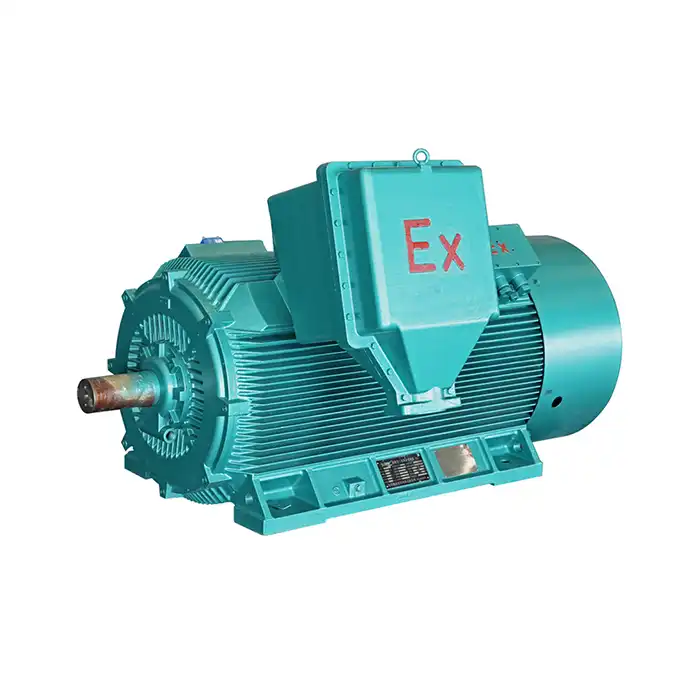
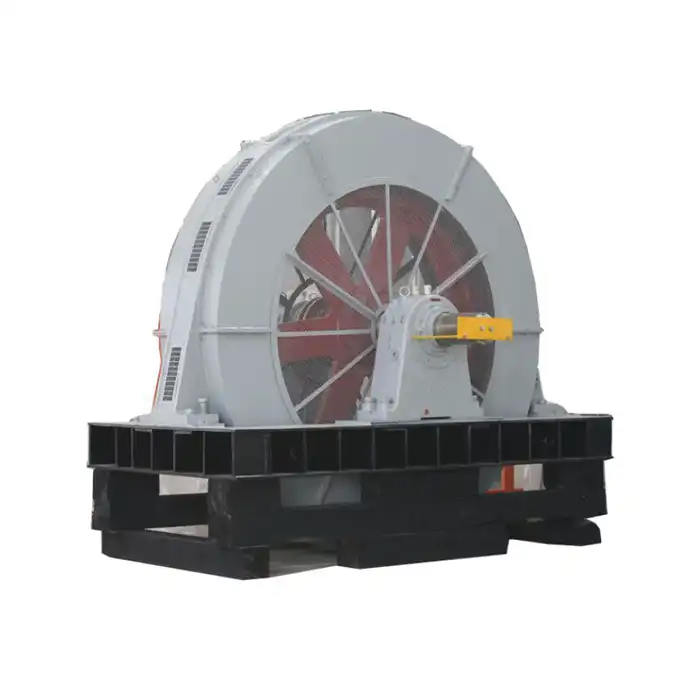
Series:TDMK
Voltage range:3000V±5%,3300V±5%,6000V±5%,6600V±5%,10000V±5%,
Power range:400-2000 kW
Application:Mining, cement.
Advantage:large starting torque.
Others: SKF, NSK, FAG bearings can be replaced according to customer requirements.
Understanding the Core Problem of Mismatched Ball Mill Motor Specs
When ball mill motor specs don't match up with working needs, procurement managers often have to deal with expensive problems. These mismatches show up in a number of ways that have a direct effect on your bottom line and the efficiency of your production.
The Hidden Costs of Incorrect Motor Selection
Design errors might produce motor overloading, which is worse. When small motors drive large grinding loads, they overheat and destroy shielding systems, shortening equipment life. However, large motors lose money on capital and consume too much energy while not operating, lowering power factor and raising utility expenses.Inefficiency causes excessive energy usage. A motor performs less effectively when loaded beyond its optimal range, generally 75% to 100% of its claimed capability. Wasteful conduct raises power prices by thousands of dollars annually. Grinding enterprises that utilize a lot of energy and operate continually have this issue.
Operational Disruptions from Specification Errors
When torque qualities don't meet beginning and operating circumstances, wear and tear accelerates. To overcome the static friction between the material being ground and the grinding medium, ball mills require a lot of power to start. Motors without adequate starting torque (typically 220% to 280% of their rated torque) struggle to start, stressing joints, gears, and the mill shell.Unexpected downtime disrupts production schedules and slows the processing chain. New parts might take weeks to arrive for motors that fail early due to heat or mechanical stress. In large-scale mining, 6000V or 10000V high-voltage units are used.
Root Causes of Specification Misalignment
They frequently result from a lack of load analysis during procurement planning. Engineers don't usually detect wet vs. dry grinding. Wet grinding requires 15%–20% more power due to its density and low viscosity. Mill filling ratios must be considered while calculating grinding media weight. Depending on material hardness and particle size, they may be 30% to 50%.Environmental conditions also affect motor performance. Altitude affects cooling and power control, whereas local temperatures affect thermal management. Even with strong nameplate numbers, motors won't perform well in real-world installations if these considerations aren't considered before specifying.
Analyzing Ball Mill Motor Specifications in Relation to Load Demands
Figuring out important motor factors lets you perfectly match the grinding needs to the equipment's abilities. This technical base helps people make smart choices about buying a ball mill motor that take speed, efficiency, and cost into account.
Power Rating and Load Calculation Fundamentals
The motor's constant output ability is shown by its power rating in kilowatts. Several things go into figuring out how much power is needed: the mill's width and length determine its grinding volume; the type and amount of grinding media determine its spinning mass; the resistance of the material is affected by its properties; and the speed at which it operates affects the centrifugal forces.Bond's Law is used to figure out how much energy is needed for grinding, but it is changed by real-world factors for different uses. For example, mines that process hard ores need 12 to 16 kWh per ton of material, while mines that grind cement clinker need 30 to 40 kWh per ton. Based on these energy needs, you can choose a motor power range of 400 to 2000 kW that works well for large-scale activities.
Torque Requirements Across Operating Cycles
When starting the mill to turn with all of the grinding media and material inside, the starting force has to be greater than the standing inertia. When starting up, good motors give 220% to 280% of their rated torque, which makes sure that the machine starts reliably even in tough circumstances. This feature stops the mechanical stress and electrical system problems that happen when the starting fails.As the material breaks down and the grinding media moves around, the running torque keeps the spin steady even though the resistance changes. Variable frequency drives help give the best torque over a speed range of 150rpm to 500rpm. They do this by changing the power output based on the current load, which makes the system more efficient overall.
Motor Efficiency and Performance Optimization
Through energy use, motor economy has a direct effect on running costs. Power factors for modern three-phase systems are between 0.85 and 0.92, which means that companies don't have to pay as much for reactive power. Higher-efficiency motors lose less heat, so they don't need to be cooled as much and the insulation lasts longer when they're running all the time.Variable frequency drives make things more efficient by getting rid of mechanical losses caused by slowing down and letting you choose the best speed. If you slow down the mill by 20% when it's not being used, you can save 50% on energy costs while still getting the job done. This can save you a lot of money during slow production times.
Voltage Considerations for Industrial Applications
Medium-voltage motors that run at 3000V, 3300V, 6000V, 6600V, or 10000V with ±5% range are usually used for industrial grinding. Higher voltages cut down on transmission losses and line costs for big power plants. They also make it easier to set up distribution systems in places with a lot of high-capacity motors.The voltage choice is based on the building's electricity system and the rules set by the local power company. Cement companies usually use 6000V systems, while big mining operations might use 10000V distribution to keep conductor sizes as small as possible across large site layouts. Coordinating with existing electrical systems keeps you from having to buy expensive new transformers and makes sure that your safety equipment works with what you already have.
Comparison of Motor Types to Make an Informed Procurement Decision
Depending on the needs of the product, the budget, and the ability to do upkeep, different ball mill motor configurations offer different benefits. When procurement managers understand these trade-offs, they can choose the best options for each business situation.
Direct Drive Versus Belt Drive Configurations
Direct drive systems connect the ball mill motor directly to the mill, achieving 96%–98% efficiency versus 92%–94% for belt drives. This reduces energy loss, heat, and maintenance by eliminating belts and related components. However, they require precise alignment and higher upfront investment, typically 15%–25% more, though savings offset costs within years. Belt drives offer flexibility and absorb shock loads, protecting motor components under variable conditions. This makes them suitable for operations with frequent load changes or start-stop cycles.
Three-Phase Motor Advantages in Industrial Settings
Three-phase designs are standard for ball mill motor applications due to durability and efficiency. They support continuous full-load operation, essential in industries like mining and cement. Power scalability from 400–2000 kW meets diverse grinding requirements. Balanced power supply reduces vibration and noise, improving workplace conditions and equipment longevity. When combined with soft starters or variable frequency drives, they enable smooth acceleration and minimize inrush currents, protecting both electrical systems and mechanical components during startup.
Bearing Selection and Customization Options
Bearings significantly influence ball mill motor reliability and maintenance costs. Standard bearings suit general applications, but harsh environments require premium options. SKF bearings excel in dusty conditions with superior sealing, NSK offers low friction for variable speeds, and FAG handles high axial loads. Customizing bearings increases initial cost by 3%–5% but can double service intervals and reduce downtime. This is especially valuable in remote operations where maintenance access is limited and delays are costly.
Best Practices for Maintaining Ball Mill Motors to Match Load Demands Long-Term
Proactive ball mill motor repair keeps performance characteristics in line with load standards. Systematic attention to key systems stops breakdowns that hurt the efficiency of cutting and the dependability of equipment.
Lubrication Management for Extended Service Life
Effective lubrication protects ball mill motor bearings under continuous load. Scheduling lubrication based on operating hours ensures proper coverage during peak use while avoiding over-greasing. High-temperature synthetic greases maintain stability under thermal stress and extend relubrication intervals by 50%–100% compared to mineral oils. This reduces maintenance frequency and improves durability, ensuring smoother operation and longer component life.
Vibration Monitoring and Diagnostic Analysis
Vibration analysis helps detect early issues in a ball mill motor before failure occurs. Baseline readings established during commissioning allow accurate trend monitoring. Increased vibration or frequency changes indicate problems like bearing wear or imbalance. Portable analyzers enable routine checks, while permanent systems provide continuous monitoring. Automated alerts allow timely maintenance, preventing severe damage and improving operational reliability.
Insulation Resistance Testing and Thermal Management
Insulation testing ensures ball mill motor windings remain reliable. Regular megohmmeter tests detect moisture, contamination, or degradation early. Maintaining resistance above 100 megohms per kilovolt prevents faults. Temperature monitoring using embedded sensors protects insulation from overheating, keeping operation within Class F limits (155°C). These practices preserve dielectric strength and extend motor lifespan under demanding conditions.
Performance Monitoring and Load Optimization
Continuous monitoring ensures the ball mill motor operates efficiently across load ranges. Comparing current draw with baseline values identifies efficiency losses due to mechanical or electrical issues. Power factor trends reveal early winding or insulation problems. Proper mill loading, typically 30%–45% of volume, maintains optimal efficiency. Avoiding overfilling or underfilling ensures stable torque output and maximizes productivity.
Strategic Upgrades for Evolving Operational Requirements
Upgrading systems improves ball mill motor performance when operational demands increase. Adding variable frequency drives enhances speed control, reduces mechanical stress, and improves energy efficiency. These upgrades typically cost 30%–40% of a new motor but deliver significant operational benefits. They allow adaptation to new materials, higher output, and changing process conditions without full equipment replacement.
How to Choose and Procure the Right Ball Mill Motor
When choosing the right ball mill motor, you need to carefully consider the technical needs, the supplier's skills, and the total cost of ownership. A structured decision strategy helps buying managers figure out how to meet complicated requirements and balance different needs.
Establishing Technical Requirements and Selection Criteria
Defining requirements ensures the ball mill motor matches application needs. Power depends on mill size, speed, and material properties. Environmental factors like temperature, altitude, and dust require appropriate protection and cooling. Load analysis distinguishes startup, continuous, and variable operations. Aligning these factors with motor specifications ensures reliable performance under all working conditions.
Evaluating Supplier Capabilities and Support Infrastructure
Supplier evaluation impacts ball mill motor success beyond specifications. Experienced suppliers provide technical guidance, customization options, and reliable manufacturing. Flexible designs adapt to specific industrial needs without excessive cost or delays. Strong after-sales support, spare parts availability, and warranty coverage ensure long-term operational stability and reduced downtime risks.
Balancing Specifications with Budget Constraints
Total cost of ownership is key when selecting a ball mill motor. Higher-efficiency models reduce energy costs significantly over time. Premium components increase upfront cost by 15%–25% but extend lifespan and lower maintenance expenses. Standardizing motor types across facilities simplifies inventory and training, improving supply chain efficiency while maintaining acceptable performance levels.
Conclusion
To match ball mill motor specs with grinding load needs, you have to look at a lot of factors, like power needs, torque features, work cycles, and weather conditions. Procurement managers have to find a balance between technical performance and price limits, while also making sure that the skills of suppliers support the long-term success of operations. When specifications are matched correctly, big benefits happen, like using less energy, making tools last longer, reducing downtime, and increasing production efficiency. Because these choices are so complicated, you should work with experienced providers who can offer expert advice, flexible customization, and strong support after the sale. By using structured selection methods and proactive maintenance programs, businesses are able to get reliable grinding performance that meets output goals while keeping total ownership costs low over the lifetime of the equipment.
FAQ
1. What power rating do I need for my ball mill application?
How much power is needed depends on the size of the mill, the weight of the grinding media, the properties of the material, and the output goals. A 3-meter diameter mill that works with cement clinker usually needs 800 to 1200 kW. For bigger mining jobs with 4-meter mills, 1500 to 2000 kW may be needed. To figure out exactly what you need, you need to know the Bond Work Index for your material, the mill speed, and the filling ratio. Consulting with experienced providers guarantees accurate ball mill motor size that avoids setups that are too weak or too specific, which wastes money and time.
2. How does starting torque affect motor selection?
Before spinning can start, the starting torque has to beat the static friction between the material and the grinding media. Not enough starting power leads to failed starts, mechanical stress, and possibly damage to the motor. When they first start up, good motors give 220% to 280% of their maximum torque, which is enough to make sure they work reliably. Higher starting torque standards or variable frequency drives that control acceleration patterns are better for applications that start up a lot or have a lot of weight on them.
3. What maintenance intervals should I follow?
When to lubricate depends on the type of bearing and how it is being used, but for standard uses, it's usually every 2000 to 4000 hours. Monitoring vibrations every three months finds problems early as they start to happen. Tracking winding condition is done every six months with insulation resistance testing. Thermal damage can be avoided by keeping an eye on the temperature during operation. Harsh places with lots of dust or moisture need to be checked on more often. By following the manufacturer's instructions and keeping an eye on performance trends, condition-based maintenance can be used to keep costs low and reliability high.
Partner With XCMOTOR for Your Industrial Motor Requirements
Power equipment options that are specifically made for tough industry uses are what XCMOTOR does best. For grinding tasks, our synchronous motors for ball mill motor applications range from 400 to 2000 kW and come in voltages of 3000V, 3300V, 6000V, 6600V, and 10000V. Each one has a control limit of ±5%. We offer great starting torque range from 220% to 280% of maximum capacity, which makes sure that machines can be used reliably in mining and cement production. Our team offers full expert support to make sure that the specs match your exact load needs. We can also make custom bearing choices from SKF, NSK, or FAG based on operational needs. Get in touch with our support team at xcmotors@163.com to talk about your ball mill motor provider needs. We respond quickly and provide expert advice to procurement managers looking for reliable equipment options. Visit motorxc.com to see all of our products and learn more about how XCMOTOR provides high-quality power tools quickly and with dedicated help seven days a week.
References
1. Bond, F.C. (1961). "Crushing and Grinding Calculations," British Chemical Engineering, Volume 6, Issue 6, Pages 378-385.
2. Wills, B.A. and Finch, J.A. (2015). "Wills' Mineral Processing Technology: An Introduction to the Practical Aspects of Ore Treatment and Mineral Recovery," Eighth Edition, Butterworth-Heinemann.
3. Napier-Munn, T.J., Morrell, S., Morrison, R.D., and Kojovic, T. (1996). "Mineral Comminution Circuits: Their Operation and Optimisation," JKMRC Monograph Series in Mining and Mineral Processing, Julius Kruttschnitt Mineral Research Centre.
4. IEEE Standard 841-2009. "IEEE Standard for Petroleum and Chemical Industry - Premium-Efficiency Severe-Duty Totally Enclosed Fan-Cooled (TEFC) Squirrel-Cage Induction Motors," Institute of Electrical and Electronics Engineers.
5. Rowland, C.A. and Kjos, D.M. (1978). "Rod and Ball Mills," in Mineral Processing Plant Design, Second Edition, Society for Mining, Metallurgy, and Exploration.
6. Austin, L.G., Klimpel, R.R., and Luckie, P.T. (1984). "Process Engineering of Size Reduction: Ball Milling," Society of Mining Engineers of the American Institute of Mining, Metallurgical, and Petroleum Engineers.