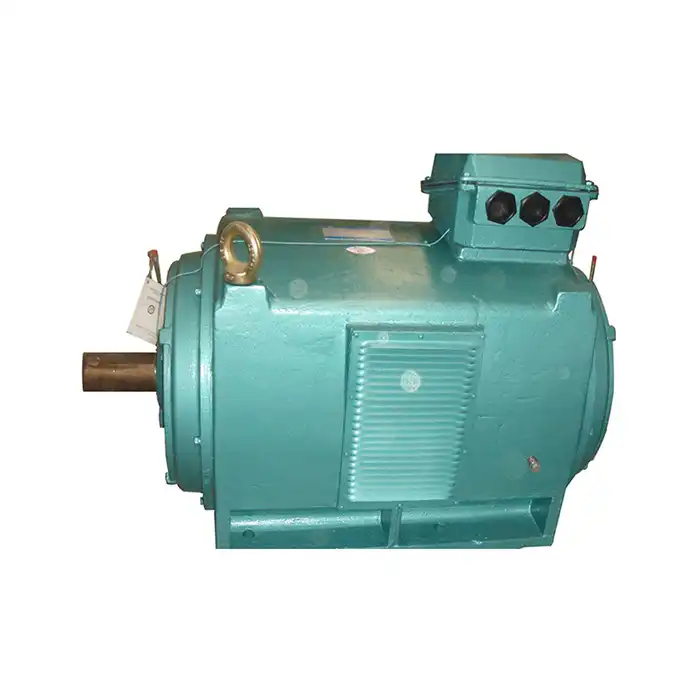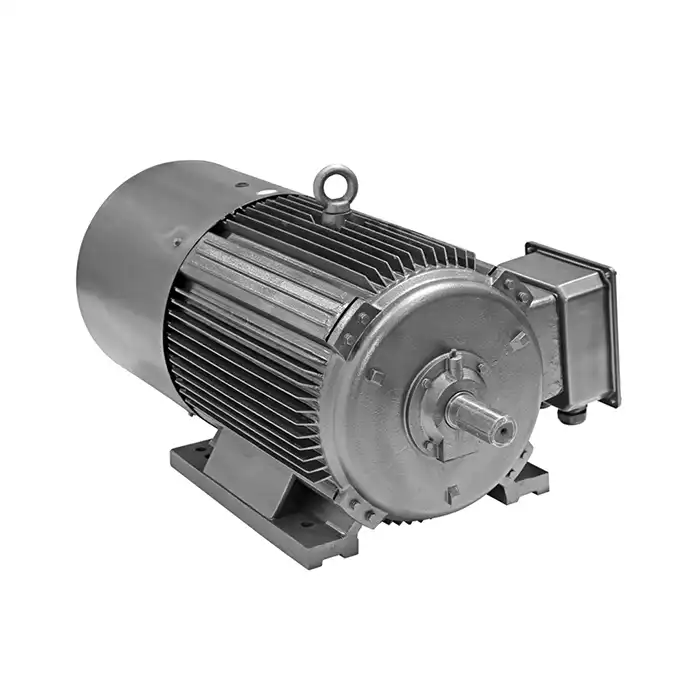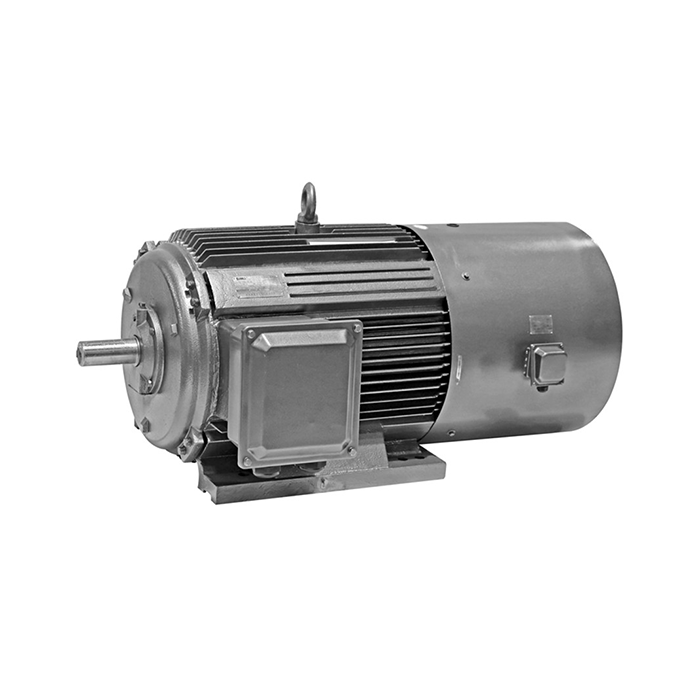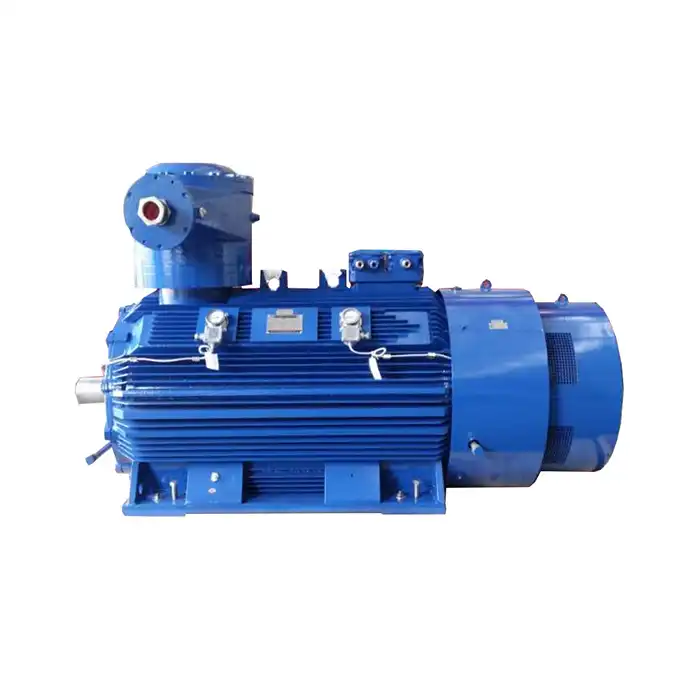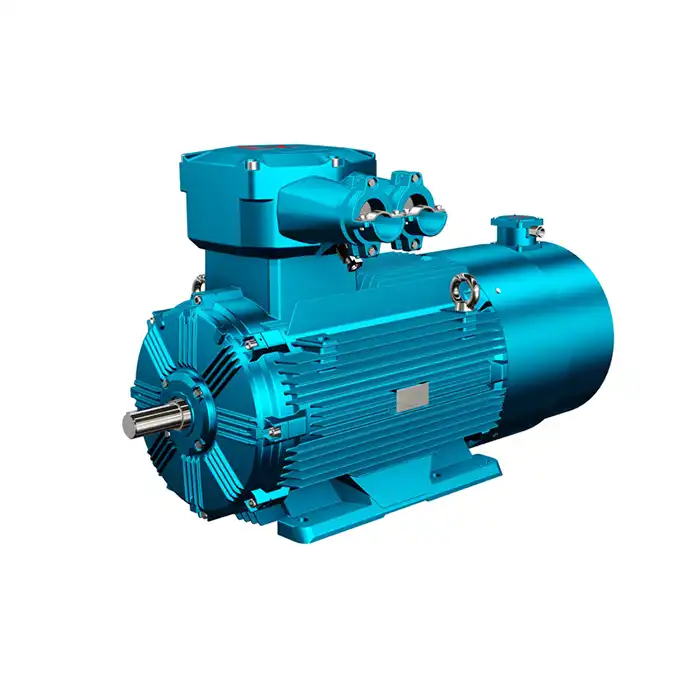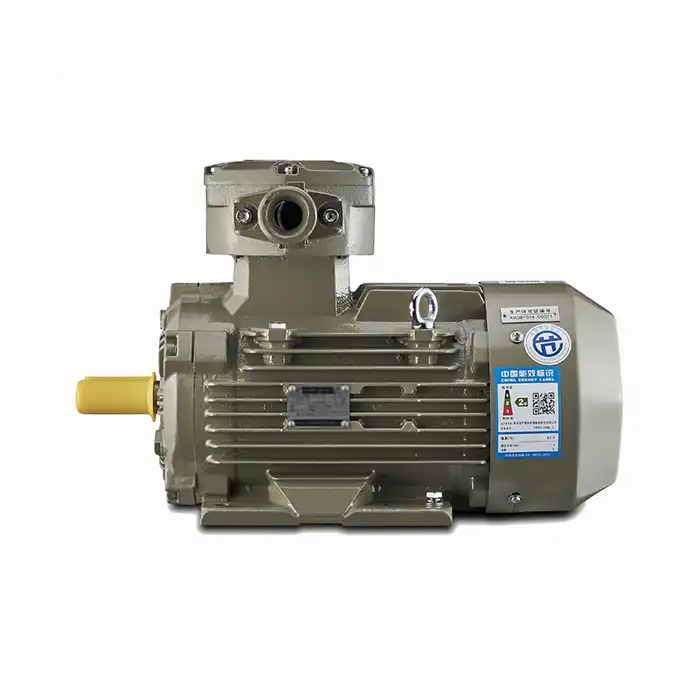




For sectors that need regulated startup, the slip ring rotor motor is essential. These motors reduce inrush current and mechanical stress on connected equipment by externally controlling startup torque, unlike squirrel cage motors. They are essential for heavy-duty applications where smooth acceleration is essential for equipment longevity and efficiency. Engineers can optimize motor performance in varied industrial contexts by customizing starter parameters to load requirements.

Series:YRQ
Voltage range:380V±5%
Power range:45-710kW
Protection level:IP23
Application:YRQ(JR) series medium-sized motors can drive a variety of different machinery, such as fans, compressors, water pumps, crushers, ball mills, cutting machine tools, transportation machinery and other equipment, and can be used in coal mines, machinery industries, power plants and various industrial and mining enterprises. Used as prime mover.
Advantage: The JR series medium-sized motors have very powerful driving capabilities and can not only drive conventional mechanical equipment, but also some complex mechanical equipment. For example, it can drive heavy machinery such as ships, cranes, and wind turbines, as well as small household appliances, purifiers, compressors, etc.
Others: SKF, NSK, FAG bearings can be replaced according to customer requirements.
Knowing Slip Ring Rotor Motors' Function
These motors' innovative rotor structure uses slip rings and brushes to link to external resistance circuits. This setup lets operators manage current flow and torque by adjusting rotor circuit resistance during starting. Slip rings allow external control of the rotor windings' currents caused by the stator's rotating magnetic field.
Slip-ring squirrel cages are more flexible than traditional ones. Smooth acceleration without current spikes is achieved by progressively reducing external resistance as the motor reaches synchronous speed. In heavy-load applications like crushers, ball mills, and big compressors, this controlled startup method eliminates electrical system voltage dips and mechanical shock to driven equipment.
The motor's high starting torque and low current demand make it useful in power-sensitive environments. Slip ring motors' regulated startup features make them a good choice for grid stability and equipment reliability in industrial facilities with high demand charges and voltage instability.
Advantages of Slip Ring Rotor Motors for Startup Control
The regulated starter capabilities of these motors improve operational efficiency and equipment reliability. Considering these benefits helps procurement professionals choose slip ring rotor motors for crucial applications.
Superior torque management and current control are the main benefits of these sophisticated motor systems:
- Low Starting Current: These motors limit starting current to 350-450% of rated current, compared to 600-800% for direct-on-line starters. This decreases electrical system stress and demand charges, saving operational costs and safeguarding upstream electrical components.
- Up to 280% of rated torque is available at startup, making these motors ideal for heavy load applications. Cement mills and crushers need high torque to overcome static friction and start rotating.
- Adjustable Speed Control: The external resistance mechanism allows variable speed operation without extra control equipment. This adaptability lets operators optimize motor performance for changing load circumstances, saving energy and increasing equipment life.
- Smooth acceleration reduces shock loads on gearboxes, couplings, and driven equipment, minimizing mechanical stress. A gentle restart extends maintenance intervals and eliminates unexpected downtime.
These benefits offer a reliable motor solution that improves system efficiency and longevity. When used in essential applications, these motors reduce maintenance costs and increase equipment availability in manufacturing operations.
Compare Slip Ring Rotor Motors to Other Startup Control Motors
Understanding motor technology strengths and weaknesses is crucial when choosing motors for demanding startup applications. Traditional squirrel cage motors are simple and low-maintenance, but they lack flexibility for large load applications, resulting in high inrush currents and low beginning torque. Variable frequency drives reduce some of these concerns but increase complexity and cost.
Brushless motors are efficient and low-maintenance but require complicated starter control systems. These motors perform well in continuous operation but may not generate enough torque for heavy industrial equipment upon startup without extra controls.
Starting control is built within the slip ring rotor motor, removing the need for additional electronics. This mechanical solution offers reliable performance in difficult situations where electromagnetic interference or pollution may damage electronic controls. Slip ring motors are used in mining, cement, and heavy industries because they start smoothly.
Tips for Slip Ring Rotor Motor Maintenance, Troubleshooting, and Component Replacement
Slip rings and brushes must be checked often to preserve motor performance. Slip rings may need resurfacing after years of usage to ensure optimal electrical contact, whereas carbon brushes should be replaced every 6-12 months, depending on operational conditions.
Lubrication and Bearing Service
Motor life depends on bearing lubrication. Superior bearings from SKF, NSK, and FAG provide smooth performance in harsh situations. Vibration monitoring can detect bearing concerns early, allowing planned downtime maintenance.
Environmental Concerns
Motor longevity requires environmental protection. For interior applications, IP23 protection is usually enough, although good ventilation and clean operating conditions enhance motor life. Motor surfaces and air passageways should be cleaned to prevent overheating and improve cooling.
Temperature Checking
Monitoring operating temperature helps identify concerns early. Heat generally indicates ventilation, overloading, or electrical issues, which must be addressed immediately to prevent motor damage and maintain efficiency.
Procurement Considerations: How to Select and Buy Slip Ring Rotor Motors
Application needs, environmental circumstances, and long-term operational goals must be considered while choosing a motor. Understanding these aspects helps guarantee maximum slip ring rotor motor performance and cost-effectiveness throughout the equipment lifecycle.
Motor selection begins with power needs. YRQ(JR) series power ranges from 45kW to 800kW, covering most industrial applications from pumps to crushers. While most industrial applications require 380V±5% voltage, 660V variants are available for greater power installations.
Application-specific factors include beginning frequency, load characteristics, and environment. Motors for continuous operation differ from those for frequent starting. Heavy starting loads necessitate motors with high starting torque, whereas variable load applications benefit from changeable speed.
Beyond initial specs, quality includes manufacturing, testing, and component quality. Motors with precise winding and vacuum pressure impregnation are more reliable and last longer. Comprehensive factory testing provides consistent performance and reduces early failures.
Support and delivery times affect total cost of ownership. Most planning plans allow 4-6 weeks for delivery, however emergency replacements may demand faster delivery. Continuous spare parts and technical support ensure operational success.
Applications Across Industries
The versatility of slip ring motors makes them suitable for numerous industrial applications where controlled startup and reliable operation are paramount. Understanding these applications helps identify opportunities for improved equipment performance and operational efficiency.
- Manufacturing operations benefit significantly from the smooth startup characteristics of these motors. Automotive production lines, aerospace manufacturing facilities, and electronics assembly operations require reliable motor performance to maintain production schedules and quality standards. The ability to start heavy equipment smoothly reduces mechanical stress and extends equipment life, directly impacting production costs and equipment availability.
- Process control applications in chemical, pharmaceutical, and food processing industries demand precise motor control for pumps, compressors, and mixing equipment. The adjustable characteristics of slip ring motors enable operators to optimize process conditions while maintaining equipment reliability. This flexibility proves particularly valuable in applications where process requirements change frequently or where energy efficiency directly impacts operating costs.
- HVAC and refrigeration systems in commercial and industrial facilities require motors that can handle varying load conditions while maintaining efficiency. The ability to control startup characteristics reduces electrical system stress and improves overall system reliability. Large commercial buildings and industrial facilities often experience significant cost savings through reduced demand charges and improved equipment reliability.
- Energy and utility applications including power generation, water treatment, and renewable energy systems rely on motor reliability for critical infrastructure operations. The robust design and controlled startup characteristics of these motors make them well-suited for applications where unplanned downtime carries significant consequences.
Conclusion
The benefits of slip ring rotor motors for smooth startup control extend far beyond simple torque management. These motors provide a comprehensive solution for industries requiring reliable, controlled acceleration of heavy equipment while minimizing electrical system stress and mechanical wear. The combination of high starting torque, reduced current draw, and adjustable operating characteristics makes them indispensable for critical industrial applications. When properly maintained and correctly applied, these motors deliver years of reliable service while contributing to overall operational efficiency and equipment longevity. The investment in quality motor technology pays dividends through reduced maintenance costs, improved equipment availability, and enhanced operational flexibility across diverse industrial environments.
Frequently Asked Questions
Q1: What makes slip ring rotor motors superior for heavy startup applications?
A: The external resistance control capability allows these motors to develop high starting torque while limiting current draw. This combination enables smooth acceleration of heavy loads without causing electrical system disturbances or mechanical shock to connected equipment.
Q2: How often do slip ring motors require maintenance compared to other motor types?
A: While slip rings and brushes require periodic replacement every 6-12 months, the overall maintenance requirements remain reasonable when considering the motor's superior starting characteristics. The reduced mechanical stress during startup often extends the life of connected equipment, offsetting the additional maintenance requirements.
Q3: Can these motors integrate with modern control systems and variable frequency drives?
A: Yes, these motors work effectively with VFDs for enhanced control capabilities. The combination provides both the inherent startup advantages of the slip ring design and the precision control capabilities of modern electronic systems, offering maximum operational flexibility.
Choose XCMOTOR for Your Slip Ring Rotor Motor Requirements
Shaanxi Qihe Xicheng Electromechanical Equipment Co., Ltd. provides comprehensive power equipment solutions designed to meet demanding industrial requirements. Our slip ring rotor motors for sale deliver exceptional performance across power ranges from 45kW to 800kW, suitable for applications from small compressors to large cement mills and crushers.
Our manufacturing process incorporates precision winding techniques and vacuum pressure impregnation to ensure superior reliability and extended service life. Each motor undergoes rigorous testing to meet stringent quality standards, providing consistent performance in demanding industrial applications. The use of premium bearings from trusted manufacturers ensures reliable operation while allowing customization based on specific customer requirements.
Contact our technical team today to discuss your specific motor requirements and discover how our solutions can enhance your operational efficiency. For detailed specifications and customization options, contact us at xcmotors@163.com or visit motorxc.com for comprehensive product information.
References
- Chapman, S.J. (2012). Electric Machinery Fundamentals. 5th Edition. McGraw-Hill Education.
- Sen, P.C. (2013). Principles of Electric Machines and Power Electronics. 3rd Edition. John Wiley & Sons.
- Fitzgerald, A.E., Kingsley, C., & Umans, S.D. (2014). Electric Machinery. 7th Edition. McGraw-Hill Education.
- IEEE Standard 112-2017. IEEE Standard Test Procedure for Polyphase Induction Motors and Generators.
- National Electrical Manufacturers Association. (2019). Motors and Generators Standard MG 1-2016. NEMA Publications.
- International Electrotechnical Commission. (2018). IEC 60034-1:2017 Rotating Electrical Machines - Part 1: Rating and Performance.