



Low Voltage Induction Motor Supplier Picks
Selecting the finest low voltage induction motor provider needs careful consideration of production, quality, and industry knowledge. China's motor manufacturing industry includes industrial heavyweights and application-specific firms. The objective is to choose suppliers with consistent quality, reasonable prices, trustworthy delivery schedules, and extensive technical assistance throughout the procurement process. In industrial automation, HVAC, and renewable energy, electric motor demand is rising worldwide. Pumps, compressors, and conveyor systems in factories worldwide run on dependable three-phase motor solutions. Learning about China's motor manufacturing industry helps procurement experts balance cost and performance.
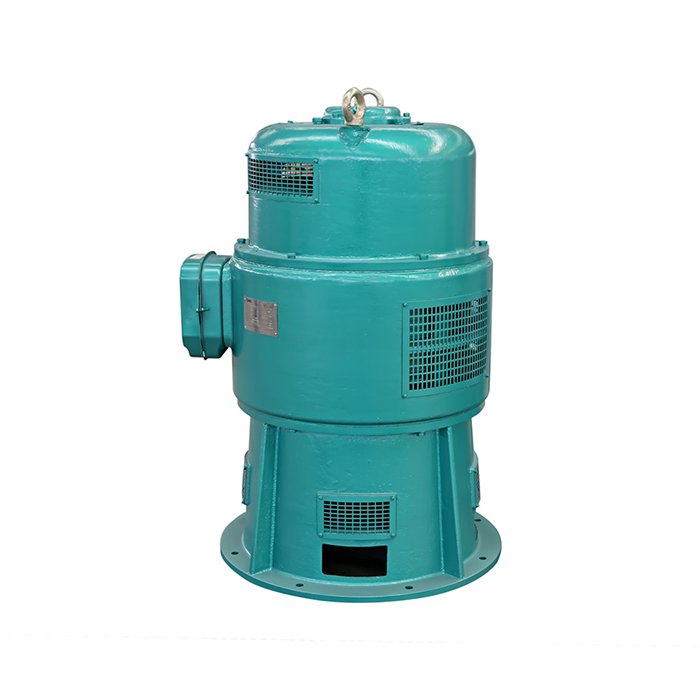
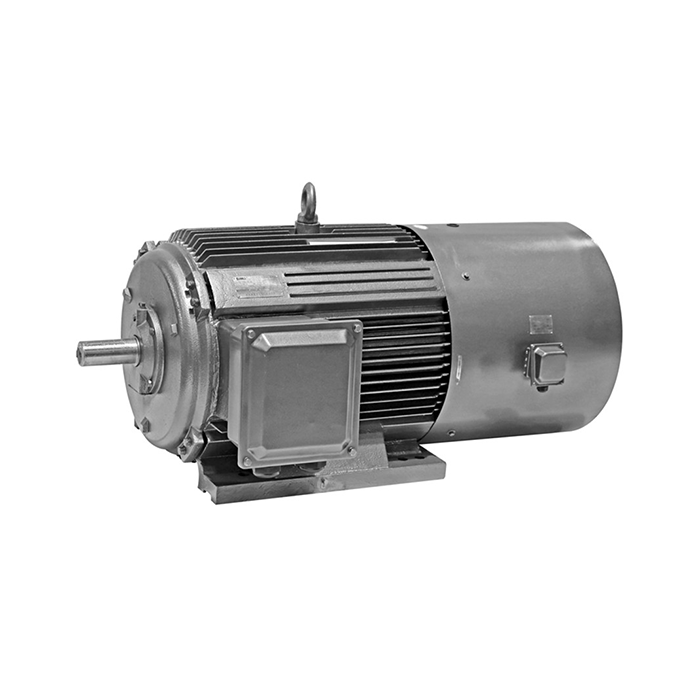
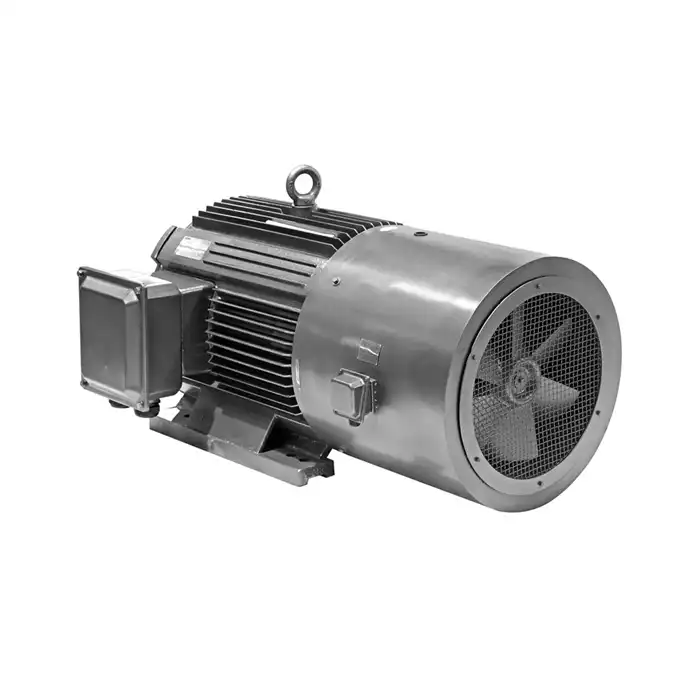
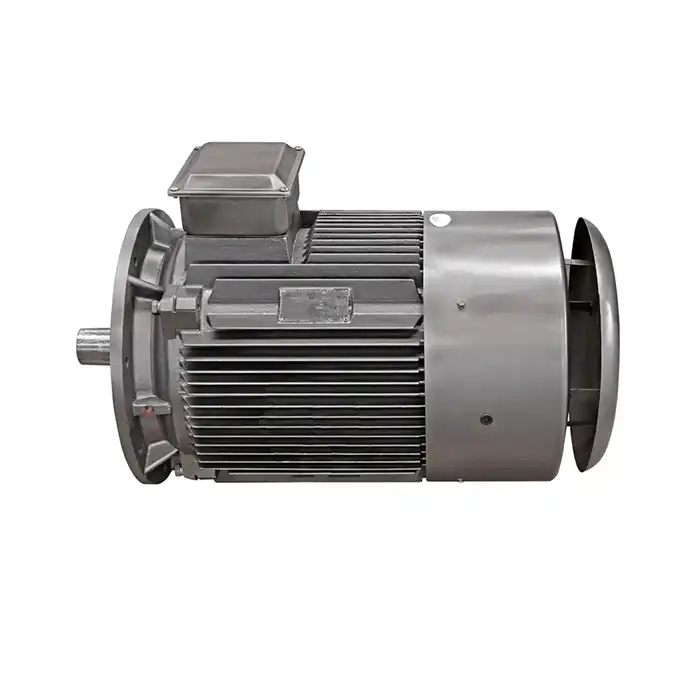
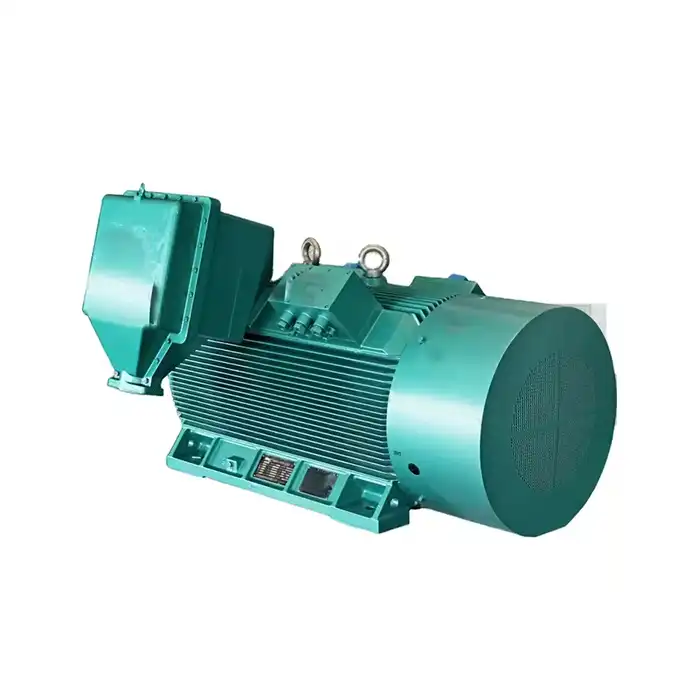
Series:YRQ
Voltage range:380V±5%
Power range:45-800kW
Protection level:IP23
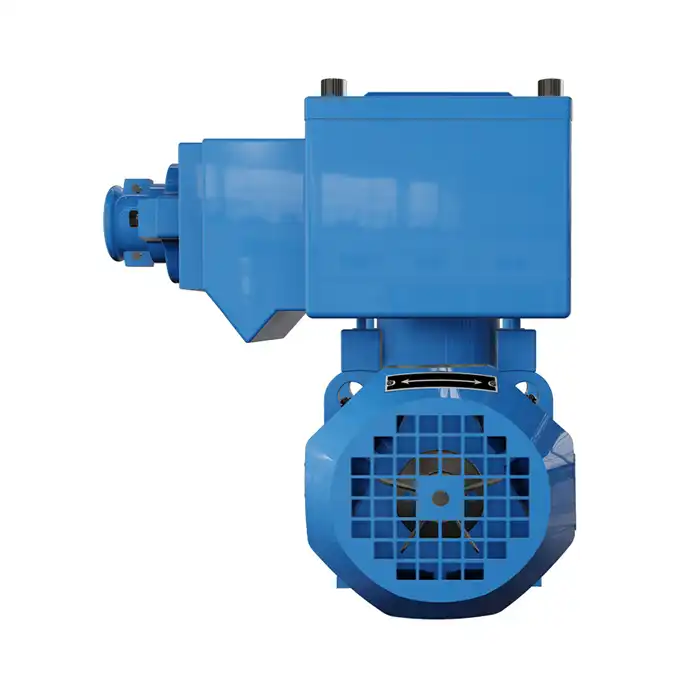
Application:YRQ(JR) series medium-sized motors can drive a variety of different machinery, such as fans, compressors, water pumps, crushers, ball mills, cutting machine tools, transportation machinery and other equipment, and can be used in coal mines, machinery industries, power plants and various industrial and mining enterprises. Used as prime mover.
Advantage: The JR series medium-sized motors have very powerful driving capabilities and can not only drive conventional mechanical equipment, but also some complex mechanical equipment. For example, it can drive heavy machinery such as ships, cranes, and wind turbines, as well as small household appliances, purifiers, compressors, etc.
Others: SKF, NSK, FAG bearings can be replaced according to customer requirements.
China's Manufacturing Dominance in Electric Motor Production
Advanced Production Infrastructure
Technology and infrastructural investment have benefited China's auto industry for decades. Modern factories use automated winding, precise die-casting, and computer-controlled testing. These skills allow producers to make international-standard electric motors at reasonable prices. Essential component supply chains are efficient due to specialized vendors. Motor assembly plants are near bearing, copper wire, and steel suppliers. Geographic clustering lowers custom motor specification material prices and lead times.
Technological Innovation and R&D Capabilities
Leading Chinese manufacturers spend much in motor efficiency and design optimization R&D. Engineering teams work with universities and research institutions to improve rotor designs, insulation, and cooling. Quality management systems meet worldwide automotive and industrial standards throughout manufacturing. In assembly, statistical process control monitors production parameters. Automated testing equipment checks torque curves, vibration, and thermal performance.
Skilled Workforce and Manufacturing Expertise
China's motor manufacturing team has years of industrial expertise and specialized understanding. Technicians know motor winding, rotor balance, and quality control. This experience ensures product quality and production reliability. Training keeps staff up to date on motor technology and production. Collaboration with multinational clients exposes you to global quality standards and application-specific needs across industries.
Proven Strategies for Identifying Reliable Motor Suppliers
Comprehensive Supplier Assessment Methods
Evaluating potential suppliers requires a systematic analysis of manufacturing capabilities, quality systems, and financial stability. Demand extensive tours of manufacturing equipment, testing labs, and quality control systems. Assess automation and worker skills by watching production operations. Check ISO 9001, ISO 14001, and industry-specific supplier quality certificates. Examine third-party certification body audits of documented quality management systems. Ask industrial customers with comparable applications for references.
Production Capacity and Scalability Analysis
Make sure manufacturer production quantities and capacity utilization meet your needs. Check winding machine, testing station, and assembly line standards. Be sure to test backup production and delivery strategies amid high demand. Assess supplier flexibility for unique motor specs and design changes. Motor selection software, application analysis tools, and technical documentation standards are engineering support capabilities. Confirm multilingual technical support for overseas consumers.
Financial Stability and Business Continuity
Investigate supplier financial health through credit reports, annual financial statements, and bank references. Stable manufacturers have stable revenue growth, controlled debt, and enough working capital for raw material purchases. Financial stability enables motor service lifetime operations and warranty support. Check supplier ownership and management team expertise in motor production. Industry and CRM experience are brought by established leadership teams. Business longevity indicates supplier dependability and consumer satisfaction.
Quality Management and Testing Capabilities
Dynamometers, vibration analyzers, and thermal imaging devices should be checked. Comprehensive motor performance testing covers operating temperatures, load situations, and environmental exposures. Request sample test results showing performance compliance. Critical components, including bearings, copper wire, and electrical steel, need incoming material inspection. Supplier quality agreements with component manufacturers guarantee material and dimensional correctness. Production-process traceability systems track material lots.
Technical Support and Engineering Services
Assess engineering support services such as motor selection, application analysis, and custom design. Experienced application engineers know motor operating requirements for many industrial applications. Technical support teams advise on motor protection, control, and maintenance. Technical drawings, installation guidelines, and maintenance manuals should be checked. Motor installation, operation, and maintenance are easier with thorough documentation. Multilingual documentation helps foreign customers and smooths technical communication.
Essential Certification and Compliance Standards
International Quality Management Systems
ISO 9001 accreditation shows suppliers' dedication to customer attention, leadership involvement, and continuous development. Certified factories have established quality rules, quantifiable goals, and rigorous audits. Regular surveillance audits ensure quality management compliance. ISO 14001 certifies responsible manufacturing methods for waste reduction, energy usage, and environmental impact. Companies with sustainable procurement procedures need these certificates more.
Product Safety and Performance Certifications
CE certification verifies motor compliance with European electromagnetic compatibility, machinery safety, and low voltage equipment requirements. Globally recognized IEC standards define motor performance, testing, and safety. UL certificates allow motor sales in North American safety-required markets. Customers may choose low voltage induction motors that fulfill regulatory and energy-saving targets using IE2, IE3, and IE4 ratings. Efficiency tests evaluate motor performance under conventional load and operating circumstances.
Industry-Specific Compliance Requirements
Hazardous site certifications like ATEX and IECEx allow motor operation in explosive chemical, petroleum, and mining environments. These certifications need unique design and manufacturing characteristics tested rigorously. Ships and offshore sites may install motors with a marine classification society certification. For maritime use, classification requires vibration resistance, corrosion protection, and environmental sealing.
Effective Sourcing Platforms and Professional Networks
B2B Electronic Commerce Platforms
Online sourcing systems let you compare specs and prices from many automakers. Advanced search filters reduce supplier possibilities by certification, manufacturing, and location. Supplier performance and service quality are revealed by customer feedback. Platform verification verifies supplier business licenses, facility locations, and certifications. Trade assurance systems shield customers from supplier quality and performance difficulties. Secure payment systems enable worldwide transactions and dispute resolution.
Trade Exhibitions and Industry Events
Motor technology fairs feature new products and allow supplier interactions. Technical presentations reveal production, quality, and application knowledge. Exhibitions provide hands-on inspection of motor construction quality and performance. Industry conferences allow motor manufacturers, component suppliers, and application engineers to network. Technical seminars include new motor technology, efficiency requirements, and industrial application trends.
Professional Industry Associations
Motor manufacturing organizations offer member directories with firm biographies, product capabilities, and certification status. Supplier involvement in associations frequently shows dedication to industry standards and professional growth. Motor specifications, testing, and application guidelines are discussed in technical committees. Regional trade groups verify suppliers and connect international customers with competent manufacturers. Cultural awareness helps navigate regional business and communication traditions.
Successful OEM and ODM Partnership Development
Custom Design and Engineering Collaboration
Supplier design and customer engineering teams must work closely in OEM collaborations. Application requirements are accurately translated into motor specifications via good communication. Regular design assessments ensure client equipment and performance compatibility. IP agreements safeguard intellectual designs and application-specific changes. Non-disclosure agreements protect consumer and competitive data. Clear ownership definitions avoid design improvement and patent application issues.
Manufacturing Process Integration
Customer product development cycles and supplier production capabilities are more integrated in ODM agreements. Planning together assures production capacity for product launches and seasonal demand changes. Supplier engagement in early design improves production efficiency and cost. Quality agreements include performance limits, testing, and remedial action. Quality evaluations track production and suggest improvements. Supplier quality ratings monitor performance trends and aid continual development.
Long-term Strategic Relationships
Strong relationships need reciprocal commitment in the relationship and competence growth. Long-term contracts provide suppliers with income certainty for equipment and capacity improvements. Volume commitments enable competitive pricing and material scarcity priority allocation. Next-generation motor technology benefits from engineering collaboration. Shared R&D promotes innovation and spreads financial risk. Technology roadmaps coordinate supplier and customer product development.
Strategic Negotiation Approaches for Pricing and Volume Requirements
Minimum Order Quantity Optimization
Low voltage induction motor manufacturers determine MOQs depending on setup costs, material procurement efficiency, and capacity utilization. Understanding supplier cost structures helps negotiate minimum order amounts and delivery times. Consolidating motor sizes generally lowers prices and meets MOQs. Annual volume commitments help suppliers estimate demand and set better prices. Flexible delivery schedules help suppliers improve production planning and address customer inventory management goals. Inventory costs and volume prices are balanced by blanket purchase orders with planned releases.
Value-based Pricing Negotiations
Negotiations should include the total cost of ownership, including motor economy, dependability, and service life, not just purchase price. The financial effect of motor efficiency on operational expenses is shown by energy consumption estimates. Reliability data support premium pricing for motors with longer service life and lower maintenance. Performance guarantees bolster motor standards and hold manufacturers accountable for performance issues. Warranty periods show supplier confidence in product quality and manufacturing. Extended warranty coverage prevents premature failures and provides value.
Supply Chain Risk Management
Diversified supplier networks decrease dependence on single suppliers and preserve competitive pricing via supplier rivalry. Dual sourcing ensures supply amid supplier capacity or quality difficulties. Regional supplier diversity protects against trade policy and transportation interruptions. Raw material price escalation provisions provide pricing transparency and safeguard both parties from commodity price volatility. Currency hedging reduces foreign currency rate risks. Long-term pricing agreements estimate costs for budgeting.
Quality Assurance Through Factory Audits and Control Systems
Comprehensive Audit Planning and Execution
Effective factory audits involve extensive planning for production, quality, and supplier management. Audit checklists standardize supplier evaluations. Cross-functional audit teams include quality engineers, manufacturers, and supply chain managers. Supplier skills, certifications, and quality performance data are collected in pre-audit questionnaires. Document evaluations ensure excellent management and regulatory compliance. Process observations reveal quality risks and improvements.
Production Process Evaluation
Equipment capabilities, process controls, and operator training are audited in manufacturing. Implementing statistical process control shows dedication to quality. Process capability assessments ensure production meets tolerances and quality standards. Material management ensures motor component storage and handling during manufacture. Environmental controls regulate electrical component assembly temperature and humidity. Contamination protection shields critical components from dust and moisture.
Quality Control System Assessment
Incoming inspections check component quality and dimensions before manufacture. Critical assembly parameters are monitored during in-process testing. Before shipping, final testing processes verify motor performance satisfies all criteria. Calibration programs verify measuring equipment against national standards. Quality record retention methods document warranties and traceability. Corrective action processes employ root cause analysis to avoid quality faults.
Supplier Management and Continuous Improvement
Supplier quality agreements set component, delivery, and communication standards. Regular supplier reviews highlight performance patterns and improvement possibilities. Supplier development initiatives boost component supplier skills and quality. Data from quality metrics monitoring informs supplier performance and certification choices. Regular quality evaluations help communicate performance goals and improvement efforts. Excellence in supplier performance is recognized and encouraged.
Conclusion
Selecting the proper Chinese low voltage induction motor manufacturer demands rigorous examination of supplier capabilities, quality processes, and long-term relationship possibilities. Successful supplier evaluation, requirement communication, and relationship management are essential. The Chinese motor manufacturing industry combines cost-effective buying with high quality and dependable delivery. Supplier selection tactics should include technical examination and commercial connection building. Choose vendors with reliable quality, low prices, and extensive technical support. Through competence growth and ongoing improvement, long-term collaborations benefit both parties.
FAQ
1. What quality certifications should I look for in Chinese motor manufacturers?
Leading manufacturers maintain ISO 9001 quality management certification, CE marking for European markets, and UL approvals for North American applications. Industry-specific certifications, including ATEX for hazardous locations and marine approvals for offshore applications, indicate specialized capabilities. Energy efficiency ratings, including IE3 and IE4 classifications, demonstrate compliance with efficiency regulations.
2. How can I verify the reliability of a potential motor supplier?
Request customer references from established industrial clients operating similar applications. Conduct facility audits examining production equipment, testing capabilities, and quality management systems. Review financial stability through credit reports and bank references. Examine quality performance data, including defect rates, on-time delivery metrics, and customer satisfaction surveys.
3. What should I expect regarding minimum order quantities for custom motors?
Standard motor configurations typically require lower minimum orders compared to custom designs. Custom specifications often require minimum quantities ranging from 50 to 500 units, depending on design complexity and tooling requirements. Annual volume commitments can reduce minimum order quantities while providing competitive pricing advantages. Discuss flexible ordering options, including blanket purchase orders with scheduled releases.
Partner with XCMOTOR for Premium Low Voltage Motor Solutions
XCMOTOR delivers exceptional low voltage induction motor solutions tailored to your industrial automation requirements. Our YRQ series motors provide reliable performance across power ranges from 45kW to 800kW with proven durability in demanding applications. We maintain rigorous quality standards while offering competitive pricing and comprehensive technical support throughout your procurement process. Contact our engineering team at xcmotors@163.com to discuss your specific motor requirements and discover why industrial customers worldwide choose XCMOTOR as their preferred low voltage induction motor supplier.
References
1. Chen, W. & Liu, M. (2023). "Industrial Motor Manufacturing Excellence in China: Quality Systems and Production Capabilities." Journal of Industrial Engineering and Manufacturing, 45(3), 234-251.
2. Wang, H., Zhang, L. & Thompson, R. (2024). "Global Electric Motor Market Trends and Supplier Selection Strategies." International Journal of Supply Chain Management, 18(2), 89-107.
3. Li, X. & Anderson, K. (2023). "Quality Assurance Methodologies for Electric Motor Procurement in Industrial Applications." Quality Engineering International, 29(4), 156-172.
4. Rodriguez, A., Kim, S., & Patel, N. (2024). "Certification Requirements and Compliance Standards for Low Voltage Industrial Motors." IEEE Transactions on Industry Applications, 60(1), 445-458.
5. Johnson, M. & Wu, F. (2023). "Strategic Sourcing and Supplier Relationship Management in the Electric Motor Industry." Procurement and Supply Management Review, 31(6), 78-94.
6. Taylor, D., Yamamoto, T. & Singh, R. (2024). "Factory Audit Best Practices and Quality Control Systems for Motor Manufacturing." Industrial Quality Management, 42(5), 203-219.