



AC Motor Maintenance Intervals: Weekly to Annual Plan
A feasible maintenance plan for AC motors has 5 cycles. These include visual and operational checks on a weekly basis, electrical and mechanical inspections monthly, condition assessments quarterly, lubrication and alignment maintenance semiannually and insulation testing with service planning annually. These are starting points for ac motor maintenance and I adjust them for load, duty cycle, environment, and the manufacturers data. This book will take you through every interval, teach you how to get the proper frequency and explain you what plant managers, OEM purchasers and maintenance engineers should put on paper. I also explain where the XCMOTOR motors fit into the design.
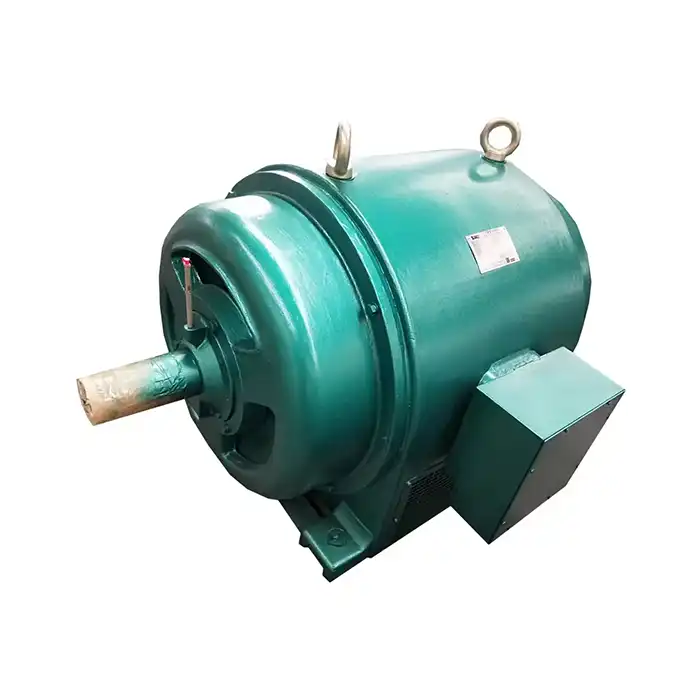
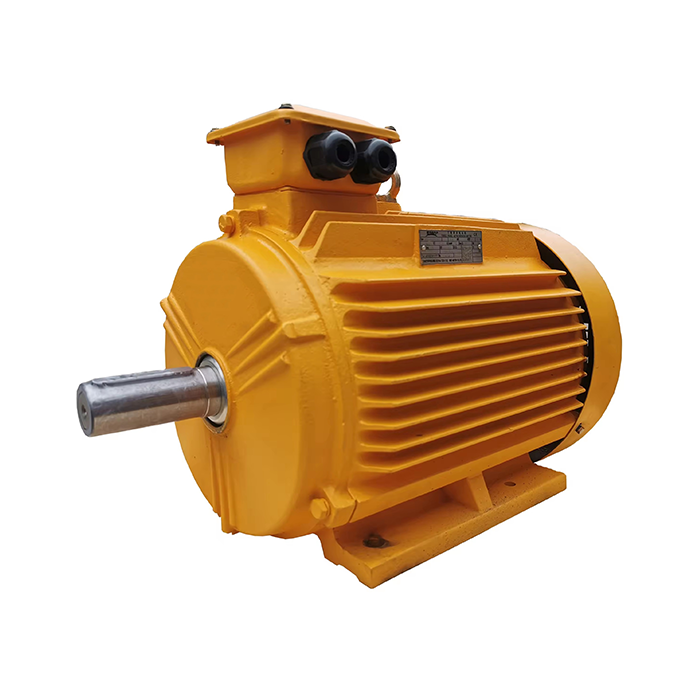
Series:YQ
Voltage range:380V±5%
Power range:45-800kW
Protection level:IP23
Application:YQ(JS) series medium-sized motors can drive a variety of different machinery, such as fans, compressors, water pumps, crushers, ball mills, cutting machine tools, transportation machinery and other equipment, and can be used in coal mines, machinery industries, power plants and various industrial and mining enterprises. Used as prime mover.
Advantage: Full voltage direct start.
Others: SKF, NSK, FAG bearings can be replaced according to customer requirements.
Weekly and Monthly AC Motor Maintenance Routines
Short cycles catch tiny mistakes before they fill the queue. My division of labour, so to speak, is into operators and technicians.
Weekly Visual and Operating Checks
A weekly round takes just a few minutes per car, but picks up most early warnings. Look for dust, oil, moisture, corrosion, broken conduit, unsecured covers, and clogged cooling passageways. Keep fan guards, filters and ventilation ports clear. make a record of the housing temperature or do an infrared measurement under the same load each time. Observe any hot spots near the bearings or the terminal box. Listen for any buzzing, grinding, rattling or screeching and compare with previous weeks notes. If current, voltage, speed and load reporting is available on a drive or meter, ensure the motor is operating within the limitations of the nameplate. This is the weekly ac motor maintenance routine and will serve as the benchmark for all future comparisons.
Monthly Electrical and Mechanical Inspection
This will be a deeper inspection of connections, mounting, bearings and protection and is a monthly chore. When the lockout is complete, inspect the terminals, cable glands, grounding conductors and terminal box seals for looseness, discolouration or heat damage. Inspect foundation bolts, coupling guards, shaft alignment, soft foot and coupling wear. Check bearing for heat, noise and grease leaking. Use only the kind and quantity of lubricant suggested by the motor manufacturer. Then check overload relays, fuses, motor protection breakers, contactors, vfd settings and temperature sensors. Regular maintenance on ac motors also serves to notify buying teams of worn parts so that replacement bearings and seals arrive before a scheduled shutdown vs after a breakdown.
Lockout/Tagout and Record Keeping
Isolation is the first step in any electrical parts repair approach on an ac motor. OSHA’s lockout/tagout standard, 29 CFR 1910.147, requires an energy control plan to be in place when servicing equipment. NFPA 70E is occupational safety for electricity. Records also offer evidence for frequent scrutiny. I would advise keeping a diary for each motor serial number of inspection dates, readings, findings, remedial actions, names of technicians, test results and repair history. NFPA 70B is now a comprehensive standard and the 2023 version has been revised to include a documented electrical maintenance schedule. Good records are also useful when you need to make warranty claims and negotiate with suppliers. They verify what the motor did and when.
Quarterly, Semiannual, and Annual AC Motor Maintenance Tasks
Longer cycles go from looking to measuring. These tasks need well-calibrated equipment and qualified workers.
Quarterly Condition Assessment and Vibration Checks
Quarterly inspection of recorded ac motors for maintenance comprising visual, mechanical and electrical exams. Establish baseline data for temperature, vibration, current, voltage and bearing performance. Compare new data to the trend line. Detect imbalances, misalignment, looseness, bearing defects or resonance by taking vibration measurements at the drive-end and non-drive-end bearing locations. Check for burnt smells, winding discolouration, moisture, contamination and thermal protection alarms. Check cooling fans, filters and ducting. This is particularly the case for washdown, hazardous area, high temperature or totally enclosed motors. Not much to read If you have a queue running up for three or four quarters, it tells you which motor to look at first.
Semiannual Lubrication and Alignment
AC motor semiannual maintenance include lubrication and adjustment. For all lubrication intervals there is no calendar rule of thumb. These vary with bearing type, speed, load, temperature, pollutants and hours of operation. Use the kind, quantity and method of grease or oil advised by the manufacturer. Do not mix incompatible materials. Do not grease sealed for life bearings unless allowed. But more is not better. Over-greasing can push grease toward the windings and raise bearing temperature. Replace the bearings if you see spalling, excessive clearance, contamination, repeated overheating or abnormal vibration. Verify true alignment after foundation repair, coupling replacement or repeated bearing failures. Internal inspection during a planned outage may be justified if motors are significantly contaminated or crucial.
Annual Insulation Testing and Service Planning
Test the insulation once per year. IEEE Std 43-2013 defines insulation resistance testing and the polarisation index and requires a minimum polarisation index of 2.0 for thermal class F windings. Record test voltage, duration, winding temperature, and humidity because insulation resistance drops roughly one-half for each 10°C rise in temperature. Some of the suggested motors may be ideal for winding resistance, surge comparison or power factor testing “See a good technician on the data.” An ac motor annual maintenance visit may involve cleaning, alignment, bearing examination, cooling checks and final testing. Use that visit to review criticality, failure history, spare parts and lead times to replacement.
Choosing the Right AC Motor Maintenance Frequency
It’s simply a calendar to get you started. This is how I adjust it for real plants.
Factors That Shorten or Lengthen Intervals
The time table is driven by power, speed, duty cycle, starting frequency, operating hours, load profile, environment and accessibility and redundancy. A light-duty motor will stay clean with weekly visual inspections, monthly operational reviews, quarterly assessments and annual electrical testing. Machinery involved in continuous processes often has to be monitored more closely, lubricated more regularly, vibrationally analysed and serviced during planned outages. Dusty, humid, corrosive or hot settings need shorter intervals and more frequent cleaning and insulating checkups. The rule of thumb is that insulation life is cut approximately in half for every 10 °C over the winding's rated temperature, therefore the necessity to control cooling. These ac motor maintenance examples are tools for planning, not rules set in stone. Operating hours Starters Alerts and Manufacturer advise Mix time with
Preventive Versus Predictive Methods
Schedule preventive maintenance: cleaning, greasing, tightening, inspection, testing and replacement of identified worn pieces. Standardisation across sites is easy but too much timetable driven effort is expensive. Predictive work is based on condition data from vibration analysis, infrared thermography, motor current signature analysis, ultrasound and on-line temperature monitoring. With adequate sensors, baselines and warning limits these systems may identify a rising problem before it becomes a standstill. Many facilities do both: preventive maintenance on the normal wear-out components and predictive monitoring on the big-ticket, hard-to-get-to or repeat-failure motors. Your selection of combination will dictate how you prepare an ac motor maintenance program for each asset type.
Troubleshooting Overheating and Vibration
The most prevalent causes of overheating include overload, voltage imbalance, restricted ventilation, high ambient temperature, frequent starts, bearing friction, winding failures, harmonics and improper VFD settings. NEMA MG 1 recommends keeping the voltage imbalance to less than 5%, therefore measure all three phases. Imbalance, misalignment, poor foundation, soft foot, bent shaft, damaged bearings, resonance and coupling defects are all common causes of vibration. Check the symptom, then check your ac motor service history, then check electrical conditions, cooling, load, bearings and alignment. Don’t rewind a winding or replace a bearing until you have found the root cause. If you detect smoke or notice burning, arcing, water ingress or a rapid rise in temperature, you must notify a certified person immediately.
Matching XCMOTOR AC Motors to Your Maintenance Plan
Maintenance begins at purchase since the motor you buy determines the inspections you do. This is what I see in the XCMOTOR range:
Four Platforms and Their Inspection Needs
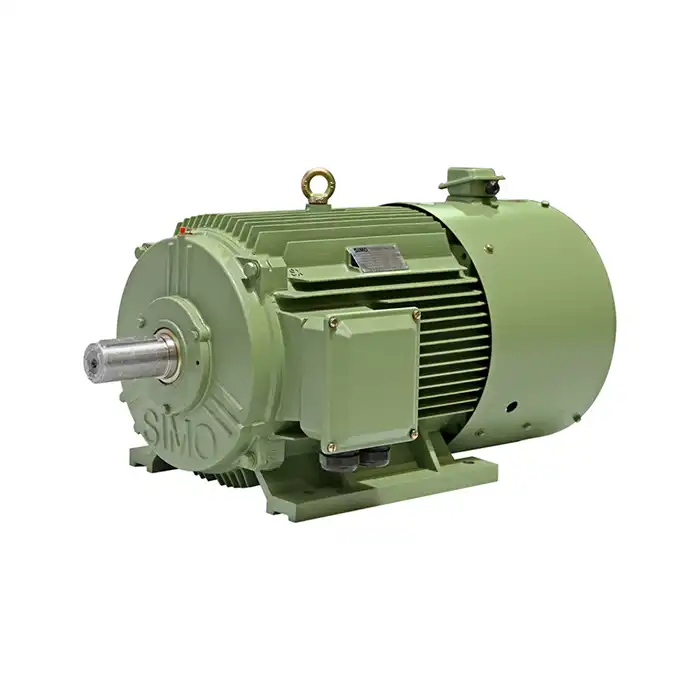
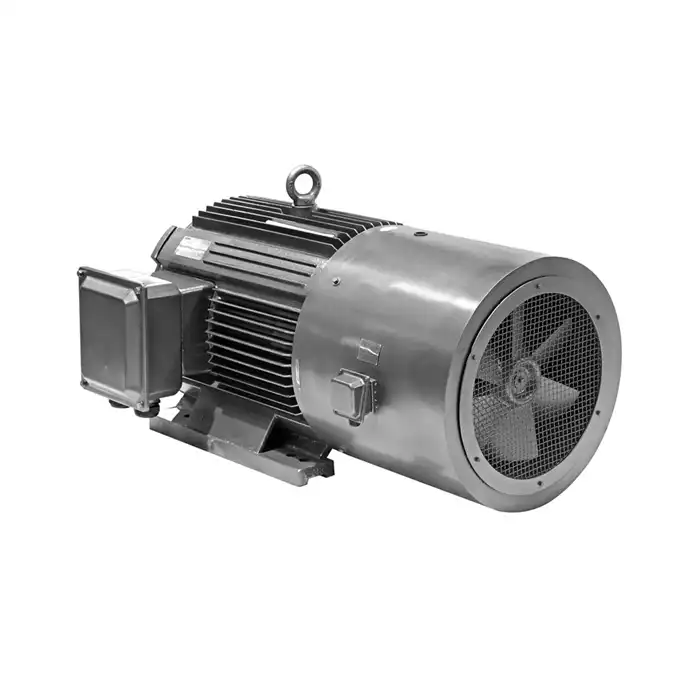
Shaanxi Qihe Xicheng Electromechanical Equipment Co., Ltd. in Xi’an operates XCMOTOR, which manufactures its ac motor line on four three-phase induction platforms. The YE3 series is for general-purpose low voltage duty from 0.75 kW to 1000 kW across frames 80 to 450 with IP55 protection and self-fan cooling. The YVFE3 series is a 200 hp rating for variable frequency drives with independent power to the cooling fan. Long shaft YVFE2 series 0.75 kW to 355 kW. The YBX3 series from 0.55 kW to 630 kW is the flame-proof solution. A secondary fan on YVFE3 and YVFE2 devices provides another cooling check on your weekly round.
Design Features That Help Maintenance Teams
There are many documented characteristics that match the above intervals. Each device is checked at the manufacturer for insulation resistance, temperature increase and vibration providing your team with reference values for its baseline file. The YVFE3 platform employs vacuum-pressure impregnation to protect the windings against moisture and impurities. Class F insulation is certified for 155°C, while the long-shaft platform provides Class H at 180°C for hotter situations. Bearing packages are selected based on load profile and maintenance desire. Optional temperature sensors, space heaters, and vibration monitoring integration help with the condition checks in your ac motor maintenance routine. Export paperwork contains test results and maintenance advice.
Customization for 60 Hz Plants and Special Sites
The US plants are 60 Hz and XCMOTOR can provide motors for either 50 Hz or 60 Hz, single or dual voltage. I require customers to specify voltage and frequency with each purchase. Shaft extensions to 500 mm beyond catalogue specification. Sealing may be up to IP56 and marine grade sealing, anti-corrosion coatings and washdown protection are offered. Mounting conforms to IEC standard dimensions, such that straight replacement without modifying foundations is possible. Many US frames use NEMA measurements, so measure your current footprint first. Foot, flange and wall-mount configurations may match your machine interface. OEM labelling is available. Verify precise subtype and rating at quote.
Procurement Checklist for Purchasing and Engineering Teams
Purchasing directors and engineering managers may cut down the bidding cycle by obtaining the proper facts initially.
Data to Collect Before Requesting a Quote
Get the nameplate data: power, voltage, frequency, speed, frame size, enclosure, insulation class, duty rating and bearing data. Installation environment, operational symptoms, warnings, temperature and vibration data, maintenance history and needed turn-around. Drawings, photos and coupling information increase accuracy of quotation. Be specific with the motor subtype, since a low voltage motor, an inverter duty motor, a long-shaft motor, a flameproof motor, are separate items with various voltages and tests. Specify the voltage on the order. The broad term ac motor encompasses numerous kinds. This one-page document is also the initial item in your ac motor maintenance file.
Evaluating Suppliers and Service Providers
Compare vendors on technical competency, industrial experience, testing processes, paperwork, lead time, emergency response, warranty and logistics. When vetting an ac motor repair service, ask for sample test results and traceability documents. XCMOTOR has more than 20 years experience in power equipment, and collaborates with more than 30 motor manufacturers globally. Its SAP factory management system follows components from inbound material to final products. Compare entire cost including labour, shipping, testing, parts, exposure to downtime and warranty, not just the first estimate. XCMOTOR provides free shipping, 30 days open buy and technical help on Saturday, Sunday and weekday.
Building a Contract and Spare Parts Plan
AC motor maintenance contracts should specify the motors covered, inspection frequency, test techniques and scope, response times, reporting, exclusions and duties. Documented results, test values, root cause analysis and completion status required. Pre-arrange site access, permissions, isolation, lifting gear and shutdown plans. I propose to OEM purchasers who have yearly purchase cycles to tie the contract to a spare list: bearings, seals, and entire replacement motors for important systems, with lead times written down. “By putting together a maintenance schedule and an annual supply agreement, you keep the small MRO orders, and the larger batches, in one conversation, and one supplier contact can answer both.”
Conclusion
A practical ac motor maintenance program includes weekly visual and functioning checks, monthly electrical and mechanical inspections, quarterly condition checks, semiannual lubrication and alignment, and annual insulation testing. Interval duration is determined by duty cycle, environment, load, criticality and manufacturer instructions . Teams should correlate calendar activities with operating hours, trends and predictive tools for critical equipment. Overheating and vibration necessitate root-cause investigation before parts are replaced. Lockout/tagout and reliable records safeguard personnel and inform warranty and spare-parts choices. Features of the motor design such as sealed enclosures, insulation class, selectable bearings and factory test data determine what a team looks at. Full nameplate data, precise subtype and voltage, and transparent contract conditions enable more accurate supplier comparison and planning.
FAQ
1. How often should ac motor maintenance happen?
Operators can check motors visually every week. Detailed electrical and mechanical inspections follow monthly, quarterly, semiannually, and annually. Duty cycle, environment, criticality, and manufacturer advice adjust this schedule.
2. How often should I grease motor bearings?
No single interval fits every motor. Speed, load, temperature, contamination, bearing size, grease type, and operating hours all matter. Follow the manufacturer's lubrication instructions, and never mix incompatible greases.
3. Which test shows insulation condition?
Insulation resistance testing with a calibrated instrument can reveal moisture, contamination, or aging. A qualified technician should read the results alongside temperature, humidity, and past data, as IEEE Std 43-2013 describes.
4. Should I repair or replace a motor?
Weigh repair cost, motor condition, downtime, lead time, warranty, and future application needs.
Talk to XCMOTOR About AC Motor Maintenance and Replacement Motors
Send your nameplate data and inspection schedule to xcmotors@163.com, and the XCMOTOR team will help you match the right motor subtype and voltage. If you want an ac motor maintenance supplier that also stocks replacement units, we offer free delivery, a 30-day open purchase policy, and weekend technical support. Visit motorxc.com to review the YE3, YVFE3, YVFE2, and YBX3 platforms, then share your quantity, voltage, and lead-time target.
References
1. NEMA MG 1 Motors and Generators, 2021
2. IEEE Std 43 Recommended Practice for Testing Insulation Resistance of Electric Machinery, 2013
3. NFPA 70B Standard for Electrical Equipment Maintenance, 2023
4. NFPA 70E Standard for Electrical Safety in the Workplace, 2024
5. ANSI/EASA AR100 Recommended Practice for the Repair of Rotating Electrical Apparatus, 2020
6. U.S. Department of Energy, Improving Motor and Drive System Performance: A Sourcebook for Industry, 2008