



Mining Motor Drives: Crushers, Conveyors, Ventilation
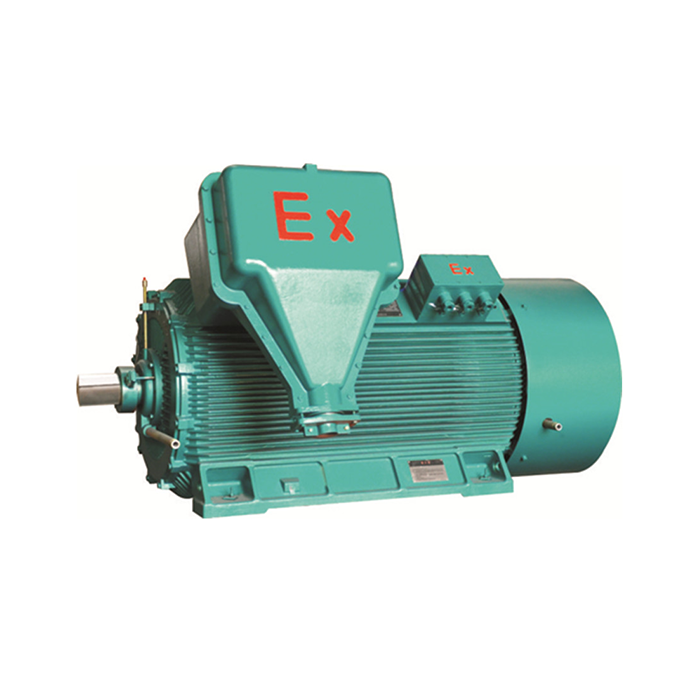
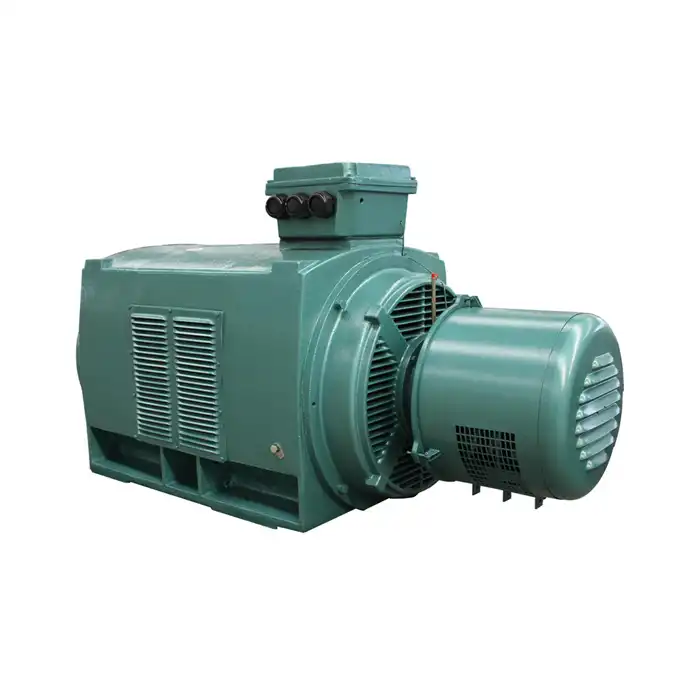
When the motor, the site and the load match the voltage, the motor drives for the crushers, conveyors and ventilation fans are optimised. A mining motor requires high starting torque, stable operation under dust and vibration, and extended hours of service with minimum maintenance. I prepared this tutorial to teach you how to size a mining motor for each equipment, what characteristics important and what to give a supplier before you purchase. I also include the range of high voltage of XCMOTOR from 800 up to 12000 kW, so you can compare it with your own responsibility.
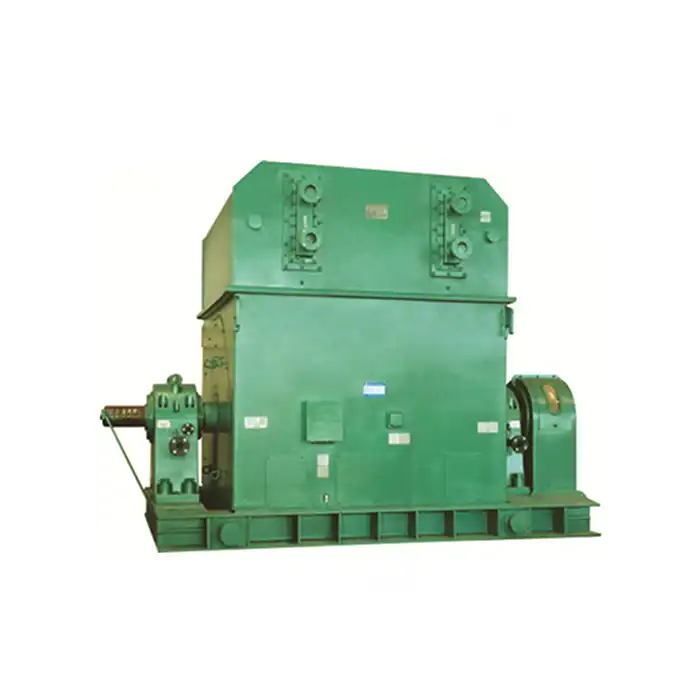
Series:T
Voltage range:3000V±5%,3300V±5%,6000V±5%,6600V±5%,10000V±5%,
Power range:800-12000 kW
Application:fans, water pumps, compressors.
Advantage:large starting torque.
Others: SKF, NSK, FAG bearings can be replaced according to customer requirements.
Matching a Mining Motor to Crushers, Conveyors, and Ventilation Fans
Define the Application Before You Pick a Mining Motor
Every successful pick begins with the driving machine. First I ask five questions. What does the machine do ? How many hours a day does it operate? How frequently does it begin? How heavy is the load? How Long Should It Last? quite seldom is one motor suitable for all three, because a crusher, a belt conveyor and a mine fan do these things in quite distinct ways.
Then I compute torque using T = 9550 × P ÷ n. T is in newton meters, P is in kilowatts and n is in revolutions per minute. An 800 kW motor running at 500 RPM generates around 15,280 N·m. A 12000 kW motor at 150 RPM generates about 764,000 N·m. These figures explain why low-speed high-power drives need a robust shaft, sturdy base and a coupling tested by torque, not only kilowatts. Then check voltage, mounting and shaft dimensions.
Crusher Drives: Starting Torque and Overload
A crusher will frequently start up with rock in the chamber and experience shock loads from hard material or a jam. So I check out the beginning torque, overload tolerance, and thermal margin first. A motor with high starting torque can get the spinning mass up to speed without stalling. But the large beginning current is a strain on the supply. Our mining motor starts at or below 6.5 times rated current, which helps when you size your cables, breakers and transformers.
Check also the flywheel inertia and the time for acceleration. If you crank the motor for a long time, the windings become hot, and every further crank adds more heat. Ask any provider how many starts per hour the motor will allow. If you design a crusher drive with us, email us the load curve and our experts will validate the fit .
Conveyor and Ventilation Drives
Conveyor belts need to be considered carefully in terms of belt length, gradient, tension, braking and start-up frequency. The lengthy belt from a fully loaded condition demands high torque at stop. In multi-drive setups the motors must equally divide the load. Controlled start also protects the belt splice and gearbox from unexpected shock
Ventilation fans operate differently. These operate for extended hours therefore smooth running, minimal vibration and strong power factor are more important than shock tolerance. The power factor of our motors is 0.85 or more . One of the uses of motors is fans . In the United States, underground coal ventilation is regulated by 30 CFR Part 75 of the Mine Safety and Health Administration, making it important to have a primary fan working. Match motor speed and power to fan flow and static pressure and verify fan curve before ordering.
Choosing a Mining Motor Technology and Drive Configuration
Induction, Synchronous, and Permanent Magnet Motors
Three-phase squirrel-cage induction motors are often used in mines. They are basic, easy to fix and the parts are easy to get. Synchronous and permanent magnet motors are more expensive to specify. They may provide improved speed stability and power factor in big drives that operate most of the day. Brushed and brushless DC motors are generally found in tiny or specialised equipment.
Choose the tech from the load, not from habit. A tiny auxiliary fan seldom requires a synchronous motor, but a big low-speed drive may. Consider the maintenance abilities on site too. A motor your staff can’t fix promptly might cost you more in downtime than you save on the purchase. When you get in touch, tell us what your team is currently working on and we may explore which of our alternatives might be suitable for your mining motors.
Three-Phase, Single-Phase, AC, and DC Choices
The most common kind of industrial mining equipment is a three-phase AC motor. They provide greater power, run smoother and start with more torque than single-phase motors. Small pumps, workshops and auxiliary fans with modest workload are still suitable for single-phase equipment.
DC motors were formerly the leaders in variable-speed work because they were simple to regulate. Today an AC motor with a variable frequency drive (VFD) offers broad speed control with fewer worn parts. DC motor has brushes and commutator that need frequent servicing. Older computers may still operate on DC thus judgements about replacement should be based on what restrictions are in place.
The XCMOTOR series shown here is designed to operate with medium voltage sources of 3000 V, 3300 V, 6000 V, 6600 V and 10000 V, all with a tolerance of ±5%. Confirm your site voltage is one of these before you request a quotation.
Geared Drives, Direct Drives, VFDs, and Soft Starters
A geared drive doubles torque and allows a smaller, quicker motor to run a sluggish machine. It also adds gearbox losses and another element to service. Direct drive implies no gearbox and no maintenance, but the motor has to operate at machine speed, hence a bigger frame. If your machine operates in the 150 to 500 RPM range, we can provide a speed range to fit direct-coupled duties. Make sure it matches your own designs
Soft starts and VFDs eliminate mechanical stress and voltage dips on start up. They require matching insulation, wires, cooling and bearing protection. A VFD might create voltage stress on the windings so let the supplier know early if you want to use one. That detail impacts the way the mining motor is constructed and tested.
Protection, Safety, and Care for a Mining Motor
Dust, Humidity, and Enclosure Choice
Mines are dirty, damp and full of vibration. The IP code, established in IEC 60529, indicates how effectively an enclosure protects against solid objects and water. Our motors are rated IP20 . This means that anything bigger than 12.5 mm may not enter the motor , but there is no protection against water . IC01 cooling is used, and is an open-circuit design using ambient air passed through the motor as defined by IEC 60034-6.
This kind of construction is better adapted to a ventilated motor room, pump house or fan station than to a place where it is subject to spray or heavy dust. The windings are coated with a moisture-resistant coating to protect against corrosion and damp air. Don’t choose the enclosure based upon the best rating on a chart, but on the actual site circumstances. A tighter cage traps more heat and that has its own costs.
Hazardous Areas and Certification Scope
If methane or coal dust may be present the motor must comply with the local regulations for hazardous areas. In the U.S., MSHA certifies electric equipment for gassy underground coal mines under 30 CFR Part 18. China: Underground coal mines need MA safety label. Different certifications for different markets.
We are also certified ISO 9001:2015, IEC Ex for explosive atmospheres and China Compulsory Certification (CCC). Certificate scope depends on model. I suggest you compare the certificate to your particular model number and site categorisation before you buy. Tell us to get that scope in writing. " We will not claim an approval that a model does not possess and you should not accept it from any mining motor provider.
Maintenance, Insulation, and Commissioning Checks
If the motor is kept clean and checked properly, it will last longer. Check nameplate, shaft, bearings, terminals, foundation, alignment and grounding before installation. IEEE Std 43 addresses insulation resistance testing . Baseline reading supplies a reference for further tests .
Note direction of rotation. Note beginning current, duration of acceleration, running current. Note vibration and temperature in initial runs. Compare the beginning current against the 6.5 times limit on the data sheet. Keep these records.
Often, a gradual increase in vibration, temperature or current is a sign of bearing wear, misalignment or winding difficulty before to a breakdown. Regular cleaning, lubrication, alignment checks and insulation testing avoid unnecessary downtime. You may use different bearing brands to suit your needs and standardise spares across the facility.
XCMOTOR High-Voltage Mining Motor: Specifications and Buying Guide
Core Specifications at a Glance
This is what the XCMOTOR mining motor covers. Power from 800 up to 12000 kW. Rated voltages are 3000 V, 3300 V, 6000 V, 6600 V and 10000 V, each ±5%. Speed 150-500 RPM. IP20 protection class, insulation class F, IC01 cooling.
In terms of performance, the power factor is 0.85 and above and the beginning current is 6.5 times the rated current or below. The temperature increase is Class B, providing thermal buffer above Class F insulation. The big beginning torque is the key benefit. Applications include fans, water pumps and compressors.
These numbers offer you a good first-screen look. If your duty is within this range, the next step is to validate the torque, mounting and certificate scope for your location.
Build Quality and Production Process
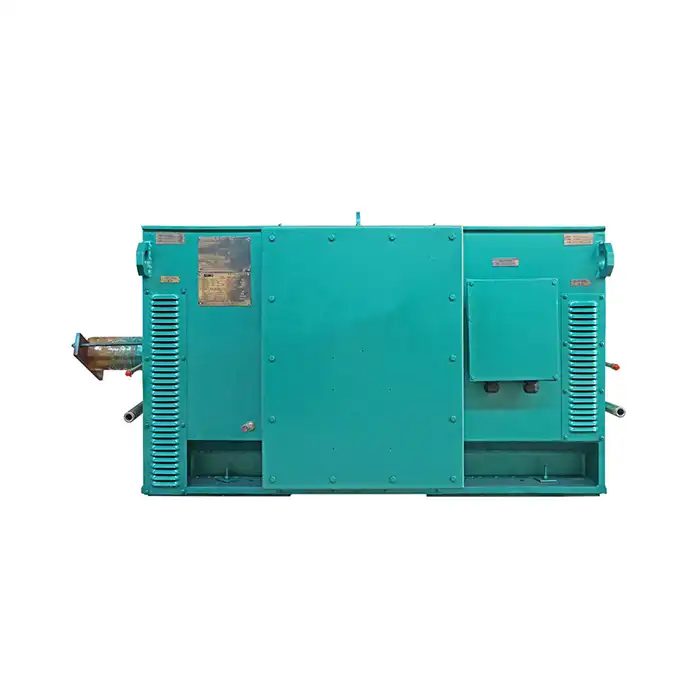
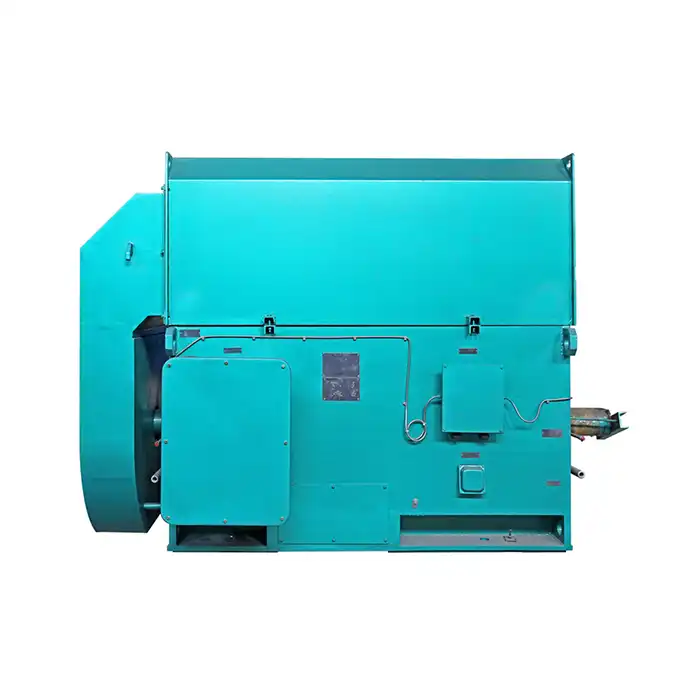
The frame is made of cast iron, selected for its resistance to collisions. The bearings are strengthened and chosen for strong loads and extended use. A specially developed cooling system avoids overheating and the windings are coated with moisture resistant coating to guard against corrosion in wet shafts.
Every motor is tested at every step of manufacture, from winding the coils to final assembly. Each part is checked by experienced specialists against our requirements. We balance rotors on CNC machines to provide smooth, low-vibration operating and a longer service life.
Application areas include underground coal and hard rock mining, open pit mining, mineral processing facilities, tunnel boring equipment and mine ventilation systems. Let us know which one fits your project and we'll go over the responsibility with you.
Writing an RFQ and Choosing a Supplier
A thorough request allows a supplier to properly size a motor the first time. Application Driven equipment Power Speed Torque Duty cycle Starting method Voltage Mounting Shaft dimensions Enclosure Cooling Ambient temperature Altitude Hazardous-area class Control method Certificates necessary Destination
Then assess the provider on more than pricing alone. Ask if the firm produces the motors or just sells them. Ask for dimensional drawings, test results, manuals, lists of spare parts and warranty information.
Shaanxi Qihe Xicheng Electromechanical Equipment Co.,Ltd. can supply power equipment solutions and respond to pre-sales, after-sales and technical issues in time. We provide authentic parts from reputable companies, free shipping on all our goods, 30-day returns and service on Saturdays and Sundays.
Conclusion
Good mining motor driving begins with the load. Crushers require a lot of beginning torque and overload capability, conveyors need torque when standing still and regulated starting, and ventilation fans need smooth, low-vibration operation. You may verify against connections and foundations. The formula T = 9550 x P/n converts power and speed into shaft torque. Technology, voltage, enclosure and certification scope must meet the location. For instance, IP20 with IC01 cooling works in vented rooms, certifications varied by model and market. Routine examinations of insulation, vibration and temperature, along with commissioning records, can make defects obvious before they create downtime. The XCMOTOR range is from 800 kW to 12000 kW from 3000 V to 10000 V at 150 RPM to 500 RPM with starting current 6.5 times or less than rated. Full specification sheet speeds selection and increases accuracy.
FAQ
1. What starting current does this mining motor draw?
Starting current is 6.5 times rated current or less. Compare that number to your supply capacity before deciding on a beginning technique.
2. Which applications does the motor serve?
Applications include fans, water pumps and compressors. It is also suitable for mine ventilation and mineral processing. Send us the load data for crushers or conveyors so our professionals can examine the torque requirements.
3. What enclosure and cooling does it use?
It features IC01 cooling and IP20 protection. Install in a ventilated motor room, pump house or fan station.
4. Can I choose the bearing brand?
Yup. The bearing brands may be swapped to suit your needs. Please provide your favourite brand when requesting a quotation.
5. Which certifications does it hold?
It has ISO 9001:2015, CCC, IEC Ex certification. Certificate scope varies by model, so contact us to check it for your destination and model.
Request a Mining Motor Selection Review with XCMOTOR
Are you going to run a crusher, conveyor or ventilation fan? Please email your rating, voltage, speed, load profile and site circumstances to XCMOTOR at xcmotors@163.com. As a mining motor provider, we will evaluate your data and propose the best mining motor from our range of 800 to 12000 kW. You receive authentic parts, free shipping, 30 days returns and weekend assistance. See motorxc.com for information.
References
1. International Electrotechnical Commission, IEC 60034-1: Rotating Electrical Machines – Rating and Performance, 2017
2. International Electrotechnical Commission, IEC 60529: Degrees of Protection Provided by Enclosures (IP Code), 2013
3. International Electrotechnical Commission, IEC 60034-6: Methods of Cooling (IC Code), 1991
4. Institute of Electrical and Electronics Engineers, IEEE Std 43: Recommended Practice for Testing Insulation Resistance of Electric Machinery, 2013
5. U.S. Government Publishing Office, Code of Federal Regulations, Title 30, Part 18: Electric Motor-Driven Mine Equipment and Accessories, 2023
6. U.S. Department of Energy, Improving Motor and Drive System Performance: A Sourcebook for Industry, 2008