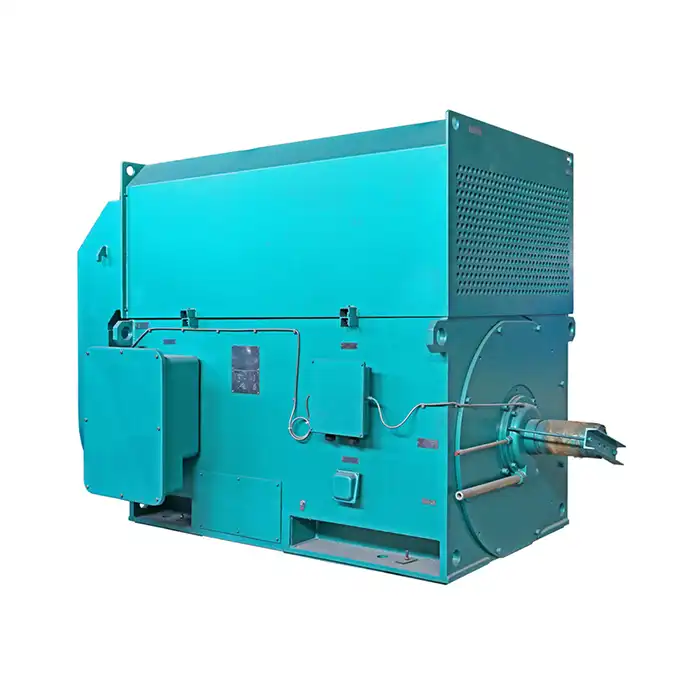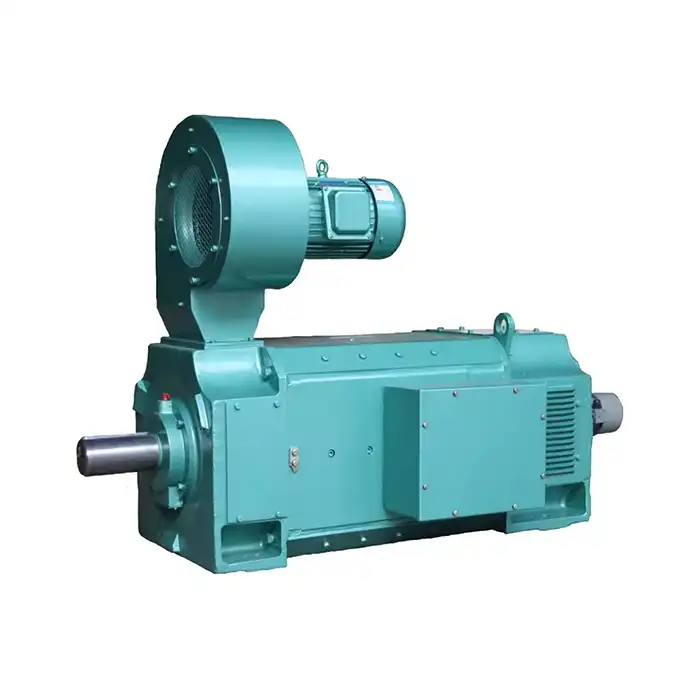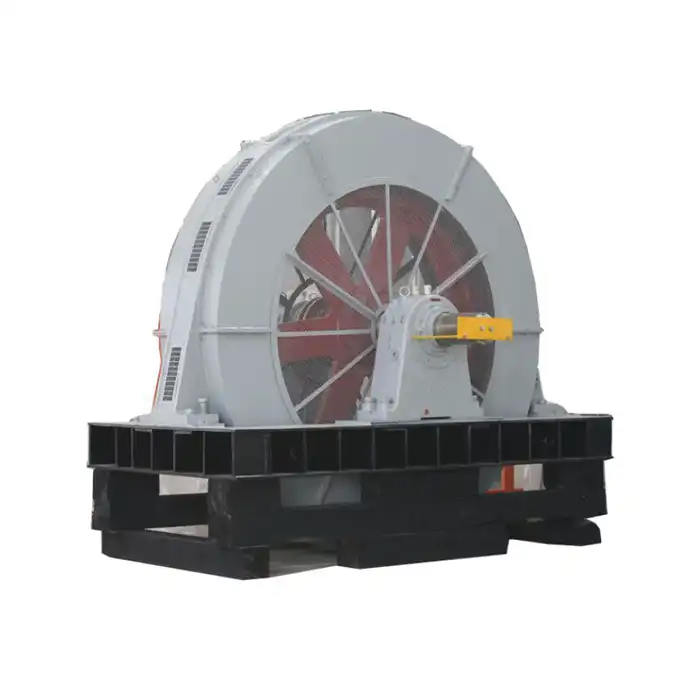




How to optimize the performance of a 4160v motor?
Optimizing the performance of a 4160v motor requires a strategic approach that combines proper installation, regular maintenance, advanced monitoring, and component upgrades. These high-voltage motors serve as reliable powerhouses in manufacturing plants, energy facilities, and heavy industrial operations, delivering consistent output across demanding applications. By addressing electrical inefficiencies, mechanical wear, and environmental stressors, operators can significantly extend motor lifespan, reduce energy consumption by up to 15%, and minimize unplanned downtime that costs facilities thousands of dollars per incident.
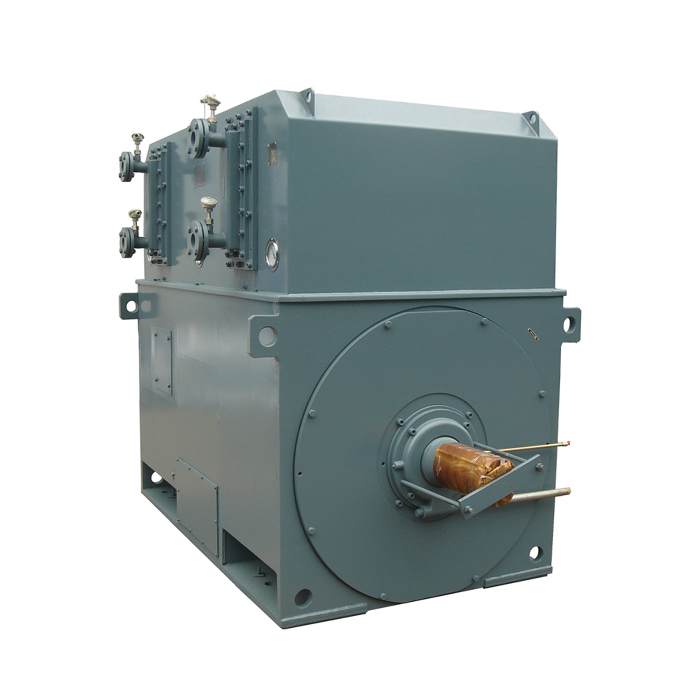
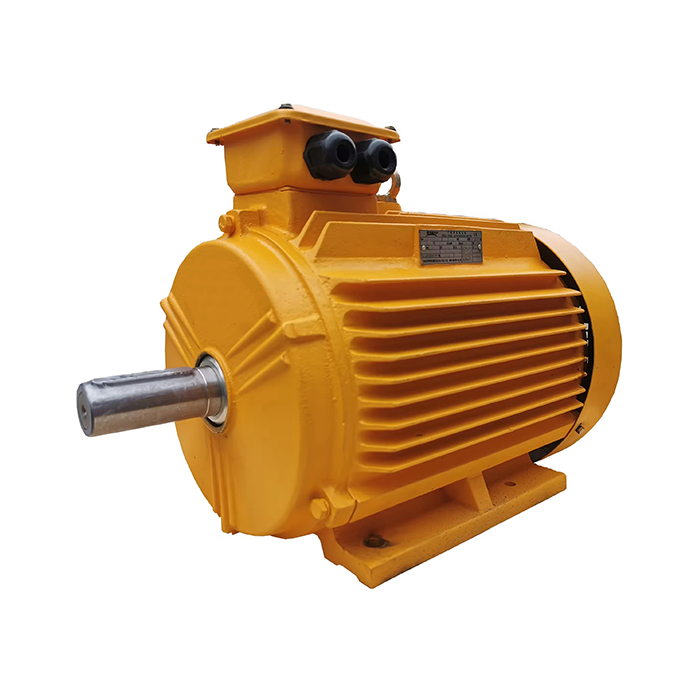
Series:YKS
Protection level:IP54
Voltage range:3000V±5%,3300V±5%,6000V±5%,6600V±5%,10000V±5%,11000V±5%
Power range:220-6300 kW
Application:fans, water pumps, compressors, crushers, cutting machine tools, transportation machinery, etc.
Advantage:low noise, low vibration, long service life, easy installation and maintenance.
Standard: This series of products complies withGB/T 1032 and GB/T 13957 standards.
Others: SKF, NSK, FAG bearings can be replaced according to customer requirements.
Understanding the 4160V Motor: Specifications and Working Principles
4160v motors are a special type of equipment made for industrial settings where power needs are higher than what standard low-voltage can handle. Knowing how they work at their most basic level helps buying managers and support teams make smart choices about how to improve performance.
Core Technical Specifications
A normal 4160v motor can handle voltages up to ±5%, produce power between 220 kW and 6300 kW, and run at speeds between 500 rpm and 3000 rpm. These specs are right for uses that need to deliver a lot of torque, like centrifugal compressors in petrochemical plants, large-capacity water pumps in wastewater treatment plants, and mining conveyor systems. The motors usually have insulation class F and temperature rise characteristics of B. This gives them thermal buffers that keep the windings from breaking down too soon. Protection grades of IP54 or IP55 are good enough to keep out dust and water spray, which is important for outdoor sites or working areas that are damp.
Essential Electromechanical Components
When turned on, the copper windings in the stator create spinning magnetic fields. The rotor assembly then uses these fields to make mechanical force. Bearing systems from companies like SKF, NSK, and FAG support the spinning assembly and have a direct effect on the amount of vibration and the length of time the system works. Using ICW37 methods, cooling systems move air or coolant around to control the heat that is made during operation. Each part of the 4160v motor affects how well it works as a whole, and if one part breaks, it affects the whole system. Targeted optimization efforts are guided by an understanding of these interdependencies.
Common Performance Challenges
When voltages aren't balanced, harmonic distortion from variable frequency drives, or misalignment between the 4160v motor and the equipment it drives can all lead to energy waste. Mechanical wear shows up as worn-out bearings, an unbalanced rotor, or a shaft that bends more, which makes vibrations stronger. Noise levels that are too high can mean that there is electrical arcing, loose parts, or turbulent airflow in cooling systems. To solve these problems, we need to use systematic diagnostic methods instead of reactive maintenance methods.
Identifying and Addressing Performance Bottlenecks in 4160V Motors
Finding the things that are holding back 4160v motor performance is the first step to effective optimization. With today's monitoring and analysis tools, maintenance teams can find specific problems before they get worse and cost a lot to fix.
Diagnostic Evaluation Methods
By tracking frequency spectrums and amplitude trends, vibration research with triaxial accelerometers can find problems with bearings, rotor imbalance, and structure resonances. Infrared thermography shows hot spots that mean the insulation is breaking down, the electrical connections aren't working right, or there isn't enough airflow to cool the area. 4160v motor circuit analysis checks the integrity of the rotor bar, the resistance of the windings, and the inductance of the motor without taking it apart. Partially discharge testing finds insulation loss in stator windings, which lets you know about possible ground faults early on. When you combine these methods, you get a full assessment framework that shows you where your performance is lacking.
Electrical Optimization Strategies
Voltage source quality has a direct effect on how well a 4160v motor works and how much force it produces. Putting in power factor adjustment capacitors lowers the amount of reactive power used, which lowers energy costs and makes the voltage more stable. Harmonic filters reduce the distortion caused by nonlinear loads, which keeps the 4160v motor windings from getting too hot. Controlled acceleration and slowdown are made possible by soft starters or variable frequency drives. This lowers mechanical stress during starting cycles. High-resistance parts that cause heat and power drops can be avoided by checking electrical connections regularly. All of these changes improve the performance of the electrical parts while lowering the stress on the mechanical parts.
Mechanical Enhancement Approaches
When the 4160v motor shaft and the equipment it drives are precisely aligned, there is no radial or angular misalignment, which leads to early bearing failure and energy losses of more than 10%. Dynamic balancing of rotor units lowers the amount of energy that gets sent to mounting structures. This increases the life of the bearings and lowers the noise level. Following the manufacturer's instructions for bearing lubrication plans keeps metals from touching each other and keeps the working temperature from getting too high. Both the 4160v motor and the equipment it drives are protected from shock loads when the right coupling is chosen based on the torque transfer features and the misalignment tolerance. Putting these mechanical improvements into action makes operation smoother and increases the time between maintenance visits.
Environmental Control Measures
Managing the air flow to keep the temperature at a comfortable level stops thermal overload situations that damage insulation systems. Using sealed containers or dehumidification systems to control moisture keeps electrical parts from rusting and tracking breakdowns. Vibration isolation mounts lower the forces that are sent from outside sources, like fans that aren't balanced or reciprocating compressors. Contamination barriers, such as air filters on cooling inlets, keep conductive dust from building up and making paths across insulation surfaces. Taking care of natural factors provides stable working conditions that help 4160v motors work at their best.
Best Practices for Installation, Maintenance, and Troubleshooting
Correct fitting sets the stage for long-lasting performance, and regular care keeps the 4160v motor running at its best for as long as it lasts. Troubleshooting skills help find and fix new problems quickly, before they cause long periods of downtime.
Installation Guidelines
Preparing the site means making sure the foundations are level and strong enough to hold the weight of the building, that water doesn't build up, and that there are clear areas for ventilation and maintenance. To make electrical connections, you need to use crimp or compression joints that are designed for high voltage and have the right torque specifications. Checking the compatibility of the transformer makes sure that the voltage control stays within a ±5% error band even when the load changes. Grounding devices that follow the rules for electrical safety protect people and electronics from short-term overvoltages. By following these installation steps, you can avoid many common operational problems that can be traced back to bad initial setup.
Preventive Maintenance Routines
When to lubricate a bearing depends on the 4160v motor speed, the type of bearing, and the operating environment. For high-speed applications, it's usually every three months, while for slower speeds, it's once a year. Visual checks find problems like loose mounting bolts, broken cable insulation, or things blocking the cooling system that make it work less well. Every three months, infrared scans find hot spots that are starting to form before they cause a component to break. Vibration trends that are checked once a month show that bearings or support systems are slowly breaking down. Every year, testing of winding insulation resistance checks the dielectric strength and levels of moisture contamination. These regular tasks find new problems early on, when they are still easy to fix and don't cost a lot of money.
Component Selection Considerations
Premium bearing names, such as SKF, NSK, and FAG, have better metals and more accurate measurements, which means they last longer than cheaper options. By choosing parts that meet the original equipment specs, you can be sure that they will work with the 4160v motor's design limits and keep the warranty coverage. Aftermarket choices can save you money, but you need to carefully look over quality standards and performance data to make sure they don't fail too soon. The best way to buy parts for maintenance programs is to weigh the costs of buying them up front against how reliable they are over their entire life.
Troubleshooting Common Failures
When there is a problem with a bearing, it will vibrate a lot at frequencies that are linked to how fast the ball moves and how fast the cage turns. Uneven windings show up as phase current imbalances, higher operating temperatures, or signs of a ground fault. Changes in voltage can lead to erratic speed changes, torque pulses, or protective relay trips. Systematic diagnostic procedures that separate electrical from mechanical causes shorten the time it takes to fix things and keep parts from having to be replaced when they don't need to be. Getting maintenance teams better at troubleshooting cuts down on their need to hire outside help and raises the average time it takes to fix problems.
Comparing 4160V Motors: Selecting the Right Brand and Model for Your Needs
Long-term asset value is based on purchasing choices that balance technical requirements, lifecycle costs, and provider support. To compare the available choices, you need to know what makes one performance different from another and what services are available.
Efficiency and Performance Metrics
4160v motors that meet the requirements of GB/T 1032 and GB/T 13957 show proven performance traits by going through standard testing procedures. Energy use is directly related to efficiency scores, and choosing high-efficiency models saves a lot of money on utility costs over their normal 15–20-year work lives. The starting torque characteristics determine whether it is suitable for heavy loads with a lot of inertia, such as crushers or big fans that need a lot of acceleration energy. Specifications for acoustic performance are important for sites that are close to populated places where noise laws apply. By comparing these factors across different models, you can find the ones that meet your needs the best.
Customization and Flexibility
With voltage range choices from 3000V to 11000V and an accuracy of ±5%, different types of distribution systems can use 4160v motors without needing special transformers. Power range coverage from 220 kW to 6300 kW lets different applications in a building use the same standard. With speed ranges from 500 to 3000 rpm, driven equipment needs can be met without the need for extra gearing. Unique fitting problems can be solved with custom mounting setups, shaft extensions, and special paint systems. When suppliers give you a lot of ways to customize their products, you can get solutions that fit your exact business needs without having to make adjustments.
Service and Support Infrastructure
Warranty programs that cover more than one year show that the maker trusts the 4160v motor's dependability and lower the risks of owning it. During service events, the availability of technical support, such as application engineering help, troubleshooting advice, and spare parts logistics, affects the ability to keep operations running. Training programs for maintenance workers improve the company's ability to do basic diagnostics and routine maintenance. Response times for emergency repairs that need specialized knowledge are affected by how close service centers are. When you look at these service dimensions along with the product specs, you get a full picture of the lifecycle value.
Leveraging Technology and Market Insights for Optimized Procurement
4160v motor management is changing from reactive repair to predictive optimization with the help of digital tools and data-driven methods. Knowing how markets work helps you make smart decisions about where to buy things that balance cost, quality, and supply security.
Predictive Maintenance Technologies
Internet-connected sensors that measure electrical, thermal, and vibrational parameters allow for continuous condition assessment without having to collect data by hand. Cloud-based analytics platforms use machine learning algorithms on past performance data to find small patterns of degradation that can tell you about failures weeks before they happen. When parameters go above certain limits, automated warning systems let repair teams know so that they can act quickly. Remote diagnostics let experts look at things without having to go to the spot, which speeds up the problem-solving process. Using these technologies lowers the cost of upkeep and raises the availability of equipment by using condition-based service plans instead of time-based ones.
Supply Chain Considerations
Specialized 4160v motor parts are harder to get because of global component shortages and longer wait times. This makes managing suppliers and supplies more important. By forming relationships with authorized distributors, you can be sure of getting legitimate parts that are backed by maker warranties. When supplies are low, bulk buying deals make sure that prices stay stable and that people get what they need first. Diversifying supplier networks lowers the risks that come with relying on a single source. Keeping an eye on how the prices of raw materials, like copper and electrical steel, change on the market helps decide when to do big purchases.
Conclusion
To get the best performance out of 4160v motors, you need a complete plan that includes quality installation, preventative maintenance, diagnostic tracking, and choosing the right parts. The methods explained in this guide help purchasing managers and engineering teams make equipment more reliable, lower energy costs, and make it last longer in a wide range of industrial settings. Using predictive technologies, putting in place systematic evaluation methods, and working with experienced suppliers can give you long-term competitive advantages by making your assets work better. For success, you need to be dedicated to improving all the time instead of just fixing problems when they come up. You also need strong technical knowledge and reliable supply relationships to back this up.
FAQ
1. What factors should guide selection for specific industrial applications?
The best 4160v motor specifications are based on the needs of the application, such as the load characteristics, duty cycle, environmental conditions, and the ability to work with existing systems. Loads with constant torque, like positive displacement pumps, need different features than loads with variable torque, like centrifugal fans. When duty cycles include a lot of starts, the mechanical and thermal designs need to be strong. When there are corrosive or explosive atmospheres, you need higher safety levels and special materials. Talking to application engineers before choosing models makes sure they meet operational needs.
2. How often should maintenance activities occur to sustain peak performance?
How often maintenance is done depends on how the machine is used, but for most situations, 4160v motor bearings should be oiled and inspected visually every three months. Full vibration analysis, infrared thermography, and insulation resistance testing should all be done once a year. Critical parameters may need to be checked every month for high-reliability uses or harsh settings. Condition-based approaches that use constant tracking find the best times for repair based on the current state of the equipment instead of set plans. This cuts down on unnecessary actions and stops failures that come up out of the blue.
3. What energy savings result from upgrading to modern motor technologies?
Upgrading from standard efficiency to premium efficiency models usually cuts energy use by 3–5%, which saves a lot of money over many decades of service. By matching the 4160v motor speed to the load needs, variable frequency drive retrofits can save an extra 20 to 50 percent in changing torque situations. Power factor adjustment and harmonic reduction improvements raise the capacity of the electrical system and lower the costs of using it. Comprehensive system optimization that uses a number of different methods to get the best results improves financial returns while also improving business performance and lowering environmental effect.
Partner with XCMOTOR for Superior High-Voltage Motor Solutions
At XCMOTOR, we're experts at providing high-performance motors that are designed to work in tough industrial settings. Our wide range of products includes types with voltages from 3000V to 11000V and power outputs from 220 kW to 6300 kW. All of them are made according to the standards set by GB/T 1032 and GB/T 13957. Each unit has IP54 protection, insulation class F with B temperature rise, and high-precision parts like SKF, NSK, or FAG bearings that can be changed to fit your needs. As a reliable 4160v motor maker, we offer low prices, expert technical support, and fast shipping to make your buying experience the best it can be. Feel free to email our team at xcmotors@163.com to talk about your specific application needs and get a quote that fits your needs.
References
1. Chapman, S.J. (2018). Electric Machinery Fundamentals. McGraw-Hill Education, Sixth Edition.
2. Toliyat, H.A. and Kliman, G.B. (2017). Handbook of Electric Motors. CRC Press, Second Edition.
3. IEEE Standards Association (2020). IEEE Standard 112: Test Procedure for Polyphase Induction Motors and Generators.
4. Bonnett, A.H. and Soukup, G.C. (2019). Analysis of Vibration and Current Signatures for Rotor Bar Defect Detection in Induction Motors. IEEE Transactions on Industry Applications, Volume 45, Issue 3.
5. Thorsen, O.V. and Dalva, M. (2018). A Survey of Faults on Induction Motors in Offshore Oil Industry Applications. IEEE Transactions on Industry Applications, Volume 31, Issue 5.
6. Stone, G.C., Culbert, I., Boulter, E.A., and Dhirani, H. (2021). Electrical Insulation for Rotating Machines: Design, Evaluation, Aging, Testing, and Repair. Wiley-IEEE Press, Third Edition.