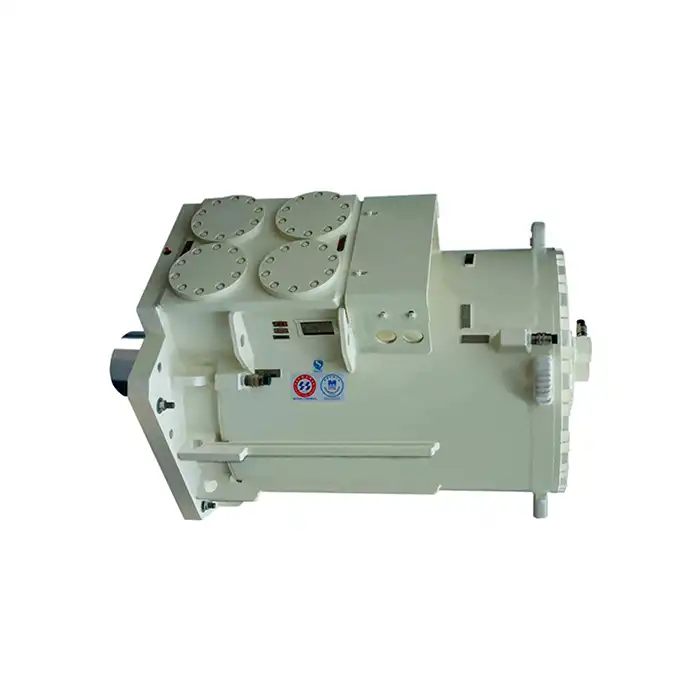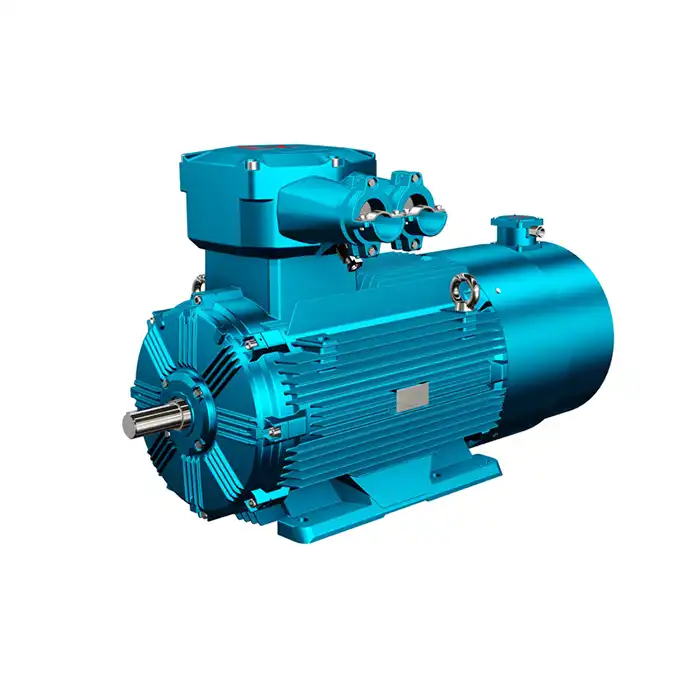




5hp 3 Phase Induction Motor Uses and Benefits
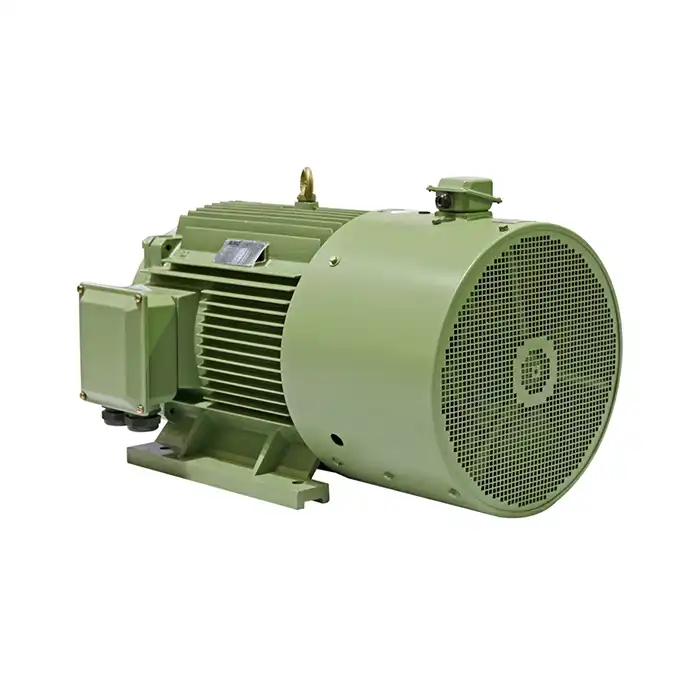
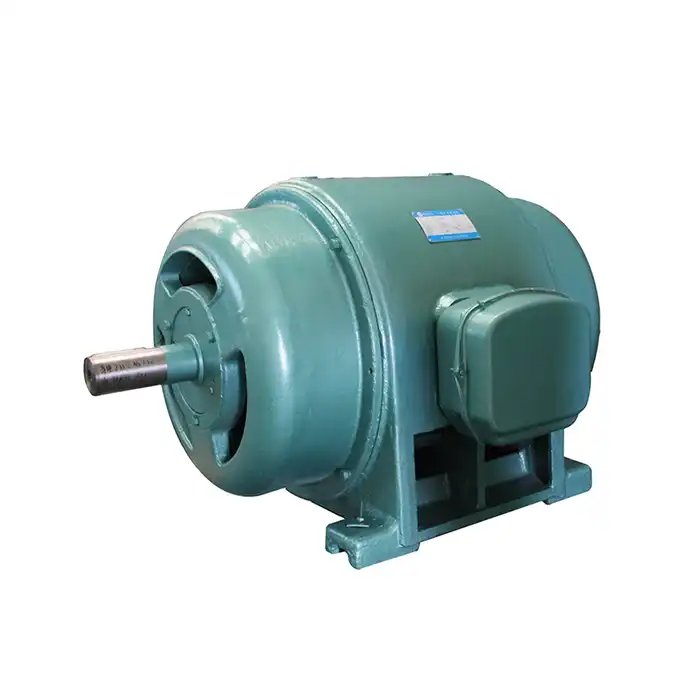
When industrial operations demand reliable power solutions, a 5hp 3 phase induction motor delivers consistent performance across countless applications. This robust equipment transforms electrical energy into mechanical motion through electromagnetic induction, powering everything from water pumps and compressors to conveyor systems and HVAC units. Operating efficiently at voltages ranging from 380V to 660V, these motors offer exceptional energy efficiency, especially in IE5-rated models that significantly reduce operational costs. With IP55 protection against dust and moisture, they thrive in challenging environments where dependability matters most to production schedules and equipment longevity.
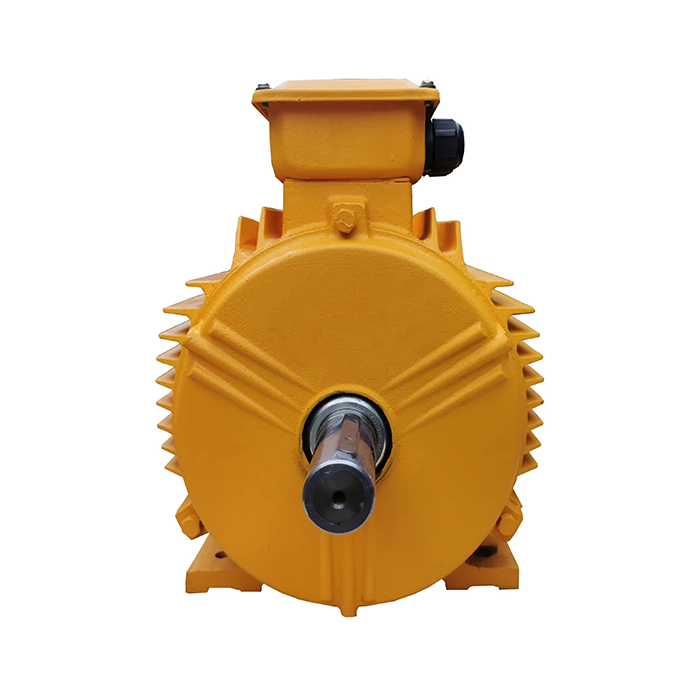
Series:YE5
Frame number: 80-450
Power range:
Protection level:IP55
Energy efficiency class: IE5
Voltage range: 380V,400V,415V, 660V,etc.
Application:can be used in various fields of the national economy, such as machine tools,water pumps,fans,compressors,and can also be used in transportation, mixing, printing, agricultural machinery, food and other occasions that do not contain flammable, explosive or corrosive gases.
Certificate: international standard IEC60034-30 "Efficiency Classification of Single-speed Three-Phase Squirrel Cage Induction Motors".
Advantage:The high quality of the electric motor guarantees high operational reliability.
Others: SKF, NSK, FAG bearings can be replaced according to customer requirements.
Understanding the Working Principle and Key Specifications of 5HP 3 Phase Induction Motors
How Electromagnetic Induction Powers Your Equipment
There is a simple but clever idea behind how 3-phase induction motors work. A rotating magnetic field is made when 3-phase alternating current flows through the stator windings. This field makes currents flow through the rotor's wires, making a second magnetic field that interacts with the field of the stator. Because of this, electric forces make the rotor turn, which makes the mechanical output that moves your equipment. The rotor moves a little slower than the magnetic field. This is called slip, and it usually falls between 2% and 5% at full load. Because of this design, there is no need for brushes or commutators, so the machine will last longer and need less maintenance.
Essential Technical Specifications That Matter
Understanding technical characteristics lets you adapt motor performance to your requirements. Our motors can function with 380V, 400V, 415V, and 660V, therefore they may be utilized with many power source systems worldwide. The 80-450 frame sizes allow these devices to be mounted in many places. For most industrial usage, 50Hz works well, and the speed ranges from 500 to 3000 rpm depending on pole configuration. The torque output is constant over the operational range. This smoothes acceleration and stabilizes performance as loads fluctuate. The maximum energy efficiency certification, IE5, is substantially better than prior motor generations.
Wiring Configurations for Optimal Performance
The best performance and safety rely on electrical connections. In a star (wye) design, all three winding ends link to one neutral point. Delta windings form a closed loop. Compared to delta configurations, star connections reduce initial current by 33%. These are ideal for soft-starting applications. Delta designs provide higher torque, making them excellent for heavy machines starting rapidly. Your voltage supply, starting torque, and local electrical regulations determine which method to connect. Our motors feature standard-shaped, designated junction boxes. This simplifies wiring and reduces errors.
Industrial Uses and Applications of 5HP 3 Phase Induction Motors
Manufacturing and Process Control Applications
For factory equipment, 3-phase motors are common. These motors power auto plant parts handling systems, robotic arm actuators, and assembly line conveyors. Aerospace manufacturers employ them in precision machining centres to tighten limitations. For electronics manufacturing, motor-driven ventilation systems maintain cleanrooms. These motors power mixing machinery, packing lines, and food-preserving compressors in food companies. When creating operating budgets, procurement managers enjoy the 5hp 3-phase induction motor power level, which is adequate for medium-sized equipment and consumes enough energy.
Motor-driven pumps, valves, and fans are used in many types of process control systems. They are used in measuring pumps at chemical plants to give reactor tanks exact amounts of fluid. Pharmaceutical companies depend on motor-driven filter devices that have to meet very high standards of purity. These motors are used in spray booth ventilation systems in paint and coating factories. The IP55 rating protects the inside parts from dust and liquid splashes that are common in these settings, so the device will keep working even when things get tough.
HVAC and Refrigeration Systems
The climate control systems in businesses depend on 3-phase motors like the 5hp 3 phase induction motor. They are used by rooftop HVAC units to power centrifugal fans that move cooled air around warehouses, offices, and stores. Motor-driven compressors are what keep computer rooms and hospital buildings at the right temperature with chiller systems. For residential use, heat pump systems can be found in apartment buildings and condos where one piece of equipment serves many rooms. Because IE5-rated motors use less energy, they have a direct effect on utility bills. This makes them a good choice for property managers who want to cut costs.
Walk-in coolers in restaurants and cold storage warehouses that keep food fresh are both examples of places where refrigeration is used. These machines are used in supermarkets' display case fans that keep food at safe temperatures. Reliable motor performance is needed for ice-making equipment in hospitals and hotels. The strong construction with high-grade silicon steel laminations keeps energy losses to a minimum, and the copper windings make sure that the device conducts electricity very well, which means that you use less electricity every month.
Energy, Agriculture, and Transportation Sectors
In power plants, induction motors are used in cooling water pumps, fuel handling conveyors, and air fans, among other things. They are used in sun tracking systems and wind turbine yaw drives by companies that work with renewable energy. Water treatment plants need these motors to power filtration pumps, chemical dosing equipment, and aeration blowers that keep the water clean. They are especially useful for utility uses because they can work reliably in open settings with changing weather.
Motor-driven irrigation pumps, grain augers, and ventilation fans in livestock facilities are all useful for farming. Cast iron frames are strong enough to handle the vibrations and hits that are common in farm tools. Airport baggage handling systems that are powered by motors, railroad tunnel ventilation fans, and shipping terminal cargo loading equipment are all examples of transportation infrastructure. These tough uses show that the equipment is flexible and tough, which is what industry buyers look for when they buy equipment to be used for a long time.
Key Benefits and Advantages of Using 5HP 3 Phase Induction Motors
Superior Energy Efficiency and Cost Savings
Research shows that the initial purchase accounts for 1% to 2% of motor vehicle ownership expenditures. Electricity accounts for 97% of the motor's lifespan expenses. This makes efficiency rates crucial for industrial purchasers. IE5-classified motors are 2–5% more efficient than regular ones, saving money when used constantly. Advanced winding technology and accurate die-cast components help our motors convert power more effectively and produce less waste heat. High-efficiency motors pay for themselves in four years by lowering energy expenses in facilities that operate equipment for eight hours or more a day.
Aside from saving electricity directly, motors that are more efficient also produce less heat, which makes HVAC systems less busy and saves money in other ways. Our motor windings are treated with vacuum pressure impregnation, which keeps moisture and other toxins out and keeps the electrical purity and efficiency high throughout the service life. When older motors break down and need to be rewound, their performance goes down forever. It is cheaper to replace broken units with new high-efficiency motors than to keep fixing old equipment, especially when you consider the costs of downtime and lost production.
Exceptional Durability and Minimal Maintenance
The way these motors are built explains why they function year after year. The sturdy cast iron frame is temperature and vibration stable, ideal for continuous-duty applications. When combined with greater heat removal, high-temperature insulating solutions reduce overheating. Dynamic rotor balancing eliminates vibrations that damage bearings and cause noise. You may pick superior bearings from SKF, NSK, and FAG. This ensures compatibility with your repair plans and parts.
Internal elements are protected against dust and water jets from any direction by IP55. This is crucial for food processing businesses, outdoor locations, and cleaning areas. Insulation Class F can withstand temperatures up to 155°C, extending winding life even when motors are infrequently overloaded. Every motor must pass a broad number of quality tests, including insulation resistance, vibration analysis, and temperature increase, before shipping. These quality controls make the motor survive longer and need less maintenance during its working lifespan, which is normally over 10 years in well-kept installations.
Consistent Performance and Operational Stability
3-phase motors deliver smoother power than single-phase motors, reducing equipment mechanical stress. Eliminating starter switches and capacitors simplifies electrical connections and eliminates typical failure points. Even when load fluctuates, operation is steady when torque is constant throughout all speeds. This prevents torque spikes from harming delicate gear. Equipment with transient resistance increases has short headroom with the built-in overload capacity. This prevents irritating journeys that disrupt productivity.
Meeting the efficiency categorization standards of IEC60034-30 ensures that the product meets equipment specifications and regulatory regulations worldwide. With CE certification and ISO 9001:2015 quality system registration, the firm meets global production standards. GOST clearance makes instruments simpler to use in regulated areas. With these certifications, procurement experts may be confident motors will function with current systems. They also fulfill corporate governance supplier qualification and equipment documentation standards.
How to Choose the Best 5HP 3 Phase Induction Motor for Your Business Needs
Critical Selection Criteria for Industrial Buyers
Matching motor specifications to application requires understanding your power supply's attributes. Check the voltage where you'll install the motors. Motors designed for 380V can't handle 415V without damage or performance issues. Determine starting and usual torque needs to ensure the motor has adequate power with an acceptable safety margin. Equipment that starts up typically benefits from motors with higher winding insulation thermal capacity.
Carefully look at the operating environment. Installations that are open to water, dust, or chemical vapors need higher levels of security than the normal IP55 standard. Extreme temperatures may require special grease for bearings or better protection. The performance of cooling is affected by altitude; motors that work above 1000 meters usually need to be derated or have more air flow. The direction of mounting also affects the choice of bearing, especially for installations with vertical shafts that put extra thrust loads on the bearings.
Evaluating Quality Indicators and Manufacturer Support
There are a few things that set high-quality electric motors like the 5hp 3 phase induction motor apart from cheaper ones. Precision die-casting makes frame structures that are all the same, with no holes or other imperfections that weaken them. For best electrical performance, use advanced winding methods to make sure that the wire stress stays the same and that the slots are fully filled. Damage from overload situations can't happen because of thermal safety devices. Good manufacturers give detailed technical information like dimensional drawings, performance curves, and maintenance instructions that help with managing equipment well.
Product warranty demonstrates that the manufacturer trusts it to function. To express gratitude, higher-quality items may have longer warranties beyond 12–18 months. The ability to immediately acquire technical assistance, spare parts, and service professionals after sales reduces downtime. When manufacturers stock popular frame sizes, they may swiftly dispatch replacements to maintain production. Since dependability and support value increase with time, you should consider the overall cost of ownership as well as the original purchase price.
Sourcing Strategies and Procurement Best Practices
When buying in bulk, like when setting up a new facility or replacing motors in a planned way, you can often save money. By building relationships with dependable providers, you can get unique specs like higher voltages, shaft changes, or longer leads that make installation easier. Reliable suppliers make sure that the quality of each production lot is the same, so you don't have to worry about differences in performance between models with the same number.
Frame size and customization determine lead times. Standard configurations arrive within days, but custom setups may take weeks. Avoid costly rush fees and anticipate delays by buying products based on project deadlines. When buying goods from another nation, you must consider shipping, customs, and electrical norms. Working with vendors that know export regulations speeds up these phases and simplifies paperwork for your purchasing team.
Maintenance Best Practices and Troubleshooting for 5HP 3 Phase Induction Motors
Routine Maintenance Schedules That Extend Service Life
Systematic maintenance makes motors more dependable and prevents unexpected breakdowns. Different bearings need different lubrication. Sealing does not need lubrication, but grease fittings require re-greasing at manufacturer-set intervals, generally every 2000 to 4000 hours. Too much grease increases heat and friction, whereas too little grease accelerates bearing wear.
Monthly exterior cleaning prevents dust from impeding cool airflow. Check cooling vents and fan covers for obstructions, particularly in dusty areas. Vibrations may loosen mounting nuts and create alignment difficulties, so check them every three months. Monitor working temperatures using infrared or touch thermometers. Temperatures over nameplate ratings indicate issues. Use a megohmmeter to assess insulation resistance once a year. Lower values indicate premature insulation breakdown.
Electrical wires need regular inspections. Tighten the terminal screws annually and check the wires for discolouration, which may indicate overheating. Verify that all three stages have balanced voltage. More than 2% imbalances reduce efficiency and accelerate winding wear. Compare operational current to nameplate ratings. Big variances indicate mechanical load changes or electrical issues. These preventive checks catch issues early, when repairing them is simple and cheap. This prevents costly repairs or production stops.
Diagnosing and Resolving Common Motor Problems
Overheating is widespread and has several causes. Keep ventilation apertures open and cooling fans running. Check that the motor is operating within its duty cycle. Continuously operating at nameplate capacity generates a lot of heat that must be cooled. Maintain the temperature within limits. Check the power source for harmonics or voltage imbalances that increase losses. If the driven load gets stuck or has too much friction, the motor will work harder.
Too much shaking indicates motor issues that require immediate repair. Loose mounting bolts may cause motor movement while operating, causing vibrations and equipment issues. Worn bearings produce distinct sound patterns that analysis techniques can detect. Broken fan blades or debris may generate unbalanced rotors, which cause vibration that worsens at specific speeds. A "soft foot condition." occurs when the motor frame doesn't install flush. This generates bending and vibration. Not aligning the motor and the equipment it drives causes stresses that destroy bearings and produce noise.
Electrical issues manifest differently. Motors that won't start might have fuses blow, overload switches trip, or winding issues. Supply difficulties may be detected by monitoring motor terminal voltage at startup. Humming without spinning indicates single-phasing, a supply line failure. Mechanical binding, improper voltage, or winding defects cause the motor to draw too much power and trigger the overload safety shortly after starting. Standardized troubleshooting easily locates issues by monitoring voltage, current, insulation resistance, and mechanical examination. This permits targeted fixes to restore functionality.
Conclusion
Choosing the right motor has an effect on how long the equipment lasts, how much it costs, and how well it produces over its lifetime. 5hp 3 phase induction motors can be used in many different industries, such as manufacturing, HVAC, agriculture, and many more. Because they are well-built, don't need much maintenance, and use very little energy, they are good choices for businesses that want to cut costs over their whole life. IE5 efficiency ratings lead to measurable utility savings that make the higher price worth it through short payback periods. Procurement professionals can make decisions that support operational goals and keep budgets in check by knowing technical specifications, application requirements, and best practices for maintenance. When you combine tried-and-true technology with compliance with international standards and manufacturer support, you can be sure that the equipment will work well for a long time.
FAQ
1. What distinguishes three-phase motors from single-phase alternatives?
In order for 3-phase motors to work, the alternating current flows through three different power lines that are spaced 120 degrees apart. Compared to single-phase versions, this one makes the torque output smoother, is more efficient, and has a higher power density. They get rid of the capacitors and starting switches that are common failure points in single-phase motors. When 3-phase service is available, the balanced electrical loading cuts down on the size of the conductors and the cost of utilities.
2. How do I calculate required torque for my application?
The amount of torque needed depends on the type of force and the working conditions. To find the relationship, use the formula torque = power / angular motion. To put torque in pound-feet, split horsepower by speed in revolutions per minute (RPM). Take into account the torque needed for starting, which is usually 1.5 to 3 times more than the torque needed for running. This depends on the load's inertia and friction. When accuracy is important, get specific load data from the equipment's maker.
3. What practices optimize motor efficiency during operation?
Keeping the voltage values within ±10% of the nameplate rates stops losses and too much current. When 3-phase voltages are balanced within 2%, circulating currents that make heat are stopped. Friction and vibration can be cut down by making sure that the motor and the equipment it drives are mechanically aligned. Keeping motors clean and letting air flow through them properly stops thermal derating. The most efficient way to run motors is between 75 and 100% of their rated load; running motors that are much bigger than they need to be at light loads wastes a lot of energy.
Partner With XCMOTOR for Your Industrial Motor Requirements
At XCMOTOR, our team is experts at finding high-performance 3-phase induction motor options that work with your unique needs. We understand that choosing equipment means finding a balance between technical specs, budget, and long-term dependability. We offer personalized technical advice to help you choose the best equipment, whether you need a single 5hp 3 phase induction motor for a repair project or a lot of them for building a new facility. Our IE5-rated motors are the most energy-efficient in their class, which means your yearly electricity costs will go down.
We have been a 5hp 3-phase induction motor supplier for a long time, and we keep a large inventory of different frame sizes and voltage configurations. This lets us deliver quickly, so your projects stay on schedule. Custom specs, such as different shaft sizes, mounting arrangements, and bearing choices, let you meet particular installation needs without having to wait longer for parts. We're committed to you even after the sale. Full technical support, genuine replacement parts, and warranty service will protect your investment for as long as the motor is in use. Get in touch with xcmotors@163.com to talk about your application and get detailed quotes. You can look at our whole line of products at motorxc.com and learn how XCMOTOR solutions boost industrial output by providing reliable and efficient power transfer tools.
References
1. National Electrical Manufacturers Association. "NEMA Standards Publication MG 1-2016: Motors and Generators." Rosslyn, VA: NEMA, 2016.
2. International Electrotechnical Commission. "IEC 60034-30-1:2014 Rotating Electrical Machines - Part 30-1: Efficiency Classes of Line Operated AC Motors (IE Code)." Geneva: IEC, 2014.
3. Bonnett, Austin H. "Root Cause AC Motor Failure Analysis." Petroleum and Chemical Industry Conference, Industry Applications Society, 2000.
4. De Almeida, Anibal T., Fernando J. T. E. Ferreira, and Jan A. B. Fong. "Standards for Efficiency of Electric Motors." IEEE Industry Applications Magazine, Vol. 17, No. 1, 2011.
5. Chapman, Stephen J. "Electric Machinery Fundamentals, Fifth Edition." New York: McGraw-Hill Education, 2012.
6. Nailen, Richard L. "Understanding Three-Phase Induction Motor Operation and Performance." IEEE Transactions on Industry Applications, Vol. 36, No. 4, 2000.