



3.3kV Motor Selection Guide: Power Range and Cable Savings
If you are sourcing a medium-voltage motor for heavy industrial equipment, the 3.3kV motor is one of the most practical options available in the 160–1600 kW power range. Operating at 3,300 volts reduces line current significantly compared to low-voltage alternatives, which directly translates to smaller cable cross-sections, lower material costs, and reduced heat loss across long cable runs. This guide covers how to select the right 3.3kV motor for your application, what specifications matter most, and how to avoid common sourcing mistakes that delay projects.
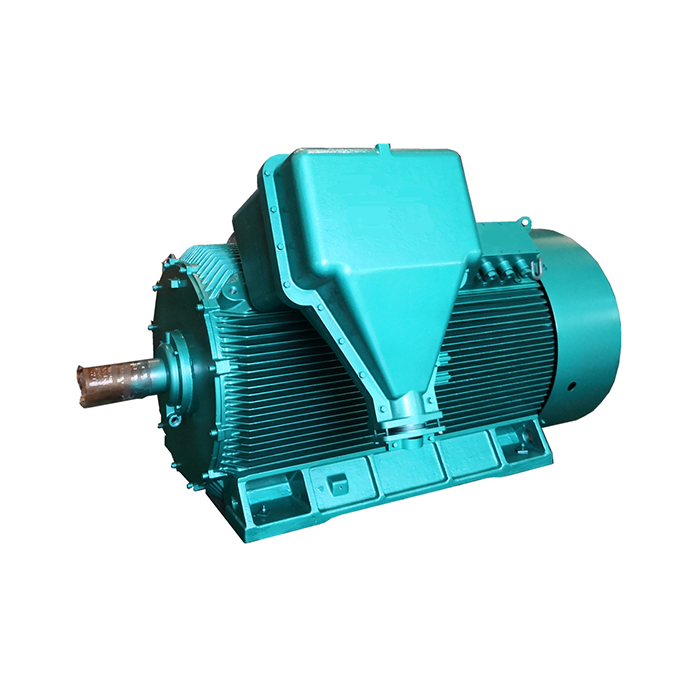
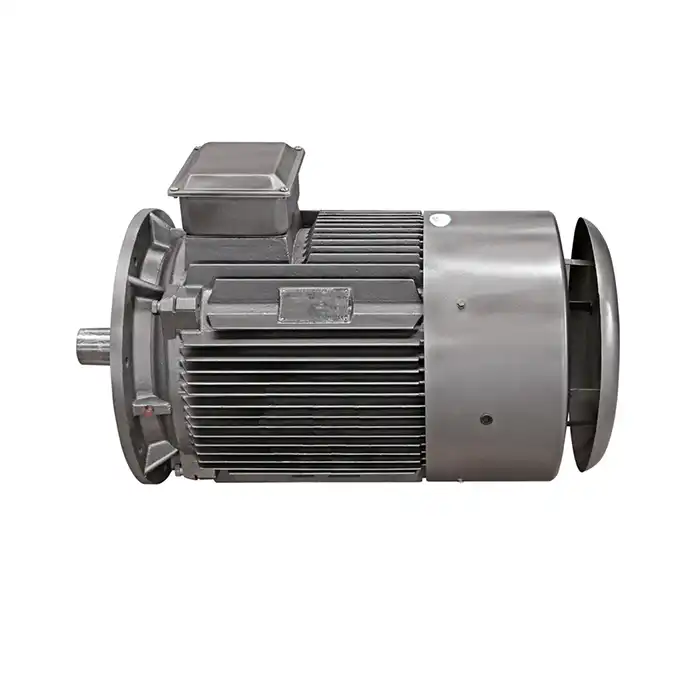
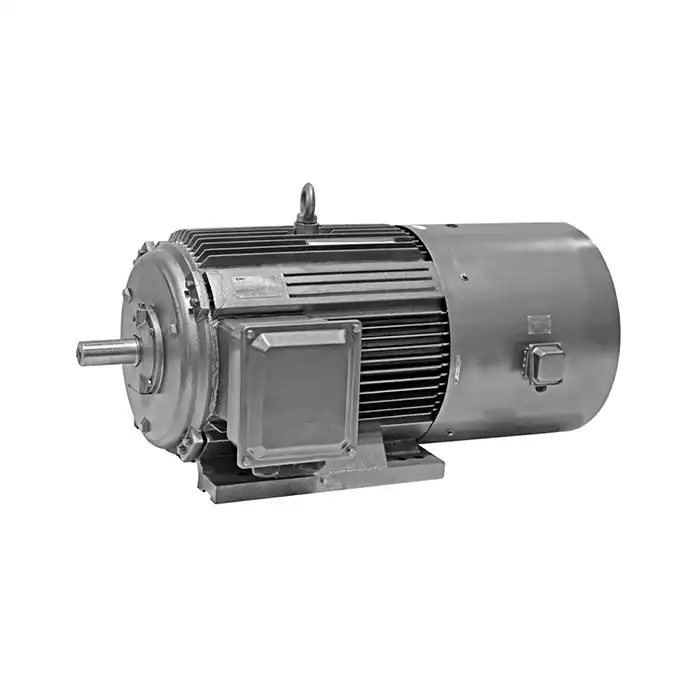
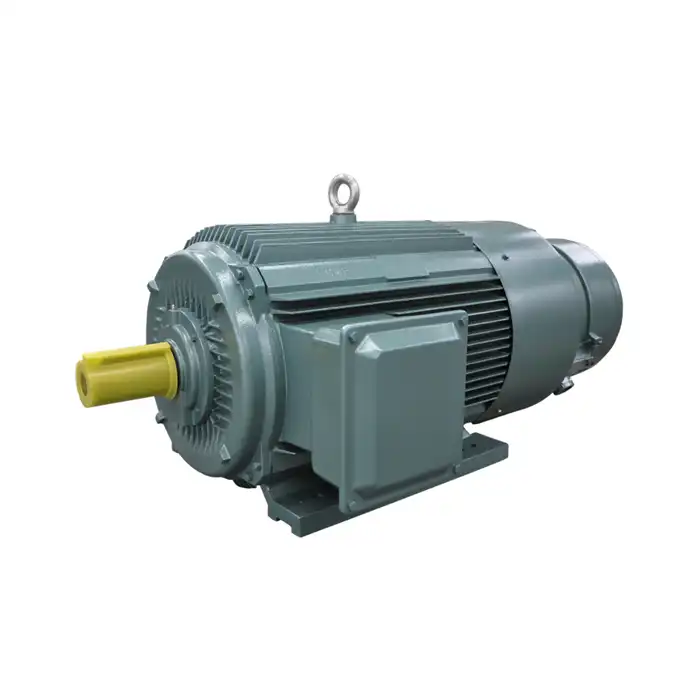
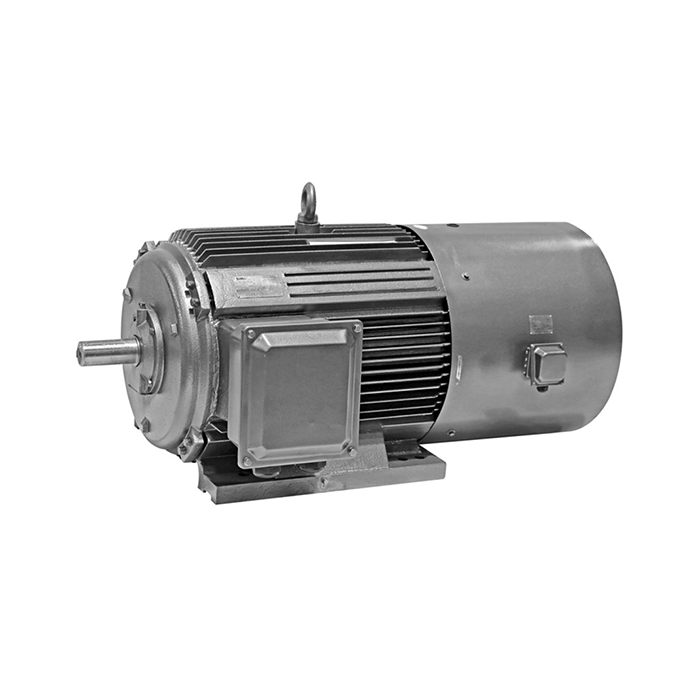
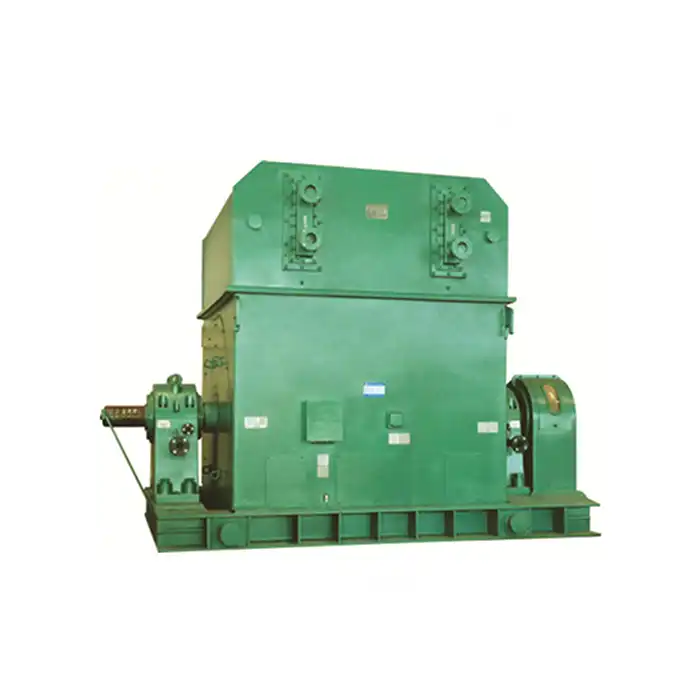
Series:Y2
Protection level:IP54
Voltage range:3000V±5%,3300V±5%,6000V±5%,6600V±5%,10000V±5%,11000V±5%
Power range:160-1600 kW
Application:fans, water pumps, compressors, crushers, cutting machine tools, transportation machinery, etc.
Advantage:compact structure, light weight, low noise, small vibration, long service life, easy installation and maintenance.
Standard: This series of products complies withJB/T10444-2004 standards.
Others: SKF, NSK, FAG bearings can be replaced according to customer requirements.
Understanding 3.3kV Motors: Basics and Key Specifications
To choose the right medium-voltage motor, engineers need to know what makes this type of equipment unique and why they choose it over lower-voltage choices.
What Is a 3.3kV Motor?
A 3.3kv motor is an induction motor that works with a supply voltage of 3,300 volts (±5%). In terms of IEC classification, medium voltage is between 1 kV and 35 kV. The 3.3 kV rating is an old one; these days, it is put in the same range as the 3 kV–6.6 kV ratings, along with the 6 kV and 6.6 kV ratings. These motors are often used in heavy industry, mining, making electricity, and treating water.
Asynchronous vs. Synchronous Variants
The majority of 3kv motors used in industrial settings are asynchronous (induction) types, either squirrel-cage (Y series) or wound-rotor (YR/YRKK series). When you add external resistance to a wound-rotor motor, the starting current is limited and the starting torque is increased. This is necessary for machines like crushers and ball mills that have high inertia loads. In this voltage class, synchronous motors are not very common, but they can be found in compressor drives where power factor correction is important.
Key Specifications to Check
To check if a 3.3kv motor is compatible and works well, you need to know its maximum power (kW), pole count (4, 6, or 8 poles), insulation class (usually F or H), protection grade (IP54 or IP55 for dusty settings), and locked-rotor torque multiplier. When used for heavy-duty tasks, mining OEM standards usually call for a stall torque ratio of ≥2.5× rated torque and a starting current ratio of ≤6.5× rated current.
Power Range and Cable Savings: Optimizing Your Choice
The reduction in cable size and installation cost are two of the most obvious financial advantages of choosing a 3.3kv motor over a 415V motor with the same power output.
Why Higher Voltage Means Smaller Cables
When the power flow stays the same, higher voltage means less current. When the load is at 415V, it draws about 830 A per phase. When the load is at 3,300V, it draws about 105 A per phase. This difference greatly lowers the cross-sectional area of the cable that needs to be used. In long-term installations (50 meters or more), this can save 40–60% on cable materials and lower the voltage drop across the circuit.
Real-World Cost Impact
For a mining OEM that makes 30 to 200 units a year, each with a motor rating of 200 kW to 2,500 kW, the cable savings over the course of a full production run are big. Standardizing on a 3.3kV or 6kV bus voltage across all of the equipment makes it easier for end users to build the substation and cuts down on the number of transformer tap setups that need to be made.
Standards and Compliance
The 3.3kv motor model that Shaanxi Qihe Xicheng (XCMOTOR) sells meets the requirements of JB/T10444-2004, which is the Chinese national standard for high-voltage three-phase induction motors. Depending on the model and manufacturer, the following certifications may be available: CCC, CE, ISO9001, and CQC. These papers help engineers send their work to design centers and help owners check that the work is complete.
Comparing 3.3kV Motors: Features, Efficiency, and Suitability
Not every 3.3kv motor is appropriate for every use. Figuring out where differences in design are important helps narrow down the choices quickly.
Squirrel-Cage vs. Wound-Rotor for Heavy Loads
For fans, pumps, and compressors that need to start up slowly, squirrel-cage motors (Y series) are usually the best choice. When load inertia is high and direct-on-line starting would draw too much current, wound-rotor motors (YR/YRKK series) are the best choice for crushers, ball mills, and roller presses. In wound-rotor designs, the external rotor resistance controls the rate of acceleration and keeps the drive train safe during startup.
Voltage Compatibility: 3.3kV vs. 6kV vs. 6.6kV
Sites that use a 6kV or 6.6kV bus voltage can't take a motor wound for 3.3kV without first using a transformer. As part of the same product line, XCMOTOR's sourcing network covers all six standard voltage levels: 3000V, 3300V, 6000V, 6600V, 10000V, and 11000V (±5%). This is important for OEM design teams that are making standard selection libraries for a wide range of voltages at different customer sites.
Bearing Specification and Serviceability
One of the main reasons why motors stop working in settings with constant operation is that their bearings wear out. The 3.3kv motor series lets you choose the brand of bearing (SKF, NSK, or FAG) when you place your order. This makes sure that the motor's service schedule matches up with the plant's current bearing stock, so maintenance crews don't have to go find new parts during a shutdown.
Procurement Considerations for 3.3kV Motors
Finding medium-voltage motors for OEM production is not the same as buying industrial motors in general. During the choosing and contracting process, you should think about the following things.
Before making an order, the technical and buying teams should make sure of the following key procurement factors:
- Voltage and frequency confirmation: Specify the exact bus voltage at the installation site. The ±5% tolerance window on each voltage level provides some flexibility, but motors wound for 3.3kV will not operate correctly on a 6kV bus without rewinding.
- Pole count and mechanical interface: Confirm shaft height, coupling type, and foot configuration against the driven equipment drawing before finalizing the frame size.
- Certification documentation: Request the full certification package at the quotation stage — particularly CCC, CE, and ISO9001 — to avoid delays during owner acceptance.
- Bearing brand specification: State the preferred bearing brand (SKF, NSK, or FAG) in the purchase order to avoid substitution during production.
- Lead time coordination: XCMOTOR manages production scheduling through an SAP factory system, providing milestone tracking from order placement to shipment. Confirm your project timeline against available production slots.
These things have a direct effect on whether or not a motor gets the acceptance check and the assembly line stays on schedule. Rework and reorder risk are lower when they are dealt with during the RFQ stage.
XCMOTOR has direct ties with more than 30 verified makers, covering the full range of 3.3kv motor power from 160 kW to 1,600 kW. For technical questions and to find out about the state of your order, after-sales help is open seven days a week, even on weekends.
Maintenance and Troubleshooting for Reliable 3.3kV Motor Operation
A 3.3kv motor with a service plan that is properly specified will last longer than one that only gets reactive maintenance. These steps will keep medium-voltage motors going at the right level.
Routine Inspection Schedule
Check the temperature and amount of shaking of the bearings on a regular basis—at least once a month for motors that are always running. If you get vibration readings above 4.5 mm/s (IEC 60034-14 Class A), it means that a bearing is wearing out or the rotor isn't balanced. You should shut down the machine and check it for problems before they happen.
Insulation Condition Monitoring
Thermal cycle, moisture entry, and partial discharge can all damage the insulation on the stator windings of medium-voltage motors. A polarization index (PI) test, which is the ratio of 10-minute to 1-minute insulation resistance readings, can be used to get a general idea of how things are. PI numbers below 2.0 mean that the winding is breaking down, which means that it needs to be closely watched or rewound.
Common Faults and Root Causes
Three problems are mostly to blame for unexpected 3.3kv motor outages: bearing failure due to poor lubrication or misalignment, winding failure due to moisture or high temperature, and shaft seal wear in dusty or wet places. In wound-rotor designs, the YR/YRKK series brush and slip ring wear needs to be checked on a regular basis. At each planned maintenance interval, the brush contact pressure and surface condition should be checked.
Conclusion
Industrial equipment makers and plant operators can use the 3.3kv motor because it has a high power density, uses less cable, and can be used in a variety of ways. The 160–1600 kW power range covers most heavy-duty drive uses, and the six voltage levels make it work with infrastructure on sites in a number of different countries. Some types, like wound-rotor ones, can handle the high starting power needs of crushers, ball mills, and roller presses. Other types, like squirrel-cage ones, work well with fans, pumps, and compressors. When buying something, paying close attention to the specifics like the number of poles, the type of insulation, the brand of bearings, and the certification package can help avoid acceptance failures and schedule delays.
FAQ
1.What does 3.3kV mean on a motor nameplate?
It shows that the motor's recommended supply voltage is 3,300 volts. This is a medium-voltage class. Higher voltage lowers line current for the same power flow. This lets cables be smaller and distribution losses lower over long runs.
2.Is 3.3kV considered high voltage?
Not at all. 3.3kV is considered medium power by most industry and IEC norms. Most of the time, high voltage starts at 11kV or higher. Heavy industrial drives and infrastructure use the 3kV–6.6kV range all the time.
3.What power ratings are available?
This series goes from 160 kW to 1,600 kW and is good for medium to large industrial equipment like fans, compressors, and crushers.
4.Can I specify the bearing brand?
You can get bearings from SKF, NSK, and FAG. When you send in your question, be sure to include your choice so that it can be approved during the order review.
5.What voltage levels does XCMOTOR supply?
The normal levels are 3000V, 3300V, 6000V, 6600V, 10000V, and 11000V (±5%). Depending on the maker and the number of items ordered, non-standard combinations may be possible.
6.What certifications are available?
You can get certificates like CCC, CE, ISO9001, CQC, and CRCC. Different manufacturers and models have different documentation. Get in touch with the team to make sure they are available for your audience.
Get a 3.3kV Motor Quote from XCMOTOR
With six voltage choices, XCMOTOR offers 3.3kv motor units from a network of over 30 verified makers that cover the entire 160–1600 kW range. Our team can help you find the right motor for your project, whether you need a wound-rotor motor for a crusher drive or a squirrel-cage unit for a pump system. To get a full quote, go to motorxc.com or email xcmotors@163.com with your technical question. As a reliable 3.3kv motor provider, XCMOTOR is open seven days a week.
References
1. International Electrotechnical Commission. IEC 60034-1: Rotating Electrical Machines — Rating and Performance. IEC, 2022.
2. China Machinery Industry Federation. JB/T10444-2004: High-Voltage Three-Phase Induction Motors — General Technical Requirements. China Machine Press, 2004.
3. IEEE Industry Applications Society. IEEE 841: Standard for Petroleum and Chemical Industry — Premium-Efficiency, Severe-Duty, Totally Enclosed Fan-Cooled (TEFC) Squirrel Cage Induction Motors. IEEE, 2009.
4. Boldea, Ion, and Syed A. Nasar. The Induction Machine Handbook. CRC Press, 2002.
5. Chapman, Stephen J. Electric Machinery Fundamentals, 5th ed. McGraw-Hill, 2012.
6. Stone, Greg C., et al. Electrical Insulation for Rotating Machines: Design, Evaluation, Aging, Testing, and Repair, 2nd ed. Wiley-IEEE Press, 2014.