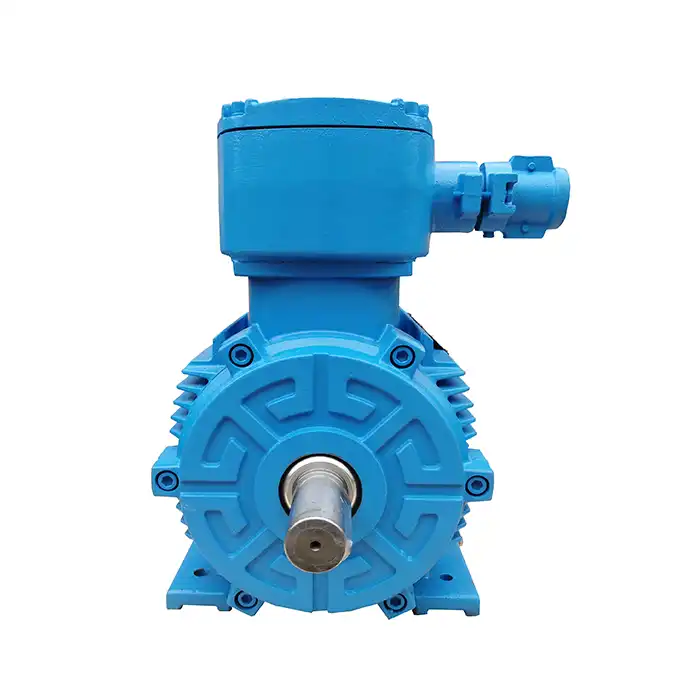




When industrial facilities operate in high humidity environments, selecting appropriate insulation for 11 kV Motor systems becomes critical for preventing premature failures and ensuring long-term operational reliability. Moisture infiltration poses one of the most significant threats to medium-voltage motor performance, particularly in sectors like water treatment, chemical processing, and tropical manufacturing facilities where humidity levels consistently exceed 70%. Understanding how humidity affects insulation materials and implementing proper selection criteria can dramatically reduce maintenance costs while extending equipment lifespan in these challenging conditions.
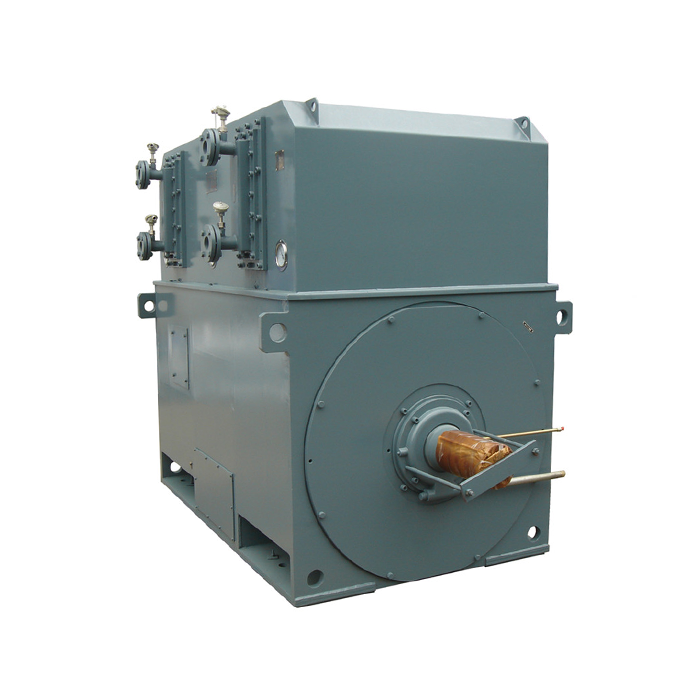
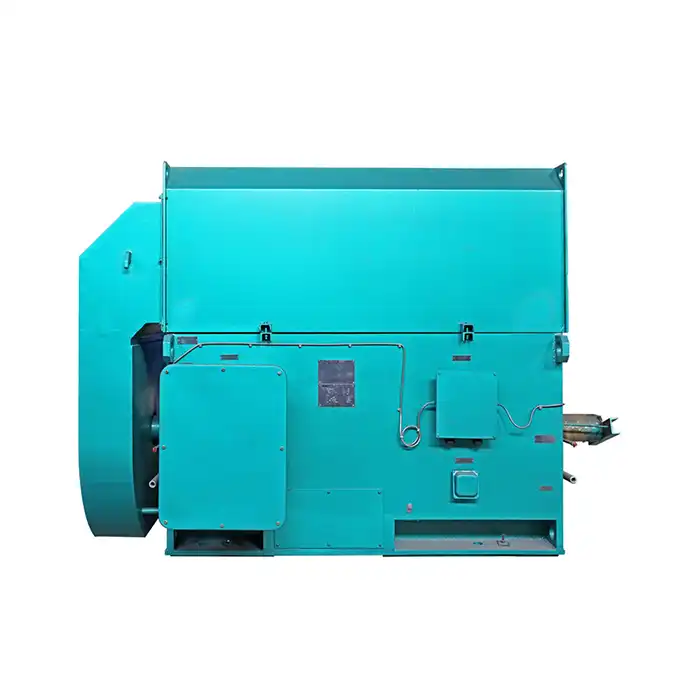
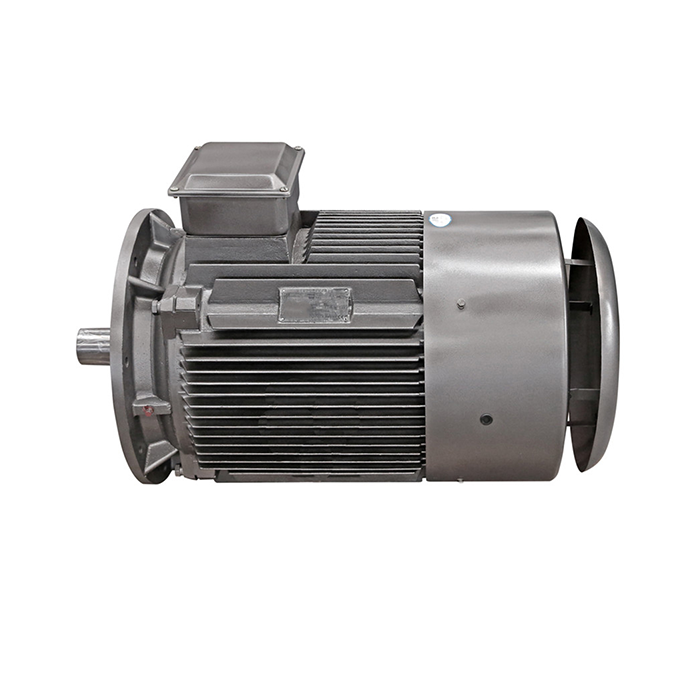
Series:YXKS
Protection level:IP54
Voltage range:3000V±5%,3300V±5%,6000V±5%,6600V±5%,10000V±5%,11000V±5%
Power range:220-3550 kW
Application:fans, water pumps, compressors, crushers, cutting machine tools, transportation machinery, etc.
Advantage:high efficiency and energy saving, light weight, low noise, small vibration, long service life, easy installation and maintenance.
Standard: This series of products complies with JB/T 12728 and JB/T 10446 standards.
Others: SKF, NSK, FAG bearings can be replaced according to customer requirements.
Understanding 11 kV Motor Insulation in High Humidity
What is an 11 kV Motor and Its Insulation System?
An 11 kV Motor represents a medium-voltage electric motor rated for 11,000 volts, commonly deployed in industrial drive systems and power generation applications where substantial power output is required. At XCMOTOR, our medium-voltage motors operate within a voltage range of 3000V±5% to 11000V±5%, delivering power outputs from 220 kW to 3550 kW for demanding applications including fans, water pumps, compressors, crushers, and transportation machinery.
The cover framework in these engines comprises specialized materials and developments outlined to electrically separate engine windings, while avoiding short circuits and leakage current. Our engines include Course F separator with B temperature rise characteristics, giving predominant warm continuance compared to ordinary options. The separator must withstand electrical, thermal, and mechanical stresses at the same time, whereas keeping up astuteness under shifting environmental conditions.
How Does Humidity Affect Motor Insulation?
Humidity presents dampness that enters separator materials through tiny pathways, driving to disintegration counting dielectric breakdown, separator resistance diminishment, and erosion of metallic components. Investigation demonstrates that cover resistance can diminish by up to 50% when relative stickiness surpasses 85% for prolonged periods. Dampness in the entrance quickens maturing forms and increases the probability of cover deficiencies that can result in disastrous engine failure.
High stickiness situations make conditions for fractional releases and condensation-related disappointments that compromise engine unwavering quality. The nearness of water particles diminishes the dielectric quality of cover materials, making conductive pathways that can lead to ground issues or phase-to-phase disappointments. Also, chemical responses between dampness and cover compounds can deliver destructive byproducts that encourage degraded framework integrity.
Key Design Features of Insulation Systems for Humid Environments
Effective humidity-resistant cover frameworks utilize progressed materials like epoxy tars and specialized varnishes with hydrophobic properties. At XCMOTOR, our engines consolidate a few defensive plan components that address dampness challenges:
Design adjustments incorporate airtight fixing strategies, total embodiment of windings, and advanced waterproof coatings that anticipate moisture ingress. Our IP54 assurance rating guarantees successful defense against clean entrance and water sprinkling from any direction. The cooling strategy IC37W gives ideal warm dissemination while maintaining natural protection.
These defensive highlights work together to guarantee the separator keeps up electrical judgment and prolongs engine life beneath unfavorable natural conditions, especially in applications where stickiness control demonstrates illogical or impossible.
Criteria for Selecting 11 kV Motor Insulation Systems for High Humidity
Defining Performance Requirements in Humid Conditions
Insulation for sticky situations must stand up to dampness while keeping up dielectric quality and thermal stability. Lesson F frameworks offer dependable perseverance beneath condensation, warm cycling, and long-term operation in demanding mechanical conditions.
Core Metrics to Evaluate Insulation Quality
Key markers incorporate separator resistance and fractional release levels, observed against IEC and IEEE limits. Slant investigation and progressive diagnostics empower early fault discovery and anticipate moisture-related failures.
Matching Insulation Classes to Application Needs
Selecting appropriate insulation classes ensures reliable 11 kV Motor performance in humid climates. Class F suits most applications, while Class H supports extreme conditions, balancing durability, lifespan, and procurement cost efficiency.
Comparison of Insulation Solutions for 11 kV Motors
Traditional vs. Advanced Insulation Systems
Traditional separator frameworks ordinarily utilize cellulose-based papers and essential varnishes that illustrate fast corruption beneath muggy conditions. These customary materials retain dampness promptly, leading to swelling, delamination, and decreased dielectric properties within months of presentation to high-humidity environments.
Advanced separator frameworks join resin-rich compounds, nanoparticles, and specialized nano-coatings that altogether improve dampness resistance and dielectric properties. Our engines utilize state-of-the-art cover materials that undergo thorough testing to guarantee execution beneath challenging environmental conditions. These developments diminish disappointment rates by up to 60% compared to conventional frameworks, while expanding benefit intervals substantially.
Insulation Efficiency and Long-Term Reliability Comparison
Enhanced separator materials make strides in operational effectiveness by minimizing spillage streams and fractional releases, resulting in diminished vitality misfortunes and higher by and large unwavering quality. Lifecycle evaluations conducted over different businesses show that progressed cover frameworks can decrease support recurrence by 40% whereas maintaining a strategic distance from expensive spontaneous downtime.
Long-term unwavering quality thinks about traversing over 15 a long time illustrate that engines prepared with premium cover frameworks keep up higher separator resistance values and lower halfway release movement throughout their operational life, guaranteeing reliable execution in demanding environments.
Cost vs Performance Analysis for Procurement Decisions
While progressed cover arrangements require a higher initial investment, add up to fetched of possession investigation uncovers considerable savings through decreased maintenance costs, fewer replacements, and lessened operational intrusions. Return on speculation calculations reliably favor premium cover in situations with tireless stickiness challenges, ordinarily appearing payback periods of 3-5 years.
Our comprehensive investigation illustrates that the extra cost of predominant cover accounts for less than 15% of add up to engine taken a toll whereas giving security worth many times the initial investment through avoided disappointments and amplified operational life.
Maintenance and Troubleshooting of 11 kV Motor Insulation in Humid Areas
Best Practices for Maintaining Motor Insulation Health
Effective maintenance programs for humid environments should incorporate routine inspections using megohmmeter tests, partial discharge measurements, and infrared thermography to monitor insulation condition continuously. These diagnostic techniques provide early warning of potential 11 kV Motor problems before they develop into costly failures.
Preventative measures, including regular cleaning, controlled ventilation, and moisture barriers, significantly reduce moisture ingress and extend insulation life. Our technical team recommends establishing environmental monitoring systems that track humidity levels and provide alerts when conditions exceed safe operating parameters.
Troubleshooting Common Insulation Failures in High Humidity
Common symptoms of humidity-related insulation degradation include sudden drops in insulation resistance, increased partial discharge activity, and elevated operating temperatures. A systematic troubleshooting approach should encompass environmental assessment, comprehensive electrical testing, and detailed physical inspection to identify root causes accurately.
Corrective actions may include drying procedures, localized repairs, or complete insulation upgrades, depending on the extent of damage. Our service team provides expert consultation to determine the most cost-effective remediation strategy for each situation.
Case Studies: Successful High Humidity Insulation Maintenance Programs
Industrial clients implementing comprehensive maintenance programs have achieved remarkable improvements in motor uptime and reduced fault rates. A major petrochemical facility in the Gulf Coast region implemented our recommended maintenance protocols and achieved a 75% reduction in humidity-related failures over a three-year period.
These success stories showcase tailored approaches combining advanced materials, monitoring technologies, and proactive maintenance strategies to achieve exceptional long-term reliability under challenging humidity conditions. The integration of predictive maintenance techniques with quality insulation systems creates a robust defense against moisture-related failures.
About XCMOTOR Solutions
Shaanxi Qihe Xicheng Electromechanical Equipment Co., Ltd. specializes in medium-voltage motors and insulation systems specifically engineered for high humidity industrial applications. Our comprehensive portfolio includes customized insulation upgrades, advanced protective coatings, and complete installation support tailored to challenging environmental conditions.
We offer motors complying with JB/T 12728 and JB/T 10446 standards, featuring premium bearings from SKF, NSK, and FAG that can be customized according to customer requirements. Our technical team provides industry-leading after-sales services including maintenance contracts, warranty management, and expert consultation, ensuring clients receive reliable, durable motor solutions that optimize operational efficiency.
Our commitment extends beyond product delivery through comprehensive support services including 30-day returns, dedicated weekend support, and fast delivery of genuine components. We guarantee only authentic parts from trusted brands, backed by our ISO 9001:2015 certified quality management system.
Conclusion
Selecting appropriate insulation systems for medium-voltage 11 kV Motors operating in high humidity environments requires careful consideration of materials, design features, and maintenance requirements. The investment in superior insulation technology pays substantial dividends through extended equipment life, reduced maintenance costs, and improved operational reliability. Understanding the relationship between humidity and insulation performance enables informed procurement decisions that protect valuable industrial assets while ensuring continuous production capability. Our experience demonstrates that proactive insulation selection and maintenance strategies provide the foundation for successful long-term operation in challenging humid environments.
Frequently Asked Questions
Q1: What insulation class provides optimal performance for motors in tropical humid environments?
A: Class F insulation offers superior thermal endurance and moisture resistance for tropical applications. Our Class F systems maintain integrity at temperatures up to 155°C while providing excellent humidity tolerance, making them ideal for consistent performance in challenging climatic conditions.
Q2: Can existing medium-voltage motors be retrofitted to improve humidity resistance?
A: Yes, retrofitting using advanced protective coatings, resin impregnation, and enhanced sealing technologies effectively improves existing motor humidity tolerance. Our technical team can assess current installations and recommend appropriate upgrade strategies without requiring complete motor replacement.
Q3: How frequently should insulation testing be performed in high humidity environments?
A: We recommend insulation testing every 6 to 12 months using a megohmmeter and partial discharge measurements to monitor insulation health. More frequent testing may be necessary during initial commissioning or following environmental exposure events to ensure early detection of potential problems.
Partner with XCMOTOR for Superior Motor Solutions
XCMOTOR delivers exceptional medium-voltage motor solutions specifically designed for high-humidity applications. Our extensive experience as a trusted 11 kV Motor manufacturer enables us to provide customized insulation systems that meet the most demanding environmental requirements. We combine advanced engineering with comprehensive support services to ensure optimal performance throughout your equipment lifecycle.
Our team stands ready to discuss your specific humidity challenges and recommend tailored solutions that protect your investment while maximizing operational reliability. Contact us at xcmotors@163.com for expert consultation and detailed product information.
References
1. IEEE Standard 43-2013, "IEEE Recommended Practice for Testing Insulation Resistance of Rotating Machinery," Institute of Electrical and Electronics Engineers, 2013.
2. Stone, G.C., Boulter, E.A., Culbert, I., and Dhirani, H., "Electrical Insulation for Rotating Machines: Design, Evaluation, Aging, Testing, and Repair," Second Edition, IEEE Press, 2014.
3. IEC 60034-1, "Rotating Electrical Machines - Part 1: Rating and Performance," International Electrotechnical Commission, 2017.
4. Nailen, Richard L., "Managing Motor Insulation in High Humidity Environments," IEEE Industry Applications Magazine, Vol. 25, No. 3, 2019.
5. Culbert, I.M. and Dhirani, H., "Handbook to IEEE Standard 43: Recommended Practice for Testing Insulation Resistance of Rotating Machinery," IEEE Press, 2016.
6. CIGRE Working Group A1.10, "Moisture Measurement and Assessment of Power Equipment," CIGRE Technical Brochure 414, 2010.