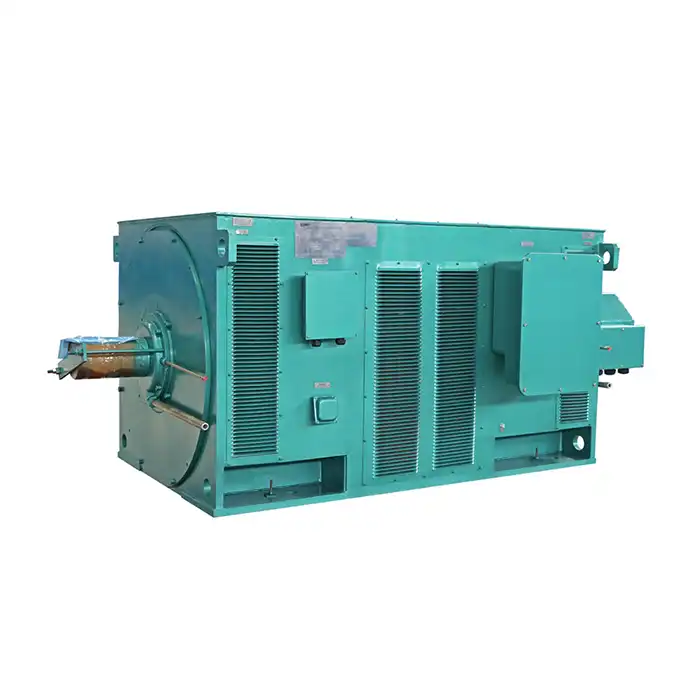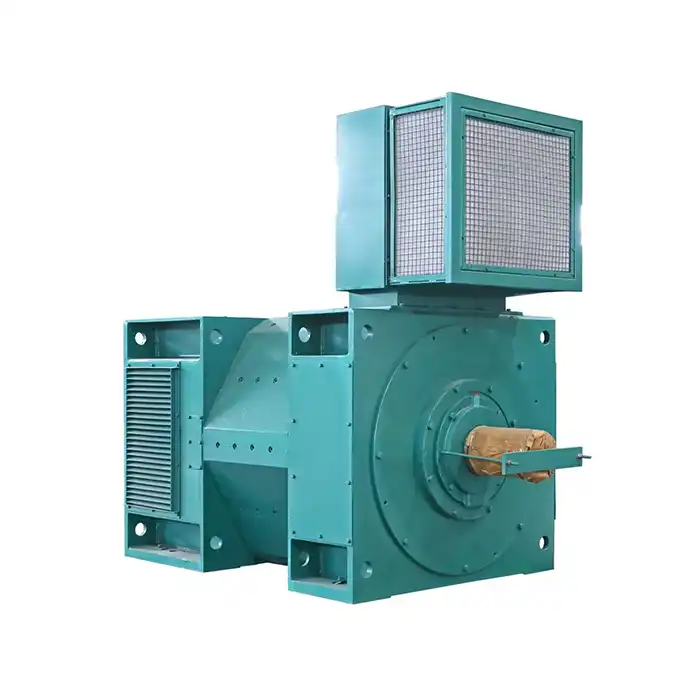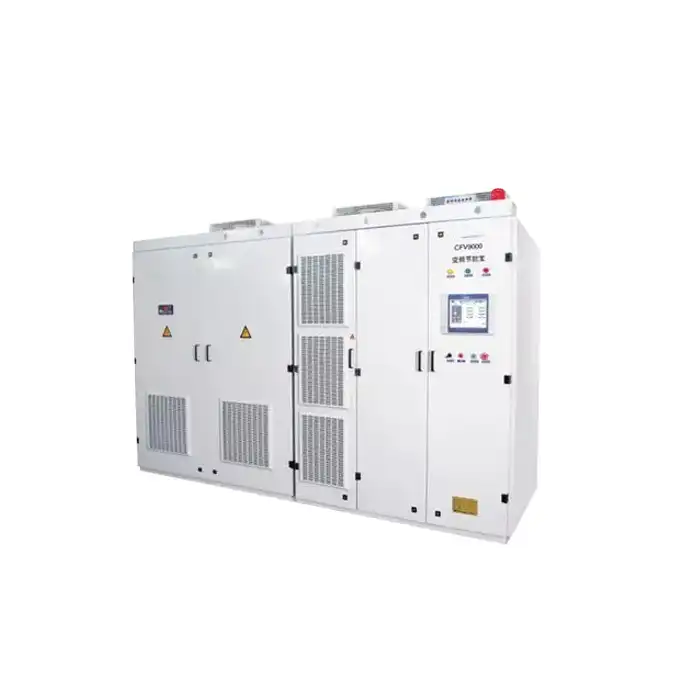




Why IEC Low Voltage Motors Are Ideal for Conveyor Systems
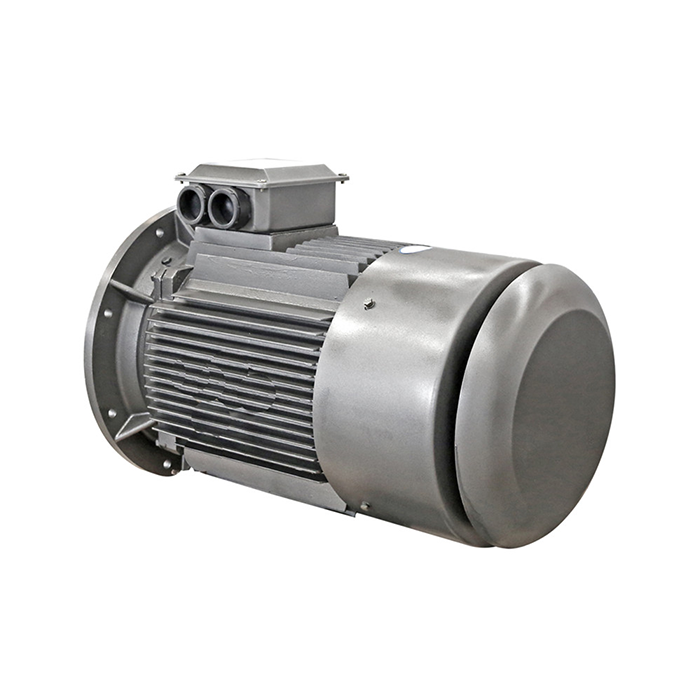
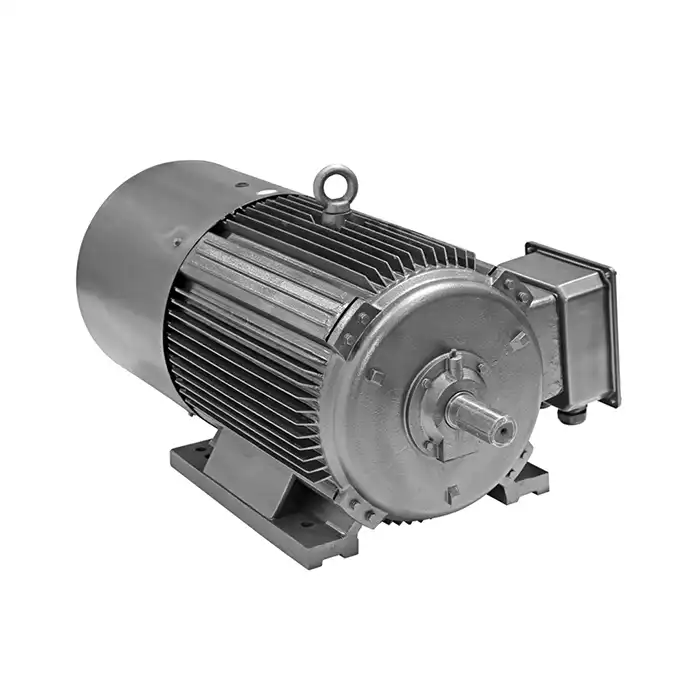
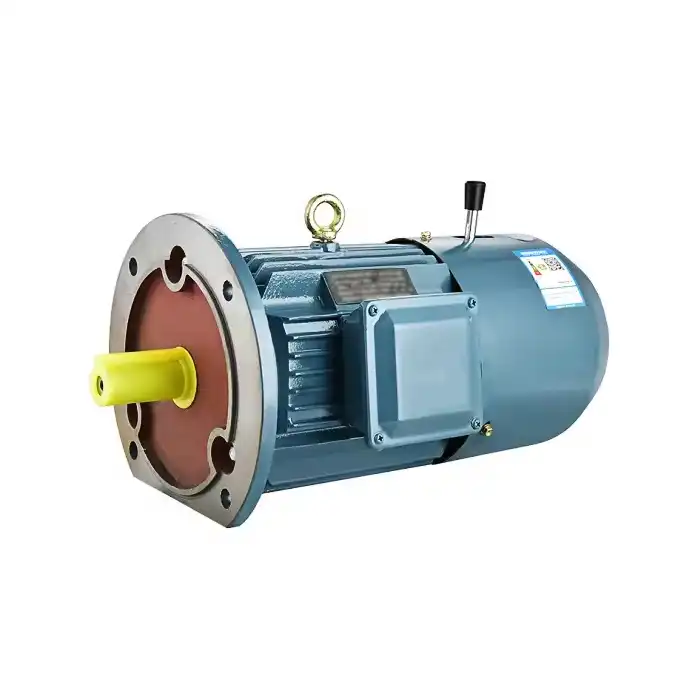
IEC low voltage motors consistently provide excellent performance in a variety of industrial settings when conveyor systems require reliable and efficient power solutions. Built to meet the standards of the International Electrotechnical Commission, these motors offer great control over power, low energy use, and stable operation. Because they work with a wide range of power sources and frequency ranges, they are perfect for material handling tasks that need to run continuously and have precise speed control. With output powers ranging from 0.75kW to 1000kW and security levels up to IP55, these motors meet the strict needs of current conveyor systems while still meeting international safety and quality standards.
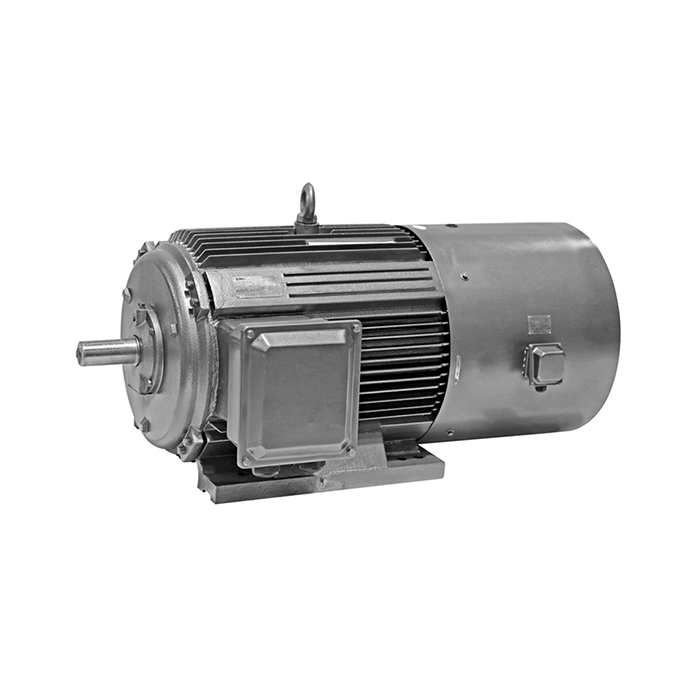
Series:YVFE4
Frequency conversion range:30hz~50hz,5hz~70hz,5hz~100hz
Power range:0.75-1000kW
Protection level:IP55
Application:are suitable for driving various mechanical equipment that require continuous and frequent forward and reverse rotation, such as steel rolling, lifting, transportation, machine tools, printing and dyeing, papermaking, chemicals, textiles, pharmaceuticals, etc., and can be used with various domestic and foreign variable frequency power supplies.
Advantage:high efficiency, wide speed range, high precision, stable operation, and easy operation and maintenance.
Certificate:installation dimensions comply with International Electrotechnical Commission (IEC) standards.
Others: SKF, NSK, FAG bearings can be replaced according to customer requirements.
Understanding IEC Low Voltage Motors and Their Role in Conveyor Systems
Standardized equipment that can work smoothly across foreign facilities is an important part of modern industry processes. Motors made to IEC standards have to meet strict technical requirements that make sure they work the same way everywhere and for all kinds of applications.
Key Specifications That Matter for Conveyor Applications
The voltage levels for these motors range from 220V to 690V, so they can work well with a variety of power systems. From 0.75kW to 1000kW, the power output can handle a wide range of conveyor systems, from small assembly line belts to huge mining and transportation facilities. Insulation classes F and H offer thermal protection that is good for continuous-duty cycles, and IP55 protection keeps dust and wetness out of the internal parts that are common in factory settings.
Motor Types and Their Conveyor Suitability
Because they are strong and don't need much upkeep, squirrel cage induction motors are the most common type used in conveyor uses. Their simple design gets rid of brushes and slip bands, which cuts down on wear points that could lead to unplanned downtime. Precision-balanced blades make sure that the machine runs smoothly, even during long shifts, and copper windings provide better heat transfer and conductivity. For heavy-duty settings, cast iron frames provide structural strength. On the other hand, aluminum frames are lighter and can be used in places where installation is limited.
Frequency Conversion Capabilities
Motors that work with variable frequency drives and bands of 30Hz to 50Hz, 5Hz to 70Hz, and 5Hz to 100Hz make it possible to precisely control the speed of all conveyor activities. Because of this, workers can change the speed of the belts based on how much work needs to be done. This saves energy during times of low production while keeping capacity for times of high production. Different types of conveyors, from slow-moving platforms for assembly to fast sorting systems in distribution centers, can work with speed ranges from 750 to 3000 rpm.
Advantages of IEC Low Voltage Motors for Conveyor Systems
Choosing the right motor technology, specifically IEC low voltage motors, has a direct effect on operating costs, reliability, and maintenance frequency for industrial applications. IEC low voltage motors deliver proven performance across manufacturing, HVAC, and water treatment facilities. When procurement teams understand exactly how IEC low voltage motors contribute to business objectives, they can make decisions aligned with long-term operational goals. Selecting quality IEC low voltage motors from reputable suppliers ensures consistent performance, energy efficiency, and reduced total ownership cost over the motor's service life.
Superior Energy Efficiency and Cost Savings
When motors meet IE4 efficiency guidelines, they use less electricity, which means that energy costs go down over the life of a conveyor. High-quality electrical steel laminations cut down on eddy current losses, and the best winding arrangements make the most of the magnetic field. Because of these improvements in building, less energy is wasted as heat, which keeps the working temperature low and lowers the need for cooling. When manufacturing plants with many conveyor lines choose high-efficiency motors for all of their material handling equipment, they can save a lot of money every year.
Robust Construction for Demanding Environments
In places like dirty food processing plants, muggy drug factories, and corrosive chemical production areas, conveyor systems have to work in tough conditions. IP55 protection stops particles from getting in and water spray damage from happening, so the device will work reliably even in dangerous environments. IP56 and IP65 versions are available as options and offer better security when needed by applications. The ability to withstand temperature rises up to Class B standards and an operating temperature range of -20°C to +40°C make it possible for use in a wide range of climates and during different seasons.
Compliance with Global Standards
Installation measurements that meet IEC standards make it easier to connect to existing infrastructure and save engineers time when a facility grows. Standardized mounting patterns, shaft sizes, and junction box layouts make it possible to swap parts directly without having to make any custom changes. CE marking and GOST certification show that a product meets European and international safety standards. This makes the approval process easier for tools and lowers the legal risk for businesses that do business across borders. This standardization is especially helpful for businesses that have sites in more than one country, each with its own set of rules.
Maintenance Advantages
Quality bearings from companies like SKF, NSK, and FAG can be chosen based on practical needs, and new parts are easy to find through well-established distribution networks. The simple design of these motors makes it easier to find problems and fix them, which cuts down on the average time it takes to fix something when something goes wrong. Regular maintenance jobs, like lubricating bearings and inspecting terminal connections, don't require a lot of specialized knowledge. This means that plant maintenance teams can do routine work without help from outside sources.
Comparing IEC Low Voltage Motors with Alternatives for Conveyor Applications
Before making a purchase choice, it's helpful to know how the performance of various motor standards and voltage classes compares in key areas. Depending on the application and practical goals, each choice has its own benefits.
IEC Versus NEMA Standards
IEC-standard motors are better for businesses that do business around the world, but NEMA motors are more popular in North America. Frame sizes are usually smaller for the same amount of power, which could mean less building room and lower material costs. IEC standards for energy efficiency classes are the same as global energy laws. This makes it easier to follow the rules in different places. Companies that buy tools from around the world often find that IEC-compliant goods have a wider range of vendors and better prices because they are accepted everywhere.
Low Voltage Versus High Voltage Considerations
High voltage motors work well in big conveyor systems where long cable runs would cause too much voltage drop at smaller voltages. Low voltage solutions, on the other hand, are better for most conveyor uses because they are easier to install, pose fewer electrical hazards, and need less upkeep. For safety reasons, when working with tools less than 1000V, lockout rules are not as strict, so more repair staff can do service work. You can handle more things without having to know a lot about power electronics engineering because there are variable frequency drives made just for IEC low voltage motors.
Cost-Effectiveness Across System Lifecycle
The initial cost of the tools is only a small part of the total costs of owning a conveyor system over its 15–25-year average lifespan. Continuously running conveyors have high working costs because they use a lot of energy. This makes efficiency scores very important for financial analysis. Less frequent maintenance and easier fix steps lower both the direct costs of maintenance and the secondary costs of lost production. When looking at different motor choices, figuring out the net present value over the expected service life shows that choosing high-quality motors, even though they cost more at first, is a better financial choice.
How to Select the Right IEC Low Voltage Motor for Your Conveyor System?
When you match the motor's specs to the needs of the application, you get the best performance and avoid over-specification, which raises costs for no reason. The right choice is made after a systematic review of operational factors.
Assessing Load and Torque Requirements
How much mechanical power is needed at the drive shaft depends on the weight of the conveyor belt, how much material it can hold, the angle of the slope, and the friction rate. Starting up with static friction and steady-state running with a fixed speed require different amounts of torque. Heavy-duty uses like mine conveyors, auto assembly lines, and bulk material handling systems can use motors with torques of up to 6500 Nm. Correct load estimates keep motors from being too small, which leads to heat overload, or too big, which makes them work inefficiently at partial load.
Determining Speed and Frequency Needs
The required belt speed has a direct effect on the motor speed choice and the possible drive ratios. Motors with wide frequency ranges that work with variable frequency drives are better for applications that need to change speed often. For example, conveyors that move fragile items may need gentle acceleration patterns that can be achieved through precise frequency control. On the other hand, strong applications value fast response times. Sorting systems and reversible conveyors need motors that can continuously rotate in both forward and backward without derating in order to be able to change direction.
Environmental and Installation Factors
Conditions in the environment, such as temperature swings, humidity levels, dust concentrations, and acidic atmospheres, affect the choice of safety class and material requirements. Arrangements for mounting must take into account the installation room that is available, the direction that the shaft needs to be oriented, and the position of the driven equipment. The placement of the terminal box should make it easier to route cables while still making it easy to check for damage and tighten connections as needed. Noise levels need to be taken into account in places with strict acoustic standards or where worker happiness is important.
Procurement Considerations Beyond Technical Specifications
Delivery times for IEC low voltage motors affect project plans, especially for custom designs or high-power units that need extended manufacturing periods. When choosing IEC low voltage motors for mission-critical conveyors where downtime has serious production consequences, warranty coverage and expert after-sales support become critically important. Obsolescence risks for IEC low voltage motors are avoided when the vendor supplies replacement parts throughout the motor's service life. When installing multiple IEC low voltage motors, volume purchasing secures cost advantages and ensures specification consistency across all installations.
Implementing IEC Low Voltage Motors in Conveyor Systems: Best Practices
Whether motors live up to their expected service life and performance levels depends directly on how well they are installed and maintained over time. Common failure types can be avoided by paying close attention to details during setup and operation.
Installation Standards and Procedures
By following the IEC wiring rules, you can be sure that the electrical connections are safe and will hold up against pressure and temperature changes. The right connection size stops voltage drop that lowers the available torque, and the right safety devices stop overcurrent situations. To keep people and things safe, grounding devices need to give fault currents low-impedance routes. When the motor and the equipment it drives are aligned within certain limits, bearing loads and vibrations that speed up wear are kept to a minimum.
Maintenance Protocols for Extended Service Life
Scheduled bearing lubrication according to the manufacturer's instructions keeps bearings from breaking down too soon because they aren't oiled enough or are contaminated. Thermal imaging done on a regular basis can find problems like loose connections, bearing issues, or limited cooling flows before they become major problems. Vibration tracking finds problems like imbalance, misalignment, or mechanical looseness that need to be fixed. Insulation resistance testing keeps track of the state of the windings and lets you know quickly if moisture is getting in or the insulation is breaking down. Predictive maintenance tactics that get the most out of service intervals are supported by keeping records of maintenance actions and performance trends.
Performance Optimization Strategies
Adjusting the parameters of a variable frequency drive fits the motor's features to the way a conveyor moves, which improves acceleration rates, torque responses, and energy economy. Using soft-start features lowers the mechanical stress during starting, which makes belts and other parts last longer. Comparing real power use to baseline numbers shows that efficiency is going down, which leads to a study. Using networked controls to coordinate multiple conveyor motors improves the flow of materials and cuts down on energy waste from idle time.
Conclusion
To choose the right IEC low voltage motors for conveyor systems, you must weigh technical performance, energy savings, compliance requirements, and total cost of ownership. IEC low voltage motors have demonstrated reliability across diverse industrial settings from heavy manufacturing and logistics to food processing and pharmaceuticals. Their standardized designs for IEC low voltage motors simplify global procurement and enable consistent operation across international facilities. When IEC low voltage motors are properly selected, installed, and maintained, they deliver years of trouble-free service with minimal intervention. This allows operations teams using IEC low voltage motors to focus on production rather than equipment breakdowns.
FAQ
1. What makes motors compliant with international standards particularly suitable for conveyor applications?
Standardized motors make it easier to connect to current equipment and make sure that performance is the same from supplier to supplier and from batch to batch. Their tried-and-true designs go through a lot of testing and approval steps that make sure they will work reliably in harsh conditions like those found in conveyor settings.
2. How do efficiency classes affect total operational costs for conveyor installations?
Higher efficiency scores directly cut down on the amount of electricity used, which saves money over the life of the equipment. Facilities that run conveyors all the time can save thousands of dollars a year on each motor's energy costs, and the return period is often less than three years, even though special efficiency units cost more up front.
3. Can standard motors be customized for unique conveyor requirements?
Manufacturers can meet a wide range of customization needs, such as calls for different voltage configurations, changed shaft lengths, different bearing specs, and higher levels of safety. Working with providers who have a lot of experience makes sure that any changes stay in line with the rules and meet the needs of the application without affecting the stability or guarantee coverage.
Partner with XCMOTOR for Reliable Conveyor Motor Solutions
Under the name Shaanxi Qihe Xicheng Electromechanical Equipment Co., Ltd., XCMOTOR provides complete power equipment options for tough industry uses. You will receive products that meet the highest quality standards and come with quick technical help thanks to our IEC low voltage motors manufacturer knowledge. Whether we're setting up new conveyor systems or improving old ones, our team helps you choose the right specs to get the best performance and economy. We keep a lot of common configurations in stock so that we can send them quickly, and we can also set up custom builds to meet your specific needs. You can talk to our experts about your conveyor motor needs and get specific technical help by emailing xcmotors@163.com. We offer dedicated help seven days a week, and our 30-day return policy makes sure you're happy with your purchase.
References
1. International Electrotechnical Commission. "IEC 60034-30-1: Rotating Electrical Machines - Part 30-1: Efficiency Classes of Line Operated AC Motors." Geneva: IEC Publications, 2014.
2. Bonnett, Austin H. "Root Cause AC Motor Failure Analysis with a Focus on Shaft Failures." IEEE Transactions on Industry Applications, vol. 36, no. 5, 2000, pp. 1435-1448.
3. De Almeida, Anibal T., et al. "Energy-Efficient Motor Systems in the Industrial and Commercial Sectors in the European Union." Energy, vol. 28, no. 7, 2003, pp. 673-690.
4. Saidur, Rahman. "A Review on Electrical Motors Energy Use and Energy Savings." Renewable and Sustainable Energy Reviews, vol. 14, no. 3, 2010, pp. 877-898.
5. Ferreira, Fernando J.T.E., and Aníbal T. de Almeida. "Novel Multiflux Level, Three-Phase, Squirrel-Cage Induction Motor for Efficiency and Power Factor Maximization." IEEE Transactions on Energy Conversion, vol. 23, no. 1, 2008, pp. 101-109.
6. Nailen, Richard L. "Understanding Installation, Application, and Troubleshooting of Conveyor Drive Systems." IEEE Transactions on Industry Applications, vol. 37, no. 1, 2001, pp. 368-374.