



2500 kW Motor vs 3000 kW: Which Fits Your Generator?
The decision to purchase a 2500 kW motor or a 3000 kW unit is based on your working load requirements, your needs for future expansion, and your budget. A 2500 kW motor works reliably in situations that need steady power output without being too big, which lowers the initial cost and ongoing costs. The 3000 kW version gives you more potential headroom, so it can handle load growth and situations with high demand that happen a lot in heavy manufacturing and power generation. Both motors meet the requirements of JB/T 12730 and JB/T 12729 standards. They are protected by IP54, have power ranges from 3000V to 11000V, make little noise, and last a long time. Matching the motor's capacity to the generator's real load patterns makes sure that it works as efficiently as possible and doesn't waste energy.
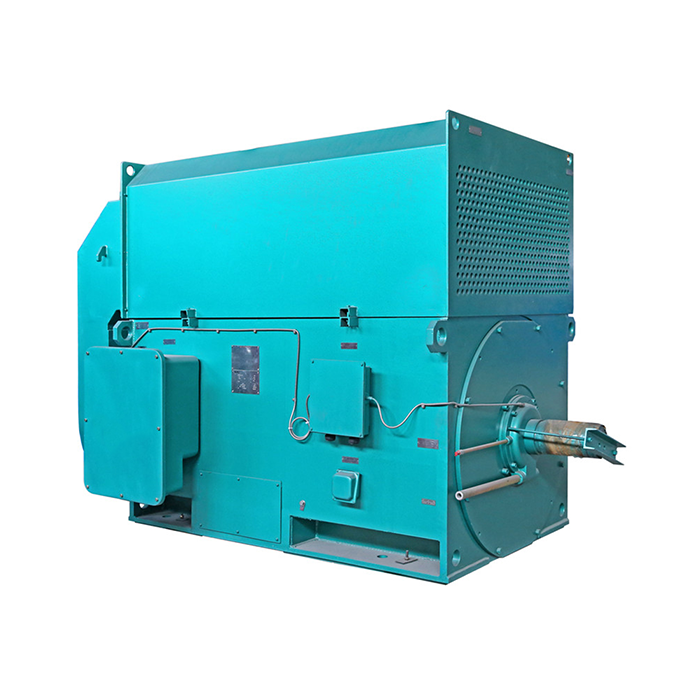
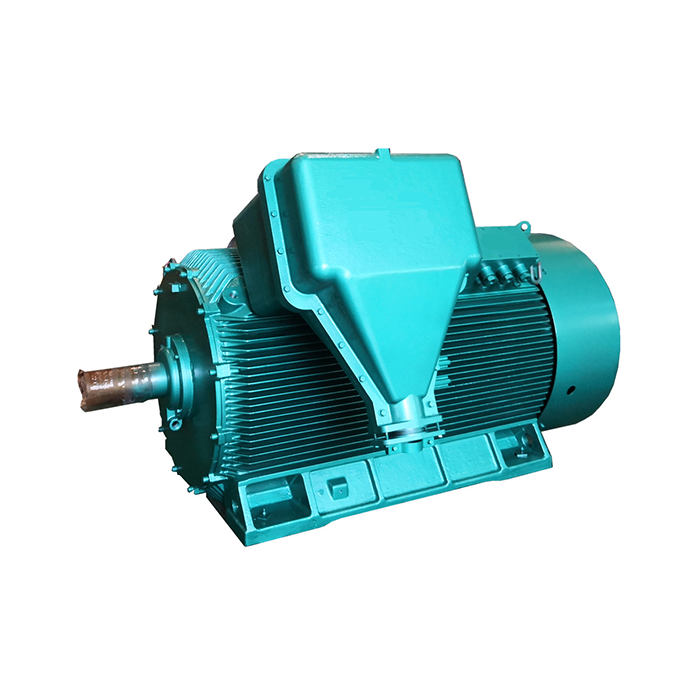
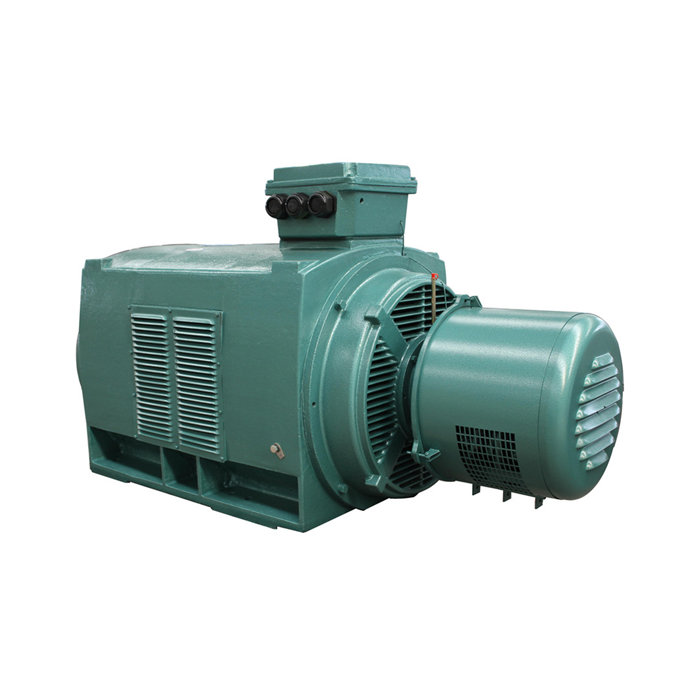
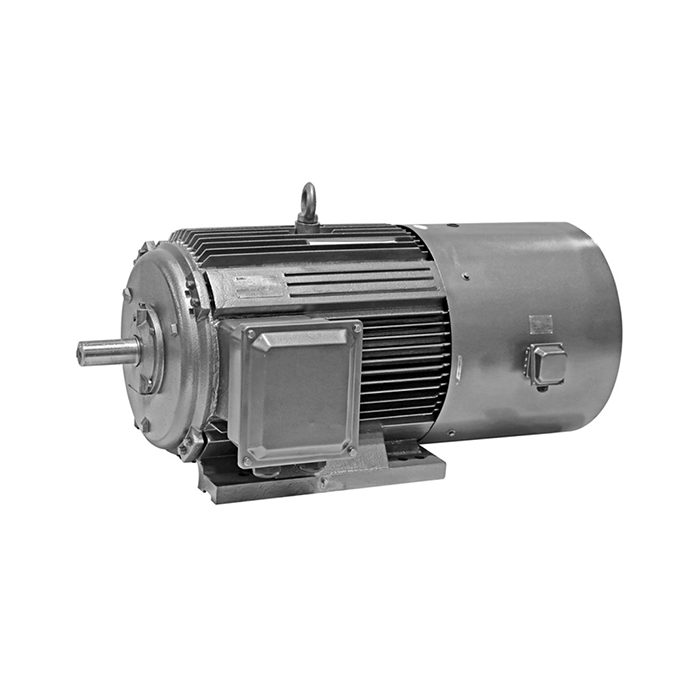
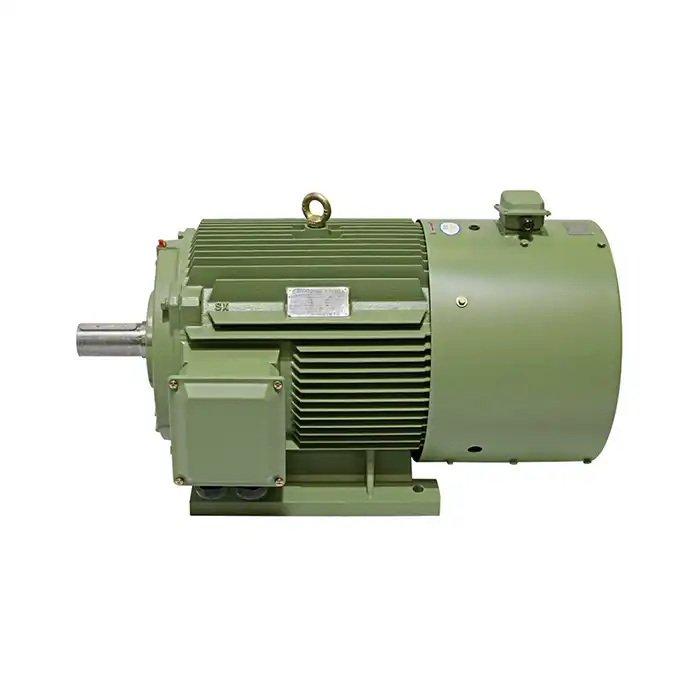
Series:YKK
Protection level:IP54
Voltage range:3000V±5%,3300V±5%,6000V±5%,6600V±5%,10000V±5%,11000V±5%
Power range:200-6300 kW
Application:fans, water pumps, compressors, crushers, cutting machine tools, transportation machinery, etc.
Advantage:low noise, low vibration, long service life, easy installation and maintenance.
Standard: This series of products complies with JB/T 12730 and JB/T 12729 standards.
Others: SKF, NSK, FAG bearings can be replaced according to customer requirements.
Understanding the Technical Specifications of 2500 kW vs 3000 kW Motors
Before choosing the right motor, you need to carefully look at a number of technical factors that have an effect on both its short-term and long-term prices. High-power motors, like the 2500 kW motor and its 3000 kW cousin, are designed for tough industrial settings where dependability must be maintained.
Power Capacity and Voltage Compatibility
Our 2500 kW motor works with power levels between 200 and 6300 kW and performs the same way at 3000V, 3300V, 6000V, 6600V, 10000V, and 11000V, all of which have a ±5% error. This adaptability makes it easy to connect to different types of generators found in power plants, mills, and factories. The 3000 kW version has the same voltage specs, but it can handle more power, which is helpful when load estimates show that the demand could grow or when high demand times need more headroom. Compatibility problems can be avoided during the installation and testing steps if you know what voltage your generator needs and make sure you match it correctly.
Physical Footprint and Installation Requirements
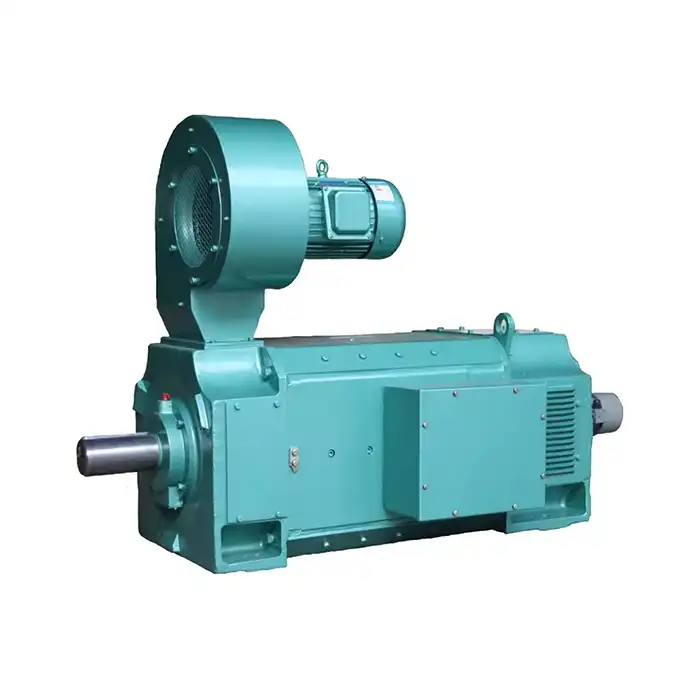
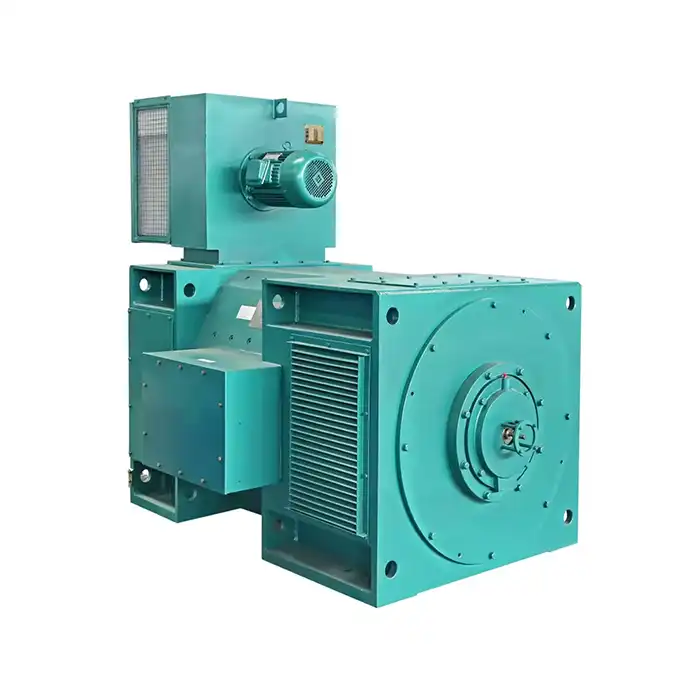
The 2500 kW motor features a robust cast iron frame for stability and heat dissipation during continuous operation. Advanced rotor design enables smooth, vibration-free operation under heavy loads, extending component life. Slight dimensional differences between 2500 kW motor and 3000 kW affect foundation requirements and installation clearances. Procurement teams should verify clearance needs early to avoid costly modifications. Precision casting methods for the 2500 kW motor ensure dimensional accuracy and structural stability resisting thermal growth and mechanical stress over decades.
Cooling Systems and Thermal Management
Both motor choices incorporate IC611 cooling methods maintaining safe operating temperatures during extended duty cycles. Thermal management effectiveness directly impacts 2500 kW motor efficiency, reliability, and service intervals. IP54 rating protects internal components of the 2500 kW motor from dust and water splashes for outdoor or moisture-prone installations. Vacuum pressure impregnation during production enhances insulation protection for the 2500 kW motor in demanding environments. Dynamic balancing eliminates vibration sources, enabling quieter operation and protecting bearings. These quality controls reduce unplanned downtime and maintenance costs.
Performance and Application Suitability
Knowing the best place for each motor capacity helps procurement pros make smart choices that meet business needs and stay within budget.
Industrial Automation and Manufacturing
Large motors power fans, pumps, compressors, crushers, and machine tools in automotive, aerospace, electronics, and food processing plants. The 2500 kW motor provides adequate power for most production lines operating at steady-state rates with minimal variation. This 2500 kW motor delivers stable torque and smooth acceleration for process control applications. Robotics and automated systems using 2500 kW motor achieve precise motion control meeting quality targets. When expansion plans call for additional equipment, the 3000 kW option handles increased load without motor replacement, protecting capital investments.
HVAC and Refrigeration Systems
Centrifugal chillers and air handling units in commercial buildings, shopping malls, and industrial facilities need continuously operating motors. The 2500 kW motor provides sufficient power while maintaining low noise levels in occupied spaces. Refrigeration systems in cold storage and food processing run around the clock requiring proven reliability and minimal maintenance. Advanced winding methods in the 2500 kW motor maximize efficiency, reducing energy consumption and operating costs. This power level is rarely needed for residential HVAC; commercial and industrial installations represent the primary market for both 2500 kW motor capacities.
Energy and Utilities Operations
Large motors are needed to run boiler feed pumps, wastewater pumps, and cooling tower fans, which are all parts of power plants. A 2500 kW motor does these jobs well, which improves the general capacity and efficiency of the plant. Renewable energy facilities that use sun and wind power need motors for a number of support systems. Direct generator drives are different from motor uses, though. Pumps that move raw water, pumps that move cleaned water, and machines that handle sludge all use high-power motors. The 3000 kW version is best for installations that want to increase their capacity or that use multiple pumps and want to make it easier to find spare parts and do upkeep. In addition to oil refineries, steel mills, and mining operations, these motors work nonstop in harsh conditions to power crushers, conveyors, and other process equipment that is necessary for production.
Comparative Procurement Considerations for 2500 kW and 3000 kW Motors
Buying things involves more than just technical specs. Things like price, supplier dependability, wait times, and after-sales help all play a role in the total cost of ownership.
Pricing Analysis and Market Trends
Budget considerations influence 2500 kW motor selection, particularly for multi-unit projects with capital constraints. The 2500 kW motor generally requires lower upfront investment than the 3000 kW option, though exact pricing depends on specifications and customization. Volume purchasing for 2500 kW motor often secures price advantages, making standardization financially attractive. Lead times vary based on manufacturing capacity and raw material availability for 2500 kW motor. Engaging reputable 2500 kW motor suppliers early secures better pricing and delivery schedules. Market trend awareness enables effective 2500 kW motor budget planning.
Supplier Reputation and Service Networks
Selecting a reliable 2500 kW motor supplier ensures product quality, technical support, and responsive after-sales service. XCMOTOR provides comprehensive 2500 kW motor solutions with prompt expert support for pre-sales and post-sales issues. We stock SKF, NSK, and FAG bearings for 2500 kW motor with replacement options based on customer preferences ensuring parts compatibility. Free delivery, 30-day return policy, and dedicated weekend support for 2500 kW motor reduce procurement risk. These service elements give confidence that routine 2500 kW motor issues will be resolved quickly, minimizing downtime.
Compatibility and Customization Options
For motor integration to work, it needs to be compatible with the starters, inverter systems, and control architectures that are already in place at the installation site. Both motor sizes can be started in a number of ways, such as with direct-on-line, soft starts, or variable frequency drives, based on the needs of the application and the electrical infrastructure. Customization choices meet particular operating needs, such as adding an encoder, making the mounting more secure, or improving environmental protection. Following the rules in JB/T 12730 and JB/T 12729 makes sure that motors meet quality standards that are known across all industries. Procurement teams should make sure that the motors they choose meet the needs of the spot, such as the required altitude, temperature ranges, and, if necessary, hazardous location classes.
How to Choose Between a 2500 kW and 3000 kW Motor for Your Generator?
Structured decision-making processes that are in line with operational facts lead to the best results that combine the need for success with budget constraints and plans for the future.
Load Profile Assessment
The first step in choosing a motor for your generator is to accurately describe its load profile. Look at past load data to find out what the usual working loads are, when the high demand times are, and when the minimum load conditions are. When the constant load is less than 2200 kW and the rare peak load is not more than the motor's ratings, a 2500 kW motor is the right choice. Motors work best when they are between 75 and 95% of their rated capacity, so oversizing them makes them much less efficient. Undersizing causes problems like burning, early failure, and lost work time that cost a lot more than the original savings. When load projections show room for growth or when it's not clear what the future capacity needs will be, choosing the 3000 kW choice gives you operational freedom and keeps you from having to pay for an early motor replacement.
Efficiency and Maintenance Considerations
The efficiency of motors has a direct effect on running costs because they use more energy and need more upkeep. Both motor capacities are very efficient across their intended load ranges, but they are most efficient when they are close to their quoted capacities. Maintenance needs for both choices are about the same, including lubricating the bearings on a regular basis, checking the insulation's strength, and keeping an eye on vibrations. Installation and upkeep of our motors are simple, which lowers the complexity of service and the costs of labor. The strong structure and high-quality parts make the service life longer than usual in the business, which delays the need to replace capital. To get true total cost of ownership numbers, you should look at lifecycle costs that include estimated load levels, maintenance intervals, spare parts available, and the amount of time the equipment is expected to be used.
Strategic Procurement Planning
Aligning the choice of motor with larger operating strategies makes sure that buying decisions help the company reach its goals instead of getting in the way. Standardization across sites makes it easier to train people to do upkeep, keep track of extra parts, and respond to emergencies. Building ties with dependable suppliers like XCMOTOR gives you access to professional help, low prices, and service support that lasts after the initial buy. In some places, selection criteria are affected by environmental factors like noise levels, the need for cooling water, and rules about waste removal. Budget limitations must be weighed against the operating risks that come with not having enough space or being less reliable because of efforts to cut costs.
Future Trends and Innovations in Large-Scale Motor Technology
As technology keeps improving, standards for motor speed, efficiency, and integration capabilities are changing too. This affects how forward-thinking companies buy things.
Energy-Efficient Motor Designs
New motor designs use better materials, more efficient magnetic circuits, and better ways to make them, which slowly raises their efficiency scores. These changes mean that the motor will use less energy over its lifetime, which will more than make up for its higher starting cost. Regulatory pressures and pledges to sustainability drive demand for motors that are more efficient than the minimum standards. This gives companies that spend in research and development the chance to stand out in the market. Procurement experts should weigh the benefits of increased efficiency against the extra costs to find payback periods that meet the financial needs of the company. Our manufacturing methods, which include precise casting, advanced winding techniques, and thorough load testing, make our motors competitive in an industry where efficiency standards are always changing.
Smart Controls and Integration
Motors go from being passive pieces of equipment to smart assets that give operators information when sensors, tracking systems, and predictive repair programs are added to them. Condition tracking can find growing problems before they become catastrophic, which lets maintenance be planned ahead of time and minimizes downtime. Variable frequency drives allow for exact speed control, soft starting, and energy optimization under a range of load situations, which makes the system more efficient as a whole. For these technologies to work, the motor designs must be compatible, and the provider must be able to help with merging, setup, and fixing. Checking how good a supplier is at these things makes sure that decisions about buying things support operating technology plans instead of making integration harder.
Supply Chain Dynamics
Conditions in the global supply chain affect motor availability, prices, and wait times, so buyers need to plan their purchases in a way that takes possible disruptions into account. Having a network of providers, keeping enough goods on hand, and making things in a variety of places makes a business less vulnerable to problems in other regions. Long-term partnerships make it easier to get expert help and get priority care when supplies are low, which improves operating reliability. Sustainability requirements are becoming more and more important in the buyer selection process as businesses look for partners who can show they care about the environment and are open about their supply chains. These things take into account more than just costs and technology requirements; they also take into account company values and risk management goals.
Conclusion
The load patterns, practical needs, budget limits, and future scalability needs must all be carefully considered before choosing between a 2500 kW motor and a 3000 kW unit. The 2500 kW motor works reliably in situations where a certain amount of power is needed. It has lower initial costs and has been shown to be efficient within its planned working range. The 3000 kW option gives you more ability to handle load growth and peak needs that come up when your business grows. Both motors meet strict quality standards, are protected by IP54, operate quietly, and have long service lives thanks to high-quality parts and manufacturing methods. Working with dependable providers gives you access to professional know-how, low prices, and quick service support, all of which are necessary to keep operations running smoothly and get the best long-term results.
FAQ
1. What factors most significantly influence motor efficiency in generator applications?
Load matching is the most important factor because motors work best when they are loaded to 75 to 95% of their maximum capacity. Running below 50% load all the time makes economy and power factor much worse. Stable voltage, the temperature of the environment, and the quality of upkeep all have an effect on efficiency. The state of the bearings and the insulation on the windings directly affect the amount of electrical and mechanical loss.
2. Can I upgrade from a 2500 kW motor to a 3000 kW motor in an existing installation?
When you upgrade, you usually have to check the base, the electrical source, and the clearances. The 3000 kW motor needs more power to start, and the electrical system may need to be upgraded with new wires, switchgear, and safety devices. Talking to technology experts is the best way to make sure that everything works together before investing in upgrades from a 2500 kW motor to a 3000 kW motor.
3. What should I prioritize when reviewing warranty and maintenance packages?
Coverage length, response time promises, availability of parts, and service network spread should all be carefully looked at. Full guarantees that cover flaws in the making process and normal wear and tear protect your money. Maintenance packages should include information about how often to check, what tasks are covered, and how much consumables cost. This lets you make accurate lifecycle cost estimates.
Partner with XCMOTOR for Your 2500 kW Motor Supplier Needs
XCMOTOR offers complete options for power tools that are made to fit your generator's configuration and your business's needs. Our line of 2500 kW motors includes models with 200 to 6300 kW of power, voltages from 3000V to 11000V, IP54 protection, and compliance with JB/T 12730 standards to make sure they work reliably in tough situations. We carry high-quality SKF, NSK, and FAG bearings, send all of our products for free, and let you return items within 30 days. We also offer dedicated help seven days a week. Our technical team can be reached at xcmotors@163.com to get help choosing a motor, get access to full product catalogs, and get low prices.
References
1. Industrial Electric Motor Selection and Application Guide, National Electrical Manufacturers Association, 2023.
2. High-Voltage Motor Performance Standards and Testing Protocols, International Electrotechnical Commission Technical Report, 2024.
3. Energy Efficiency Optimization in Large-Scale Industrial Motor Systems, Journal of Electrical Engineering and Power Systems, Volume 45, 2023.
4. Procurement Best Practices for Industrial Power Equipment, Manufacturing Equipment Buyer's Handbook, 2024 Edition.
5. Motor Reliability and Maintenance Cost Analysis in Heavy Industries, Industrial Maintenance and Plant Operations Quarterly, 2023.
6. Global Supply Chain Dynamics and Impact on Electrical Equipment Procurement, International Trade and Industrial Equipment Review, 2024.