



What You Need to Know About Vertical Water Pump Motors
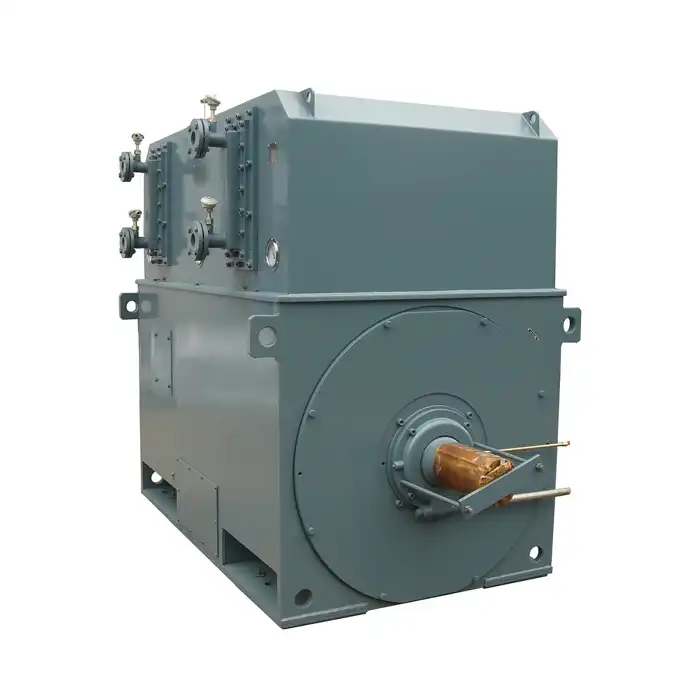
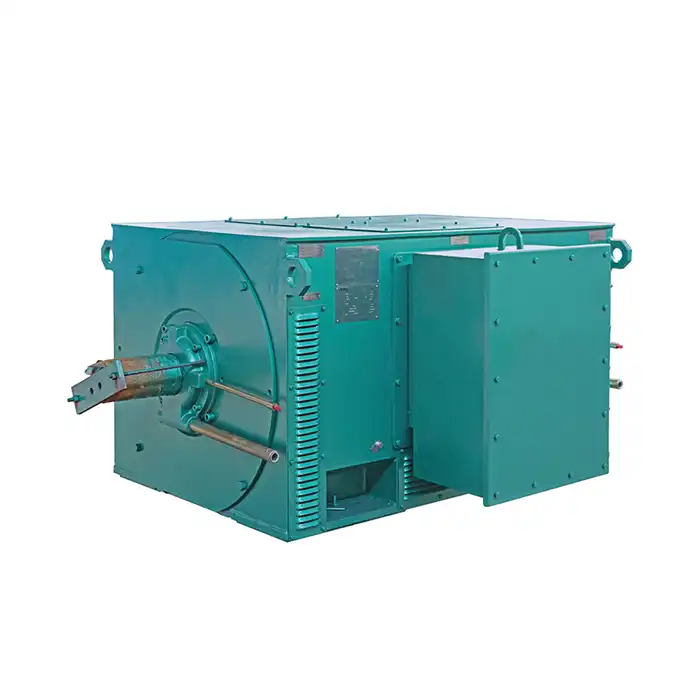
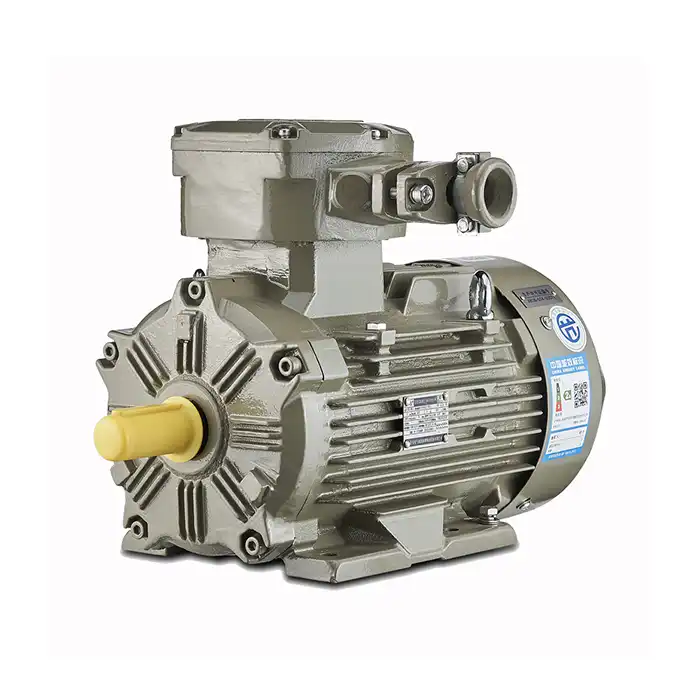
If you're looking at pumping options for business or industrial use, knowing about vertical water pump motors can make a big difference in how well your project turns out. When room is limited, these motors are a special kind of drive equipment that is designed to work when it is upright. They make water movement predictable in those situations. Vertical designs, on the other hand, make the most of the space they take up while still providing excellent hydraulic performance. They are used in places like water treatment plants for cities, networks for watering crops, HVAC cooling systems, and industrial process operations. Choosing the right motor design has a direct effect on running costs, upkeep schedules, and the longevity of the system, whether you're in charge of a wastewater treatment plant or trying to make an industrial cooling tower work better.
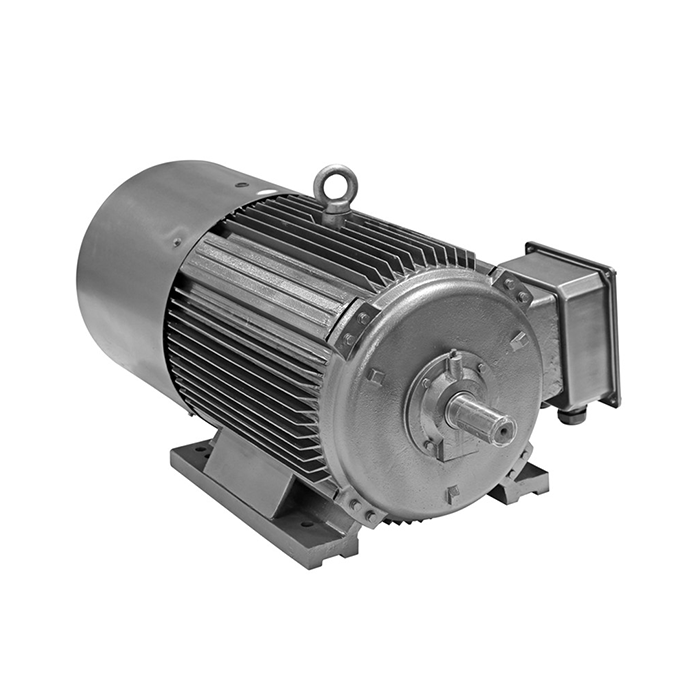
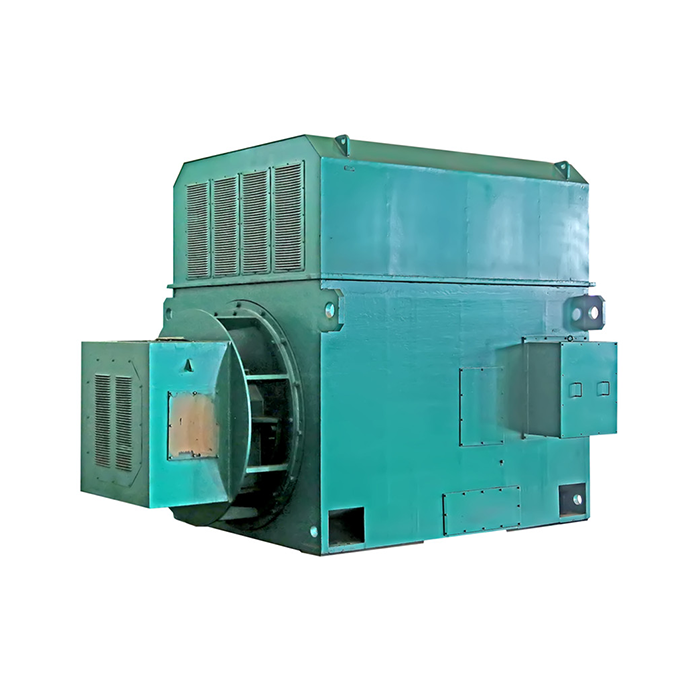
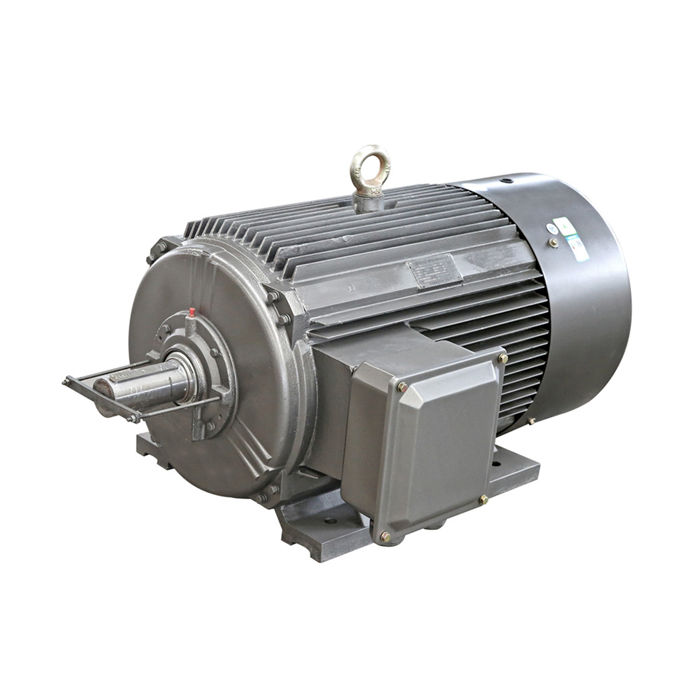
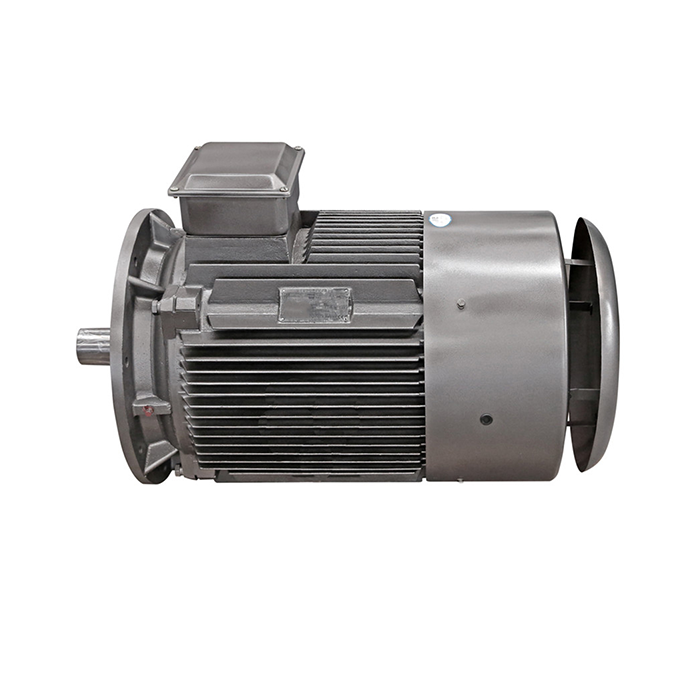
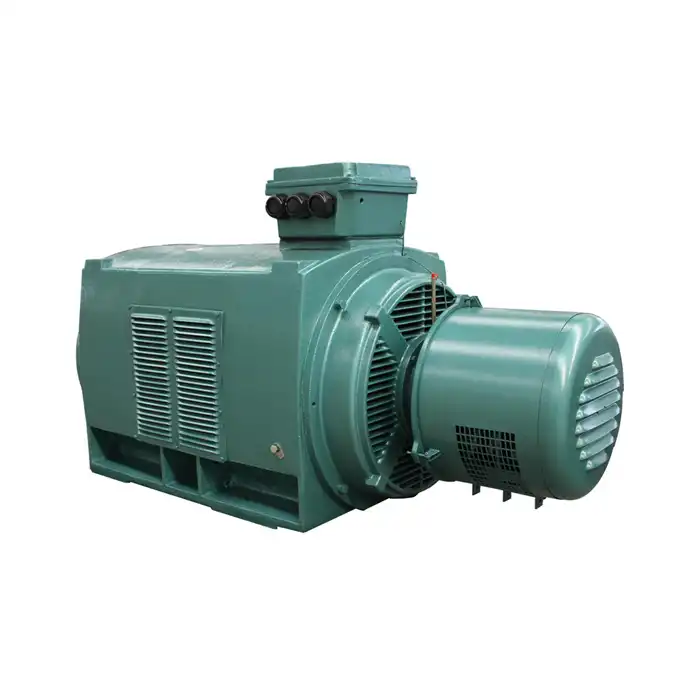
Series:YVFE2
Frequency conversion range:30hz~50hz,5hz~70hz,5hz~100hz
Power range:0.75-355kW
Protection level:IP55
Application:are suitable for driving various mechanical equipment that require continuous and frequent forward and reverse rotation, such as steel rolling, lifting, transportation, machine tools, printing and dyeing, papermaking, chemicals, textiles, pharmaceuticals, etc., and can be used with various domestic and foreign variable frequency power supplies.
Advantage:high efficiency, wide speed range, high precision, stable operation, and easy operation and maintenance.
Certificate:installation dimensions comply with International Electrotechnical Commission (IEC) standards.
Others: SKF, NSK, FAG bearings can be replaced according to customer requirements.
Understanding Vertical Water Pump Motors
What Defines These Specialized Motors
Vertical water pump motors are made so that the shaft is perpendicular to the fixing surface. This lets the motor sit directly on top of the pump unit. This setup is very helpful when there isn't much floor room or when pulling from deep wells, sumps, or small enclosures. The vertical position works well with jet pumps, submersible units, and inline process pumps that are popular in many industry areas.
Our YVFE2 series motors, which have power levels from 0.55kW to 315kW, are a good example of this way of building. You can choose from 380V, 400V, 415V, or a customisable 660V power for these units. They can also change frequencies between 5Hz and 100Hz. This adaptability lets you precisely control the speed that's needed for uses with changing needs in factories, water treatment plants, and power plants.
Operational Advantages in Real-World Applications
The vertical mounting system has a number of useful advantages that directly lead to cost saves. One of the best things about vertical water pump motors is that they take up a lot less floor space than horizontal ones. This means that you can use that extra space to add more equipment or improve your process. Another big benefit is that it's easy to install because the small size cuts down on the amount of complicated pipes and structure support that's needed.
Procurement teams that are focused on lifetime costs should pay attention to the energy performance traits. Operators can exactly match motor speed to changes in demand when the variable frequency drive is compatible, which lowers energy use when the load is only partially met. Our motors work well in a wide range of frequency bands (30Hz to 50Hz, 5Hz to 70Hz, and 5Hz to 100Hz), so they can handle a variety of working conditions without losing performance. This adaptability is especially useful in process industries where flow needs change during different stages of production.
With upright layouts, it's also easier to do maintenance. Technicians can fix bearings, seals, and connection parts without taking apart large networks of pipes. This cuts down on downtime during routine checks. The IP55 grade protects internal parts from dust and water jets, so they don't need to be serviced as often, even in tough industrial settings.
Industry Applications Across Sectors
These motors are used a lot in cooling towers, systems that move process water, and systems that handle waste water in manufacturing. For paint booth airflow and equipment cooling, auto plants need water to move reliably. Sanitary pumping systems that meet strict cleanliness standards and keep flow rates constant are needed in places that process food.
Vertical water pump motors are used by water treatment cities and towns in filtration systems, backwash processes, and delivery networks. For the public water supply to be reliable, the continuous-duty S1 grade makes sure that the pump works without stopping. The strong construction is helpful for farming when using deep wells to power irrigation pumps or controlling water in areas that are prone to flooding.
Vertical water pump motors are used in business buildings for boiler feed processes, condenser water systems, and moving chilled water around. Thermal safety features keep equipment from burning during times of high demand, protecting investments in equipment. Applications in the energy industry include cooling systems for power plants, installations for green energy, and oil and gas processing plants where the dependability of the pumps directly affects the amount of time that the production is up.
Comparing Vertical Water Pump Motors With Other Types
Performance Characteristics Versus Horizontal Configurations
Even though horizontal motors are still popular in many setups, vertical water pump motors can be better in some situations. In general, horizontal units are easier to set up and align the first time. This makes them a good choice for places with lots of floor room and simple pipe plans. On the other hand, vertical pumps work best when room is limited and small solutions are needed, or when pumping from a small area.
The differences in efficiency between these layouts are not just due to orientation, but also to specific design factors. Modern vertical water pump motors with high-quality copper windings and precisely balanced blades are just as efficient as their horizontal versions. Our motors have high-quality copper windings that reduce resistance losses. This means that they can turn electrical input into mechanical output with very little waste heat.
Different fastening styles have different vibration qualities. When you have vertical water pump motors with protected bearings and wheels that are perfectly balanced, they work smoothly at all speeds. For both types, it is still important to prepare the base properly, but because vertical units are naturally aligned with gravity, they tend to be more accepting of small installation errors.
Submersible and Surface-Mounted Options
Submersible pump motors work completely underwater, so there is no need to worry about starting or noise transfer. These units work well in deep wells and other places where motor entry is hard. Surface-mounted vertical water pump motors, on the other hand, can still be easily accessed for regular repair and save the same amount of room. The choice is based on the depth of the well, the quality of the water, and the preferred upkeep procedure.
When paired with vertical water pump motors, centrifugal pumps work well in modest pressure ranges that are common in HVAC and water distribution uses. Multistage designs increase the pressure that can be used in high-head uses like water tanks for cities or industrial process systems that need to change elevations a lot.
Evaluating Supplier Options
When purchasing workers look at suppliers, they should give more weight to makers who can show they follow international standards. Our vertical water pump motors meet the size requirements set by the International Electrotechnical Commission (IEC). This makes them compatible with pumps made by makers around the world and makes it easier to find new parts. Having ISO 9001:2015 approval means that quality management will be consistent throughout the whole production process, from getting the raw materials to following the final testing procedures.
Motor life and upkeep needs are greatly affected by the quality of the bearings. We can choose SKF, NSK, or FAG bearings based on what the customer wants, and we can work with their existing repair plans and parts stocking strategies. This ability to customise is useful for operations that need to manage standard portfolios of components across various sites.
Maintenance and Troubleshooting of Vertical Water Pump Motors
Establishing Preventive Maintenance Schedules
Regular repair times are directly linked to how well a process works and how long an item lasts. In industrial settings, repairs should be done every three months to check the balance, lubricate the bearings, and look at the vibrations. Agricultural and city uses that are always running benefit from visual checks every month and full reviews every three months.
Lubricating bearings is an important part of routine upkeep. Sealed bearings last longer because they keep the oil inside and keep out dirt and dust. However, they do need to be replaced eventually instead of being relubricated. Monitoring the temperature of a bearing while it is in use lets you know quickly if the grease is wearing out or the bearing is being overloaded. Temperature rises of more than 10°C above the baseline should be looked into before a major failure happens.
Verifying the alignment stops bearings from wearing out too quickly and cuts down on failures caused by shaking. Laser alignment tools make it possible to measure accurately how centred the shafts are between the vertical water pump motor and the pump. Misalignment as small as 0.1 mm can cause large axial loads, which speed up the breakdown of parts. Alignment is also affected by thermal growth during operation, so checks need to be done both at room temperature and during normal operation.
Diagnosing Common Operational Issues
Signs of overheating include high temperatures in the windings, strange smells, or the start of thermal protection. Some of the main reasons for this are not enough air flow, overloading that goes beyond the stated limits, or voltage differences between three-phase sources. Thermal imaging cameras find hotspots in insulation before they cause damage. This lets problems be fixed during planned breaks instead of having to be fixed quickly in an emergency.
Strange sounds patterns mean that vertical water pump motor problems are starting to happen. Noises like grinding or rattling come from worn bearings, which are different from normal electromagnetic hum. When fixing nuts are loose, they make rattling sounds that get louder when the load is applied. Recording background noise levels during commissioning gives condition tracking programs a point of reference and helps maintenance teams tell the difference between normal operating sounds and problems that need to be fixed.
Because of how gravity affects seal contacts, leaks in vertical water pump motors are different from leaks in horizontal motors. Small leaks at the shaft seals could be a sign of normal wear that needs to be fixed during the next planned delay. A big leak needs to be fixed right away so that water doesn't get into the motor windings and weaken the insulation, which could lead to a catastrophic failure.
Enhancing Efficiency Through Operational Optimization
Variable frequency drives save a lot of energy because they match the vertical water pump motor speed to the demand instead of going at full speed all the time with the output slowed down. Because speed and hydraulic power needs are related in a cubic way, slowing down a motor by 20% can cut energy use by almost 50%. This method works especially well in situations where the demand changes, like when cooling towers respond to changes in the air temperature.
Modern monitoring systems use temperature probes, vibration monitors, and current measures to check the health of equipment in real time. Predictive maintenance programs look at trend data to guess when a part will break weeks or months ahead of time. This way, changes can be planned for planned downtime instead of having to be done quickly in an emergency. These systems quickly pay for themselves because they don't need to be shut down and use upkeep resources more efficiently.
How to Choose the Right Vertical Water Pump Motor for Your Business
Defining Critical Selection Parameters
Proper selection of vertical water pump motors requires accurate hydraulic calculations to match flow rate and discharge pressure, avoiding oversizing or undersizing. Motor sizing should align with pump curves and system head loss, with outputs from 0.75kW to 355kW covering diverse applications. Voltage and frequency compatibility ensures integration with local grids, while material and protection choices (cast iron, stainless steel, IP55+) depend on operating environment and media conditions.
Evaluating Supplier Capabilities
Delivery times have a big effect on project plans, especially for big sites where equipment needs to be commissioned at the same time. Setting clear standards for wait times during procurement stops delays that cost a lot of money. We keep a stock of standard configurations and can customise them for specific applications, so we can balance supply with the needs of each application.
When technical questions come up during installation or use, the framework for after-sales help is very important. Troubleshooting and optimisation go more quickly when you have access to application engineers who know both how vertical water pump motors work and how to integrate them into systems. We offer full support through a variety of methods, so we can help you quickly no matter what time zone you're in.
Warranties protect investments in capital against flaws in the way they were made and failures that happen before they should. Accurate lifetime cost estimates are possible by knowing the specifics of the guarantee, such as how long it lasts, what parts are covered, and how much labour is covered. People who choose extended warranty choices may save money in important situations where downtime costs a lot of money.
Prioritizing Energy Efficiency and Sustainability
Motor designs that use less energy lead to measurable cost savings over the life of the equipment. Premium efficiency vertical water pump motors use less energy than standard designs, and the extra money saved on electricity costs often covers the extra cost of the motor within a few months of use. Insulation Class F grade (155°C) gives thermal margin that lets it keep running in tough conditions without downsizing, getting the most output from the built capacity.
As companies try to lower their carbon footprint and follow the rules, sustainability efforts have a bigger impact on the purchases they make. Motors that use less energy directly lower the greenhouse gas pollution that come from making electricity. Compatibility with variable frequency drives allows for even greater energy savings by getting rid of slowing losses and improving operation under a range of load situations.
Procurement and Supply Chain Insights for Vertical Water Pump Motors
Navigating Purchasing Channels Effectively
Direct purchasing from manufacturers offers better pricing for large or customized orders and supports ongoing technical cooperation for vertical water pump motors. Distribution networks provide fast access to smaller quantities and emergency stock across regions, improving responsiveness. Online procurement platforms enhance transparency, specification control, and order tracking, complementing traditional channels. Combining direct sourcing, distributors, and digital platforms optimizes cost, speed, and flexibility.
Understanding Pricing Structures and Negotiation Strategies
Volume pricing reduces unit costs for multi-motor or standardized projects, rewarding consistent purchasing and clear forecasts of quantity and delivery schedules. Total cost of ownership includes purchase price, installation, energy use, maintenance, and replacement costs, making lifecycle value more important than upfront price. Negotiation strategies and payment terms, such as early-payment discounts or extended credit, help optimize cash flow and supplier relationships.
Managing Delivery Logistics and International Considerations
Lead times for vertical water pump motors vary by customization, production schedule, and shipping method, with standard models shipping faster than bespoke units. Clear project timelines during quotation improve delivery accuracy. International logistics require careful handling of customs, taxes, and freight coordination, ideally with experienced exporters. Strong after-sales and warranty support are essential for overseas buyers to reduce downtime and ensure parts availability.
Conclusion
Choosing the right vertical water pump motors means finding a balance between technical specs, working needs, and buying factors. When properly specified and kept, these motors provide reliable performance in a wide range of industrial and business settings while taking up little room. Knowing the differences between motor types, setting up thorough repair plans, and working with providers who can respond quickly will set up your business for long-term success. Modern motor designs meet the needs of demanding applications while keeping costs low over their lifetimes by being able to save energy, work with changing frequencies, and be built to last. A careful look at the power needs, the surroundings, and the needs for system integration guarantees the best equipment choice that supports long-term operating goals.
FAQ
1.How often should repair be done on vertical pump motors in a business setting?
Comprehensive inspections should be done every three months in industrial settings to check the state of bearings, make sure they are aligned, look at vibrations, and use thermal imaging to evaluate. In addition to thorough reviews every three months, there are also eye checks done every month to look for any strange noises, vibrations, or changes in temperature. Predictive monitoring systems that track the health of equipment in real time are helpful for continuous-duty uses because they allow condition-based maintenance instead of set interval methods.
2.Can vertical motors be used instead of horizontal ones in current setups?
If replacement is possible relies on how the pipes are set up, how the foundation is designed, and how much room is available. Vertical water pump motors take up less space on the floor, but they need more room above them and different mounting options. When old systems are retrofitted, the pipes may need to be changed and the base may need to be strengthened. Talking to application engineers during planning makes sure that everything works together and finds any changes that need to be made to the system before buying the equipment.
3.What methods verify energy efficiency ratings for motors?
The efficiency scores given by manufacturers come from standard testing methods set by IEC or NEMA standards. The performance claims are checked by independent testing labs, and the findings are written on the motor's nameplate. Efficiency awards from programs like IE3 or IE4 classifications give you facts on speed that you can trust. Using power analysers to take readings in the field during operation confirms the real efficiency under certain load conditions, taking into account system effects that aren't seen in lab tests.
Partner With XCMOTOR for Reliable Vertical Water Pump Motor Solutions
If you want to streamline your water pumping operations, you need reliable tools and quick expert help. We, XCMOTOR (Shaanxi Qihe Xicheng Electromechanical Equipment Co., Ltd.), offer power equipment options for uses in energy, water treatment, industrial automation, and HVAC. Our selection of vertical water pump motors ranges from 0.75kW to 355kW, with IP55 protection, IEC-compliant sizes, and high-quality bearings from SKF, NSK, and FAG. Support experts help with choosing the right specifications, getting big discounts for vertical water pump motor suppliers, and speeding up delivery, even on the weekends. Get in touch with our team at xcmotors@163.com to talk about your project needs and get personalised suggestions backed by 30-day return policies and full guarantee coverage. You can look through our whole catalogue at motorxc.com and get the efficient, reliable motors your business needs.
References
1. Hydraulic Institute. "Pump Standards for Centrifugal, Rotary, and Reciprocating Pumps." ANSI/HI 9.6.1-2017 Standards Publication, 2017.
2. International Electrotechnical Commission. "Rotating Electrical Machines - Part 1: Rating and Performance." IEC 60034-1:2017 Standard Documentation, 2017.
3. Department of Energy. "Determination of Energy Efficiency for Electric Motors." Federal Register Energy Conservation Standards, 2016.
4. Mobley, R. Keith. "Maintenance Engineering Handbook, Eighth Edition." McGraw-Hill Professional Publishing, 2014.
5. Karassik, Igor J. "Pump Handbook, Fourth Edition." McGraw-Hill Education Technical Publications, 2008.
6. Europump and Hydraulic Institute. "Variable Speed Pumping: A Guide to Successful Applications." Technical Report on Pump Efficiency Optimization, 2004.