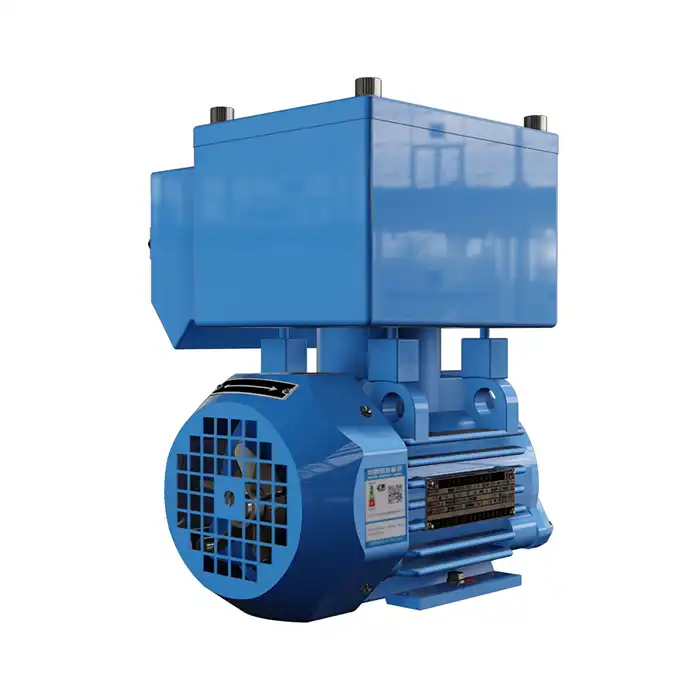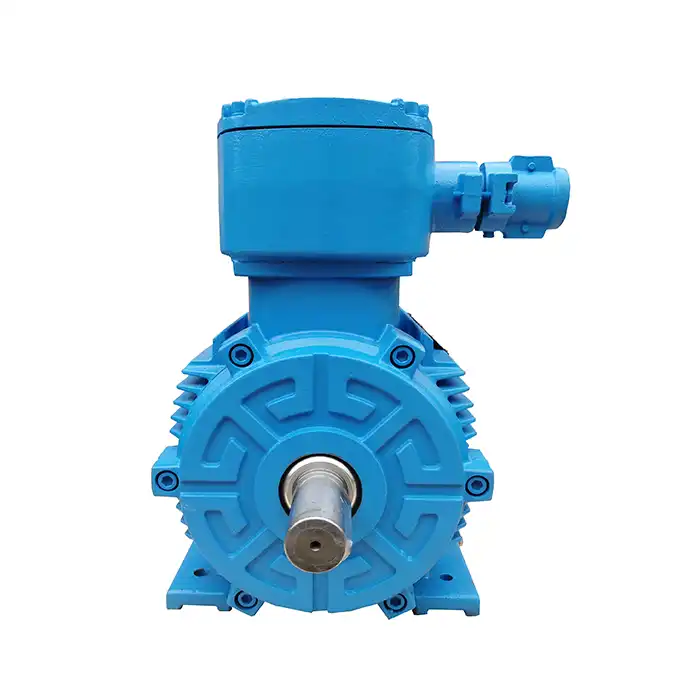




Benefits of YQ JS Series Motor for Efficiency & Stability
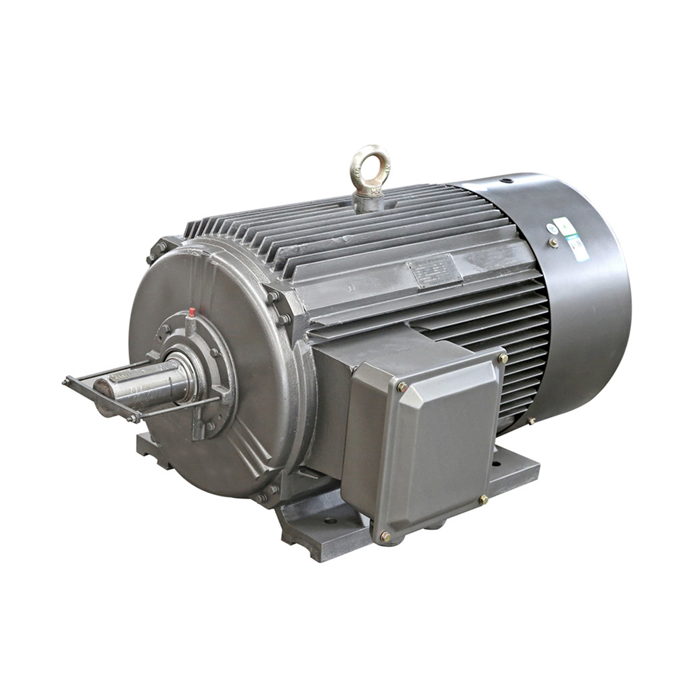
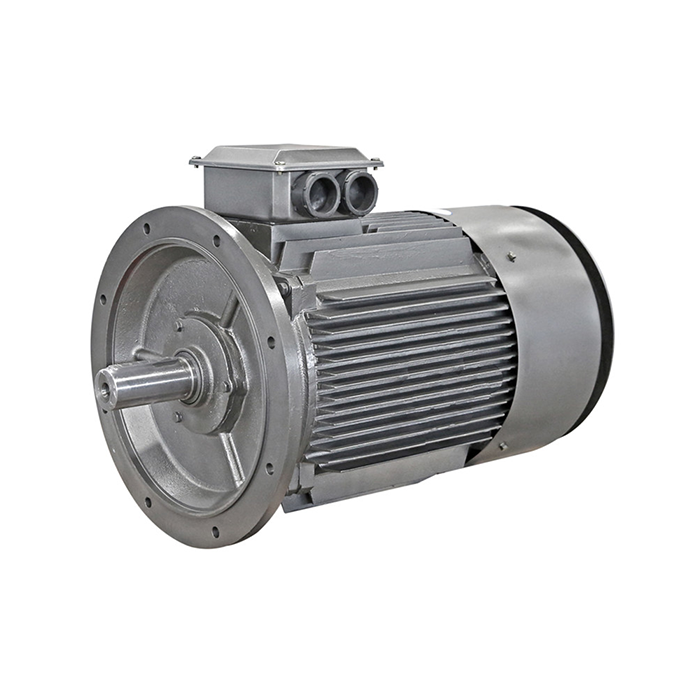
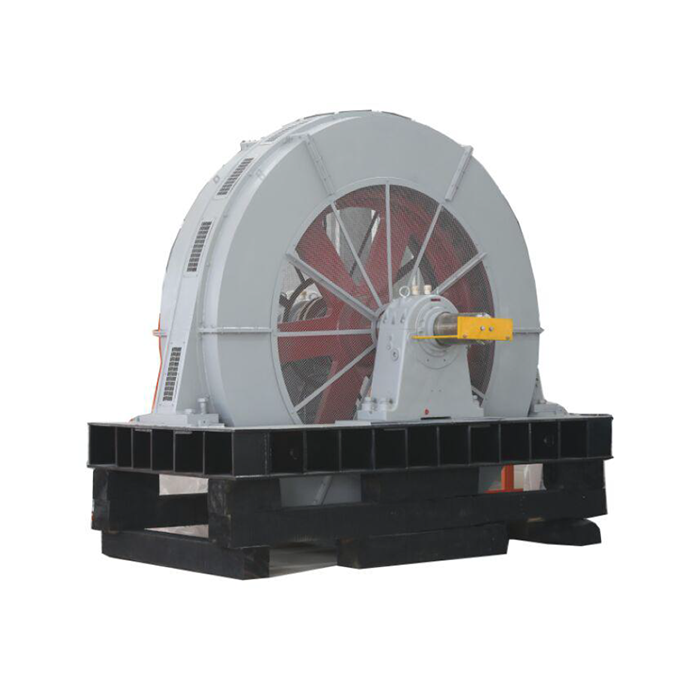
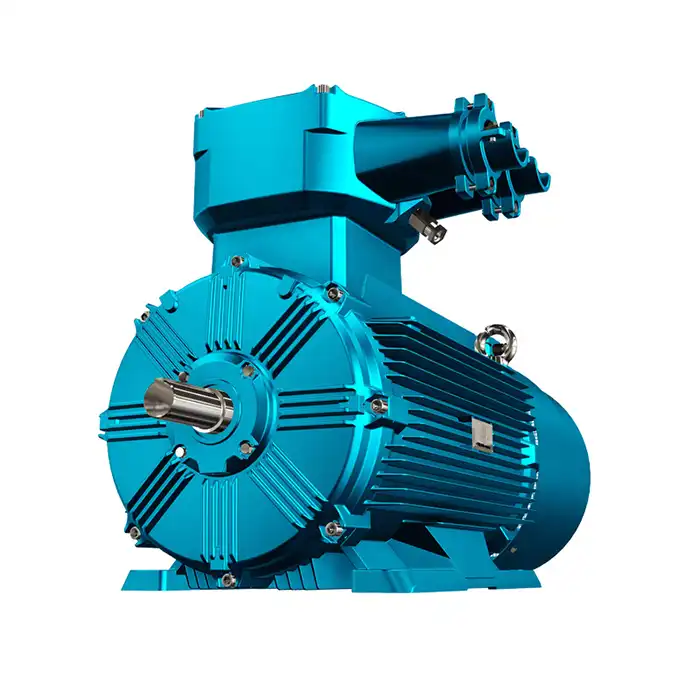
When your production line depends on steady power, choosing the right motor is essential to keeping things running smoothly. The YQ JS series motor works well and stays stable in a wide range of industrial settings, from tough factory floors to businesses that use ongoing processes. These motors have a power range of 45kW to 800kW and work at 380V electricity. They have stable torque qualities and perform well while using little energy. Because they can handle full power direct start and have an IP23 security level, they are especially useful for places that need to keep operations running as smoothly as possible and easily connect to other systems.
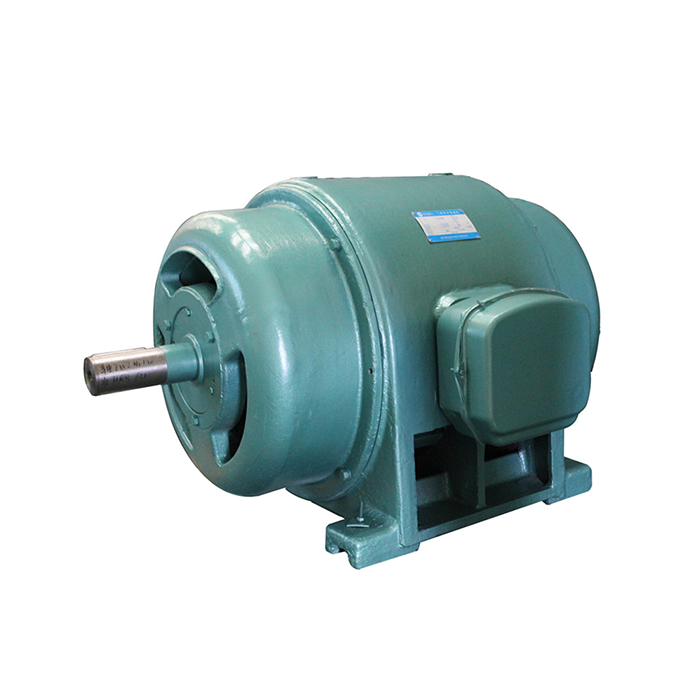
Series:YQ
Voltage range:380V±5%
Power range:45-800kW
Protection level:IP23
Application:YQ(JS) series medium-sized motors can drive a variety of different machinery, such as fans, compressors, water pumps, crushers, ball mills, cutting machine tools, transportation machinery and other equipment, and can be used in coal mines, machinery industries, power plants and various industrial and mining enterprises. Used as prime mover.
Advantage: Full voltage direct start.
Others: SKF, NSK, FAG bearings can be replaced according to customer requirements.
Understanding the YQ JS Series Motor: Specifications and Working Principles
Core Technical Specifications That Define Performance
The engineering behind these motors is based on standards that are useful in the real world and help solve problems in the business world. With Class B shielding and a frequency of 50Hz, they stay stable at high temperatures over long job cycles. The voltage tolerance of 380V±5% handles normal changes in the power grid without affecting performance, and the power factor ranges from 0.80 to 0.89 to get the most out of the energy used by the motor. This design choice has a direct effect on how efficiently your building uses electricity and cuts down on lost energy.
Starting torque is 200 to 250% of maximum torque, which makes sure that the motor starts reliably even when it's loaded with heavy things like in crushers, ball mills, and compressors. The maximum torque goes up to 250–300% of the rated value. This gives the extra capacity needed for short-term load spikes that happen in cutting tools and moving equipment.
Advanced Construction and Design Innovations
By looking inside the motor, we can see why steadiness stays the same in high-stress situations. The tough cast iron frame does two things: it keeps the structure strong and helps heat escape, which stops thermal degradation. The stator and rotor parts are carefully designed to reduce electromagnetic losses and mechanical shaking. This makes the machine run more smoothly and extends the life of the bearings.
When it comes to bearings, these motors come with high-quality parts made by well-known companies like SKF, NSK, or FAG. Procurement teams can choose the bearing brand they want based on maintenance rules or the need to keep supplies uniform. This adaptability lowers friction, noise, and service times, all of which have a direct effect on your total cost of ownership.
Maintenance Strategies for Maximizing Lifespan
It's not necessary for routine upkeep to be hard for it to work. We suggest visual checks every three months to look for strange vibration patterns, listen for changes in bearing noise, and keep an eye on working temperatures. Using manufacturer-recommended greases to lubricate bearings once a year stops them from wearing out too quickly, and checking the insulation resistance every six months finds problems with the windings before they break. Motor air paths must be kept clear to ensure proper cooling. This is especially important in dusty places like coal mines or cement plants where the IP23 protection level protects internal parts.
Advantages of YQ JS Series Motor: Efficiency and Stability Focus
Energy Efficiency That Reduces Operating Costs
Here are the core advantages that directly impact your operational budget and environmental footprint:
1. Optimized Electromagnetic Design: The carefully measured air gap between the rotor and stator lowers the amount of magnetising current needed, which in turn lowers the no-load losses. Because of this careful design, energy use stays proportional and efficient even when the system is only partially loaded, which happens a lot in variable-demand uses like HVAC systems.
2. Low-Loss Core Materials: The stator's advanced silicon steel laminations cut down on eddy current and hysteresis losses. Over the normal 20-year life span of a motor in continuous-duty situations, these small improvements in efficiency add up to big savings on energy costs and lower carbon emissions.
3. Power Factor Optimization: These motors use the least amount of reactive power from your electrical system because their power factors hit 0.89 in bigger frame sizes. This trait is especially important in places that have to pay for high demand or low power factor, since better power quality lowers energy costs directly.
When compared to older motor designs, these engineering choices all use less energy, which helps facilities meet their environmental goals while keeping costs down. Industrial users in the manufacturing, water treatment, and power generation sectors say their monthly energy costs have gone down since they switched to more efficient motor technologies.
Durability and Operational Stability Under Real Conditions
The robust building theory for YQ JS series motor takes into account how harsh industry settings can be. Cast iron frames don't get damaged by bumps in busy production areas, and their sizes stay the same even when the temperature changes. This structural stability keeps the shaft in the same place over many years of use, which stops bearings and couplings from wearing out too quickly.
Vibration control features built into the rotor balancing process keep the forces sent to driven equipment as low as possible. This is very important in situations like precision machine tools where too much vibration hurts the quality of the product or conveyor systems where vibration speeds up the wear and tear on the structure. Lower vibration levels also make linked equipment last longer, which improves the efficiency of your whole production line.
The IP23 protection class protects against water and dirt spray falling up to 60 degrees from the vertical, which is enough for most commercial uses inside. With Class B insulation that can handle constant operation at high temperatures, these motors keep their performance stable whether they are placed in climate-controlled spaces or places where the temperature changes.
Workplace Environment and Equipment Longevity Benefits
Noise levels are still kept low by designing fans carefully and making the best use of electromagnetic fields. The workplace is better when it's quieter, and people who work near motorised tools during their shifts don't get as tired of hearing them. This is something that needs to be thought about more and more as businesses focus on making overall health and safety changes at work.
The option to use full voltage straight start makes the needs for electrical facilities easier to meet. Instead of motors that need soft starts or variable frequency drives for every job, these units can connect directly to line power in some situations. This lowers the cost of installation and gets rid of any possible weak spots in the control circuit. This simple way to start works especially well in remote sites or places where support staff aren't very skilled.
Comparing YQ JS Series Motor with Alternative Industrial Motors
Performance Metrics Across Motor Technologies
When procurement workers are looking at different motor choices, it helps to know how different technologies meet the needs of different applications. This line of standard three-phase asynchronous motors work great in situations where a constant speed and a modest starting power are needed. Because they are simple and strong, they have fewer ways to fail than more complicated motor types.
Alternative motor technologies, such as permanent magnet synchronous motors, have better peak efficiency but usually need variable frequency drives to work and cost more to buy at first. Servo motors are great for controlling speed and positioning, but they are too complicated and expensive for uses like fans, pumps, and compressors that only need to run at a steady speed.
When you look at the total cost of ownership, it's easy to see that the YQ JS series motors are in a good middle ground. The price to buy stays about the same as normal industrial motors, and the costs of running them go down as they become more efficient. The brushless asynchronous design means that there aren't many parts that need to be maintained. For example, there aren't any commutators or fixed magnets that could lose their magnetic field.
Cost-Benefit Analysis for Informed Procurement
To find out how much it really costs to own something, you have to look beyond the purchase order. In continuous-duty uses, energy use usually makes up 95% or more of a motor's total cost. Even small gains in efficiency add up to big ones over years of 24/7 operation, which is widespread in process industries, water treatment plants, and power plants.
Maintenance costs are a big part of figuring out who owns something. The high quality of the bearings and the design that controls vibrations make service times longer, which lowers the costs of both planned maintenance and unplanned downtime. Facilities can often change the time between bearing replacements from once a year to twice a year. This lowers the cost of upkeep labour and parts while increasing the efficiency of production.
From what users in production sites have said, reliability is the most important trait. According to procurement managers, equipment that works as expected and only occasionally breaks down unexpectedly makes it easier to plan production and lowers the stress that comes with not knowing what will happen with the equipment. This dependability is especially important in industries with ongoing processes, where a broken motor can mean that an expensive production line has to be shut down.
Procurement Considerations for YQ JS Series Motor
Navigating the Purchasing Process Efficiently
Working with authorised sellers makes the process of buying things easier. At XCMOTOR, we keep a lot of popular frame sizes in stock, so we can quickly fill common setups. Lead times for stock models range from being available right away to two weeks for less common power levels. For special specs, it takes four to six weeks to make and check the quality of the product.
Facilities that are planning major motor upgrades or original equipment makers that are adding motors to the production of machinery can save a lot of money by buying in bulk. When you buy ten units or more, you can get volume prices, and the discounts get bigger as your order size grows. We work directly with buying teams to make sure that deals are set up in a way that fits with project timelines and budget cycles.
Logistics planning is important, especially for bigger frame sizes where the total landing costs are affected by freight costs and handling needs. We set up shipping plans that get the best prices and make sure the items are handled properly to avoid damage during travel. Depending on how you put things together, motors can be sent straight to project sites or integrator offices.
Warranty Coverage and After-Sales Support
The standard guarantee for YQ JS series motor lasts for 18 months from the date of commissioning or 24 months from the date of shipment, whichever comes first. This safety shows that we have faith in the quality of the manufacturing process and lowers the risk for buying teams during the early stages of operations, when manufacturing problems are most likely to show up.
Technical help after the sale is just as important as the goods itself. Our tech team helps with application questions, fixing operational problems, and giving advice on the best ways to do upkeep. You can email help at xcmotors@163.com to get in touch with technical experts who know a lot about these motors and can answer your questions quickly if you need to.
For long-term business planning, service reliability is important. We keep parts on hand for models that are still being made, and we offer extra parts support for ten years after a model stops being made. This promise means that facilities can safely order these motors, knowing that they won't have to repair them too soon because parts aren't available.
Customization Options for Specialized Applications
Most industrial needs can be met by standard setups, but some tasks work better with custom specs. We can make unique shaft extensions, mounting setups, and bearing choices that work perfectly with the designs of other equipment. Changes to the climate, such as better corrosion protection layers, are good for sites near the coast or in chemical processing areas.
Changes in voltage and frequency can be handled for buildings with non-standard electrical systems or for projects that involve people from other countries. When standard designs don't perfectly meet the needs of an application, special winding setups are used to get the best performance for certain duty cycles or load rates. By talking about these options early on in the procurement process, project timelines can take into account the time it takes for technical review and production wait times.
Why Choose YQ JS Series Motor: Trusted Supplier and Brand Insights
Manufacturing Quality and Compliance Standards
Quality control starts with choosing the raw materials and goes on through all stages of production. Before they go into production, electrical steel laminations are inspected upon arrival to make sure they have the right magnetic qualities and dimensions. Copper windings meet conductivity standards, which means they lose very little resistance. Insulation materials meet thermal class scores and chemical protection standards.
During assembly, each motor goes through a series of tests, such as no-load operation to make sure it runs smoothly and rotates correctly, resistance measurements to make sure the windings are intact, and high-voltage insulation tests to make sure the electrical safety. Before motors are approved for shipment, they go through final quality checks that include analysing vibrations, measuring noise, and making sure they work properly under realistic load conditions.
Procurement pros can be sure that motors meet safety and efficiency standards when they follow international standards. Manufacturing processes are based on written quality control systems. This makes sure that the quality is the same across all production runs and that problems can be tracked down if they happen during operation or commissioning.
Building Long-Term Partnership Value
In addition to selling motors, we focus on building connections with our customers that help them be successful in their business over time. This way of doing things shows up as quick technical help, clear communication about lead times and possible shipping problems, and prompt notices about product improvements or changes to specifications.
Reliability is very important in the industrial equipment business, and not just when it comes to tools. When procurement teams know they can count on regular product quality, open communication about what the product can and can't do, and quick help when they have questions, they feel more comfortable choosing motors for important uses. This trust is especially useful when planning a project because having correct information about capabilities, wait times, and prices has a direct effect on the success of the whole project.
These YQ JS series motors are reliable prime movers that power important production tools for companies in the manufacturing, HVAC, energy creation, and other industries. Their continued trust comes from performance that meets their needs, durability that lets them use the product for longer amounts of time without needing upkeep, and help that quickly fixes problems when they happen.
Conclusion
When choosing motors for commercial use, you have to think about a lot of things, like the starting cost, how much energy they use, how reliable they are, how much maintenance they need, and how well the supplier can support them. The YQ JS series motor takes these things into account by using realistic engineering that focuses on stability and economy instead of adding extra complexity. Most industrial prime mover uses can be covered by the power range of 45kW to 800kW, and the simple installation and upkeep needs make them suitable for facilities with a range of technical abilities.
These motors give industrial processes the reliable performance they need, whether they are powering pumps in water treatment plants, fans in factories, or conveyors in systems for moving goods. Specifications that are clear, responsive seller support, and performance that has been proven in a wide range of applications and working conditions all give procurement pros trust.
FAQ
1.What applications suit the YQ JS series motor best?
As prime movers, these motors work great in fans, compressors, water pumps, crushers, ball mills, cutting tools, conveyor systems, and other industrial gear. They are used in industries like coal mining, manufacturing, power generation, and many others for uses that need to run at a steady speed and produce torque reliably. From 45kW to 800kW, the power range meets most medium to big industrial drive needs.
2.How does the full voltage direct start capability benefit installations?
With direct-on-line starting, you don't need soft starts or variable frequency drives in situations where you wouldn't need them otherwise. This makes the electrical infrastructure easier to use, lowers the cost of the starting equipment, and gets rid of places in the motor control circuit where something could go wrong. The high starting power makes it possible to start up reliably, even when loads are heavy.
3.What bearing options accommodate different maintenance preferences?
Quality bearings are included in standard setups, and you can choose between SKF, NSK, and FAG names based on your facility's maintenance rules or the need to standardise your inventory. This gives you the freedom to easily add motors to your current repair plans and makes sure that the parts you buy will work with the ones you already have.
Partner with XCMOTOR for Reliable Industrial Motor Solutions
Shaanxi Qihe Xicheng Electromechanical Equipment Co., Ltd. can help you with your power equipment needs by providing you with the YQ JS series motor and full expert support. We're not just committed to selling you equipment; we also offer full power options that solve your unique operational problems. As a provider of industrial motors with a lot of experience, we keep track of our stock, handle logistics, and provide specialised support throughout the buying and implementation process. Customisation choices let you meet specific needs, and our promise of fast delivery and 30-day return policy lower the risk of buying from us. Contact our technical team at xcmotors@163.com to discuss your application needs, get full specs, or ask for quotes. Visit motorxc.com to see all of our products and learn how we help industrial sites in manufacturing, HVAC, energy, and other challenging fields with their power equipment problems.
References
1. Chapman, Stephen J. Electric Machinery Fundamentals. McGraw-Hill Education, 2012.
2. Almeida, Anibal T., et al. "Beyond Induction Motors—Technology Trends to Move Up Efficiency." IEEE Transactions on Industry Applications, vol. 50, no. 3, 2014, pp. 2103-2114.
3. Bonnett, Austin H., and Christian Yung. "Increased Efficiency Versus Increased Reliability." IEEE Industry Applications Magazine, vol. 14, no. 1, 2008, pp. 29-36.
4. Saidur, R. "A Review on Electrical Motors Energy Use and Energy Savings." Renewable and Sustainable Energy Reviews, vol. 14, no. 3, 2010, pp. 877-898.
5. De Almeida, Anibal T., et al. "Technical and Economic Considerations on Super High-Efficiency Three-Phase Motors." IEEE Transactions on Industry Applications, vol. 50, no. 2, 2014, pp. 1274-1285.
6. Burt, Christina M., et al. "Electric Motor Efficiency Under Variable Frequencies and Loads." Journal of Irrigation and Drainage Engineering, vol. 134, no. 2, 2008, pp. 129-136.