



The Benefits of 3.3 kV Motors for Energy Savings in 2026
3.3 kV motors are a viable way to achieve significant energy savings as industrial operations come under increasing demand to lower energy expenses and their environmental impact. When compared to low voltage counterparts, these medium voltage motors perform at far greater efficiency levels, consuming 15–25% less energy in typical industrial applications. The adoption of 3.3 kV motor technology is a calculated investment that supports long-term sustainability objectives while providing immediate operating savings, as rising electricity costs are expected to increase by 8–12% yearly through 2026.
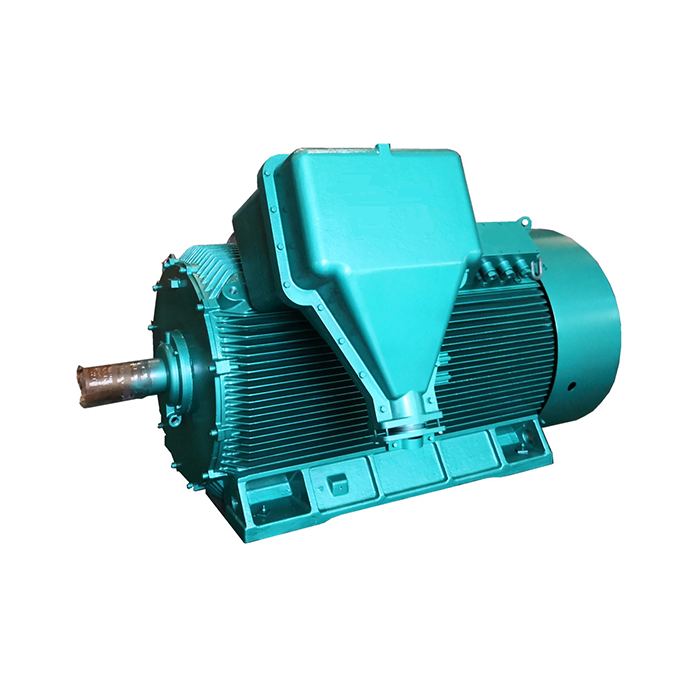
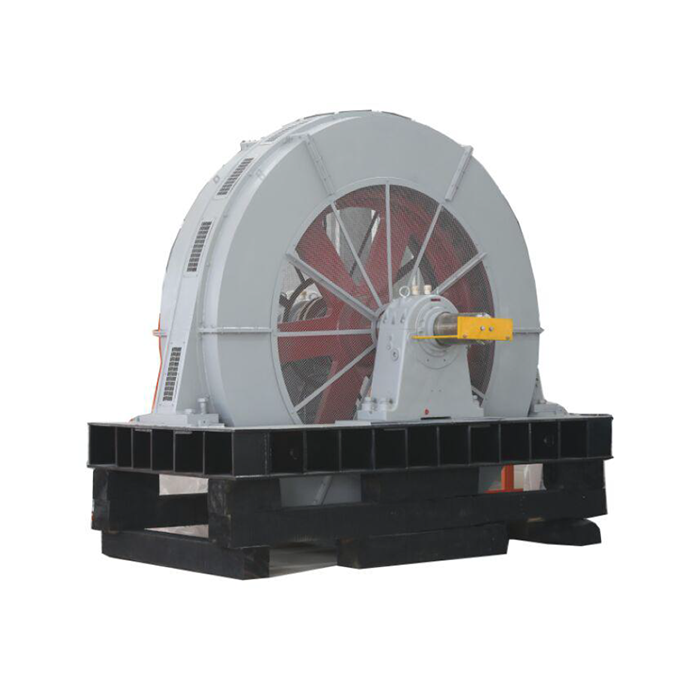
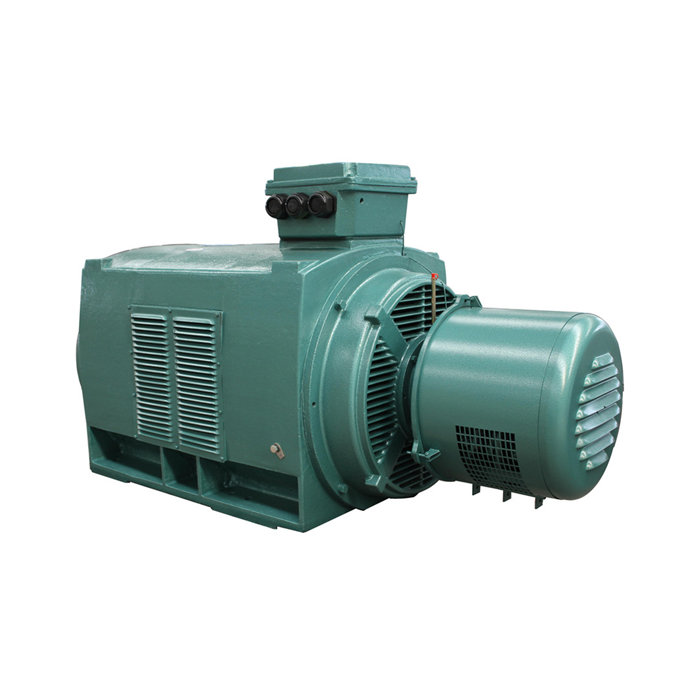
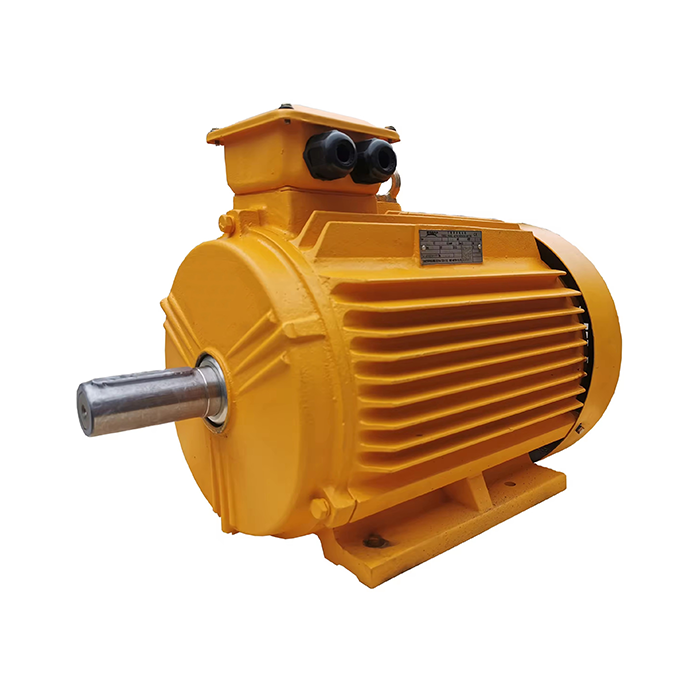
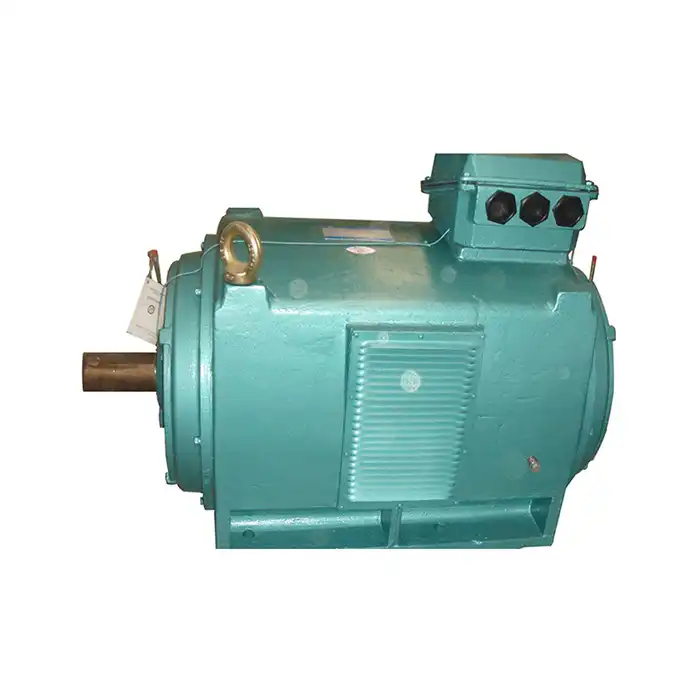
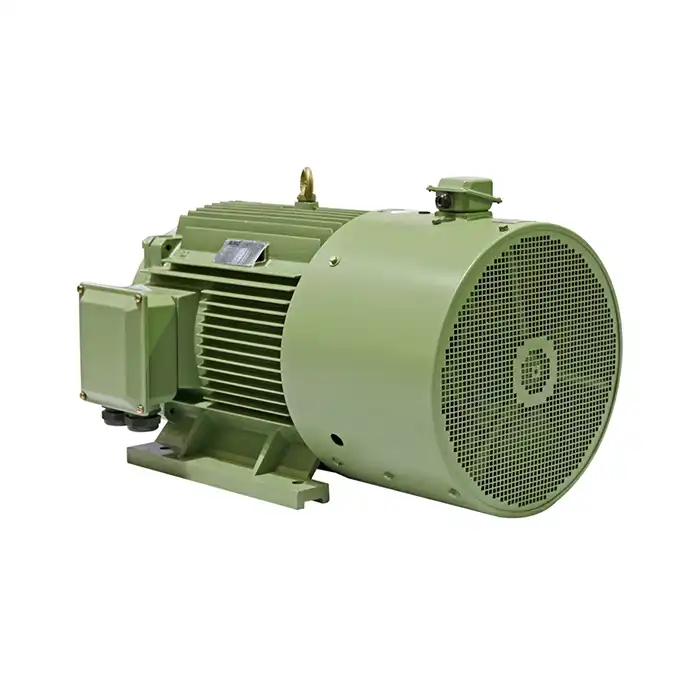
Series:Y2
Protection level:IP54
Voltage range:3000V±5%,3300V±5%,6000V±5%,6600V±5%,10000V±5%,11000V±5%
Power range:160-1600 kW
Application:fans, water pumps, compressors, crushers, cutting machine tools, transportation machinery, etc.
Advantage:compact structure, light weight, low noise, small vibration, long service life, easy installation and maintenance.
Standard: This series of products complies withJB/T10444-2004 standards.
Others: SKF, NSK, FAG bearings can be replaced according to customer requirements.
Understanding Key Parameters and Indicators
Assessing the Performance of Motors
Energy efficiency and operational effectiveness are determined by a number of crucial elements when evaluating the performance of 3.3 kV motors. Premium efficiency models achieve even greater performance levels, with motor efficiency ratings usually falling between 94% and 97%. The ideal electrical performance is indicated by power factor readings between 0.85 and 0.95, which lower reactive power demands on the electrical system of your building.
Capabilities of Medium Voltage Motors
Excellent performance is achieved by medium voltage motors running at 3300V in power ranges of 160 kW to 1600 kW. In spite of electrical grid disturbances, stable functioning is guaranteed by the ±5% voltage tolerance. In industrial settings, protection classifications such as IP54 and IP55 offer sufficient resistance against moisture and dust.
Temperature Rise Characteristics Are Important
Characteristics of temperature rise are still essential for long-term dependability. When operating at full load, high-quality electric motors keep temperature increases below 80°C. Reliable functioning in demanding industrial applications is ensured by insulation class ratings of F or H.
Details of Torque and Speed
Starting torque usually ranges from 200% to 350% of rated torque, and motor torque capabilities must match application requirements. Diverse application needs are accommodated by speed variations ranging from 500 to 3000 RPM. Premium brand bearing specifications guarantee a longer service life of more than 40,000 working hours. Vibration levels below 2.8 mm/s are indicative of high-quality production and appropriate design.
Core Benefits of Advanced Medium Voltage Technology
Benefits of Energy Efficiency
The main benefit of using 3.3 kV motor systems is an increase in energy efficiency. Due to lower current flow and fewer power losses, these industrial motors use 20–30% less energy than comparable low voltage versions. Reduced heat generation and increased system efficiency are directly correlated with lower current requirements.
Benefits of Lower Electrical Infrastructure Costs
Additional savings opportunities arise from lower electricity infrastructure expenses. Compared to low voltage installations, medium voltage motors use up to 50% less copper since they require smaller cable diameters. As switchgear and electrical panels get smaller, less space is needed and installation costs go down.
Advantages of Higher Power Quality
The operations of the entire facility are improved by improved power quality characteristics. Better power factor performance from higher voltage motors lowers demand charges from utility companies. Your facility's sensitive electronic equipment will experience less interference when harmonic distortion is reduced.
Improved Dependability and Lower Maintenance
Improved production uptime and lower maintenance costs are directly correlated with increased reliability. Robust structure and high-quality motor bearings endure challenging industrial conditions. Longer service life lowers the need for replacements and the related downtime expenses.
Compatibility of Variable Frequency Drives
Compatibility with variable frequency drives allows for more energy savings and accurate speed control. In variable load applications, motor efficiency optimization via VFD integration can result in energy savings of 25–40%. Motor protection systems guard against expensive damage from mechanical overloads and electrical malfunctions.
Easy Maintenance and Installation
Installation operations are made simpler by the compact structure and decreased weight. Compared with comparable earlier designs, modern high voltage motors take up 30% less space. Service intervals and related expenses are decreased by simplified motor maintenance requirements.
XCMOTOR's Advanced Solutions Versus Conventional Options
Unique Benefits of 3.3 kV Motor Technology from XCMOTOR
The 3.3 kV motor technology from XCMOTOR has a number of unique benefits that distinguish our products from those found on the market. Our motors have improved insulation systems made of high-quality materials, which increase their service life above industry norms. Modern motor winding methods enhance thermal performance and minimize energy losses.
Better Cooling Systems
Under various load scenarios, precisely designed motor cooling systems maintain ideal operating temperatures. Our IC411 cooling technique dissipates heat more effectively than traditional air-cooled systems. Different cooling setups meet the needs of particular applications without sacrificing effectiveness.
Superior Bearing Choices
Internationally renowned brands that guarantee dependable performance are among the premium motor bearing possibilities. Using premium bearings that surpass industry standards is regular procedure for us. Particular application requirements and environmental circumstances are accommodated by custom bearing arrangements.
Features for Improved Protection
Improved motor protection measures prevent against mechanical and electrical malfunctions. Early warning of possible problems is provided by integrated temperature monitoring systems. Long-term dependability in demanding applications is ensured by advanced motor insulation testing.
Compact Design for Effective Installation
Without compromising performance, a compact motor design requires less installation area. Our engineering team maintains full power ratings while optimizing motor dimensions to reduce the facility footprint. The lightweight design makes handling and installation easier.
All-inclusive Quality Control
All units perform consistently thanks to extensive quality assurance methods. Every electric motor is put through a thorough testing process to confirm operational parameters and efficiency ratings. For medium voltage applications, our quality control standards are higher than those required by the industry.
Maximizing Benefits Through Proper Implementation
The Significance of Motor Installation and Selection
Careful consideration of motor installation and selection procedures is necessary to get the best possible energy savings. Finding the right power ratings to meet the needs of the actual application is made easier with the use of load analysis. Potential energy savings are eliminated by the lower operating efficiency of oversized motors.
Dependable Performance With Appropriate Starter Selection
Selecting the right motor starter guarantees dependable performance and guards against electrical problems. Integration of motor control centers streamlines monitoring and operating processes. Damage from overcurrent, undervoltage, and phase imbalance situations is avoided by sophisticated protective mechanisms.
Upkeep to Maintain Efficiency
Schedules for routine motor maintenance maintain efficiency levels over the course of the service life. To avoid premature failure, bearing lubrication intervals should adhere to manufacturer specifications. Vibration monitoring of motors detects possible problems before expensive malfunctions happen.
Environmental Factors Affecting Lifespan
Environmental factors affect the longevity and performance of motors. Proper motor cooling is ensured and overheating is avoided with adequate airflow. Insulation integrity is maintained and corrosion is avoided by protection from moisture and impurities.
Energy Tracking for Enhancement
Energy monitoring systems keep tabs on real performance and spot areas for improvement. Electrical problems that could impact motor efficiency are revealed via power quality analysis. Frequent efficiency testing detects deteriorating performance and confirms anticipated energy savings.
Maximizing Motor Torque and Speed
For certain applications, energy consumption is optimized through proper motor speed matching. The use of variable frequency drives greatly improves variable load conditions. To avoid wasting energy, motor torque characteristics must match load requirements.
Effects of Installation Techniques
Long-term performance is greatly impacted by installation practices. Excessive bearing wear and motor vibration are avoided with proper alignment. To avoid power losses and voltage drops, electrical connections must adhere to requirements.
Important Implementation Considerations
Assessing the Compatibility of Electrical Systems
A thorough assessment of electrical system compatibility is necessary prior to 3.3 kV motor solutions being implemented. Upgrades or support for medium voltage requirements must be provided by the current infrastructure. For motor starting currents, transformer capacity and electrical distribution systems must have sufficient ratings.
Environmental Considerations When Choosing a Motor
The choice of motor and the need for protection are influenced by environmental circumstances. Increased cooling systems or derating factors may be necessary in high ambient temperatures. Special sealing techniques and protective coatings are required in corrosive environments.
Safety Issues with Systems at Higher Voltages
Higher voltage systems raise the importance of safety considerations. The operation and maintenance of medium voltage equipment necessitates more personnel training. Working on high voltage motors requires the use of the appropriate safety gear and protocols.
Effects of Load Properties
Motor performance and the possibility of energy savings are impacted by load variables. Applications with constant speed yield distinct benefits than those with variable load. Motor efficiency curves aid in duty cycle selection optimization.
Improving Maintenance Skills
For medium voltage equipment, your organization's maintenance capabilities might need to be improved. Appropriate maintenance techniques require specialized testing equipment. Programs for training employees guarantee that they can service sophisticated motor systems safely.
Costs of Implementation: An Economic Analysis
Potential savings and all implementation expenses should be taken into account in economic analysis. Higher initial equipment expenses must be balanced against lower energy costs. Generally speaking, payback durations vary from 18 to 36 months, contingent upon operational circumstances.
Considerations for Facility Planning
Future expansion needs and space requirements are factors to be taken into account while planning a facility. For safe operation and maintenance, motor control centers need the necessary clearances. Higher voltage systems must be taken into consideration in emergency shutdown protocols.
Conclusion
Using 3.3 kV motor technology is a calculated investment in operational excellence and energy efficiency. These cutting-edge solutions provide quantifiable savings that boost your bottom line and help environmental goals as electricity prices continue to rise through 2026. Proven technology and first-rate support services are combined in XCMOTOR's all-inclusive solutions to guarantee successful deployment and sustained performance. Medium voltage motors are a crucial part of contemporary industrial processes because of their decreased energy usage, less maintenance needs, and increased dependability.
Frequently Asked Questions
Q1: What energy savings can I expect from upgrading to 3.3 kV motors?
A: When compared to low voltage alternatives, typical energy savings range between 15 and 25%. Variable frequency drive integration can result in even greater savings. Your particular application, load characteristics, and operating habits will determine the actual savings. For your facility, our engineering team can offer a thorough energy study.
Q2: How do installation requirements differ for medium voltage motors?
A: Specialized electrical infrastructure, such as suitable switchgear, transformers, and cable networks, is needed for medium voltage installations. The need for safety has grown dramatically, necessitating the use of specialized equipment and skilled workers. XCMOTOR offers thorough installation instructions and assistance all along the way.
Q3: What maintenance considerations apply to 3.3 kV motor systems?
A: Testing for insulation, vibration monitoring, and bearing lubrication are all part of routine inspection programs. Appropriate maintenance techniques require specialized testing equipment. Our motors are built to last longer between repairs, which lowers overall maintenance needs while maintaining dependable performance.
Partner with XCMOTOR for Superior Energy Efficiency Solutions
XCMOTOR is prepared to use cutting-edge medium voltage motor technology to revolutionize your industrial operations. As a reputable 3.3 kV motor manufacturer, we provide tried-and-true solutions that save energy expenses and improve operational dependability. Power ranges from 160 kW to 1600 kW are covered by our extensive product line, guaranteeing ideal fits for your particular applications. Discover the advantages of our small design, longer lifespan, and easier maintenance needs. Get in touch with us at xcmotors@163.com to talk about your energy-saving objectives and find out how our high-quality motor solutions may help your business.
References
1. Industrial Energy Efficiency Report: Medium Voltage Motor Applications in Manufacturing. American Society of Industrial Engineers, 2024.
2. Johnson, M.R. and Williams, K.L. "Energy Savings Analysis of 3.3 kV Motor Systems in Process Industries." Journal of Industrial Energy Management, Vol. 45, No. 3, 2024.
3. Electric Motor Efficiency Standards and Performance Guidelines. Institute of Electrical and Electronics Engineers Standards Publication, 2024.
4. Thompson, D.A. "Medium Voltage Motor Technology Trends and Energy Impact Assessment." Industrial Power Systems Conference Proceedings, 2024.
5. Energy Cost Reduction Strategies Using Advanced Motor Technologies. International Association of Energy Engineers Technical Paper Series, 2024.
6. Brown, S.J. and Anderson, P.K. "Comparative Analysis of High Voltage Motor Performance in Industrial Applications." Electric Power Components and Systems Journal, Vol. 52, No. 8, 2024.