




To choose the best motor solutions for OEM uses, you need to carefully evaluate performance standards, application requirements, and the supplier's capabilities. A low voltage induction motor is often a reliable choice for many OEM applications because it offers stable performance, energy efficiency, and wide industrial adaptability. Strong design, proven dependability, and comprehensive support all work together to deliver value for OEMs across a wide range of market sectors. As modern electric motor technology continues to evolve to meet changing industrial demands, solutions like the low voltage induction motor still maintain the fundamental features that make these systems essential for manufacturing around the world.
Best Low Voltage Induction Motors for OEMs
March 11, 2026
Manufacturers always put durability, efficiency, and flexibility at the top of their list when looking for the most reliable low voltage induction motor solutions for OEM uses. These robust electric motor units form the backbone of countless industrial operations across manufacturing, HVAC systems, and automation processes. The best motors keep their performance level stable and their cost-effectiveness high over their entire working life. Modern three-phase motor technology has grown to meet the strict needs of industry. It now has better torque traits and electromagnetic induction abilities. Leading manufacturers now offer complete solutions that meet the needs of OEMs in all global markets and make it easy to integrate their products with other production systems.
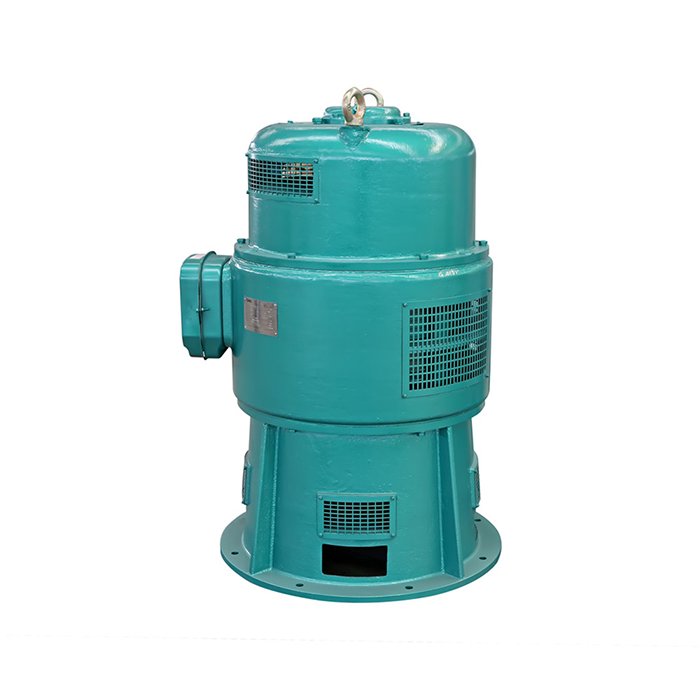
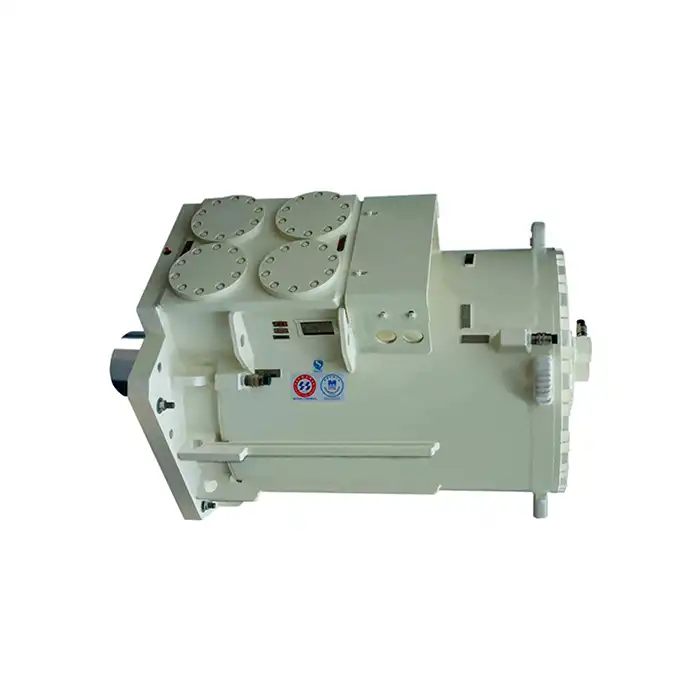
Series:YRQ
Voltage range:380V±5%
Power range:45-800kW
Protection level:IP23
Application:YRQ(JR) series medium-sized motors can drive a variety of different machinery, such as fans, compressors, water pumps, crushers, ball mills, cutting machine tools, transportation machinery and other equipment, and can be used in coal mines, machinery industries, power plants and various industrial and mining enterprises. Used as prime mover.
Advantage: The JR series medium-sized motors have very powerful driving capabilities and can not only drive conventional mechanical equipment, but also some complex mechanical equipment. For example, it can drive heavy machinery such as ships, cranes, and wind turbines, as well as small household appliances, purifiers, compressors, etc.
Others: SKF, NSK, FAG bearings can be replaced according to customer requirements.
Understanding the Critical Role of Electric Motors in Modern Manufacturing
Dependence on Motor Systems That Work
Reliable motor systems are very important for manufacturing in the automotive, aerospace, electronics, and food processing businesses. For these uses, motors need to be able to run continuously while still letting the user precisely control the speed and power.
The Squirrel Cage Design as the Main Idea
Because it is easy to use and reliable, the squirrel cage design has become the standard for most commercial uses. Motors that work well with variable frequency drives and motor control systems are needed for industrial automation systems. The configurations of the stator and rotor must provide the best electromagnetic induction while using the least amount of energy.
Why thermal protection is important
In modern factories, thermal protection measures are also needed to avoid costly downtime and equipment failure. Motors are used in process control uses for pumps, valves, compressors, and other important machines that can't be trusted to break down.
Effectiveness and Durability in Difficult Setting
A lot of the time, these systems are used in tough conditions that make motor efficiency and reliability very important for long-term success.
Essential Selection Criteria for OEM Motor Applications
Ratings for power supply compatibility and efficiency
To choose the right motor, you have to look at a lot of technical and practical factors. Compatibility with the power source is the most important thing to think about. Depending on regional standards, voltage ratings usually range from 380V to 660V. For applications requiring lower voltage, a low voltage induction motor may be the ideal choice. Ratings for motor efficiency have a direct effect on running costs, which makes this a very important factor for long-term profitability.
Characteristics of Slip and Rotor Design
How well motors keep their speed when the load changes depends on their slip properties. In general, lower slip values mean better performance, especially when exact speed control is needed. The shape of the rotor has a big effect on these traits. Rotors that are properly balanced ensure smooth operation and longer bearing life.
Capabilities for starting and winding arrangements
The ability of the motor to start must match the needs of the application. For some uses, high starting torque is important, while for others, soft-start features are more important to reduce mechanical stress. Motor winding configurations have a big impact on these performance traits, affecting both how well the motor starts and how efficiently it runs.
Protection Ratings
Protection ratings are one environmental factor to think about. For example, IP23 is a usual rating for industrial uses inside. The ranges of operating temperatures must be able to handle the environment, and the mounting choices should be able to meet a variety of installation needs. Total cost of ownership is also affected by how often you have to fix your car, so this is an important factor to consider when choosing a car.
YRQ Series: Versatile Solutions for Heavy-Duty Applications
Performance Specifications and Capabilities
From 45kW to 800kW, the YRQ series has impressive power ratings, which makes these units suited for tough industrial uses. These motors can handle a wide range of machines, such as fans, compressors, water pumps, crushers, ball mills, and cutting machine tools. They work at 380V±5% and are protected by IP23. As reliable prime movers, these three-phase motor units work well in coal mines, machinery shops, power plants, and other industry settings. The strong construction makes sure that they work consistently even in tough working conditions, and they keep saving energy throughout their useful life. The motor's efficiency stays high across a wide range of powers, which helps keep costs down. The design of electromagnetic induction maximizes power transfer while reducing losses. This makes the system more efficient as a whole. For applications that require lower voltage, the low voltage induction motor is particularly effective. Thermal safety systems keep things from getting too hot, which guarantees their dependability over time.
Heavy Machinery Applications
It can drive more than just regular tools; it can also move ships, cranes, and wind turbines. Because they can be used in so many ways, these motors are especially useful for OEMs that serve a wide range of market groups. The high torque output can handle tough tasks while keeping things running smoothly. Variable frequency drive support lets you precisely control speed for uses that need to be able to change how they work. Motor control systems work together without any problems, which lets complex automation systems be set up. The shape of the stator makes the best use of the magnetic field to keep performance stable even when the load changes. Bearing systems use reliable parts from well-known companies like SKF, NSK, and FAG, depending on what the customer needs. This adaptability makes sure the best performance for each working situation while giving you access to your chosen maintenance supply chains.
Installation and Maintenance Advantages
Copper wires are used in motor winding configurations to make them more efficient and last longer. The frame's building of cast iron gives it great mechanical strength and reduces heat buildup. Different mounting choices, such as foot-mounted, flange-mounted, and foot-flange mounted, can be used to meet different installation needs. The slip characteristics stay the same no matter what the working conditions are, so the performance can be predicted. Precision standards are used for rotor balance to reduce vibrations and increase bearing life. All of these features work together to make the system more reliable and require less upkeep.
Global Market Characteristics and Regional Considerations
More people want motor solutions that use less energy
Motor options that use less energy are becoming more and more popular in industrial automation markets around the world. High-efficiency motors are becoming more popular in Europe because of the market's focus on eco-friendly and energy-saving technologies. Reliability and low cost are important to North American markets, especially when it comes to industry.
Rise of machines that do work in Asian markets
Asian markets demonstrate rapid growth in automation adoption, creating opportunities for versatile motor solutions. Modernizing industries is what drives the need for improved motor control and variable frequency drive integration. Voltage needs are affected by regional power supply standards. 380V and 660V are typical standards.
Focus on energy efficiency by the government
Regulatory systems are putting more and more emphasis on energy efficiency standards. Different areas have different rules about how efficient motors must be, but overall, the rules are getting stricter. These standards affect the goals for design and the certification needs for global OEM applications.
What effect do cultural preferences have on buying decisions?
Different cultures have different buying habits. In some markets, the starting cost is more important than the total cost of ownership. OEMs can choose the right motors for their target markets when they know about these choices.
Purchasing Recommendations and Key Considerations
Help from suppliers and ways to make changes
When choosing an electric motor, give the most weight to providers who offer full technical support and reliable delivery times. Being able to change specs to fit specific uses is very useful, especially for OEMs that serve niche markets. For example, if you require a motor suited for lower voltage applications, a low voltage induction motor may be an ideal option. Products are reliable when they have quality certifications and meet foreign standards.
Manufacturing Skills and Ensuring Quality
Think about the supplier's ability to make things and their quality control methods. Modern ways of making things, like precise die-casting, advanced winding technology, and automated assembly methods, show that the products are of higher quality. At every stage of production, strict testing methods show that reliability is important.
Replacement parts and service are easy to get
Check to see if replacement parts and service help are easy to get. Access to bearing options from multiple manufacturers provides supply chain flexibility. This is a very important part of the evaluation process because the quality of the technical documentation affects how well installation and upkeep work.
Thoughts on the Total Cost of Ownership
Total ownership costs, not just the initial purchase price, should be taken into account when thinking about costs. Long-term value is affected by how much energy it can save, how much upkeep it needs, and how long it is expected to last. Motor efficiency scores are directly linked to the amount of money saved on running costs over the life of the equipment.
Industry Trends and Future Outlook
The market for industrial motors keeps changing as efficiency standards rise and technology is better integrated. Smart motor technologies that use sensors and can talk to other devices are becoming more popular in manufacturing. Energy saving requirements drive innovation in motor design and control systems, while industrial automation adoption accelerates globally. These trends open up chances for OEMs that can provide advanced motor solutions that meet the needs of new markets while still meeting established standards for dependability.
Conclusion
Frequently Asked Questions
1. What power ranges are typically required for OEM applications?
Power needs are very different depending on the purpose. Some small automation systems need motors that are less than 100kW, but most big industrial uses need units that are 200kW to 800kW. The YRQ line, which ranges from 45kW to 800kW, meets the needs of most OEMs in a wide range of industries.
2. How do protection ratings affect motor selection?
IP23 protection works well for most indoor industry uses because it keeps solid objects and water spray out. Applications that are used outside or in harsh conditions may need better protection ratings. The level of protection has a direct effect on the cost of the motor and the amount of upkeep it needs. Making the right choice is essential for long-term success.
3. What advantages do copper windings provide over aluminum?
Copper motor wire is a better conductor of electricity than aluminum, which makes the motor work better and lose less power. Copper is also a better thermal conductor, which means it can get rid of heat faster. Copper costs more at first, but in industrial settings, the better performance and longer life usually make it worth it.
Ready to Source Premium Low Voltage Induction Motor Solutions?
XCMOTOR offers complete power equipment options that are made to meet the needs of OEMs in markets around the world. Our engineering team specializes in matching motor specs to the needs of a product, which ensures the best performance and dependability. As a reliable low voltage induction motor supplier, we offer quick shipping, dedicated expert support, and 30-day return policies that lower the risks of buying from us. Get in touch with our team at xcmotors@163.com to talk about your unique needs and find out how our tried-and-true solutions can help your business.
References
1. Industrial Electric Motor Design and Application Guidelines for Manufacturing Equipment, International Electrotechnical Commission, 2023.
2. Energy Efficiency Standards for Low Voltage Induction Motors in Industrial Applications, IEEE Motor and Drive Systems Standards, 2023.
3. Global Market Analysis of OEM Motor Applications in Manufacturing Industries, Industrial Equipment Research Institute, 2024.
4. Bearing Selection and Maintenance Guidelines for Industrial Motor Applications, Mechanical Engineering Standards Board, 2023.
5. Electromagnetic Induction Principles and Applications in Three-Phase Motor Design, Electric Power Engineering Journal, 2024.
6. Cost-Benefit Analysis of Copper versus Aluminum Windings in Industrial Motor Applications, Manufacturing Technology Review, 2023.
YOU MAY LIKE
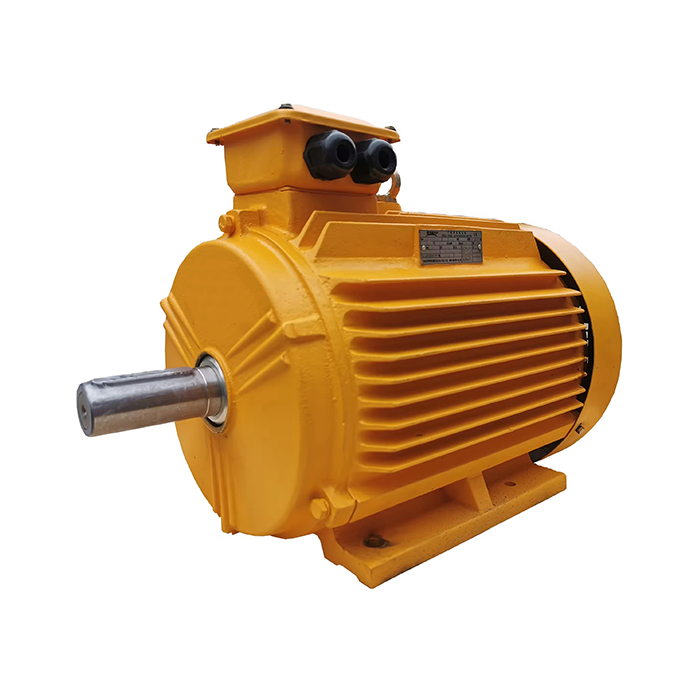 VIEW MOREelectric motor 10 hp 3 phase
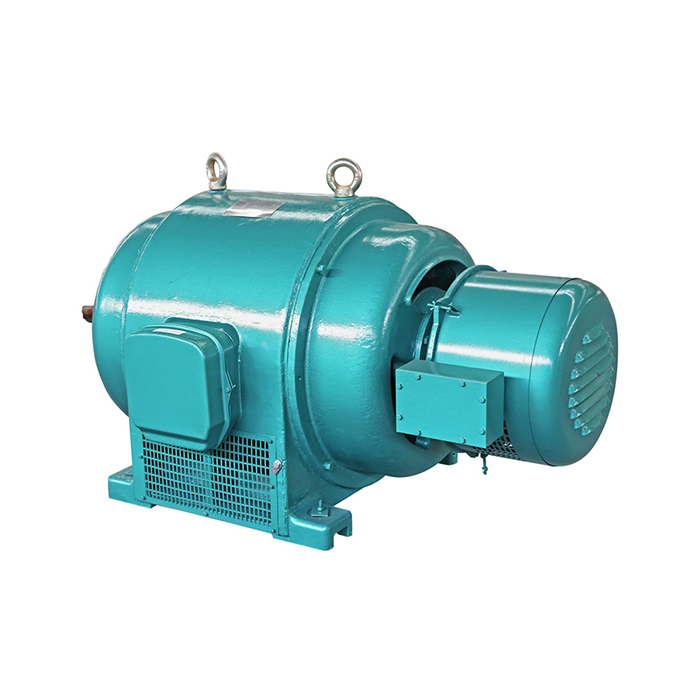 VIEW MOREslip ring rotor induction motor
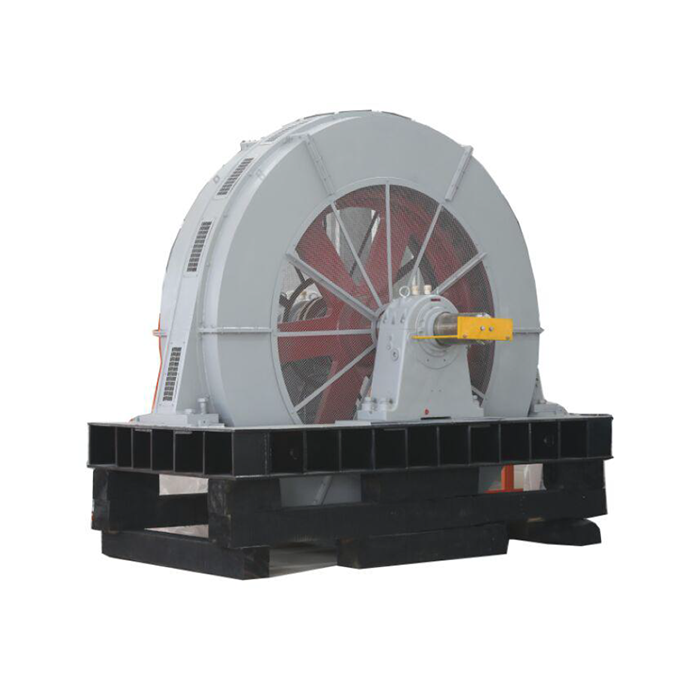 VIEW MORETDMK series synchronous motor
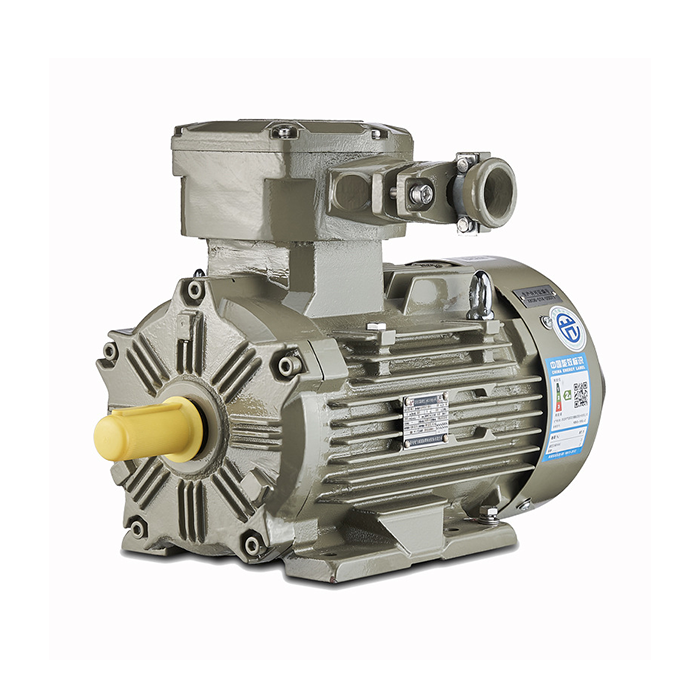 VIEW MOREYBX3 series low voltage explosion-proof motor
 VIEW MORE72 inch butterfly valve
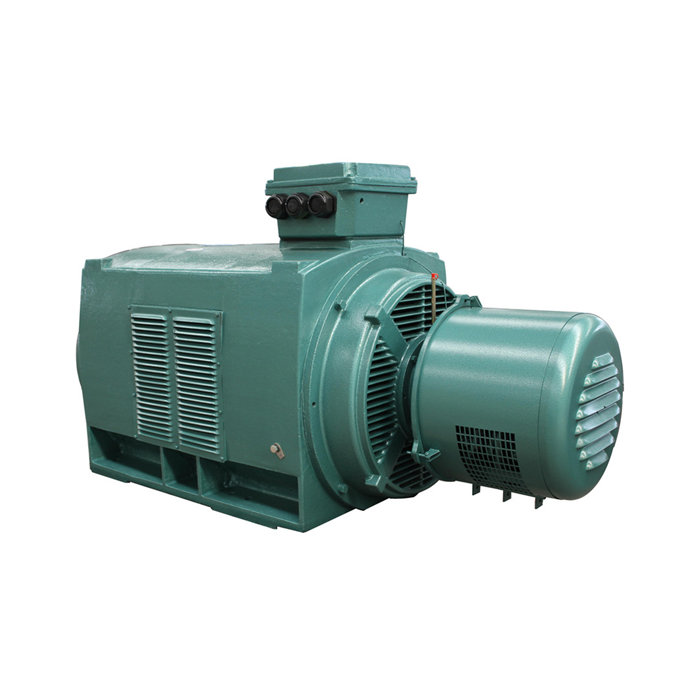 VIEW MOREelektromotor ip23
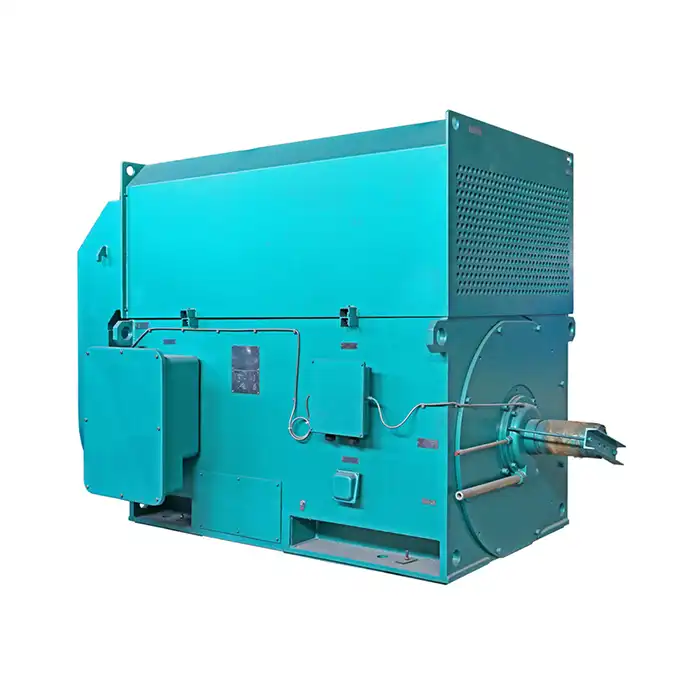 VIEW MORE2500 kw motor
 VIEW MOREYBS low voltage explosion-proof coal mine motor